2027 Best AI Ethics Courses for Social Media Managers

Co-Founder and Chief Data Scientist
Social media managers increasingly face challenges navigating ethical dilemmas posed by artificial intelligence tools that influence content curation, user engagement, and data privacy. Missteps in handling these technologies can lead to public backlash, legal issues, or damage to brand reputation. Without proper training in AI ethics, managers struggle to balance innovation with accountability.
This article highlights top AI ethics courses designed for social media professionals, focusing on flexible, accredited programs that provide practical frameworks for responsible AI use. It aims to guide readers toward informed educational choices to effectively manage AI-driven challenges in their roles.
Key Things You Should Know
- AI ethics courses for social media managers focus on bias mitigation, privacy protection, and transparency, reflecting industry demands as 72% of users express concerns about unethical AI content.
- Top 2026 courses prioritize practical case studies and regulatory frameworks like the U.S. Algorithmic Accountability Act, helping managers navigate legal and ethical challenges effectively.
- Programs increasingly incorporate interdisciplinary approaches, combining AI ethics with digital marketing, ensuring social media managers promote responsible algorithmic decisions and enhance user trust.
Advance Your Career with AI Online Courses
Artificial Intelligence: Implications for Business Strategy
This program provides an introduction to Artificial Intelligence and their implications for business strategy. Earn an official digital certificate.

Oxford Artificial Intelligence Programme
Explore this Oxford Artificial Intelligence programme offered in a flexible learning environment and explore topics like machine learning, automation, and robotics.

Implementing Agentic AI: Building Your Organizational Playbook
This online MIT Agentic AI course offers a practical approach to deploying AI agents in your organization, including a custom playbook. 3 weeks, exclusive launch price.

AI Adoption: Driving Business Value and Impact
This online MIT AI Adoption: Driving Business Value and Impact offers practical frameworks to close the gap between AI potential and business reality.

Artificial Intelligence in Pharma and Biotech
Discover the applications and limitations of artificial intelligence in pharma and biotech with this MIT online short course.

What are the best AI ethics courses specifically designed for social media managers?
Top AI ethics training for social media managers focuses on applying ethical principles to digital marketing, content moderation, and addressing algorithmic bias. These courses provide practical tools for transparency, data privacy, and combating misinformation-core issues for social media professionals. The University of Washington's "AI Ethics for Social Media" course uses real-world case studies to explore ethical challenges with user-generated content and automated moderation, helping managers create policies that balance user rights with brand trust.
Another excellent option is the "Ethical AI in Marketing" program at NYU Stern, which examines how AI affects customer targeting and engagement. It includes hands-on exercises for bias detection and audit techniques to promote fairness in AI-driven campaigns. The "Responsible AI" course from Carnegie Mellon University equips social media managers with risk assessment frameworks and compliance strategies tailored to the industry's unique challenges.
Given that 88% of global CMOs highlight responsible AI use as vital to brand reputation but only 30% feel prepared to tackle related risks, these top online AI ethics courses for social media professionals address a crucial skills gap. Prospective learners should seek programs with case studies, risk tools, and regulatory insights specific to social media to lead ethical AI strategies effectively. For those exploring educational pathways, the fastest way to get a computer science degree can also support advancing in AI ethics-related fields.
Advance Your Career with AI Online Courses
Artificial Intelligence: Implications for Business Strategy
This program provides an introduction to Artificial Intelligence and their implications for business strategy. Earn an official digital certificate.
Oxford Artificial Intelligence Programme
Explore this Oxford Artificial Intelligence programme offered in a flexible learning environment and explore topics like machine learning, automation, and robotics.
Implementing Agentic AI: Building Your Organizational Playbook
This online MIT Agentic AI course offers a practical approach to deploying AI agents in your organization, including a custom playbook. 3 weeks, exclusive launch price.
How do AI ethics courses help social media managers handle algorithmic bias and content moderation?
AI ethics training improves social media bias awareness by equipping managers with the skills to identify and address algorithmic bias. These courses teach how biased data or flawed algorithms can unintentionally favor or discriminate against user groups, which is critical in auditing algorithms for unfair outcomes that may marginalize minority voices or reinforce stereotypes.
Strategies from AI ethics courses for effective content moderation help balance automated AI systems with human oversight. Social media managers learn ethical frameworks to prevent unjust censorship of legitimate content and to curb the spread of harmful misinformation. They also study fairness, accountability, and transparency to better align moderation with legal and ethical standards.
A 2024 Adobe survey highlights significant concerns: 76% of marketing and CX leaders fear AI-generated content could increase misinformation, while 72% worry about hidden bias harming brand trust. AI ethics training addresses these issues, teaching managers to critically evaluate AI outputs, apply bias detection tools, and establish clear ethical content guidelines to maintain credibility.
Professionals interested in advancing their knowledge of AI and ethics may consider exploring options such as a mechanical engineer degree online, which can provide valuable technical foundations applicable across diverse AI fields. By mastering these competencies, social media managers reduce reputational risks and foster more inclusive, trustworthy online communities amid rapidly evolving AI technologies.
What should you look for in an AI ethics course curriculum for social media work?
An effective AI ethics course curriculum for social media managers must emphasize practical frameworks tailored to responsible AI use and governance in digital communication channels. Key topics include data privacy, algorithmic bias, and content moderation ethics, all crucial for how platforms influence public discourse and user experience. Ethical considerations in artificial intelligence for social media managers cover:
- The social impact of AI-driven content targeting and recommendation systems.
- Techniques to identify and mitigate bias in automated decision-making.
- Compliance with data protection laws such as GDPR and CCPA.
- Guidelines for transparency and explainability of AI tools in social campaigns.
- Case studies on AI failures and resulting harm within social media.
- Strategies to balance automation with human oversight in content curation.
Courses incorporating hands-on projects with AI platforms boost skill retention and immediate job readiness. Practical exercises like moderation system simulations and ethical AI audits offer real-world experience.
The impact of artificial intelligence ethics on social media marketing strategies is reflected in job market trends. According to LinkedIn's "Jobs on the Rise" report, postings requiring "AI governance" or "responsible AI" skills have grown ~75% year over year globally. Roles demanding AI ethics expertise command median salaries approximately 20% higher than those without.
Emerging challenges such as misinformation, deepfakes, and ethical use of AI-generated content are vital topics for social media professionals navigating evolving digital landscapes. Exploring further education options can enhance expertise, including programs like MS data science online.
Are there accredited AI ethics programs and microcredentials relevant to social media careers?
Accredited AI ethics programs for social media professionals are becoming more accessible as ethical considerations grow crucial in digital communication. These credentials address challenges such as algorithmic bias, misinformation, user privacy, and content moderation. Universities like the University of California, Berkeley offer courses emphasizing responsible AI deployment in social media environments. Platforms such as edX and Coursera partner with top institutions to provide microcredentials focused on AI ethics and responsible practices, which are especially relevant to social media careers.
Programs cover key topics including transparency in AI systems, data governance, and the societal impact of automation on user engagement. They prepare professionals to ethically manage AI-driven tools aligned with platform policies, boosting credibility for roles overseeing AI algorithms in content recommendations and advertising. Microcredentials are particularly valuable for working professionals seeking targeted learning without a full degree commitment.
The Coursera 2024 Global Skills Report notes enrollments in courses tagged "AI ethics" or "responsible AI" surged by over 160% between 2022 and 2024, underscoring rising demand for expertise in this area. Prospective students should assess programs for accreditation, relevant curriculum, and practical case studies centered on social media contexts. For those interested in expanding their digital skill set, consider exploring cyber security courses online that complement AI ethics training.
How do online AI ethics courses compare with on-campus programs for social media professionals?
Online ai ethics courses provide social media professionals with flexible and faster access to essential knowledge compared to traditional on-campus programs. These courses often feature modular content that addresses issues like ai transparency, trust, and security, allowing students to apply ethical frameworks directly to social media management challenges such as bias mitigation and responsible data use.
On-campus programs, by contrast, offer a broader multidisciplinary education integrating ai ethics with social sciences and technical foundations but require longer time commitments and have less scheduling flexibility. Online courses can rapidly update content to keep pace with evolving ai ethics standards and frequently include interactive elements such as case studies, forums, and simulations tailored to social media contexts to enhance practical learning.
Key considerations when choosing between formats include budget, timeline, and career objectives. Employers increasingly recognize certificates from reputable online courses, especially when combined with proven ethical ai implementation in social media campaigns. Prospective students should look for curricula that cover governance, bias, privacy, and algorithmic accountability specific to social media environments.
According to Gartner, embedding ai transparency, trust, and security in operations can boost ai adoption and business results by 50% by 2026, highlighting the importance of applied learning emphasized by online courses. For social media managers aiming for immediate impact, online options deliver targeted, actionable insights, while those seeking deeper theoretical grounding might prefer on-campus programs.
What prerequisites and admission requirements do AI ethics certificates and degrees typically have?
AI ethics certificate and degree programs generally require a strong foundational background and clear admission criteria, often based on academic or professional experience. Certificates commonly need at least a high school diploma or equivalent, with some preference for candidates who have completed college coursework in technology, social sciences, or philosophy. Degree programs, including bachelor's or master's in AI ethics or related disciplines, usually require an undergraduate degree in fields like computer science, information technology, philosophy, law, or communication studies.
Graduate admissions may also ask for GRE scores, letters of recommendation, and personal statements showing a candidate's passion for AI ethics. Professional experience in technology, policy, or digital media is especially valued for part-time or online program applicants.
A 2024 Edelman Trust Barometer Special Report on AI reveals 61% of consumers would lose trust in brands using AI unethically, and 53% have changed purchase decisions over AI-related concerns. This highlights why admissions committees seek candidates skilled in both technical and ethical challenges. Prospective students should consult program websites directly to confirm prerequisites and consider preparatory courses if needed to build essential skills.
How much do AI ethics courses for social media managers cost, and are there financial aid options?
AI ethics courses for social media managers vary widely in cost and format, ranging from free introductory sessions to specialized certificate programs priced between $200 and $2,500. Entry-level courses on platforms like Coursera and edX usually charge $200-$500, offering full access, graded assignments, and certification. More comprehensive offerings from universities or professional institutes can exceed $1,500, particularly when paired with mentoring and practical case studies.
Financial aid is often available through these platforms, including need-based scholarships and partial fee waivers provided upon submission of income or educational documentation. Many employers support these programs as part of professional development budgets, especially those focused on fostering responsible AI practices.
Subscription models, such as LinkedIn Learning, offer cost-effective access to AI ethics content for about $30 monthly, allowing managers to explore multiple related topics without a large upfront fee. This is ideal for those building expertise gradually.
Investing in ethics training provides clear business advantages. IBM's "State of Responsible AI" report finds that companies with mature responsible AI programs, including ethics education, are 2.7 times more likely to realize significant business value from AI initiatives, making quality training a strategic investment.
What careers can AI ethics training open for social media managers and digital marketers?
AI ethics training equips social media managers and digital marketers to tackle challenges linked to ethical content moderation and responsible platform management. Roles such as content policy advisors are increasingly vital, as they develop and enforce guidelines to curb misinformation and harmful content, helping platforms maintain community standards.
Expertise in AI ethics also benefits careers in compliance and risk management. These professionals evaluate automated moderation tools for bias and fairness, ensuring algorithms comply with ethical and legal norms. Meta's 2024 Widely Viewed Content Report highlighted that content later removed for policy violations made up over 13% of U.S. News Feed views, underscoring these moderation challenges.
Other emerging roles include ethical AI auditors and digital ethics consultants who guide marketing teams on responsible AI use in targeting and content creation. Knowledge of privacy laws, algorithmic transparency, and ethical guidelines is essential. Social media managers with this training can advance into AI product management within tech companies, focusing on ethical feature design.
Opportunities also exist in academic and policy research, analyzing AI's social impact on communication and developing ethical frameworks for digital marketing. Collaboration with government and nonprofit entities working to combat misinformation and safeguard vulnerable users is common in these roles.
What salaries and job outlook can social media managers with AI ethics expertise expect?
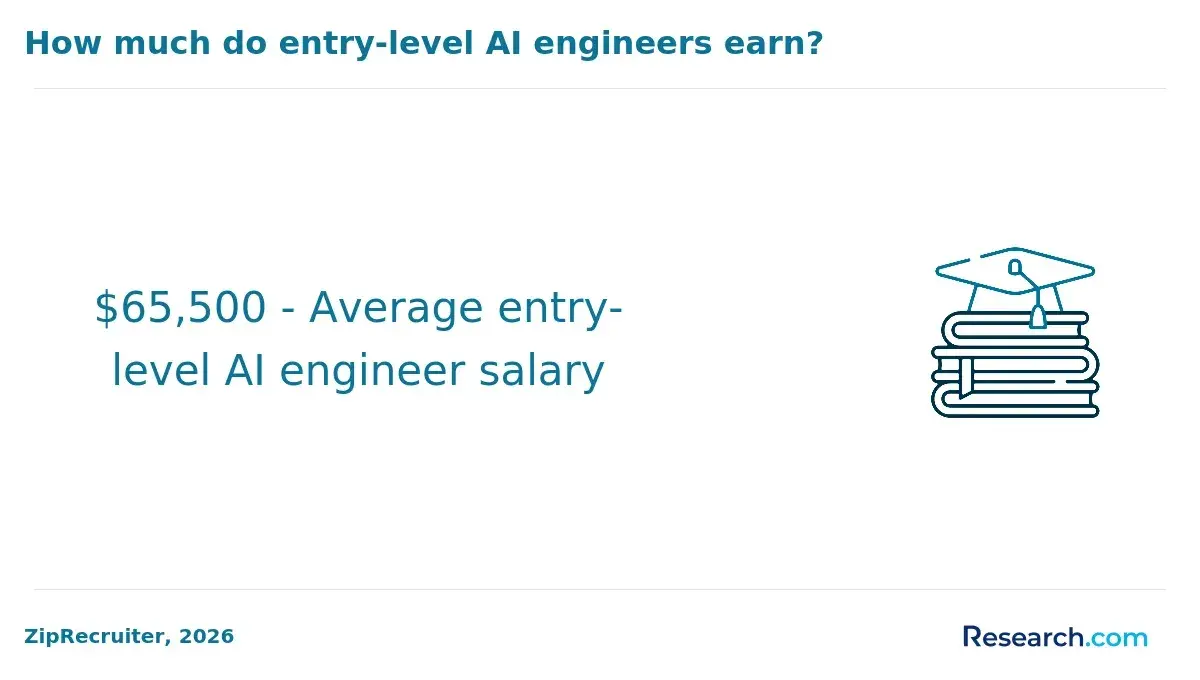
Social media managers who specialize in AI ethics are increasingly valued for their ability to guide responsible digital practices. Salaries for these professionals typically range from $65,000 to $95,000 annually, influenced by experience, location, and company size. Managers with expertise in integrating AI ethics often earn at the higher end of this spectrum due to their unique skills in overseeing ethical use of generative AI tools.
Demand for these roles is growing as businesses adopt AI technology to create content. Research shows that 61% of companies use generative AI in social media, yet only 35% have formal training or guidelines on ethical AI use. This gap creates opportunities for experts who can establish frameworks to address risks like bias, misinformation, and privacy concerns.
This expertise is in demand across marketing agencies, technology firms, and nonprofits, offering greater job security and compensation. Increasing regulatory pressures and consumer expectations highlight the importance of ethical leadership in AI-driven social media management.
Which professional certifications, codes of ethics, or standards apply to AI use in social media?
Professional certifications and codes of ethics are essential for guiding the responsible use of artificial intelligence in social media management. Notable certifications include the Certified Ethical Emerging Technologist (CEET) credential from the International Association of Privacy Professionals (IAPP), which addresses ethical challenges in emerging technologies. The IEEE's Certified Ethical Artificial Intelligence Practitioner focuses on fairness, transparency, and accountability in AI systems.
Key ethical frameworks come from organizations like the IEEE Global Initiative on Ethics of Autonomous and Intelligent Systems, which emphasizes human rights, privacy, and bias mitigation. The Association for Computing Machinery (ACM) Code of Ethics also stresses honesty and fairness in AI development and deployment. Additionally, industry-specific standards such as the Digital Advertising Alliance's (DAA) guidelines support responsible data use and user consent in AI-driven advertising.
The World Economic Forum's 2024 Future of Jobs report notes that while 75% of companies expect to use AI by 2027, only 26% plan significant investments in staff training on AI ethics. This gap highlights the need for social media professionals to pursue certifications and follow ethical codes to manage risks effectively. These certifications and standards help address issues such as algorithmic bias, data misuse, and transparency, ensuring AI tools align with legal and societal expectations in social media management.
Other Things You Should Know About Artificial Intelligence
In 2027, social media managers are pivotal in ensuring AI accountability by implementing ethical guidelines, monitoring AI outputs, and providing feedback. They work closely with developers to ensure AI tools align with ethical standards and facilitate transparent communication with users regarding AI's role in content management.
AI transparency involves making the decision-making processes of AI systems clear and understandable to users. When social media platforms disclose how AI algorithms work, it fosters user trust by reducing fears about hidden biases or manipulative practices.
AI can both perpetuate and reduce misinformation depending on how it is designed and managed. Effective AI systems can identify and flag false content, but poorly crafted algorithms or biased data may inadvertently amplify misleading or harmful information on social platforms.
References
- Search https://www.cim.co.uk/learn-develop/training-development/training-courses/ai-for-social-media/
- How AI Tools for Digital Marketing ARE Useful To Land a Job? https://zabeelinstitute.ae/blog/ai-tools-for-digital-marketing-job/
- Exploring the Role of AI in Career Access Through a Social Justice Lens | Nordic Journal of Transitions, Careers and Guidance https://njtcg.org/articles/10.16993/njtcg.77
- AI Social Media Management Cost 2026: $27 to $199 a Month - Apaya https://apaya.com/blog/ai-social-media-management-costs
- AI Governance Career: Important Roles, Skills & Salary Trends (2025) - Tech Jacks Solutions https://techjacksolutions.com/ai-governance-career-roles-skills-salary/
- Best Social Media Marketing Certifications for Rapid Career Growth https://cxl.com/blog/best-social-media-marketing-courses/
- Ethical AI by Design: Lessons from ISO and a Framework for the Future https://www.worldcertification.org/ethical-ai-by-design-lessons-from-iso-and-a-framework-for-the-future/
- Certificate in AI Ethics https://aurora.edu/academics/certificates/ai-ethics/index.html
- Oxethica - Training & Certification https://www.oxethica.com/training
- DavidsonX: AI Ethics for Professionals | edX https://www.edx.org/learn/computer-science/davidson-college-the-ethics-of-ai