2027 Best Agentic AI Courses for Project Managers

Co-Founder and Chief Data Scientist
Project managers often face the challenge of integrating agentic AI tools into their workflows without formal training, leading to inefficiencies and missed opportunities. As AI continues to reshape industries, acquiring specialized knowledge becomes crucial for managing complex projects involving intelligent automation and decision-making systems. This gap in expertise can stall career growth and limit competitive advantage.
This article highlights the best agentic AI courses tailored for project managers, focusing on flexible, accredited options that facilitate a smooth transition into AI-driven roles and enhance leadership capabilities in technology-focused environments.
Key Things You Should Know
- Agentic AI courses for project managers in 2026 emphasize practical integration of autonomous decision-making tools, enhancing project efficiency by up to 35%, according to 2025 industry analyses.
- These courses often combine AI theory with leadership training, addressing critical skills gaps as 72% of U.S. project managers report needing AI competence to remain competitive.
- Leading programs incorporate real-world case studies and updated AI ethics curricula, reflecting increased regulatory attention on AI accountability in project management.
Advance Your Career with AI Online Courses
Artificial Intelligence: Implications for Business Strategy
This program provides an introduction to Artificial Intelligence and their implications for business strategy. Earn an official digital certificate.

Oxford Artificial Intelligence Programme
Explore this Oxford Artificial Intelligence programme offered in a flexible learning environment and explore topics like machine learning, automation, and robotics.

Implementing Agentic AI: Building Your Organizational Playbook
This online MIT Agentic AI course offers a practical approach to deploying AI agents in your organization, including a custom playbook. 3 weeks, exclusive launch price.

AI Adoption: Driving Business Value and Impact
This online MIT AI Adoption: Driving Business Value and Impact offers practical frameworks to close the gap between AI potential and business reality.

Artificial Intelligence in Pharma and Biotech
Discover the applications and limitations of artificial intelligence in pharma and biotech with this MIT online short course.

What is agentic AI and why does it matter for project managers today?
Agentic AI for project management professionals represents a shift from traditional reactive AI to systems capable of autonomous decision-making and proactive goal management. This advanced form of AI independently handles resource allocation, risk assessment, and conflict resolution, reducing the need for constant human oversight in complex projects. Such capabilities enable project managers to delegate tasks that require dynamic adjustment and predictive insights.
The impact of agentic artificial intelligence on project management today includes automating up to 80% of project management tasks by 2030, according to Gartner's analysis. This automation covers areas such as monitoring progress, managing timelines, and reporting, which allows project managers to focus on strategic decisions rather than administrative duties.
By working alongside agentic AI, project managers can:
- Delegate complex scheduling conflicts to AI that adjusts in real time.
- Gain predictive insights about risks and resource constraints.
- Focus on strategic decision-making instead of administrative burden.
- Integrate AI-driven data reports to improve stakeholder communication.
Despite its advantages, professionals must understand ethical considerations and the risks of over-dependency on agentic AI. Training in these systems is essential for preserving the critical human judgment needed for successful projects. Those interested in advancing their career with AI expertise can explore the AI career path, which offers diverse opportunities leveraging these emerging technologies.
Advance Your Career with AI Online Courses
Artificial Intelligence: Implications for Business Strategy
This program provides an introduction to Artificial Intelligence and their implications for business strategy. Earn an official digital certificate.
Oxford Artificial Intelligence Programme
Explore this Oxford Artificial Intelligence programme offered in a flexible learning environment and explore topics like machine learning, automation, and robotics.
Implementing Agentic AI: Building Your Organizational Playbook
This online MIT Agentic AI course offers a practical approach to deploying AI agents in your organization, including a custom playbook. 3 weeks, exclusive launch price.
What are the best agentic AI courses specifically designed for project managers?
Agentic AI training programs tailored for project management professionals focus on applying AI-driven automation, decision-making, and collaboration tools within project workflows. Courses from institutions like Stanford and MIT emphasize practical skills such as AI task delegation, predictive analytics, and intelligent resource allocation to enhance project outcomes.
These programs teach how to deploy autonomous agents that reduce manual tasks and dynamically adjust project plans by identifying risks and managing dependencies effectively. Project managers gain expertise in using AI agents to generate real-time forecasts and optimize budgets automatically.
Top offerings usually include coverage of ethical considerations and strategies for human-AI collaboration, ensuring managers maintain strategic oversight despite increased automation. Hands-on case studies and simulations facilitate applying agentic AI in complex, multi-phase projects, which is critical as global AI spending in project management software grows at a 32% compound annual growth rate (CAGR) from 2024 to 2030.
When evaluating the best agentic AI courses for project managers, key factors include:
- Training on specific agentic AI platforms commonly used in project settings.
- The balance between theoretical frameworks and practical exercises.
- Recognition by industry and alignment with certifications such as PMP or Agile.
- Inclusion of emerging trends like autonomous scheduling and AI-enhanced stakeholder communication.
For those seeking comprehensive credentials, exploring an online AI degree offers additional qualification opportunities to stay competitive in this rapidly evolving field.
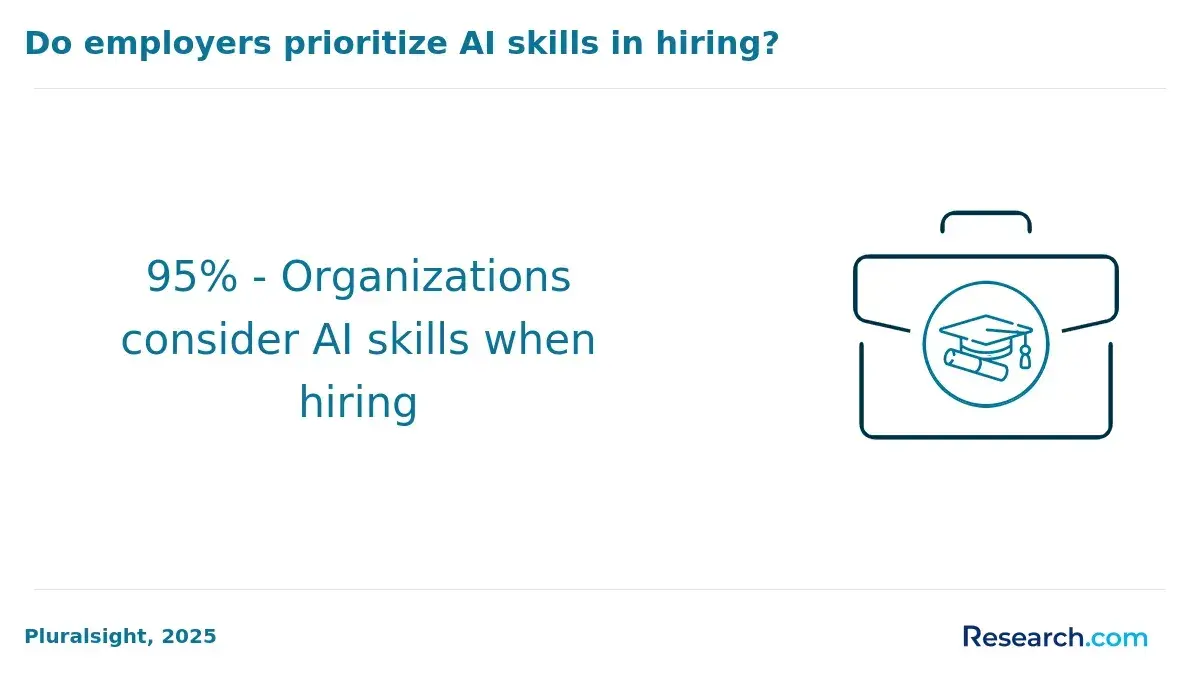
How do agentic AI courses for project managers differ from general AI courses?
Agentic AI project management courses focus on practical applications of AI within project contexts, differing significantly from general AI training for project managers. Instead of emphasizing theory, algorithms, or coding, these courses prioritize decision-making, automation, and leadership skills that are essential for managing AI-augmented projects effectively.
Key topics include managing the AI project lifecycle, integrating AI tools with frameworks like Agile and Waterfall, assessing risks in AI deployments, and handling ethical issues related to automated decision systems. Project managers learn to apply AI for optimizing scheduling, resource allocation, and risk mitigation rather than merely understanding model internals.
Human-AI collaboration and change management are also critical components, preparing managers to lead teams through the challenges of AI adoption. Training covers how to communicate AI capabilities and limitations to stakeholders and ensure transparency in AI-driven decisions.
This application-oriented approach contrasts with general AI courses that lean more towards programming or theoretical study. Importantly, professionals with advanced AI skills in project management earn 27% higher total compensation according to PMI's Salary Survey and AI Skills in Project Management report. For those interested, exploring online MS data science programs can further enhance their expertise in this area.
What types of credentials exist for agentic AI training (certificates, bootcamps, degrees)?
Credentials for agentic AI training vary widely across certificates, bootcamps, and degrees, each catering to different career goals. Agentic AI certification programs for project managers typically offer targeted, short-term courses that focus on specific AI agent frameworks or workflow automation. These certificates are practical for professionals who want to quickly enhance their skills without a lengthy commitment.
Bootcamps and degree options in agentic AI training differ in intensity and duration. Bootcamps provide immersive, hands-on experiences spanning several weeks to months, blending coding, system design, and strategic AI deployment. This format suits those seeking rapid skill acquisition and portfolio-building projects for immediate application in AI roles.
Degrees, particularly at the graduate level, provide comprehensive coverage of AI concepts, ethics, agent architecture, and project management. Master's programs in AI, data science, or technology management offer theoretical foundations along with research opportunities, preparing students for leadership. Those interested in formal, recognized qualifications can explore options like an online computer science degree to balance flexibility and rigor.
By 2026, 75% of large enterprises are expected to integrate AI agents into at least one project or work management tool, underscoring the growing importance of diverse credential formats that combine theory, technical skills, and project application.
How can project managers evaluate online vs. campus-based agentic AI programs?
Project managers comparing online and campus-based agentic AI programs should consider key factors like flexibility, interaction quality, hands-on experience, and credential recognition. Online programs excel in flexibility, allowing professionals to learn alongside active projects, while campus courses offer direct instructor access, peer collaboration, and immersive labs for those who prefer structured environments.
Hands-on learning is essential. Campus programs often include in-person workshops and simulations crucial for mastering agentic AI tools used in workflows. However, well-crafted online programs increasingly feature virtual labs and real-time team projects that foster collaboration across locations. It's important to confirm if online courses provide updated AI software access and adequate guided practice.
Costs and time vary: campus options may involve relocation and commuting expenses, whereas online courses generally reduce costs and allow self-paced study. Both formats must align with industry accreditation and employer-valued credentials, especially for AI-driven automation roles.
Organizations integrating AI-driven automation report 30-35% productivity boosts and 20-25% faster project delivery, highlighting the value of programs with proven industry relevance. Project managers should also clarify available support for complex AI tool deployment, coverage of AI governance and ethics, and how group dynamics differ between virtual and live classrooms.
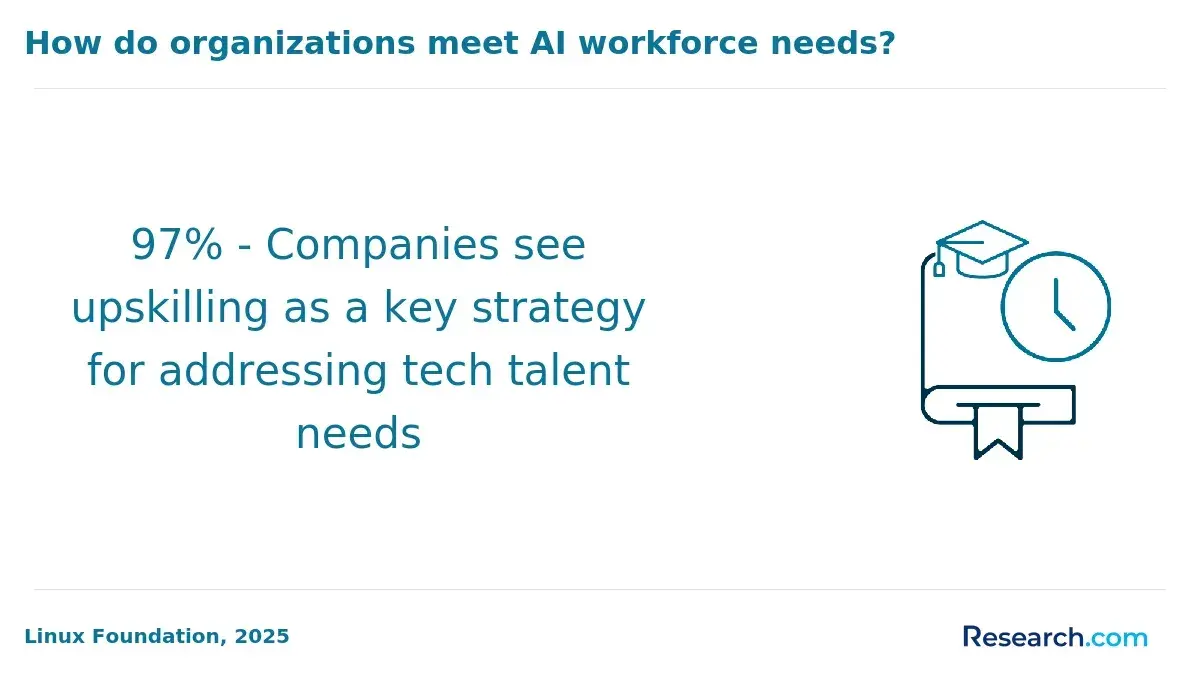
Which accreditation and industry standards should agentic AI courses for project managers meet?
Agentic AI courses for project managers must adhere to rigorous accreditation and industry standards to ensure quality and relevance. Key accreditations include recognition by the Accreditation Council for Business Schools and Programs (ACBSP) and the Project Management Institute's Registered Education Provider (PMI REP) program. These accreditations confirm that curricula align with established project management and technology education frameworks, incorporating agentic AI competencies essential for practical applications.
Industry standards from PMI and IEEE play a crucial role in defining AI ethics, safety, and project lifecycle management. PMI's Talent Triangle highlights the need for a blend of technical, leadership, and strategic business skills, making it essential for agentic AI courses to integrate these management principles. Compliance with IEEE standards on AI system design and transparency further ensures the responsible deployment of autonomous AI systems.
Alignment with the AI Education Framework by the Association for Computing Machinery (ACM) supports up-to-date instruction on machine learning, automation, and ethical issues. Programs incorporating case studies or assessments based on ACM competencies offer practical expertise that benefits project managers.
Modular micro-courses validated by these standards are increasingly favored for their flexibility and ease of updating. Coursera's 2024 Global Skills Report found that 73% of professionals prefer self-paced AI learning, while 61% choose modular formats instead of full degrees. These focused offerings provide targeted skill development backed by respected accreditation and industry standards.
What core skills and topics do agentic AI project management courses typically cover?
Agentic AI project management courses develop essential skills for leading AI-driven initiatives by focusing on autonomous decision-making systems, reinforcement learning, and intelligent agents. These programs integrate AI technology with traditional project management, emphasizing practical application within complex environments.
Core topics include risk assessment and ethical considerations like bias mitigation, transparency, and accountability. Project managers gain expertise in evaluating AI system performance to ensure alignment with business objectives. Data governance and management are also crucial, as handling large datasets securely impacts AI effectiveness.
Effective cross-functional team leadership is a major focus, requiring collaboration between data scientists, software engineers, and domain experts. Training often covers Agile and DevOps methodologies customized for AI development cycles to boost deployment speed and ongoing improvement.
According to LinkedIn Learning's 2024 Workplace Learning Report, 67% of large enterprises increased budgets for AI and automation training, with a 35% year-over-year rise in spending. This highlights growing industry demand for these proficiencies.
Courses address the entire AI project lifecycle, including problem framing, model validation, integration, and maintenance. Practical case studies span industries like finance, healthcare, and manufacturing, equipping learners with a well-rounded skill set that combines technical knowledge with strategic management.
What are the typical admission requirements, time commitment, and costs for these programs?
Agentic AI courses designed for project managers generally require a bachelor's degree in fields like business, engineering, or computer science. Applicants often need 2 to 5 years of project management experience, and some advanced programs expect foundational knowledge in AI or completion of prerequisite modules. Although standardized tests such as the GRE are seldom required, a statement of purpose or proof of professional achievements can strengthen the application.
Program durations vary widely depending on the format: intensive certificate courses or boot camps typically last 8 to 12 weeks with a weekly commitment of 6 to 10 hours. Part-time professional courses, including online MBAs with AI project management concentrations, may run from 6 to 18 months, demanding about 8 to 12 hours weekly. Candidates working full time should evaluate these timeframes carefully.
Costs fluctuate significantly, with shorter courses averaging $1,500 to $5,000, while master's level programs focused on AI integration in project management often fall between $20,000 and $60,000, influenced by the institution's prestige and delivery method. Employers sometimes sponsor AI education recognizing that organizations with low AI skills in project professionals are 2.5 times more likely to face underperforming or at-risk strategic projects, as noted in PMI's 2024 Pulse of the Profession report.
Choosing the right program means balancing schedule, budget, and expertise alongside personal career objectives.
What career outcomes, roles, and salary ranges can follow agentic AI training for project managers?
Agentic AI training equips project managers for advanced roles such as AI project lead, automation strategist, and AI-enabled product manager. These positions involve overseeing AI agents that autonomously execute project tasks, streamline workflows, and align initiatives with business goals. In the U.S., professionals in these roles can earn salaries ranging from $90,000 to $140,000 annually, reflecting strong demand for skills that combine project management with agentic AI expertise.
Beyond traditional responsibilities, this training opens doors to specialized careers including AI governance officer and AI workflow coordinator. These roles focus on ethical AI deployment and fostering collaboration between human teams and AI-driven systems, enhancing project efficiency and reducing risks.
Employers especially in tech, financial services, and healthcare increasingly value project managers proficient in agentic AI to lead innovation projects. The rapidly growing educational market supports this trend: over 40 university-backed programs on agentic AI have emerged globally from 2023 to 2025, according to Class Central's industry tracking.
Professionals looking to thrive should combine traditional project management certifications with hands-on experience managing AI-powered projects and a solid understanding of agent autonomy. This blend significantly boosts competitiveness and salary potential in sectors integrating autonomous decision-making tools.
How should project managers choose the right agentic AI course for their experience level and goals?
Project managers should choose agentic AI courses that match their current skill level and career goals. Beginners benefit from foundational programs that introduce core AI concepts, ethical considerations, and project leadership integration without overwhelming technical details. For example, introductory courses on AI-powered tools and decision-making frameworks offer practical knowledge tailored for newcomers.
Intermediate professionals can focus on courses that combine AI oversight with strategic project management. These often include hands-on modules covering AI-driven risk assessment, resource allocation, and workflow automation, helping managers refine hybrid skills as AI adoption accelerates.
Advanced project leaders need programs addressing cutting-edge agentic AI technologies, governance, and leadership strategies for AI teams. Case studies on AI ethics, regulatory compliance, and cross-functional collaboration are vital for managing complex AI initiatives.
When selecting courses, consider:
- Alignment with your expertise and knowledge gaps
- Inclusion of practical components like simulations or projects
- Curriculum relevance to future job market trends identified by the World Economic Forum's 2025 Future of Jobs
- Availability of industry-recognized certifications or partnerships enhancing credibility
The World Economic Forum projects a 30% growth in roles blending project leadership and AI oversight from 2025 to 2030, underlining the need for hybrid skill development essential in emerging augmentation roles within knowledge-work sectors.
Other Things You Should Know About Artificial Intelligence
Artificial intelligence is a broad field focused on creating systems capable of performing tasks that normally require human intelligence. Machine learning is a subset of artificial intelligence that involves training algorithms to learn from data and improve their performance over time without explicit programming. Essentially, machine learning powers many AI applications by enabling autonomous pattern recognition and decision-making.
In 2027, project managers gain enhanced decision-making capabilities, improved risk management, and increased efficiency by taking AI courses. These courses equip them with the skills to leverage AI tools for automating routine tasks, analyzing complex data, and optimizing project workflows, thereby increasing overall productivity and outcomes.
Artificial intelligence can streamline project management by automating routine tasks such as scheduling, resource allocation, and risk assessment. It enhances decision-making with predictive analytics and real-time data insights, allowing project managers to respond proactively to changes. AI tools also facilitate better communication and collaboration through intelligent virtual assistants and workflow automation.
Project managers should ensure AI systems are transparent, fair, and accountable to avoid biases that can lead to unfair outcomes. Data privacy and security must be prioritized to protect sensitive information. Additionally, managers need to consider the impact of AI on workforce dynamics, ensuring responsible integration that supports human workers rather than replaces them indiscriminately.
References
- Admission Requirements & Application Process for Studying Abroad: Detailed Explanation https://blogs.tclglobal.co.uk/admission-requirements/
- Admission Requirements | Undergraduate Admissions + Programs https://www.ualberta.ca/en/admissions/how-to-apply/admission-requirements/index.html
- Transforming Project Management with AI Agents (2024 Edition) https://ricardo-vargas.com/courses/revolutionizing-project-management-with-ai-agents/
- Agentic AI Certification Training | EduHubSpot https://www.eduhubspot.com/course-details/agentic-ai-training
- 8 Best Agentic AI Courses for 2026 https://k21academy.com/agentic-ai/best-agentic-ai-courses/
- Agentic AI vs. Generative AI: Key Differences Explained https://agilemania.com/agentic-ai-vs-generative-ai
- NVIDIA Agentic AI LLMs Certification https://www.nvidia.com/en-us/learn/certification/agentic-ai-professional/
- LLM Prompts and Answers - agentacademy.ai | AI Agent Online Training & Certification https://agentacademy.ai/llm-prompts-and-answers/
- Agentic AI: The New Software Paradigm | AI Campus https://ki-campus.org/en/blog/agentic-ai
- When is the right time to add a new program? https://www.rize.education/blog/when-is-the-right-time-to-add-a-new-program