2027 Best AI Ethics Courses for Risk and Controls Teams

Co-Founder and Chief Data Scientist
Risk and controls teams face rising challenges as organizations deploy ai systems without clear frameworks for ethics and compliance. Missteps can result in regulatory penalties, reputational damage, and operational risks. Professionals must quickly acquire knowledge to identify and mitigate ethical concerns in ai models and data usage. Traditional training may lack applied focus or fail to address emerging standards in accountability and transparency. This article reviews the best ai ethics courses designed for risk and controls specialists, highlighting flexible, accredited options that build practical skills and support career pivots into this critical field.
Key Things You Should Know
- Courses emphasize ethical frameworks for artificial intelligence risk, addressing compliance with emerging 2025 federal guidelines impacting risk and controls functions in U.S. companies.
- Leading programs integrate hands-on training in bias detection, transparency, and accountability to enhance decision-making and regulatory adherence for control teams.
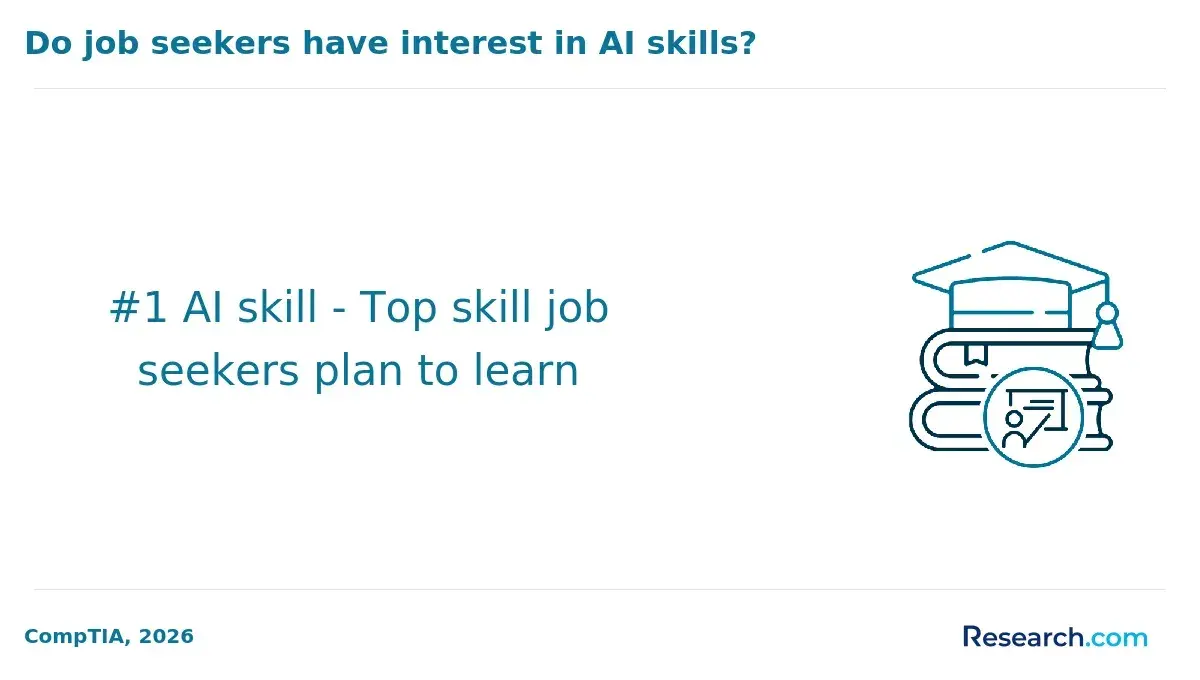
- Enrollment in AI ethics courses rose by 35% in 2025, reflecting growing employer demand for professionals skilled in mitigating AI risks in high-stakes environments.
Advance Your Career with AI Online Courses
Artificial Intelligence: Implications for Business Strategy
This program provides an introduction to Artificial Intelligence and their implications for business strategy. Earn an official digital certificate.

Oxford Artificial Intelligence Programme
Explore this Oxford Artificial Intelligence programme offered in a flexible learning environment and explore topics like machine learning, automation, and robotics.

Implementing Agentic AI: Building Your Organizational Playbook
This online MIT Agentic AI course offers a practical approach to deploying AI agents in your organization, including a custom playbook. 3 weeks, exclusive launch price.

AI Adoption: Driving Business Value and Impact
This online MIT AI Adoption: Driving Business Value and Impact offers practical frameworks to close the gap between AI potential and business reality.

Artificial Intelligence in Pharma and Biotech
Discover the applications and limitations of artificial intelligence in pharma and biotech with this MIT online short course.

What are the best AI ethics courses for risk and controls professionals?
Several standout programs offer the best AI ethics courses for risk and controls professionals, focusing on governance, risk mitigation, and compliance as AI technologies evolve. Leading institutions such as MIT Professional Education, Stanford Online, and Carnegie Mellon University deliver training tailored for risk and compliance teams, emphasizing ethical frameworks, bias detection, and regulatory adherence.
MIT's "Ethics of AI and Big Data" course explores algorithmic transparency, AI system auditing, and risk assessment methods critical for managing AI-driven processes. Stanford's "AI and Ethics" integrates societal impacts with risk governance, providing tools to anticipate AI incidents and create effective control mechanisms.
Carnegie Mellon's "AI Risk Management" covers ethical principles and operational risk controls, illustrated by case studies on AI misuse. These offerings are vital given Deloitte's 2024 global survey, which showed 57% of organizations using generative AI faced at least one significant AI-related incident, while only 24% had formal risk management frameworks in place.
When exploring top AI ethics training programs for risk and compliance teams, seek courses combining theoretical foundations with applied skills. Look for programs offering:
- Practical use of AI audit and risk monitoring tools
- Ethical frameworks aligned with U.S. regulations and industry standards
- Training in AI incident response planning and control design
Strong AI ethics education equips risk teams to develop governance policies that reduce legal and operational risks. Professionals interested in what jobs can you get with an AI degree will find that combining ethics with risk management skills opens diverse career paths.
Advance Your Career with AI Online Courses
Artificial Intelligence: Implications for Business Strategy
This program provides an introduction to Artificial Intelligence and their implications for business strategy. Earn an official digital certificate.
Oxford Artificial Intelligence Programme
Explore this Oxford Artificial Intelligence programme offered in a flexible learning environment and explore topics like machine learning, automation, and robotics.
Implementing Agentic AI: Building Your Organizational Playbook
This online MIT Agentic AI course offers a practical approach to deploying AI agents in your organization, including a custom playbook. 3 weeks, exclusive launch price.
How do AI ethics courses specifically support compliance, audit, and risk management roles?
AI ethics courses for compliance and risk management professionals play a vital role in helping teams navigate complex regulatory challenges shaped by rapidly evolving AI laws. With over 75 jurisdictions introducing AI regulations since 2020, these programs enable compliance officers to create policies that align with legal requirements and reduce risks from biased algorithms or privacy issues.
Integrating AI ethics training into audit and risk control roles empowers auditors to embed ethical risk assessments into audits, focusing on data integrity and algorithmic transparency. Risk managers develop skills to identify and mitigate AI-related risks such as discrimination and regulatory noncompliance, enhancing overall organizational resilience.
Training typically covers key principles including fairness, accountability, transparency, bias assessment methods, documentation tools for AI decision processes, and monitoring strategies to prevent ethical breaches:
- Understanding fairness and accountability in AI models
- Techniques for detecting bias and discriminatory outcomes
- Methods to document AI decision-making for audits
- Approaches for ongoing ethical oversight of AI systems
These courses prepare professionals to revise policies, conduct ethical audits, and anticipate regulatory risks effectively. For individuals seeking comprehensive education, pursuing an online artificial intelligence degree can provide broader technical and ethical foundations to support governance roles in this fast-growing field.
What should you look for in an AI ethics curriculum for risk and controls teams?
A curriculum focusing on AI ethics training for risk and controls professionals should integrate ethical theory principles with practical risk and control frameworks specific to artificial intelligence. Key topics include data privacy, bias mitigation, transparency, accountability, and regulatory compliance, supported by real-world case studies on automation, decision-making, and algorithmic fairness. Such content prepares teams for complex ethical challenges they will face in operational environments.
Effective programs cover risk identification and assessment methods tailored to AI models, including audit techniques and control design. They emphasize developing policies that balance innovation with ethical safeguards. Comprehensive curricula on artificial intelligence governance also include AI lifecycle management and stakeholder impact analysis, helping learners understand how risks emerge and propagate in AI systems.
The demand for expertise in this area is reflected in compensation trends: U.S. roles labeled "AI Governance" and "Responsible AI" earn about 27% higher median pay than similar non-AI risk positions, with senior professionals often making over $200,000 annually. Multi-disciplinary approaches that combine computer science, ethics, law, and business controls further enhance career opportunities.
Hands-on training in compliance assessment, emerging regulations like the EU AI Act, and practical use of AI risk dashboards and audit workflows is essential. Teams gain experience in cross-functional collaboration to stay ready for evolving challenges. For those seeking education pathways, exploring a game design online degree can provide insights into curriculum design principles applicable to AI ethics training programs.
How do online AI ethics programs compare with campus-based options for working professionals?
Online AI ethics programs versus campus-based courses for working professionals offer distinct advantages tailored to varied needs. Online formats provide greater flexibility, perfect for those balancing jobs and personal commitments, thanks to asynchronous learning that lets students progress at their own pace. This flexibility appeals especially to risk and controls teams seeking adaptable AI ethics training options. Moreover, online programs grant access to a wide range of global experts and diverse perspectives, enriching discussions on AI governance.
Campus-based courses, meanwhile, deliver immersive experiences with real-time interactions, mentoring, and networking. Their structured environment benefits professionals desiring cohort collaboration and on-site resources, although the physical presence requirement can restrict enrollment and mobility.
Essential features to consider when selecting programs include program accreditation, interaction frequency with instructors and AI ethics practitioners, the inclusion of practical case studies, flexibility, and cost implications such as travel or time away from work. Both formats cover vital topics like AI risk assessment, ethical frameworks, bias mitigation, and regulatory compliance to meet rising job market demands.
LinkedIn data reports an 85% annual increase in job postings mentioning "AI governance," "AI ethics," or "responsible AI," highlighting strong demand for specialized training. For professionals exploring cybersecurity or related fields, options such as a cybersecurity online degree can complement AI ethics expertise and broaden career pathways.
Ultimately, aligning a program with individual learning preferences and career goals is key to advancing in AI ethics and governance careers.
Which U.S. universities and providers offer accredited AI ethics certificates and microcredentials?
Several leading U.S. universities and industry organizations offer accredited certificates and microcredentials in AI ethics tailored for risk and controls professionals. The Massachusetts Institute of Technology (MIT) provides a professional certificate focusing on ethics in AI, highlighting governance frameworks and ethical risk management in AI deployment. Stanford University offers a microcredential through its Institute for Human-Centered Artificial Intelligence, emphasizing ethical design and policy implications.
The University of California, Berkeley's School of Information delivers a certified program addressing AI ethics alongside data privacy and security, suitable for compliance risk managers. Carnegie Mellon University's Heinz College offers a graduate certificate that integrates AI ethics, policy, and governance with real-world financial risk case studies.
Industry-aligned bodies like IEEE provide accredited microcredentials focusing on AI ethics in control systems, crucial for mitigating operational risks. According to IBM's AI Governance survey, organizations with formal AI ethics and governance programs face 36% fewer significant compliance breaches and 29% fewer AI-driven financial losses over $1 million.
When evaluating programs, consider:
- Accreditation by recognized academic institutions or industry organizations
- Curricula that cover regulatory compliance, bias mitigation, and ethical frameworks
- Case-based learning to simulate real-world risk scenarios
- Flexibility for working professionals
Choosing programs from reputable universities ensures rigorous training, vital for managing AI ethics amid growing regulatory and financial challenges.
What admission requirements, prerequisites, and skills are needed for AI ethics training?
Admission requirements for AI ethics training typically demand foundational knowledge in technology, law, or ethics, often including a bachelor's degree or equivalent experience in fields like computer science, philosophy, information systems, or risk management. Advanced or certificate programs may expect familiarity with AI fundamentals, data governance, or algorithmic bias.
Prerequisites often focus on data analysis skills, legal frameworks related to technology, and ethical theories shaping AI development. Some courses require prior completion of introductory machine learning or data privacy classes before progressing to specialized AI ethics topics.
Key skills that improve success include analytical reasoning, critical thinking, and the ability to navigate complex regulatory environments. Risk and controls professionals especially benefit from knowledge of compliance standards and internal audit procedures to apply ethical principles effectively.
Despite 73% of risk, compliance, and internal audit leaders participating in AI risk review or approval, PwC's 2024 Responsible AI and Risk study revealed only 18% had formal AI ethics training, highlighting a significant skills gap. To address this, providers recommend preparatory courses or self-study on fairness, accountability frameworks, and algorithmic bias.
Applicants should be ready to engage with interdisciplinary material covering legal, technical, and social aspects of AI. Programs combining case studies with practical applications develop the critical skills needed for effective AI governance roles.
How long do AI ethics courses take, and what do they typically cost?
AI ethics courses vary widely in length and format, typically ranging from 8 to 40 hours. Options include short workshops, multi-week bootcamps, and self-paced online programs that allow learners to complete courses over several days or months, fitting diverse schedules. Intensive certification courses for working professionals usually offer 20 to 30 hours of instruction spread over a few weeks.
Cost depends on course depth and provider. Entry-level offerings can be as low as $200 to $500, while comprehensive certification programs geared toward risk and controls professionals range from $1,000 to $3,500. University-affiliated certificates or executive training often exceed $5,000. Some providers also offer sliding scale pricing or bundled packages that include AI governance and compliance topics.
A typical AI ethics certification focusing on risk management involves about 25-30 hours of instruction, costing approximately $1,500. According to an ISACA member survey, professionals with AI-focused risk or governance certifications saw a 21% average salary increase or promotion within 12 months, with 62% reporting expanded roles in AI oversight.
Employers frequently support course fees and offer time off, recognizing the value in AI risk controls expertise. Prospective students should ensure courses cover key areas such as bias mitigation, compliance frameworks, and include practical case studies to prepare for evolving regulatory environments.
What careers can AI ethics and governance training lead to in risk and controls?
AI ethics and governance training equips professionals for roles centered on managing the ethical risks of AI systems in various industries. Specialists such as risk managers and compliance officers focus on identifying and mitigating harms from biased algorithms, privacy breaches, and regulatory violations. Governance analysts create frameworks to ensure accountability and transparency in AI deployment. Specific careers include AI risk assessors who evaluate potential risks of AI models, controls analysts who monitor for ethical violations, and data governance specialists who embed fairness and security in data protocols.
Professionals frequently collaborate with legal teams, data scientists, and executive leaders to ensure AI initiatives comply with evolving regulations and ethical standards. Practical experience with AI auditing and risk quantification tools significantly benefits career advancement. According to Gartner's 2024 Board of Directors Survey, 61% of large enterprises intend to increase investment in AI ethics and governance training by at least 25%, with 19% planning to more than double spending.
Examples of work in these roles include designing controls to prevent discriminatory lending practices and safeguarding sensitive healthcare data. This expanding field reflects growing organizational commitment to responsible AI use and specialized talent development.
What are the salary ranges and job outlook for AI ethics, risk, and governance roles?
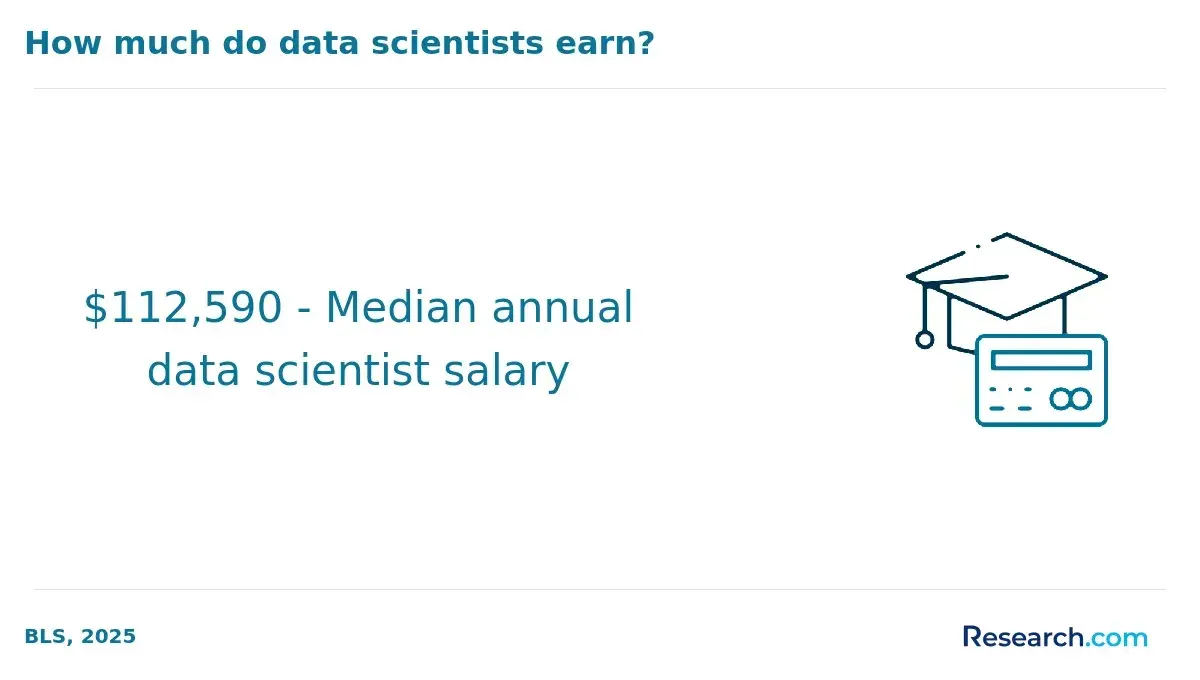
Salary ranges for roles in AI ethics, risk, and governance across the U.S. generally start around $80,000 annually for entry-level positions such as AI risk analysts or compliance coordinators. Mid-level professionals, including AI ethics managers or model governance specialists, typically earn between $110,000 and $140,000. Senior positions like directors of AI governance or chief risk officers can command salaries above $180,000 per year. Compensation varies depending on organizational size, location, and specific responsibilities.
The job outlook is very promising due to increasing regulatory scrutiny and operational demands. A survey by the Institute of International Finance shows that 72% of global banks and insurers now require AI ethics or responsible-AI training for staff involved in model risk management, up significantly from 39% a few years prior. This trend points to growing demand in financial institutions and corporations for professionals skilled in ethical AI frameworks.
Employers look for candidates with strong interdisciplinary skills combining technical know-how, regulatory expertise, and ethical analysis. Common roles include AI governance analyst, ethical AI specialist, and model risk manager, with tasks such as developing risk controls, ensuring compliance with evolving AI regulations, and conducting ethical impact assessments.
Obtaining certifications in AI governance, risk management, or ethics, along with experience in AI model validation, strongly enhances hiring prospects. Skills in policy interpretation and cross-functional communication also support career growth in this expanding sector.
How can organizations evaluate and choose a reputable AI ethics course for their teams?
Organizations should prioritize AI ethics courses that cater to diverse roles such as risk management, compliance, IT, and product teams. Accenture's 2024 Responsible AI study revealed companies training cross-functional teams in AI ethics were 3.4 times more likely to report high effectiveness in managing AI risks compared to those focusing solely on technical staff. This underscores the value of content tailored beyond technical implementation.
Key topics to evaluate in course curricula include bias mitigation, regulatory compliance, transparency, accountability, and ethical frameworks aligned with industry standards. Courses that incorporate practical case studies and scenario-based learning help teams apply principles to real-world risk and control situations.
Instructor credentials and institutional reputation are critical: programs led by recognized AI ethics experts or offered by accredited organizations usually provide higher quality content. Consider course duration and scheduling flexibility for working professionals.
Look for courses offering metrics to measure learning outcomes and certifications or continuing education credits that add value and incentive.
Request participant or corporate client feedback to gauge the impact on organizational risk controls. Transparent pricing and clear learning objectives further facilitate informed decisions on AI ethics training investments.
Other Things You Should Know About Artificial Intelligence
In 2027, leading AI ethics courses for risk and controls teams include MIT's "AI Ethics and Risk Management," Stanford's "Ethical AI Development," and the University of Oxford's "AI Governance and Ethical Principles." These courses offer a deep dive into ethical frameworks, data protection, and compliance strategies essential for AI in risk management.
Artificial intelligence systems often require large datasets, which can include personal and sensitive information. Managing this data ethically involves ensuring consent, protecting against unauthorized access, and minimizing risks related to data misuse or breaches.
Currently, AI systems themselves cannot be held legally accountable as they lack personhood. Responsibility typically falls on developers, organizations, or users who deploy and manage these systems, making it essential for governance frameworks to clearly define liability.
Explainability is crucial for understanding how AI systems reach their decisions, especially in high-stakes environments like risk management. Transparent AI models enable stakeholders to assess fairness, detect errors, and ensure compliance with ethical standards and regulations.
References
- AI Governance: The New Profession You Should Know https://governance.aicareer.pro/blog/the-new-profession-of-ai-governance
- AI Ethics Specialist Certifications: Best Credentials to Advance Your Career | Teal https://www.tealhq.com/career-paths/ai-ethics-specialist-certifications
- How organizations navigate AI ethics - I by IMD https://www.imd.org/ibyimd/governance/how-organizations-navigate-ai-ethics/
- AI Security Salary Guide: How Much Can You Earn with an AAISM Certification? https://destcert.com/resources/aaism-salary/
- Best AI Compliance Certification Guide 2025: Compare AICP, ISO, IAPP & ISACA https://www.exin.com/article/best-ai-certification-guide-2025/
- AI Risk Assessment: Steps, Owners & Remediation Planning (2026 Guide) https://elevateconsult.com/insights/ai-risk-assessment-steps-owners-remediation-planning-2026-guide/
- Certified AI Ethics and Governance Course | Turing College https://www.turingcollege.com/ai-ethics
- AI governance salaries 2026: what does the market pay? https://verifywise.ai/blog/ai-governance-salary-report-2026
- AI Governance Professional Training - Swiss Cyber Institute https://swisscyberinstitute.com/ai-governance-professional-training/
- AI Ethics Certification Course for Responsible Technology Professionals https://www.nplus.global/course/ai-ethics/