2027 Best AI Courses for Support Operations Managers

Co-Founder and Chief Data Scientist
Support operations managers often face challenges integrating ai technologies into existing workflows without disrupting service quality. Many struggle to identify courses that balance technical depth with practical management skills. This leads to inefficient training choices, wasted resources, and slow adaptation to competitive market demands. Finding a flexible, accredited learning path tailored to professionals from unrelated fields is critical for career pivoting and skill acquisition.
This article explores carefully selected ai courses designed to equip support operations managers with essential knowledge and tools, enabling a smooth transition into the evolving ai-driven landscape and enhancing operational effectiveness.
Key Things You Should Know
- AI courses for support operations managers in 2026 emphasize practical skills in automation, data analysis, and customer interaction optimization, reflecting a 35% industry growth in AI-driven support roles since 2024.
- Most top courses integrate real-world case studies and tools like chatbots and predictive analytics, essential for enhancing operational efficiency and customer satisfaction in fast-evolving support environments.
- Certification completion rates increased by 22% in 2025, showing rising demand among professionals aiming to leverage AI to reduce support resolution times and improve decision-making accuracy.
Advance Your Career with AI Online Courses
Artificial Intelligence: Implications for Business Strategy
This program provides an introduction to Artificial Intelligence and their implications for business strategy. Earn an official digital certificate.

Oxford Artificial Intelligence Programme
Explore this Oxford Artificial Intelligence programme offered in a flexible learning environment and explore topics like machine learning, automation, and robotics.

Implementing Agentic AI: Building Your Organizational Playbook
This online MIT Agentic AI course offers a practical approach to deploying AI agents in your organization, including a custom playbook. 3 weeks, exclusive launch price.

AI Adoption: Driving Business Value and Impact
This online MIT AI Adoption: Driving Business Value and Impact offers practical frameworks to close the gap between AI potential and business reality.

Artificial Intelligence in Pharma and Biotech
Discover the applications and limitations of artificial intelligence in pharma and biotech with this MIT online short course.

What does an AI course for support operations managers cover and who is it for?
An ai course for support operations managers teaches how to integrate artificial intelligence tools and strategies to enhance customer service effectiveness. Key areas include ai-driven analytics for customer behavior, automated workflow design, chatbot and virtual assistant implementation, and machine learning-based performance metrics. These courses help participants identify operational inefficiencies and deploy AI solutions such as predictive routing and sentiment analysis to reduce response times and call volumes, crucial skills in support operations manager training with artificial intelligence.
Designed to tackle challenges like managing high call volumes, improving customer satisfaction scores, and automating repetitive tasks without lowering service quality, the training often includes configuring AI-powered chatbots for tier-one inquiries, allowing human agents to focus on complex issues.
These courses are essential for current or aspiring support operations managers, team leaders, and supervisors aiming to use AI to boost team performance and customer experience. Professionals transitioning from traditional roles to tech-focused environments gain valuable skills to bridge gaps in their expertise.
Managers charged with improving customer experience and operational efficiency need a solid grasp of both AI's technical capacities and strategic deployment, including data privacy and ethical considerations. A 2024 McKinsey survey found companies adopting AI in customer operations cut call volume by 30-50% and improved response times by 25-35%. Leaders using AI were 1.5 times more likely to exceed customer satisfaction targets, highlighting AI's essential role.
For those exploring educational options in this area, reviewing the best data science undergraduate programs can be a useful step toward building a career enhanced by these AI skills.
Advance Your Career with AI Online Courses
Artificial Intelligence: Implications for Business Strategy
This program provides an introduction to Artificial Intelligence and their implications for business strategy. Earn an official digital certificate.
Oxford Artificial Intelligence Programme
Explore this Oxford Artificial Intelligence programme offered in a flexible learning environment and explore topics like machine learning, automation, and robotics.
Implementing Agentic AI: Building Your Organizational Playbook
This online MIT Agentic AI course offers a practical approach to deploying AI agents in your organization, including a custom playbook. 3 weeks, exclusive launch price.
How can AI courses help support operations managers advance their careers and skills?
Advanced ai training for support operations managers equips professionals with practical skills to meet modern workplace demands. By mastering AI-driven analytics, managers can better anticipate customer needs, optimize resource allocation, and reduce operational costs. Courses focusing on automation enable streamlining of repetitive tasks, allowing teams to concentrate on complex problem-solving and improving service quality. For instance, integrating AI-powered chatbots can significantly reduce response times while keeping interactions personalized.
Career growth through ai courses for support managers also addresses challenges like adapting legacy systems and integrating AI with existing software. Targeted training offers strategies in data management and AI integration suited to support operations. Additionally, managers develop strategic skills using predictive analytics to identify bottlenecks and forecast ticket volumes, enhancing planning and staffing efficiency.
According to Gallup & Lumina Foundation's "The State of Higher Education 2024," 71% of employers say non-degree credentials such as certifications and short courses improve their ability to fill skills gaps. Furthermore, 68% view these credentials as equal or superior in hiring value compared to traditional degrees. This underscores how AI courses provide recognized qualifications enhancing hiring potential.
These programs also foster better cross-functional collaboration by deepening understanding of AI's capabilities and limits. This knowledge improves communication between technical teams and support staff, promoting smoother project execution and innovation adoption. Interested professionals can explore options through resources like online AI degrees to further advance their expertise.
What types of AI programs are available for support operations managers (certificates, degrees, bootcamps)?
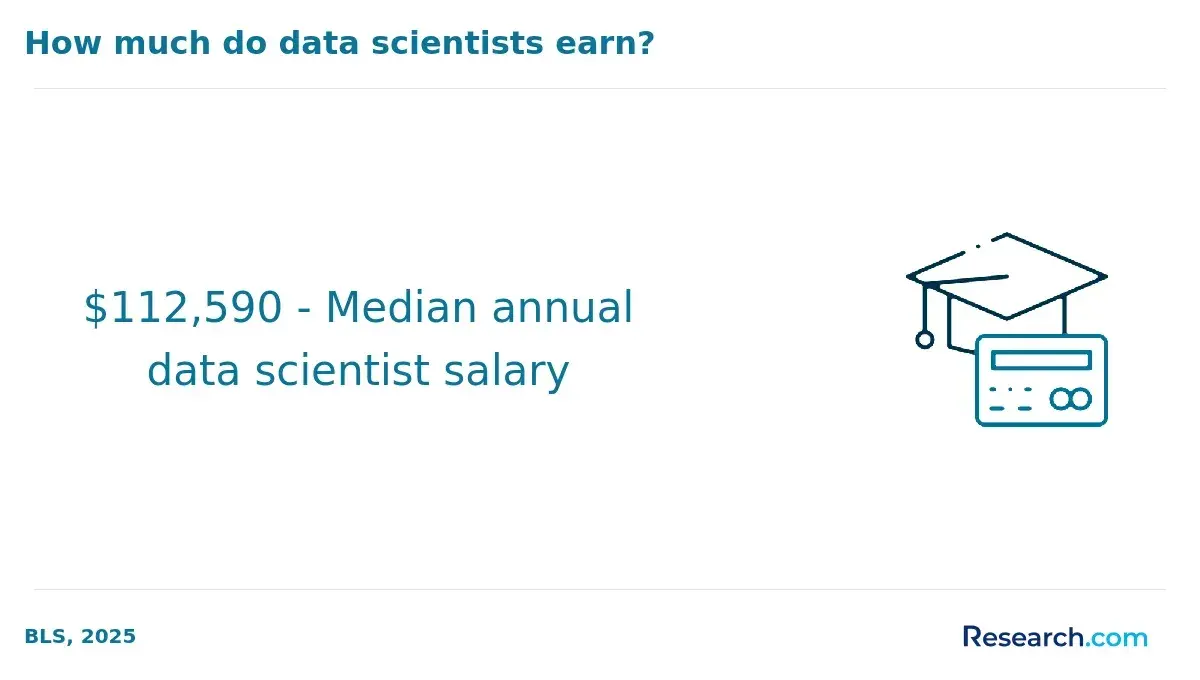
Support operations managers can enhance their expertise through varied AI certification programs for support operations managers, ranging from short certificates to full degree options. Certificate programs focus on practical skills like automation, data analysis, and AI-driven decision-making, typically taking a few weeks to months and offering targeted competencies without the time investment of a degree.
Bachelor's and master's degree programs combine foundational AI knowledge with leadership skills, equipping managers to integrate AI across complex operations. These degrees prepare professionals for advanced career roles by providing a comprehensive understanding of artificial intelligence principles and strategic management.
Bootcamps provide intensive, hands-on AI training over days or months. They emphasize rapid skill acquisition in machine learning, predictive analytics, and natural language processing, suited for managers needing to implement AI projects quickly and effectively. Degree and bootcamp options in AI for support managers are well-suited to meet diverse learning needs.
The IBM Global AI Adoption Index 2024 highlights that 84% of executives struggle to meet AI goals due to workforce skill shortages, with only 14% rating their employees' AI knowledge as advanced. Addressing this gap is critical for operational success. For those exploring advanced learning, programs such as cybersecurity degrees can offer valuable insight into related technology fields and career paths.
How do online AI courses for support operations managers compare with on-campus options?
Online AI courses versus on-campus programs for support operations managers highlight distinct advantages, especially in flexibility and accessibility. Professionals can study asynchronously in virtual AI training for support operations management, balancing work duties without geographic or schedule constraints. In contrast, on-campus programs require fixed schedules and commuting, which may not suit full-time employees. Many online courses integrate real-time simulations and AI-driven tools that reflect current industry technology, delivering practical, hands-on experience.
Cost is another important factor. Online courses generally offer lower tuition and eliminate housing and transportation expenses, making them more affordable. On-campus options may present richer networking and mentorship but often demand higher time and financial commitments, which can challenge some career stages.
Quality concerns exist, but accredited online programs now match traditional formats by utilizing interactive platforms and industry partnerships. They also update curricula quickly to keep pace with rapid advancements, crucial as Gartner projects AI deployment can boost agent productivity by up to 30% through assisted workflows by 2026. This timeliness is vital for support managers seeking operational efficiency.
Students should assess their learning preferences, career goals, and resources. Online options excel at delivering scalable, current knowledge in customer service optimization. For those interested in more immersive or research-focused programs, traditional paths may be preferable. Exploring computer science degrees can also provide pathways related to AI careers.
What core AI skills and tools should support operations managers learn in these courses?
Support operations managers need to develop core AI skills that directly influence service level agreements (SLAs), quality assurance (QA), and forecasting accuracy. Essential competencies include proficiency in AI-driven analytics platforms for real-time monitoring and predictive insights. Managers should be adept at interpreting AI-generated dashboards and reports to swiftly address any deviations from performance targets. Familiarity with machine learning models for customer sentiment analysis and demand forecasting is increasingly important.
Expertise in natural language processing (NLP) tools boosts automation capabilities, improving customer interactions and streamlining support ticket categorization. Robotic process automation (RPA) skills help reduce errors and optimize resources efficiently. Knowing how to integrate AI with existing CRM and help desk systems is critical for operational enhancements.
Training should also emphasize data governance and ethical ai use to ensure responsible deployment and maintain customer trust. Hands-on experience with platforms like IBM Watson, Google Cloud AI, or Microsoft Azure AI is valuable for practical learning. Projects in anomaly detection, workload forecasting, and performance optimization prepare managers to turn data insights into effective strategies.
Research shows organizations leveraging ai-driven analytics are nearly three times more likely to exceed customer satisfaction goals and twice as likely to beat cost-to-serve benchmarks. This underscores the significant business impact of mastering AI tools and analytics capabilities in support operations management.
Which accreditation and institutional quality signals matter for AI programs in the United States?
Regional accreditation recognized by the U.S. Department of Education or the Council for Higher Education Accreditation (CHEA) serves as the foremost quality indicator for AI programs supporting operations managers. Accreditors like the Higher Learning Commission (HLC) and Middle States Commission on Higher Education (MSCHE) confirm that institutions meet high academic standards. Attending such schools means access to validated curricula, qualified faculty, and credits transferable across institutions.
Program-specific accreditation and industry endorsements add value. For example, certifications by the Computing Accreditation Commission of ABET or collaborations with technology leaders such as Microsoft and IBM signal curriculum relevance to current AI applications. These endorsements often ensure programs cover practical skills like workflow automation and agent assist tools widely used in support centers.
Prospective students should also consider course rigor and faculty expertise in integrating AI-powered agent assist technologies. Zendesk's "CX Trends 2024 Report" highlights that 79% of customer service leaders report these tools reduce average handle time, with teams achieving 3.5 times greater productivity gains.
Strong alumni outcomes and employer connections further validate program effectiveness. Institutions with high placement rates in AI roles within support operations demonstrate successful education-to-employment pathways, essential for managers seeking to enhance efficiency and service quality using AI.
What are typical admission requirements and prerequisites for AI courses aimed at working managers?
Admission requirements for AI courses aimed at support operations managers often combine formal education with practical experience. Most programs expect applicants to hold a bachelor's degree in business, information technology, management, or a similar field. In some cases, substantial professional experience in support operations or customer service management can substitute for academic credentials.
Essential prerequisites usually include foundational skills in data analysis, basic programming languages like Python or SQL, and familiarity with customer service platforms and key metrics. Understanding ticketing workflows and performance indicators such as first-contact resolution and ticket volume is often assumed.
Courses typically target individuals with two to five years of relevant work experience to ensure real-world applicability of AI solutions to support challenges. Experience with knowledge management systems or process optimization is also highly valued as it directly relates to AI-driven self-service and automation.
Applicants may face short technical or situational judgment tests focusing on operational issues and basic AI principles. This ensures readiness for advanced content without remedial support.
According to data from the Freshworks "Customer Service Benchmark Report 2024," companies leveraging AI-powered knowledge management and self-service saw a 46% decrease in ticket volume and a 35% boost in first-contact resolution. This highlights the critical need for managers to grasp both technical and operational aspects before enrolling in specialized AI courses.
How long do AI courses for support operations managers take, and what do they cost?
AI courses for support operations managers vary widely in length and focus. Many short, intensive bootcamps or certificate programs can be completed in 4 to 8 weeks, emphasizing practical applications such as customer support automation and workflow optimization. Longer professional certificates often span 3 to 6 months and cover foundational AI concepts, ethics, risk management, and compliance frameworks relevant to support operations.
Course costs differ depending on the provider and depth of study. Entry-level online certificates usually range from $500 to $1,500, while comprehensive programs offered by universities or industry organizations cost between $2,000 and $6,000. Tailored corporate training designed for support teams often exceeds $10,000 per participant and may include live instruction, mentorship, and project work.
With increased regulatory and compliance challenges surrounding generative AI, many courses have incorporated substantial content on AI governance, privacy, and responsible use. According to a recent Cisco survey, 69% of organizations have restricted generative AI tools over privacy and security concerns, while 63% cite unclear AI governance as a barrier. This data underscores the importance of risk and compliance education in today's AI training for support managers.
What roles, salaries, and job outlook can AI-trained support operations managers expect?
Support operations managers skilled in artificial intelligence are seeing rapidly increased demand, with job postings requiring generative AI expertise growing by 364% globally. These managers play key roles in optimizing customer support by integrating AI tools to manage chatbots, enhance helpdesk systems, and apply data analytics for improved satisfaction.
Core responsibilities often include overseeing AI-driven support workflows, implementing predictive maintenance, and coordinating teams to utilize AI insights effectively. Essential skills involve machine learning integration, natural language processing applications, and continuous AI system monitoring.
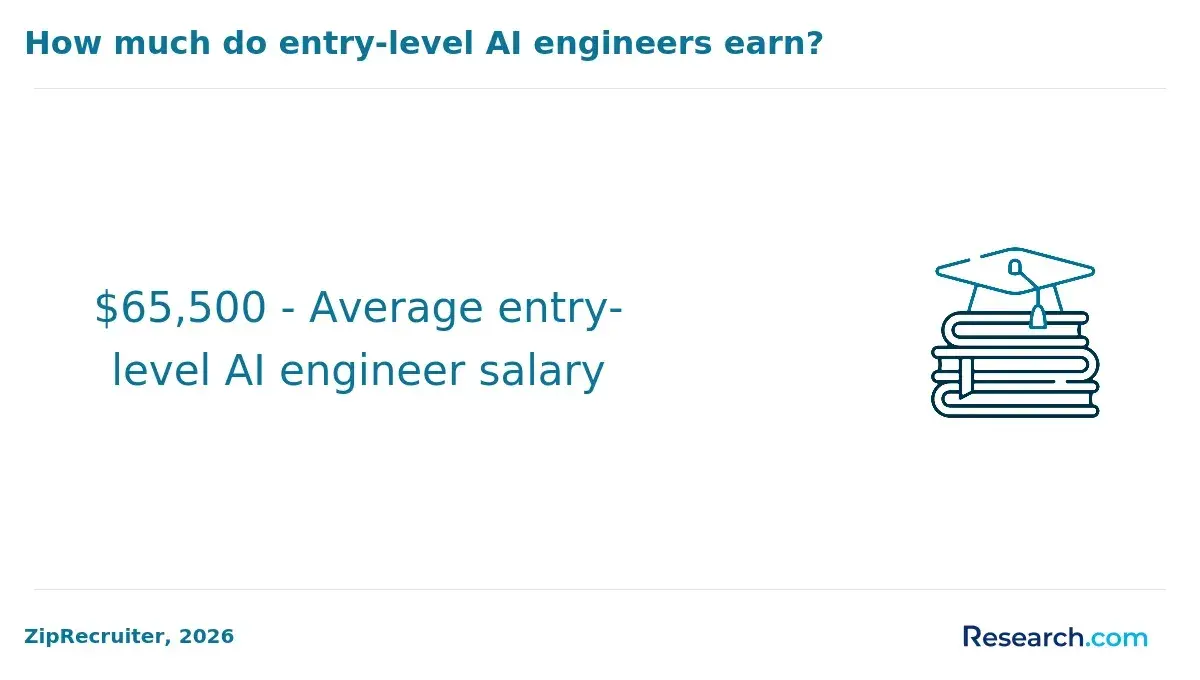
Salary advantages are significant, with AI-trained managers earning a median annual salary between $95,000 and $130,000. This represents a 32% premium compared to $72,000 to $99,000 earned by traditional support operations roles without AI expertise.
Job prospects remain strong due to ongoing automation trends and the expansion of AI in customer service. Combining AI knowledge with management experience positions professionals for leadership roles that direct AI strategies within organizations.
To advance, prospective managers should build skills in AI deployment, data interpretation, and ethical AI practices. Certifications focused on AI in business operations can enhance qualifications, distinguishing candidates in a competitive labor market and supporting growth into senior leadership.
How can support operations managers choose the best AI course for their goals and learning style?
Support operations managers should begin by identifying their key objectives before choosing an AI course. Goals may include enhancing process automation, improving customer service analytics, or mastering AI tools for workforce management. Courses that emphasize practical applications like machine learning integration in support workflows or natural language processing for chatbots tend to provide the most relevant, job-ready skills.
Understanding your preferred learning style is essential. Hands-on, project-based courses benefit those who learn by doing, while theory-focused programs help build a solid foundation of AI concepts. Options range from online self-paced classes, which offer flexibility for working professionals, to live virtual or in-person sessions that provide structured interaction and real-time guidance.
Course content depth and instructor expertise should be carefully evaluated. Programs led by professionals with direct experience in support operations or AI deployment often provide actionable insights. Look for courses including case studies, real-world data analysis, and performance metrics to ensure practical relevance.
Certification and ongoing support add value. Certified courses boost credibility when proposing AI initiatives, and access to alumni networks or continued education resources aids skill retention and growth.
Outcomes matter. As noted in Deloitte's "State of AI in the Enterprise, 6th Edition," 92% of organizations scaling AI pilots to production saw positive ROI within 14 months, driven by higher operational efficiency. Selecting courses with demonstrated business impact aligns education with career advancement.
Other Things You Should Know About Artificial Intelligence
Artificial intelligence is increasingly relevant across diverse organizational roles, not just technical positions. For support operations managers, AI helps automate routine workflows, enhance customer service quality, and analyze operational data to improve decision-making. This cross-functional impact makes understanding AI valuable beyond just software engineers and data scientists.
Support operations managers should consider AI bias, transparency, and data privacy when implementing AI solutions. Ensuring that AI algorithms are fair, explainable, and compliant with regulations protects both customers and the organization. Awareness of ethical AI use prevents unintended consequences like discrimination or privacy violations.
Continuous learning through advanced courses, webinars, and industry conferences helps managers keep pace with AI developments. Joining professional networks and subscribing to relevant research publications are also effective for staying informed. Practical experience by experimenting with new AI tools in daily operations further solidifies understanding.
Top AI courses for 2027 include “AI for Business Leaders” by Coursera and “Machine Learning for Operations” offered by edX, designed to equip support operations managers with actionable AI integration strategies and tools to enhance workflow efficiencies.
References
- AI for Managers Course - Enhance Your Skills | Koenig Solutions https://www.koenig-solutions.com/blog/ai-for-managers-course
- AI Training to Grow Your Career | Google https://grow.google/ai
- Adoption of generative AI will have different effects across jobs in the U.S. logistics workforce https://equitablegrowth.org/adoption-of-generative-ai-will-have-different-effects-across-jobs-in-the-u-s-logistics-workforce/
- Ultimate Guide: How to Choose the Right AI Training Course to Boost Your Career - ONLC https://www.onlc.com/blog/how-to-choose-ai-training-courses/
- Evaluating the Impact of Institutional Accreditation on Armenian Universities: An AI-Assisted Text Analysis Approach https://www.eua.eu/publications/conference-papers/evaluating-the-impact-of-institutional-accreditation-on-armenian-universities-an-ai-assisted-text-analysis-approach.html
- Best AI Courses in Germany 2026 – Bootcamps, Funding & Career Paths https://www.wbscodingschool.com/blog/blog-best-ai-courses/
- Certified AI Operations Manager - The Case HQ Online https://thecasehq.com/courses/certified-ai-operations-manager/
- AI Learning Platform: Best for Corporate Teams '26 | isEazy https://www.iseazy.com/comparative/best-ai-learning-platform/
- Best AI Training for Operations Teams (2026) https://iternal.ai/ai-training-for-operations
- Navigating Career Transitions: How an AI Course Can Help You Pivot After a Layoff https://www.mygreatlearning.com/blog/how-an-ai-course-can-help-you-pivot-after-a-layoff/