2027 Best AI Business Case Development Courses for Managers

Co-Founder and Chief Data Scientist
Managers often struggle to justify investments in artificial intelligence projects without a solid business case. Many lack the expertise to translate technical capabilities into clear strategic value. This gap hinders organizational adoption and limits career advancement opportunities in AI-driven sectors. Building compelling, data-backed AI business cases enables managers to secure stakeholder buy-in and drive innovation effectively.
This article explores top courses designed to equip managers with the necessary skills to develop robust AI business cases, providing practical insights into flexible, accredited programs that support a smooth transition into the evolving AI industry.
Key Things You Should Know
- Top AI business case courses for managers in 2026 emphasize practical skills, with 78% of programs integrating real-world projects to enhance decision-making capabilities.
- Courses prioritize understanding AI's ethical, financial, and operational impacts, with 65% including modules on AI risk management and stakeholder communication.
- Flexible online and hybrid formats dominate, with enrollment in AI business courses growing 45% since 2024, reflecting rising corporate demand for AI-literate leadership.
Advance Your Career with AI Online Courses
Artificial Intelligence: Implications for Business Strategy
This program provides an introduction to Artificial Intelligence and their implications for business strategy. Earn an official digital certificate.

Oxford Artificial Intelligence Programme
Explore this Oxford Artificial Intelligence programme offered in a flexible learning environment and explore topics like machine learning, automation, and robotics.

Implementing Agentic AI: Building Your Organizational Playbook
This online MIT Agentic AI course offers a practical approach to deploying AI agents in your organization, including a custom playbook. 3 weeks, exclusive launch price.

AI Adoption: Driving Business Value and Impact
This online MIT AI Adoption: Driving Business Value and Impact offers practical frameworks to close the gap between AI potential and business reality.

Artificial Intelligence in Pharma and Biotech
Discover the applications and limitations of artificial intelligence in pharma and biotech with this MIT online short course.

What are AI business case development courses for managers?
AI business case development courses for managers equip leaders with the skills to create effective investment proposals by leveraging ai technologies and business strategies. These programs help managers understand how to evaluate the benefits, costs, and risks associated with implementing ai solutions in their organizations. Training typically covers topics such as cost-benefit analysis, stakeholder communication, and project prioritization to build robust AI proposals.
Courses often include frameworks for quantifying efficiency gains or revenue growth from deploying generative AI tools. Managers learn to assess AI vendor offerings, integration expenses, workforce impacts, and compliance requirements. This practical knowledge addresses common challenges such as skepticism from executives and unclear AI value propositions.
Industries like finance, healthcare, and manufacturing benefit greatly from applying tailored AI business case training for management professionals. For example, healthcare managers might focus on AI-driven diagnostic accuracy, while manufacturing emphasizes predictive maintenance savings. Such programs ensure alignment of AI initiatives with strategic goals and measurable outcomes.
The importance of these skills is highlighted by the 2024 IBM Global AI Adoption Index, showing that 59% of CEOs surveyed are accelerating generative AI investments to gain competitive advantage. This amplifies the need for business case development programs using ai for managers to secure funding and leadership buy-in.
Prospective students seeking a foundation in computer science and AI can explore the best online computer science degree options for accelerated learning paths that complement such management-focused training.
Advance Your Career with AI Online Courses
Artificial Intelligence: Implications for Business Strategy
This program provides an introduction to Artificial Intelligence and their implications for business strategy. Earn an official digital certificate.
Oxford Artificial Intelligence Programme
Explore this Oxford Artificial Intelligence programme offered in a flexible learning environment and explore topics like machine learning, automation, and robotics.
Implementing Agentic AI: Building Your Organizational Playbook
This online MIT Agentic AI course offers a practical approach to deploying AI agents in your organization, including a custom playbook. 3 weeks, exclusive launch price.
Which AI business case skills do managers learn?
Managers who develop AI business case analysis skills learn to identify and quantify opportunities using data analytics and predictive modeling. They gain expertise in defining clear business objectives that AI can address, such as improving customer segmentation, optimizing supply chains, or automating routine tasks. A critical skill involves performing cost-benefit analyses tailored to AI projects, including estimating development costs, projected ROI, and scalability potential.
Developing strategic AI project proposals for business leaders involves assessing risks like data privacy, algorithmic bias, and technology integration challenges. Managers also build stakeholder-aligned roadmaps demonstrating value at each phase and craft effective communication strategies to explain technical AI concepts to non-specialists.
Practical competencies include choosing suitable AI tools and platforms based on organizational needs and understanding relevant compliance standards. For example, a manager might create a business case for deploying natural language processing to enhance customer support by measuring reduced response times and increased customer satisfaction scores.
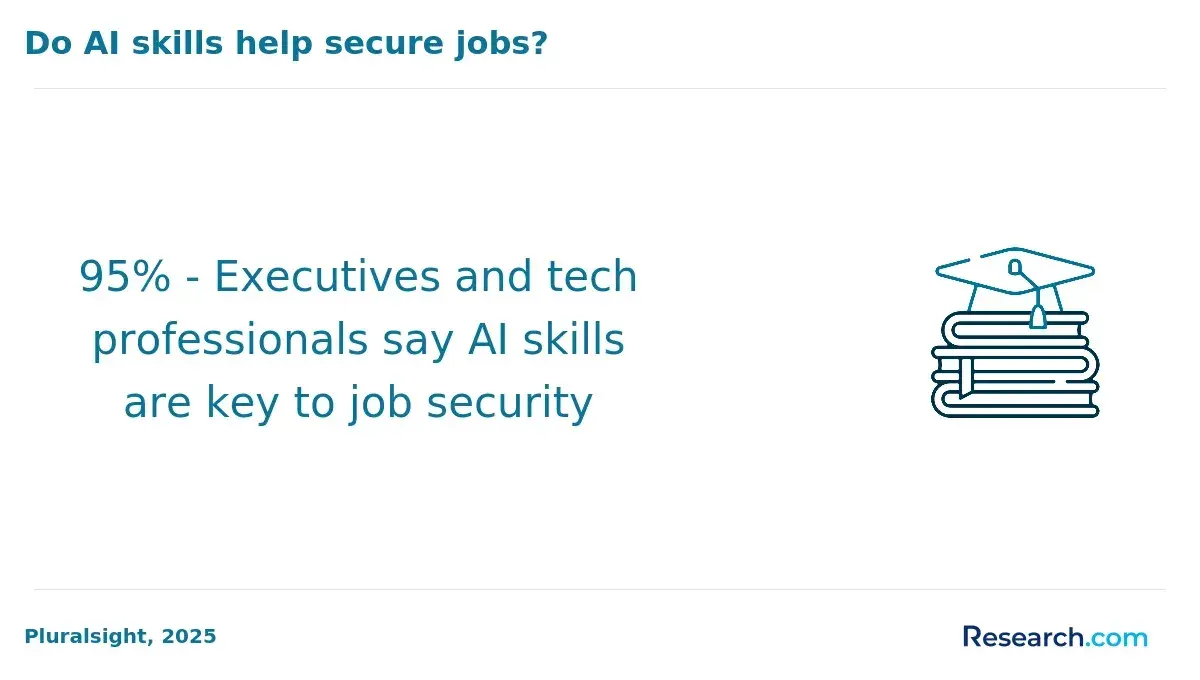
With roles requiring AI and big-data skills projected to increase by 30% between 2025 and 2029, managers equipped with these skills are prepared to lead impactful projects. These capabilities help align AI initiatives with strategic goals and ensure measurable outcomes. For those looking to advance their expertise, exploring the best online masters in artificial intelligence can provide essential knowledge and credentials.
What managers benefit most from these courses?
Managers involved in strategic decision-making and resource allocation for AI initiatives benefit most from ai business case development for managerial decision making. This group includes product managers launching AI-driven features who must build clear cases to secure budgets and stakeholder support. IT program managers overseeing AI projects also gain frameworks to measure value and manage risks effectively. Operational managers in manufacturing and supply chains learn how to quantify efficiency gains and cost reductions enabled by AI. Marketing managers using AI-powered personalization benefit by aligning strategies with measurable financial outcomes. Finance managers budgeting AI projects need skills to evaluate ROI and economic feasibility.
A 2024 McKinsey survey found that organizations with a documented AI business case and value-tracking framework are 2.6 times more likely to report at least a 10% EBIT increase from AI initiatives. This statistic highlights the value of leadership training for leveraging Artificial Intelligence in business, providing managers tools to address challenges like ambiguous AI ROI and prioritization difficulties.
These courses equip managers to link AI benefits to financial metrics such as EBIT, fostering better communication with stakeholders. They also support continuous tracking of outcomes against projections, enhancing governance and long-term value realization. For professionals seeking to deepen their expertise, programs like the cheapest online data science masters offer accessible paths to strengthen AI and business acumen.
Are online AI business case courses better than campus options?
Online AI business case courses offer key benefits for managers needing flexibility and focused content. These programs enable professionals to balance busy work schedules by learning at their own pace, unlike campus options that typically follow fixed semester timelines. The modular format and on-demand resources found in online courses enhance retention and practical application.
For those seeking the best online AI business case courses for managers, online options often include the latest real-world scenarios and business cases. This is vital given Gartner's survey highlighting a 13% annual increase in AI-related board spending, while only 21% of management regularly present strong AI business-case metrics. Online courses address this by emphasizing ROI analysis, cost-benefit frameworks, and data-driven decision-making.
Although campus versus online AI business case training benefits vary-with campus courses providing richer networking and direct mentorship-virtual networking, group projects, and live sessions in online programs are narrowing that gap. Partnerships with businesses also help online courses deliver relevant case studies tailored to evolving market needs.
Managers aiming to lead AI initiatives should look for courses focusing on financial impact assessment, strategic planning, and communicating AI value to boards. Online platforms also offer global perspectives that in-person courses may lack due to location limits. For those interested in related tech fields, exploring the fastest way to get a cybersecurity degree online can complement AI expertise.
What curriculum should a strong AI business case course include?
A strong ai business case course blends technical knowledge with strategic and financial skills to prepare managers for real-world applications. Core curriculum elements include:
- Fundamentals of ai technologies like machine learning, natural language processing, and automation that enable confident discussions of ai capabilities.
- Strategies to spot profitable ai opportunities aligned with specific industries and organizational goals.
- Financial modeling skills to quantify ai project costs, benefits, ROI, and payback periods, crucial for persuasive investment proposals.
- Risk assessment frameworks addressing ethical issues, data privacy, implementation barriers, and change management challenges in ai adoption.
- Case studies covering successful and unsuccessful ai business cases across sectors such as finance, healthcare, and supply chain management.
- Communication and stakeholder engagement techniques to translate complex ai concepts into convincing presentations for executives and investors.
- Meta skills including data literacy and agile project delivery methods that support continuous ai-driven innovation.
Including these components equips professionals to build actionable and financially sound ai initiatives. Data from research.com citing Coursera's Global Skills Report reveals that individuals completing ai-and-business-focused certificates see a median 21% salary increase within 12 months, compared to 11% in other business fields. This highlights the growing value of comprehensive ai business case education for career advancement.
What admission requirements do these manager training programs have?
AI business case development courses for managers typically prioritize practical experience and leadership skills over formal academic credentials. Most programs require three to five years of managerial or relevant professional experience, ensuring participants can apply course concepts to real-world challenges. While some advanced courses may ask for a bachelor's degree in business, technology, or related fields, demonstrated project management ability often weighs more heavily in admissions decisions.
Application assessments commonly include résumé reviews, statements of purpose, and occasional interviews to gauge motivation and alignment with program objectives. Technical prerequisites vary widely; some courses expect foundational knowledge in data analytics or AI, while others provide introductory materials. Executive MBA programs with AI modules, for example, may require prior coursework in business analytics or statistics.
Many business schools and training providers are open to candidates without formal degrees if they have significant industry experience and the capacity to leverage AI for decision-making. Flexible online and modular options further broaden accessibility. A recent Graduate Management Admission Council survey noted that 76% of global MBA and executive MBA programs introduced AI or data-driven decision-making modules since 2021, highlighting the growing importance of AI literacy across management education.
In sum, practical managerial experience, foundational AI or analytics understanding, and leadership potential remain key admission criteria. Candidates should demonstrate how their background supports mastering complex AI applications for effective business case development.
How long do AI business case courses for managers take?
AI business case courses for managers vary widely in length, from brief 4- to 8-hour workshops to extensive programs lasting several weeks. Shorter sessions like half-day or full-day executive bootcamps concentrate on essential concepts and practical skills for quick application. Longer 4- to 12-week courses delve into AI fundamentals, strategic value, financial modeling, and implementation frameworks, often including assignments, peer collaboration, and instructor feedback.
Effective courses emphasize real-world case studies and strategic decision-making, helping managers understand how AI investments drive business value. Flexible formats such as live, online, or hybrid models accommodate busy schedules, with some offering self-paced lessons supplemented by live sessions.
Key factors when selecting a course include:
- Program format-live, online, hybrid
- Content scope-strategic, financial, operational AI insights
- Time commitment suited to workload
- Focus on leadership communication for AI investments
According to Accenture's 2024 AI Maturity Index, organizations with senior leaders proficient in AI literacy and value articulation are 3.5 times more likely to achieve top-quartile revenue growth from AI. This highlights the importance of choosing courses that provide thorough and practical training, enabling managers to effectively propose and lead AI initiatives in their organizations.
What do AI business case courses for managers cost?
AI business case courses for managers range widely in cost, typically from $500 up to $5,000 or more. Short workshops or certificate programs on online platforms usually cost between $500 and $1,500, ideal for managers seeking foundational knowledge. More comprehensive programs offered by universities or specialized firms often exceed $3,000 and include case studies, hands-on projects, and personalized coaching.
Organizations investing in upskilling managers benefit from a significant return on investment. According to a 2024 PwC study on workforce transformation, upskilling existing managers in AI and analytics yields a 6:1 median ROI over three years. This outperforms the 3:1 ROI from hiring externally, illustrating cost-effectiveness beyond just course fees.
Common pricing models include:
- Flat-rate fees for individual enrollment, typically $750 to $4,500.
- Volume discounts or corporate packages lowering per-person costs for groups.
- Subscription plans offering access to multiple courses for $50 to $200 monthly, supporting ongoing learning.
- Executive education programs that may add premium fees for one-on-one mentorship or live interactions.
Managers should evaluate courses by content relevance, proven ROI, flexibility, and cost. While lower-cost options may provide initial exposure, in-depth strategic courses better serve managers leading AI adoption efforts. Employers should weigh these expenses against the demonstrated ROI of developing internal talent rather than relying on external hires.
Which jobs use AI business case development skills?
AI business case development skills play a crucial role across many professional fields, aiding product managers and business analysts in assessing the feasibility, costs, and benefits of implementing AI solutions within workflows. Their evaluations shape project approvals and drive return on investment.
Strategic consultants and management advisors depend on these skills to guide clients on technology investments and risk management, ensuring compliance with regulatory standards. Risk managers and compliance officers apply these capabilities to identify and reduce AI-related risks, safeguarding organizations against legal and ethical challenges.
Executives such as Chief Technology Officers (CTOs), Chief Information Officers (CIOs), and Chief Data Officers (CDOs) oversee AI projects, aligning investments with broader business objectives. Financial analysts and investment professionals analyze AI initiatives for budgeting and forecasting purposes.
Operations managers and innovation leads use AI business cases to justify automation and digital transformation strategies, boosting efficiency. Marketing managers leverage these skills to enhance AI-driven customer insights and personalization efforts.
Deloitte's 2024 State of AI in the Enterprise report highlights that organizations with established AI value-case and risk-assessment processes experience 40% fewer major AI-related compliance or reputational incidents compared to those with less structured approaches. This underscores the business-critical importance of strong AI business case skills across diverse roles.
How do you choose an accredited AI business course?
Choosing an accredited ai business course involves careful consideration of formal recognition, curriculum content, and industry relevance. Verify accreditation from reputable bodies such as the Accreditation Council for Business Schools and Programs (ACBSP) or regional accrediting agencies to ensure academic standards and employer recognition.
An effective curriculum integrates ai fundamentals with business applications, covering topics like strategic ai business case development, financial modeling for ai investments, risk assessment, and change management. Programs featuring real-world case studies offer practical insights valuable for managers.
Instructor expertise and industry connections significantly enhance learning. Faculty experienced in ai consulting or with strong industry backgrounds provide richer perspectives and networking opportunities. Some courses also offer collaboration with established ai firms, indicating alignment with current industry practices.
Evaluate course outcomes through data on graduate job placements and involvement in ai projects. The IDC forecast projects global spending on ai consulting and implementation services will hit $154 billion by 2027, growing at a 19.9% CAGR from 2023, highlighting the importance of selecting programs aligned with market trends.
Additional factors include course format (online or in-person), duration, and career support services. Balancing these elements ensures managers are well-equipped to lead ai initiatives.
Other Things You Should Know About Artificial Intelligence
Artificial intelligence is widely used across various business functions including customer service, supply chain management, sales forecasting, and marketing automation. It helps companies improve efficiency by automating routine tasks and provides insights through data analysis to support decision-making. In strategic roles, AI can identify growth opportunities and risks by analyzing large datasets that humans cannot easily process.
Bias in artificial intelligence models occurs when the training data reflects existing prejudices or lacks diversity, leading to unfair or inaccurate outcomes. This can affect hiring decisions, loan approvals, and other critical business processes if not properly addressed. Managers should be aware of bias risks and implement strategies to detect and mitigate biases through careful data selection and ongoing model evaluation.
One of the main challenges is integrating AI technology into existing systems without disrupting operations. Data quality and availability often limit the effectiveness of AI applications, requiring investments in data management. Additionally, organizations frequently encounter skill gaps and resistance to change, which can hinder successful AI adoption.
The best AI business case development courses for managers in 2027 focus on integrating AI into strategic planning, understanding AI technologies, analyzing AI investment returns, and managing change. Courses typically include hands-on projects for real-world applicability and explore ethical considerations in AI implementation.
References
- Ultimate Guide: How to Choose the Right AI Training Course to Boost Your Career - ONLC https://www.onlc.com/blog/how-to-choose-ai-training-courses/
- Recognised Management Qualifications UK | Accredited https://www.bmc.net/blog/management-and-leadership-articles/recognised-management-courses
- The benefits of people management training for line managers | News https://centrichr.co.uk/the-benefits-of-people-management-training-for-line-managers/
- AI in Business: 7 Examples with Real Case Studies | 2026 https://www.crescendo.ai/blog/ai-in-business-examples
- Knowledge Base https://www.becomeaicertified.com/knowledge-base
- AI Skills Guide for HR Leaders, Managers, and Execs | Visier https://www.visier.com/blog/non-technical-ai-skills-guide-hr-leaders-managers/
- When Should Managers Learn AI? - The Case HQ Online https://thecasehq.com/when-should-managers-learn-ai/
- Case Studies: Companies Leveraging Skills Intelligence for Growth https://inop.ai/case-studies-companies-leveraging-skills-intelligence-for-growth/
- AI Impact on Business Case Building (From Guesswork to Data-Driven Decisions) https://skillseek.eu/answers/ai-impact-on-business-case-building
- Certified management courses and training - Management ICAN https://en.ican.pl/training/stationary/management