2027 Best AI Courses for Chief Strategy Officers With Certificates

Co-Founder and Chief Data Scientist
Chief Strategy Officers often face pressure to integrate emerging technologies like artificial intelligence into business models without formal training. This gap can hinder effective decision-making and delay digital transformation. With increasing demand for strategic AI knowledge, accessible and accredited courses become essential for professionals aiming to lead innovation confidently. Flexible programs that offer certificates validate expertise and facilitate career advancement while accommodating busy schedules. This article highlights the best AI courses suited for Chief Strategy Officers, focusing on accredited options that blend strategic insight with practical skills to help overcome these challenges and drive organizational success.
Key Things You Should Know
- Chief Strategy Officers increasingly prioritize AI courses offering certificates to validate skills, with 67% of executives endorsing certified training for strategic leadership roles in 2025.
- Top AI courses for 2026 emphasize practical applications in decision-making, enhancing CSOs' ability to integrate AI-driven insights within business strategy frameworks.
- Industry-leading programs offer flexible online formats, with over 75% of students completing courses remotely, supporting busy professionals balancing ongoing strategic responsibilities.
Advance Your Career with AI Online Courses
Artificial Intelligence: Implications for Business Strategy
This program provides an introduction to Artificial Intelligence and their implications for business strategy. Earn an official digital certificate.

Oxford Artificial Intelligence Programme
Explore this Oxford Artificial Intelligence programme offered in a flexible learning environment and explore topics like machine learning, automation, and robotics.

Implementing Agentic AI: Building Your Organizational Playbook
This online MIT Agentic AI course offers a practical approach to deploying AI agents in your organization, including a custom playbook. 3 weeks, exclusive launch price.

AI Adoption: Driving Business Value and Impact
This online MIT AI Adoption: Driving Business Value and Impact offers practical frameworks to close the gap between AI potential and business reality.

Artificial Intelligence in Pharma and Biotech
Discover the applications and limitations of artificial intelligence in pharma and biotech with this MIT online short course.

What does a chief strategy officer need from an AI course with a certificate?
A chief strategy officer (CSO) seeking a comprehensive AI course with certification should find programs that combine business-relevant knowledge with strategic application skills. The course must focus on how generative and other AI technologies can reshape business models, preparing strategy leaders to drive confident digital transformation. A critical need in such a course is addressing the strategic foresight gap revealed in studies: while 64% of CEOs expect generative AI to transform their business models within three years, only 29% feel ready for its strategic challenges.
Key elements for chief strategy officer ai course requirements include:
- Frameworks for assessing AI's impact on market dynamics and competitive edge.
- Case studies illustrating AI integration success in various industries.
- Guidance on AI-driven change management and stakeholder alignment.
- Tools for strategic decisions using AI-driven analytics and forecasting.
- Insights on AI governance, ethics, and compliance within business strategies.
- Practical collaboration skills with technical teams to translate AI into actionable plans.
AI courses with certification for strategy leaders do not require deep programming knowledge but emphasize translating AI potential into measurable business outcomes. For instance, understanding algorithmic bias and implementation risks is vital for a CSO developing AI-powered customer segmentation. Certification also reinforces a CSO's credibility in championing AI initiatives. Those interested in expanding their qualifications can explore what careers follow a degree in AI, which often complements these strategic capabilities.
Advance Your Career with AI Online Courses
Artificial Intelligence: Implications for Business Strategy
This program provides an introduction to Artificial Intelligence and their implications for business strategy. Earn an official digital certificate.
Oxford Artificial Intelligence Programme
Explore this Oxford Artificial Intelligence programme offered in a flexible learning environment and explore topics like machine learning, automation, and robotics.
Implementing Agentic AI: Building Your Organizational Playbook
This online MIT Agentic AI course offers a practical approach to deploying AI agents in your organization, including a custom playbook. 3 weeks, exclusive launch price.
Which AI certificates are best aligned with executive and chief strategy officer roles?
AI certificates best aligned with executive and chief strategy officer (CSO) roles emphasize strategic application, leadership in AI initiatives, and integration with business goals. Programs tailored to these needs focus on AI-driven decision-making, governance, and ethical considerations rather than technical coding skills. Notable examples include certificates in AI Strategy, AI for Business Leaders, and Executive AI Leadership from institutions such as MIT Sloan, Northwestern Kellogg, and Wharton. These top ai certificates aligned with executive strategy roles usually cover:
- Developing AI strategies that align with corporate vision and competitive advantage
- Frameworks for AI governance, risk management, and ethical AI deployment
- Leading cross-functional AI teams and fostering innovation
- Use cases illustrating AI's impact on market positioning and operational efficiency
LinkedIn's Future of Work Report highlights a 34% year-over-year increase in job postings referencing "AI strategy" combined with "C-suite" or "head of strategy," showing demand growing over three times faster than general executive openings. This growth underscores the career value of best ai certification programs for chief strategy officers, reflecting companies' urgent need for leaders who can translate AI capabilities into strategic business impact.
For CSOs aiming to drive AI adoption, certificates emphasizing interdisciplinary knowledge and real-world applications are essential. These programs often include case studies, expert panels, and strategy simulations that reflect senior leadership challenges. Choosing a certificate program with recognized industry partnerships or accreditation enhances credibility and networking in sectors heavily investing in AI.
Potential candidates seeking the most cost-effective education options related to AI and leadership should also consider pursuing the cheapest engineering degree pathways to complement their strategic expertise.
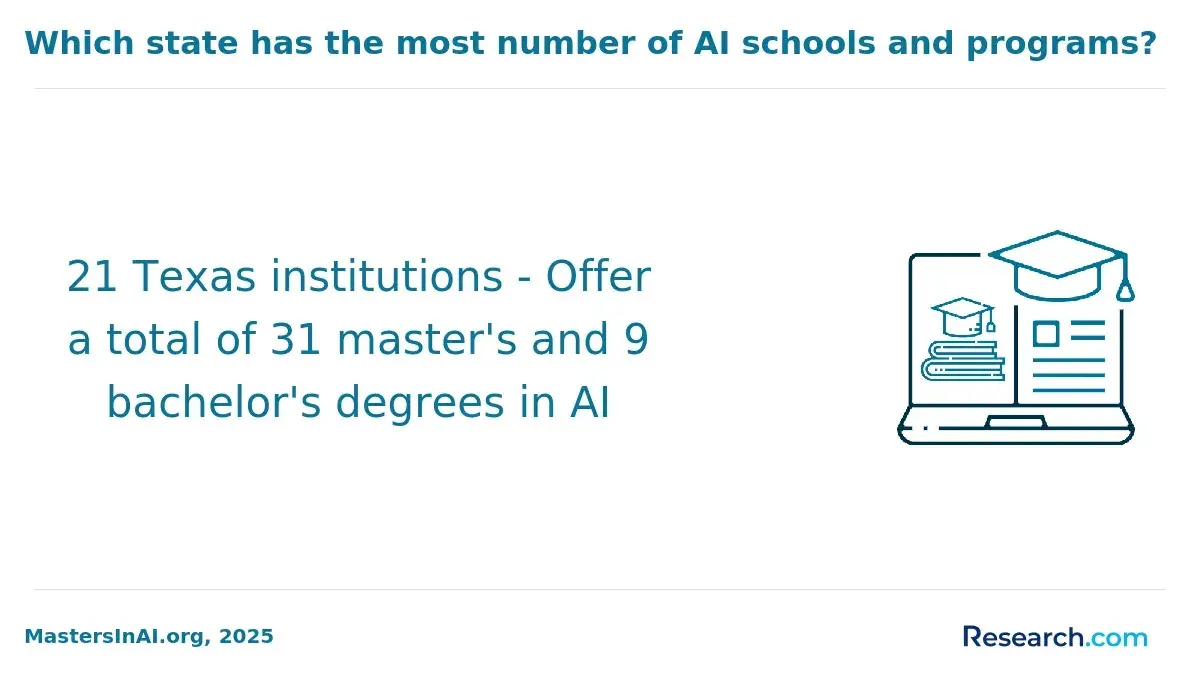
How do AI courses for CSOs differ from general AI and data science programs?
AI courses tailored for chief strategy officers focus on strategic integration of AI within business frameworks, differing significantly from general AI and data science training. Unlike programs centered on technical development such as coding and algorithms, these courses emphasize ai leadership training for chief strategy officers, preparing executives to guide organization-wide AI adoption and align initiatives with broader business objectives.
Key aspects highlight the unique intersection of executive decision-making and advanced AI applications in leadership roles, making these programs distinct from standard technical AI education. Core topics often include AI governance, investment evaluation, and fostering competitive advantage through AI-driven business models. CSO courses also cover strategic AI applications in executive education like risk management and ethical considerations, which general AI programs rarely emphasize.
Typical modules address AI policy, change management, and navigating regulatory challenges, frequently using case studies on enterprise-scale AI integration and compliance risks. This equips CSOs to lead cross-functional teams and clearly communicate the strategic value of AI to stakeholders.
Practical benefits are evident, as executives with AI or machine learning strategy expertise listed on LinkedIn earn 18-22% higher median total compensation than peers without such skills. For those interested in expanding their leadership capabilities through specialized programs, exploring options like a game design degree online might also provide valuable insights into emerging technologies linked with strategic innovation.
What types of AI courses and credentials are available for senior strategy leaders?
Senior strategy leaders seeking AI certification programs for senior strategy professionals have access to a range of educational options tailored to practical leadership and strategic skills. These programs typically include executive education, professional certificates, and strategic leadership courses designed to integrate AI solutions effectively into business operations.
Executive AI courses with strategic leadership credentials often come from business schools, emphasizing AI's role in governance, innovation, and competitive advantage through real-world case studies. Professional certificates offer modular training on topics like machine learning basics, data-driven decision-making, and AI ethics, appealing to leaders requiring flexible, skill-specific development.
Specialized strategic leadership courses focus on organizational change management, workforce upskilling, and aligning AI initiatives with corporate strategy, blending technology fundamentals with economic and ethical perspectives. Some top-tier certifications combine online learning with hands-on projects, which can also count toward executive MBA specializations. Additionally, programs addressing AI risk management and regulatory compliance are increasingly important in regulated industries such as healthcare and finance.
A recent survey by the Executive Education Futures Council & Emeritus found that 71% of senior leaders completing AI-focused executive programs realized payback on tuition via cost savings or revenue boosts within one year. Many professionals pursue broader education options, including a computer science online degree, to deepen their understanding of AI technologies and applications.
How can CSOs evaluate accreditation and program quality for AI certificates?
Chief strategy officers (CSOs) should verify the accreditation status of AI certificate programs before enrolling. Accreditation by recognized agencies, such as regional bodies or professional organizations like ABET or AACSB, confirms that the curriculum aligns with industry and academic standards. Programs endorsed or developed alongside leading technology companies or research institutions often deliver relevant and rigorous content.
Quality programs typically cover core topics including machine learning, data ethics, and AI strategy. They integrate case studies and executive decision-making scenarios to aid practical understanding. Hands-on projects, capstone experiences, or simulations enhance preparation for strategic roles beyond theoretical knowledge.
Faculty qualifications matter-experienced instructors with expertise in AI technology and strategic implementation equip CSOs with valuable insights. Also, check if the program updates its materials regularly to keep pace with rapid developments in AI.
Consider program length and time commitment carefully, balancing comprehensive learning with busy executive schedules. While short workshops may lack depth, longer programs demand more investment but offer thorough knowledge.
Deloitte's AI Adoption in the Enterprise report reveals that 57% of organizations with high-performing AI initiatives require formal AI certification for executives, compared to just 18% in lower-performing firms. This data highlights the importance of choosing certifications that emphasize measurable business outcomes and leadership impact.
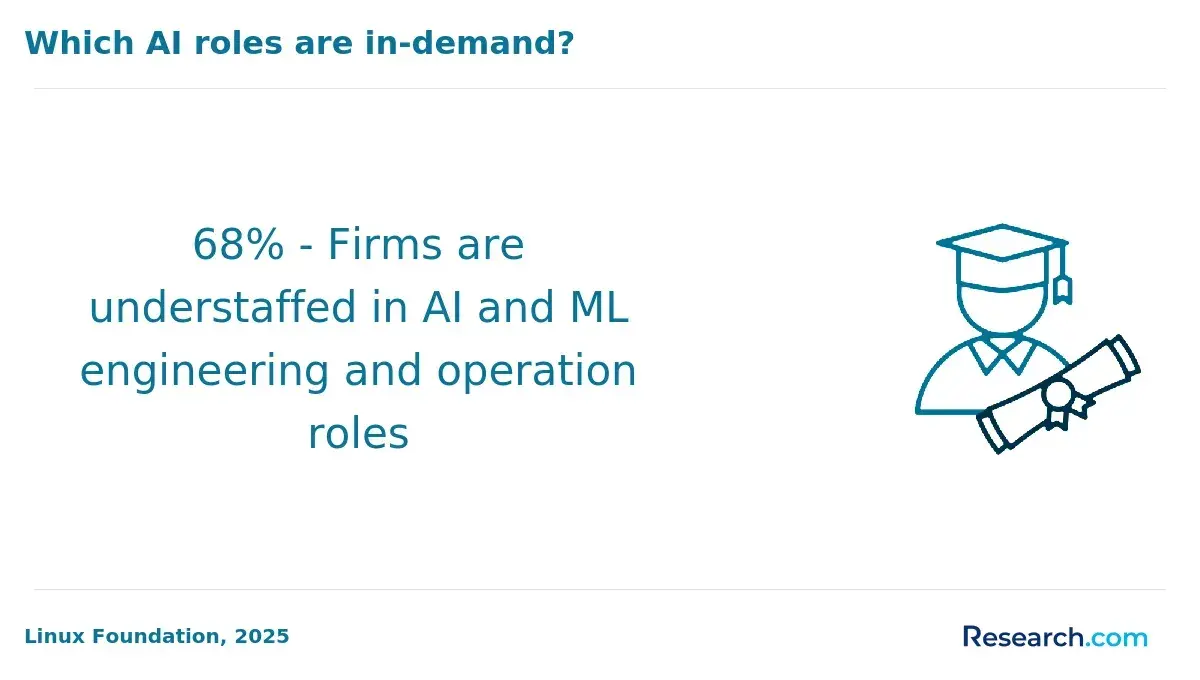
What core AI and data topics should an executive-level CSO curriculum include?
Executive-level CSO curricula should equip leaders with core AI and data knowledge essential for strategic decision-making and governance. Key topics include AI fundamentals such as machine learning, natural language processing, and computer vision to build a comprehensive understanding of AI's capabilities and limitations. Proficiency in data strategy and management is crucial, covering data quality, governance, and integration from diverse sources to support accurate insights.
Risk and governance frameworks are increasingly important; a global survey by KPMG highlights that 79% of board members expect CSOs to lead AI risk and governance within two years. Courses must address ethical AI, bias mitigation, regulatory compliance, and risk assessment to prepare CSOs for this leadership role.
Mastering AI-driven analytics and decision support systems enables CSOs to apply AI for forecasting, scenario analysis, and competitive intelligence. Learning change management and innovation adoption helps navigate organizational challenges and align AI initiatives with business goals. Practical case studies often illustrate challenges such as data silos and model interpretability, while financial modeling teaches how to measure and justify AI investments.
Collaboration skills are vital; CSOs must bridge technical teams, executives, and boards to ensure cohesive AI strategies. This holistic approach to AI education fosters informed, agile leaders ready to drive transformation in diverse industries.
How do online, hybrid, and on-campus AI programs compare for busy executives?
Online, hybrid, and on-campus ai programs each provide unique benefits for chief strategy officers (CSOs) balancing professional demands with education. Online formats offer the greatest flexibility, featuring asynchronous lectures and modular coursework that support individualized pacing. This is ideal for CSOs managing complex projects who need to fit learning into busy schedules.
Hybrid programs blend online learning with occasional in-person sessions, which enhances engagement and networking opportunities. These formats serve executives who value some face-to-face interaction with peers and faculty, such as attending weekend workshops while completing theory modules remotely.
On-campus programs require the most time but deliver immersive experiences with access to campus resources, experiential labs, and direct mentorship. These benefits suit executives able to dedicate focused periods for study, often supported by their organizations during sabbaticals or executive education leaves.
Data from the McKinsey Global Survey on AI indicates that organizations with strategy leaders spearheading AI initiatives invest 2.3 times more in AI than those led solely by IT or data teams. This highlights the importance for CSOs to pursue ai education that combines technical skills with strategic leadership and cross-functional collaboration.
When choosing a program, executives should consider time availability, desired interaction level, and how deep they want the learning experience to be. Online supports busy leaders, hybrid offers a balance, and on-campus delivers intensive, hands-on training.
What are typical admission requirements and time commitments for AI certificates for CSOs?
Admission to AI certificate programs for chief strategy officers (CSOs) typically requires a bachelor's degree, preferably in business, technology, or related fields. Relevant professional experience, especially in strategic management or AI-related areas, is often essential. Some advanced courses ask for a resume, statement of purpose, or letters endorsing leadership in digital transformation or AI governance. Executive-style programs may waive strict academic prerequisites but emphasize demonstrated decision-making skills in AI contexts.
Time commitments vary widely depending on the format. Part-time courses usually span 3 to 6 months, requiring 5 to 10 hours weekly to suit busy executives. Intensive bootcamps offer full-time learning over 2 to 4 weeks, focused on fast skill development. CSOs should seek programs that balance comprehensive content with manageable workload because 68% of senior strategy leaders expect AI governance to be critical soon, yet only 21% report confidence in this skill.
Many programs integrate asynchronous lectures with live workshops, fostering interaction with AI experts and practical application. Admission may include technical assessments or interviews to customize the learning path. Earning an industry-recognized certificate assures that skills align with governance and leadership standards increasingly vital for AI-literate executives.
How do AI credentials impact CSO career paths, responsibilities, and earning potential?
AI credentials play a crucial role in advancing chief strategy officers' (CSOs) careers by expanding their responsibilities and boosting earning potential. As organizations integrate AI into strategic frameworks, CSOs with formal AI training lead digital transformation efforts with enhanced authority and insight. These credentials enable leaders to evaluate emerging AI technologies, anticipate market changes, and make data-driven decisions aligned with long-term business goals.
AI certifications empower CSOs to:
- Enhance credibility with technical teams and boards.
- Drive innovation by embedding AI in product development and strategy.
- Identify AI-related risks and ethical concerns early in decision-making.
- Optimize operations through automation insights, improving cost efficiency.
Career-wise, AI credentials open opportunities in roles requiring strategic vision and technical fluency, such as Chief Innovation Officer or VP of Digital Strategy. Employers increasingly favor candidates who combine business acumen with AI expertise. This is reflected in salary increases of 15-25% for CSOs holding AI certificates compared to peers without.
Enrollment in AI-related certificate programs for director-level professionals grew 41% year-over-year, outpacing degree enrollments. These certificates focus on practical skills in AI strategy, ethics, and deployment, aligning with the daily responsibilities of CSOs without the lengthy commitment of full degree programs.
What criteria should CSOs use to choose the right AI course and provider?
Chief Strategy Officers seeking an AI course should emphasize alignment with their organization's strategic goals and leadership needs. Prioritize programs focused on AI's role in competitive advantage, risk management, and scalable business impact rather than only technical training.
Look for courses endorsed by reputable institutions and industry leaders to ensure relevance and quality. Effective curricula cover foundational AI concepts combined with strategic business applications like AI-driven market analysis, innovation strategies, and ethical implications. Programs featuring real-world case studies from Fortune 500 companies or hands-on simulations offer valuable practical insights.
Certification is important as it demonstrates validated expertise and commitment to continuous learning-qualities that enhance credibility with boards and peers.
Given busy schedules, modular, self-paced, or executive-format courses provide critical time flexibility without sacrificing depth.
Cost-effectiveness ties directly to the value offered-such as networking opportunities, expert mentorship, and exclusive content. Emerging providers with innovative delivery or strategic partnerships can be worthwhile alternatives to traditional expensive programs.
BCG & MIT Sloan Management Review data shows that companies providing structured AI education to their C-suite and strategy teams are 3.5 times more likely to achieve significant competitive gains from AI. This highlights the importance of selecting providers with a strong track record and proven organizational impact.
Other Things You Should Know About Artificial Intelligence
In 2027, the top AI courses providing certifications for Chief Strategy Officers include MIT's AI Strategies for Business, Stanford's Machine Learning for Strategic Decision-Makers, and Oxford's AI Insights for Strategy Officers. These programs focus on AI's role in enhancing strategic leadership and decision-making.
AI supports strategic decision-making by providing predictive analytics, risk assessment, and scenario modeling that enable leaders to make data-driven choices. It helps identify emerging trends and potential disruptions, allowing chief strategy officers to plan proactively. This integration improves accuracy and reduces uncertainly in business strategies.
Chief strategy officers must consider issues like bias in AI algorithms, data privacy, and transparency to ensure responsible AI use. Ethical AI deployment involves monitoring for unintended consequences that could harm stakeholders or violate regulations. Addressing these concerns is critical to maintaining trust and compliance.
AI is designed to augment rather than replace human strategy roles. While it automates data processing and analysis, human intuition, leadership, and contextual understanding remain essential. AI tools support CSOs by enhancing insight but do not substitute the complex decision-making skills required for strategic leadership.
References
- AI vs DS: Understanding the Differences and Overlaps | Flatiron School https://flatironschool.com/blog/ai-vs-ds-understanding-the-differences-and-overlaps/
- Why accreditation matters: How ISO standard improves the quality of certification bodies - HQAI https://www.hqai.org/en/news/ISOAccreditation_News/
- Best AI Certification for Career Growth: Securing $200k+ Executive Roles in 2026 https://agileleadershipdayindia.org/blogs/best-ai-leadership-training-programs-courses-certification/best-ai-certification-for-career-growth.html
- Artificial intelligence tools: a guide for CSOs - Centre for Democracy and Rule of Law https://cedem.org.ua/en/library/ai-guide-csos/
- What are the requirements for completing the Introduction to AI and Building AI courses? https://www.elementsofai.com/ie/faq/what-are-the-requirements-for-completing-the-introduction-to-ai-and-building-ai-courses
- Pilot-First Pathway to AI Management Systems Accreditation Readiness https://iaf.news/2025/09/30/pilot-first-pathway-to-ai-management-systems-accreditation-readiness/
- Best Hybrid AI Executive Programs in 2026 - Emeritus Online Courses https://emeritus.org/blog/best-hybrid-ai-executive-programs/
- Artificial Intelligence Certificate Program - Central Global University https://www.centralglobaluniversity.org/artificial-intelligence-certificate-program/
- The Executive Guide to Building a Future-Ready Data & AI Strategy https://apptad.com/insights/the-executive-guide-to-building-a-future-ready-data-ai-strategy/
- Digital, Data & AI https://www.hec.edu/en/executive-education/our-programs-individuals/management-topics/digital-data-ai