2027 Best AI Courses for Customer Loyalty Teams

Co-Founder and Chief Data Scientist
Customer loyalty teams often struggle to leverage data effectively, resulting in missed opportunities to enhance retention and personalize engagement. Without a strong foundation in artificial intelligence, these teams may fail to adopt advanced tools that predict customer behavior and automate responses, limiting their competitive edge.
Upskilling in this area is essential as AI-driven strategies become central to thriving in highly competitive markets. This article explores top AI courses designed specifically for professionals aiming to integrate machine learning and data analytics into customer loyalty management, helping readers identify flexible and accredited programs to advance their careers.
Key Things You Should Know
- Advanced AI courses for customer loyalty teams focus on predictive analytics and personalization, essential for increasing retention rates, which rose by 22% in companies applying the latest AI strategies.
- Top programs integrate hands-on experience with real-world datasets and tools like machine learning platforms, improving job readiness in competitive markets for AI-driven customer engagement.
- Certification in AI ethics and data privacy is critical, reflecting growing regulatory demands and ensuring responsible use of customer data in loyalty marketing campaigns.
Advance Your Career with AI Online Courses
Artificial Intelligence: Implications for Business Strategy
This program provides an introduction to Artificial Intelligence and their implications for business strategy. Earn an official digital certificate.

Oxford Artificial Intelligence Programme
Explore this Oxford Artificial Intelligence programme offered in a flexible learning environment and explore topics like machine learning, automation, and robotics.

Implementing Agentic AI: Building Your Organizational Playbook
This online MIT Agentic AI course offers a practical approach to deploying AI agents in your organization, including a custom playbook. 3 weeks, exclusive launch price.

AI Adoption: Driving Business Value and Impact
This online MIT AI Adoption: Driving Business Value and Impact offers practical frameworks to close the gap between AI potential and business reality.

Artificial Intelligence in Pharma and Biotech
Discover the applications and limitations of artificial intelligence in pharma and biotech with this MIT online short course.

What are the best AI courses for customer loyalty and retention professionals today?
Top AI courses for customer loyalty and retention professionals focus on practical skills like data analytics, predictive modeling, and automated customer engagement strategies. The best training programs in AI for customer retention teams blend technical expertise with business applications. For example, certified AI in Marketing programs offered by reputable institutions cover customer segmentation using machine learning and sentiment analysis to create personalized loyalty campaigns.
Specialized platforms like Coursera and edX offer tailored courses that enhance customer experience through AI tools. Courses such as "AI for Marketing and Customer Analytics" equip professionals with AI-driven predictive tools designed to reduce churn by identifying at-risk customers early. These programs emphasize hands-on experience using real-world datasets, which is critical for developing actionable skills in loyalty programs.
Core topics often covered include:
- AI-driven customer behavior analytics
- Automation of personalized rewards and offers
- Chatbots and virtual assistants for loyalty engagement
- Ethical considerations in AI use for customer data
With 70% of executives reporting that customer expectations evolve faster than companies can respond, courses highlighting real-time feedback loops and adaptive AI techniques are highly valuable. Working professionals should seek certificate programs lasting 4-8 weeks that focus on case studies from industries such as retail, finance, or telecommunications, where loyalty programs directly impact revenue.
For those interested in broadening their skill set, exploring a 2-year computer science degree online can also provide foundational knowledge supporting advanced AI applications in customer retention.
Advance Your Career with AI Online Courses
Artificial Intelligence: Implications for Business Strategy
This program provides an introduction to Artificial Intelligence and their implications for business strategy. Earn an official digital certificate.
Oxford Artificial Intelligence Programme
Explore this Oxford Artificial Intelligence programme offered in a flexible learning environment and explore topics like machine learning, automation, and robotics.
Implementing Agentic AI: Building Your Organizational Playbook
This online MIT Agentic AI course offers a practical approach to deploying AI agents in your organization, including a custom playbook. 3 weeks, exclusive launch price.
How can AI courses help customer loyalty teams improve retention, CLV, and personalization?
AI courses for improving customer retention and loyalty equip teams with data-driven strategies that enhance retention rates and customer lifetime value (CLV). Mastery of machine learning models and predictive analytics enables early identification of churn risks and targeted interventions. For instance, AI-driven segmentation helps marketers craft hyper-targeted campaigns that boost engagement and relevance.
These courses also cover integrating natural language processing to analyze customer feedback in real time, allowing personalization at scale. Personalization powered by artificial intelligence training to enhance clv and personalization fosters stronger emotional connections and anticipates customer needs more accurately. Training on AI-powered recommendation systems supports loyalty teams in suggesting offers aligned with individual preferences, increasing purchase frequency.
AI education addresses a significant challenge in strategic ownership: although 87% of customer teams use AI, 42% lack clear ownership of AI strategy, weakening returns on investment. Coursework emphasizes governance, ethical use, and cross-functional collaboration to optimize the impact of AI tools.
Practitioners learn to balance automation with human insight, automating routine tasks like segmentation while reserving nuanced tasks for human employees. Some professionals pursue further education such as an online engineering degree to deepen AI knowledge and skills relevant to customer loyalty and retention strategies.
What types of AI programs are available for customer loyalty careers (certificates, degrees, bootcamps)?
AI education for customer loyalty careers can be pursued through various paths, such as certificates, degrees, and bootcamps, each tailored to different professional needs. Professional certificates focus on foundational skills like machine learning, data analytics, and AI tool application. These AI certification programs for customer loyalty professionals are typically short and ideal for those wanting to enhance capabilities in AI-driven customer behavior and personalized marketing.
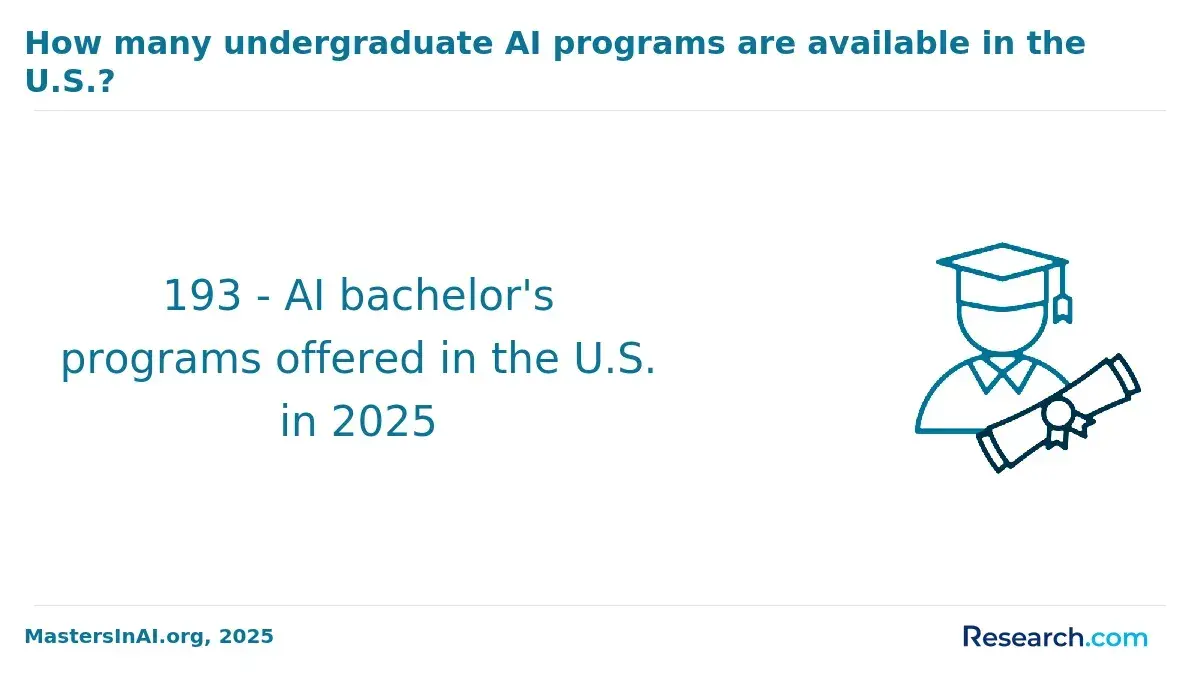
Longer-term studies include bachelor's and master's degrees in AI, data science, or computer science, which provide comprehensive training in AI algorithms, predictive analytics, and decision support systems. Graduates of these programs are equipped to design AI solutions that enhance customer retention, fitting those aiming for technical or leadership roles. Advanced AI degree options for customer loyalty careers can also include options like a PhD in AI online, providing deep expertise for specialized positions.
Bootcamps offer accelerated, hands-on training focused on practical AI applications in customer insights and loyalty platforms. These intensive courses emphasize skills such as natural language processing and predictive modeling, allowing professionals to quickly gain relevant competencies for immediate business impact.
With 93% of firms using AI for customer service, data forecasting, and decision support, programs featuring real-world projects with AI tools applied to customer data prepare candidates to meet challenges specific to loyalty-driven environments.
Choosing among certificates, degrees, or bootcamps depends on factors like career stage, time available, and the depth of knowledge needed to succeed in AI-enhanced customer loyalty roles.
What should you look for in the curriculum of an AI course for loyalty teams?
When evaluating an AI course tailored for customer loyalty teams, focus on competencies that directly enhance loyalty strategy and execution. Critical skills include data analytics specialized in customer behavior, predictive modeling for churn and retention, and practical machine learning applications to personalize rewards and communications.
Emphasis on real-world data sets is essential to develop actionable insights over purely theoretical concepts. This approach directly supports AI applications for customer loyalty improvement.
Valuable courses cover customer lifetime value (CLV) analysis, a pivotal metric in loyalty management. For instance, the University of Maryland's "Digital Customer Analytics" course highlights CLV extensively, demonstrating how analytics can boost long-term customer engagement. Understanding how AI tools utilize transaction histories, interaction data, and social feedback is vital for designing effective loyalty programs.
Effective curricula also focus on integrating AI output with CRM platforms and marketing automation tools, enabling dynamic segmentation and targeted campaigns. A balance between technical skills-such as algorithm selection, training, and validation-and strategic topics like ethical AI use and customer privacy compliance is necessary for well-rounded training.
- Look for courses offering hands-on projects or case studies addressing loyalty challenges, including identifying at-risk customers, testing reward offers, and optimizing contact frequency.
- Cross-channel data fusion from online and offline sources better equips teams to create seamless loyalty experiences.
- Customer lifetime value modeling
- Integration of AI with CRM and marketing tools
- Ethical considerations and regulatory compliance
- Hands-on projects with real customer data
Prospective students interested in deepening their expertise may consider pursuing a master in data analytics to strengthen their foundation and advance their careers in this growing field.
How do online AI courses for customer loyalty compare with on-campus and hybrid options?
Online AI courses offer flexible, accessible options for customer loyalty teams, especially professionals balancing work and study. These programs allow asynchronous learning, enabling immediate application of AI concepts in real business settings and accommodating various time zones and paces.
In contrast, on-campus courses require fixed schedules and physical attendance, limiting flexibility but providing direct interaction with instructors and peers, which enhances networking and real-time feedback.
Hybrid courses combine online theoretical modules with in-person practical sessions, delivering hands-on experience while offering some scheduling flexibility. Yet, they may involve travel and set campus days, which can challenge remote employees or full-time workers.
Return on investment (ROI) is a major factor in choosing AI education formats. Research shows that 75% of companies have seen increased customer spending through AI-powered personalization, underscoring the importance of up-to-date content on personalization algorithms and customer data analytics.
Key considerations include:
- Cost efficiency and time management favor online courses for most working professionals.
- Hybrid options suit those seeking a balance between direct engagement and flexibility.
- On-campus courses benefit recent graduates or learners prioritizing immersive environments and networking.
Which accreditation and industry certifications matter for AI training in customer loyalty roles?
Accreditation and industry certifications play a crucial role in AI training for customer loyalty roles by ensuring quality education and demonstrating practical expertise. Institutional validation from bodies such as the Accreditation Council for Business Schools and Programs (ACBSP) and regional accreditations like the Middle States Association add credibility. Programs supported by recognized universities provide a strong foundation for learners.
Specialized certifications tailored to AI and customer loyalty highlight essential skills. Prominent credentials include Certified AI Practitioner (CAIP) and Certified Data Scientist, offered by organizations such as the Institute for Certification of Computing Professionals (ICCP). These certifications emphasize core AI competencies and ethical data use, which are vital in the development of effective loyalty programs.
Customer loyalty professionals also gain value from certifications focused on customer analytics and CRM systems, including the Salesforce Certified AI Specialist. Combining AI with CRM tools improves actionable insights and helps deliver measurable ROI. A practical grasp of machine learning models and natural language processing applied to consumer behavior enhances loyalty strategies.
With only 5% of retailers viewing their AI systems as mature and optimized, rigorous and up-to-date training is urgently needed. Certifications that include hands-on AI deployment examples in retail contexts prepare professionals to tackle challenges like data integration and personalization techniques effectively.
Obtaining accredited training and targeted certifications equips professionals to bridge knowledge gaps and achieve measurable improvements in loyalty programs. Focus on credentials that stress practical skills, ethical AI deployment, and industry relevance when choosing courses.
What are typical admission requirements for AI programs aimed at marketing and loyalty professionals?
Admission to AI programs aimed at marketing and customer loyalty professionals typically requires a bachelor's degree in fields such as business, marketing, computer science, or related areas. Candidates should have foundational skills in data analysis, basic programming, and statistics to utilize AI tools effectively. Advanced courses often expect familiarity with machine learning concepts or programming languages like Python or R.
Applicants usually submit a resume highlighting relevant work experience in marketing, customer engagement, or analytics. This practical expertise is essential, especially since 52% of consumers stop buying from brands after a poor experience, emphasizing the role of AI in improving customer loyalty.
Standardized tests like the GRE or GMAT are generally optional but can enhance applications for competitive programs. Letters of recommendation are commonly requested, focusing on analytical ability and professional achievements.
Many programs provide flexible entry points, offering foundational AI workshops for marketers without technical backgrounds or requiring completion of online modules to prepare students adequately.
Ideal candidates blend business knowledge, analytical skills, and technical familiarity, enabling marketing and loyalty teams to leverage AI in boosting customer retention and satisfaction.
How long do AI courses for customer loyalty usually take, and what do they cost?
AI courses tailored for customer loyalty teams typically span 4 to 12 weeks, with durations reflecting the depth and format of instruction. Shorter 4- to 6-week programs emphasize foundational skills such as data analysis, customer segmentation, and basic machine learning models designed for marketing applications.
Longer courses, lasting 8 to 12 weeks or more, delve into advanced topics like real-time personalization algorithms, predictive analytics, and seamless integration with loyalty platforms.
Professionals seeking quick, practical skills often favor intensive bootcamp-style programs, while those focused on managing or designing AI-driven loyalty strategies may choose more comprehensive study. Costs range widely based on factors like course length and delivery method:
- Self-paced online courses usually cost between $300 and $1,200
- Instructor-led professional certificates or bootcamps range from $1,500 to $4,000
- University-affiliated programs and certifications may exceed $5,000
Given that 71% of consumers abandon irrelevant experiences by 2026, loyalty teams must leverage AI and real-time data to personalize offers effectively. Training with hands-on AI tools is crucial for quickly deploying tailored campaigns and meeting evolving customer expectations efficiently.
What jobs can AI-trained customer loyalty professionals pursue, and what salaries can they expect?
AI-trained customer loyalty professionals often fill roles like customer experience analysts, loyalty program managers, data scientists specializing in consumer behavior, and AI integration specialists. These jobs require expertise in AI tools that enhance personalized marketing, predictive analytics, and customer segmentation.
For example, loyalty program managers use AI to optimize reward programs, while data scientists analyze engagement metrics to refine loyalty strategies.
Salaries vary widely depending on experience and position:
- Entry-level customer experience analysts typically start around $60,000 per year.
- Mid-level AI integration specialists earn between $85,000 and $110,000, influenced by technical skills and industry.
- Senior roles such as AI-savvy data scientists or customer loyalty strategists can command $130,000 to $160,000 or more.
Ethical considerations are increasingly critical. PwC reports that 58% of consumers are somewhat or not comfortable with AI-driven brand engagement. Professionals in this field must navigate privacy, transparency, and bias challenges while adhering to compliance and developing clear communication strategies to build trust.
Employers value candidates who blend AI proficiency with customer-centric insights and ethical awareness. Developing cross-disciplinary skills in data science, marketing, and regulatory knowledge enhances career prospects and salary potential in this evolving AI-driven market.
How is employer demand changing for AI skills on customer loyalty and CRM teams?
Demand for AI skills within customer loyalty and CRM teams is growing rapidly. Employers increasingly value professionals capable of leveraging AI-driven analytics, predictive modeling, and automation to deliver personalized customer experiences and optimize loyalty programs. According to Antavo's Global Customer Loyalty Report 2025, 67% of loyalty program managers expect AI expertise to become a key hiring requirement within a year.
Key AI competencies in demand include:
- Machine learning algorithms that predict customer churn and segment high-value users
- Natural language processing for enhanced sentiment analysis in CRM
- Integration of recommendation engines and chatbots to improve customer engagement
- Combining AI tools with platforms like Salesforce and HubSpot
- Knowledge of data privacy and compliance in AI applications
Employers prioritize candidates who can interpret AI outputs and apply insights to drive smarter loyalty strategies. Training programs focusing on AI ethics, causal inference, and real-time personalization are especially valuable. Firms building strong AI capabilities reportedly achieve up to 30% higher customer engagement, highlighting the transformative impact of AI on loyalty management.
Professionals aiming to excel in this area should pursue targeted coursework that covers AI applications tailored to loyalty and CRM systems. Practical experience, combined with ethical and strategic understanding, strengthens retention and career prospects within the evolving customer loyalty landscape.
Other Things You Should Know About Artificial Intelligence
One key challenge involves integrating AI systems with existing customer relationship management platforms while maintaining data privacy. Additionally, AI models must be trained on accurate, unbiased data to avoid flawed predictions that can negatively affect customer experiences. Ensuring transparency and explainability of AI decisions is also essential for gaining trust from both customers and loyalty teams.
Yes, small businesses can leverage AI tools to analyze customer data and personalize loyalty rewards more efficiently than manual methods. Cloud-based AI platforms often offer scalable solutions that fit small business budgets, enabling effective segmentation and targeted marketing. However, small businesses should prioritize user-friendly tools to maximize adoption without requiring extensive technical expertise.
Artificial intelligence systems rely on encryption protocols and secure data storage to protect sensitive customer information. Many AI-powered loyalty platforms comply with regulations like GDPR and CCPA to ensure privacy rights are respected. Continuous monitoring and anomaly detection help identify potential breaches early, reducing the risk of data misuse within loyalty programs.
In 2027, leading AI courses for customer loyalty teams include "AI in Marketing" by Coursera, "Customer Data Platforms" by edX, and "Machine Learning for Business" on Udacity. These courses integrate AI techniques tailored to enhance customer engagement and brand loyalty.
References
- AI Careers: Roles, Salaries, and Certifications to Get You Hired - ONLC https://www.onlc.com/blog/ai-careers-roles-salaries-certifications/
- AI Training & Certification for Employees: How HR Should Evaluate Providers | Sprad Blog https://sprad.io/blog/ai-training-certification-for-employees-how-hr-should-evaluate-providers
- 10 Best AI Customer Retention Tools (2026) â Reduce Churn Fast https://www.averi.ai/guides/top-10-ai-tools-for-customer-retention-2025
- 9 Ways to Make Your Loyalty Program Simply Irresistible... To AI Agents https://retailmediabreakfastclub.com/9-ways-to-make-your-loyalty-program-simply-irresistible-to-ai-agents/
- 5 AI in customer experience courses to enhance your skill set https://360magazine.com/2026/01/21/5-ai-in-customer-experience-courses-to-enhance-your-skill-set/amp/
- Top Customer Service Certifications To Land Your Dream Job | Blog https://www.ttecjobs.com/en/top-customer-service-certifications-to-land-your-dream-job
- AI Customer Loyalty: How to Increase Retention with AI (2025) - Shopify https://www.shopify.com/blog/ai-customer-loyalty
- The Best Tech Courses Selling in 2025: Hot Programming and AI Skills to Learn https://kwiga.com/blog/tech-courses-that-sell-what-s-hot-in-programming-and-ai-education
- Online Certificates for Job-Ready Skills | Grow with Google https://grow.google/certificates
- The Essential Guide to Leveraging AI as a CS Leader https://www.gainsight.com/essential-guide/how-to-leverage-ai-as-a-cs-leader/