2027 Best AI Courses for Product Managers

Co-Founder and Chief Data Scientist
Product managers often face challenges understanding and integrating artificial intelligence concepts into their workflows. This gap can slow down innovation and reduce competitiveness in technology-driven markets. Many lack structured education paths that fit their schedules while offering credible credentials. As AI continues to reshape industries, familiarity with its principles becomes essential for effective product strategy and decision-making.
This article reviews top AI courses tailored for product managers seeking flexible, accredited options. It aims to guide professionals in choosing programs that build relevant skills, enabling seamless career transitions into AI-focused roles.
Key Things You Should Know
- Top AI courses for product managers in 2026 emphasize practical skills in machine learning integration, with 68% of programs focusing on real-world applications to improve decision-making efficiency.
- Curricula increasingly include ethics and bias mitigation, reflecting growing industry demand for responsible AI deployment in product management roles.
- Many leading courses offer flexible formats, with 54% available online or hybrid, catering to working professionals balancing career advancement and education.
Advance Your Career with AI Online Courses
Artificial Intelligence: Implications for Business Strategy
This program provides an introduction to Artificial Intelligence and their implications for business strategy. Earn an official digital certificate.

Oxford Artificial Intelligence Programme
Explore this Oxford Artificial Intelligence programme offered in a flexible learning environment and explore topics like machine learning, automation, and robotics.

Implementing Agentic AI: Building Your Organizational Playbook
This online MIT Agentic AI course offers a practical approach to deploying AI agents in your organization, including a custom playbook. 3 weeks, exclusive launch price.

AI Adoption: Driving Business Value and Impact
This online MIT AI Adoption: Driving Business Value and Impact offers practical frameworks to close the gap between AI potential and business reality.

Artificial Intelligence in Pharma and Biotech
Discover the applications and limitations of artificial intelligence in pharma and biotech with this MIT online short course.

What makes an AI course effective specifically for current and aspiring product managers?
An effective AI course for product managers integrates practical applications with real-world product development challenges. This approach helps product managers leverage AI to improve decision-making, optimize user experience, and guide strategic roadmaps. Courses that focus solely on technical skills or theory overlook key aspects vital to product management success. A well-designed curriculum blends AI fundamentals with practical case studies, such as forecasting demand with machine learning or automating feature prioritization using natural language processing. Such courses typically highlight key skills learned in AI courses for product management.
Strong courses also emphasize cross-functional collaboration with AI teams, enabling product managers to clearly communicate requirements and constraints. For instance, understanding basic model limitations and data ethics fosters better stakeholder alignment and risk management. Product managers often need frameworks to critically evaluate AI vendor solutions versus building custom AI features, a topic covered in comprehensive courses.
Hands-on projects like building simple AI prototypes and interpreting model results help build confidence in managing AI initiatives. Practical exercises simulating trade-offs between AI accuracy and product usability are particularly beneficial. Courses staying current with emerging AI trends prepare product managers for shifting market demands. According to LinkedIn's Global Future of Work Report, those proficient in AI earn 17% more and encounter 39% more job listings referencing this expertise.
For those considering further education, obtaining a degree in AI can open diverse career paths and deepen strategic understanding essential for product management roles.
Advance Your Career with AI Online Courses
Artificial Intelligence: Implications for Business Strategy
This program provides an introduction to Artificial Intelligence and their implications for business strategy. Earn an official digital certificate.
Oxford Artificial Intelligence Programme
Explore this Oxford Artificial Intelligence programme offered in a flexible learning environment and explore topics like machine learning, automation, and robotics.
Implementing Agentic AI: Building Your Organizational Playbook
This online MIT Agentic AI course offers a practical approach to deploying AI agents in your organization, including a custom playbook. 3 weeks, exclusive launch price.
Which types of AI courses are best for product managers: certificates, bootcamps, or degrees?
Certificate programs provide a practical choice for product managers seeking targeted skills in AI without long-term commitment. They focus on machine learning fundamentals, data-driven decision-making, and ai-powered product design. Certificates from platforms such as Coursera or edX can validate technical skills and improve employability. These courses typically last a few weeks to a few months, ideal for professionals needing swift upskilling. Many of the best AI courses with certificates for product managers emphasize applied knowledge relevant to current industry demands.
Bootcamps offer immersive, project-based training that accelerates learning in core AI technologies and product management integration over 8 to 12 weeks. They help create portfolios demonstrating practical skills, which benefit those switching careers or wanting to quickly prove their capabilities. However, bootcamps tend to require higher cost and time commitments compared to certificates.
Degree programs, such as master's degrees in artificial intelligence or data science combined with business management, offer deep theoretical and strategic expertise. Spanning one to two years, these programs prepare product managers for senior roles and specialize in areas like algorithm development and ethical AI considerations. For those comparing AI bootcamps versus degrees for product management, degrees remain the most comprehensive option.
Employers strongly favor candidates with verified AI knowledge; job postings for "AI product managers" surged 255% globally from Q1 2023 to Q4 2024, according to Lightcast's 2025 Emerging Tech Talent Report. Prospective students should weigh factors like time, cost, and career goals carefully. Additionally, exploring options such as the cheapest online electrical engineering degree might complement AI education pathways.
How do online AI programs for product managers compare to on-campus and hybrid options?
Online AI courses versus on-campus programs for product managers offer distinct advantages depending on career goals and lifestyle. Online programs provide flexibility through self-paced, asynchronous learning, allowing working professionals to upgrade skills without interrupting their careers. These courses remove geographic barriers and can accelerate entry into AI-focused product management roles without the high costs of relocation or campus tuition.
Hybrid AI learning options compared to fully online courses for product managers create a middle ground by blending online theory with occasional in-person sessions. While hybrid formats offer some networking benefits, they still require campus visits that may limit flexibility.
On-campus programs deliver immersive learning experiences with direct interaction, collaboration, and hands-on opportunities often unavailable online. However, they demand greater time and financial commitments, including commuting or relocation expenses. When weighing return on investment, product managers specializing in AI roles earned a median base salary of $185,000, about 24% above general product managers, demonstrating the value of targeted education.
It's important to evaluate curriculum rigor, mentorship access, and practical projects before choosing the best format. For those seeking more convenience and fewer disruptions, online programs remain the most efficient path. Additionally, exploring specialized fields can be beneficial, such as finding game design online programs through game design online resources to complement AI expertise in product management.
What AI skills and topics should a high-quality product management-focused curriculum cover?
A high-quality product management curriculum focused on AI blends technical knowledge, strategic thinking, and ethical considerations. Essential skills include understanding machine learning fundamentals such as supervised and unsupervised learning, model evaluation metrics, and data preprocessing techniques. These competencies enable product managers to collaborate effectively with data scientists and engineers and assess AI feasibility and performance. This foundation supports AI skills for strategic product management.
Product managers must also grasp natural language processing (NLP) applications since many products incorporate chatbots, recommendation engines, or automated content generation. Additionally, knowledge of computer vision is critical for projects involving image recognition, augmented reality, or video analysis. Key topics in AI for product managers extend to product lifecycle management: problem identification, data collection and labeling, model selection, deployment, monitoring, and iteration.
Courses emphasize interpreting model outputs and understanding limitations to avoid pitfalls like bias or overfitting. AI ethics and compliance, including fairness, privacy, and transparency, are vital as regulators and users demand responsible AI practices. A strong focus on AI project strategy covers market validation for AI products, cost-benefit analysis of automation, and aligning AI capabilities with business goals. Hands-on experience with popular platforms like TensorFlow or cloud-based AI services enhances readiness.
Data from Coursera's Learner Outcomes and ROI Survey shows professionals completing AI or machine learning certifications report a 21% average salary increase within 12 months. Prospective students seeking to deepen their expertise may consider exploring the best masters in data analytics programs to strengthen their AI knowledge for product management roles.
Which U.S. universities and platforms offer reputable AI courses tailored to product managers?
Leading U.S. universities and online platforms offer AI courses tailored specifically for product managers aiming to integrate AI effectively in their roles. Carnegie Mellon University's Heinz College provides a certificate in AI Product Management that merges technical fundamentals with strategic decision-making. Stanford University's Graduate School of Business delivers executive education focused on implementing AI in product development, ideal for experienced managers.
Online options include Coursera, which partners with the University of Washington to offer product-management-centered AI courses emphasizing practical skills like machine learning interpretation and ethical AI use. edX features AI and leadership programs from MIT and Harvard designed for product owners guiding AI initiatives. Udacity's AI Product Manager Nanodegree targets professionals bridging AI engineering and business teams, with real-world projects in AI prototyping and market evaluation. LinkedIn Learning offers shorter courses on AI fundamentals and product lifecycle management.
The rising emphasis on AI skills aligns with PwC's 2025 Global AI Jobs Barometer, reporting that 74% of organizations have increased AI and data upskilling budgets for product and business teams, with average per-employee spending up 38% year-over-year. For product managers, selecting courses that balance AI technical knowledge and strategic leadership is essential to meet evolving demands.
How can product managers evaluate accreditation and quality when choosing AI courses?
When selecting AI courses, product managers should prioritize accreditation and industry relevance to ensure quality education. Accredited programs from recognized universities or reputable organizations guarantee curricula meet high academic standards and are regularly updated. Such courses often align with federal education requirements and undergo external audits, offering trustworthy certification.
Evaluating course content is vital. Look for practical applications related to product discovery, roadmap planning, and experimentation workflows. With 68% of product leaders already integrating generative AI tools into workflows, courses focusing solely on theory may lack the real-world relevance product managers need.
Instructor expertise is another key factor. Investigate instructors' backgrounds to confirm credible experience in both AI and product management. Testimonials, instructor profiles, and alumni success stories can provide insights. Preference should be given to courses featuring hands-on projects or case studies that mimic daily product management scenarios involving AI tools.
Finally, review course feedback and completion rates. Independent student reviews and data on job placement or skill application indicate effectiveness. Transparency about these metrics and up-to-date content that reflects AI's rapid evolution safeguard against outdated education that limits skill relevance.
What are typical admission requirements and time commitments for AI courses for product managers?
Admission requirements for AI courses tailored to product managers typically include a bachelor's degree and relevant professional experience. Many programs favor candidates with backgrounds in technology, business, or data analytics; however, some courses welcome those without advanced technical skills to promote cross-functional learning. Common prerequisites often cover basic statistics, programming, or data-driven decision-making. Executive education programs may prioritize managerial experience over technical expertise.
Course durations and weekly time commitments vary significantly. Part-time formats generally last 6 to 12 weeks with 5 to 10 hours per week expected. Longer certificate or university-affiliated programs can extend from 3 to 6 months, requiring up to 15 hours weekly. Intensive bootcamps compress learning into 2 to 4 weeks with full-time daily engagement. Practical, project-based courses demand consistent effort alongside work commitments.
With many executives citing "product leaders lacking AI literacy" as a key challenge to scaling AI initiatives, there is growing pressure on product managers to rapidly acquire AI fluency. Flexible scheduling and modular content are increasingly emphasized, benefiting busy professionals seeking hands-on AI tool experience or strategic application knowledge. Asynchronous lectures and practical case studies are especially valuable compared to heavily theoretical programs.
Product managers should carefully evaluate admission criteria, necessary technical skills, and realistic weekly hours to align AI education with career advancement goals effectively.
How much do AI courses for product managers cost, and what funding options exist?
AI courses for product managers show wide variation in cost, from around $300 for brief, targeted workshops to over $5,000 for extensive certification programs. Many short applied AI courses, which often take three months or less, typically range from $500 to $1,500. These are designed for busy professionals seeking practical skills without a lengthy time commitment. Enrollment in such short courses increased by 54% between 2023 and 2024, according to HolonIQ's 2025 Global EdTech Market Outlook, greatly outpacing growth in traditional degree programs. This reflects rising demand for immediately applicable skills and cost-effective training.
Funding support often comes from employer sponsorships, federal grants, and income share agreements (ISAs). Tech companies commonly cover part or all tuition if the course aligns with job requirements. Federal initiatives like the Workforce Innovation and Opportunity Act (WIOA) provide grants or vouchers for eligible upskilling students.
For those without employer backing, ISAs allow payment after increasing income, minimizing upfront costs. Scholarships from industry groups and providers also improve accessibility, especially for underrepresented groups in tech.
When choosing courses, consider total cost, credential value, and flexible financing. Shorter practical programs paired with employer aid or scholarships can offer excellent return on investment.
- Short applied AI courses typically cost $500 to $1,500
- Longer certification programs may exceed $5,000
- Funding options include sponsorships, grants, ISAs, and scholarships
What product roles, salaries, and career paths can AI training open for product managers?
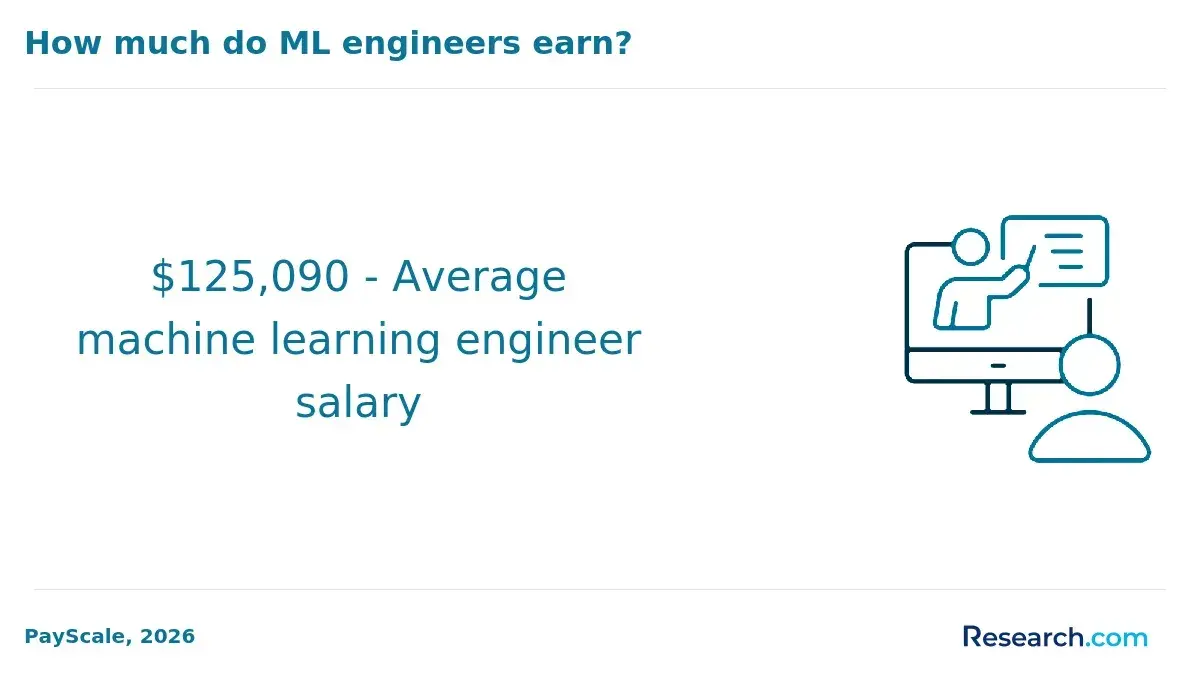
AI training broadens product managers' career opportunities, leading to senior roles like AI product lead, machine learning product manager, and AI strategy manager. These positions require a blend of skills in managing AI-driven products, understanding data science workflows, and aligning AI with business goals. Salaries in these roles generally exceed those in traditional product management, with median U.S. pay ranging from $120,000 to $160,000 annually. AI expertise can boost compensation by over 20% due to the combination of technical and strategic value.
Career advancement after AI education often involves moving into roles that bridge business and technology, such as AI consultancy, innovation leadership, or chief product officer roles focused on AI initiatives. Early-career professionals completing AI specialization can accelerate progress from associate to technical product manager, gaining higher responsibility more rapidly.
The 2024 edX Impact Report on Career Outcomes shows that learners who complete at least one AI specialization or professional certificate are 2.3 times more likely to earn promotions or secure new AI-related positions within a year. This highlights the strong influence of AI training on career mobility and growing demand for AI-savvy product managers.
Challenges such as keeping up with rapid AI advancements and mastering AI ethics compliance require targeted skills. Practical AI training teaches model lifecycle management, bias mitigation, and collaboration with data science teams, preparing product managers for leadership roles with a competitive edge.
How should working product managers build a long-term AI learning roadmap and stay current?
Product managers should develop a long-term AI learning roadmap that aligns skill growth with evolving industry needs and project goals. Foundational concepts like machine learning models, data ethics, and model lifecycle management should be prioritized before specializing in areas such as natural language processing or computer vision. This approach allows for better collaboration with technical teams and a more effective product strategy.
Continuously updating AI knowledge through accredited courses, workshops, and certifications focused on product management is essential. Engaging in project-based learning that mimics real-world AI product challenges enhances practical skills more than solely theoretical study. Cross-functional feedback loops with data scientists and engineers help to contextualize AI capabilities within broader product goals.
With 81% of software and internet companies expected to embed AI in over half their product portfolios by 2026, ongoing education is critical. This includes dedicating time monthly to AI literature, attending industry webinars, and monitoring new AI tools and frameworks related to product metrics and user experience.
Key steps for maintaining an AI learning roadmap include:
- Setting quarterly learning objectives aligned with product milestones
- Studying AI-driven product successes and failures
- Joining AI-focused product manager communities for knowledge sharing
- Using iterative learning cycles to keep pace with AI trends and regulations
Embedding these practices ensures sustained AI competency that meets fast-changing technology demands and market expectations.
Other Things You Should Know About Artificial Intelligence
Among the best AI courses for product managers in 2027 is "AI for Product Leaders" by Stanford Online. It offers comprehensive insights into integrating AI into product strategies and focuses on practical applications crucial for PMs. The course includes expert-led sessions and real-world case studies tailored for product management scenarios.
Artificial intelligence enhances decision-making by providing data-driven insights and predictive analytics. It helps product managers identify user needs, prioritize features, and optimize product performance more accurately. However, managers should also balance AI outputs with human judgment and domain knowledge.
Basic programming knowledge, especially in Python, is valuable for product managers working with artificial intelligence. Understanding how algorithms function and how data is processed helps in better communication with technical teams. While deep coding expertise is not required, familiarity with AI tools and frameworks supports effective leadership.
Artificial intelligence cannot replace product managers but acts as a tool to augment their capabilities. AI assists with data analysis, automation, and forecasting, but strategic thinking, stakeholder management, and creative problem-solving remain human responsibilities. Effective product managers leverage AI while guiding products through complex market challenges.
References
- Market Insights from 592 AI Product Management Jobs https://axialsearch.com/insights/ai-product-management-jobs/
- Certified Artificial Intelligence Product Management Program - ProductDive https://productdive.com/ai-product-management-program/
- AI for Product Management Course | Pendo.io https://www.pendo.io/ai-for-product-management-course/
- AI Learning Roadmap for Product Managers https://productschool.com/blog/artificial-intelligence/ai-learning-roadmap
- AI Product Manager: Role, Salary, Skills & Career Path Guide https://www.simpliaxis.com/resources/ai-product-manager-guide
- Everything You Need To Know About Getting Certified As An AI Product Manager https://www.productmanagementexercises.com/blog/ai-product-manager-certification/
- AI Product Management Course & Certification | Productside https://productside.com/ai-product-management-training-course/
- AI Product Manager: Role, Skills, Salary & Career Path (2026) https://futurense.com/blog/ai-product-manager
- AI Product Management Masterclass https://www.institutepm.com/knowledge-hub/ai-product-management-certifications-guide
- AI Product Manager Career Path & Salary Guide https://www.thrivewithai.live/ai-careers/roles/ai-product-manager