2027 Best Agentic AI Courses for CIOs

Co-Founder and Chief Data Scientist
Many CIOs face challenges integrating agentic AI technologies into existing systems without deep technical expertise. Rapid advancements demand a clear understanding of both strategic potential and practical implementation. Without targeted education, decision-makers risk falling behind in leveraging AI to drive innovation and competitive advantage. This gap hinders effective leadership in digital transformation initiatives crucial for organizational success.
The article presents top agentic AI courses tailored for CIOs, focusing on flexibility, accreditation, and relevance. It aims to guide professionals through options that empower them to lead AI adoption confidently and strategically.
Key Things You Should Know
- Agentic AI courses for CIOs focus on practical leadership skills for managing autonomous AI systems, with 72% of executives prioritizing this knowledge by 2025.
- Top programs integrate ethics and risk management, addressing the 60% annual rise in AI-related governance challenges faced by CIOs.
- Courses increasingly emphasize real-world case studies and hands-on projects reflecting a 35% growth in AI deployment across U.S. enterprises since 2024.
Advance Your Career with AI Online Courses
Artificial Intelligence: Implications for Business Strategy
This program provides an introduction to Artificial Intelligence and their implications for business strategy. Earn an official digital certificate.

Oxford Artificial Intelligence Programme
Explore this Oxford Artificial Intelligence programme offered in a flexible learning environment and explore topics like machine learning, automation, and robotics.

Implementing Agentic AI: Building Your Organizational Playbook
This online MIT Agentic AI course offers a practical approach to deploying AI agents in your organization, including a custom playbook. 3 weeks, exclusive launch price.

AI Adoption: Driving Business Value and Impact
This online MIT AI Adoption: Driving Business Value and Impact offers practical frameworks to close the gap between AI potential and business reality.

Artificial Intelligence in Pharma and Biotech
Discover the applications and limitations of artificial intelligence in pharma and biotech with this MIT online short course.

What is agentic AI and why does it matter for CIOs leading digital strategy today?
Agentic AI applications for CIOs digital transformation are revolutionizing how organizations operate by enabling autonomous decision-making and independent action to meet business goals. These systems move technology from passive tools to proactive collaborators, managing complex workflows and adapting to changes in real time. This shift provides CIOs a strategic advantage in driving innovation and operational efficiency.
The strategic importance of agentic AI in CIO leadership is evident in areas like customer service, where AI platforms independently resolve issues by analyzing user behaviors, freeing human agents for more complex tasks. Similarly, supply chain systems can predict and reroute logistics disruptions without manual oversight, boosting resilience and responsiveness across operations.
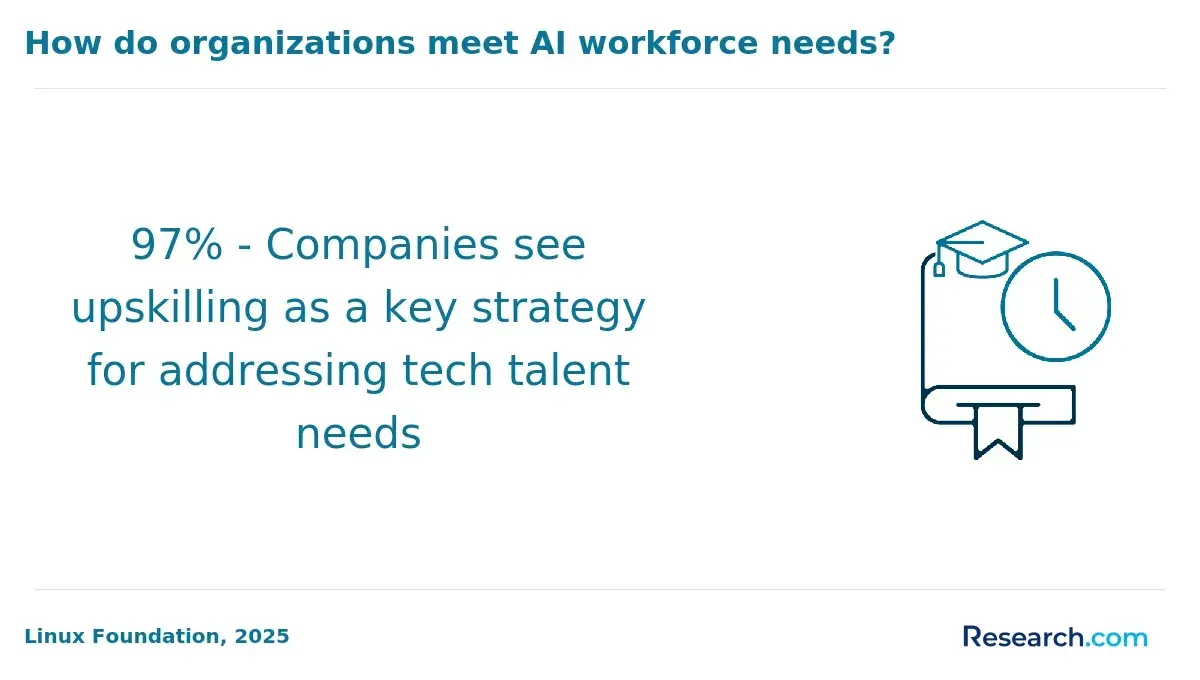
A significant challenge remains: a widening skills gap. Microsoft and LinkedIn's 2024 Work Trend Index Annual Report reveals that although 78% of organizations use AI, only 25% of employees possess high AI proficiency. This gap underscores the critical need for CIOs to build cross-functional teams skilled in both AI technology and business strategy while prioritizing continuous education and upskilling.
Investing in agentic AI-focused training, including ethical considerations and systems thinking, is essential. For professionals seeking rapid advancement in this area, pursuing a one year computer science degree can provide a targeted foundation for mastering relevant AI technologies and their business applications.
Advance Your Career with AI Online Courses
Artificial Intelligence: Implications for Business Strategy
This program provides an introduction to Artificial Intelligence and their implications for business strategy. Earn an official digital certificate.
Oxford Artificial Intelligence Programme
Explore this Oxford Artificial Intelligence programme offered in a flexible learning environment and explore topics like machine learning, automation, and robotics.
Implementing Agentic AI: Building Your Organizational Playbook
This online MIT Agentic AI course offers a practical approach to deploying AI agents in your organization, including a custom playbook. 3 weeks, exclusive launch price.
How can CIOs evaluate which agentic AI courses are truly the best for their role?
CIOs evaluating the best agentic AI courses should focus on curriculum relevance, practical application, and instructor expertise. Courses must cover strategic AI deployment aligned with organizational objectives, including automation, decision-making, and risk management. Since 29% of organizations already use agentic AI and 44% plan to adopt it within a year, training that addresses integration with existing IT infrastructure and governance is essential.
Hands-on labs, simulations, and case studies relevant to real-world CIO challenges can enhance understanding of AI ethics, compliance, and enterprise scalability. Prioritize agentic AI training programs tailored for CIO evaluation that emphasize practical tools and platforms rather than purely theoretical content.
Evaluate instructor qualifications carefully; those with leadership experience in AI projects or recognized research contributions ensure up-to-date, applicable insights.
Additional considerations include flexible course formats such as short modules or on-demand sessions suitable for busy executives. Certifications recognized by industry bodies and linked to career advancement provide added value.
Comparing reviews, alumni outcomes, and institutional reputation also aids decision-making. For those seeking affordable educational options to advance in this field, exploring options like the cheapest online computer engineering degree can complement AI training for a stronger technical foundation.
What types of agentic AI programs are available for CIOs (executive education, certificates, degrees)?
Agentic AI executive education programs for CIOs are offered mainly in three formats: executive education, certificate programs, and advanced degrees. Executive education offers concise courses lasting a few days to several weeks, designed for busy leaders seeking practical frameworks on AI strategy and governance. These programs often originate from top business schools or technology institutes, focusing on integrating AI into enterprise operations and decision-making effectively.
Certificates and degrees in agentic AI for chief information officers provide more in-depth study. Certificate programs typically extend over several months part-time and cover AI ethics, autonomous systems, and AI-driven innovation management. These credentials validate expertise without requiring a full degree, making them ideal for CIOs who want to enhance their qualifications while remaining in their current roles.
Degree programs, such as master's degrees in AI management or data science with an agentic AI emphasis, combine theory, research, and applied projects over one to two years. These are well suited for CIOs planning significant career advancement or seeking advanced leadership and technical skills.
With 92% of senior finance leaders prioritizing generative AI, investing in education is increasingly critical. CIOs must tackle challenges in operationalizing AI responsibly and aligning strategies with business goals. For professionals exploring broader options, game design online programs offer flexible pathways that incorporate AI-driven development skills, as outlined by game design online.
How do online, hybrid, and on-campus agentic AI courses compare for busy technology leaders?
Online, hybrid, and on-campus agentic AI course formats for busy CIOs each present unique benefits tailored to demanding schedules. Online courses deliver flexibility, enabling technology leaders to learn at their own pace without interrupting work. This is crucial as 42% of organizations cite data quality and governance as key barriers to AI rollout, highlighting the need for timely, practical training. However, online options may lack the immersive, hands-on experience vital for mastering complex AI governance.
Hybrid formats offer a blend of online convenience with scheduled in-person sessions, giving CIOs opportunities for direct interaction and practical workshops. These hybrid courses facilitate networking essential for strategic partnerships and simulate real-world AI governance scenarios, making them highly valuable for technology leaders comparing online hybrid and on-campus agentic AI training.
On-campus courses provide an intensive, structured environment suited for CIOs who can dedicate focused time to deep study. This access to cutting-edge research and face-to-face mentorship aids comprehensive understanding of both technical and ethical AI aspects, critical for impactful leadership.
Choosing the right format depends on time availability, learning preferences, and organizational goals. Prioritizing programs with strong data governance components is key to overcoming implementation challenges noted in global AI surveys. For those seeking accelerated routes in related tech fields, consider the cyber security fast track program as a complementary skill-building option.
What should CIO-focused agentic AI curricula cover in strategy, governance, and implementation?
CIO-focused agentic AI curricula concentrate on three critical areas: strategy, governance, and implementation, each aligned with CIO responsibilities. Strategy coursework highlights integrating AI agents into business models with clear ROI targets, focusing on cutting operational costs and boosting efficiency. For example, IBM Research's findings show AI agents can reduce task completion time by 30% to 50% in structured workflows, emphasizing CIOs' need to align AI projects with measurable outcomes.
Governance covers ethical frameworks, risk management, and compliance specific to agentic AI. CIOs must grasp data privacy issues and establish protocols for transparent decision-making and accountability. Key topics include bias mitigation, security risks of autonomous agents, and collaboration across IT, legal, and business teams to enforce governance.
Implementation training imparts practical skills for deploying AI agents across varied IT infrastructures. Focus areas include overcoming integration challenges with legacy systems, ensuring scalability, and continuous monitoring. CIOs also learn change management techniques to prepare teams for AI-enhanced workflows through upskilling and communication. Case studies on phased rollouts and troubleshooting enhance understanding.
Additional modules may address performance metrics like task accuracy and user interaction quality, helping CIOs justify investments. Robust curricula empower CIOs to lead AI transformations balancing innovation with control.
Which accreditation, institutional quality signals, and industry partnerships matter for agentic AI programs?
Accreditation for agentic AI programs must come from recognized organizations such as ABET or regional accrediting bodies like the Middle States Commission on Higher Education or WASC. These accreditations ensure curricula meet strict academic and industry standards, preparing graduates with up-to-date and relevant knowledge. Institutional quality is often signaled by faculty expertise in AI research, publication records, and involvement in AI ethics, systems design, or machine learning.
Programs linked to top research universities or well-known technology schools typically offer stronger institutional support and resources. Industry partnerships with leading AI companies like Google, Microsoft, IBM, or NVIDIA provide valuable hands-on experience through internships, capstone projects, and access to proprietary tools. Collaborations with consulting firms or industry consortia emphasize practical problem-solving and networking opportunities crucial for career growth.
Key factors for prospective students:
- Accreditation from recognized agencies that guarantee quality education
- Faculty with strong AI research and publication credentials
- Industry partnerships providing real-world experience
- Transparency in graduate employment rates and advisory board involvement
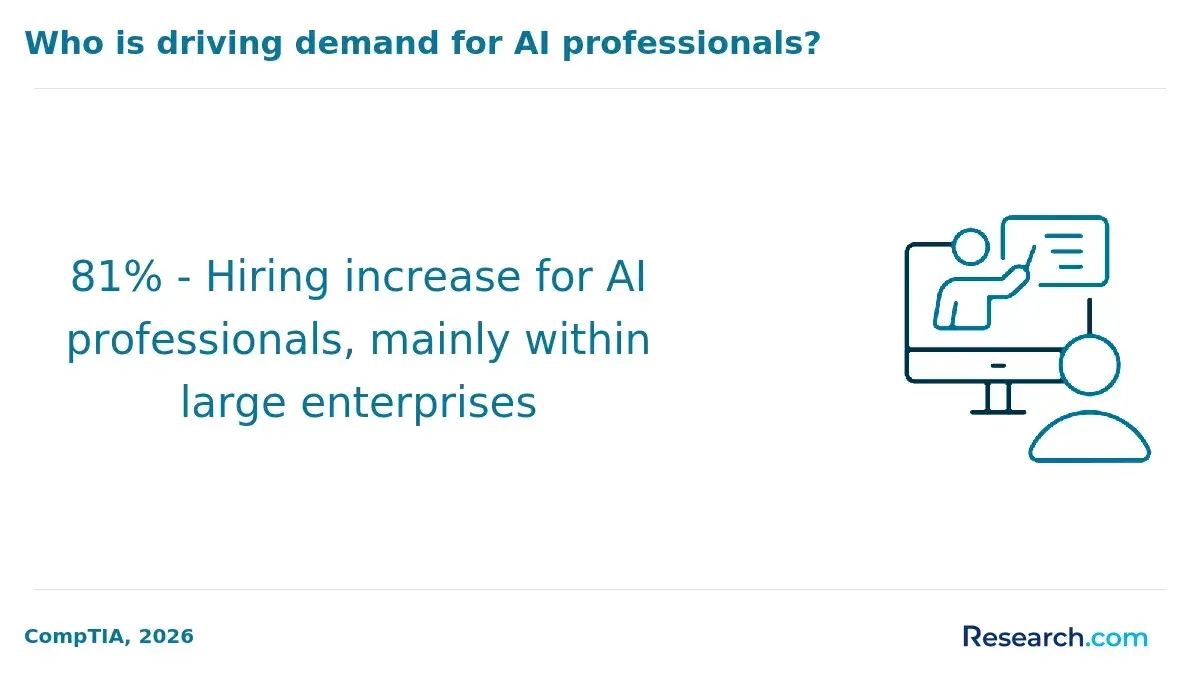
Programs partnering with sectors like healthcare, finance, and autonomous systems offer specialized career pathways aligned with leadership roles in those domains. The World Economic Forum Future of Jobs Report 2025 projects a 40% job demand increase for AI and machine learning specialists through 2027, highlighting the importance of choosing programs with robust accreditation, expert faculty, and strategic industry ties for a solid foundation in agentic AI innovation and implementation.
What are typical admission requirements for CIOs and senior IT leaders in agentic AI courses?
Admission to agentic AI courses for CIOs and senior IT leaders typically requires 5 to 10 years of experience in IT management or strategic roles. This ensures candidates understand enterprise technology and business operations.
Common prerequisites include a bachelor's degree in computer science, information systems, business administration, or related fields, along with familiarity with data analytics, machine learning concepts, or AI frameworks. Many programs also request a statement of purpose clarifying how the training supports organizational goals and measurable business impact.
Applicants often need to demonstrate prior experience managing AI projects, digital transformations, or innovation portfolios. Executive endorsements emphasizing strategic decision-making abilities strengthen applications. Notably, 72% of executives said they are more likely to invest in AI training that shows measurable business outcomes, according to Harvard Business Review Analytic Services, 2024.
Some advanced courses offer modular or blended learning paths, enabling those without formal AI backgrounds to qualify through prerequisite short courses or professional certifications. This flexibility suits senior leaders transitioning from traditional IT roles.
Successful candidates articulate clear leadership vision and ROI potential of AI, aligning expected benefits with digital transformation objectives to meet admission expectations.
How long do leading agentic AI programs for CIOs take, and what do they cost?
Leading agentic ai programs for CIOs typically span from 6 weeks to 6 months, balancing comprehensive content with the demanding schedules of executives. Short, intensive bootcamps lasting 6 to 8 weeks focus on foundational ai principles, strategic deployment frameworks, and leadership in ai-driven projects. More extensive certificate programs running 4 to 6 months include in-depth topics such as ai governance, ethics, advanced machine learning applications, and enterprise technology integration challenges.
Program costs vary by length, prestige, and resources offered. Entry-level courses start near $3,000, suitable for initial exposure or skills refreshers. Mid-tier university-affiliated certificates usually range from $7,000 to $15,000, often featuring expert faculty, case studies, and networking. Executive education from top business schools or tech institutes can exceed $20,000, incorporating project work, personalized coaching, and collaborative peer learning.
With 67% of CIOs citing legacy technology as a significant barrier to AI deployment, according to Gartner CIO Agenda 2025, investment in flexible, actionable ai education is crucial. Programs that emphasize practical integration tools and transformation strategies enable CIOs to overcome inertia from outdated systems.
Key considerations when choosing a program include:
- Alignment with specific CIO goals, such as boosting AI adoption or managing AI ethics
- Availability of asynchronous or live instruction to accommodate busy schedules
- Inclusion of capstone projects or hands-on labs simulating ai leadership challenges
How do agentic AI credentials impact CIO career advancement, compensation, and board-level opportunities?
Agentic AI credentials greatly enhance career progression for CIOs by validating expertise in managing autonomous systems, a key competency as enterprises increasingly rely on ai-driven decision-making. Executive recruiters and hiring committees prioritize candidates with proven skills in agentic AI because they can effectively oversee complex AI initiatives that foster innovation and competitive advantage. For instance, CIOs certified in this area experience promotion cycles that are 15-25% faster than those of peers without such qualifications.
Compensation for CIOs with agentic AI skills typically exceeds industry averages, reflecting their increased responsibilities in AI governance, integration, and ethical deployment. According to industry reports, salaries can rise by 10-18% for those demonstrating agentic AI proficiency. Companies value this expertise as essential to managing AI risks and improving operational efficiency, often resulting in higher pay and performance bonuses.
Board-level opportunities also expand with agentic AI expertise, as organizations seek leaders who understand AI's impact on corporate governance and data ethics. This demand reflects a 1,200% year-over-year increase in searches for "AI agents," reported by Forbes in 2025. To leverage these credentials, CIOs should pursue certifications focused on multi-agent coordination, autonomous system deployment, and AI policy compliance.
- Demonstrate project outcomes related to agentic AI to build credibility.
- Engage in AI-focused professional networks to access exclusive board candidate pipelines.
What professional certifications and ongoing learning should CIOs pursue after an agentic AI course?
CIOs completing agentic AI courses should pursue professional certifications to strengthen governance and ethical leadership in AI deployment. Recommended credentials include the Certified AI Governance Professional (CAIGP) and Certified Ethical Emerging Technologist (CEET), focusing on risk management, compliance, and responsible AI use. Staying updated on data privacy laws like GDPR and CCPA is essential for aligning AI initiatives with regulatory requirements.
Continual education through micro-credentials and workshops covering AI interpretability, adversarial AI threats, and algorithmic bias mitigation helps CIOs address challenges related to model transparency and fairness. With 58% of executives emphasizing new governance models to scale agentic AI safely (Accenture Technology Vision 2025), training in AI-driven change management and enterprise risk frameworks equips CIOs to lead interdisciplinary teams effectively.
Effective education paths include executive programs from leading business schools, which update curricula to reflect the latest AI governance practices, and industry platforms offering scenario-based simulations for real-world AI challenges. Beyond certifications, CIOs should engage with peer-reviewed AI ethics research, attend conferences, and participate in AI policy forums to anticipate technological, ethical, and legal developments.
Other Things You Should Know About Artificial Intelligence
For CIOs, critical skills in artificial intelligence include understanding machine learning concepts, data analytics, and AI system integration. Additionally, strong capabilities in ethical AI governance and risk management are essential to ensure AI solutions are responsible and compliant. Developing strategic thinking around AI-driven innovation and its impact on business models is also vital.
Artificial intelligence enhances decision-making by providing CIOs with advanced data analysis and predictive insights, enabling faster and more informed choices. AI-driven tools can identify patterns and opportunities that humans may overlook, improving operational efficiency. However, CIOs must balance automated recommendations with human judgment to maintain accountability and ethical standards.
CIOs often encounter challenges such as data quality issues, integration complexities, and skill shortages within their teams. Managing the ethical implications of AI, including bias and transparency, presents additional hurdles. Moreover, aligning AI initiatives with overall business goals and securing stakeholder buy-in are crucial yet difficult steps in successful implementation.
In 2027, top Agentic AI courses for CIOs include "AI Strategy for Leaders" by MIT Sloan, "AI in Business" from Stanford Online, "Advanced AI for IT Executives" at edX, and "AI Governance and Ethics" by Coursera. These courses emphasize strategic implementation, governance, and ethical AI principles.
References
- Balancing cost and performance: Agentic AI development https://www.datarobot.com/blog/cut-agentic-ai-development-costs/
- Understanding Agentic AI and the Growing Impact on Tech Jobs https://motionrecruitment.com/blog/understanding-agentic-ai-and-its-growing-impact-on-tech-jobs
- Agentic AI and the Transformation of Workforce Dynamics https://nri-na.com/agentic-ai-and-the-transformation-of-workforce-dynamics/
- The Road to Agentic AI: Defining a New Paradigm for Technology and Cybersecurity | TrendAI (US) https://www.trendaisecurity.com/en-us/resources-insights/research/the-road-to-agentic-ai-defining-a-new-paradigm-for-technology-and-cybersecurity
- Rethinking the IT organization for the agentic AI era https://www.cio.com/article/4046473/rethinking-the-it-organization-for-the-agentic-ai-era.html
- The Agentic AI Era: 5 Strategic Shifts Every CIO Must Navigate in 2026 https://www.alation.com/blog/agentic-ai-2026-cio-strategy/
- Best AI Agent Courses for C-Level Leaders (2026 Guide) https://aiagentsacademy.ai/blog/best-ai-agent-courses-c-level-leaders-2026
- A Complete Guide to Agentic AI Governance https://www.paloaltonetworks.com/cyberpedia/what-is-agentic-ai-governance
- Governance, Skills, Integration: CIO Responsibilities for Agentic AI https://confare.at/governance-skills-integration-cio-responsibilities-for-agentic-ai/
- Agentic AI: A Governance Wake-Up Call https://www.nacdonline.org/all-governance/governance-resources/directorship-magazine/online-exclusives/2025/q3-2025/autonomous-artificial-intelligence-oversight/