2027 Best AI Adoption Courses for Shopify Store Owners

Co-Founder and Chief Data Scientist
Shopify store owners often face challenges integrating advanced tools to optimize sales and customer experience efficiently. Without knowledge in artificial intelligence, owners may miss opportunities for automation, personalized marketing, and inventory management. This gap can limit growth and competitive advantage in a crowded e-commerce environment.
The article outlines key courses designed to bridge this skills gap, focusing on flexible, credible options that suit professionals pivoting from unrelated fields. It aims to help readers identify programs that offer practical artificial intelligence applications specifically tailored to enhance Shopify store operations and business outcomes.
Key Things You Should Know
- AI integration in Shopify stores increased sales by up to 30% in 2025, emphasizing the value of targeted AI adoption courses for owners seeking competitive advantage.
- Top courses focus on practical AI tools for inventory management, personalized marketing, and customer service automation, ensuring immediate business impact.
- Completion rates for AI adoption courses rose 18% from 2024 to 2025, reflecting growing demand among e-commerce entrepreneurs for upskilling in AI technologies.
Advance Your Career with AI Online Courses
Artificial Intelligence: Implications for Business Strategy
This program provides an introduction to Artificial Intelligence and their implications for business strategy. Earn an official digital certificate.

Oxford Artificial Intelligence Programme
Explore this Oxford Artificial Intelligence programme offered in a flexible learning environment and explore topics like machine learning, automation, and robotics.

Implementing Agentic AI: Building Your Organizational Playbook
This online MIT Agentic AI course offers a practical approach to deploying AI agents in your organization, including a custom playbook. 3 weeks, exclusive launch price.

AI Adoption: Driving Business Value and Impact
This online MIT AI Adoption: Driving Business Value and Impact offers practical frameworks to close the gap between AI potential and business reality.

Artificial Intelligence in Pharma and Biotech
Discover the applications and limitations of artificial intelligence in pharma and biotech with this MIT online short course.

What are the best AI adoption courses for Shopify store owners and who are they for?
Top AI adoption courses for Shopify store owners focus on practical ways to integrate AI tools to enhance store performance and customer experience. Programs like "AI for E-commerce Entrepreneurs" by Udemy and "Shopify AI Mastery" from specialized e-commerce academies teach how to leverage AI-powered personalization and automation effectively.
These AI training programs tailored for ecommerce entrepreneurs help increase conversion rates, speed up setup times, and optimize marketing strategies with AI.
Beginners benefit from guided tutorials on setting up AI chatbots, dynamic pricing, and inventory automation. Intermediate and advanced learners explore data analytics, custom AI solutions, and machine learning techniques to target specific customer segments.
For instance, merchants can use AI-driven email campaigns to improve engagement or AI algorithms to forecast demand more accurately.
According to Shopify's Commerce Report, merchants utilizing AI personalization and automation achieved up to 25% higher conversion rates and 35% faster store setup than those without AI adoption. Courses often cover strategic and hands-on AI applications like:
- Implementing AI chatbots to enhance customer service
- Using AI-generated product recommendations for increased sales
- Automating ad targeting and retargeting for higher ROI
- Optimizing store layout and pricing with AI insights
Learning how to adopt AI with these best AI adoption courses for Shopify store owners reduces manual workload and drives measurable growth, addressing common challenges such as slow product launches and inconsistent engagement. For those interested in career paths leveraging these skills, exploring applied artificial intelligence jobs can offer promising opportunities.
Advance Your Career with AI Online Courses
Artificial Intelligence: Implications for Business Strategy
This program provides an introduction to Artificial Intelligence and their implications for business strategy. Earn an official digital certificate.
Oxford Artificial Intelligence Programme
Explore this Oxford Artificial Intelligence programme offered in a flexible learning environment and explore topics like machine learning, automation, and robotics.
Implementing Agentic AI: Building Your Organizational Playbook
This online MIT Agentic AI course offers a practical approach to deploying AI agents in your organization, including a custom playbook. 3 weeks, exclusive launch price.
How can AI adoption training specifically help Shopify store owners grow sales and efficiency?
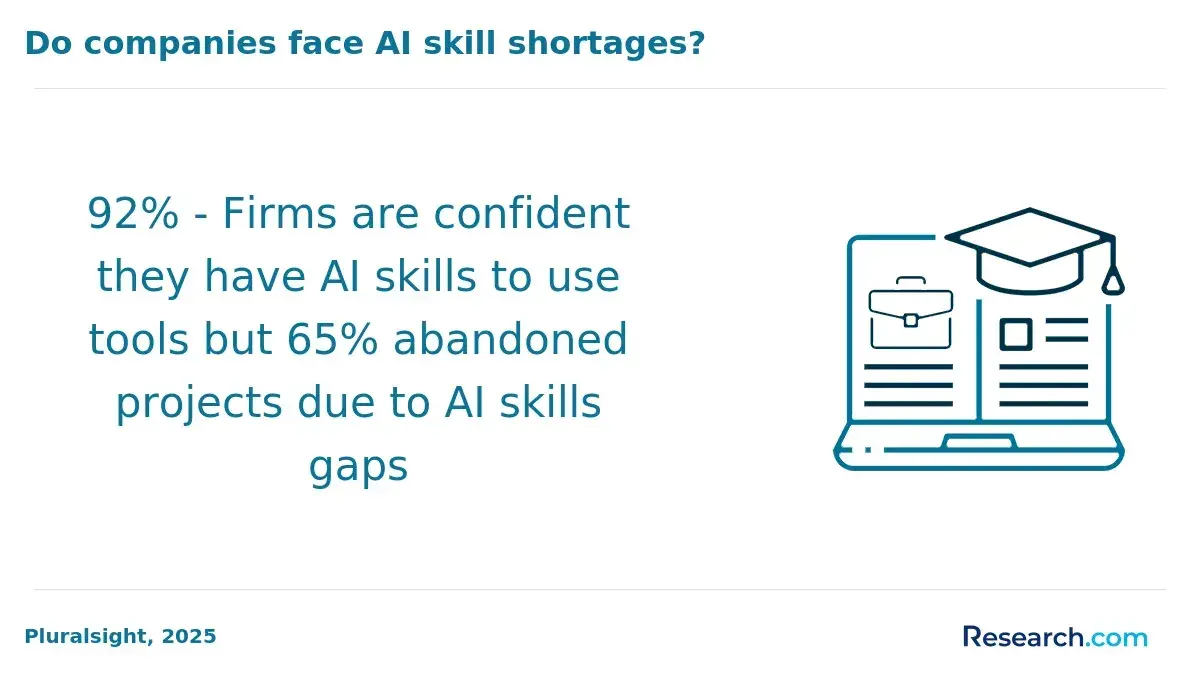
AI adoption training equips Shopify store owners with essential skills to leverage technology for boosting sales and enhancing operational efficiency. This education directly tackles barriers such as limited technical knowledge and ineffective AI tool use, a key concern since a Shopify survey revealed 64% of e-commerce teams lack skills to implement AI effectively. Integrating AI adoption strategies for Shopify sales growth helps merchants apply data-driven marketing, automation, and personalized customer engagement that lead to measurable revenue increases.
Training programs to improve ecommerce efficiency with artificial intelligence enable owners to use AI-powered tools for dynamic pricing, inventory forecasting, and customer segmentation. AI analyzes purchasing behavior to optimize stock levels, reducing overstock expenses and preventing lost sales. AI-driven chatbots also enhance customer support by offering 24/7 assistance and personalized recommendations, thereby increasing conversion rates.
Courses often teach how to integrate machine learning algorithms for targeted advertising and natural language processing to automate reviews and feedback. These skills reduce manual workloads, freeing resources for strategic business growth.
Practical instruction also covers compliance with data privacy laws to ensure ethical AI use. With 73% of e-commerce businesses planning to increase AI usage within the next 12 months, these competencies provide a competitive advantage. Students seeking comprehensive knowledge may explore options like an AI degree online to deepen their expertise.
In summary, AI adoption education helps Shopify merchants by:
- Improving sales through personalized marketing and customer experiences
- Boosting operational efficiency with automation of routine tasks
- Optimizing inventory and pricing strategies via predictive analytics
- Ensuring legal compliance and ethical use of customer data
What types of AI courses should Shopify entrepreneurs consider: short courses, certificates, or degrees?
Shopify entrepreneurs seeking AI adoption courses for Shopify store owners must weigh their goals and time availability carefully. Short courses focus on practical, immediately applicable skills like AI-driven marketing automation or product recommendations, making them ideal for busy store owners wanting quick results without a steep learning curve.
Certificates provide a more in-depth study of AI methods coupled with project work, offering credentials valued by employers and partners. For instance, certificate programs in machine learning or data analytics can help Shopify entrepreneurs analyze customer data for targeted campaigns. This approach suits those aiming to expand their technical role while gaining career credibility through recognized Shopify entrepreneur certificates in AI applications.
Degrees such as bachelor's or master's in data science or AI deliver comprehensive knowledge of algorithms, ethics, and system design. Though they require significant time and financial investment, degrees prepare store owners for leadership in AI strategy and open doors to consulting or AI product development careers. They support long-term growth and adapting to evolving technologies.
According to McKinsey's 2024 State of AI report, AI adoption in retail can boost profit margins by 3-5 percentage points and increase revenue up to 20%. Entrepreneurs should thus evaluate immediate needs versus future skill demands.
Additional pathways include exploring specialized programs like a game design degree, which can complement AI knowledge with broader tech expertise.
- Time availability and quick implementation favor short courses.
- Career advancement and validation benefit from certificates.
- Full expertise and leadership roles typically require degrees.
How do online AI courses for Shopify compare with campus or bootcamp options?
Online AI adoption courses for Shopify store owners provide flexibility and cost-effectiveness, allowing learners to progress at their own pace, ideal for busy professionals and entrepreneurs. In contrast, campus programs and bootcamps demand fixed schedules and often higher tuition but offer immersive, hands-on training and direct interaction with instructors and peers. When comparing AI training bootcamps with online Shopify store courses, bootcamps typically blend applied learning with intensive timeframes but remain less adaptable.
Online courses tend to focus on practical skills tailored for Shopify, covering AI-driven marketing automation, product recommendations, and customer behavior analytics. This is more specialized than broader campus programs that may emphasize theory or fundamental software development unrelated to e-commerce. Klaviyo's benchmark data highlights the effectiveness of AI, showing an average 18-22% revenue increase per recipient using AI-driven email and SMS optimization tools taught in many online courses.
When selecting the right format, consider these points:
- Online programs favor affordability and schedule flexibility.
- Bootcamps and campus programs excel in immersive learning and networking opportunities.
- Prioritize curricula emphasizing Shopify-relevant AI applications for tangible store improvements.
- Look for courses with case studies or projects reflecting current industry benchmarks.
For U.S. veterans considering cybersecurity alongside AI training, resources like the cybersecurity degree online for veterans can offer valuable insights and flexible educational options.
What core topics and tools are covered in AI adoption courses focused on Shopify stores?
Courses on AI adoption for Shopify stores equip owners with key skills to leverage AI-driven tools and improve store performance. Central topics include AI-powered product recommendation engines that analyze customer behavior and preferences to personalize shopping, leading to conversion rate increases of 10-30% and average order value boosts between 8-15%. These insights come from case studies conducted by Shopify.
An important focus is on data analytics and customer segmentation, which helps store owners identify buyer patterns and target marketing more precisely using compatible platforms like Google Analytics enhanced with AI. Training also covers automated inventory management, predicting stock needs based on sales trends and seasonality to optimize supply.
Hands-on experience with AI-powered chatbots and virtual assistants for customer service automation is emphasized, utilizing natural language processing to handle inquiries efficiently. Additionally, AI-driven A/B testing tools are taught to refine product pages and checkout processes, improving user experience and sales conversion.
Ethics in AI, data privacy, and compliance relevant to e-commerce are integral parts of the curriculum, assisting merchants in maintaining trust and adhering to legal standards. Tools such as Shopify's AI apps and third-party plugins like Octane AI, along with fundamentals of coding for AI customization, are also explored.
This comprehensive training offers practical guidance on selecting scalable tools suited to various store sizes and verticals, ensuring actionable ROI and effective AI adoption in e-commerce.
How do I evaluate the quality, accreditation, and reputation of AI programs for ecommerce?
Start by verifying if the ecommerce AI program holds accreditation from reputable bodies like AACSB, ABET, or regionally recognized institutions to ensure academic quality. Evaluate whether the curriculum includes practical ecommerce applications, focusing on AI tools that boost sales and optimize customer service. For example, Tidio's e-commerce report shows stores using AI chatbots reduced customer service costs by up to 40% and saw a 12% sales increase through automated conversations.
Reputation is reflected in industry partnerships, faculty expertise, and alumni success. Programs working with ecommerce platforms, AI software firms, or notable ecommerce analysts demonstrate valuable industry ties. Check if faculty have experience applying AI in retail settings and review alumni achievements in deploying AI to improve metrics such as conversion rates and customer engagement.
Hands-on experience through internships, labs, or projects with platforms like Shopify is crucial. Such opportunities transform theoretical knowledge into real-world skills. Be cautious of programs that do not provide clear data on placement rates or industry endorsements.
Additionally, confirm the program updates its content with current AI trends and tools, given the rapid evolution in ecommerce. Programs focusing on data-driven decision making and AI automation better prepare students for profitable AI applications. A thorough evaluation combines accreditation verification, curriculum relevance, faculty credentials, and documented outcomes for an informed choice.
What are typical admission requirements, program length, and time commitment for these AI courses?
Admission requirements for AI adoption courses aimed at Shopify store owners typically focus on foundational skills. Applicants should have basic e-commerce knowledge, familiarity with Shopify's platform, and some understanding of data analytics or marketing. While some advanced programs might ask for prior software experience or coding skills, many emphasize practical business insights over technical expertise.
Course durations vary widely. Short courses often span 4 to 8 weeks with part-time modular lessons. Certificate programs can last about 3 months, and intensive workshops or boot camps run 6 to 12 weeks. For instance, an 8-week course might require 2-3 hours per week, balancing learning with business operations.
Time commitment ranges from 4 to 10 hours weekly depending on course structure. Self-paced options provide flexibility, but live sessions and hands-on projects necessitate set schedules. Practical applications, such as implementing AI for demand forecasting or personalized marketing automation, often need additional dedicated time beyond video lessons.
Research by Capgemini shows merchants using AI for demand forecasting and dynamic pricing reduce stockouts by up to 35% and cut inventory holding costs by around 20%. This underscores the value of investing time in these courses to enhance inventory management and pricing strategies.
- Basic e-commerce and Shopify familiarity required
- Course lengths: 4 to 12 weeks, part-time or intensive
- 4 to 10 hours weekly recommended
- Strong benefits in inventory and pricing optimization
How much do AI adoption courses for Shopify owners cost, and what funding options exist?
AI adoption courses for Shopify store owners vary widely, from free beginner-friendly webinars to premium programs priced between $200 and $2,000. Basic self-paced options typically introduce foundational AI tools without cost, allowing users to explore technology without upfront investment. More comprehensive intermediate and advanced courses, costing $500 to $1,500, focus on AI-driven marketing, inventory management, and content automation, tailored to enhance daily store operations.
Premium coaching and certification programs offer personalized guidance and advanced strategies for scaling Shopify businesses, with prices that can exceed $2,000. Flexible payment plans are often available, spreading costs over 3 to 6 months. Some employers may cover training expenses through professional development budgets, while scholarships and grants from STEM-related organizations can also support learners interested in AI e-commerce applications.
Courses that demonstrate measurable value are especially beneficial. For example, Jasper's 2024 customer data shows ecommerce teams using AI content tools produce copy up to 5× faster and see a 15-25% uplift in organic SEO traffic. Selecting programs focusing on practical AI use in copywriting and marketing automation can improve efficiency and drive higher conversion rates.
Evaluating course ROI involves checking curriculum relevance, instructor expertise, and available support. Prospective students should trial free lessons or samples to confirm course alignment with their learning goals before committing.
What career paths, freelance opportunities, and business outcomes can AI-skilled Shopify owners expect?
Shopify owners with skills in artificial intelligence can unlock various career paths including AI integration specialists, ecommerce automation consultants, and data analysts focused on optimizing customer behavior. These positions require expertise in AI tools that improve inventory management, customer service, and marketing efficiency.
Freelancers skilled in AI have opportunities like developing chatbots, building predictive sales models, and creating personalized customer experiences. By delivering measurable ROI such as increased conversion rates and customer retention, freelancers can justify charging premium rates.
Business benefits for AI-savvy Shopify owners are significant. An analysis of Shopify merchant productivity found that those using AI assistants saved 2.5-4 hours daily on routine tasks, translating into $20,000-$40,000 in annual labor value for small teams or solo stores. Time saved can be reinvested into scaling operations, refining marketing, or enhancing products.
AI in inventory forecasting reduces excess stock and stockouts, boosting profitability. AI-powered customer support chatbots enhance response times and satisfaction without adding staffing costs. Meanwhile, AI-driven marketing campaigns leverage data to target ads more effectively, increasing ad spend efficiency.
Proficiency in AI empowers Shopify owners to lead digital transformation initiatives and expand income streams by launching AI-based ecommerce ventures. Investing in AI education and tools is essential for maintaining a competitive edge in the evolving online marketplace.
Are there industry-recognized certifications or portfolios that strengthen AI credentials for Shopify work?
Certifications from recognized organizations like Google Cloud's Professional Machine Learning Engineer, IBM AI Engineering Professional Certificate, and Microsoft's AI-900 Fundamentals significantly boost AI credentials for Shopify store owners. These certifications validate skills in AI concepts and practical applications crucial for e-commerce environments.
Building a portfolio of completed AI projects-such as chatbots, demand forecasting models, or image recognition tools for product tagging-provides concrete evidence of expertise. Highlighting measurable results, like improved conversion rates or faster customer service response times, strengthens credibility with employers or clients.
According to Gartner, by 2027, 80% of e-commerce companies will adopt generative AI for key sales or customer experience functions, a rise from 15% in 2023. This trend emphasizes the value of advanced AI credentials tailored to commerce platforms like Shopify.
Courses that offer certification combined with hands-on labs using tools such as TensorFlow, PyTorch, or Shopify's own API for AI applications deliver both theory and practical experience. These certifications not only confirm knowledge but also prepare professionals for real-world AI deployments in Shopify ecosystems.
Overall, securing certifications alongside a Shopify-focused AI project portfolio creates a compelling advantage, demonstrating readiness to implement AI solutions that drive measurable business outcomes.
Other Things You Should Know About Artificial Intelligence
One major challenge is data quality and quantity, as effective AI models require large, clean datasets which many Shopify stores may lack. Another difficulty lies in selecting the right AI tools that fit specific business needs without overcomplicating workflows. Additionally, store owners may encounter technical barriers and a learning curve when customizing AI solutions to their unique ecommerce environment.
AI systems often rely on customer data to personalize experiences, which raises concerns over data privacy and compliance with regulations like GDPR and CCPA. Shopify store owners must ensure that AI tools handle data securely, with transparent consent mechanisms and proper anonymization techniques to protect customer information. Failure to do so can result in legal penalties and loss of consumer trust.
Yes, many AI tools today are designed for user-friendliness and require minimal technical expertise, making them accessible to small Shopify businesses. Cloud-based AI services and plug-and-play integrations simplify implementation without the need for in-house development. However, small businesses should still invest time in understanding how to optimize these tools to align with their sales goals.
One of the top courses in 2027 for Shopify store owners focusing on AI integration is "AI for E-Commerce: Shopify Mastery" offered by EcomSync Academy. This course covers AI-driven sales analytics, personalized marketing strategies, and automation tools tailored specifically for Shopify platforms. It is suitable for those seeking to enhance their store's efficiency and customer engagement through AI technologies.
References
- AI training and tools for small businesses | Grow with Google https://grow.google/ai-for-small-businesses/
- True Cost of Generative AI for SMEs: 5-Year Breakdown https://smartdev.com/gen-ai-implementation-cost-sme/
- Your Guide to Shopify AI Solutions for Ecommerce Growth https://www.cleffex.com/blog/shopify-ai-solutions-for-ecommerce-growth/
- Freelancing with AI in 2026: Tools, Skills & Strategies https://useme.com/en/blog/freelancing-with-ai-in-2026/
- AI for Shopify Store Owners Course - Workplace AI Institute https://workplaceaiinstitute.com/courses/ai-for-shopify-store-owners/
- Top AI Use Cases: Real-World Examples Across Industries (2025) - Shopify https://www.shopify.com/blog/ai-use-cases
- Best AI Tools for Shopify Store Owners 2026 https://www.rewarx.com/blogs/best-ai-tools-for-shopify-store-owners
- AI certifications: What employers actually want in 2026 - Spiceworks https://www.spiceworks.com/it-careers/ai-certifications-what-employers-actually-want-in-2026/
- Best Artificial Intelligence Courses for Beginners https://agilefever.com/artificial-intelligence-courses-for-beginners/
- How Long Does It Take to Learn Artificial Intelligence? https://www.epw.com/blog/courses/artificial-intelligence-course-how-many-years