2027 Best AI Courses for Supply Chain Management Teams

Co-Founder and Chief Data Scientist
Supply chain management teams often struggle with optimizing complex logistics and forecasting demand in rapidly changing markets. Without advanced tools, inefficiencies can lead to costly delays and lost revenue. Integrating artificial intelligence skills can transform these operations by enabling predictive analytics, automation, and improved decision-making. However, many professionals lack access to flexible, accredited courses that bridge their current knowledge with AI applications in supply chains.
This article explores the best courses designed to equip supply chain teams with relevant AI expertise, offering pathways to enhance operational efficiency and strategic impact in a competitive environment.
Key Things You Should Know
- AI courses for supply chain management increasingly focus on predictive analytics and automation, with 65% of programs updated since 2024 to include real-time data applications.
- By 2026, integration of AI skills in supply chain roles is expected to grow by 40%, emphasizing machine learning and optimization techniques as career essentials.
- Top courses emphasize practical tools like Python and TensorFlow, offering experiential learning through simulations to enhance decision-making efficiency in complex supply networks.
Advance Your Career with AI Online Courses
Artificial Intelligence: Implications for Business Strategy
This program provides an introduction to Artificial Intelligence and their implications for business strategy. Earn an official digital certificate.

Oxford Artificial Intelligence Programme
Explore this Oxford Artificial Intelligence programme offered in a flexible learning environment and explore topics like machine learning, automation, and robotics.

Implementing Agentic AI: Building Your Organizational Playbook
This online MIT Agentic AI course offers a practical approach to deploying AI agents in your organization, including a custom playbook. 3 weeks, exclusive launch price.

AI Adoption: Driving Business Value and Impact
This online MIT AI Adoption: Driving Business Value and Impact offers practical frameworks to close the gap between AI potential and business reality.

Artificial Intelligence in Pharma and Biotech
Discover the applications and limitations of artificial intelligence in pharma and biotech with this MIT online short course.

What is an AI course for supply chain management teams and who should take it?
AI courses for supply chain management professionals are designed to enhance decision-making, efficiency, and risk management through artificial intelligence technologies. These programs cover predictive analytics, machine learning algorithms, demand forecasting, inventory optimization, and automated logistics. By learning to use AI tools, supply chain teams benefit from artificial intelligence training that enables analysis of large datasets, pattern recognition, and generation of actionable insights, which support cost reduction and operational agility.
Professionals such as managers, analysts, and planners in supply chain roles will find these courses essential to keep pace with evolving industry demands. Graduates with backgrounds in operations, logistics, or data science gain valuable domain-specific AI skills to improve employability. For instance, procurement managers can apply AI-driven vendor selection models, while logistics coordinators might optimize routes using AI.
With 75% of supply chain organizations expected to adopt AI or advanced analytics by 2027, up from 10% in 2020, as Gartner reports, AI proficiency has become crucial for addressing supply disruptions and demand volatility. Teams involved in digital transformation efforts can particularly benefit from this expertise.
These courses often combine practical exercises and case studies focused on scenarios like inventory management, supplier risk assessment, and transportation scheduling, helping to boost supply chain resilience and responsiveness.
Students interested in advancing their AI and data science skills may consider consulting the data science master program ranking for affordable options that fit their career ambitions.
Advance Your Career with AI Online Courses
Artificial Intelligence: Implications for Business Strategy
This program provides an introduction to Artificial Intelligence and their implications for business strategy. Earn an official digital certificate.
Oxford Artificial Intelligence Programme
Explore this Oxford Artificial Intelligence programme offered in a flexible learning environment and explore topics like machine learning, automation, and robotics.
Implementing Agentic AI: Building Your Organizational Playbook
This online MIT Agentic AI course offers a practical approach to deploying AI agents in your organization, including a custom playbook. 3 weeks, exclusive launch price.
How can AI skills improve supply chain roles and career advancement opportunities?
AI skills significantly enhance supply chain roles by enabling professionals to optimize operations, improve decision-making, and drive measurable performance gains. Mastery of AI tools empowers supply chain managers to automate demand forecasting, streamline inventory management, and identify inefficiencies in transportation and warehousing. These capabilities reduce costs and increase responsiveness, directly impacting key supply chain metrics.
Gaining ai-driven supply chain career growth opportunities requires expertise in areas like machine learning and natural language processing. For instance, professionals skilled in predictive analytics can lead projects that boost order fulfillment accuracy and minimize stockouts. Knowledge of language processing enhances supplier communications and contract analysis, providing a competitive advantage in job advancement.
Training in AI opens pathways to emerging roles such as AI supply chain strategist, data scientist, and process automation specialist with higher responsibilities and compensation. According to MIT xPRO, 88% of participants in their "Supply Chain Management: Leading with AI and Digital Technologies" program reported measurable improvements in metrics like forecast accuracy and inventory turns within a year, demonstrating the impact of AI skills on career progression and operational success.
Supply chain teams also gain from shared AI proficiency, fostering collaboration and data-driven planning across departments. To remain relevant amid demand volatility and supply disruptions, professionals should focus on practical AI applications such as algorithm-based demand sensing and robotic process automation. Building such ai skills in supply chain roles drives both operational improvements and long-term career growth.
Those seeking educational pathways can explore options including the cheapest engineering degree, which can serve as a foundation for entering AI-enhanced supply chain fields.
What types of AI learning pathways exist for supply chain teams (certificates, degrees, bootcamps)?
Supply chain professionals can enhance their expertise through three main education pathways: certificate programs, degree programs, and bootcamps. These options align with different career goals, time availability, and skill depth.
Certificate programs provide focused AI skill development in areas such as forecasting, inventory management, and logistics. An example includes the AI in Supply Chain Operations Graduate Certificate from Old Dominion University, where 92% of participants applied AI tools to their work within six months. These programs suit professionals seeking quick, measurable skill gains without committing to full-time study.
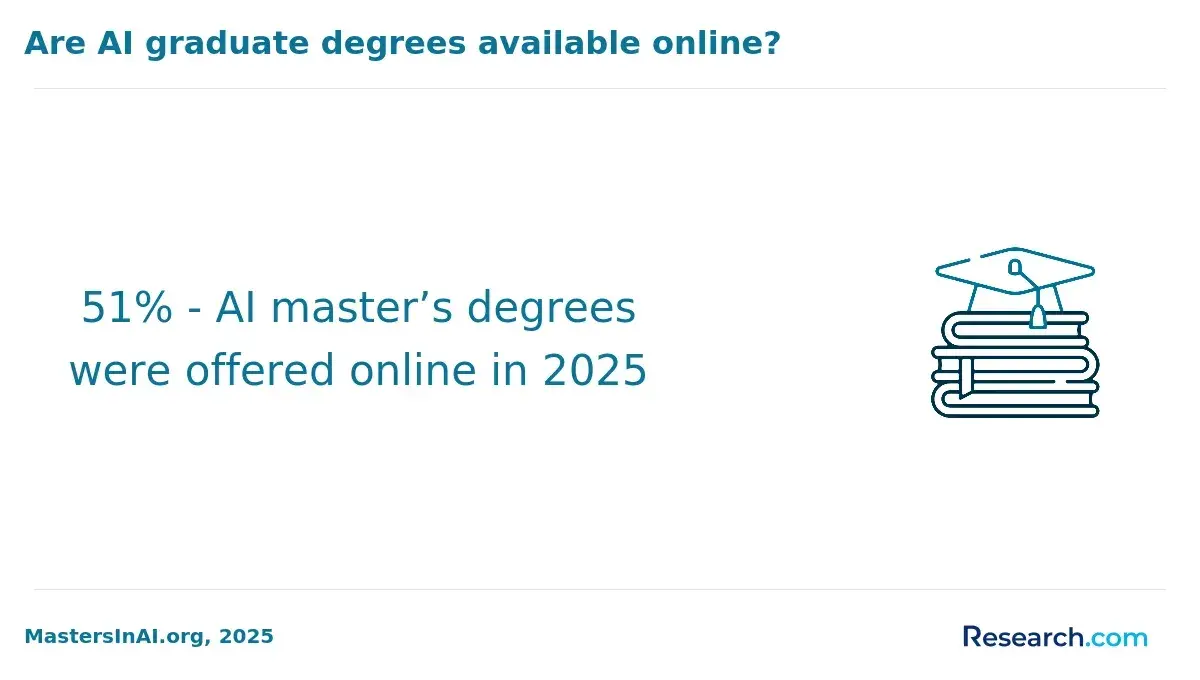
Degree programs, including master's degrees with AI specialization or data science degrees emphasizing supply chain applications, offer comprehensive theoretical and practical training. They prepare students for leadership roles but typically require one to two years of full-time study.
Bootcamps offer intensive, hands-on AI training over weeks or a few months, focusing on coding and real-world applications. They are ideal for professionals needing fast, practical AI skills for specific projects or roles, though they may not deliver the academic depth found in degrees or certificates.
Choosing among AI certification programs for supply chain professionals, bootcamps, and degree options in artificial intelligence for supply chain teams depends on current proficiency and desired career outcomes.
How do online AI courses for supply chain compare with campus and hybrid options?
Online ai courses for supply chain management provide significant flexibility and accessibility compared to campus and hybrid options. They allow professionals to study at their own pace without relocating or disrupting work routines. This is especially important given the rapid changes in supply chain technologies and the continuous need for upskilling. When considering how online ai courses in supply chain compare with campus learning, it's clear that campus programs offer more structured environments with face-to-face interaction and hands-on labs, appealing to those who benefit from immediate support and networking.
Campus and hybrid supply chain ai training programs differ notably; hybrid models blend in-person and online elements but can face logistical challenges and inconsistent engagement. Online courses often incorporate advanced simulations, case studies, and AI tools, enabling practical skill development remotely. For instance, Georgia Tech's "Generative AI Application for Supply Chain Professionals" online course showed participants reduced time on routine planning tasks by 23% after applying learned techniques, demonstrating tangible workplace improvements without physical presence.
Key factors to compare include:
- Schedule and location flexibility-ideal for those with unpredictable hours.
- Learning style preference-campus suits learners who need direct interaction.
- Cost efficiency-online programs usually have lower overhead.
- Relevance and application-online courses tend to emphasize using AI tools aligned with industry standards.
For professionals interested in further data-driven skills, exploring a master in data analytics can complement supply chain expertise effectively.
What core AI topics and supply chain subjects do the best courses typically cover?
Courses for supply chain management teams blend core artificial intelligence concepts with essential supply chain knowledge. Key AI topics include machine learning algorithms, predictive analytics, natural language processing, and computer vision. These skills help professionals analyze large datasets, forecast demand, and spot supply chain anomalies.
Supply chain subjects focus on procurement, sourcing, inventory management, logistics optimization, and supplier risk assessment. AI-driven spend analytics and automated supplier negotiation models are common modules for procurement teams. According to the Institute for Supply Management (ISM), organizations using AI in procurement can cut sourcing cycle times by up to 30% and reduce addressable spend by 5-10%, demonstrating clear efficiency and cost benefits.
Additional topics often cover demand forecasting with neural networks, supply chain network design via AI simulations, and real-time tracking through IoT and AI integration. Case studies highlight AI applications in vendor selection and mitigating supply disruption risks. Ethical AI use and data privacy are also important considerations within global supply chains.
Hands-on experience is crucial. Many programs include projects focused on inventory optimization or logistics route planning, enabling learners to apply AI tools directly to supply chain challenges. Mastery of both AI fundamentals and industry-specific issues prepares professionals to drive innovation and measurable improvements.
What admission requirements and prior experience do AI supply chain programs expect?
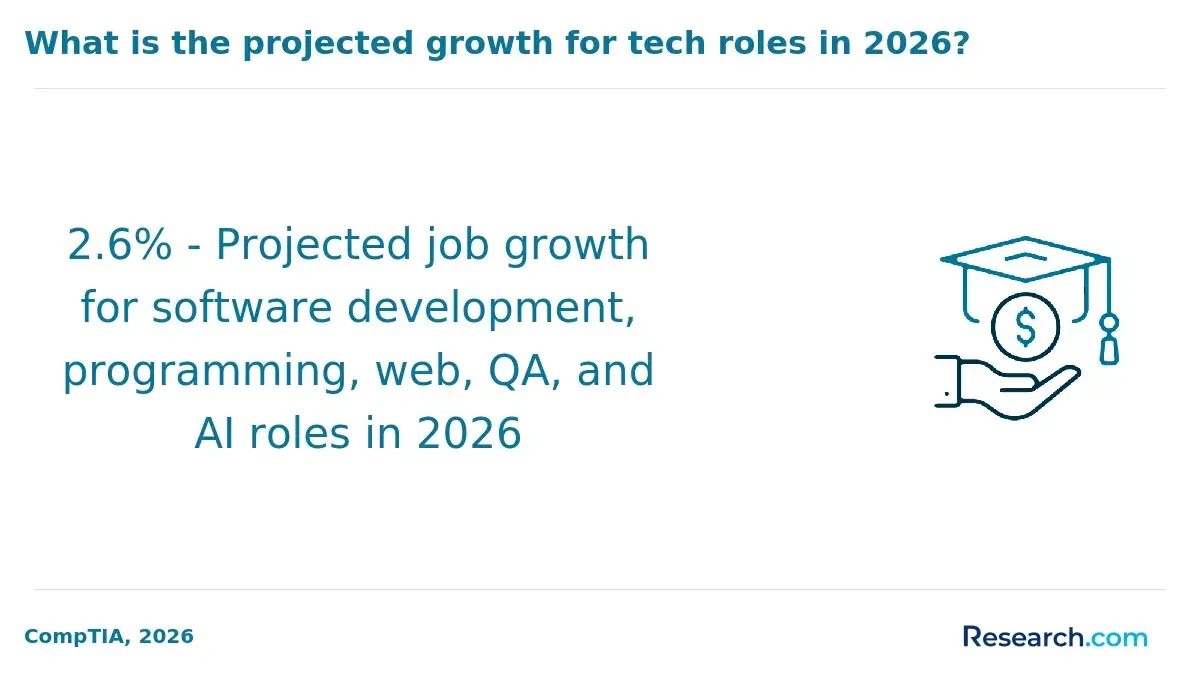
Admission to AI supply chain programs typically requires a bachelor's degree in supply chain management, engineering, computer science, business analytics, or a related discipline. Many programs aimed at professionals also expect 3 to 5 years of relevant experience in supply chain operations, logistics, or data analysis, with roles focused on procurement, transportation, or inventory management.
Applicants should have foundational skills in statistics, data modeling, or programming languages such as Python or R. Prior coursework in machine learning or data science is often recommended or required, preparing students to work effectively with AI tools in supply chain contexts.
Technical requirements differ: advanced programs may request GRE scores and evidence of quantitative abilities, while certificate courses emphasize hands-on experience and familiarity with supply chain software. Some institutions provide preparatory modules for candidates lacking direct AI exposure.
Specialized AI logistics courses may require case studies or projects related to route optimization or last-mile delivery. Research from the MIT Center for Transportation & Logistics shows AI-enabled route optimization can cut transportation costs by 15-20% and reduce delivery times by up to 30%.
Those without formal analytics education can strengthen their applications by completing professional certifications like APICS CPIM or SCPro alongside introductory AI courses. This combination enhances readiness to leverage emerging technologies in supply chain roles.
How long do AI courses for supply chain teams take, and what do they cost?
AI courses for supply chain teams range from a few weeks to six months, depending on depth and format. Short programs, like bootcamps or workshops, typically last 4 to 8 weeks and emphasize practical skills such as data analysis, machine learning basics, and AI-driven demand forecasting. Longer courses, often part of professional certificates or diplomas, usually take 3 to 6 months part-time and cover topics like AI integration, predictive analytics, and automation strategies.
Costs vary widely: entry-level workshops range from $500 to $1,500, appealing to those seeking foundational knowledge. Advanced certificate programs cost between $2,000 and $5,000, reflecting their comprehensive curriculum and expert instruction. University-affiliated courses with accredited credentials can exceed $6,000 and offer deeper theoretical frameworks and case studies tailored to large enterprises.
When choosing a course, consider balancing time and cost against your team's goals-whether upskilling in AI tools or mastering end-to-end supply chain analytics. Employers investing in cross-functional AI literacy often see benefits. According to ASCM's 2024 Supply Chain Salary and Career Report, professionals skilled in advanced analytics and AI earn 16% higher median salaries, highlighting the career value of even moderate AI education investment.
How do accreditation, university reputation, and industry recognition affect program quality?
Accreditation, university reputation, and industry recognition are key factors influencing the value of AI courses for supply chain management professionals. Accreditation from bodies such as ABET or regional agencies confirms that a program meets rigorous academic standards, ensuring strong curricula and experienced faculty.
University prestige often reflects faculty expertise, research strength, and industrial ties. Well-established institutions offer access to advanced resources and AI tools designed specifically for supply chain challenges. Graduates of reputed programs frequently benefit from better career opportunities and employer recognition.
Industry recognition from organizations like the Global Skill Development Council (GSDC) or the Council of Supply Chain Management Professionals (CSCMP) demonstrates alignment with workplace needs. According to GSDC, 78% of professionals who earned the Generative AI in Supply Chain Management Certification improved their career prospects or expanded roles within a year. These statistics emphasize the practical advantage of industry-recognized credentials.
When selecting a course, consider programs that blend accredited academic frameworks with endorsements or certifications from respected supply chain entities. This approach fosters both solid theory and immediate workplace applicability.
Key questions to ask include:
- Does the course offer a credential recognized by employers?
- Are instructors actively engaged in AI development for supply chains?
- Will the program increase chances for promotion or salary growth?
Choosing programs combining university reputation with industry certification maximizes learning impact and career return on investment.
What AI-related job roles, salaries, and advancement paths exist in supply chain management?
AI-related roles in supply chain management are increasingly vital, including positions such as AI supply chain analysts, predictive analytics specialists, AI-driven demand planners, and process automation engineers. These professionals use data and machine learning models to optimize inventory, forecast demand accurately, and improve logistics efficiency. Entry-level AI data analysts can expect salaries ranging from $65,000 to $80,000 annually, while experienced AI supply chain managers often earn between $110,000 and $140,000, reflecting their advanced skills and specialization.
Career growth typically progresses from technical analyst roles to managerial positions like AI supply chain strategy lead or director of supply chain innovation. Combining AI expertise with business insight enables professionals to lead cross-functional teams and influence strategic decisions. Certifications and specialized training provide practical experience with relevant AI tools such as machine learning algorithms and robotic process automation.
According to Coursera's 2024 Impact Report, 77% of learners who completed AI and supply chain courses reported receiving promotions, new roles, or pay increases within six months. This underscores the value employers place on AI competencies in this field.
To advance, supply chain professionals should focus on AI skills aligned with their specialization, whether in procurement, logistics, or warehouse management, while also developing soft skills like project management and communication to support AI adoption effectively.
Which certifications and vendor tools matter most for AI-driven supply chain careers?
Certifications such as the APICS Certified Supply Chain Professional (CSCP) with AI integration and the Institute for Supply Management's (ISM) Certified Professional in Supply Management (CPSM) emphasize skills in data analytics and AI strategies. These credentials validate expertise in AI applications for demand forecasting, logistics automation, and risk management within supply chains.
Popular vendor tools like IBM Watson Supply Chain and Microsoft Azure AI offer scalable machine learning solutions that improve inventory management and predictive analytics. Gaining proficiency in these platforms enhances both employability and practical impact.
Courses that blend AI techniques with supply chain knowledge-covering neural networks for demand prediction and AI-driven optimization algorithms-are valuable. According to Deloitte's Global Supply Chain Survey, companies investing in AI and digital skills training experience significantly higher revenue growth and EBITDA margins, highlighting the return on investment in these areas.
When choosing certifications and tools, consider:
- Industry recognition by employers and peers.
- Hands-on experience with widely used vendor tools.
- Coverage of AI ethics and data governance for compliance and trust.
- Alignment with specific supply chain challenges like inventory optimization or supplier risk analysis.
Focusing on certifications that integrate AI with supply chain knowledge alongside mastering leading AI-enabled platforms lays a strong foundation for advancing a career in AI-driven supply chain management.
Other Things You Should Know About Artificial Intelligence
In 2027, leading AI courses for supply chain teams include the MITx MicroMasters program in Supply Chain Management, Coursera’s AI for Supply Chain specialization by the University of Michigan, and Udemy's practical AI for Supply Chain Logistics course. These courses offer crucial insights into leveraging AI technologies in supply chain processes.
Common challenges include data quality issues, integration with legacy systems, and a lack of skilled personnel. Additionally, there can be resistance to change within organizations due to uncertainties about AI's role. Addressing these challenges requires strategic planning, training, and investment in data infrastructure.
Yes, artificial intelligence can improve sustainability by optimizing resource allocation, reducing waste, and enhancing energy efficiency. AI-driven analytics help companies identify inefficiencies and develop greener logistics and inventory strategies. This contributes to achieving environmental goals alongside operational improvements.
Artificial intelligence supports demand forecasting by analyzing historical sales data, market trends, and external factors such as seasonality or economic indicators. Machine learning algorithms refine forecasts continuously, improving accuracy over time. Better demand predictions help companies optimize inventory levels and reduce stockouts or excess stock.
References
- Universities Race to Prepare Supply Chain Students for AI-Driven Careers https://www.traxtech.com/ai-in-supply-chain/universities-race-to-prepare-supply-chain-students-for-ai-driven-careers
- AI career paths: 2026 job guide https://www.pluralsight.com/resources/blog/ai-and-data/ai-career-guide-2025
- AI-Driven Supply Chain Management (M.Sc.) https://www.hof-university.com/studying-at-hof-university/our-degree-programs/ai-driven-supply-chain-management-msc.html
- Supply Chain Skills for AI: What Actually Matters in 2026 https://www.scoperecruiting.com/blog/supply-chain-skills-ai
- 16 Artificial Intelligence Career Paths https://www.calmu.edu/news/artificial-intelligence-career-paths
- FreightPath Releases E-learning Program for Artificial Intelligence in Supply Chain https://gofreightpath.com/freightpath-releases-e-learning-program-for-artificial-intelligence-in-supply-chain/
- AI in Supply Chain Management Course | Supply Chain Artificial Intelligence Training | ELVTR https://elvtr.com/course/ai-in-supply-chain-management
- Understanding University Accreditation and Its Impact on Your Education https://www.qahe.org/article/understanding-university-accreditation-and-its-impact-on-your-education/
- AI Course Supply Chain, 7 MasterClasses https://abcsupplychain.com/ai-course-supply-chain/