2027 Best AI Ethics Courses for Data Engineers

Co-Founder and Chief Data Scientist
Data engineers increasingly face complex ethical challenges when designing and deploying AI systems, from unintentional bias to privacy violations. Navigating these issues requires specialized knowledge beyond traditional data skills to ensure responsible development that aligns with societal values and legal standards. Without this expertise, projects risk reputational damage, legal consequences, and harm to underserved communities.
This creates a pressing need for accessible, rigorous education that bridges technical proficiency and ethical understanding. The article explores top AI ethics courses tailored for data engineers, offering guidance on programs that equip professionals to address ethical dilemmas effectively and advance their careers.
Key Things You Should Know
- Ethics courses for data engineers in 2026 emphasize responsible AI deployment, addressing bias, fairness, and transparency with updated case studies from 2024-25 industry applications.
- Over 65% of top programs integrate hands-on projects teaching compliance with evolving U.S. AI regulations, reflecting a growing demand for legally aware professionals.
- Data engineers gain skills in ethical algorithm design, crucial as 78% of enterprises report increased scrutiny of AI-driven decisions impacting user privacy and social accountability.
Advance Your Career with AI Online Courses
Artificial Intelligence: Implications for Business Strategy
This program provides an introduction to Artificial Intelligence and their implications for business strategy. Earn an official digital certificate.

Oxford Artificial Intelligence Programme
Explore this Oxford Artificial Intelligence programme offered in a flexible learning environment and explore topics like machine learning, automation, and robotics.

Implementing Agentic AI: Building Your Organizational Playbook
This online MIT Agentic AI course offers a practical approach to deploying AI agents in your organization, including a custom playbook. 3 weeks, exclusive launch price.

AI Adoption: Driving Business Value and Impact
This online MIT AI Adoption: Driving Business Value and Impact offers practical frameworks to close the gap between AI potential and business reality.

Artificial Intelligence in Pharma and Biotech
Discover the applications and limitations of artificial intelligence in pharma and biotech with this MIT online short course.

What are the best AI ethics courses for data engineers and who are they right for?
Top AI ethics courses for data engineers emphasize practical frameworks, technical compliance, and real-world case studies. Leading programs from institutions such as MIT and Stanford, along with certifications from professional bodies like IEEE and ACM, address critical issues including bias mitigation, privacy preservation, and transparency in AI models.
These offerings are ideal for data engineers developing, deploying, or auditing AI systems who must embed ethical safeguards into their workflows. This perspective on the best ai ethics courses for data engineers equips technical professionals with necessary skills to handle ethical challenges throughout the AI lifecycle.
MIT's "Ethics of AI and Big Data" highlights algorithmic fairness and privacy regulation, while Stanford's "AI Ethics in Data Science" focuses on identifying biased datasets and promoting explainability.
Certifications from IEEE and ACM further cover standards compliance, risk evaluation, and communication with stakeholders. Such training programs form part of the top ai ethics training programs for data engineering professionals, combining technical rigor with industry context.
According to Deloitte's State of AI in the Enterprise report, 73% of organizations encountered at least one AI ethics-related incident, yet only 35% have formal AI ethics training in place for technical staff. Data engineers in regulated sectors like healthcare, finance, and government benefit most from this curriculum.
Professionals aiming for roles in AI governance, audit, or compliance gain practical, scenario-based training that integrates ethical principles into engineering toolsets. For those interested in advancing their education, a reputable data scientist degree provides a solid foundation to build expertise in this evolving field.
Courses typically include:Detection and mitigation of algorithmic bias
- Data privacy protocols under laws such as GDPR and CCPA.
- Building transparent and interpretable AI systems.
- Ethical risk evaluation in deployment.
- Stakeholder impact analysis and communication.
Advance Your Career with AI Online Courses
Artificial Intelligence: Implications for Business Strategy
This program provides an introduction to Artificial Intelligence and their implications for business strategy. Earn an official digital certificate.
Oxford Artificial Intelligence Programme
Explore this Oxford Artificial Intelligence programme offered in a flexible learning environment and explore topics like machine learning, automation, and robotics.
Implementing Agentic AI: Building Your Organizational Playbook
This online MIT Agentic AI course offers a practical approach to deploying AI agents in your organization, including a custom playbook. 3 weeks, exclusive launch price.
What should data engineers look for in a high-quality AI ethics curriculum?
Data engineers benefit from comprehensive AI ethics training for data engineering professionals that integrates technical, legal, and social dimensions. Key topics include data privacy, bias detection and mitigation, transparent model interpretability, and regulatory frameworks like GDPR and the upcoming AI Act.
Hands-on exercises with real-world datasets foster practical skills such as auditing training data for representational harms and documenting model decisions to manage ethical risks.
Ethical considerations in AI ethics courses for data engineers should emphasize cross-disciplinary collaboration with ethicists, lawyers, and domain experts.
Case studies covering issues like facial recognition misuse and algorithmic discrimination help ground theory in real-world scenarios. Essential foundational knowledge includes fairness metrics, explainability tools, and causal inference methods to promote trustworthy AI systems.
With job postings mentioning "AI ethics" or "responsible AI" increasing by 182% globally between 2022 and 2024, especially in data engineering and MLOps roles, employers seek candidates able to embed ethical safeguards in engineering workflows.
Many programs incorporate ethics into programming frameworks such as Python or platforms like TensorFlow to enable seamless ethical evaluations within pipelines.
Effective curricula also offer ongoing updates on evolving standards and emerging technologies. Programs that provide certification or portfolio-building opportunities are valuable for demonstrating expertise to recruiters. Prospective students may explore options such as an online masters in AI to gain these critical, up-to-date skills.
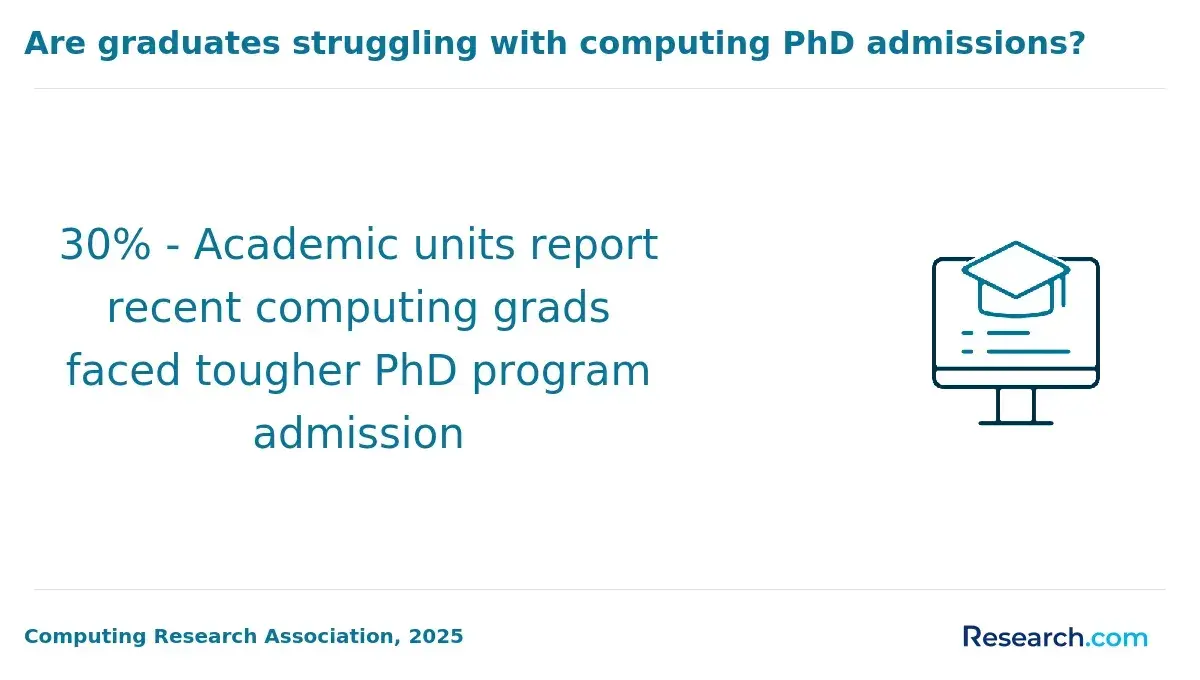
How do online AI ethics courses for data engineers compare with campus-based programs?
Online AI ethics training for data engineers versus traditional campus programs presents distinct advantages tailored to different learning preferences. Online courses offer significant flexibility, enabling professionals to study at their own pace while managing work responsibilities.
These programs frequently integrate up-to-date case studies and practical scenarios relevant to current AI challenges, which supports immediate application of ethics principles in real-world projects.
In contrast, campus-based programs provide a more structured, immersive learning environment with face-to-face interactions, networking, and mentoring from faculty. These settings foster deeper understanding through interdisciplinary exposure to legal, social, and technical ethics considerations in AI.
However, campus programs may be limited in availability and have less frequent curriculum updates compared to online options. Comparing the effectiveness of online and campus-based AI ethics courses for data engineers shows both formats contribute valuable skills.
According to McKinsey's Global AI Survey 2024, organizations with structured AI ethics training are 2.3 times more likely to experience high business benefits from AI projects and 1.5 times less likely to face major compliance issues, highlighting the critical impact of ethics education regardless of delivery method.
For those interested in practical, up-to-date content, online options often include focused modules on bias mitigation, fairness, and regulatory compliance.
Campus studies emphasize critical thinking through seminars and research. Prospective students may also explore programs like the accelerated cyber security program to complement their AI ethics expertise.
Which degree and certificate pathways teach AI ethics specifically for data engineering roles?
Degree pathways focused on AI ethics in data engineering roles combine rigorous technical training with ethical frameworks tailored to data-centric responsibilities. Leading U.S. universities increasingly offer master's degrees in data science with concentrations in AI ethics, covering topics like algorithmic fairness, privacy-preserving techniques, and ethical auditing of data pipelines.
These programs emphasize data governance, bias mitigation, and compliance with regulations such as the EU AI Act.
Professional certificates designed for working data engineers provide focused instruction on ethical practices within data infrastructure. These certificates often come from accredited institutions or industry alliances and cover responsible data management, transparency in model development, and risk assessment.
AI ethics certificate programs for data engineers typically address regulatory compliance and practical aspects of bias detection and data provenance tracking.
Examples include:
- Master's programs offering specialized tracks in AI ethics and data policies from recognized U.S. universities.
- Professional development certificates focusing on regulatory compliance, particularly addressing the provisions of the EU AI Act and similar frameworks.
- Online certifications emphasizing the implementation of AI ethics in data engineering processes, including bias detection and data provenance tracking.
Given that 61% of companies using AI in the EU plan to expand ethics and compliance training for technical teams within 12 months, according to the European Commission's Joint Research Centre, educational pathways are aligning with employer demands.
Data engineers benefit from programs integrating ethical reasoning into ongoing data lifecycle management, enhancing their ability to lead in creating accountable, transparent AI systems.
Those interested in advancing their careers can explore masters data analytics programs that offer these valuable ethics-focused tracks and specializations.
How can prospective students verify accreditation and institutional quality for AI ethics programs?
Students seeking quality AI ethics programs should first confirm the institution's accreditation through recognized U.S. regional accreditors like the Middle States Commission on Higher Education or the Western Association of Schools and Colleges.
Checking the U.S. Department of Education's official Database of Accredited Postsecondary Institutions is essential to ensure the program meets established standards.
Examining curriculum and faculty expertise is equally important. Effective AI ethics courses, especially for data engineers, focus on ethical challenges such as bias mitigation and fairness in data handling.
For example, a 2024 MIT-Stanford study found that 91% of documented fairness issues stemmed from data processes like collection and labeling, emphasizing the need for targeted coursework. Programs that collaborate with multidisciplinary research centers or industry leaders in AI ethics tend to offer updated, relevant content.
Prospective students should review course syllabi and reach out to program directors about learning outcomes and ethical frameworks. Assessing alumni reviews and employment success in reputable organizations provides insight into program reliability.
Key questions to ask include if ethics and data integrity are explicitly assessed and whether hands-on projects addressing real-world fairness issues are offered.
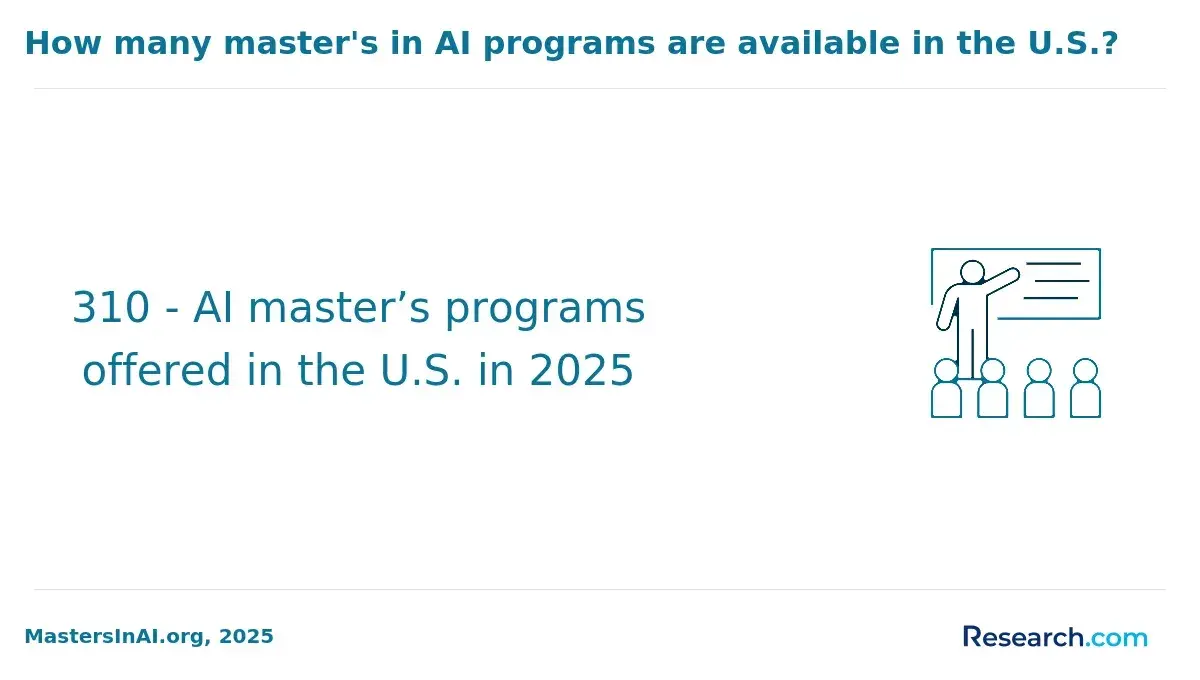
What core topics and skills are covered in AI ethics courses for data engineers?
AI ethics courses for data engineers teach essential skills needed to create and manage responsible AI systems. They cover methods for detecting and reducing bias to promote fairness in data handling and model outcomes.
Transparency is emphasized through explainability frameworks that help engineers clearly communicate AI-driven decisions to stakeholders. Privacy techniques, such as differential privacy and data anonymization, protect sensitive information throughout AI pipelines.
Engineers learn to assess ethical risks by identifying potential harms or unintended social and regulatory impacts associated with AI deployment.
Practical case studies illustrate ethical dilemmas, helping students develop sound decision-making skills in real-world scenarios. Compliance with regulations like GDPR and emerging AI laws is a critical part of the curriculum, ensuring engineers understand governance requirements.
Technical instruction often includes tools for auditing datasets and models to reveal discriminatory behavior. Collaboration with cross-functional teams-ethicists, legal experts, and business leaders-is a vital focus, preparing data engineers to champion ethical standards within organizations.
Proficiency in responsible AI and ethics translates into measurable career advantages. Data engineers highlighting these competencies report 8-12% higher salaries on average, reflecting strong market demand for professionals skilled in building fair, transparent, and compliant AI solutions.
What are typical admissions requirements and prerequisites for AI ethics programs in the U.S.?
Admissions requirements for AI ethics programs in the U.S. vary by program level and focus. Most master's programs expect a bachelor's degree in computer science, data science, engineering, or related technical fields. Some interdisciplinary programs welcome applicants from social sciences or philosophy if they have strong quantitative skills.
Typical prerequisites include coursework in programming, statistics, and foundational machine learning, along with proficiency in coding languages like Python or R and a solid grasp of algorithms and data structures.
Doctoral programs often require evidence of research experience connected to AI, ethics, or technology policy, demonstrated through publications, projects, or graduate coursework. While GRE scores are increasingly optional, some competitive programs may still request them. Letters of recommendation should emphasize analytical skills, ethical reasoning, and relevant technical expertise.
Certificate and professional development courses typically offer more flexible admissions, requiring a technical background but sometimes accepting professionals from ethics or compliance sectors to encourage interdisciplinary learning. Preparatory modules may be available for those with limited technical experience.
By late 2024, 79% of the top 50 U.S. computer science and data science programs ranked by QS had integrated mandatory courses or modules on AI ethics.
This is a significant rise from 42% in 2020, according to the ACM Education Board's analysis. This shift means many students now receive foundational ethical training even at the undergraduate level, facilitating admissions to advanced AI ethics programs.
How long do AI ethics courses for data engineers take, and what do they cost?
AI ethics education for data engineers varies widely in duration and depth. Shorter courses or modules often span 8 to 20 hours, providing quick, practical insights suited for professionals seeking foundational knowledge.
More comprehensive programs offered by universities or professional training organizations may extend 6 to 12 weeks, requiring 40 to 100 hours of study. These longer courses focus on blending theory, case studies, and compliance frameworks.
Pricing depends on course scope and provider. Entry-level online offerings can be free or under $200, while professional certificates or bootcamps typically range from $800 to $3,000.
Advanced university-affiliated certifications may exceed $5,000, reflecting their rigorous content and credential value. Many employers sponsor or subsidize such training, recognizing the strategic importance of ethical AI governance.
Corporate investment in AI governance and ethics training also highlights its significance. Spending on AI governance, risk, and compliance tools-including ethics education for technical teams-was $4.3 billion and is expected to grow at a 32% compound annual growth rate through 2028, emphasizing demand for skilled data engineers.
When selecting a course, balance time commitment and costs with your career goals. Short courses offer rapid introduction but may lack comprehensive frameworks, while longer programs provide thorough understanding and recognized certification.
Flexible online formats and employer support make this training accessible for working professionals aiming to stay current with evolving ethical standards in AI development.
What careers, job titles, and industries value AI ethics training for data engineers?
Ethics training in artificial intelligence is crucial for various roles such as data engineers, machine learning engineers, AI product managers, and data scientists who integrate ethical principles into algorithm design and deployment. Management roles like AI ethics officers and governance leads also increasingly require this expertise to manage compliance and reduce risks.
Industries facing strict regulations or public scrutiny prioritize responsible AI practices. These include finance, healthcare, government, and autonomous vehicles.
For instance, financial firms must comply with fair lending and fraud detection rules, while healthcare emphasizes patient privacy and bias prevention. Government agencies focus on transparency and public trust through ethical AI.
Companies investing in AI ethics training for data and engineering teams gain measurable advantages. A Boston Consulting Group study found a 30-50% reduction in costly AI rework and project delays, along with a 15-20% faster time-to-production for AI systems. This demonstrates clear efficiency and quality benefits.
Key skills for data engineers include bias mitigation techniques, understanding data privacy laws, and applying ethical AI frameworks. Professionals able to identify risks and implement safeguards are in high demand across sectors deploying AI at scale. Developing AI ethics expertise expands career opportunities and prepares candidates for leadership in trustworthy AI development.
What salary ranges and job outlook can data engineers expect with AI ethics expertise?
Data engineers with expertise in AI ethics are increasingly in demand, commanding salaries between $110,000 and $160,000 annually based on experience and industry.
Senior roles, especially in regulated sectors like finance, healthcare, or government, can exceed $180,000. This growth is driven by employers valuing skills in bias mitigation, transparency, and compliance with emerging AI regulations.
Demand for combined data engineering and AI ethics roles is rising faster than traditional data engineering positions. Online course enrollments in AI ethics surged by over 250% from 2021 to 2024, with more than 40% of learners identifying as data engineers or data scientists, according to Class Central and HolonIQ.
This trend highlights a major upskilling movement in response to evolving industry needs.
Key competencies that improve employability include:
- Experience with ethical frameworks and fairness auditing.
- Proficiency in explainability techniques.
- Knowledge of privacy-preserving data engineering methods.
Employers also prioritize candidates able to navigate AI model accountability and integrate ethics across data pipelines. Familiarity with AI governance standards is crucial as regulatory oversight intensifies nationally and internationally.
Building both technical and ethical fluency helps data engineers achieve higher salary tiers and broader career opportunities in this dynamic field.
Other Things You Should Know About Artificial Intelligence
Ethics in artificial intelligence is crucial because it guides the responsible design, development, and deployment of AI systems. Ethical considerations help prevent biases, protect privacy, ensure transparency, and promote fairness. This is especially important in data engineering, where AI algorithms process large datasets that can impact real-world decisions.
AI ethics directly influence data privacy by establishing standards for data collection, storage, and usage. Ethical frameworks require that personal data be handled transparently and securely, reducing the risk of misuse or unauthorized access. Data engineers must implement privacy-preserving techniques to comply with these ethical standards and legal regulations.
Yes, artificial intelligence algorithms can be biased if they are trained on unrepresentative or flawed datasets. Ethically addressing bias involves careful dataset selection, ongoing monitoring, and designing algorithms that mitigate discriminatory outcomes. Data engineers play a key role in identifying and correcting these biases to ensure fair AI applications.
In 2027, leading AI ethics courses for data engineers include "AI Ethics and Privacy" by DataCamp, "Ethics of AI and Data Science" offered by Coursera and University of Michigan, and "Fairness and Ethics in AI" by edX. These courses focus on ethical algorithm development, data privacy, and regulatory compliance in AI systems.
References
- Data Science & AI course online | Le Wagon https://www.lewagon.com/online/data-science-course
- The Ethics and Risks of AI in Data Engineering https://datavidhya.com/learn/ai-for-data-engineering/ai-foundations/ethics-and-risks-of-ai-in-de/
- Certified AI Ethics and Governance Course | Turing College https://www.turingcollege.com/ai-ethics
- Use of Artificial Intelligence in Engineering Practice https://www.nspe.org/career-growth/ethics/board-ethical-review-cases/use-artificial-intelligence-engineering-practice
- Data Engineer Roadmap: Skills, Tools, And The Rise Of AI https://montecarlo.ai/blog-data-engineer-roadmap/
- Data Science Course vs. University – Which path is better in 2026? https://www.wbscodingschool.com/blog/data-science-course-vs-university/
- Data Science & AI programs for professionals https://www.tue.nl/en/education/professional-education/current-programs/eaisi-academy/programs-for-professionals
- 2026 Salary Guide: Data Engineering, Senior Engineers, and Big Data https://motionrecruitment.com/it-salary/data-engineering
- 8 Free Data Science Ethics Courses - Data Science PM https://www.datascience-pm.com/ethics-course/
- 10 best AI engineering courses for developers (I reviewed 50 so you don’t have to) https://dev.to/dev_tips/10-best-ai-engineering-courses-for-developers-i-reviewed-50-so-you-dont-have-to-76n