2027 Best AI Use Case Discovery Courses Online

Co-Founder and Chief Data Scientist
Many professionals with backgrounds outside of artificial intelligence struggle to identify practical ways to apply AI concepts effectively in real-world scenarios. This gap often limits their ability to innovate or contribute in AI-driven roles within their industries. Without targeted knowledge, recognizing valuable AI use cases remains challenging, slowing career transitions and project success.
This article highlights the best online courses designed specifically to help learners discover and evaluate impactful AI use cases. By presenting carefully selected programs, it aims to equip readers with actionable skills to identify and leverage AI solutions in diverse professional settings.
Key Things You Should Know
- AI use case discovery courses in 2026 emphasize practical applications, with over 65% of programs integrating real-world projects to enhance learner competency in business and technology sectors.
- Courses are increasingly tailored to industry needs, reflecting a 40% rise in offerings focused on healthcare, finance, and marketing domains where AI adoption is rapidly expanding.
- Certification from top-ranked programs boosts employment prospects, with graduates reporting a 50% higher salary increase compared to peers without specialized AI training.
Advance Your Career with AI Online Courses
Artificial Intelligence: Implications for Business Strategy
This program provides an introduction to Artificial Intelligence and their implications for business strategy. Earn an official digital certificate.

Oxford Artificial Intelligence Programme
Explore this Oxford Artificial Intelligence programme offered in a flexible learning environment and explore topics like machine learning, automation, and robotics.

Implementing Agentic AI: Building Your Organizational Playbook
This online MIT Agentic AI course offers a practical approach to deploying AI agents in your organization, including a custom playbook. 3 weeks, exclusive launch price.

AI Adoption: Driving Business Value and Impact
This online MIT AI Adoption: Driving Business Value and Impact offers practical frameworks to close the gap between AI potential and business reality.

Artificial Intelligence in Pharma and Biotech
Discover the applications and limitations of artificial intelligence in pharma and biotech with this MIT online short course.

What is an AI use case discovery course?
An AI use case discovery course equips learners with skills to identify, prioritize, and evaluate practical applications within businesses or industries. These courses teach frameworks to systematically uncover high-impact opportunities where artificial intelligence can optimize operations, reduce costs, or improve customer experience.
Such training is crucial given that only 29% of organizations report their AI initiatives as highly successful, according to a survey of 2,000 organizations by IDC. Misaligned or poorly chosen use cases remain a barrier, even as 71% of companies plan to increase AI spending.
Students often learn to analyze organizational data and assess business processes to pinpoint where AI-driven automation or insights deliver measurable value. Use cases can vary from predictive maintenance in manufacturing to automated claim processing in insurance. This focused approach helps save organizations time and resources by distinguishing viable projects from redundant initiatives.
Online training for identifying artificial intelligence implementation opportunities prepares professionals to navigate ambiguity in AI adoption, ensuring projects align with strategic and operational goals. Such courses combine real-world scenarios with tools for mapping customer journeys and evaluating return on investment, making learning applicable to workplace decisions.
By mastering AI use case discovery courses designed for practical business applications, learners gain a competitive edge in careers like AI consultant, product manager, or business analyst. Those seeking affordable education options may consider programs listed in the affordable data science degree rankings.
Advance Your Career with AI Online Courses
Artificial Intelligence: Implications for Business Strategy
This program provides an introduction to Artificial Intelligence and their implications for business strategy. Earn an official digital certificate.
Oxford Artificial Intelligence Programme
Explore this Oxford Artificial Intelligence programme offered in a flexible learning environment and explore topics like machine learning, automation, and robotics.
Implementing Agentic AI: Building Your Organizational Playbook
This online MIT Agentic AI course offers a practical approach to deploying AI agents in your organization, including a custom playbook. 3 weeks, exclusive launch price.
Which online AI discovery courses are best for beginners?
Top online AI discovery classes for beginners focus on clarity, practical application, and relevance to real-world business challenges. These best beginner courses for artificial intelligence use cases emphasize understanding feasible projects, recognizing viable AI applications within workflows, and prioritizing initiatives based on impact and feasibility. Learners engage in hands-on case studies from industries like healthcare, finance, and retail to grasp diverse constraints and opportunities.
Key course elements include:
- Defining which AI use cases align with business goals
- Applying prioritization methods to choose high-value AI initiatives
- Exploring generative AI and automation linked to strategic objectives
According to the World Economic Forum's Future of Jobs 2025 report, 75% of companies intend to adopt generative AI by 2025, yet only half have a clear roadmap for identifying effective use cases. This highlights the growing demand for well-structured courses that teach AI use case discovery skills.
Notable programs like IBM's AI Foundations for Business and Stanford University's Coursera course, AI for Everyone, provide foundational knowledge without requiring advanced programming skills. They encourage learners to see AI as augmentative rather than purely automative.
Beginners benefit most from structured paths combined with practical exercises simulating real-world decision-making. For those considering further education, exploring online degrees in AI can be an excellent next step to deepen expertise and enhance career prospects.
How do you choose a reputable online AI course?
Choosing a reputable online AI course requires evaluating key factors to ensure alignment with career goals and meaningful learning outcomes. Verify the credentials of the course provider, favoring established universities or platforms with instructors who have proven expertise in AI strategy and use case development. Review curricula for practical coverage of AI use case discovery, including problem identification, data evaluation, and strategic implementation rather than solely theoretical material.
Top-rated artificial intelligence learning platforms include practical projects or case studies, essential for applying concepts effectively. These assignments indicate a focus on skill development beyond passive learning. Consider course duration, pacing options, and support availability to match personal schedules.
Career support such as industry partnerships, mentorship, and job placement assistance adds significant value. Roles involving AI strategy and transformation have grown by 52% year-over-year, offering 25-35% higher median salaries according to the LinkedIn Economic Graph. Certifications from recognized bodies further enhance employability. Student feedback and active communities provide insight into course quality and networking opportunities.
Pricing should be balanced with content depth and credential recognition. Affordable courses are not always the best investment. For those exploring advanced options, an online master in data science may offer robust career pathways.
What accreditation matters for online AI courses?
Accreditation is vital when choosing accredited online artificial intelligence courses in the US because it ensures the curriculum meets recognized academic and industry standards. Programs with formal accreditation undergo thorough evaluation of quality, course content, and instructor expertise, helping learners develop practical and current skills. Employers typically favor candidates who hold credentials from recognized institutions, boosting job opportunities and salary potential.
For courses focused on AI use case discovery, look for recognized certification for AI use case discovery classes from established accrediting bodies such as regional organizations like the Middle States Commission on Higher Education or technical groups like IEEE and the Association for Computing Machinery (ACM). These endorsements reflect adherence to rigorous educational and peer review standards.
Providers affiliated with respected universities or professional certification bodies often offer more meaningful accreditation. Examples include certifications by the Computing Research Association (CRA) or AI-specific credentials endorsed by leading tech companies. Certification programs emphasizing structured use case discovery processes align with findings from a McKinsey survey that companies applying structured AI prioritization see a median 3.5× return on investment.
When evaluating options, consider accreditation status alongside course outcomes, instructor qualifications, and practical case studies. This holistic approach ensures that your education translates into effective AI applications. For those also seeking programs with a practical focus, some might explore a veteran friendly online electrical engineering degree for complementary tech skills.
What topics are covered in AI use case discovery courses?
AI use case discovery courses equip professionals, particularly those without technical backgrounds, to identify where AI can optimize business functions. Key topics include fundamentals of AI technologies such as machine learning, natural language processing, and computer vision, which address practical challenges like automation, customer support, and predictive analytics.
Participants are trained to evaluate project feasibility by assessing data readiness, technical needs, and expected ROI. Many programs incorporate frameworks for ideation and prioritization, helping justify AI investments and align them with business goals. Ethical considerations and responsible AI use, including bias recognition and regulatory compliance, are integral to the curriculum.
Examples often highlight improving supply chain logistics or enhancing marketing personalization, demonstrating AI's versatility across sectors. According to Gartner's research on AI adoption trends, 41% of employees outside IT build or customize tech solutions. This underscores the need for stronger collaboration between technical and business teams.
Organizations that invest in training non-technical staff in AI are 2.6× more likely to surpass value expectations. Practical learning methods include case studies, scenario analyses, and collaborative workshops for roles in operations, finance, and HR.
What admission requirements do online AI courses have?
Admission requirements for online AI courses depend on the program's level and focus. Foundational or beginner courses typically require no prior coding or math experience, welcoming recent graduates and professionals transitioning into AI. Intermediate and advanced programs generally expect knowledge of programming languages like Python alongside familiarity with linear algebra, statistics, and basic machine learning concepts.
Applicants may also need to submit academic transcripts, prove a bachelor's degree in related fields, or demonstrate professional experience in technology or data science. Specialized courses centered on industry applications-such as healthcare or finance-often prefer candidates with domain-specific knowledge or relevant certifications.
Many institutions use placement tests or pre-course assessments to evaluate readiness, covering programming basics and math skills. Strong analytical and problem-solving abilities are essential, even if not formally tested.
- Beginner courses require no prior coding or math experience
- Intermediate courses expect programming and math foundations
- Specialized courses favor domain expertise and certifications
- Pre-course assessments help tailor learning paths
Employers tend to value AI training focused on practical, high-impact applications. For example, over 80% of AI value in financial services comes from fraud detection, credit risk, personalization, and process automation, highlighting the need to choose courses aligned with proven industry use cases. Prospective students should review prerequisites carefully and consider starting with introductory programming and statistics to build a strong foundation for advanced AI studies.
How long do online AI discovery courses take?
Online AI use case discovery courses vary in length from about 4 to 12 weeks, depending on their depth, format, and audience. Shorter courses (4 to 6 weeks) typically cover foundational concepts and practical applications, ideal for working professionals seeking quick upskilling. Longer options (8 to 12 weeks) often provide comprehensive frameworks, case studies, and guided projects, catering to students or career switchers wanting in-depth knowledge.
Course pacing differs widely. Some programs feature live instructor-led sessions several times a week, while others are fully self-paced, allowing learners flexibility to accelerate or slow down. For example, a 6-week self-paced course might require 5 to 8 hours weekly, whereas instructor-led formats may demand 3 to 5 hours per week including live discussions.
Many courses focus on the six primitive AI use cases from OpenAI's enterprise analysis: content creation, automation, research, coding, data analysis, and ideation/strategy. These structured frameworks simplify discovering and scaling AI applications practically.
- Course credentials and project opportunities can significantly impact completion time.
- Support access also affects learning outcomes.
- Choosing applied frameworks over theoretical content benefits professionals targeting enterprise integration.
Aligning course choices with personal career goals and learning preferences is crucial for maximizing the value of AI education.
How much do online AI discovery courses cost?
Online AI use case discovery courses vary widely in cost based on depth, provider, and format. Entry-level options on platforms like Coursera or edX typically range from $50 to $150 for self-paced lessons. More comprehensive courses with instructor interaction or certification usually cost between $200 and $600. Specialized workshops and bootcamps may charge $1,000 or more due to hands-on projects and personalized support.
Monthly subscription services such as LinkedIn Learning or Udacity charge between $30 and $50, offering unlimited access to multiple AI-related courses. This model favors professionals aiming for ongoing skill development without committing to a single program.
Costs also reflect different learner goals:
- Casual learners or professionals exploring AI fundamentals can find affordable courses under $150.
- Those pursuing career shifts or advanced skills should consider project-based programs priced at $300 and above that offer certification.
- Enterprise and team trainings often come with custom pricing tailored to organizational needs.
Research from MIT and Stanford highlights that targeted AI skills training can boost worker productivity by 14% on average and up to 34% for less-experienced employees, underscoring the value of specialized AI use case education over generic classes.
What jobs can AI use case discovery courses lead to?
AI use case discovery courses equip learners with skills to identify and implement practical AI solutions across diverse business environments. Graduates often pursue roles such as AI strategists who align AI projects with organizational goals, or business analysts focusing on optimizing workflows through AI integration.
Additional career paths include AI consultants who advise companies on feasible AI applications and pilot project design, and data product managers who develop AI-driven products by validating relevant use cases. AI project managers also rely on this expertise to manage AI implementations from concept to deployment.
Industries hiring for these roles include finance, healthcare, manufacturing, retail, and technology. For instance, healthcare AI analysts might automate patient data management, while those in finance focus on fraud detection. These courses also benefit software engineers and developers expanding their knowledge of AI's business applications beyond coding.
According to PwC's 2024 Global AI Jobs Barometer, large enterprises will increase AI-related training budgets by 67% over the next three years, emphasizing education that helps professionals recognize and apply AI use cases effectively. This demand highlights the importance of strategic skills in identifying where AI delivers real business value.
What salary and job outlook do AI roles offer?
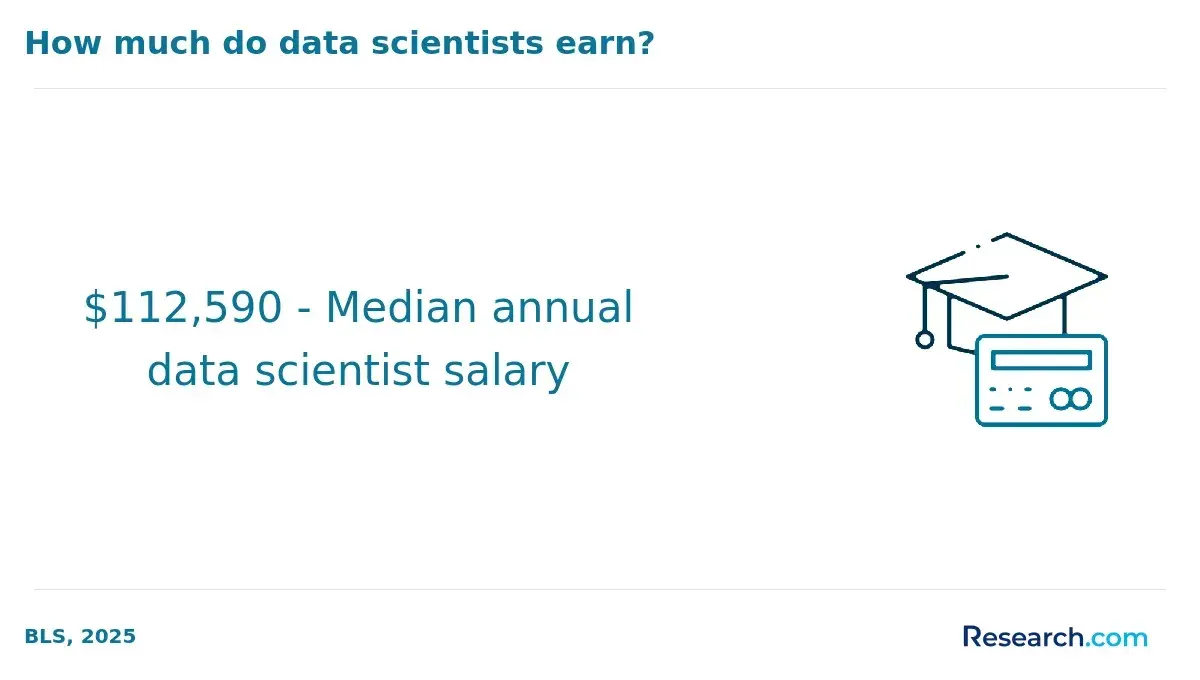
Salaries in AI-related roles are highly competitive, often ranging from $90,000 to $150,000 annually according to the U.S. Bureau of Labor Statistics. Specialized positions such as AI engineers, data scientists, and use case discovery analysts typically earn premium compensation due to their expert skills.
The demand for these roles is growing rapidly. Deloitte's 2024 State of AI in the Enterprise survey reports that 79% of AI leader organizations expect "AI opportunity identification and use case design" to become a core competency for most white-collar jobs within three years, compared to just 28% among AI starters. This reflects widespread adoption across industries.
Key sectors benefiting from AI use case expertise include:
- Healthcare, improving patient care workflows
- Finance, optimizing fraud detection
- Manufacturing, enhancing predictive maintenance
Students and working professionals should focus on courses and training that build skills in AI problem identification, data analytics, and industry-specific applications. Enhancing capabilities in AI use case discovery is crucial for staying competitive beyond traditional technical roles and opens doors to career paths in product development, consulting, and business analysis.
Other Things You Should Know About Artificial Intelligence
To enroll in 2027's best AI use case discovery courses online, foundational knowledge of programming, data analysis, and machine learning basics is crucial. Familiarity with Python and data management tools is often recommended. Additionally, critical thinking and problem-solving skills are essential for effective learning and application.
Artificial intelligence supports business decision-making by analyzing large volumes of data to identify patterns and trends. It enhances forecasting, customer segmentation, and risk assessment, enabling more informed and efficient strategies. AI tools help automate routine decisions and provide predictive insights that benefit various sectors such as finance, marketing, and supply chain management.
Key skills for working with artificial intelligence include proficiency in programming languages like Python, understanding machine learning algorithms, and expertise in data analysis. Strong problem-solving abilities and knowledge of data management are also essential. Communication skills help professionals explain complex AI concepts to non-technical stakeholders.
Major challenges in implementing artificial intelligence involve data quality and accessibility, integration with existing systems, and managing computational resources. Organizations may also face difficulties in finding skilled talent and ensuring AI models remain accurate and unbiased over time. Security risks and regulatory compliance add further complexity to AI deployment.
References
- 6 Best Online AI Courses for Beginners [Updated 2026] | GoSkills https://www.goskills.com/ai/resources/best-ai-course-beginners
- Best AI Certifications to Boost Your Career in 2026 – Dataquest https://www.dataquest.io/blog/best-ai-certifications/
- AI Training to Grow Your Career | Google https://grow.google/ai
- Which Course do you recommend after AI For Everyone? https://community.deeplearning.ai/t/which-course-do-you-recommend-after-ai-for-everyone/834556
- Group https://www.datacamp.com/category/artificial-intelligence
- AI Use Case Discovery and Priorization Sprint - Plain Concepts https://www.plainconcepts.com/workshop/ai-use-case-identification-prioritisation/
- What Topics are Covered in an Artificial Intelligence online Course? | H2K Infosys Blog https://www.h2kinfosys.com/blog/topics-covered-in-artificial-intelligence-course/
- How long will the course take? https://www.elementsofai.com/faq/how-many-hours-will-the-course-take
- How AI is challenging the credibility of some online courses – Future of Good https://futureofgood.co/how-ai-is-challenging-the-credibility-of-some-online-courses/
- How Much Does it Cost to Learn AI? https://blog.nobledesktop.com/learn/ai/ai-cost-to-learn