2027 Best AI Courses for Independent Consultants Using Generative AI

Co-Founder and Chief Data Scientist
Independent consultants increasingly face pressure to integrate generative AI into their service offerings but often lack formal training to do so effectively. Without structured guidance, consultants risk falling behind in a competitive market that demands both technical proficiency and strategic application of generative AI tools.
This gap can hinder their ability to deliver innovative, data-driven solutions to clients. This article reviews top courses designed specifically to equip independent consultants with practical skills and accredited credentials in generative AI, helping them confidently pivot their careers and leverage emerging technologies for business growth.
Key Things You Should Know
- Top AI courses for independent consultants in 2026 emphasize generative AI skills, with 75% integrating practical projects using GPT models for real-world problem solving.
- The demand for AI expertise grows annually by 40%, making specializations in generative AI essential for competitive consulting careers.
- Leading courses offer flexible online formats and focus on ethical AI use, data privacy, and cross-industry applications, addressing current market and regulatory needs.
Advance Your Career with AI Online Courses
Artificial Intelligence: Implications for Business Strategy
This program provides an introduction to Artificial Intelligence and their implications for business strategy. Earn an official digital certificate.

Oxford Artificial Intelligence Programme
Explore this Oxford Artificial Intelligence programme offered in a flexible learning environment and explore topics like machine learning, automation, and robotics.

Implementing Agentic AI: Building Your Organizational Playbook
This online MIT Agentic AI course offers a practical approach to deploying AI agents in your organization, including a custom playbook. 3 weeks, exclusive launch price.

AI Adoption: Driving Business Value and Impact
This online MIT AI Adoption: Driving Business Value and Impact offers practical frameworks to close the gap between AI potential and business reality.

Artificial Intelligence in Pharma and Biotech
Discover the applications and limitations of artificial intelligence in pharma and biotech with this MIT online short course.

What are the best AI courses for independent consultants using generative AI?
Independent consultants aiming to excel in 2026 can benefit from the best AI courses for independent consultants using generative AI that blend technical expertise with practical application. These top generative AI training programs for consultants focus on prompt engineering, model fine-tuning, and ethical AI deployment. Platforms like Coursera and edX offer specialized certificates emphasizing both foundational theory and hands-on consulting challenges.
Essential coursework includes machine learning fundamentals followed by advanced modules covering tools such as OpenAI's GPT, DALL·E, and cloud deployments via AWS or Azure. For example, Coursera's "Generative AI for Business" course trains learners to create client-focused solutions, while Stanford's "Natural Language Processing with Deep Learning" dives deeper into model architectures.
Successful consultants must be prepared to handle client concerns about data privacy, model bias, and integration costs. Courses featuring real-world case studies and consulting project frameworks best equip professionals for these challenges. Additionally, including AI strategy and change management helps consultants guide organizational adoption effectively.
Deloitte's 2024 "State of AI in the Enterprise" survey reveals that 79% of advanced-AI-maturity organizations plan to increase spending on external AI consultants, highlighting the importance of advanced client-oriented skills. Continuous skill updates with certification renewals and expert community access remain critical.
For those interested in deepening technical skills, options like the accelerated computer science degree complement targeted AI training well.
Advance Your Career with AI Online Courses
Artificial Intelligence: Implications for Business Strategy
This program provides an introduction to Artificial Intelligence and their implications for business strategy. Earn an official digital certificate.
Oxford Artificial Intelligence Programme
Explore this Oxford Artificial Intelligence programme offered in a flexible learning environment and explore topics like machine learning, automation, and robotics.
Implementing Agentic AI: Building Your Organizational Playbook
This online MIT Agentic AI course offers a practical approach to deploying AI agents in your organization, including a custom playbook. 3 weeks, exclusive launch price.
Do AI courses for consultants require accreditation or certification?
AI courses for independent consultants do not necessarily require formal accreditation or certification to be effective or credible. Most clients prioritize demonstrated expertise, proven project experience, and practical skills. Consultants often build strong careers through portfolios and case studies that showcase their ability to deploy generative AI solutions successfully. However, accreditation requirements for generative AI training vary across industries and organizations.
Certification can provide distinct advantages depending on career goals, such as:
- Offering structure and validation for clients less familiar with AI, reassuring them of a consultant's foundational knowledge.
- Meeting compliance or evaluation needs in certain sectors.
- Adding credibility when entering new markets through accredited courses from recognized universities or tech companies.
- Supporting ongoing professional development to stay current with emerging tools and ethical standards.
Practical results are critical since many organizations have increased investment in generative AI, focusing on actionable insights and measurable ROI rather than credentials alone. Independent consultants should prioritize courses that emphasize applied skills like prompt engineering, model fine-tuning, and domain-specific AI integration over solely pursuing certificates.
Those interested in expanding their technical expertise might also consider further education options such as an online mechanical engineering bachelor degree, which can complement AI knowledge with strong analytical and system design skills.
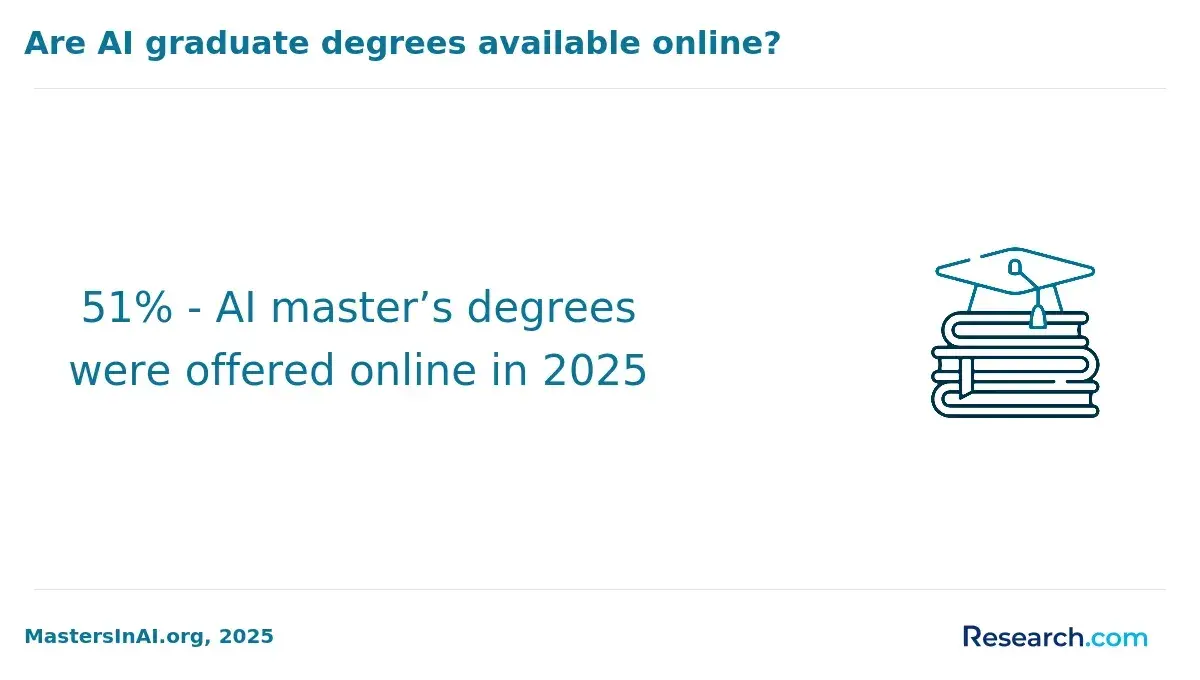
Which AI course format works better for independent consultants?
Self-paced online courses work especially well for independent consultants using generative AI, offering the flexibility needed to balance client work and skill development. These courses allow consultants to learn at their own speed, revisit challenging topics, and immediately apply new skills to projects.
For instance, a consultant can focus on natural language processing modules without waiting for scheduled sessions. This format is effective compared to live virtual bootcamps, which, although intensive and structured, can conflict with the irregular schedules common among consultants managing multiple clients.
Live bootcamps excel at providing networking opportunities and real-time instructor feedback, valuable for early-career consultants seeking mentorship. Hybrid models blend self-paced learning with occasional live sessions, offering a balanced approach that supports both flexibility and interaction.
Data from the 2024 Hays Technology Contractor Day Rate Guide highlights that consultants with applied AI and machine learning skills earn day rates 32% higher than those without, underscoring the value of formats emphasizing practical skills.
Choosing between online vs in-person AI courses for independent consultants also depends on individual learning goals. Hands-on labs and project-based courses build applied skills critical for demonstrating client proficiency. Platforms offering downloadable resources, coding environments, and industry case studies benefit independent learners.
Those looking to expand skills on a budget may consider earning an online cybersecurity degree that complements AI knowledge and broadens career opportunities.
What should a consultant learn in a generative AI course?
Consultants developing generative AI skills for independent consultants should first master foundational concepts like the architecture and inner workings of large language models and diffusion models. Core topics include model training, fine-tuning, and prompt engineering, which are crucial for crafting precise inputs that produce reliable outputs across diverse real-world tasks.
Essential topics in generative AI courses for consultants also encompass practical applications such as automating content creation, data synthesis, and predictive analytics tailored to client requirements. Acquiring hands-on experience in integrating generative AI with existing business systems is vital to ensure scalability and adherence to data privacy regulations.
Ethical considerations, including bias mitigation, copyright challenges, and transparent AI practices, form a key part of risk management training. Consultants benefit from frameworks to assess AI output quality and the broader societal impacts of technology adoption.
Courses often emphasize project-based learning using industry-standard tools like OpenAI's API or Hugging Face libraries, along with case studies on successful consulting implementations. Additionally, understanding business strategy models related to AI adoption helps consultants advise clients on investment, change management, and measuring ROI from generative AI initiatives.
According to Coursera's 2024 Learner Outcomes survey, 56% of professionals completing generative AI or AI strategy certificates report pay increases, promotions, or new jobs within six months, highlighting strong career benefits and demand. Those curious about roles in this field might explore what does an AI trainer do to understand related career paths.
How do online AI courses compare with campus programs?
Online AI courses offer flexibility ideal for independent consultants focusing on generative AI, allowing learners to balance client work and study at their own pace. These programs specialize in current generative AI tools, including low-code/no-code platforms, which aligns with Gartner's forecast that 75% of new enterprise generative AI applications will rely on such tools by 2026, up from under 5% recently. In contrast, campus programs often update curricula more slowly and emphasize traditional coding skills over emerging AI approaches.
Online training typically focuses on practical, applied use cases relevant to consulting, like automating workflows or building client-specific AI models. Campus programs provide broad theoretical foundations but can delay direct application in projects.
Cost effectiveness is another advantage of online courses, which usually have lower tuition and no relocation expenses. They offer modular certificates and micro-credentials that quickly enhance portfolios, unlike campus degrees requiring multi-year commitments.
Choosing courses with hands-on labs, access to AI platforms, and industry partnerships is important. For instance, training on Microsoft's Power Platform or Google Cloud AI services equips learners with practical skills. Such real-time platform integration is often lacking in campus settings.
When selecting an AI education path, consider your goals, budget, and the speed of skill acquisition for the best fit between online and campus options.
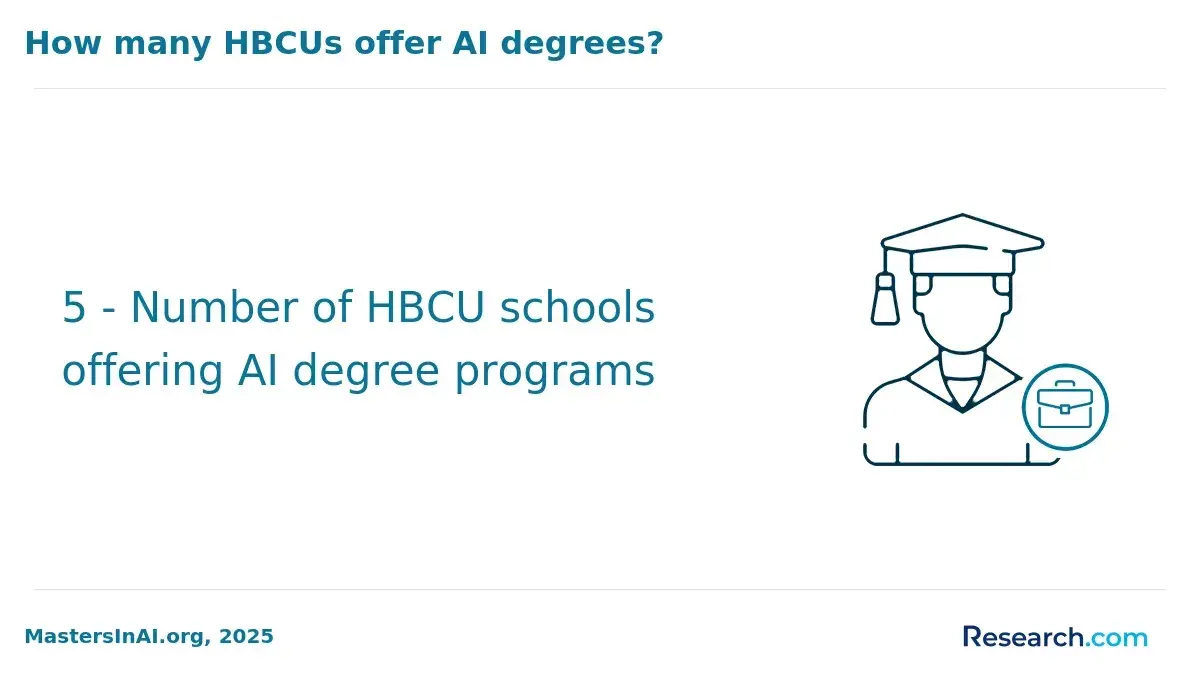
What are the admission requirements for AI training programs?
Admission requirements for AI training programs differ based on the course level and focus. Entry-level courses often require only a high school diploma or equivalent, with no prior coding experience needed. These programs focus on foundational concepts and practical skills to introduce beginners to generative AI technologies.
Intermediate and advanced courses typically expect a bachelor's degree in computer science, engineering, mathematics, or a related STEM field. Applicants may also need proficiency in programming languages like Python, understanding of data structures, or experience with machine learning frameworks. Some programs ask for transcripts, letters of recommendation, or a portfolio of relevant projects.
Professional certification programs and bootcamps aimed at independent consultants emphasize hands-on skills rather than formal prerequisites. However, many require proof of software development experience or prior use of AI tools, such as completing assessments or submitting projects involving language models or neural networks.
Specialized university-affiliated programs might require GRE scores or placement on waitlists due to high demand. Basic knowledge of statistics and calculus is often expected for technical tracks focused on algorithm development.
Aligning your skills with program requirements improves admission chances and learning efficiency. According to AWS's "Global AI Skills Study," workers with AI-augmented technical abilities report a median productivity boost of 47% and a 35% higher likelihood of salary increases than peers without these skills.
- High school diploma or equivalent for beginner courses
- Bachelor's degree plus programming skills for advanced courses
- Hands-on experience prioritized in certification programs
- GRE scores and strong math background for specialized tracks
How long do AI courses for consultants usually take?
AI courses for independent consultants vary widely in duration, from a few hours to several months, depending on focus and depth. Short-term options, such as bootcamps or accelerated courses, typically require 10 to 40 hours. These are ideal for consultants needing quick proficiency in generative AI tools for immediate practical use.
More extensive programs lasting 6 to 12 weeks often involve 30 to 80 hours of study. These courses are designed to build foundational knowledge and strategic skills, well suited for consultants advising clients on AI integration within industries like healthcare, finance, or marketing. Such niche-focused training aligns closely with specific business needs.
Long-term certification tracks or professional development programs extend from 3 to 6 months, featuring 100+ hours of instruction. These usually include project work and case studies, preparing consultants for leadership roles in AI strategy and advanced methodologies.
Industry relevance in AI education is crucial. According to Boston Consulting Group's 2024 "AI in the Enterprise" study, 89% of companies investing heavily in AI prioritize initiatives customized for their industry or function instead of generic AI skills. This emphasizes choosing courses tailored to real-world applications over broad AI theory.
Consultants should match course length and specialization with their client base and career goals:
- Short, focused courses for rapid deployment of AI solutions
- Longer programs for deep industry integration and strategic consulting
How much do AI courses for independent consultants cost?
AI courses for independent consultants vary widely in cost and format, spanning free introductory options to premium training priced up to several thousand dollars. Many accessible platforms offer self-paced programs typically charging $100-$300, covering technical modules, use cases, and community access.
Higher-end certifications and bootcamps focusing on consulting skills alongside AI proficiency usually range from $1,000 to $4,000. These include hands-on projects, mentorship, and personalized feedback, which are essential for building portfolios that attract clients.
According to LinkedIn's 2024 Workplace Learning Report, AI project portfolios generate 2.7 times more recruiter InMails than certificates alone, underscoring the value of practical experience.
Subscription services providing ongoing access to multiple courses often cost $20 to $50 monthly, ideal for skill refreshment. Corporate courses with instructor interaction and real-time case studies tend to be pricier but offer deeper engagement.
Independent consultants should weigh costs by considering course format, portfolio-building opportunities, and practical project emphasis. Employers and clients increasingly prefer consultants demonstrating tangible AI solutions over merely listing certifications.
What jobs can consultants get after AI training?
Independent consultants with generative AI training can pursue various roles that deliver clear business value. Common positions include AI strategy advisors who help organizations integrate AI tools to improve operations, and AI automation specialists who create automated workflows to reduce manual labor and boost productivity. Data analysts focused on AI-generated insights assist clients by interpreting patterns produced by generative models.
Emerging roles such as prompt engineers craft precise inputs to maximize AI output, useful in marketing, content creation, and customer service. Content generation consultants leverage AI to produce high-quality written, visual, or multimedia materials at scale, serving industries like advertising, publishing, and e-commerce. Technical consultants may also specialize in fine-tuning and deploying AI models tailored to specific business needs.
AI ethics and compliance advisors are increasingly sought after to ensure responsible AI use in line with evolving regulations. According to Udemy's 2024 Global Workplace Learning Index, professionals completing at least eight hours of generative AI training were 52% more likely to automate parts of their jobs within three months, highlighting rapid monetization of these skills.
The practical application of generative AI skills enables consultants to quickly transition into roles across sectors such as technology, marketing, and business strategy, driving both innovation and revenue growth.
How can consultants choose a reputable AI course?
Consultants seeking reputable AI courses should focus on content relevance, instructor expertise, and practical application. Programs covering generative AI techniques are especially valuable, considering the World Economic Forum's "Future of Jobs Report 2025" forecasts a 39% increase in demand for AI specialists and 34% growth for AI-augmented business consultants by 2030. Courses that integrate both technical skills and business strategies align well with these emerging market needs.
Key evaluation points include:
- Curriculum depth: Core topics like large language models, machine learning fundamentals, and data ethics.
- Instructor background: Experienced professionals or academics with practical consulting AI expertise.
- Hands-on projects: Inclusion of real-world case studies and tools such as Python, TensorFlow, or specialized AI platforms.
- Certification recognition: Industry-endorsed certifications linked to professional development pathways.
- Peer and employer feedback: Alumni reviews and endorsements demonstrating career impact.
Flexibility for continuous learning is vital given AI's rapid evolution. Independent courses not tied to specific vendors offer broader applicability across consulting fields. Comparing pricing relative to content depth and support ensures candidates select programs that provide optimal value. A disciplined review of these elements helps consultants navigate AI education effectively to meet market expectations and build careers substantiated by authoritative labor forecasts.
Other Things You Should Know About Artificial Intelligence
Ethical concerns in artificial intelligence include bias in algorithms, lack of transparency, and potential job displacement due to automation. Ensuring fairness and accountability in AI systems is essential to prevent discrimination and misuse. Independent consultants should stay informed about ethical AI practices to maintain trust and compliance in their projects.
Artificial intelligence enhances decision-making by providing data-driven insights and predictive analytics. Consultants can use AI tools to analyze large data sets quickly, identify patterns, and make more informed recommendations. However, human judgment remains critical to interpret AI outputs and consider contextual factors.
Skills that complement AI knowledge include data analysis, programming in languages such as Python, and understanding machine learning concepts. Communication and problem-solving skills are also vital to translate technical AI results into actionable strategies for clients. A multidisciplinary skill set enables consultants to leverage AI effectively.
In 2027, independent consultants can integrate generative AI by leveraging tools to automate repetitive tasks, enhance data analysis, and generate creative solutions. This integration helps in delivering personalized client experiences and increasing efficiency, allowing consultants to focus on strategic initiatives.
References
- Choosing an AI Consultant: 12-Point Evaluation Guide (2026) https://helium42.com/blog/how-to-choose-ai-consultant
- Must-Have AI Consultant Skills in 2026 | Roles, Salary & Career https://www.tredence.com/blog/ai-consultant-skills
- AI Consulting for Small Businesses: Cost Guide 2026 https://www.theaiconsultingnetwork.com/blog/ai-consulting-small-businesses-cost-how-it-works
- Indie AI Consulting: Positioning, Pricing, and Proposals by Jason Liu on Maven https://maven.com/indie-consulting/ai-consultant-accelerator
- Best Artificial Intelligence Consultant Training Choices https://www.sorenkaplan.com/artificial-intelligence-ai-consultant-training-options/
- How AI is challenging the credibility of some online courses https://theconversation.com/how-ai-is-challenging-the-credibility-of-some-online-courses-264851
- AI course recommendations | Suzie Walker Executive Search https://suziewalkerexecutivesearch.co.uk/content/ai-course-recommendations
- AI Consultant Certification https://becomeanaiconsultant.com/
- 11 AI Consultant Certification Courses to Grow in 2025 https://www.10xconsultant.ai/blog/ai-consultant-certification/
- Certified Artificial Intelligence Consultant | CAIC | USAII® https://www.usaii.org/artificial-intelligence-certifications/certified-artificial-intelligence-consultant