2027 Best AI Courses for Telecom Data Analytics Teams

Co-Founder and Chief Data Scientist
Telecom data analytics teams often struggle to extract actionable insights due to the rapidly evolving complexity of network data and customer behavior. Traditional analysis methods fall short in predicting trends and optimizing operations, leading to inefficiencies and lost revenue opportunities. This gap highlights the need for advanced skills in artificial intelligence to handle vast datasets and implement predictive models effectively. The article will explore the best AI courses designed to equip telecom professionals with the necessary knowledge and practical tools to enhance data-driven decision-making. It aims to guide readers toward flexible, accredited programs that facilitate a successful career pivot into AI within telecom analytics.
Key Things You Should Know
- Top AI courses for telecom data analytics emphasize machine learning, predictive modeling, and big data processing, addressing the sector's growing reliance on advanced analytics for network optimization and customer insights.
- In 2025, over 65% of telecom firms reported increased investment in AI training, highlighting demand for skills in AI-driven anomaly detection and real-time decision-making.
- Many leading programs incorporate hands-on projects with telecom datasets, fostering skills that enhance operational efficiency and drive innovation in telecommunications services.
Advance Your Career with AI Online Courses
Artificial Intelligence: Implications for Business Strategy
This program provides an introduction to Artificial Intelligence and their implications for business strategy. Earn an official digital certificate.

Oxford Artificial Intelligence Programme
Explore this Oxford Artificial Intelligence programme offered in a flexible learning environment and explore topics like machine learning, automation, and robotics.

Implementing Agentic AI: Building Your Organizational Playbook
This online MIT Agentic AI course offers a practical approach to deploying AI agents in your organization, including a custom playbook. 3 weeks, exclusive launch price.

AI Adoption: Driving Business Value and Impact
This online MIT AI Adoption: Driving Business Value and Impact offers practical frameworks to close the gap between AI potential and business reality.

Artificial Intelligence in Pharma and Biotech
Discover the applications and limitations of artificial intelligence in pharma and biotech with this MIT online short course.

What are the best AI courses for telecom data analytics teams and how do they differ?
The best AI courses for telecom data analytics teams emphasize specialized skills like network analytics, automation, and predictive modeling designed for telecom environments. These programs vary in depth, practical application, and industry-specific modules, including advanced applied machine learning, time series analysis, and network optimization using AI.
Differences between AI courses for telecom analytics professionals often lie in their focus. Industry-tailored programs offer hands-on projects with telecom datasets, preparing teams for real-world use cases such as fault detection and customer churn prediction. In contrast, general AI courses cover broader algorithmic principles and may require additional telecom-focused learning.
Key features for telecom teams include training in reinforcement learning for dynamic resource allocation, natural language processing for customer interaction analysis, and automation techniques to improve operational efficiency. Some courses integrate edge computing and 5G analytics to address evolving telecom infrastructure challenges.
A course emphasizing supervised learning for network traffic classification enables analysts to quickly detect anomalies, while unsupervised clustering courses help segment user behaviors for targeted marketing. Practical learning formats with case studies and telecom-specific datasets distinguish top courses from generic offerings.
According to a 2024 STL Partners survey, 82% of telecom operators plan to increase AI spending by more than 10% annually through 2027, highlighting the urgency of these skills. Telecom data analytics teams should carefully select courses combining theoretical rigor with direct telecom relevance. Many prospective students also explore career opportunities tied to an AI degree when planning their education.
Advance Your Career with AI Online Courses
Artificial Intelligence: Implications for Business Strategy
This program provides an introduction to Artificial Intelligence and their implications for business strategy. Earn an official digital certificate.
Oxford Artificial Intelligence Programme
Explore this Oxford Artificial Intelligence programme offered in a flexible learning environment and explore topics like machine learning, automation, and robotics.
Implementing Agentic AI: Building Your Organizational Playbook
This online MIT Agentic AI course offers a practical approach to deploying AI agents in your organization, including a custom playbook. 3 weeks, exclusive launch price.
Which skills should telecom data analytics professionals prioritize when choosing AI training?
Telecom data analytics professionals must have strong technical skills in machine learning skills for telecom data analytics, statistical modeling, and large-scale data processing to fully leverage AI's potential. Mastery of programming languages like Python or R is essential for developing predictive models and automating analysis workflows.
Familiarity with telecom-specific data types such as network traffic logs, call detail records, and subscriber metadata is crucial. Proper preprocessing and normalization improve anomaly detection and ensure accurate insights.
Expertise in cloud platforms like AWS, Azure, or Google Cloud supports scalable computation and efficient storage of large telecom datasets. Additionally, deploying AI models in production environments using containerization tools like Docker or Kubernetes is highly advantageous.
Data visualization and dashboard skills are key to translating complex analytics into clear, actionable insights for business leaders and network engineers. Soft skills, including telecom domain knowledge and business operations understanding, help analysts focus on high-impact challenges such as churn prediction, fraud detection, and network optimization.
Advanced training emphasizing deep learning techniques in telecom analytics training can provide an edge, especially in signal processing applications. Collaboration and communication skills further enhance the impact of AI-driven solutions by bridging technical and non-technical teams.
To build these capabilities efficiently, consider engineering degrees online that combine hands-on projects, telecom case studies, and mentorship, accelerating practical learning in this fast-evolving field.
How can telecom companies evaluate whether an AI course is truly industry-relevant?
Telecom companies assess AI course relevance by examining how closely the curriculum aligns with telecom-specific challenges such as network optimization, fraud detection, customer churn prediction, and real-time analytics. Courses featuring case studies or projects with telecom datasets and hands-on training with frameworks like Python, TensorFlow, or Apache Spark tend to be more valuable.
Industry-relevant AI training for telecom data teams often includes specialized modules on data privacy and regulatory compliance due to the sensitivity of telecom data.
Instructor credentials also matter; educators with proven telecom AI experience or strong industry connections typically provide deeper practical insights. Curricula that regularly update to address evolving technologies like 5G analytics, edge computing, and AI-driven automation better prepare students for current telco environments.
Programs fostering skills for deploying AI models in production, scalable integration with legacy systems, and certifications recognized by leading telecom organizations further validate relevance.
Evaluating measurable business impact is crucial. Accenture's research shows that operators leveraging AI and automation can reduce operating expenses by 15-30%, so courses focusing on ROI-driven AI use cases gain practical significance.
Prospective students wanting a comprehensive view of AI's role across fields may also explore cyber security degrees, which often intersect with telecom security concerns.
What types of AI programs exist for telecom data analytics, from short courses to degrees?
AI education for telecom data analytics teams varies from short-term professional development to advanced degree programs tailored to network optimization and 5G technologies. Short-format courses, lasting days to weeks, emphasize practical skills such as machine learning for anomaly detection, predictive maintenance, and traffic forecasting. These offerings suit working professionals pursuing rapid reskilling or upskilling in AI training programs for telecom data analytics.
Certificate programs, completed within months, provide structured learning covering AI fundamentals, data analytics pipelines, and telecom-specific challenges. Many involve hands-on projects using open-source tools and telecom datasets.
For instance, courses on AI for network optimization focus on frameworks to enhance service reliability and reduce outages, confirming a TM Forum survey where 83% of CSPs using AI-driven network operations reduced outages by at least 25%.
At the degree level, bachelor's and master's programs in data science, AI, or telecommunications engineering integrate telecom-specific modules to prepare students for complex roles in network data analytics and infrastructure management.
These programs build comprehensive expertise and enable in-depth research, essential for online and degree courses in AI for telecom analytics. For those seeking accelerated options, an accelerated cyber security degree online can offer a focused pathway aligned with telecom cybersecurity needs.
Doctoral programs emphasize pioneering AI methodologies in telecom, such as advanced signal processing and autonomous network management. They combine coursework with original research to advance knowledge and are ideal for professionals targeting leadership or R&D roles.
Choosing the right path depends on prior knowledge, career goals, and time availability, balancing immediate applicability with long-term expertise.
How do online AI courses compare with campus-based options for telecom data analytics teams?
Online AI courses offer telecom data analytics teams flexible, accessible options that minimize disruption to work schedules. These courses often focus on specialized modules such as customer analytics, churn prediction, and personalization techniques-key areas where AI-driven solutions can reduce churn by 15-20% and increase ARPU by 5-7%, according to a Boston Consulting Group study.
Campus-based programs provide structured learning with face-to-face interaction, hands-on labs, and closer integration with faculty research. Such environments are ideal for mastering foundational AI concepts and long-term skill-building but typically require more time and financial resources. This makes them less feasible for mid-career professionals or teams seeking rapid AI deployment.
Online courses frequently use current, real-world telecom datasets and case studies, accelerating practical AI application in areas like customer lifetime value prediction and churn management.
Modular formats enable learners to target specific topics such as natural language processing for customer support or predictive maintenance analytics. Specialized certification tracks in neural networks or reinforcement learning tailored for telecom are common.
- Scalable, up-to-date learning resources
- Lower opportunity costs compared to campus programs
- Immediate impact for telecom data teams
- Foundational depth and professional networking through campus options
Both online and campus pathways support industry needs, with measurable gains from AI-driven personalization strategies highlighted by Boston Consulting Group.
What core topics and tools are covered in AI curricula for telecom data analytics roles?
AI curricula for telecom data analytics focus on data-driven decision-making, machine learning models, and automation techniques tailored to telecom challenges. Students engage deeply with advanced data preprocessing, time series analysis, and anomaly detection to manage large network datasets. Core topics emphasize feature engineering for network optimization, customer churn prediction, and fraud detection, requiring a specialized understanding of telecom data.
Practical skills are developed using tools such as Python, TensorFlow, PyTorch, SQL, and Hadoop for predictive modeling and data management. Cloud platforms like AWS and Azure are integrated to offer scalable analytics deployment. Training also covers generative AI and natural language processing, supporting automation in customer service and operational workflows.
Students learn to implement automation frameworks that streamline analytics pipelines and drive measurable business impact. According to IBM's telecom AI report citing McKinsey, AI-including generative AI-can increase sales conversion rates by up to 15% and reduce capital expenditure by 10% through automating analytics and decisions. This highlights the crucial value of mastering AI-driven automation in telecom analytics.
Hands-on projects frequently involve telecom datasets to address network load balancing, predictive maintenance, and quality of service measurement. Graduates gain expertise to configure AI tools for dynamic pricing and customer segmentation, equipping them for key roles in telecom data analytics teams.
What are typical admission requirements and prerequisites for AI programs focused on telecom data?
Strong foundations in mathematics, programming, and data science are essential for admission to AI programs focused on telecom data analytics. Typically, applicants hold a bachelor's degree in computer science, engineering, mathematics, statistics, or a related STEM field. Proficiency in programming, especially Python, remains crucial since it underpins many telecom AI applications.
A 2024 Omdia survey highlights that 71% of telecom operators using Python-based machine learning stacks achieve faster deployment and quicker time-to-value for analytics.
Key prerequisites often include coursework or experience in linear algebra, calculus, probability, and statistics. Familiarity with machine learning concepts and data handling techniques is expected. Demonstrated involvement in projects related to data analysis, predictive modeling, or neural networks can strengthen an application. Knowledge of tools such as TensorFlow, PyTorch, or scikit-learn further improves admission prospects.
For professionals, relevant industry experience in telecom, data analytics, or software development can sometimes substitute formal requirements. Many programs ask for a statement of purpose detailing the candidate's interest in AI and telecom data, alongside letters of recommendation emphasizing technical capabilities.
Additional valued skills include MLOps, cloud platforms, and big data tools, preparing students to build production-ready, scalable AI solutions tailored to the telecom sector.
How much do AI courses for telecom data analytics cost and what funding options exist?
AI courses for telecom data analytics vary widely in cost, typically ranging from $300 for short online modules to over $5,000 for comprehensive certificates or bootcamps. Pricing depends on factors like course duration, provider, and technical depth. Introductory courses on platforms such as Coursera or edX generally cost between $300 and $1,000, while specialized programs targeting cloud and edge AI in telecom can exceed $3,000 due to their industry-specific focus.
Many employers recognize the importance of AI skills in telecom and often subsidize or cover tuition, especially as edge computing grows. GSMA Intelligence's 2024 report projects that over 70% of new telco AI workloads will run at the network edge or hybrid cloud-edge environments by 2028, highlighting strong industry demand for trained professionals.
Additional funding options include:
- Workforce development grants from federal and state initiatives aimed at tech upskilling
- Scholarships and financial aid from course providers or industry consortia
- Employer tuition reimbursement programs that usually require a service commitment
- Payment plans or income-share agreements that postpone fees until after employment
For those managing budgets, pursuing targeted micro-credentials in cloud AI or telecom analytics offers affordable routes to develop essential skills aligned with market demand in telecom data analytics careers.
What career paths, job roles, and salary ranges follow AI training in telecom analytics?
Career opportunities after AI training in telecom data analytics include roles such as data scientist, machine learning engineer, AI specialist, and fraud analyst. These professionals use analytic models and AI algorithms to improve network efficiency, detect fraud, and enhance customer experience.
Notably, operators who implement AI-based fraud management systems reduce fraud losses by 18% compared to those relying on traditional rules-based methods, according to a Communications Fraud Control Association report.
Job roles range from technical tasks like developing predictive models to strategic decision-making based on data insights. Data scientists predict network issues and customer churn, while machine learning engineers design algorithms for real-time fraud detection. AI specialists address telecom-specific challenges, often working with cybersecurity teams to protect infrastructure.
Salaries vary by experience and role: entry-level analysts earn between $70,000 and $95,000 annually; experienced machine learning engineers and data scientists make $110,000 to $160,000; and senior positions like AI architects or fraud prevention leads can exceed $180,000.
Key skills include proficiency in Python and R, understanding telecom datasets, and recognizing fraud patterns. Earning certifications in AI and cybersecurity enhances employability and helps professionals advance into leadership roles within analytics teams.
Which certifications or industry credentials add the most value for telecom AI data analysts?
Certifications that hold high value for telecom AI data analysts focus on core skills in machine learning, data science, and telecom-specific analytics. The Certified Analytics Professional (CAP) credential is well respected for showcasing expertise throughout the analytics process, from raw data to actionable decisions.
Specialized certifications such as Google Cloud's Professional Machine Learning Engineer and Microsoft Certified: Azure AI Engineer Associate offer hands-on experience in deploying AI models on major cloud platforms commonly used in telecom infrastructure. The Telecom Analytics Certification by the TM Forum targets skills tailored to telecom use cases like predictive maintenance and customer churn analysis.
Advanced credentials like the TensorFlow Developer Certificate demonstrate strong machine learning model development and tuning capabilities. In addition, proficiency in big data tools like Apache Spark and programming languages such as Python or R remains essential for blending machine learning knowledge with practical telecom data handling and real-time analytics.
Compensation trends emphasize the importance of these certifications. According to the 2024 Robert Half Technology Salary Guide, data scientists and machine learning engineers in telecom earn salaries that are 20-30% higher than traditional data analysts. This premium underlines the industry's recognition of AI's strategic role in telecom analytics.
Other Things You Should Know About Artificial Intelligence
Artificial intelligence is transforming telecom data analytics by enabling faster processing and more accurate interpretation of large, complex datasets. It automates network monitoring, fault detection, and customer behavior analysis, leading to improved service quality and personalized customer experiences. AI-driven predictive analytics also helps telecom companies optimize network resources and anticipate demand fluctuations.
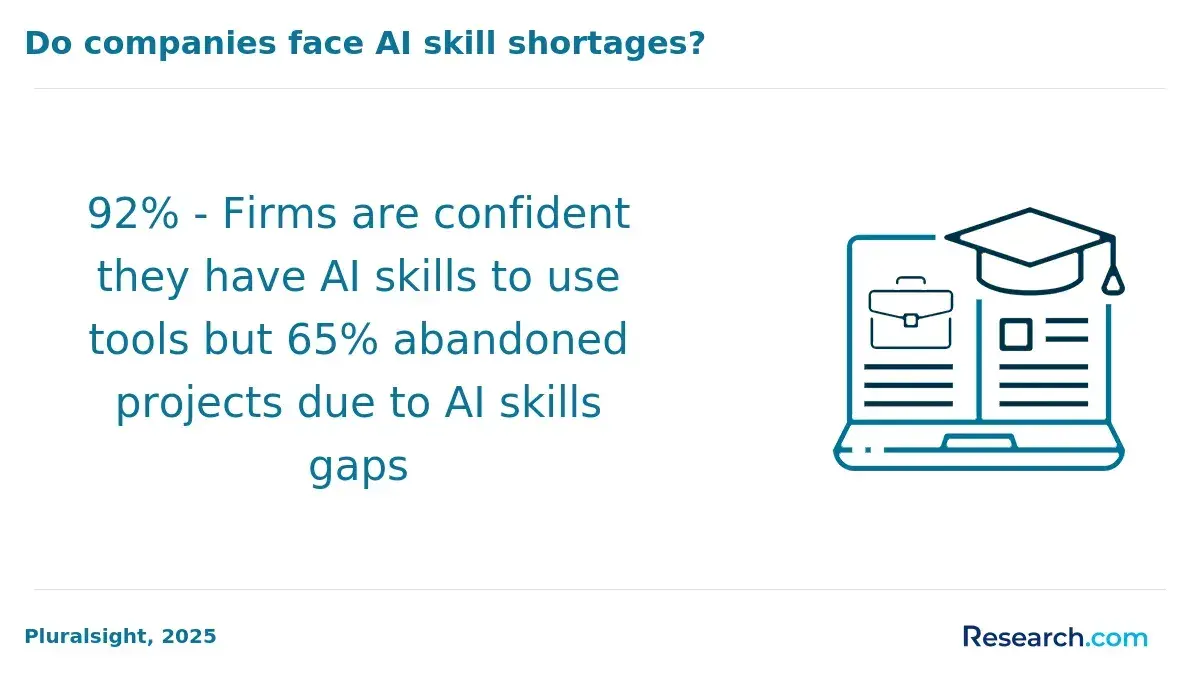
Telecom data teams often encounter challenges such as data privacy concerns, integrating AI with legacy systems, and the need for high-quality labeled data to train models effectively. Additionally, there is a shortage of AI expertise within telecom, making it essential to invest in skilled professionals and continuous training. Ensuring model interpretability and managing computational resource demands are also significant hurdles.
Machine learning is a central component of artificial intelligence in telecom analytics, as it enables systems to learn from historical and real-time data without explicit programming. It powers applications such as anomaly detection, customer churn prediction, fraud prevention, and network optimization. By continuously improving through new data, machine learning models support more accurate and adaptive telecom operations.
The best AI courses in 2027 for telecom data analytics include Stanford University's "AI for Everyone" and MIT's "Applied Data Science for AI". These programs provide telecom professionals with crucial skills in machine learning, deep learning, and algorithm optimization, tailored for evolving industry needs.
References
- AI in the Telecommunications Industry - Artificial intelligence - BEGINNER - Skillsoft https://www.skillsoft.com/course/ai-in-the-telecommunications-industry-dfd2a4ab-baad-4308-804c-4ec0f6c730bb
- Cross https://www.datacamp.com/business/ai-curriculum
- Top 10 Careers in Artificial Intelligence and Machine Learning https://apollouniversity.edu.in/blog/building-a-high-flying-career-in-artificial-intelligence-and-machine-learning/
- 10 AI Skills You Need in Today’s Job Market https://www.salesforce.com/artificial-intelligence/ai-skills/
- AI In The Telecommunications Industry | Careertrainer.ai https://careertrainer.ai/en/reports/ai-in-the-telecommunications-industry-statistics/
- AI for Telecommunications: Practical Guide for Operators https://www.tommasomariaricci.com/blog/ai-for-telecommunications-guide-2026
- AI Development Cost Estimation: Pricing Structure, Implementation ROI https://www.coherentsolutions.com/insights/ai-development-cost-estimation-pricing-structure-roi
- Data, Analytics, and AI for Professionals (DAAP) https://www.aaltoee.fi/en/programs/data-analytics-and-ai-for-professionals
- AI in Telecommunications | Bain & Company https://www.bain.com/insights/ai-in-telecommunications/
- AI and Machine Learning in Telecom Predictive Analytics https://innovapte.com/blog/ai-and-machine-learning-telecom-predictive-analytics/