2027 Best AI Adoption Courses for Life Sciences Executives

Co-Founder and Chief Data Scientist
Life sciences executives face growing pressure to integrate artificial intelligence into research, development, and operational workflows. Without targeted training, many struggle to understand how AI tools can improve decision-making, optimize clinical trials, or accelerate drug discovery. This knowledge gap risks slowing innovation and impeding competitive advantage in a rapidly evolving field.
Navigating the complex landscape of AI applications requires upskilling through flexible and accredited programs suited for professionals transitioning from unrelated backgrounds. This article reviews the best courses designed to equip life sciences executives with practical AI expertise, helping them drive transformation and lead data-driven initiatives effectively within their organizations.
Key Things You Should Know
- AI adoption courses for life sciences executives increasingly focus on real-world applications, with 67% of programs integrating case studies from drug development and clinical trials.
- By 2025, over 75% of U.S. life sciences firms expect executives to have foundational AI knowledge to lead digital transformation effectively.
- Top courses emphasize ethical AI use, data privacy, and regulatory challenges, reflecting growing FDA guidelines and compliance requirements in healthcare AI deployment.
Advance Your Career with AI Online Courses
Artificial Intelligence: Implications for Business Strategy
This program provides an introduction to Artificial Intelligence and their implications for business strategy. Earn an official digital certificate.

Oxford Artificial Intelligence Programme
Explore this Oxford Artificial Intelligence programme offered in a flexible learning environment and explore topics like machine learning, automation, and robotics.

Implementing Agentic AI: Building Your Organizational Playbook
This online MIT Agentic AI course offers a practical approach to deploying AI agents in your organization, including a custom playbook. 3 weeks, exclusive launch price.

AI Adoption: Driving Business Value and Impact
This online MIT AI Adoption: Driving Business Value and Impact offers practical frameworks to close the gap between AI potential and business reality.

Artificial Intelligence in Pharma and Biotech
Discover the applications and limitations of artificial intelligence in pharma and biotech with this MIT online short course.

What are the best AI adoption courses for life sciences executives and how do they differ?
The best AI adoption courses for life sciences executives emphasize strategic implementation, data analytics, and ethical challenges specific to the industry. They vary notably in focus: leadership programs highlight executive decision-making and AI integration within workflows, while technical courses concentrate on machine learning and bioinformatics.
For example, top business schools focus on leadership strategies, regulatory compliance, and organizational change management, while technology-driven certifications target practical skills such as AI-driven drug discovery and clinical trial optimization.
Executives should evaluate courses based on immediate organizational needs and long-term objectives, especially differences between AI adoption courses for life sciences leaders. Leadership-oriented options equip decision-makers to assess AI's operational impact, enhance collaboration, and justify investments. Technical programs provide hands-on experience with AI tools, enabling executives to work effectively with data science teams and vendors.
A 2025 ZS survey revealed that 79% of life sciences leaders expect AI to be the primary factor in competitive differentiation by 2027, up from 54% in 2022. This highlights the urgency for transformative leadership combined with practical application in course selection.
Key differentiators include course length, delivery mode (online vs. in-person), and industry partnerships offering case studies or project work. Some programs address compliance challenges unique to pharmaceuticals and biotechnology, which is critical for seamless AI adoption in regulated sectors. Prospective students may also explore affordability by reviewing options like the cheapest data science masters in USA.
Advance Your Career with AI Online Courses
Artificial Intelligence: Implications for Business Strategy
This program provides an introduction to Artificial Intelligence and their implications for business strategy. Earn an official digital certificate.
Oxford Artificial Intelligence Programme
Explore this Oxford Artificial Intelligence programme offered in a flexible learning environment and explore topics like machine learning, automation, and robotics.
Implementing Agentic AI: Building Your Organizational Playbook
This online MIT Agentic AI course offers a practical approach to deploying AI agents in your organization, including a custom playbook. 3 weeks, exclusive launch price.
How can AI adoption training help life sciences executives drive digital transformation and ROI?
AI adoption training for life sciences digital transformation empowers executives with strategic knowledge to drive operational efficiency and boost ROI. By mastering AI tools and methodologies, leaders can identify impactful use cases such as predictive modeling for drug discovery, patient stratification, and supply chain optimization. This enables smart decisions about resource allocation and prioritizing AI initiatives that deliver measurable business value.
Training enhances skills in data interpretation, AI ethics, and regulatory compliance, which are crucial for navigating the legal and ethical complexities unique to life sciences. Understanding concepts like explainable AI improves communication of outcomes to stakeholders and regulators, fostering trust and accelerating AI adoption.
Fostering collaboration between data scientists, clinicians, and commercial teams is also emphasized, aligning AI projects with organizational goals and breaking down silos that hinder digital transformation. A 2025 report by Corporate Compliance Insights highlights that 87% of life science researchers now use AI for work-related tasks, up from 75% in 2023, confirming the growing need for leadership to keep pace with AI advancements.
Practical training may include case studies on AI-driven clinical trial design or AI-powered pharmacovigilance, illustrating ROI through reduced trial durations and enhanced safety monitoring. To supplement leadership training, professionals might consider programs like a mechanical engineering online program, which also integrates AI principles applicable to life sciences.
Driving ROI with AI adoption in life sciences leadership requires prepared executives who can lead innovation pipelines and maintain competitive advantages amid rapid technological change.
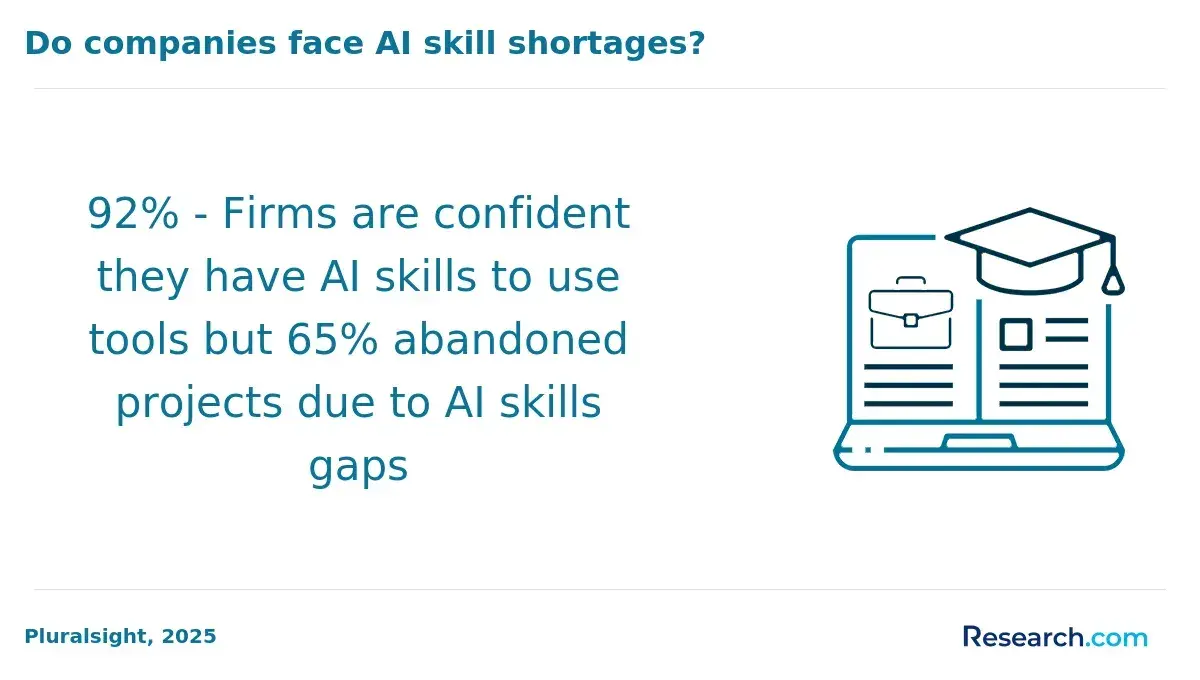
What types of AI programs are available for life sciences leaders, from certificates to MBAs?
Life sciences executives can enhance their expertise through AI certification programs for life sciences executives, which range from focused certificates to extensive MBA tracks. Certificate courses often emphasize practical skills such as machine learning, data analytics, and AI applications tailored to pharmaceutical development or healthcare innovation. These programs typically last several weeks to months and suit professionals wanting targeted knowledge without committing to full degree programs.
Specialized executive certificates combine AI proficiency with healthcare management, preparing leaders to integrate AI solutions across operations and regulatory frameworks. Stackable certificates allow progressive credential accumulation toward advanced degrees, making them ideal for continuous professional development.
MBA programs with a focus on AI and life sciences blend business leadership, technology, and industry challenges. Usually completed in one to two years, they cover digital health innovation, regulatory affairs, and data-driven decision-making. Dual-degree options integrate MBAs with master's degrees in data science or bioinformatics, offering deeper technical expertise for senior roles.
According to KPMG's 2024 CEO Outlook, 64% of life sciences CEOs prioritize increased AI investment, fueling demand for advanced AI leadership courses in life sciences tailored to executives managing strategic, technical, and operational responsibilities.
Executives should align choices with career goals, opting for certificates for quick upskilling or MBA programs for broader leadership preparation. Those seeking further advancement may explore a PhD in artificial intelligence USA to deepen their expertise and impact in the field.
How do online AI adoption courses for life sciences executives compare with on-campus options?
Online AI adoption courses tailored for life sciences executives offer greater flexibility and more targeted content compared to traditional on-campus programs. These online courses often feature modular formats, enabling executives to concentrate on critical areas such as R&D, clinical trials, regulatory affairs, or commercial strategy.
This adaptability suits the diverse needs of life sciences professionals and optimizes learning efficiency by shifting focus week-to-week, such as from generative AI in drug discovery to data compliance regulations.
Classroom-based programs typically require significant time and travel, which can disrupt ongoing professional duties. However, they provide valuable face-to-face networking with peers and faculty that some executives find essential for mentorships or collaborative projects. In contrast, benefits of virtual AI training compared to classroom learning in life sciences include live virtual sessions and interactive case studies that mitigate the lack of physical interaction.
A recent McKinsey analysis underscores the immense value of scaling generative AI within life sciences, estimating $60-110 billion in annual global value. Executives aiming to lead AI initiatives benefit from online courses that accelerate their learning by delivering current AI tools and business impact models without geographical constraints.
For those weighing practical skill acquisition, online courses with hands-on projects using real datasets and AI frameworks are ideal. While on-campus courses may offer deeper theoretical grounding, they often lack immediate applicability.
Choosing a hybrid format or online programs with strong industry ties can maximize ROI. Professionals considering foundational tech education may also explore options like a computer science bachelor degree online to broaden their technical expertise.
Executives involved in decision-making should evaluate these factors to select the best-fit path. Balancing convenience, practical skills, and networking opportunities remains key with online AI adoption courses for life sciences executives vs on-campus programs.
What admissions requirements and professional experience do AI programs for life sciences executives expect?
AI programs for life sciences executives often require advanced academic credentials combined with significant professional experience. Most candidates hold a bachelor's degree in life sciences, healthcare, engineering, or related fields, while many top programs prefer a master's degree focusing on data science, bioinformatics, or healthcare management.
Professional experience is critical, typically ranging from 5 to 10 years within pharmaceutical, biotechnology, medical device, or healthcare organizations. Candidates should demonstrate leadership roles involving strategic decision-making, especially around AI adoption and digital transformation initiatives.
Regulatory knowledge plays a key role, as AI governance grows increasingly important. A KPMG survey highlighted that 71% of life sciences compliance leaders rank AI-related governance among their top three priorities. Applicants need familiarity with FDA regulations, HIPAA compliance, and risk management in AI contexts.
Admission requirements often include a professional statement addressing AI challenges, letters of recommendation verifying leadership and technical skills, and evidence of proficiency in statistics, programming languages (such as Python and R), and AI tools. Coursework or certifications typically validate these competencies.
Effective AI education in life sciences blends strong academic background, proven leadership, and regulatory expertise to prepare executives for evolving industry demands.
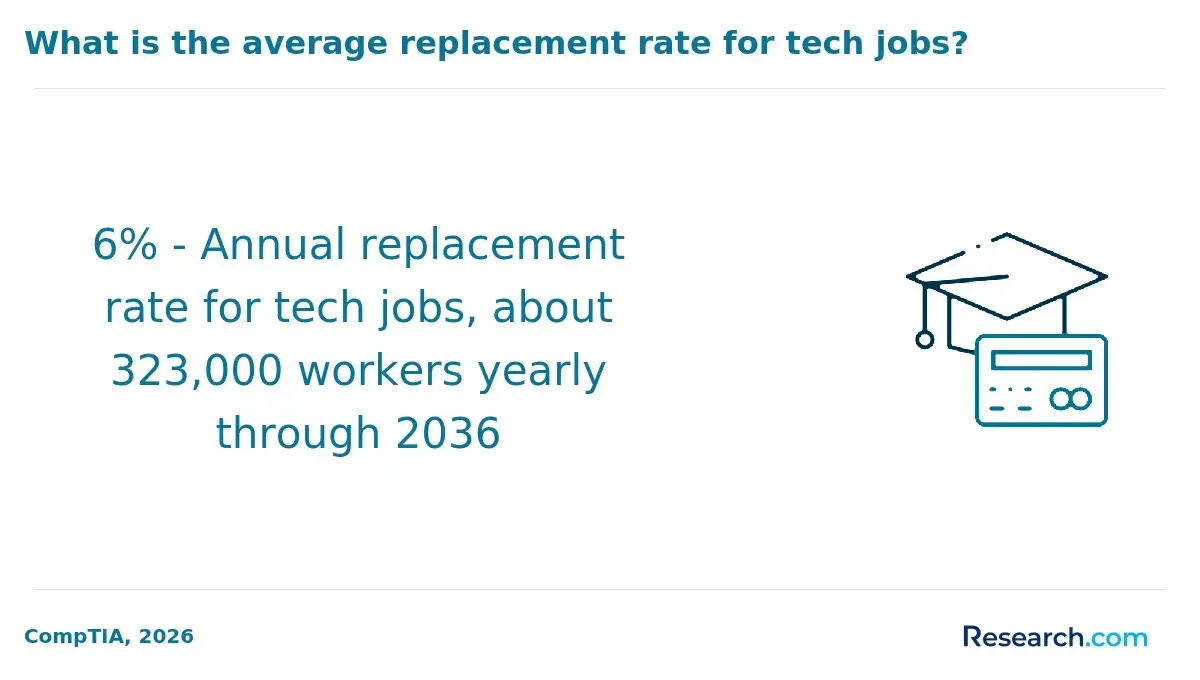
What core topics and skills are covered in AI adoption curricula tailored to life sciences?
AI adoption curricula designed for life sciences executives focus on key areas essential to the biopharma industry's unique demands. Core topics include:
- Fundamental AI concepts and machine learning techniques relevant to drug discovery, clinical trials, and personalized medicine.
- Data management skills covering large-scale biological datasets, integration, quality control, and regulatory compliance like FDA and HIPAA standards.
- Application of AI-powered tools for predictive analytics, patient stratification, and optimizing supply chains.
- Addressing interpretability and ethical issues to promote transparency and stakeholder trust.
- Facilitating cross-functional collaboration among data scientists, clinicians, and executives for strategic alignment.
- Leading change management and digital transformation to embed AI into existing processes.
With over 70% of large biopharma firms reporting gaps in digital and AI capabilities, upskilling initiatives emphasize workforce readiness and internal digital academies. Training often features real-world case studies on AI use in adverse event prediction, biomarker identification, and automated workflows. These programs teach executives to evaluate AI vendors critically, manage risks, and measure ROI.
Project-based learning simulates the challenges of strategic AI deployment, tackling issues such as data silos and regulatory uncertainty. The result is that executives gain not only technical knowledge but also leadership skills necessary to guide AI-driven transformation aligned with both commercial and scientific goals.
How long do AI adoption programs for life sciences executives take and what do they cost?
AI adoption programs designed for life sciences executives vary in length from about 6 weeks to 6 months, depending on the format and depth of study. Short, intensive boot camps or workshops typically last 4 to 8 weeks and focus on core AI concepts and their applications in drug discovery and clinical development.
More comprehensive certificate programs extend up to 6 months, covering strategic implementation, regulatory matters, and operational integration. Part-time modular courses allow professionals to learn progressively without interrupting their work.
Costs for these programs differ widely based on factors like institution prestige and curriculum complexity. Executive seminars and limited-duration workshops usually start around $3,000 to $5,000. Extended certificate courses generally fall between $8,000 and $20,000 or more. Some programs include hands-on projects or personalized coaching, while others offer flexible pricing or employer-sponsored options to ease financial burdens.
The sharp rise in AI innovation is seen in USPTO data, with AI-related patent applications increasing from 6,220 in 2016 to 14,601 in 2020, emphasizing the need for timely upskilling. Executives should seek programs combining foundational AI literacy with practical life sciences applications. Prioritizing courses featuring case studies in R&D and clinical development can help align educational investment with real organizational value.
How can executives verify accreditation and industry recognition of AI adoption programs in the United States?
Executives evaluating AI adoption programs in the United States should verify accreditation through recognized regional agencies like the Middle States Commission on Higher Education (MSCHE) or the Western Association of Schools and Colleges (WASC). These accreditors ensure academic rigor and institutional quality.
Additionally, endorsement by professional organizations such as the Healthcare Information and Management Systems Society (HIMSS) or the American Medical Informatics Association (AMIA) reflects industry relevance and current curricula.
Partnerships between course providers and life sciences companies or technology firms specializing in AI suggest alignment with practical applications and evolving standards. Examining faculty profiles to confirm relevant experience in commercial, medical affairs, or market access roles where AI is used is also valuable.
According to a 2024 ZS benchmark study, commercial teams implementing AI-driven insights for targeting and engagement improved promotional ROI by 15-20% versus traditional methods, underscoring the importance of a curriculum focused on measurable business results.
Prospective students should seek programs offering certifications recognized by industry leaders such as Certified Analytics Professional (CAP) or credentials from the Digital Analytics Association. Transparent disclosures of alumni career outcomes and endorsements from employers provide further assurance of program quality. Finally, ensuring the curriculum complies with U.S. regulatory standards for life sciences and data usage is essential for executives aiming to deploy AI responsibly and effectively.
What career outcomes, leadership roles, and salary potential follow AI adoption training in life sciences?
AI adoption training in life sciences directly supports advanced career roles such as AI program manager, director of AI strategy, and chief data officer. These professionals drive initiatives that enhance drug discovery, clinical trials, and regulatory compliance. Salaries for these positions usually range from $120,000 to $250,000 annually, reflecting a high demand for specialized AI expertise.
A 2024 industry governance survey on Organizational Change, Governance, and AI Centers of Excellence found that over 60% of large life sciences companies have created or are developing AI steering committees or Centers of Excellence. These groups focus on standardizing AI use, training, and oversight, generating executive-level opportunities centered on governance, ethical implementation, and operational efficiency.
Additional roles supported by AI training include AI ethics officer, AI governance lead, and innovation strategist. These positions emphasize compliance with evolving regulatory frameworks and require knowledge of both technical and ethical AI dimensions. Median salaries range from $110,000 to $180,000, with career growth often involving leadership in life sciences combined with AI-driven data analytics and project management.
Prospective professionals should seek training that covers organizational change management, AI governance frameworks, and practical deployment skills. This blend prepares graduates to bridge critical gaps in AI oversight and integration into existing corporate frameworks.
What criteria should life sciences executives use to choose a reputable AI adoption course?
Life sciences executives benefit most from courses tailored to the sector's specific challenges, including regulatory issues, data privacy, and integration with biomedical workflows. Programs blending technical artificial intelligence knowledge with strategic leadership prepare executives to effectively connect data scientists and clinical teams.
Accreditation and faculty expertise remain key indicators of course quality. Programs endorsed by leading business and medical schools attract healthcare and life sciences leaders eager to build strategic AI skills. Harvard and other top schools report over 40% enrollment growth in executive artificial intelligence and analytics programs, highlighting growing demand for healthcare-focused curricula.
Learning formats should fit executives' schedules and preferences. Options include short, intensive courses, modular flexible programs, and hybrid online/in-person models. Look for those using life sciences case studies and hands-on projects to ensure practical application and immediate workplace impact.
Networking with peers and AI experts in life sciences enhances knowledge sharing and fosters collaboration essential for AI adoption. Also consider programs offering mentorship or updated resources, supporting long-term implementation.
Cost versus return on investment is crucial. Compare tuition with alumni career advancements and organizational benefits, as reputable courses justify higher fees through measurable leadership growth and successful AI transformations.
Other Things You Should Know About Artificial Intelligence
In 2027, notable AI adoption courses for life sciences executives include MIT's "AI Strategies for Healthcare," offering a focus on applying AI to improve healthcare outcomes, and Stanford's "Executive Program in Artificial Intelligence for Healthcare," which emphasizes strategic leadership in AI integration within life sciences.
Executives often encounter challenges including data privacy concerns, integration of AI with existing systems, and a shortage of skilled professionals. Additionally, managing organizational change and aligning AI initiatives with regulatory compliance are critical hurdles that require careful planning and governance.
Artificial intelligence enhances decision-making by providing advanced data analytics, predictive modeling, and real-time insights. It allows life sciences leaders to make evidence-based decisions regarding drug development, clinical trials, and patient care strategies with higher accuracy and speed.
Executives must ensure AI systems are transparent, unbiased, and used responsibly, particularly when handling sensitive patient data. Maintaining privacy, obtaining informed consent, and mitigating algorithmic biases are key ethical priorities in deploying AI within life sciences.
References
- Data & AI Recruitment for Life Sciences | Panda https://www.panda-int.com/disciplines/data-ai/
- 2025 AI trends: Life sciences leaders on data, digital and AI | ZS https://www.zs.com/insights/2025-survey-data-digital-ai
- Chief AI Officer Certification | Silicon Valley Certification Hub https://svch.io/
- Survey of Online Degrees in AI for Pharmaceutical Science | IntuitionLabs https://intuitionlabs.ai/articles/ai-pharmaceutical-science-education
- Columbus Global | Accelerating digital maturity: The key to unlocking growth in life sciences https://www.columbusglobal.com/insights/articles/accelerating-digital-maturity-the-key-to-unlocking-growth-in-life-sciences/
- Artificial Intelligence for the American People https://trumpwhitehouse.archives.gov/ai/
- The Path to Successful Digital Transformation in Life Sciences https://www.stellix.com/blog/2025/the-path-to-successful-digital-transformation-in-life-sciences/
- AI in Life Sciences Compliance: 2026 Guide - Sakara Digital https://sakaradigital.com/blog/ai-in-life-sciences-compliance-a-practical-guide-for-2026/
- 7 Essential Elements of an Effective AI Curriculum in 2026 | Life Hub https://www.lifehubeducation.com/blog/ai-curriculum