2027 Best AI Agent Courses for Internal Operations

Co-Founder and Chief Data Scientist
Companies often struggle to optimize internal workflows and decision-making without advanced automation support. This challenge can delay projects, increase costs, and reduce operational efficiency. Many professionals with unrelated degrees seek to bridge this gap by acquiring specialized skills that enable them to implement AI agents in business environments. However, finding flexible, accredited courses that provide practical knowledge and align with career goals remains difficult.
This article explores top AI agent courses designed for internal operations, assessing their curriculum, flexibility, and industry relevance to help readers select programs that equip them for successful career pivots into AI-driven roles.
Key Things You Should Know
- In 2026, AI agent courses for internal operations emphasize practical skills in automation, data integration, and decision-making, crucial as 65% of enterprises adopt AI to enhance efficiency by 40%.
- Top programs integrate ethics and governance training, addressing the 70% increase in AI compliance regulations across U.S. industries since 2024.
- Certification and hands-on project experience are prioritized, with graduates seeing a 30% higher employment rate in AI-driven operational roles within a year post-completion.
Advance Your Career with AI Online Courses
Artificial Intelligence: Implications for Business Strategy
This program provides an introduction to Artificial Intelligence and their implications for business strategy. Earn an official digital certificate.

Oxford Artificial Intelligence Programme
Explore this Oxford Artificial Intelligence programme offered in a flexible learning environment and explore topics like machine learning, automation, and robotics.

Implementing Agentic AI: Building Your Organizational Playbook
This online MIT Agentic AI course offers a practical approach to deploying AI agents in your organization, including a custom playbook. 3 weeks, exclusive launch price.

AI Adoption: Driving Business Value and Impact
This online MIT AI Adoption: Driving Business Value and Impact offers practical frameworks to close the gap between AI potential and business reality.

Artificial Intelligence in Pharma and Biotech
Discover the applications and limitations of artificial intelligence in pharma and biotech with this MIT online short course.

What are AI agent courses for internal operations and who should consider taking them?
AI agent courses for internal operations teach professionals how to design and implement AI-driven systems that streamline business processes. These courses focus on automating workflows, improving decision-making, and boosting efficiency using technologies like natural language processing, machine learning, and robotic process automation.
Such training benefits businesses by enabling AI to handle repetitive tasks such as data entry, scheduling, and customer support, freeing employees for strategic work. The courses are ideal for operations managers, business analysts, IT specialists, and data scientists who want to leverage AI to transform internal workflows. For those considering who should take AI agent training for internal processes, graduates targeting roles in process automation, AI implementation, or digital transformation gain valuable, practical skills aligned with growing market needs.
Entrepreneurs and consultants also find these courses useful for creating AI solutions that improve operational efficiency across sectors like finance, healthcare, and manufacturing. Key challenges addressed include AI integration with legacy systems, data privacy management, and measuring automation impact. Course content typically covers AI model training, workflow mapping, and change management strategies tailored to organizational requirements.
According to IBM's 2025 Global AI Adoption Index, 40% of businesses now use AI to automate major processes, highlighting the rising demand for skilled practitioners. Students interested in expanding their expertise might explore a computer science accelerated program to complement their knowledge of AI applications in operations.
Advance Your Career with AI Online Courses
Artificial Intelligence: Implications for Business Strategy
This program provides an introduction to Artificial Intelligence and their implications for business strategy. Earn an official digital certificate.
Oxford Artificial Intelligence Programme
Explore this Oxford Artificial Intelligence programme offered in a flexible learning environment and explore topics like machine learning, automation, and robotics.
Implementing Agentic AI: Building Your Organizational Playbook
This online MIT Agentic AI course offers a practical approach to deploying AI agents in your organization, including a custom playbook. 3 weeks, exclusive launch price.
How can AI agent training improve internal operations roles and career advancement?
AI agent training enhances internal operations efficiency by equipping professionals with skills to automate routine tasks, optimize workflows, and analyze data effectively. Employees who gain expertise in AI agents can create intelligent bots that manage repetitive requests, reducing errors and freeing teams to focus on strategic initiatives. This capability is particularly valuable in departments such as HR, supply chain, and customer service, where accuracy and speed are essential.
Career advancement through AI agent skill development is increasingly important as employers seek professionals proficient in automation technologies. According to LinkedIn's 2025 Jobs on the Rise report, roles involving AI agents and automation have surged over 210% year-over-year, highlighting strong job security and promising career progression for trained individuals.
Practical examples of AI agent training include:
- Automating invoice processing and data entry in finance departments
- Implementing chatbots to enhance internal communication and employee support
- Using AI-driven analytics to detect workflow inefficiencies and suggest improvements
Developing knowledge of AI agent frameworks enables workers to collaborate closely with IT teams during digital transformations, making them valuable cross-functional contributors. Learning AI development tools also opens doors to advanced roles in designing and managing enterprise automation.
By investing in AI agent courses, professionals address skill gaps and accelerate promotion opportunities, gaining access to emerging job roles tied to AI strategy and operations. For those seeking formal education to support this growth, several AI degree programs offer accessible pathways to build these competencies.
Which types of AI agent programs are available in the U.S., from short courses to degrees?
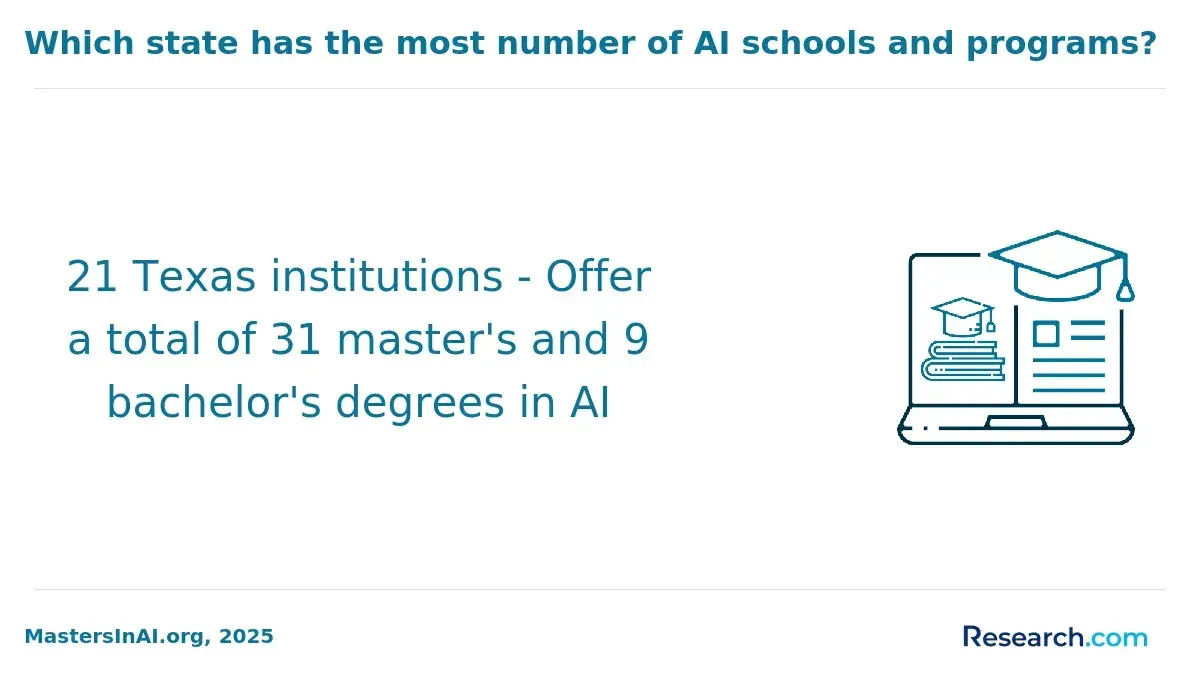
U.S. educational offerings for ai agent certification programs in the U.S. cover a broad spectrum, from short-term certificates to full degree programs. Short courses typically last a few weeks or months and target practical skills such as automating back-office workflows with AI tools. These programs are commonly available through community colleges, online platforms, and professional training providers, designed for working professionals seeking immediate upskilling. They often focus on real-world applications like invoice processing and customer data management.
Associate and bachelor's degrees in fields like data science, information systems, or business analytics now commonly feature specialized AI agent modules. These programs blend technical knowledge with operational understanding, preparing graduates to implement AI-driven automation within internal operations.
Graduate education includes master's degrees in artificial intelligence or operations research, which emphasize theoretical depth and advanced applications, such as custom AI agent development for complex workflows. Many business schools offer MBA concentrations that highlight AI-enabled operational efficiency, equipping leaders to apply AI strategies effectively.
The growing demand for these programs is supported by McKinsey's research, revealing productivity gains of 20-30% and cost reductions of 5-15% through AI automation. Students pursuing u.s. artificial intelligence degree options for internal operations should seek programs with hands-on projects and demonstrable ROI to enhance career prospects. Those interested in advanced study can explore a data science master online to further deepen their expertise.
How do online AI agent courses compare with campus-based programs for internal operations?
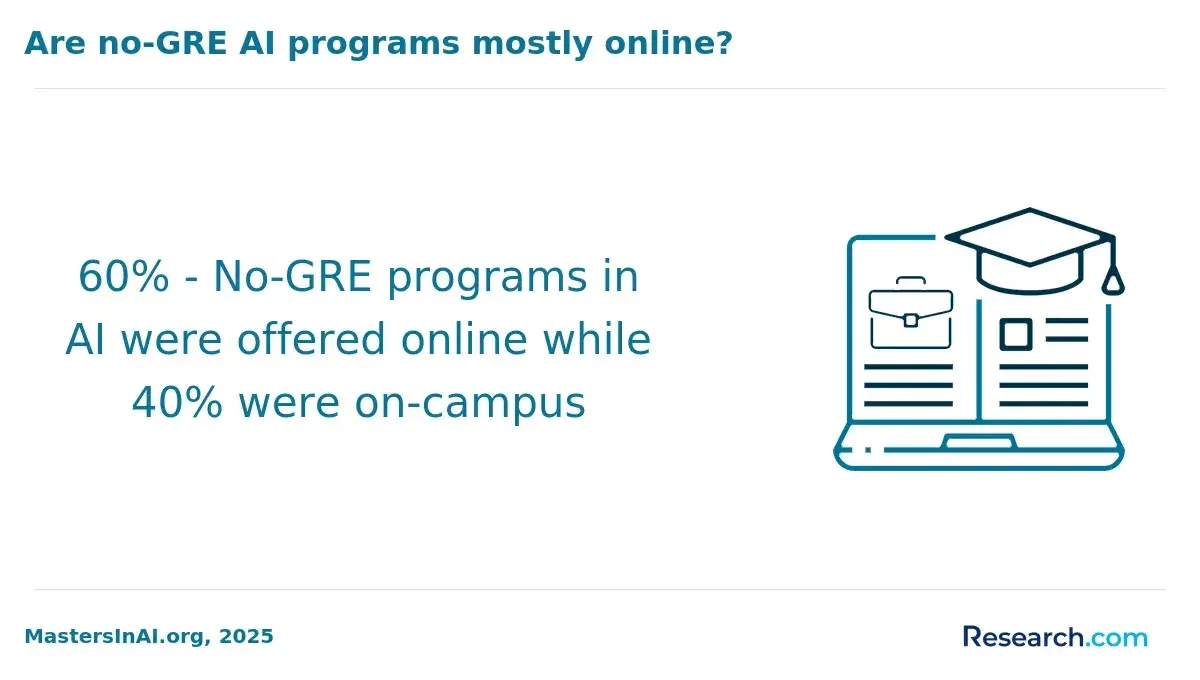
Online AI agent courses provide flexible, accessible options tailored for working professionals and students managing multiple responsibilities. These programs emphasize current, practical applications in internal operations such as compliance monitoring and risk management. In contrast, campus programs offer a structured environment with in-person faculty support, peer interaction, and hands-on labs essential for mastering complex AI tools.
Cost considerations make online artificial intelligence agent training particularly attractive for internal teams. Tuition is typically lower, and there are no commuting expenses, reducing financial barriers. Online courses also tend to update their curricula regularly, reflecting industry trends that highlight AI agents' effectiveness in decreasing compliance-related incidents by up to 30% and lowering monitoring costs by 20-25%, as noted in Accenture's Banking Risk Study.
Campus-based programs often excel in networking opportunities and provide access to institutional resources, including career placement and research projects. Students aiming for roles in sectors like banking or healthcare may benefit from campus internships and projects simulating real compliance challenges. These factors influence the choice between online and campus pathways when considering online ai agent courses versus campus programs for internal operations.
Prospective learners should balance their preferred learning style, mentorship needs, and budget. Those seeking affordable, flexible training targeting immediate application may explore an online cyber security degree for veterans as a comparable example of accessible, practical education options.
What should you look for in accreditation and institutional quality for AI agent programs?
Accreditation by recognized bodies like ABET or regional accreditors such as the Middle States Commission on Higher Education is essential when choosing AI agent programs for internal operations. This ensures the curriculum aligns with industry and academic standards, bolstering both program rigor and employer recognition. Prefer institutions with a strong reputation in technology and AI education, often established universities or specialized technical institutes, as they provide updated resources and expert faculty.
Programs demonstrating measurable workforce impact are particularly valuable. For example, Amazon's 2025 Workplace Learning Report notes companies investing in AI upskilling saw a 15% increase in employee productivity and 21% growth in internal mobility over two years. Affiliation with such practical initiatives signals relevant and applied knowledge.
Look for programs with practical components, such as real-world projects, internships, or partnerships with AI-driven companies to gain essential hands-on experience. It's also important that curricula address ethical considerations and AI governance-an increasing priority in enterprise adoption.
Faculty with both academic credentials and industry experience can effectively connect theory and practice. Flexible delivery models, including online and hybrid options, provide convenience for working professionals. Additionally, programs supporting professional certification preparation can enhance your credential value. Finally, clarify credit transfer policies and career alignment to maximize your educational investment.
What core skills and coursework do the best AI agent operations programs typically cover?
Top programs for AI agent operations focus on essential skills that enable students to design, deploy, and manage intelligent agents within organizational workflows. Coursework covers machine learning fundamentals, including both supervised and unsupervised methods, which are vital for automating tasks and enhancing decision-making. Mastery of natural language processing (NLP) equips agents to interpret unstructured data, a key capability in customer service and cybersecurity contexts.
Programming knowledge, especially in Python and its AI libraries, is crucial for implementing models and integrating agents with IT systems. Data management courses teach sourcing, cleaning, and utilizing large datasets that drive agent learning. Cloud computing skills support scalable deployment and monitoring across diverse environments. Security and ethics studies address protection of sensitive data and regulatory compliance. As IBM's 2024 Cost of a Data Breach report highlights, organizations leveraging AI and automation in security can reduce breach lifecycles by over 100 days and save nearly $1.8 million per incident.
Practical training often includes workflow automation, AI agent lifecycle management, and performance evaluation, preparing graduates to improve operational efficiency and minimize errors. Case studies typically explore AI agent applications in finance, supply chains, and IT service management, offering real-world insights.
- Machine learning and NLP essentials
- Python programming and AI libraries
- Data management and cloud platform skills
- Security, ethics, and compliance training
- Workflow automation and agent lifecycle management
What are typical admission requirements and prerequisites for AI agent operations training?
Admission to AI agent operations training generally requires foundational skills in programming languages such as Python or JavaScript, alongside knowledge of data structures and algorithms. Candidates are often expected to have a basic grasp of machine learning concepts, demonstrated through coursework or professional experience. Many programs prefer applicants with a bachelor's degree in computer science, IT, engineering, or related fields, though robust industry certifications or portfolio projects can sometimes substitute.
Essential prerequisites also include competence in data analytics and statistics, helping trainees analyze datasets that improve AI operational workflows. Completion of introductory AI or automation courses is common to prepare candidates for more advanced material. Specialized tracks, like those focused on HR and people operations agents, benefit from business process and human resource management knowledge, reflecting AI's interdisciplinary applications.
Employers and institutions value problem-solving skills and hands-on experience with AI platforms. Some advanced courses require project submissions or evidence of familiarity with conversational AI frameworks, automation tools, or natural language processing basics. Admissions may incorporate technical interviews or exams testing logical reasoning and coding abilities.
According to Deloitte's 2024 Global Human Capital Trends report, companies integrating AI agents have cut time-to-fill roles by 30-40% and reduced recruiting costs by up to 25%, highlighting the importance of qualified personnel who can manage internal AI systems effectively.
How long do AI agent programs take, and what tuition and total costs should you expect?
AI agent programs vary in length from about 6 weeks to 6 months, tailored to the learner's goals and specialization. Short courses around 6 to 12 weeks focus on foundational skills and practical tools, suitable for professionals seeking rapid upskilling. Longer programs, lasting 4 to 6 months, often delve into advanced machine learning techniques, project work, and practical integration into operations such as finance and procurement automation.
Tuition fees depend on the provider and course depth. Entry-level certificate programs typically cost between $1,000 and $3,000. More advanced or part-time bootcamp-style courses usually range from $3,000 to $7,000, while university-affiliated or specialized corporate training can exceed $10,000. Additional costs may include software subscriptions, hardware, and certification fees.
Investing in these programs is justified by proven operational benefits. According to PwC's 2024 Finance Effectiveness Benchmarking study, finance teams using AI-driven automation reduce costs by 36% relative to peers with less automation. This efficiency boost supports a strong return on investment in AI education.
Prospective students should consider their career ambitions and time constraints. Professionals targeting leadership in AI adoption for finance or procurement benefit from intensive, longer courses. Beginners or those exploring the field may find shorter, affordable courses more accessible for building essential skills quickly.
What job roles, salary ranges, and advancement paths follow AI agent operations training?
Training in AI agent operations equips professionals for roles like AI support specialist, virtual agent coordinator, internal service desk analyst, and process automation technician. These jobs focus on managing AI-powered tools that enhance internal workflows such as customer support and IT service desks.
Salaries typically range from $55,000 to $95,000 for entry to mid-level positions. Senior roles, including AI operations managers or automation architects, can earn over $120,000 annually. Specialized certifications and practical experience with AI agent platforms can significantly boost earning potential.
Career growth often starts with hands-on operational roles. From there, progression may lead to strategic positions involving AI integration, process optimization, or project management. For instance, a virtual agent coordinator might advance to lead AI-driven customer experience teams or become an AI transformation consultant.
Practical skills in AI operations are crucial for reducing support costs and improving efficiency. According to Gartner's 2024 Service & Support survey, organizations employing AI-powered virtual agents reduced ticket handling time by 30% and increased self-service resolution rates by up to 40%. This trend is driving demand for professionals skilled in optimizing AI systems.
Graduates should focus on programs offering hands-on experience with chatbot technology, natural language processing, and AI integration within enterprise workflows. Mastering AI performance analysis and troubleshooting supports career advancement toward roles in AI governance and digital transformation.
Are there industry-recognized certifications for AI agents in operations, and are they necessary?
Certifications in AI agents for operations exist and serve as validation of specialized skills in AI, machine learning, automation, and operational integration, but they are not mandatory for career advancement across all employers. Leading technology providers such as Microsoft and Google offer recognized credentials like Azure AI certifications and the Professional Machine Learning Engineer credential, which demonstrate technical proficiency. These certifications help employers evaluate candidates for AI-driven process optimization or automation management roles quickly.
However, the requirement for certifications varies by employer and specific job roles. Many organizations emphasize practical experience and measurable project outcomes over formal certificates, especially in the rapidly changing AI field. Despite this, certifications can enhance credibility, notably for recent graduates or those transitioning into AI-focused operational roles.
When choosing a certification, it is important to consider:
- How well it aligns with your career goals, whether in AI development, deployment, or operations management
- The level of recognition by industry leaders or professional associations
- Inclusion of practical elements like case studies or operational simulations
According to Coursera's Global Skills Report, learners who complete AI, machine learning, and automation specializations are 43% more likely to see positive career outcomes within six months. This statistic highlights the benefits of comprehensive, recognized programs combining skill development and certification for advancing careers involving AI.
Certifications indicate verified skills but must be paired with continuous learning and applied knowledge to stay competitive in AI roles within operations.
Other Things You Should Know About Artificial Intelligence
One of the primary challenges is integrating AI agents with existing legacy systems, which can be complex and costly. Data quality and availability often limit the effectiveness of AI, as poor data leads to inaccurate outputs. Organizations must also address concerns related to security, privacy, and ethical use to ensure AI systems comply with legal and regulatory standards.
Artificial intelligence enhances decision-making by providing data-driven insights and predictions, enabling faster and more accurate choices. AI agents can analyze vast amounts of data from various sources to identify patterns humans might miss. This capability supports strategic planning, risk management, and operational efficiencies across departments.
The best AI agent courses in 2027 focus on equipping professionals with practical skills in automation, data analysis, and AI ethics. These courses emphasize real-world applications, ensuring a comprehensive understanding of how AI can optimize and streamline internal operations efficiently.
AI agents can automate repetitive and routine tasks, improving efficiency but not fully replacing human roles. Many tasks require critical thinking, emotional intelligence, and complex problem-solving, which AI cannot replicate. Instead, AI acts as a tool to augment human capabilities, allowing staff to focus on higher-level work.
References
- AI Agent Cost-Based Pricing | Nevermined https://nevermined.ai/blog/ai-agent-cost-based-pricing
- AI Agents Training in the UAE https://www.nobleprog.ae/ai-agents-training
- Quality Assurance with AI and Automation: The Prospects for Educational Assessment https://www.ieac.org.uk/40-Quality-Assurance-with-AI-and-Automation-The-Prospects-for-Educational-Assessment-blog.php
- AI career pathways explained practical guide for engineers https://zenvanriel.com/ai-engineer-blog/ai-career-pathways-practical-guide-engineers-2026/
- Cost Guide: Agentic AI Deployment – Pricing and Planning https://www.gravitee.io/blog/cost-guide-agentic-ai-deployment-pricing-and-planning
- What are AI agents and why they matter for IT professionals - K2 University https://k2university.com/news/what-are-ai-agents-and-why-they-matter-for-it-professionals/
- How to Launch an AI Agent Training Program for Your Team https://www.mindstudio.ai/blog/launch-ai-agent-training-program-team
- AI Automation and AI Agents: A Business Guide https://bhcourses.com/ai-hub/ai-automation-agents
- AI Agent Development Cost in 2026 [+Team Calculator] https://softteco.com/blog/ai-agent-development-cost
- AI Agents in Career Pathing & Mobility for Workforce Training: Complete Guide 2025 | Digiqt Blog https://digiqt.com/blog/ai-agents-in-career-pathing-&-mobility-for-workforce-training/