2027 Best Columbia Online AI Courses for AI Governance

Co-Founder and Chief Data Scientist
As AI technologies rapidly advance, organizations face mounting challenges in ensuring responsible and ethical implementation. Professionals from unrelated fields often struggle to find credible, flexible education pathways that cover AI governance comprehensively. These knowledge gaps can hinder career transitions into critical roles overseeing AI compliance, fairness, and security.
This article explores the best Columbia online AI courses designed to equip learners with practical governance skills. It aims to guide prospective students and working professionals toward accredited programs that balance technical understanding with policy and ethical frameworks, enabling a confident pivot into the AI industry's governance sector.
Key Things You Should Know
- Columbia's 2026 online AI courses in governance combine ethics, policy, and technical foundations to prepare professionals for emerging regulatory demands in AI systems.
- These courses reflect 2024-2025 research trends emphasizing transparency, bias mitigation, and accountability, aligning with evolving U.S. federal AI oversight frameworks.
- Graduates benefit from Columbia's extensive network and interdisciplinary faculty, enhancing career prospects in tech policy, compliance, and AI ethics sectors.
Advance Your Career with AI Online Courses
Artificial Intelligence: Implications for Business Strategy
This program provides an introduction to Artificial Intelligence and their implications for business strategy. Earn an official digital certificate.

Oxford Artificial Intelligence Programme
Explore this Oxford Artificial Intelligence programme offered in a flexible learning environment and explore topics like machine learning, automation, and robotics.

Implementing Agentic AI: Building Your Organizational Playbook
This online MIT Agentic AI course offers a practical approach to deploying AI agents in your organization, including a custom playbook. 3 weeks, exclusive launch price.

AI Adoption: Driving Business Value and Impact
This online MIT AI Adoption: Driving Business Value and Impact offers practical frameworks to close the gap between AI potential and business reality.

Artificial Intelligence in Pharma and Biotech
Discover the applications and limitations of artificial intelligence in pharma and biotech with this MIT online short course.

What are the best Columbia online AI courses focused on AI governance today?
Columbia's online AI governance courses provide comprehensive training in ethical frameworks, policy development, and regulatory challenges associated with artificial intelligence. Among the top Columbia online AI governance training programs is the "AI Ethics and Governance" series from Columbia Engineering, which addresses bias mitigation, transparency, and risk assessment in AI systems. Another notable offering, "Responsible AI Development," prepares students to comply with emerging laws and international standards, targeting roles in policy and oversight.
The curriculum also includes specialized modules on the societal impacts of AI, focusing on algorithmic fairness and accountability. These courses integrate practical case studies from sectors like healthcare and finance, allowing learners to experience AI governance challenges through scenario-based exercises and projects. This hands-on approach helps students develop skills critical for managing AI's societal risks and stakeholder engagement.
Ranked #6 globally in Artificial Intelligence research influence by SCImago Institutions Rankings, Columbia University ensures its courses are informed by leading research and expert faculty, appealing to professionals seeking policy advisory roles and graduates aiming to lead ethical AI initiatives. Prospective students exploring one of the best Columbia online artificial intelligence courses for AI governance may also consider factors such as program affordability and global recognition.
Those interested in evaluating program options can refer to the data science master program ranking for insights on affordability and quality across the USA.
Advance Your Career with AI Online Courses
Artificial Intelligence: Implications for Business Strategy
This program provides an introduction to Artificial Intelligence and their implications for business strategy. Earn an official digital certificate.
Oxford Artificial Intelligence Programme
Explore this Oxford Artificial Intelligence programme offered in a flexible learning environment and explore topics like machine learning, automation, and robotics.
Implementing Agentic AI: Building Your Organizational Playbook
This online MIT Agentic AI course offers a practical approach to deploying AI agents in your organization, including a custom playbook. 3 weeks, exclusive launch price.
How do Columbia's online AI governance offerings compare with similar U.S. programs?
Columbia's online AI governance courses offer a uniquely comprehensive approach compared to top U.S. programs by integrating technical AI methods with governance, policy, and societal impact. This multidisciplinary framework equips students to manage both regulatory complexities and technical challenges concurrently. The program's emphasis on hands-on data science skills alongside ethical and compliance considerations provides a well-rounded education that appeals to diverse learner needs.
With over 100,000 enrollments on edX, Columbia demonstrates a broader reach and higher student engagement than many comparable U.S. offerings, which typically report fewer than 20,000 participants combined. This volume underscores the accessibility and recognition Columbia enjoys in the online AI governance education space.
Students comparing Columbia's online AI governance education in the United States find a balance of theoretical knowledge and applied skills that enhance preparedness for roles in finance, healthcare, and government sectors. This combination contrasts with programs that focus mainly on theory or technical practice alone.
For prospective students seeking affordable pathways in related STEM fields, resources such as the cheapest online mechanical engineering degree programs provide valuable cost-saving insights alongside Columbia's offerings.
What makes Columbia's online AI governance courses reputable and high quality?
Columbia University online AI governance course curriculum is known for its rigorous structure and expert-led instruction from scholars involved in leading policy and ethics research. These trusted online AI governance certification programs focus on critical topics such as risk management, ethical frameworks, regulatory compliance, and transparency, equipping students with tools to navigate real-world AI challenges effectively.
The curriculum emphasizes fairness, accountability, and transparency, reflecting current industry needs as the global AI governance market is expected to grow to $10.5 billion by 2028 with a 33% annual compound growth rate. This data highlights the rising demand for skilled professionals in AI governance, a field that Columbia's offerings directly support.
Case studies and real-world simulations from sectors like finance, healthcare, and public policy enhance practical learning. The flexible online format accommodates working professionals seeking to expand their expertise without disrupting their careers.
Students aiming to enrich their tech education may also find value in a game development online degree, which complements AI knowledge with creative and technical skills.
The combination of Columbia's authoritative guidance and alignment with industry trends makes these programs a solid choice for those pursuing leadership roles in the evolving landscape of AI governance.
What AI governance topics and skills do Columbia's online courses actually cover?
Columbia's online courses in AI governance practical skills emphasize both technical expertise and regulatory knowledge. Core topics include ethical frameworks for AI deployment, risk assessment methodologies, algorithmic transparency, accountability mechanisms, and bias mitigation techniques. These elements ensure students develop a thorough understanding of responsible AI development aligned with evolving global standards.
The curriculum also equips learners with the capability to evaluate AI system impacts on society and design governance models for AI lifecycle management. Courses such as Prompt Engineering teach precise input techniques for tailored large language models (LLMs), reflecting the booming demand for expertise in this area. Notably, Lightcast labor-market data summarized by Time magazine highlights a 1,800% increase in prompt engineering and generative AI job postings between early 2023 and early 2024.
Practical training includes building and managing custom LLMs, applying governance principles directly to AI creation and deployment phases. Case studies on AI failures illustrate governance gaps and solutions, improving readiness for multidisciplinary teamwork among ethicists, engineers, and legal experts.
By addressing dynamic policy environments and balancing innovation with regulation, Columbia's offerings provide a solid foundation for careers in policy development, compliance auditing, and ethical AI strategy. Students interested in complementing this expertise may also consider an accelerated cyber security degree to broaden their career options.
AI governance frameworks and compliance training in Columbia prepare graduates to meet industry needs for well-rounded professionals capable of navigating complex legal and ethical challenges.
Do Columbia's online AI governance courses offer certificates or stack into degrees?
Columbia's online ai governance courses offer certificates that serve as professional credentials for resumes and LinkedIn profiles. These certificates usually come from standalone courses or structured certificate programs tailored for working professionals seeking specialized skills without pursuing a full degree. For instance, the "AI for Business (Columbia Plus)" course grants a professional certificate focusing on business leaders integrating AI into strategic decision-making. This aligns with Gartner's "Top Strategic Technology Trends," which forecasts that by 2025, 80% of enterprises will deploy generative AI models, stressing the demand for certified AI-literate governance professionals.
Some of Columbia's certificate courses can also be applied toward advanced degrees like the Master of Science in Artificial Intelligence or related interdisciplinary programs offered by the engineering and business schools. This system allows learners to stack credits from certificate courses, making it easier to transition from professional development into full degree programs, which is useful for those balancing work and study.
Not all courses automatically transfer credits, so students should check course details carefully. Choosing courses within official certificate or degree pathways ensures credits accumulate rather than resulting in isolated certificates.
What are the admissions requirements and application steps for Columbia's online AI governance options?
Columbia's online ai governance programs typically require applicants to hold a bachelor's degree from an accredited institution, ideally in fields like computer science, engineering, business, or social sciences. Relevant professional experience in technology, risk management, compliance, or policy is often encouraged to strengthen applications. Some programs may also require a minimum GPA, generally around 3.0 on a 4.0 scale, although this varies by specialization.
The application process usually involves submitting official transcripts, a current resume or curriculum vitae, and a statement of purpose outlining your interest in ai governance. Clearly articulating career goals related to ai ethics, compliance, or policy development helps demonstrate alignment with program objectives. Letters of recommendation, typically two or three, are often requested to confirm your readiness for graduate-level work.
Programs linked with Columbia Business School, such as the AI for Business & Finance course created with Wall Street Prep, favor candidates with practical business or finance knowledge. Evidence shows that firms leveraging ai extensively can gain substantial productivity and revenue gains, emphasizing the importance of graduates skilled in governance and strategy.
How much do Columbia's online AI governance courses cost, and is financial aid available?
Columbia's online AI governance certificate programs range from approximately $2,000 to $4,000, depending on the depth and length of study. Shorter professional certificates on platforms such as edX or Coursera generally cost around $2,200, while more extensive specializations offered directly through Columbia Engineering can approach $3,800. These fees include course materials, instructor interaction, and assessments but may vary by provider.
Financial aid is available for many of these AI-related courses, particularly via edX and Coursera, with need-based assistance potentially reducing costs by 50% or more. Professionals should explore employer tuition reimbursement options, as these credentials align well with workplace upskilling trends. Flexible payment plans may also be offered to make the investment more manageable.
Completing online AI and machine-learning certificates has proven career benefits. For instance, Coursera's 2024 Global Skills Report highlights a median salary increase of 21% within three years after certification. This evidence supports viewing program costs as a strategic investment in career growth.
Applicants are advised to confirm current pricing and financial aid deadlines on the course platform before enrolling, as these factors change yearly. Evaluating costs alongside potential salary gains helps ensure informed decisions about pursuing Columbia's AI governance education.
What careers can Columbia online AI governance students pursue, and in which industries?
Students enrolled in Columbia's online AI governance program can prepare for roles such as AI ethicists, policy analysts, compliance officers, AI risk managers, and responsible AI program leads. These positions are essential for organizations integrating ethical frameworks and regulatory standards into their AI systems. Industries actively recruiting for these roles include technology, financial services, healthcare, government agencies, and consulting firms.
For example, tech companies need AI governance professionals to ensure algorithms comply with ethical guidelines and privacy regulations, while financial institutions focus on reducing AI-related risks in credit scoring and fraud detection. The healthcare sector also increasingly values expertise in navigating patient data protection and algorithmic transparency.
Government bodies seek specialists to develop policies and compliance guidelines reflecting emerging AI legislation. Consulting firms employ experts to advise clients on responsible AI adoption and accountability frameworks.
Key career pathways include bias mitigation, data privacy compliance, and AI ethics training within organizations. Graduates often advance to leadership roles overseeing cross-disciplinary teams combining legal, technical, and policy expertise to implement responsible AI strategies effectively.
LinkedIn's 2025 Future of Work Report highlights that job postings requiring "AI governance" or "responsible AI" skills grew over 250% globally from early 2023 to 2025. This growth surpasses similar programs like Georgetown and UMBC, indicating strong market alignment for Columbia's offerings in this field.
What salary ranges and job growth can AI governance professionals educated at Columbia expect?
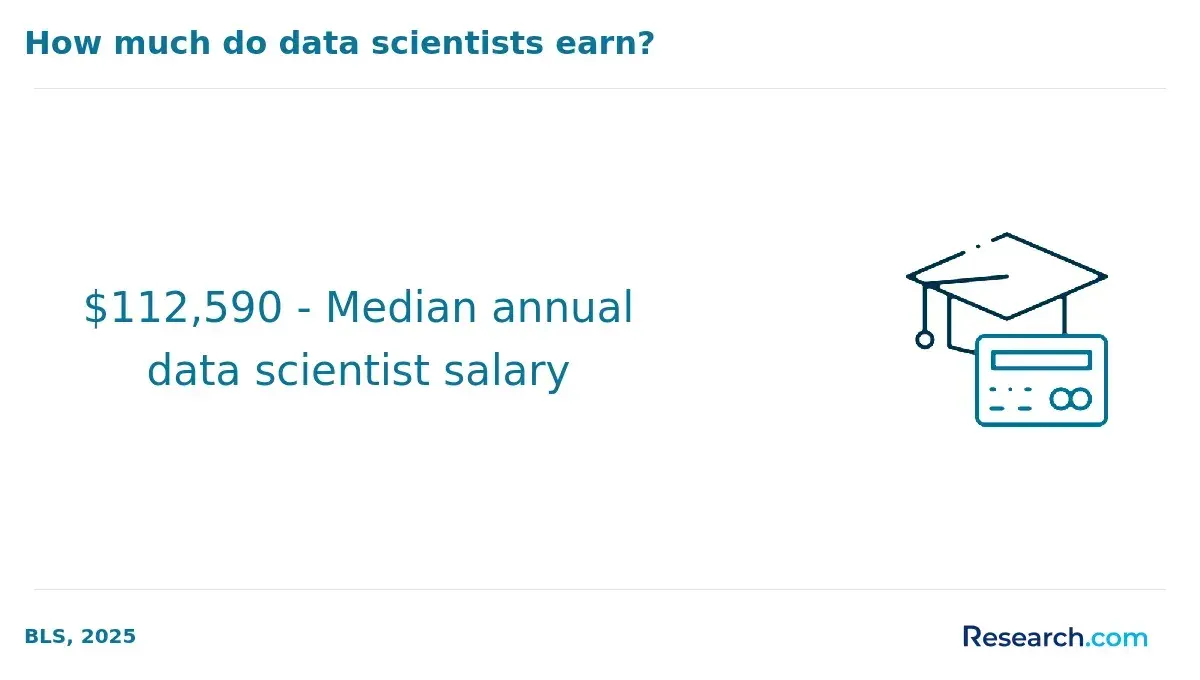
AI governance professionals educated at Columbia can anticipate salaries ranging from $90,000 to $160,000 annually, varying by experience and role. Entry-level jobs, like AI compliance analysts and junior policy advisors, start near $90,000. Mid-level experts who manage AI ethics programs or regulatory compliance typically earn between $120,000 and $140,000. Senior roles, such as AI governance managers or directors responsible for AI strategy and risk mitigation, often command salaries above $150,000.
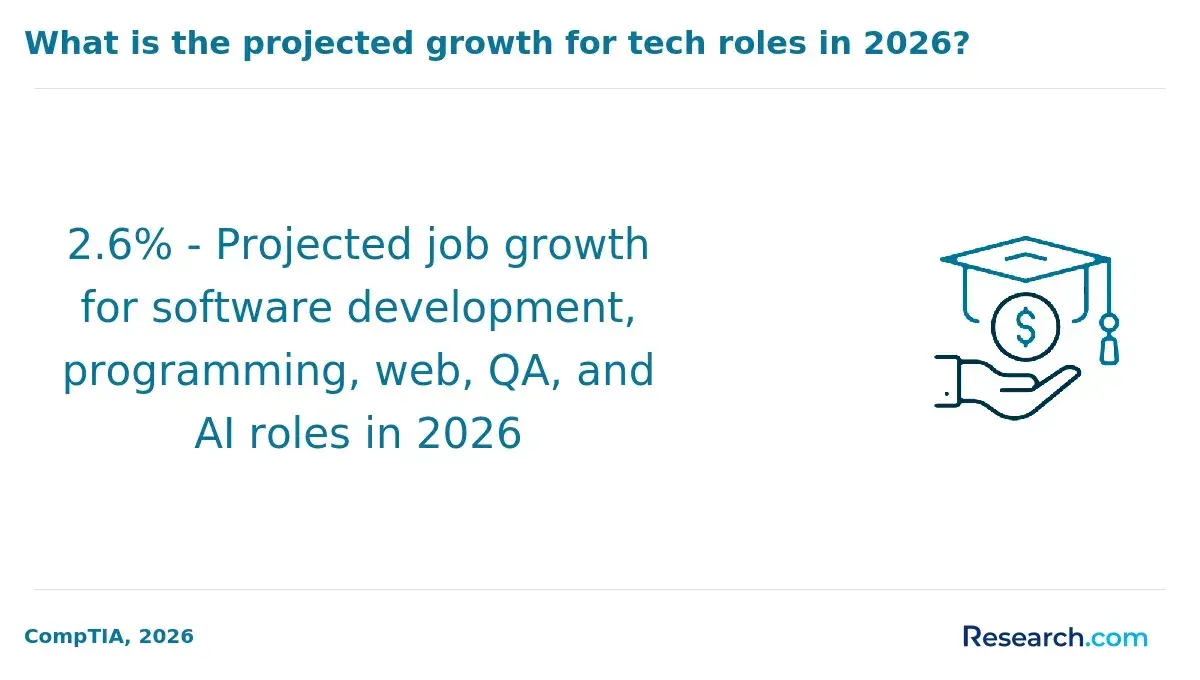
Job growth in AI governance is projected to be strong, with the U.S. Bureau of Labor Statistics predicting over 15% growth in technology policy, compliance, and AI ethics roles within the next decade. This demand is fueled by increasing legislative oversight and corporate investment in responsible AI practices.
Professionals with AI governance skills benefit from a significant earnings premium. Analysis of millions of job ads across OECD countries reveals workers with AI expertise earn approximately 21% more than peers without these skills. Columbia-trained candidates with AI governance certificates typically enjoy enhanced job security and higher earning potential.
Careers in AI governance span finance, healthcare, and government sectors, where managing AI risks and compliance is essential. Practical knowledge from Columbia's online courses prepares students to handle complex legal and ethical challenges, making them valuable assets to employers focused on ethical AI deployment.
How should prospective students choose among Columbia's different online AI governance pathways?
Columbia's online AI governance courses cater to varied career goals and experience levels. Beginners benefit from foundational content covering core ethics and regulatory frameworks, while seasoned professionals gain from advanced modules focused on compliance, risk management, and practical governance strategies for enterprise settings.
Flexible course formats accommodate different commitments. Self-paced options suit those balancing full-time work, whereas cohort-based programs provide peer interaction and direct faculty engagement. Specializations in AI transparency, bias mitigation, and international governance offer tailored paths aligned with industry or policy interests.
A significant survey by IBM found that 75% of global executives plan to prioritize hiring or upskilling in AI governance and ethics skills within two years. This underscores the urgent demand for expertise in legal compliance, ethical deployment, and accountability frameworks, guiding students to choose rigorous programs addressing these competencies.
Cost considerations and credential recognition are also crucial. Programs connected with Columbia's Data Science or Public Policy departments may enhance employability by providing interdisciplinary credentials and potential continuing education credits.
Other Things You Should Know About Artificial Intelligence
In 2027, Columbia University offers top online courses for AI governance, such as "AI Governance and Ethics," focusing on policy frameworks and ethical practices, and "AI in Public Policy," designed to build governance skills in the context of AI applications.
Artificial intelligence often processes vast amounts of personal data, raising risks related to unauthorized access and misuse. AI systems can infer sensitive information that users may not have disclosed, which challenges traditional data protection methods. Ensuring robust data privacy involves implementing strict security protocols and compliance with regulations like GDPR.
No AI system can be completely free from bias because they learn from historical data that may contain inherent prejudices. Developers must actively identify and mitigate bias through diverse datasets, fairness-aware algorithms, and continuous evaluation to reduce discriminatory outcomes. Transparency around data sources and decision logic is also essential.
Explainability refers to the ability to understand and interpret how AI systems make decisions. It is crucial for accountability and trust, especially in high-stakes applications like healthcare or legal settings. Effective AI governance frameworks promote explainability to ensure stakeholders can evaluate and challenge AI-driven outcomes.
References
- Online Graduate Admissions | Columbia College https://www.columbiasc.edu/admissions/how-apply/online-graduate-admissions
- Columbia University AI Policy for Admissions https://gradpilot.com/ai-policies/columbia-university
- Online Courses from Columbia University https://www.edx.org/school/columbiax
- 16 Artificial Intelligence Career Paths https://www.calmu.edu/news/artificial-intelligence-career-paths
- Frontier AI Governance Course | BlueDot Impact https://bluedot.org/courses/ai-governance
- AI in Business & Finance Certification Program - Columbia | Advance Your Finance Skills – Enroll Today — The FP&A Guy https://www.thefpandaguy.com/ai-in-business-finance-certification-program-columbia
- Columbia University AI Policy | Trinka AI https://www.trinka.ai/university-ai-policy-repository/columbia-university
- AI Technology, Policy and Governance online course - Diplo Academy https://www.diplomacy.edu/course/ai-tech-policy-governance/
- Top 10 Careers You Can Pursue With an Online Master’s in AI https://www.ucumberlands.edu/blog/careers-you-can-pursue-with-an-online-masters-in-ai