2027 Best AI Strategy Courses for Healthcare Population Health Teams

Co-Founder and Chief Data Scientist
Healthcare population health teams often face challenges in leveraging artificial intelligence to improve patient outcomes due to gaps in specialized knowledge and rapidly evolving technology. Without targeted education, these professionals struggle to integrate AI strategies effectively within complex healthcare systems, limiting innovation and data-driven decisions. The growing demand for adaptable, accredited courses tailored to healthcare applications highlights the need for accessible learning paths that bridge this expertise gap. This article examines the best available AI strategy courses designed specifically for healthcare population health teams, aiming to guide professionals toward practical skills and flexible programs that support successful career transitions into the AI-driven health sector.
Key Things You Should Know
- Top AI strategy courses for healthcare population health teams emphasize real-world data analytics, improving decision-making for patient outcomes and system efficiency.
- Curricula increasingly integrate ethical AI use and data privacy, essential as 74% of U.S. healthcare providers adopt AI tools by 2025.
- Most programs offer interdisciplinary training combining healthcare knowledge with AI skills, reflecting industry demand for professionals versed in both domains.
Advance Your Career with AI Online Courses
Artificial Intelligence: Implications for Business Strategy
This program provides an introduction to Artificial Intelligence and their implications for business strategy. Earn an official digital certificate.

Oxford Artificial Intelligence Programme
Explore this Oxford Artificial Intelligence programme offered in a flexible learning environment and explore topics like machine learning, automation, and robotics.

Implementing Agentic AI: Building Your Organizational Playbook
This online MIT Agentic AI course offers a practical approach to deploying AI agents in your organization, including a custom playbook. 3 weeks, exclusive launch price.

AI Adoption: Driving Business Value and Impact
This online MIT AI Adoption: Driving Business Value and Impact offers practical frameworks to close the gap between AI potential and business reality.

Artificial Intelligence in Pharma and Biotech
Discover the applications and limitations of artificial intelligence in pharma and biotech with this MIT online short course.

What is an AI strategy course for healthcare population health teams and who should take it?
An ai strategy course for healthcare population health teams equips professionals with skills to design, implement, and evaluate AI-driven initiatives that improve patient outcomes and operational efficiency. These courses emphasize integrating AI technologies such as predictive analytics, natural language processing, and machine learning to support data-driven decision-making in population health management. Ethical considerations, data governance, and strategies to address health disparities using AI tools are also explored.
These programs suit healthcare leaders, data scientists, and public health professionals responsible for strategic planning and technology adoption. For instance, clinical managers aiming to reduce hospital readmissions will benefit from understanding AI models' capabilities and limitations. Similarly, data analysts can enhance their expertise in processing complex health data to support targeted interventions. Executives leading digital transformation efforts gain insights to align AI solutions with organizational goals and compliance standards, making this some of the best artificial intelligence training for healthcare population management.
The $3,100 tuition for Harvard Medical School's eight-week online program, AI in Health Care: From Strategies to Implementation, reflects the advanced content tailored for healthcare decision-makers implementing AI solutions. This investment highlights the importance of managing AI projects that balance innovation with regulation and patient privacy.
Prospective students should assess their roles to select courses addressing both technical AI skills and strategic frameworks, focusing on practical applications and case studies. For those seeking accelerated education options, consider a 1 year computer science degree online to complement AI expertise in healthcare.
Advance Your Career with AI Online Courses
Artificial Intelligence: Implications for Business Strategy
This program provides an introduction to Artificial Intelligence and their implications for business strategy. Earn an official digital certificate.
Oxford Artificial Intelligence Programme
Explore this Oxford Artificial Intelligence programme offered in a flexible learning environment and explore topics like machine learning, automation, and robotics.
Implementing Agentic AI: Building Your Organizational Playbook
This online MIT Agentic AI course offers a practical approach to deploying AI agents in your organization, including a custom playbook. 3 weeks, exclusive launch price.
How can AI strategy training improve outcomes in healthcare population health programs?
AI strategy training for healthcare population health teams equips professionals with the skills to leverage data-driven decision-making, improving patient outcomes in complex healthcare programs. Trained teams learn to analyze extensive health data and identify risk patterns, enabling targeted interventions that reduce preventable hospitalizations and chronic disease complications, two leading cost drivers. This impact of ai-driven healthcare programs on patient outcomes is especially evident when AI is used to stratify patient populations, allowing care teams to allocate resources efficiently to high-risk groups.
Training also emphasizes ethical AI use to prevent algorithmic bias in vulnerable populations, ensuring care remains equitable. Professionals develop the ability to interpret AI outputs alongside clinical judgment, which enhances personalized care tailored to community health needs. Additionally, AI strategy training fosters cross-disciplinary collaboration by teaching clear communication of AI concepts to clinicians, administrators, and policymakers, aligning stakeholders on realistic expectations and operational challenges involved in integrating AI tools.
Programs like the European Public Health Association's 12-week pilot course build AI literacy in healthcare settings, accelerating workforce skills improvement and enabling staff to implement AI models confidently while measuring outcome improvements systematically. Practical benefits include better chronic disease management, reduced health disparities through targeted outreach, and optimized resource distribution addressing social determinants of health.
Those interested in expanding their expertise can explore online degrees in AI, which provide flexible pathways to develop the knowledge needed to support innovative healthcare solutions.
What types of AI strategy courses are available for healthcare population health professionals?
AI strategy training programs for healthcare population health teams cover essential topics from foundational AI principles to specialized applications in the healthcare sector. Core courses teach machine learning algorithms, data evaluation, health trend prediction, and resource optimization, equipping professionals to enhance population health management effectively.
Advanced healthcare population health courses on artificial intelligence application focus on incorporating AI tools into clinical workflows and health information systems. These include ambient AI technologies that assist physicians and nurses by securely capturing patient interactions to improve documentation accuracy and reduce administrative tasks.
Ethics, regulatory compliance, and risk management tailored for healthcare settings form critical components of specialized courses. Programs often emphasize developing AI-driven analytics to create predictive models for disease outbreaks, health disparities, and intervention strategies, ensuring responsible and impactful use of AI in public health.
Leadership-focused courses cover strategic AI implementation, including change management, investment analysis, and fostering collaboration between healthcare teams and data scientists. Many programs blend online modules with live application labs, providing practical experience to align with diverse career stages and organizational needs.
Professionals interested in advancing their skills can explore offerings such as masters in data science online, which provide flexible and affordable education pathways for integrating AI expertise in healthcare settings.
How do online AI strategy programs compare with campus-based options for healthcare teams?
Online ai strategy courses for healthcare teams offer flexibility and accessibility that campus-based ai training programs for population health may lack. These online options often include asynchronous modules, enabling teams to learn at their own pace and revisit complex topics when needed. This makes them ideal for busy healthcare professionals balancing demanding schedules. In contrast, campus-based programs provide in-person workshops, direct interaction with faculty, and collaborative experiences that enhance networking and hands-on learning. Such settings are valuable for mastering interdisciplinary communication and strategic decision-making in AI implementation.
With rising demand for AI leadership skills in healthcare, institutions like Roche emphasize executive AI healthcare courses that focus on practical adoption rather than just theoretical knowledge. Many online programs now integrate real-world projects to bridge the gap between online and in-person learning outcomes.
Prospective students should evaluate programs based on:
- Availability of real-world case studies and capstone projects.
- Opportunities for synchronous collaboration or mentorship.
- Recognition of the credential by healthcare employers.
- Specific focus areas such as AI ethics, regulatory compliance, or data analytics.
Choosing between online and campus-based training depends on the need for flexibility versus immersive experience, and on how directly the program supports translating AI strategy into healthcare operations. For those interested in a swift career pivot, the fastest way to get a cybersecurity degree online can offer useful insights on accelerated pathways.
What accreditation and institutional quality standards matter for AI strategy courses in healthcare?
Accreditation and institutional quality are crucial factors that shape the credibility of AI strategy courses in healthcare. Programs should be offered by institutions accredited by recognized agencies such as the Middle States Commission on Higher Education (MSCHE) or the Higher Learning Commission (HLC), ensuring adherence to rigorous academic and operational standards. For healthcare population health teams, alignment with healthcare-specific accrediting bodies or partnerships with established medical schools enhances the program's relevance.
Institutional reputation also impacts course quality significantly. Programs from top-tier universities or dedicated healthcare institutions typically feature curricula rooted in both AI technology and clinical practice. For example, the Johns Hopkins University AI Certificate Program for Healthcare Professionals offers a structured AI upskilling pathway tailored specifically for clinical and operational healthcare settings. This highlights not only strong institutional support but also applied learning suited to healthcare workflows.
Prospective students should verify the curriculum includes current regulatory guidance, ethical considerations, and practical applications in population health management. Content quality is demonstrated through experienced faculty, real-world case studies, and integration with existing healthcare data systems.
Key questions to evaluate include:
- Is the institution regionally accredited by a recognized agency?
- Does the course provide healthcare-focused AI training?
- Are faculty members experienced clinicians or AI experts in healthcare?
- Does the program involve clinical validation or partnerships with healthcare providers?
- Is there a clear pathway for professional certification or continuing education credits?
What core topics and skills are covered in AI strategy curricula for population health teams?
AI strategy curricula equip population health teams with essential skills to design, implement, and assess AI-driven health initiatives. Core topics include data analytics fundamentals like epidemiological data interpretation and predictive modeling, which help professionals grasp population health trends effectively.
Technical training covers machine learning algorithms, natural language processing (NLP), and data integration methods, enabling the management of diverse data sources such as electronic health records and social determinants of health. Programs emphasize AI ethics, privacy, and regulatory compliance to address patient data security and bias mitigation challenges.
Strategic decision-making frameworks blend clinical insights with AI data to guide resource allocation and tailor interventions to community-specific needs. Practical case studies and simulations foster skills in deploying AI tools to enhance care coordination, risk stratification, and improve outcomes on a population level.
Many courses balance theory with hands-on experience using AI platforms and programming languages such as Python and R, reflecting the demand for both technical proficiency and strategic oversight. Training often includes AI governance and change management to strengthen organizational readiness and stakeholder engagement.
Notably, workforce demand for AI upskilling continues to grow, with best course roundups highlighting widespread pressure across health roles to acquire these competencies, underscoring the critical value of comprehensive AI curricula.
What are typical admission requirements, program length, and costs for these AI strategy courses?
Admission to AI strategy courses for healthcare population health teams generally requires a bachelor's degree in health sciences, public health, computer science, or related fields. Applicants often need foundational skills in data analytics, statistics, or programming, with some programs asking for two to five years of professional healthcare or public health experience. Competitive programs may also require letters of recommendation, a statement of purpose, and occasionally GRE scores, although standardized tests are becoming less common.
Program durations vary, from short certificate courses lasting 3 to 6 months, ideal for working professionals seeking targeted skills, to more comprehensive graduate certificates or master's degrees spanning 9 months to 2 years. These longer programs frequently include capstone projects or internships to enhance practical learning. Flexible formats like part-time and online options are widely available to accommodate busy schedules.
Costs reflect program length and institution type. Certificate programs usually range from $2,000 to $7,000, while graduate degrees may exceed $30,000 depending on residency and university prestige. Many candidates rely on financial aid, employer sponsorship, or scholarships. This investment aligns with growing emphasis on AI governance, ethics, and workforce readiness, key topics in the Artificial Intelligence in Public Health report highlighting AI strategy as essential training for population health teams.
What career paths and job roles can AI strategy training open in healthcare population health?
AI strategy training in healthcare population health creates career opportunities in multiple high-impact roles focused on improving health outcomes through data-driven methods. Graduates often become AI program managers who design and oversee AI initiatives within health systems, converting complex AI capabilities into actionable strategies that enhance population health management and cut costs. Healthcare data scientists apply machine learning to large datasets, identifying risk patterns and optimizing resources to support preventive care and chronic disease management.
Clinical informaticists trained in AI integrate AI tools into electronic health records and clinical workflows to improve decision-making processes. Population health analysts use AI to monitor community health trends, enabling targeted interventions and informed policy adjustments. Professionals in these roles must understand AI ethics to address bias and promote equitable healthcare delivery. Policy advisors with AI expertise help shape regulations that balance innovation with patient safety.
The market demand for AI-trained healthcare professionals is growing, as highlighted in the 11 Best Digital Health & AI Courses for Healthcare Leaders in 2026. These courses prepare experts to solve challenges like data interoperability and AI algorithm explainability. AI strategy specialists also provide consulting services that emphasize return on investment and patient-centered outcomes during healthcare organizations' digital transformation efforts.
What salary ranges and job outlook can AI-literate population health professionals expect?
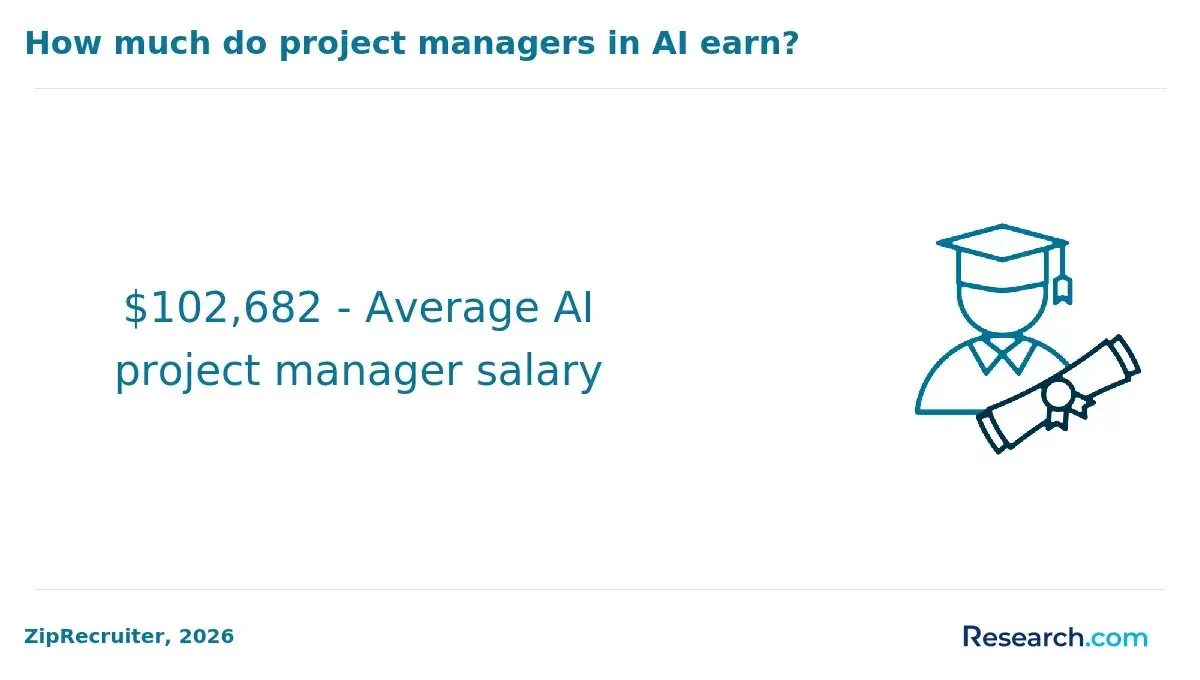
AI-literate population health professionals in the U.S. can expect salaries ranging from $80,000 to $150,000 annually, depending on experience and role. Entry-level jobs like data analysts or clinical informatics coordinators start near $80,000, while mid-career roles such as AI implementation specialists and health data scientists earn between $110,000 and $130,000. Senior roles, including AI strategy managers and directors, often reach $140,000 to $150,000 or more.
The demand for AI expertise in healthcare is growing rapidly. According to the Bureau of Labor Statistics, healthcare data science and analytics roles are expected to grow by 16% through 2030, reflecting a fast-growing need as AI moves from pilot programs to core strategies. Employers value professionals who can translate AI tools into actionable insights to improve patient outcomes and optimize resources.
Certifications in AI for healthcare are becoming essential, as this training shifts from specialized to mainstream education. Prospective candidates with formal AI credentials have a competitive advantage in hiring and career advancement.
Regional and sector differences affect compensation. Urban health systems and specialized agencies typically offer higher salaries. Building skills in machine learning, natural language processing, and AI ethics alongside population health analytics enhances career prospects and aligns professionals with evolving healthcare demands.
How can healthcare leaders choose the best AI strategy course for their population health team?
Choosing the right AI strategy course for a population health team requires programs that combine governance, ethical principles, and hands-on skills. Prioritizing courses aligned with federal guidelines such as HHS's AI Strategy v3 ensures the training supports responsible AI adoption across healthcare systems.
Important factors to look for include:
- A curriculum covering AI governance, risk management, and compliance consistent with federal expectations.
- Use cases focused on population health, like predictive analytics for disease management and resource allocation.
- Clear goals related to enhancing team skills in data interpretation and AI-driven decision-making.
- Experienced faculty with healthcare AI expertise and real-world project experience.
- Hands-on modules utilizing authentic datasets or case studies that reflect population health challenges.
- Flexible formats, including on-demand and live sessions, to fit varied learning preferences and schedules.
Verify if courses provide measurable certification or continuing education credits to boost team credibility in AI roles. Reviews from healthcare professionals can offer insight into real organizational impact. Budget considerations are crucial; investing in comprehensive programs balancing cost and depth reduces ineffective training risks. Endorsements from recognized health agencies or academic partnerships can add legitimacy.
Ultimately, the best course matches the population health team's goals, regulatory compliance needs, and technical readiness, fostering responsible AI adoption as emphasized in the HHS AI Strategy v3.
Other Things You Should Know About Artificial Intelligence
In 2027, artificial intelligence modernizes healthcare by enhancing data analysis and decision-making processes. It streamlines tasks, predicts health trends, and optimizes resource allocation, enabling teams to focus more on strategic initiatives and patient care improvements.
Artificial intelligence enhances patient data management by improving data integration, analysis, and predictive capabilities. AI tools can efficiently process large datasets, identify patterns, and generate actionable insights, enabling better targeting of interventions. However, maintaining data accuracy and safeguarding sensitive information remain ongoing challenges.
The primary challenges include interoperability with legacy systems, data quality, and workforce readiness. Integrating AI requires compatible technology infrastructure and skilled personnel capable of interpreting AI outputs. Additionally, organizational change management is vital to ensure smooth adoption and sustained use of AI tools in clinical workflows.
Artificial intelligence is designed to augment rather than replace healthcare professionals in population health management. AI assists by automating routine tasks and providing data-driven insights, allowing professionals to focus on complex decision-making and patient interaction. Human judgment remains essential for ethical considerations and personalized care delivery.
References
- Use Artificial Intelligence and Machine Learning to ... https://www.infotech.com/research/ss/use-artificial-intelligence-and-machine-learning-to-improve-population-health-outcomes
- What does AI mean for the future of healthcare jobs? https://www.worldhealthexpo.com/insights/medical-technology/what-does-ai-mean-for-the-future-of-healthcare-jobs-
- AI - Artificial Intelligence | London Business School https://www.london.edu/executive-education/ai
- B.Tech in AI Course: Eligibility, Fees, Admission & Career https://manavrachna.edu.in/blog/btech-ai-course-eligibility-fees-admission-career
- Strategic Quality Assurance in Higher Education - OAED Website https://oxfordacademy.org.uk/strategic-quality-assurance-in-higher-education/
- The best AI training courses for doctors and healthcare professionals (2026) https://lecercle.ai/en/blog/meilleures-formations-ia-medecins/
- How Much Does AI Training for Businesses Cost? - Bizzuka https://www.bizzuka.com/how-much-does-ai-training-for-businesses-cost/
- Learning health system strategies in the AI era - npj Health Systems https://www.nature.com/articles/s44401-025-00029-0
- Evaluating the Impact of Institutional Accreditation on Armenian Universities: An AI-Assisted Text Analysis Approach https://www.eua.eu/publications/conference-papers/evaluating-the-impact-of-institutional-accreditation-on-armenian-universities-an-ai-assisted-text-analysis-approach.html
- What do technology and AI mean for the future of work in health care? | The Health Foundation https://www.health.org.uk/reports-and-analysis/briefings/what-do-technology-and-ai-mean-for-the-future-of-work-in-health-care