2027 Best AI Strategy Courses for Inventory Planning Teams

Co-Founder and Chief Data Scientist
Inventory planning teams often face challenges in accurately forecasting demand and optimizing stock levels, leading to costly overstock or stockouts. These issues hinder supply chain efficiency and strain operational budgets. Teams without a strong strategy in artificial intelligence risk missing out on predictive insights that can enhance decision-making and responsiveness.
The growing complexity of global markets demands that professionals upskill to harness AI-driven analytics and modeling techniques. This article explores top courses designed to equip inventory planning teams with practical AI strategies, offering flexible paths to mastery that address these real-world challenges effectively.
Key Things You Should Know
- Top AI strategy courses for inventory planning increasingly integrate machine learning and predictive analytics, improving demand forecasting accuracy by up to 25% according to 2025 supply chain studies.
- Most courses emphasize practical skills in AI tools like TensorFlow and Python, essential for real-world inventory optimization, reflecting a 40% rise in job postings requiring AI proficiency in logistics.
- Flexible online formats dominate offerings, enabling working professionals to gain competitive AI expertise without interrupting careers, aligning with a 2024 report showing 60% growth in remote AI training enrollments.
Advance Your Career with AI Online Courses
Artificial Intelligence: Implications for Business Strategy
This program provides an introduction to Artificial Intelligence and their implications for business strategy. Earn an official digital certificate.

Oxford Artificial Intelligence Programme
Explore this Oxford Artificial Intelligence programme offered in a flexible learning environment and explore topics like machine learning, automation, and robotics.

Implementing Agentic AI: Building Your Organizational Playbook
This online MIT Agentic AI course offers a practical approach to deploying AI agents in your organization, including a custom playbook. 3 weeks, exclusive launch price.

AI Adoption: Driving Business Value and Impact
This online MIT AI Adoption: Driving Business Value and Impact offers practical frameworks to close the gap between AI potential and business reality.

Artificial Intelligence in Pharma and Biotech
Discover the applications and limitations of artificial intelligence in pharma and biotech with this MIT online short course.

What are AI strategy courses for inventory planning teams and who are they best for?
AI strategy courses for inventory planning teams equip professionals with skills to implement and optimize artificial intelligence technologies in supply chain management. These programs focus on predictive analytics, demand forecasting, inventory optimization, and automation of replenishment processes using AI tools.
Participants develop expertise in analyzing large datasets, building machine learning models, and integrating AI-driven insights into daily inventory decisions. Such training also addresses change management and collaboration between IT and operations teams to ensure successful AI adoption.
These courses are ideal for supply chain managers, inventory planners, operations analysts, and IT professionals who want to lead digital transformation projects or improve stock management efficiency. Professionals seeking to reduce carrying costs, minimize stockouts, or enhance service levels benefit most from the best AI training programs for inventory planning professionals.
Retail, manufacturing, and distribution sectors often require AI strategies tailored to their unique inventory challenges. Companies applying AI in supply chain and inventory management experience 15-30% lower inventory levels and 10-20% higher service levels, according to McKinsey & Company's research on AI-enabled supply chains. This highlights how strategic AI adoption drives cost savings and customer satisfaction.
Successful courses balance technical AI skills with practical applications to tackle issues like demand variability and lead time uncertainty. For those interested in expanding their technical background alongside AI strategy, exploring a computer science accelerated degree can provide a strong foundation.
Advance Your Career with AI Online Courses
Artificial Intelligence: Implications for Business Strategy
This program provides an introduction to Artificial Intelligence and their implications for business strategy. Earn an official digital certificate.
Oxford Artificial Intelligence Programme
Explore this Oxford Artificial Intelligence programme offered in a flexible learning environment and explore topics like machine learning, automation, and robotics.
Implementing Agentic AI: Building Your Organizational Playbook
This online MIT Agentic AI course offers a practical approach to deploying AI agents in your organization, including a custom playbook. 3 weeks, exclusive launch price.
How can AI strategy training improve inventory planning, forecasting accuracy, and supply chain KPIs?
AI strategy training enhances inventory planning accuracy by equipping teams with advanced tools to optimize stock levels, minimizing costs from overstocking and shortages. Trainees learn to apply machine learning algorithms that analyze complex data patterns, enabling more accurate demand forecasting. This precision directly improves supply chain KPIs such as order fulfillment rates and inventory turnover.
Organizations see forecast error reductions of 30-50% and revenue boosts of 3-5%, according to McKinsey & Company's analysis. These gains result from training that integrates AI models with historical sales data, seasonality, and external market trends. Scenario analysis tools taught during training help companies adjust inventory plans swiftly in response to supply disruptions, significantly improving supply chain KPIs with AI forecasting techniques.
Effective AI strategy education also addresses challenges like selecting reliable data sources, validating model outputs, and fostering collaboration between inventory managers and data scientists. Such cross-functional alignment reduces errors caused by miscommunication or unsupported assumptions behind forecasting models.
Additionally, coursework covers automated replenishment systems linked to predictive analytics, which accelerate decision-making and reduce human bias. Professionals develop skills to interpret AI-generated insights and integrate them into inventory planning strategies, making operations more adaptive and resilient.
For those interested in pursuing this field, exploring options such as the cheapest online master's in artificial intelligence can provide an accessible entry point to master these essential skills.
What types of AI strategy programs are available for inventory planners, analysts, and managers?
AI strategy programs designed for inventory planners and analysts typically cover foundational concepts such as integrating AI fundamentals with supply chain principles. These courses emphasize predictive analytics, demand forecasting, and inventory optimization algorithms. Many include hands-on experience with machine learning tools to improve real-time replenishment and stock level management.
Specialized certifications often focus on advanced modeling techniques like reinforcement learning and deep learning applied to inventory control. These programs prepare professionals to design adaptive AI systems that respond dynamically to market changes and supply disruptions. This is vital for those exploring inventory management programs using AI strategy.
Leadership and strategy courses target managers overseeing AI implementation within inventory teams. Training includes change management, AI governance, ethical deployment, and aligning AI initiatives with broader business goals. Leaders learn to manage cross-functional teams and integrate AI with ERP systems effectively.
Case study-based learning demonstrates practical impact, with examples of manufacturers reducing inventory-carrying costs by 10-20% and improving fill rates by 5-10% within 12-18 months, according to C3 AI's analyses. Inventory professionals benefit most from programs blending technical AI skills with operational strategies to handle demand variability, multi-echelon complexity, and cost-service trade-offs.
Flexible options include modular courses offered by universities, online platforms, and industry groups, allowing learners to tailor education to their experience and career goals. For those considering broader tech education, exploring an online cybersecurity degree can complement AI strategy skills within supply chain contexts.
Which AI strategy courses for inventory planning are offered by accredited U.S. universities?
Several accredited U.S. universities offer AI strategy courses designed specifically for inventory planning teams, addressing a critical skills gap highlighted by a recent survey. The survey reveals that 61% of supply chain leaders see a lack of in-house AI skills as a major barrier to scaling AI in planning and inventory management. As a result, AI strategy courses offered by accredited US universities are increasingly integrated into supply chain management, operations research, and business analytics programs.
Massachusetts Institute of Technology (MIT) provides a course called Artificial Intelligence: Implications for Business Strategy through its Sloan School of Management. This program focuses on AI-driven decision-making in inventory and supply chain settings, emphasizing predictive analytics and automation strategies.
Carnegie Mellon University (CMU) features AI modules within its Sustainable Operations, Technology, and Management program that utilize machine learning models for demand forecasting and inventory optimization. Meanwhile, the University of Michigan's Ross School of Business offers AI and Data Analytics in Supply Chain Management, covering reinforcement learning for dynamic inventory control and demand sensing technologies.
Other top schools such as Stanford University and the University of California, Berkeley, provide executive education and certificates that merge AI strategy with inventory management principles, real-world use cases, and AI governance. For professionals exploring US university programs for inventory planning with AI strategy, it's important to choose curricula balancing technical AI knowledge and strategic execution.
This approach ensures teams can develop and lead AI initiatives effectively in inventory settings. Those interested in advancing as AI trainers should consider programs offering practical projects, credits, and alignment with supply chain technologies to close the AI talent gap within organizations.
How do online AI strategy courses for inventory planning compare with on-campus options?
Online AI strategy courses for inventory planning offer flexibility and accessibility that traditional on-campus programs often lack. These courses typically allow asynchronous learning, helping busy professionals balance education with full-time work. Many online platforms include interactive simulations and real-world data sets, which support practical, hands-on experience without geographic or scheduling limits.
On-campus courses provide more direct faculty interaction and peer collaboration, which can deepen understanding of complex AI models. However, fixed schedules and the requirement to attend in person can be challenging for working professionals or those living outside major cities.
Online curricula tend to update more rapidly, reflecting the fast pace of AI tools in supply chain management. They often feature modules on machine learning algorithms for demand forecasting and inventory optimization-content sometimes slower to appear in on-campus programs due to administrative cycles.
Mastery of AI and advanced analytics in inventory planning correlates with an 18-25% higher total compensation for U.S. professionals, according to the Association for Supply Chain Management's report. To choose the right program, prospective students should consider curriculum depth, instructor expertise, industry connections, and opportunities for hands-on projects.
What core skills and topics do the best AI strategy courses in inventory planning cover?
Courses focused on AI strategy for inventory planning emphasize skills that improve demand forecasting, inventory optimization, and supply chain resilience. These programs teach advanced machine learning techniques such as regression analysis and time series forecasting, essential for predicting demand shifts accurately. They also cover crucial data management practices needed for collecting, cleaning, and interpreting large datasets to support precise inventory decisions.
Key course topics often include stochastic inventory modeling and optimization methods to balance stock levels with costs effectively. Participants learn practical applications of reinforcement learning and simulation models, allowing inventory strategies to adapt dynamically to evolving market conditions. Integration with ERP systems and cloud-based AI platforms is also covered for seamless real-world implementation.
Risk assessment and scenario analysis modules guide professionals in mitigating supply chain disruptions using AI-driven insights. Ethical concerns, including bias detection in AI models, ensure transparency and fairness in decision-making processes. Collaboration skills training helps inventory planners work effectively alongside data scientists and IT teams for ongoing model improvements.
By 2025, one study forecasts that over 75% of large enterprises will adopt AI applications for demand forecasting and inventory optimization, a significant rise from earlier years. Case studies included in courses illustrate tangible impacts on cost reduction and inventory accuracy across industries, making these programs indispensable for advancing careers in supply chain management.
What are typical admission requirements and prerequisites for AI strategy inventory planning programs?
Admission to AI strategy inventory planning programs usually requires a bachelor's degree in business, supply chain management, data science, engineering, or related fields. Candidates should have foundational knowledge in statistics, operations management, and basic programming, often demonstrated through coursework or professional experience. Advanced courses may also require several years of work experience in inventory planning, demand forecasting, or supply chain analytics.
Proficiency with data analysis tools such as Excel, SQL, or Python is often emphasized. Familiarity with inventory concepts like turnover ratios, safety stock, and demand variability is expected, especially for inventory analyst tracks. Those without a technical background might need to complete preparatory modules on machine learning basics or data manipulation before enrolling fully.
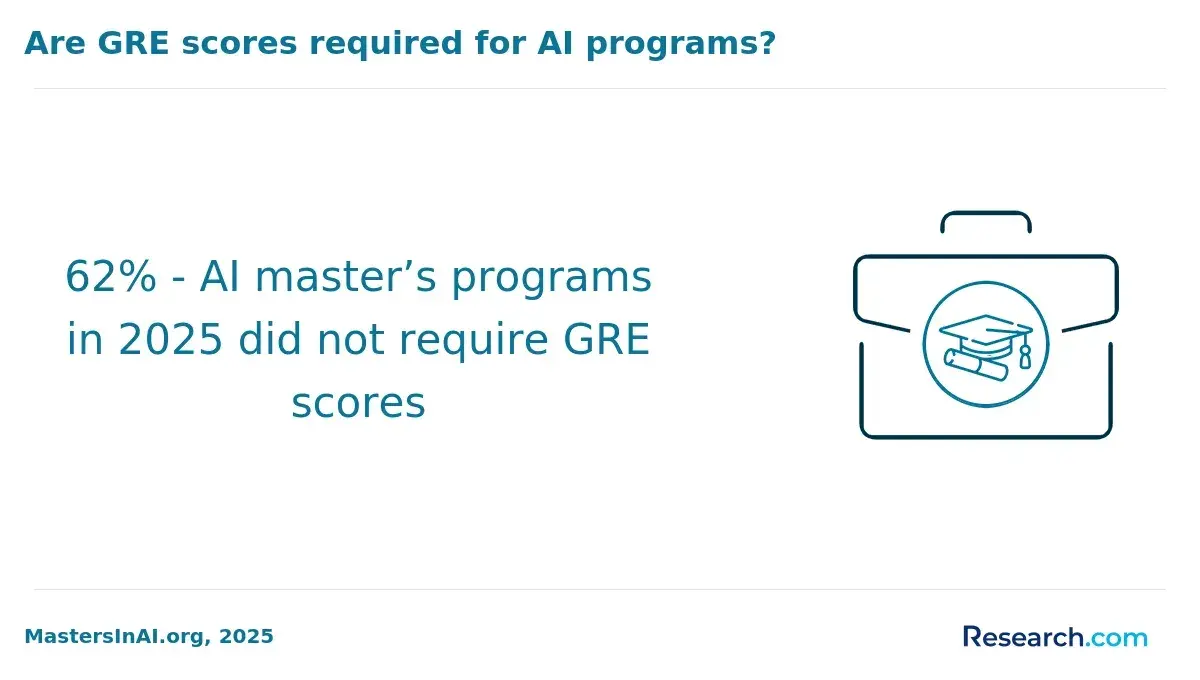
Many programs request a statement of purpose outlining career goals related to AI-augmented inventory planning and how the course supports those goals. Letters of recommendation from supervisors or academic mentors are common for competitive admissions. Standardized tests, like the GRE, are less commonly required but may apply to some graduate-level offerings.
Employers often encourage team enrollments since AI-augmented inventory planning tools can cut manual planning time by 30-50% for demand planners and analysts, according to a 2024 StockIQ Technologies benchmark. This highlights the need for candidates combining strategic inventory expertise with technical analytical skills.
How long do AI strategy courses for inventory planning take, and what do they cost?
AI strategy courses for inventory planning vary from brief workshops to extended certification programs, catering to different learning needs and professional goals. Intensive bootcamps often last 3 to 5 days, ideal for fast skill acquisition and practical application. More comprehensive courses may extend from 4 to 12 weeks, combining foundational AI knowledge with techniques for optimizing inventory management.
Costs depend on course length and provider, with short workshops typically priced between $1,000 and $3,000. Longer certificate programs can range from $4,000 to over $10,000, often including hands-on projects, proprietary tools, and instructor guidance. Customized enterprise training may have negotiable pricing based on organizational requirements.
When selecting a course, consider your team's expertise and objectives. For instance, organizations targeting a 5-10x return on investment with payback under 12 months benefit from programs that balance theory and practical deployment. Shorter courses help identify high-impact AI strategies quickly, while longer ones support sustained proficiency for ongoing inventory challenges.
Key topics to verify include demand forecasting, machine learning models, and integration with inventory systems. Look also for post-training support and case studies demonstrating successful AI-driven inventory management initiatives.
What jobs, careers, and advancement opportunities follow AI strategy training in inventory planning?
Training in artificial intelligence strategy for inventory planning prepares professionals to optimize supply chains through data-driven insights. Careers in this field typically include inventory analyst, supply chain strategist, demand planner, and operations manager, focusing on forecasting accuracy, risk assessment, and inventory buffering. These roles directly affect business continuity and profitability.
Advanced positions often lead digital transformation initiatives or oversee AI integration in procurement and logistics. Advancement is common for those who demonstrate cost reduction and volatility management skills. For example, expertise in AI-based risk sensing helps companies reduce supply chain disruptions. A McKinsey 2024 study highlights companies using AI-driven risk sensing and inventory buffering cut disruption-related lost sales by 20-40% during volatile periods.
This impact enhances career prospects, opening paths to senior roles like supply chain director or chief fulfillment officer. Consulting is another career avenue, with specialists guiding organizations in AI tool selection, predictive analytics integration, and risk mitigation planning. Expertise in AI strategy also paves the way into product management roles for software firms developing supply chain solutions.
Key skills to cultivate include proficiency in machine learning models, ERP and demand planning software, and interpreting AI insights for strategic decisions. Soft skills such as stakeholder communication and change management are essential for successful AI implementation across departments.
How can professionals evaluate and choose a reputable AI strategy course for inventory planning?
Professionals seeking AI strategy courses for inventory planning should focus on content that addresses practical applications like demand forecasting, stockout reduction, and managing excess inventory. Courses that include machine learning models specifically designed for inventory data deliver valuable insights for real-world use.
Accreditation and industry endorsements are key indicators of course quality. Look for programs supported by reputable supply chain or AI education organizations and established platforms with experts experienced in AI-driven inventory optimization.
Course format matters: interactive modules with inventory scenario simulations and hands-on projects outperform purely theoretical lessons. According to LinkedIn Learning, SMBs leveraging AI in inventory management reduce stockouts by up to 35% and excess inventory by approximately 20%, emphasizing the importance of practical experience.
Balance technical training in coding and algorithm development with strategic insights based on your professional role to maximize benefit. Peer reviews, alumni success stories, and flexible scheduling are additional factors that demonstrate impact and adaptability to evolving AI trends.
Focus on courses emphasizing AI applicability to inventory challenges, authoritative endorsements, engaging delivery methods, targeted skill development, and proven outcomes. These points align course selection with professional needs and real-world improvement in inventory workflows.
Other Things You Should Know About Artificial Intelligence
Top AI strategy courses for inventory planning teams in 2027 include "AI for Supply Chain" at MIT, "AI and Machine Learning for Business" at Stanford, and Coursera's "AI for Everyone." These programs focus on leveraging AI to optimize inventory management and forecast demand effectively.
Artificial intelligence enhances demand forecasting by analyzing large datasets and identifying complex patterns that traditional methods may miss. AI models, such as machine learning algorithms, can incorporate real-time data and adjust predictions dynamically to manage uncertainty. This adaptability allows for more accurate inventory levels despite fluctuating market conditions.
Yes, artificial intelligence models can be tailored to address specific inventory planning challenges, such as seasonal demand, perishable goods, or multi-location stock management. Customization involves selecting appropriate algorithms and training them on relevant datasets to reflect unique business processes. This flexibility makes AI suitable for diverse industries and inventory scenarios.
Explainability refers to the ability to understand and interpret how AI systems make decisions in inventory management. It is important because stakeholders need to trust AI-generated recommendations and comply with regulatory standards. Transparent AI models enhance accountability and make it easier for inventory planners to validate and act on AI insights.
References
- Bachelor in Artificial Intelligence for Business Munich https://www.euruni.edu/en/Bachelor-s/Artificial-Intelligence-for-Business-Munich-Bachelor.html
- Certifications > Other Certifications https://www.ipscmi.org/Other_Certifications/CAIPSCM/
- AI In Inventory Management: A Guide - P3 Adaptive https://p3adaptive.com/blog-ai-in-inventory-management/
- AI for Supply Chain Optimization A Practical Guide https://www.redbricklabs.io/blog/ai-for-supply-chain-optimization
- Supply Chain Skills for AI: What Actually Matters in 2026 https://www.scoperecruiting.com/blog/supply-chain-skills-ai
- Certified Predictive Analytics and AI in Inventory Optimization, Demand Planning and Forecasting https://charteredcertifications.com/learning/courses/predictive-analytics-ai
- AI-Driven S&OP https://academy.ikigailabs.io/courses/enhancing-sop-with-ai
- AI Playbook for Inventory Management https://smarterway.ai/resources/ai-playbook-for-inventory-management
- How can I improve supply chain planning processes using AI tools? https://www.invent.ai/blog/how-can-i-improve-supply-chain-planning-processes-using-ai-tools
- Using AI to Maximize Operational Performance https://www.concordusa.com/blog/using-ai-to-maximize-operational-performance