2027 Best AI Courses for Ecommerce Marketing Teams

Co-Founder and Chief Data Scientist
Ecommerce marketing teams face a critical challenge: rapidly evolving consumer behaviors and increasing competition demand swift adaptation and data-driven strategies.
Without specialized skills in artificial intelligence, teams may struggle to leverage automation, predictive analytics, and personalized customer engagement effectively. This gap limits growth potential and market responsiveness.
This article explores top AI courses tailored for ecommerce marketers seeking practical, flexible learning paths. It highlights programs that equip professionals with essential AI tools and methodologies to enhance marketing performance and stay competitive in a digital landscape.
Key Things You Should Know
- AI courses for ecommerce marketing teams in 2026 emphasize practical applications like customer segmentation, predictive analytics, and personalized advertising to enhance ROI and engagement.
- Recent data shows companies using AI-driven marketing report 30% higher conversion rates, driving demand for specialized training in AI tools and platforms.
- Top programs now integrate hands-on projects with real ecommerce datasets, ensuring learners acquire skills directly applicable to evolving digital marketplaces.
Advance Your Career with AI Online Courses
Artificial Intelligence: Implications for Business Strategy
This program provides an introduction to Artificial Intelligence and their implications for business strategy. Earn an official digital certificate.

Oxford Artificial Intelligence Programme
Explore this Oxford Artificial Intelligence programme offered in a flexible learning environment and explore topics like machine learning, automation, and robotics.

Implementing Agentic AI: Building Your Organizational Playbook
This online MIT Agentic AI course offers a practical approach to deploying AI agents in your organization, including a custom playbook. 3 weeks, exclusive launch price.

AI Adoption: Driving Business Value and Impact
This online MIT AI Adoption: Driving Business Value and Impact offers practical frameworks to close the gap between AI potential and business reality.

Artificial Intelligence in Pharma and Biotech
Discover the applications and limitations of artificial intelligence in pharma and biotech with this MIT online short course.

What are the best AI courses for ecommerce marketing teams and how are they rated?
Top-rated AI training programs for ecommerce marketing professionals focus on practical skills such as machine learning, personalization, and automation tailored to retail environments.
Leading courses, like Stanford Online's "AI for Ecommerce Marketing" and MIT Professional Education's "Applied AI in Retail Marketing," combine foundational AI concepts with ecommerce-specific tools, earning ratings above 4.7 out of 5 from industry learners.
These programs emphasize natural language processing for chatbots, predictive analytics for inventory management, and generative AI for crafting personalized marketing content. Marketing professionals benefit from actionable case studies and hands-on projects using software like TensorFlow and Python-based machine learning libraries, all designed to boost revenue through AI-driven campaigns without requiring deep technical expertise.
Key factors to consider when selecting the best AI courses for ecommerce marketing teams rated highly include curriculum depth, industry-relevant software coverage, and certification recognition within ecommerce sectors.
According to a 2024 McKinsey Global Institute report, generative AI could generate between $310 billion and $440 billion annually in retail value through enhanced marketing and sales personalization. This highlights why prioritizing AI education is crucial for ecommerce teams to remain competitive.
Recommended providers such as Stanford Online, MIT Professional Education, and Coursera offer courses that continue to evolve with industry demands. For more comprehensive insights on related fields, explore the data science master program ranking which complements AI skill development in marketing analytics.
Advance Your Career with AI Online Courses
Artificial Intelligence: Implications for Business Strategy
This program provides an introduction to Artificial Intelligence and their implications for business strategy. Earn an official digital certificate.
Oxford Artificial Intelligence Programme
Explore this Oxford Artificial Intelligence programme offered in a flexible learning environment and explore topics like machine learning, automation, and robotics.
Implementing Agentic AI: Building Your Organizational Playbook
This online MIT Agentic AI course offers a practical approach to deploying AI agents in your organization, including a custom playbook. 3 weeks, exclusive launch price.
How do AI courses for ecommerce differ from general artificial intelligence programs?
AI courses tailored for ecommerce specialize in marketing automation, focusing on practical applications like predictive analytics, personalized recommendation engines, and dynamic pricing models to boost sales and enhance customer experiences. Unlike general artificial intelligence programs, which cover broad theoretical foundations and diverse industry use cases, ecommerce AI training zeroes in on tools designed for immediate impact in online retail.
These courses often include training on integrating AI with platforms such as Shopify and Magento, while emphasizing compliance with customer data privacy regulations. Practical skills might involve natural language processing to improve chatbot interactions or image recognition technologies for visual search, all aimed at increasing conversion rates and customer engagement.
Marketing teams benefit from ecommerce AI courses that focus on collaboration and skill development rather than solely on technical proficiency. A Salesforce report found that high-performing marketing teams are 2.2× more likely than underperformers to provide formal AI training, highlighting the advantage of sector-specific AI education for marketers, not just data scientists.
Challenges addressed include optimizing ad spend through AI-driven audience segmentation, automating customer lifetime value analysis, and streamlining inventory forecasting. This specialized training accelerates AI deployment aligned with business goals, standing apart from general programs that may overlook these commercial priorities.
Prospective students interested in affordable options might consider exploring an online engineering degree cost as part of broader AI education pathways.
What types of AI training formats are available for ecommerce marketers (short courses, certificates, degrees)?
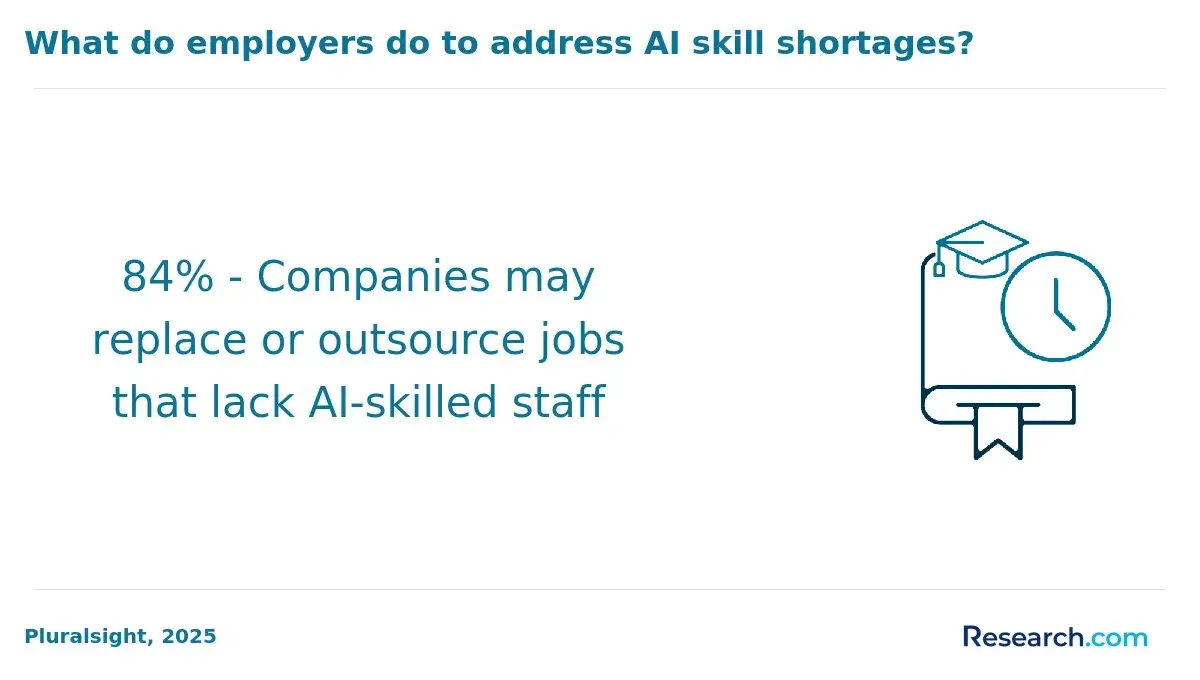
Ecommerce marketers looking to enhance their skills can choose from a variety of AI training formats designed to fit different career goals and time commitments. These include short courses, AI certification courses for ecommerce professionals, and degree programs, each offering unique advantages.
Short courses condense knowledge into a few hours or weeks, focusing on specific tools like AI-driven customer segmentation or predictive analytics. They provide practical, immediate skills without long-term enrollment, with platforms such as Coursera, edX, and LinkedIn Learning providing many foundational courses tailored for ecommerce marketers.
AI certification courses for ecommerce professionals typically last several months and offer structured curricula combining essential AI concepts with marketing applications. Certificates from reputable institutions enhance resumes by validating skills through projects and assessments, making them attractive to employers.
Degree programs, including bachelor's and master's degrees in data science, marketing analytics, or related fields, deliver comprehensive education. They prepare marketers for advanced roles involving theory, programming, and strategic decision-making but require significant time and financial investment.
For those interested in more extensive academic pathways, online AI PhD programs provide the highest level of specialization.
According to Google's survey on "The Future of AI in Marketing," 70% of marketers completing at least one free foundational AI course use AI tools weekly, compared to just 32% without any formal training. This highlights the effectiveness of accessible AI education in ecommerce marketing careers.
How can ecommerce marketing teams choose between online, hybrid, and on-campus AI programs?
Ecommerce marketing teams face important decisions when choosing between online, hybrid, and on-campus AI courses. Teams with varying schedules and locations often benefit from online programs, which provide flexible, modular content that can be accessed anytime.
However, these programs may lack the real-time interaction and collaboration that onsite formats offer. Including how to choose between online hybrid and on-campus AI courses for ecommerce marketing teams in your planning can optimize outcomes.
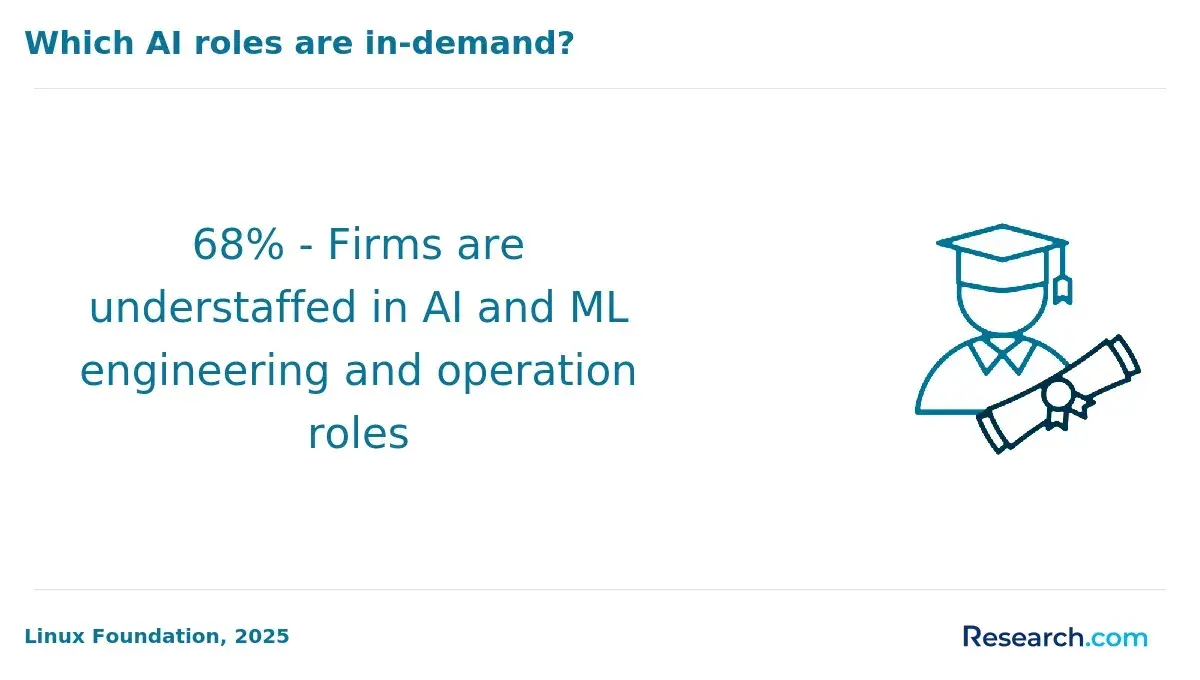
Hybrid programs combine remote learning with in-person sessions, suitable for teams needing hands-on experience with AI tools such as campaign workflow design or data integration. This approach supports networking and direct instructor feedback, helping bridge the skill gap noted in the IBM Global AI Adoption Index where 35% of organizations pointed to insufficient expertise as a barrier.
Weighing the benefits of hybrid versus online and on-campus artificial intelligence training programs is critical to developing skills beyond basic experimentation.
On-campus AI programs offer immersive learning environments with mentorship, team projects, and industry-grade resources. These programs require more time and budget but foster deep technical mastery, ideal for teams committed to extensive skill development.
For individuals seeking to extend their expertise, exploring specialized options like cyber security courses may complement AI skills. Aligning modality choice with operational needs and learning preferences ensures ecommerce teams acquire practical AI knowledge to effectively integrate advanced workflows.
What AI skills and topics should a high-quality ecommerce marketing course cover?
High-quality ecommerce marketing courses increasingly emphasize AI-driven personalization, delivering measurable business results. Personalization adapts marketing content and product offers in real time to individual customers.
Retailers leveraging AI-powered personalization across channels report a 20% higher average order value and a 33% boost in customer lifetime value compared to traditional rule-based methods, according to the 2024 Adobe Digital Trends in Retail report.
Predictive customer lifetime value (LTV) modeling using machine learning is another vital topic. This requires understanding supervised learning and regression models to forecast each customer's future revenue. Such insights help marketers optimize budget allocation and campaign targeting effectively.
Recommendation engines are crucial for upselling and cross-selling, teaching marketers how collaborative filtering, content-based filtering, and hybrid methods suggest products based on user preferences and behavior.
Courses also cover integrating AI with marketing platforms via APIs for seamless automation of campaign management and data tracking. Ethical concerns, compliance with data privacy laws like CCPA and GDPR, and bias mitigation strategies are essential knowledge areas increasing trust and regulatory adherence.
Practical skills include using popular AI tools such as TensorFlow, PyTorch, or commercial platforms like Google's Vertex AI. Marketers also benefit from training in natural language processing (NLP) techniques for chatbots and sentiment analysis to enhance customer engagement.
Which accreditation and industry-recognized certificates matter for AI programs in ecommerce marketing?
Accreditation and industry-recognized certificates validate skills essential for AI programs designed for ecommerce marketing teams. The most valued accreditations come from established institutions such as universities accredited by regional higher education authorities.
Professional certificates from organizations like the American Marketing Association (AMA) are highly regarded, especially those focused on digital marketing combined with AI applications.
Certificates demonstrating practical expertise in generative AI tools, data analytics, and AI-driven customer segmentation provide strong advantages. Well-known certifications include Generative AI, Machine Learning, and AI for Marketing programs offered by providers such as Google, IBM, and Coursera-affiliated universities. These credentials assure employers candidates can effectively apply AI to optimize ecommerce campaigns.
HubSpot's State of Marketing AI report highlights that users of generative AI tools save an average of 5 hours weekly, with 41% reinvesting that time in enhancing campaign strategy and testing, underscoring why generative AI certificates for creative content and campaign optimization are in growing demand.
When evaluating AI programs, check if the curriculum integrates ecommerce platforms like Shopify or Magento and addresses data privacy and compliance. Programs offering hands-on projects or partnerships with ecommerce businesses provide practical experience, which hiring managers highly value.
Certifications aligned with marketing professional bodies or AI ethics emphasize commitment to responsible AI use, an emerging priority in ecommerce marketing hiring criteria.
What are typical admission requirements and prerequisites for AI programs aimed at marketing professionals?
Admission requirements for AI programs targeting marketing professionals typically include a bachelor's degree in marketing, business, information technology, or a related field. Foundational knowledge of marketing principles, data analysis, and basic programming or statistics is often expected.
Advanced courses, especially those centered on machine learning or predictive analytics, may require experience with data science tools like Python, R, or SQL. Entry-level certificates sometimes waive these prerequisites but recommend familiarity with digital marketing and analytics software.
Marketing professionals with hands-on experience in ecommerce platforms or digital campaign management can access accelerated admission paths by submitting portfolios showcasing marketing analytics projects or demonstrating measurable outcomes from AI-enhanced campaigns. For example, candidates showcasing improved marketing ROI through AI tools gain a competitive edge.
Standardized test scores such as the GRE may be required for graduate programs but are often waived for candidates with relevant work experience.
According to Deloitte's Retail & Consumer Products AI study, ecommerce teams using AI-enhanced marketing analytics improved ROI by 18% compared to traditional methods, emphasizing the importance of these prerequisite skills for effective participation in AI-driven marketing education.
How long do AI courses for ecommerce marketing usually take and what do they cost?
AI courses for ecommerce marketing range from brief bootcamps lasting a few days to extensive programs that span up to six months.
Most learners pursuing a focused specialization on well-known platforms spend about 3 to 4 months part-time, dedicating 15 to 20 hours weekly. These programs blend theory with practical skills like customer segmentation and predictive analytics tailored for ecommerce contexts.
Costs vary widely. Free introductory courses are available, while advanced tracks offering certification and career support typically cost between $300 and $1,200. Subscription models charging $39 to $79 monthly often provide access to multiple courses, offering flexibility for ongoing education. Higher-priced courses usually include mentorship and real projects that enhance learning value.
Research shows this investment often leads to career improvements. The 2024 Coursera Skills Report revealed that 77% of learners completing paid AI or data-driven marketing specializations saw promotions or raises within a year, compared to 55% for those in free tracks. This emphasizes the importance of structured curricula and recognized credentials for ecommerce professionals leveraging AI.
When choosing courses, consider factors like duration, depth, and relevance to ecommerce challenges such as personalization, inventory management, and automated customer engagement. Balancing time and budget ensures marketing teams acquire actionable, efficient skills.
What career paths, roles, and advancement opportunities come from AI training in ecommerce marketing?
AI training in ecommerce marketing offers diverse career opportunities spanning from entry-level to senior leadership roles. Early careers often start with positions like AI marketing coordinators or junior data analysts who utilize machine learning tools for customer segmentation and campaign optimization.
Progression leads to roles such as AI marketing strategists, ecommerce data scientists, and automation specialists, focusing on predictive analytics and personalized content strategies.
Senior roles include AI project managers, marketing technology directors, and heads of AI-driven ecommerce innovation, emphasizing leadership in integrating AI platforms and aligning AI initiatives with broader business goals. Success in these roles requires a strong foundation in AI concepts combined with ecommerce marketing expertise.
The growing demand for AI skills is clear: LinkedIn's 2024 Global Future of Work Report notes a 34% year-over-year increase in marketing positions requiring AI expertise, with candidates possessing these skills 1.7 times more likely to engage recruiters.
Key AI applications include natural language processing, machine learning for demand forecasting, and AI-driven advertising optimization.
To advance in this field, professionals should:
- Engage in continuous AI education tailored to ecommerce marketing challenges
- Gain hands-on experience with AI tools integrating customer analytics and inventory management
- Demonstrate measurable impact on revenue growth or marketing efficiency through AI implementations
What are the salary expectations and job outlook for ecommerce marketers with AI expertise?
Ecommerce marketers with AI skills can expect competitive salaries and strong job growth driven by the rising adoption of technologies like predictive analytics and automation tools.
Entry-level roles typically start around $65,000 annually, while mid-level professionals often earn between $85,000 and $110,000. Senior or specialized positions may command salaries above $130,000, influenced by experience and employer size.
The U.S. Bureau of Labor Statistics forecasts approximately 8% growth for marketing analyst jobs through the mid-2020s, faster than average and partly due to AI integration. Employers highly value candidates who demonstrate practical AI expertise, especially hands-on experience with real-world projects.
According to a Pearson "Trust in Online Credentials" survey, 62% of hiring managers prefer AI certificates that include projects and graded assessments, compared to only 26% who favor shorter, non-assessed certificates. This preference significantly affects job opportunities and salary potential.
Effective AI use in ecommerce marketing includes customer segmentation, dynamic pricing, and campaign optimization. Marketers with proven skills in data-driven marketing and machine learning integration often advance faster and negotiate better salaries.
Those interested in developing their AI skills might consider programs focusing on applied projects rather than theory alone, enhancing their practical expertise and career prospects.
Other Things You Should Know About Artificial Intelligence
AI in ecommerce marketing depends heavily on collecting and analyzing consumer data, which raises privacy concerns. Marketers must adhere to regulations like GDPR and CCPA to protect user information. Transparent data usage policies and anonymization techniques help mitigate privacy risks while still enabling personalized marketing efforts.
AI enables dynamic personalization by analyzing customer behavior, preferences, and past purchases to tailor product recommendations and marketing messages. This avoids generic promotions and enhances customer engagement, ultimately increasing conversion rates and customer loyalty. Real-time adaptation to user interactions is a key benefit of AI personalization.
Yes, many AI solutions today are designed for users without a technical background, offering user-friendly interfaces and automation features. Cloud-based platforms and software-as-a-service options allow small teams to deploy AI for tasks like customer segmentation and campaign optimization with minimal setup. However, some training or consultation may be necessary to maximize the benefits.
References
- AI in E-Commerce 2026: Impact on Consumers & CX https://executiveacademy.at/en/knowledge/digitization/ai-in-ecommerce
- AI Training for Marketers (2026) — Content, Campaigns & AI Ads https://iternal.ai/ai-training-for-marketing-teams
- AI-Powered Marketing Certification | American School of AI https://www.americanschoolofai.com/certification/ai-powered-marketing-course
- 11 Best AI Certifications in 2025 to Deepen Your Technical Knowledge | DigitalOcean https://www.digitalocean.com/resources/articles/ai-certifications
- 16 Artificial Intelligence Career Paths https://www.calmu.edu/news/artificial-intelligence-career-paths