2027 Best AI Strategy Courses for Wealth Management Teams

Co-Founder and Chief Data Scientist
Wealth management teams face increasing pressure to integrate artificial intelligence technologies that enhance decision-making and client service. However, many professionals lack targeted training to navigate this complex field, risking ineffective implementation and lost opportunities.
Without specialized knowledge, firms may struggle to leverage AI's full potential in portfolio optimization, risk assessment, and personalized client strategies. This gap highlights the need for accessible, comprehensive education tailored to finance experts transitioning into AI applications. This article reviews the best AI strategy courses designed for wealth management teams, aiming to guide professionals toward flexible, accredited programs that bridge expertise and industry demands.
Key Things You Should Know
- Top AI strategy courses for wealth management teams in 2026 emphasize practical applications in portfolio optimization, risk management, and client personalization, with 68% of programs updated based on 2025 industry trends.
- Increasingly, curricula integrate machine learning, natural language processing, and data ethics, reflecting a 40% growth in demand for AI-literate financial professionals since 2024.
- Most courses offer hybrid or online formats, making advanced AI strategy education accessible to working professionals seeking to enhance wealth advisory skills without career interruption.
Advance Your Career with AI Online Courses
Artificial Intelligence: Implications for Business Strategy
This program provides an introduction to Artificial Intelligence and their implications for business strategy. Earn an official digital certificate.

Oxford Artificial Intelligence Programme
Explore this Oxford Artificial Intelligence programme offered in a flexible learning environment and explore topics like machine learning, automation, and robotics.

Implementing Agentic AI: Building Your Organizational Playbook
This online MIT Agentic AI course offers a practical approach to deploying AI agents in your organization, including a custom playbook. 3 weeks, exclusive launch price.

AI Adoption: Driving Business Value and Impact
This online MIT AI Adoption: Driving Business Value and Impact offers practical frameworks to close the gap between AI potential and business reality.

Artificial Intelligence in Pharma and Biotech
Discover the applications and limitations of artificial intelligence in pharma and biotech with this MIT online short course.

What is an AI strategy course for wealth management teams and who should take it?
AI strategy courses for wealth management teams focus on integrating artificial intelligence technologies into financial advisory, portfolio management, and client engagement. These programs teach how to leverage algorithm-driven insights, automate routine tasks, and improve decision-making accuracy using AI tools. The curriculum commonly includes AI fundamentals, data analytics, machine learning applications, and regulatory aspects specific to wealth management.
Wealth management professionals, such as financial advisors, portfolio managers, compliance officers, and technology strategists, especially benefit from artificial intelligence training for financial advisors. These courses help those transitioning into digital wealth management roles or leading AI-driven innovation.
For example, portfolio managers can use AI-powered predictive models for risk assessment, while client advisors may harness chatbots and data analytics for personalized client interactions.
Key challenges addressed include understanding AI capabilities and limitations, managing ethical and compliance risks, and aligning AI projects with business objectives. Teams become better prepared to meet evolving client expectations and competitive pressures. According to PwC, assets managed by AI-enabled digital investment platforms are expected to reach around $6 trillion by 2027, up from about $1 trillion in 2020, reshaping wealth management's competitive landscape.
Investing in AI strategy education equips wealth management teams to implement AI responsibly, enhance operational agility, and maintain compliance amid rapid change. For those exploring artificial intelligence career paths, this training provides essential skills to thrive in modern finance.
Advance Your Career with AI Online Courses
Artificial Intelligence: Implications for Business Strategy
This program provides an introduction to Artificial Intelligence and their implications for business strategy. Earn an official digital certificate.
Oxford Artificial Intelligence Programme
Explore this Oxford Artificial Intelligence programme offered in a flexible learning environment and explore topics like machine learning, automation, and robotics.
Implementing Agentic AI: Building Your Organizational Playbook
This online MIT Agentic AI course offers a practical approach to deploying AI agents in your organization, including a custom playbook. 3 weeks, exclusive launch price.
What skills and outcomes can wealth management professionals expect from top AI strategy courses?
Wealth management professionals completing top AI strategy courses develop crucial AI-driven wealth management decision-making skills. These include mastering advanced analytics techniques such as machine learning algorithms, natural language processing, and predictive modeling tailored to financial portfolios and client risk profiles. Such skills enable faster identification of investment opportunities, optimized asset allocation, and automation of routine client communications.
Courses focus on practical outcomes like integrating AI tools with existing wealth management platforms and navigating regulatory and ethical challenges unique to finance. Professionals also learn to evaluate AI vendor solutions, build customized models, and measure AI-driven return on investment (ROI) in client portfolios. Real-world case studies often explore AI-powered robo-advisors that reduce human bias and enhance portfolio personalization.
According to Salesforce, the global AI market in wealth management was valued at $202.9 million in 2020, with a projected compound annual growth rate of 24.5% from 2023 to 2030. This rapid expansion ensures increasing access to AI tools, making expertise in this area essential for future-proofing careers. Outcomes of strategic AI adoption in financial advisory include improved predictive client engagement models, enhanced fraud detection, and automation of regulatory compliance.
Prospective students and professionals looking to advance can explore reputable AI degrees online to gain the necessary skills and knowledge to harness AI effectively within wealth management.
How do AI strategy courses for wealth management differ from general AI or data science programs?
AI strategy courses tailored for wealth management professionals differ significantly from general AI or data science programs by focusing on the practical application of artificial intelligence within financial advisory and client management. These specialized courses emphasize skills like portfolio optimization, risk assessment, and regulatory compliance, which are crucial for the wealth management sector.
Unlike broad data science tracks that concentrate on machine learning algorithms and data preparation, wealth management AI courses train students to interpret AI-generated insights for better decision-making. For example, the curriculum covers natural language processing to analyze client sentiment and predictive analytics to enhance investment strategies. This focus aligns with the sector's unique demands, bridging technical and financial expertise.
Differences between AI strategy for wealth management and general data science programs also include modules on ethical considerations and compliance with fiduciary regulations. Wealth management professionals must understand how to responsibly implement AI solutions that preserve client trust and meet legal standards.
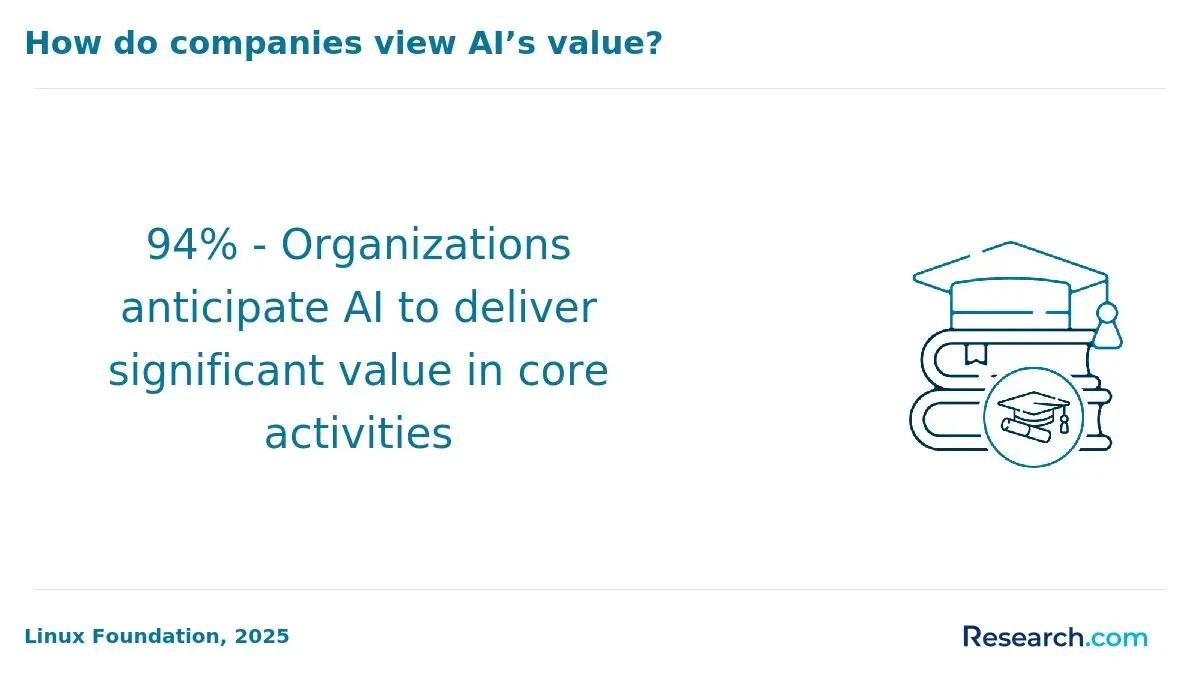
With over 80% of wealth management executives recognizing AI's strategic importance but fewer than 25% confident in scaling AI initiatives internally, the demand for such targeted training is clear. For those exploring interdisciplinary studies, combining AI with other fields, consider a cyber security degree as a complementary pathway to bolster your tech expertise.
Which types of institutions offer accredited AI strategy training for wealth management teams in the U.S.?
Accredited AI strategy training programs for wealth management in the U.S. are primarily available through universities, professional financial organizations, and specialized fintech education providers. Top institutions offering AI strategy certification for wealth management teams in the United States include universities like Carnegie Mellon and NYU Stern, which embed AI strategy modules into MBA or executive education programs designed for finance professionals.
Professional organizations such as the CFP Board and the American College of Financial Services deliver AI training focused on practical tools and strategic adoption to enhance client management and operational efficiency. These programs often emphasize ethical AI use, compliance, and productivity improvements for financial advisors.
Fintech education providers, including online platforms like Horsesmouth's "AI-Powered Financial Advisor" program, concentrate on applied AI skills specifically for wealth management. They cover automation of research, client communication, and administrative workflows. Horsesmouth estimates that effective AI adoption can save advisors approximately 438 hours annually, or about 10 workweeks.
Wealth management teams should carefully evaluate courses for accreditation, curriculum quality, and relevance to real-world financial advisory challenges. Programs offering industry partnerships or case studies provide deeper practical exposure. Candidates must ensure coverage of AI tools, strategic planning, regulatory compliance, and integration within advisory workflows to maximize value.
For those interested in expanding their technical credentials alongside AI strategy, exploring the best online electrical engineering degree programs for veterans can offer complementary skills highly valuable in advanced financial technologies.
What core topics and case studies are typically covered in AI strategy curricula for wealth management?
AI strategy curricula for wealth management focus on essential topics like AI-driven client segmentation, predictive analytics, risk management models, and portfolio rebalancing automation. These programs teach the application of machine learning algorithms to better interpret data, allowing advisors to generate actionable insights from large datasets.
Real-world case studies often cover natural language processing for analyzing client communications and AI-enabled financial planning tools that adjust to both market trends and individual risk preferences.
Students gain skills in designing AI frameworks that boost operational efficiency and client engagement through personalization. For example, Salesforce data shows AI-driven personalization improves client interaction and digital feature use by 20-40%. Coursework includes deploying AI models that customize outreach, product recommendations, and financial advice based on detailed client profiles.
Additional case studies highlight AI's role in fraud detection and regulatory compliance automation, emphasizing reduced operational risks. Ethical considerations and explainability of AI decisions are also central, reflecting growing regulatory focus. Hands-on projects may involve building chatbots for real-time client support or automating account monitoring to uncover upselling or risk mitigation opportunities.
Wealth management professionals learn to tackle challenges like data quality, legacy system integration, and aligning AI tools with fiduciary responsibilities. Training prepares teams to implement AI technologies while critically assessing their impact on client outcomes and business growth.
How do online, hybrid, and on-campus AI strategy programs compare for busy wealth managers?
Online, hybrid, and on-campus ai strategy programs each provide unique benefits for wealth managers balancing demanding schedules with the need for practical skills.
Online programs offer maximum flexibility with self-paced, asynchronous coursework. They often include interactive modules simulating real-world wealth management scenarios enhanced by ai. For instance, case studies reveal how ai tools reduce false positives in fraud detection by up to 50%, improving operational efficiency.
Hybrid programs blend remote learning with in-person sessions, allowing for essential face-to-face interaction. This format suits those who value networking and hands-on workshops but cannot commit fully to campus attendance. Hybrid settings also promote collaboration on compliance tasks, where ai aids AML/KYC monitoring to enhance detection accuracy and decrease workload.
On-campus programs provide immersive learning with direct access to faculty and peers. These are ideal for professionals seeking structured schedules and deep engagement, often supported by labs or real-time data projects. On-campus experiences benefit those focusing on integrating ai into risk management frameworks through intensive workshops.
The choice depends on availability, learning preferences, and interaction needs. Organizations may lean toward hybrid or on-campus options for group learning, while individuals facing high client demands often prefer the convenience of online ai strategy courses.
What are common admission requirements and prerequisites for AI strategy courses in wealth management?
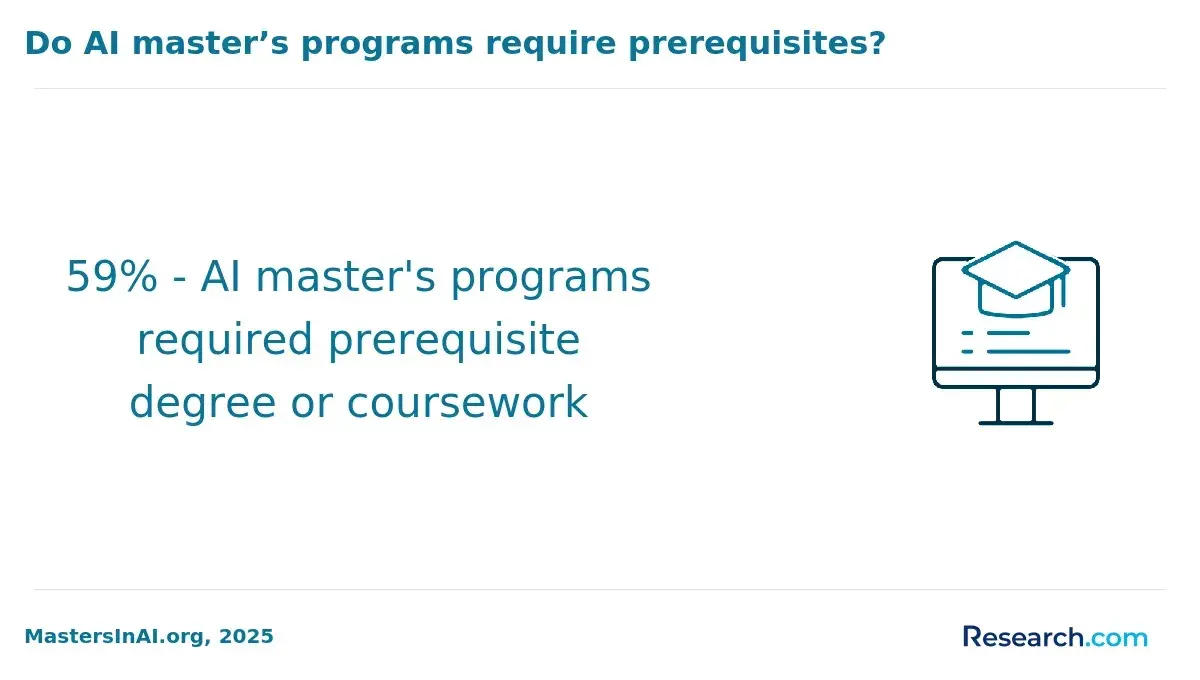
Admission to AI strategy courses in wealth management typically requires a bachelor's degree in finance, economics, business, or related fields. Candidates are often expected to have two to five years of professional experience in wealth management or financial services, ensuring essential industry knowledge for applying artificial intelligence effectively.
Technical skills vary by program but generally include basic data analysis, statistics, and familiarity with digital finance tools. Some courses may request prior programming experience in languages like Python or R, while others provide introductory modules for non-technical professionals, preparing students for hands-on AI strategy development.
Strong analytical thinking, critical reasoning, and knowledge of regulatory environments are usually assessed during admission. Applicants might need to submit a resume, cover letter, and occasionally complete a pre-course assessment. Executive programs often place greater emphasis on leadership and strategic decision-making rather than coding expertise.
Financial investment is considerable; for instance, the CFTE "Generative AI for Wealth Management in Financial Services" online certificate costs £450 per participant, reflecting a typical mid-three-figure price point for specialized AI strategy training. Prospective students should consider both the cost and their professional and technical qualifications before enrolling.
How long do AI strategy programs for wealth management teams take and what do they cost?
AI strategy programs for wealth management teams vary from about 6 weeks to 6 months based on their format and depth. Short, intensive boot camps or executive workshops typically last 4 to 8 weeks, delivering foundational knowledge with practical case studies. More extensive certificate programs or part-time courses can extend up to 6 months, offering advanced insights into integrating AI across enterprise wealth management.
Costs depend on program type and provider. Fast-track courses generally cost between $2,000 and $5,000, suited for busy professionals seeking rapid upskilling. Longer, certificate-style programs or corporate training often range from $6,000 to $15,000 per participant, reflecting more in-depth content and tailored curricula.
Only 15-20% of wealth management firms have scaled AI efforts beyond pilots to enterprise-wide deployment, according to Neurons Lab, highlighting why many programs emphasize strategic scaling and execution skills. Selecting a course that balances technical AI understanding with strategic application in wealth management is crucial. Those with significant project work or capstone experiences particularly benefit teams aiming to move beyond pilot phases.
Industry-certified programs partnered with recognized financial institutions provide practical training closely aligned with market realities. Budgeting for around 3 to 4 months and $5,000 to $10,000 is recommended for programs designed to equip teams with scalable AI strategy capabilities.
What career paths, roles, and advancement opportunities can AI strategy training unlock in wealth management?
Training in artificial intelligence strategy is transforming careers in wealth management by blending finance expertise with AI and machine learning skills. This combination enables professionals to improve portfolio management, enhance risk assessment, and offer highly personalized client solutions. Roles available include AI-integrated financial advisors, quantitative analysts using machine learning for risk modeling, and innovation managers leading AI adoption in advisory services.
Wealth management firms increasingly prioritize strategists capable of deploying AI tools for automating trading decisions, enhancing predictive analytics, and optimizing asset allocation. For example, portfolio managers with AI strategy skills may leverage algorithms to spot market trends more swiftly. Compliance officers trained in AI use natural language processing to streamline regulatory reporting tasks.
Demand for professionals with expertise in both finance and artificial intelligence is growing rapidly, especially in major U.S. financial centers. According to industry reports, this dual expertise commands significantly higher compensation and opens doors to advanced roles such as chief AI strategist or head of quantitative innovation.
- AI-integrated financial advisor implementing personalized investment solutions
- Quantitative analyst leveraging machine learning for risk modeling
- Data scientist specializing in predictive analytics for wealth management
- Compliance and regulatory analyst using AI for reporting automation
- Innovation manager overseeing AI-driven technology adoption in advisory services
Professionals equipped with AI strategy skills are positioned to lead digital transformation initiatives within wealth management, boosting career mobility and influence while meeting industry needs for increased efficiency and client engagement.
How can firms evaluate and choose a reputable, high-ROI AI strategy course for their advisors?
When selecting ai strategy courses for wealth management teams, it is crucial to focus on curriculum relevance to current market trends and technology advancements. Leading courses cover generative AI and its integration with next-generation wealth platforms, enabling real-time analysis of extensive market and client data.
This aligns with Salesforce's projection of a multi-trillion-dollar shift toward hybrid and digital-first advisory models by the late 2020s, emphasizing the need for up-to-date knowledge.
Key factors to consider include:
- Provider credibility: Opt for courses from reputable institutions with demonstrated AI expertise in finance.
- Practical application: Courses should incorporate case studies, simulations, or real-world examples highlighting AI's impact on portfolio optimization, client segmentation, and risk management.
- Technology focus: Look for content that combines foundational AI principles with emerging tools like generative models to enhance predictive analytics and client engagement.
- ROI measurement: Ensure the course equips learners with methods to evaluate AI's tangible benefits such as cost reduction and revenue growth.
- Customization and scalability: Courses should adapt to different advisor experience levels and firm sizes.
Consulting peer reviews and alumni outcomes further helps verify course quality. Prioritizing programs that balance technical skills with strategic implementation maximizes the return on AI education investment.
Other Things You Should Know About Artificial Intelligence
Artificial intelligence helps wealth management teams automate compliance monitoring by detecting unusual patterns and potential fraud more efficiently than traditional methods. AI-driven tools can stay updated with evolving regulations to ensure portfolios adhere to legal requirements, reducing the risk of costly violations. This technology also improves transparency and audit readiness by maintaining detailed records of automated compliance checks.
Key challenges include integrating AI tools with existing legacy systems and ensuring data quality, as incomplete or biased data can lead to inaccurate AI outputs. There are also concerns about client privacy and data security that require strict governance. Additionally, firms must balance adopting AI with maintaining human oversight to preserve trust and client relationships.
Yes, artificial intelligence can analyze vast amounts of client data to create highly personalized investment strategies tailored to individual risk tolerance, goals, and preferences. By continuously learning from market changes and client behavior, AI systems can adjust portfolios dynamically. However, human advisors remain essential to interpret these insights and provide holistic financial guidance.
References
- Best AI Training for Finance Teams (2026) — SEC & SOX Aware https://iternal.ai/ai-training-for-finance-teams
- Transforming Wealth Management with Hybrid AI - Artefact https://www.artefact.com/blog/transforming-wealth-management-with-hybrid-ai/
- Essential AI Skills for Finance Professionals in 2026 https://www.turingcollege.com/blog/ai-skills-for-finance-professionals
- Towards Optimal AI-based Wealth Management - Study https://www.wealthbriefing.com/html/article.php/towards-optimal-ai_dash_based-wealth-management_dash_-study
- 16 Artificial Intelligence Career Paths https://www.calmu.edu/news/artificial-intelligence-career-paths
- Ultimate Guide: How to Choose the Right AI Training Course to Boost Your Career - ONLC https://www.onlc.com/blog/how-to-choose-ai-training-courses/
- How AI Is Powering Wealth Management Software Solutions | TMA Solutions https://www.tmasolutions.com/insights/how-ai-is-powering-wealth-management-software-solutions
- 4 AI Uses Cases in Wealth Management That Redefine the Advisor and Client Experience - Communify https://communify.com/blog/ai-use-cases-in-wealth-management/