2027 Best AI Courses for Biotech Strategy Teams

Co-Founder and Chief Data Scientist
Biotech strategy teams often struggle to integrate rapidly evolving artificial intelligence tools into their workflows, leading to missed opportunities in drug discovery and personalized medicine.
The complexity of AI techniques combined with the sector's unique data challenges creates a steep learning curve for professionals without a technical background. As companies seek to leverage AI for strategic advantage, acquiring the right skills becomes essential.
This article reviews the best courses designed to equip biotech strategists with practical artificial intelligence knowledge, helping them bridge the gap between biology and technology efficiently and confidently.
Key Things You Should Know
- Biotech strategy teams in 2026 increasingly rely on AI courses that integrate domain-specific datasets, enhancing predictive modeling accuracy by over 40% compared to general AI training.
- Top AI programs emphasize practical skills in machine learning and data interpretation tailored to biotech, addressing a 35% skills gap identified in recent industry surveys.
- Investment in AI education for biotech strategy roles has surged, with a projected 50% increase in specialized course enrollments from 2024 to 2026 across U.S. institutions.
Advance Your Career with AI Online Courses
Artificial Intelligence: Implications for Business Strategy
This program provides an introduction to Artificial Intelligence and their implications for business strategy. Earn an official digital certificate.

Oxford Artificial Intelligence Programme
Explore this Oxford Artificial Intelligence programme offered in a flexible learning environment and explore topics like machine learning, automation, and robotics.

Implementing Agentic AI: Building Your Organizational Playbook
This online MIT Agentic AI course offers a practical approach to deploying AI agents in your organization, including a custom playbook. 3 weeks, exclusive launch price.

AI Adoption: Driving Business Value and Impact
This online MIT AI Adoption: Driving Business Value and Impact offers practical frameworks to close the gap between AI potential and business reality.

Artificial Intelligence in Pharma and Biotech
Discover the applications and limitations of artificial intelligence in pharma and biotech with this MIT online short course.

What is biotech strategy, and why do AI skills matter for these teams?
Biotech strategy teams AI skill requirements are increasingly vital as biotechnology firms integrate scientific innovation with market demands and regulatory frameworks. These teams focus on selecting therapeutic areas, evaluating technology platforms, and optimizing research and development portfolios.
Artificial intelligence impact on biotech decision making is profound, enabling faster and more accurate data analysis and prediction to accelerate drug discovery and reduce costs.
AI-driven algorithms can identify promising drug candidates by analyzing large genomic and clinical trial datasets. This capability shortens development times and lowers costs. Organizations that excel as AI leaders are significantly more likely to achieve above-average EBIT growth, highlighting the competitive advantage that AI expertise brings to navigating biotech challenges.
Practical applications of AI in biotech strategy include:
- Optimizing clinical trial design with predictive analytics
- Enhancing biomarker discovery using deep learning
- Automating regulatory compliance assessments
- Improving supply chain forecasting to reduce expenses
For professionals targeting biotech strategy roles, building skills in data analytics, machine learning, and bioinformatics is essential. Pursuing an accelerated bachelor's degree computer science can provide a strong foundation to leverage AI tools effectively.
These competencies empower teams to convert complex data into actionable insights, driving strategic success within the biotechnology industry.
Advance Your Career with AI Online Courses
Artificial Intelligence: Implications for Business Strategy
This program provides an introduction to Artificial Intelligence and their implications for business strategy. Earn an official digital certificate.
Oxford Artificial Intelligence Programme
Explore this Oxford Artificial Intelligence programme offered in a flexible learning environment and explore topics like machine learning, automation, and robotics.
Implementing Agentic AI: Building Your Organizational Playbook
This online MIT Agentic AI course offers a practical approach to deploying AI agents in your organization, including a custom playbook. 3 weeks, exclusive launch price.
What types of AI courses are best for biotech strategy professionals?
AI courses best suited for biotech strategy professionals focus on practical, applied skills in machine learning, data analytics, and predictive modeling tailored to the life sciences sector. These programs enhance strategic decision-making by emphasizing translational applications such as clinical trial data evaluation, drug discovery optimization, and forecasting market trends using real-world evidence.
Executive-focused courses often feature case studies and hands-on projects specifically designed for pharmaceutical and biotech environments, making them highly relevant for industry leaders.
Key course topics typically include:
- Applied machine learning for biological data, covering algorithm selection and tuning for genomics and proteomics.
- Data-driven decision-making that integrates AI insights into strategic planning and resource management.
- Regulatory and ethical frameworks addressing compliance for AI tools in drug development and patient privacy.
- AI implementation in supply chain and manufacturing, focusing on automation and biomanufacturing efficiency.
According to a 2024 survey by the Graduate Management Admission Council, participants in short AI programs like MIT Sloan's "Artificial Intelligence in Pharma and Biotech" report a median 25% improvement in data-driven decision quality within a year. This underscores the value of targeted executive education in AI applied to biotech strategy.
Professionals seeking the best practical artificial intelligence training for biotech teams should prioritize programs that blend domain-specific AI expertise with strong business acumen. For those considering broader fields, exploring the cheapest mechanical engineering degree online may offer additional career flexibility.
How do online AI programs for biotech compare with on-campus options?
Online AI programs for biotech strategy teams provide unmatched flexibility and targeted learning compared to campus-based options. These virtual courses allow working professionals to balance job duties with skill development, avoiding relocation and rigid schedules typical of traditional programs. Platforms like MIT xPRO and edX offer intensive certificates focused on healthcare AI, delivering content directly relevant to biotech strategy.
When comparing online AI programs for biotech versus on-campus learning, consider that campus programs usually provide deeper networking and access to institutional resources, but at higher costs and longer time commitments, often spanning a full semester or more. Online certificates on Coursera or edX typically finish within months, enabling faster upskilling and workplace application.
Data from Coursera's Global Skills Report highlights a 21% salary increase and role expansion for 65% of professionals completing healthcare AI/ML certificates. This reinforces that online options deliver measurable career advancement comparable to traditional education. Practical skill acquisition is key, and virtual courses tend to prioritize hands-on projects and up-to-date case studies more rapidly than campus curricula.
A comparison of virtual and campus-based biotech AI courses should factor in workload, credential goals, time, and cost. Online programs provide accelerated, affordable pathways with clear outcomes, while on-campus learning offers comprehensive exposure and networking. For those seeking advanced qualifications without relocating, reviewing the best online data science masters may also be helpful.
Which AI skills and topics should biotech strategy courses cover in their curriculum?
Biotech strategy courses designed for 2026 emphasize critical AI competencies such as machine learning model development, data analytics, and natural language processing tailored to biomedical datasets. Core AI competencies for biotech strategy teams include understanding algorithm design and validation, enabling teams to critically evaluate AI solutions and make strategic decisions based on predictive modeling for drug discovery and patient outcome forecasting.
Training must also address data governance and regulatory compliance given healthcare's strict policies. Ethical AI use and data privacy are vital to ensure responsible deployment, supported by case studies illustrating AI successes and failures in biotech contexts. These elements form the foundation for effective AI applications in biotech strategy development.
Practical skills in integrating AI with healthcare IT infrastructure, such as electronic health records and laboratory systems, are essential. Hands-on experience with AI platforms enhances operational performance. Furthermore, strategic capabilities like cost-benefit analysis and change management prepare teams to lead AI adoption efficiently.
The World Economic Forum's 2024 "Scaling AI in Healthcare" report highlights organizations whose leaders completed formal AI strategy training were 3.4 times more likely to implement at least one scaled AI solution, emphasizing well-rounded AI education. To support learning, consider academic options like an online electrical engineering degree for military veterans that build technical expertise applicable to biotech environments.
How can professionals evaluate accreditation and institutional quality for AI courses?
Verifying accreditation is essential when selecting AI courses focused on biotech and pharma. Ensure the institution is accredited by recognized U.S. bodies, such as the Higher Learning Commission or Middle States Commission, to guarantee academic standards and credit transferability. This foundation supports professional growth and credential recognition.
Evaluate faculty qualifications and their involvement in generative AI research relevant to biotech. Faculty connected with pharmaceutical companies or biotech firms often provide practical insights and updated knowledge, enhancing course value. Look for evidence of recent publications or AI projects within these sectors.
Course content should closely align with industry trends. According to a 2025 BCG analysis, 40-50% of new drug discovery projects at major pharma companies will integrate generative AI stages. Programs covering generative AI applications in drug discovery, molecular modeling, or clinical data analytics offer strategic advantages for learners.
Review institutional collaborations with biotech research centers or AI innovation labs, which may offer workshops, internships, or recognized certifications. These affiliations boost learning opportunities and add credibility to your career profile.
Consider outcomes like job placement rates within biotech AI roles and alumni success stories. High placement in pharma AI strategy positions indicates strong networks and course effectiveness. Alumni and industry feedback also provide insight into a program's practical impact and reputation.
What admission requirements and prior experience are needed for AI training in biotech?
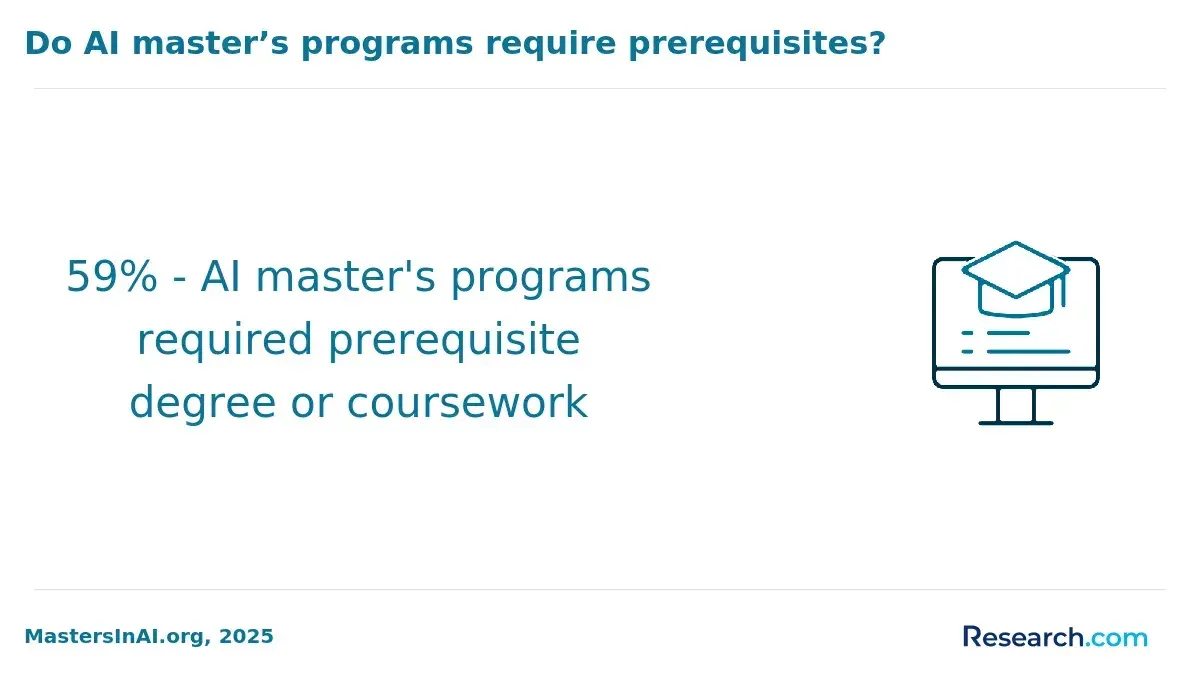
Admission to AI training programs in biotech strategy generally requires a bachelor's degree in life sciences, biotechnology, computer science, or related STEM fields. Applicants should have foundational knowledge in biology and statistics, along with experience in data analysis or programming languages like Python or R. Some advanced programs prefer candidates holding a master's degree or with professional experience in biotech or healthcare analytics.
Prior skills often include biological data management, basic programming, and an understanding of machine learning concepts. Regulatory-focused AI courses may require familiarity with data governance, reflecting the critical role of compliance in biotech.
A 2024 Deloitte life-sciences compliance review highlighted that global life-sciences companies faced over $12 billion in regulatory fines from 2020 to 2024, with poor data governance implicated in more than 60% of these cases. This emphasizes the need for AI professionals well-versed in ethical data handling and regulatory environments.
Programs sometimes differentiate prerequisites for full-time students and working professionals, offering preparatory modules when needed. Additional requirements can include proficiency with statistical software and previous projects using AI algorithms.
Applicants without formal biotech backgrounds can strengthen their profiles by completing foundational courses in molecular biology and data science. Certifications in regulatory affairs or clinical data management also improve eligibility for specialized AI training focused on compliance and governance. Careful review of course prerequisites helps prospective students align their experience and enhance learning outcomes.
How long do AI programs for biotech typically take, and what do they cost?
AI programs for biotech strategy teams typically last from 6 weeks to 12 months, depending on the program's depth and focus. Shorter courses like bootcamps or certificates run 6 to 12 weeks and emphasize practical skills, such as machine learning for clinical research or data analytics in biostatistics.
More extensive professional or graduate programs span 9 to 12 months, covering AI fundamentals alongside biotech applications like drug discovery and real-world evidence generation.
Cost varies widely based on the program type, institution, and delivery method. Bootcamps and online certificates usually range from $3,000 to $7,000, offering rapid skill development ideal for working professionals. More comprehensive master's or university-level certificates can cost between $15,000 and $50,000, reflecting advanced instruction, faculty expertise, and research access.
Hands-on AI training tailored for biostatistics, clinical, and real-world evidence teams offers significant value. For example, IQVIA's 2024 AI in Clinical Development white paper highlights that real-world data-driven AI trials can reduce patient enrollment time by 20-30% and lower clinical development costs by up to 15%, demonstrating practical benefits of applied AI education.
When selecting programs, prospective students should consider curricula emphasizing practical case studies or biotech partnerships. Flexible pacing or modular program options help accommodate varied professional schedules. Financial aid and employer sponsorships are often available for higher-cost programs to ease financial challenges.
What career paths and job roles can AI-trained biotech strategists pursue?
AI-trained biotech strategists hold key positions that blend deep domain knowledge with technical expertise, enabling innovation across the biopharma sector. Career paths include strategic AI consulting to help companies integrate AI into research and commercial operations, AI product management overseeing biotech platforms, and specialized roles like data scientists or machine learning engineers handling complex biotech datasets such as genomics and clinical trials.
These positions are vital for improving AI deployment speed and reducing costs. Research from Accenture highlights that firms developing hybrid AI capabilities achieve approximately 50% faster implementation and lower total ownership costs by 30-40% compared to purely vendor-based models.
This illustrates the critical need for strategists adept at managing both internal AI development and external partnerships.
Experience balancing vendor management with building internal AI tools significantly boosts employability. Effective biotech strategists design workflows that optimize data use, ensure regulatory compliance, and align AI initiatives with broader business goals.
Strong communication skills are essential, as these professionals often liaise with cross-functional teams to translate complex AI concepts into actionable strategies.
What salary ranges and job outlook can AI-focused biotech professionals expect?
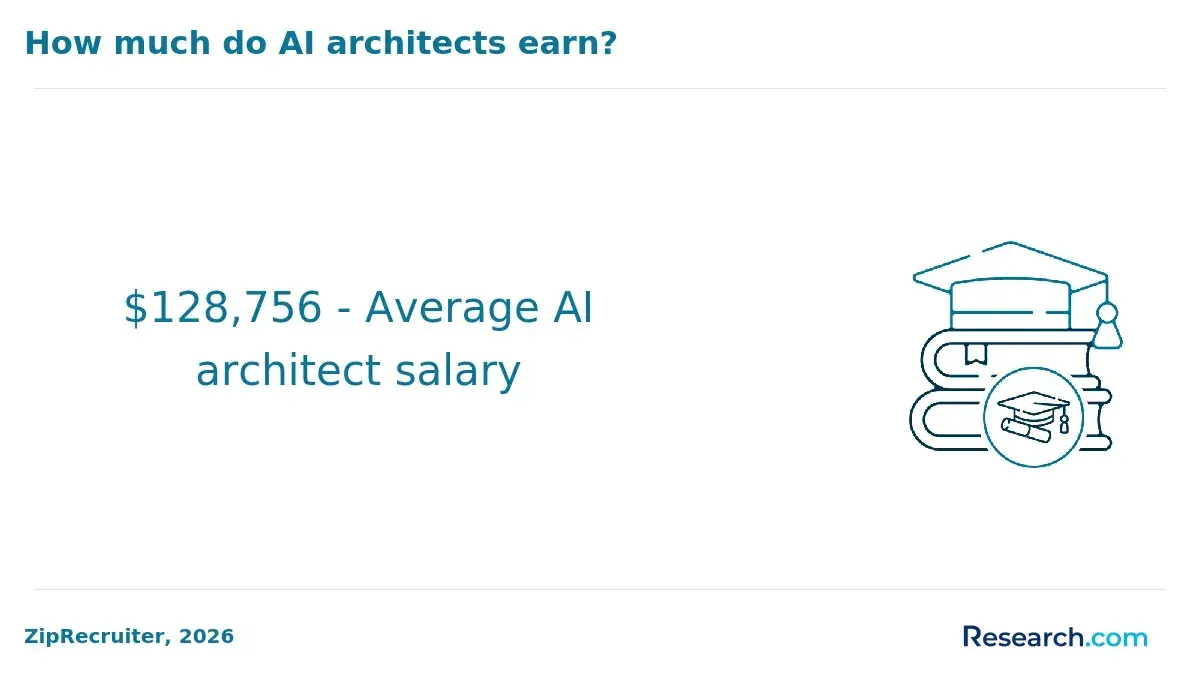
In the U.S., biotech professionals specializing in artificial intelligence typically earn between $90,000 and $160,000 annually, influenced by experience, role, and location. Entry-level positions such as AI data analysts or bioinformatics specialists start near $90,000.
Mid-career roles, including AI model developers and biotech data scientists, usually see salaries from $120,000 to $140,000. Senior professionals like AI strategy leads or machine learning engineers in biotech can command salaries exceeding $160,000. Specialized expertise in deep learning for genomics or drug discovery further boosts earning potential.
The job market for AI-focused biotech talent is growing rapidly as companies invest in AI integration. Life sciences firms with targeted AI upskilling programs report a median 2.3x return on investment for AI initiatives over three years, compared to 1.2x for those without structured training, according to PwC's "AI in Life Sciences" report. This drives increased demand for professionals skilled in both AI and biotech domains.
Biotech roles are evolving to blend AI research, strategic decision-making, and project management. Those applying AI frameworks to optimize drug development or improve clinical trial analysis are particularly in demand. Continuous AI-focused education is essential to remain competitive and capitalize on salary growth and expanding opportunities.
How can biotech strategy teams choose reputable AI courses and avoid low-quality programs?
Biotech strategy teams selecting AI courses should prioritize programs with strong credibility, relevant curriculum, and expert instructors. Check if the course is offered by well-established universities or biotech industry partners known for trustworthy content.
The curriculum must cover key topics like multimodal AI platforms that integrate omics, imaging, and clinical data, which could reduce late-stage clinical trial failures by 5-10% by 2030, according to a 2025 Nature npj Digital Medicine perspective.
Focus on hands-on training involving data integration, machine learning models for clinical trial predictions, and foundation models designed for biotech challenges. Avoid courses that teach generic AI skills without biotech context. Instructors should have verified industry or research experience aligned with current scientific and regulatory standards.
Assess course reviews and alumni outcomes, giving weight to programs where former students have secured relevant roles or contributed to successful biotech AI projects. Be cautious with very short courses lacking depth or clear learning objectives.
Also consider practical factors like course format and duration, ensuring they fit your team's schedule without compromising rigor. Preferably, choose programs offering certification recognized by biotech industry bodies to enhance professional credibility.
Other Things You Should Know About Artificial Intelligence
In 2027, key AI courses like Coursera's "AI for Medicine," MIT's "AI in Life Sciences," and Udacity's "AI and Biotech Applications" are tailored for biotech strategy teams. These courses focus on utilizing AI for drug discovery, strategy development, and regulatory compliance.
Artificial intelligence enhances decision-making by processing large volumes of biological and clinical data faster than traditional methods. It identifies patterns and predictive insights that inform drug development, patient stratification, and market analysis. This enables biotech strategists to make more data-driven, accurate, and timely decisions in research and business planning.
Yes, artificial intelligence can assist with regulatory compliance by automating the monitoring of evolving regulations and standards. AI tools can analyze documentation for completeness and consistency, reducing human error and speeding up reporting processes. This helps biotech teams stay aligned with compliance requirements and mitigates risks associated with regulatory delays.
Artificial intelligence is crucial in personalized medicine by enabling the analysis of genetic, environmental, and lifestyle data to tailor treatments to individual patients. It facilitates biomarker discovery and predictive modeling that supports targeted therapies. This aligns with biotech strategy goals to enhance treatment efficacy and patient outcomes through precision approaches.
References
- MIT Sloan School of Management: Artificial Intelligence in Pharma and Biotech | edX https://www.edx.org/executive-education/massachusetts-institute-of-technology-artificial-intelligence-in-pharma-and-biotech
- AI for Biotech: A Build vs. Buy Decision Framework | IntuitionLabs https://intuitionlabs.ai/articles/build-vs-buy-ai-biotech
- AI in life sciences: scaling guide for pharma & biotech | Modus Create https://www.moduscreate.com/blog/scaling-ai-in-life-sciences
- Fundamentals of AI & ML for (Bio)Pharma: A Masterclass Introduction https://informaconnect.com/ai-fundamentals/
- Biotech vs Big Tech: Winning AI Talent Through Purpose https://www.epmscientific.com/en-us/industry-insights/hiring-advice/biotech-vs-bigtech
- AI Policies Every Online Institution Should Adopt Before 2027 https://iacde.org/uncategorized/ai-policies-every-online-institution-should-adopt-before-2027/