2027 Best AI Courses for PR and Communications Teams Using Generative AI

Co-Founder and Chief Data Scientist
PR and communications teams face increasing pressure to integrate generative artificial intelligence tools effectively while maintaining authentic messaging. Many professionals struggle to identify credible courses that balance technical skills with industry-specific applications. Without focused training, teams risk underutilizing AI capabilities or deploying strategies that alienate audiences.
This article highlights top AI courses designed for PR and communications specialists, emphasizing practical instruction and flexibility. It aims to guide readers in selecting programs that enhance generative AI proficiency and improve strategic communication outcomes in a rapidly evolving digital landscape.
Key Things You Should Know
- By 2026, over 70% of PR and communications teams will incorporate generative AI tools to enhance content creation, reducing production time by up to 40%.
- Top AI courses focus on ethics, data privacy, and AI-driven storytelling, preparing professionals for industry demands and regulatory compliance.
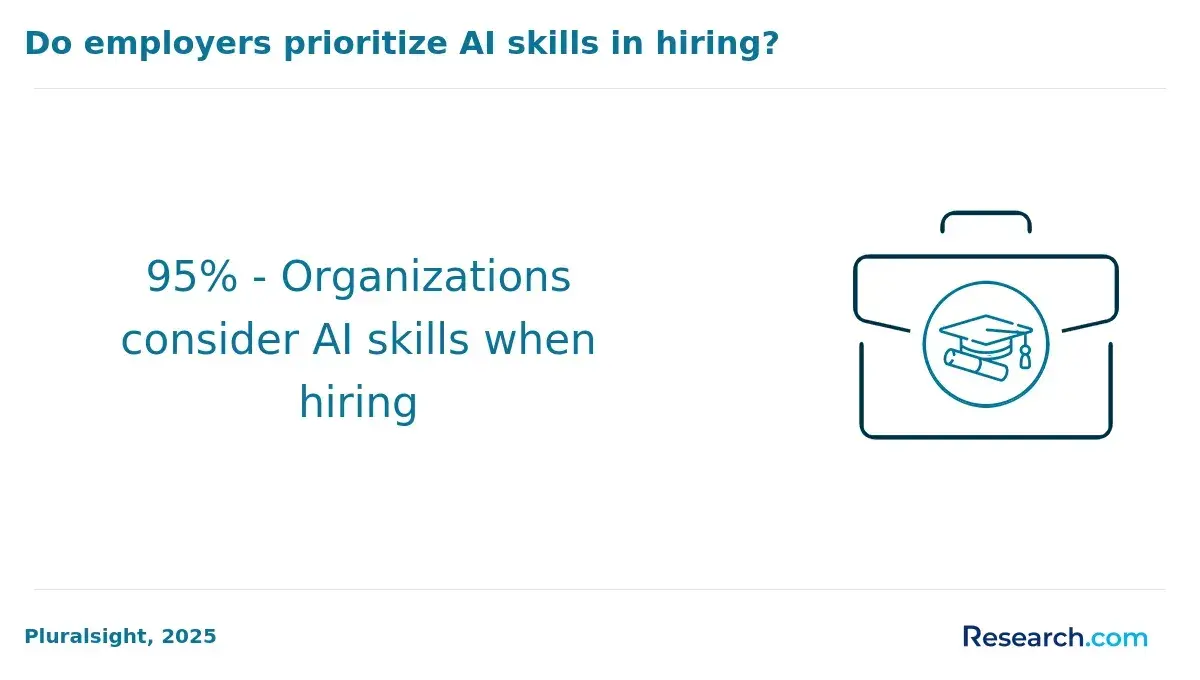
- Leading programs blend technical skills with strategic communication, reflecting a 65% increase in job listings requiring AI proficiency since 2024.
Advance Your Career with AI Online Courses
Artificial Intelligence: Implications for Business Strategy
This program provides an introduction to Artificial Intelligence and their implications for business strategy. Earn an official digital certificate.

Oxford Artificial Intelligence Programme
Explore this Oxford Artificial Intelligence programme offered in a flexible learning environment and explore topics like machine learning, automation, and robotics.

Implementing Agentic AI: Building Your Organizational Playbook
This online MIT Agentic AI course offers a practical approach to deploying AI agents in your organization, including a custom playbook. 3 weeks, exclusive launch price.

AI Adoption: Driving Business Value and Impact
This online MIT AI Adoption: Driving Business Value and Impact offers practical frameworks to close the gap between AI potential and business reality.

Artificial Intelligence in Pharma and Biotech
Discover the applications and limitations of artificial intelligence in pharma and biotech with this MIT online short course.

What are generative AI courses for PR and communications, and who are they best for?
Generative AI training programs for PR professionals equip teams with skills to leverage AI-driven tools for content creation, data analysis, and messaging enhancement.
These programs emphasize practical applications like AI-powered copywriting, sentiment analysis, media monitoring, and automating routine tasks, helping communications managers and digital marketers streamline workflows and boost productivity.
Typical course content includes:
- Generating press releases, social media posts, and client communications with AI.
- Ethical guidelines and responsible AI use in public relations.
- Interpreting data through AI for audience insights and campaign effectiveness.
- Customizing AI tools to align with brand voice and compliance standards.
Such courses also tackle challenges like managing high content volume and consistent messaging across platforms. Establishing internal AI policies is vital; although 70% of PR professionals use generative AI tools weekly, only 28% report formal training or guidelines (Muck Rack, "State of AI in PR 2024").
For communications teams, the best generative AI courses help maintain competitive advantage, prevent misinformation, and enhance creative output. Beginner-friendly options suit professionals without technical backgrounds, while advanced classes focus on strategic AI use and real-time crisis response.
For those considering further education, pursuing an accelerated bachelor's degree computer science can provide a strong foundation for integrating AI into communication careers.
Advance Your Career with AI Online Courses
Artificial Intelligence: Implications for Business Strategy
This program provides an introduction to Artificial Intelligence and their implications for business strategy. Earn an official digital certificate.
Oxford Artificial Intelligence Programme
Explore this Oxford Artificial Intelligence programme offered in a flexible learning environment and explore topics like machine learning, automation, and robotics.
Implementing Agentic AI: Building Your Organizational Playbook
This online MIT Agentic AI course offers a practical approach to deploying AI agents in your organization, including a custom playbook. 3 weeks, exclusive launch price.
How can AI courses help PR and communications teams safely use tools like ChatGPT?
AI courses help PR and communications teams learn how to safely use ChatGPT by teaching practical skills to manage risks such as misinformation, bias, and privacy issues.
These programs emphasize recognizing AI's limitations, including hallucination of facts and ethical challenges, enabling professionals to avoid damaging errors when creating press releases, social media content, or crisis communications. Data security protocols and handling sensitive client information are key components to ensure compliance with industry regulations.
Hands-on training with actual client or campaign data is valued by 82% of marketing and communications leaders, according to Deloitte's "2024 Global Marketing & Communications Trends." This focus on experiential learning allows teams to understand how generative AI fits into workflows while preserving brand voice and accuracy.
For instance, practitioners are trained to verify AI-generated content against source materials and apply editorial judgment rather than relying solely on automation, which highlights one of the main benefits of AI courses for PR teams using generative AI.
These courses also introduce best practices for transparent AI disclosure, helping professionals communicate clearly about the use of AI in messaging. They offer frameworks for ethical decision-making, fostering trust with audiences and stakeholders.
Additionally, AI education includes techniques for effective prompt engineering to improve output quality and reduce risks of unintended or inappropriate content.
Combining theoretical knowledge with real-world practice, AI courses address challenges such as reputation management in dynamic environments and adapting AI applications across media channels.
Prospective students interested in expanding their expertise may explore options like the cheapest online engineering degree, which can complement AI skills in communications roles.
What skills should the best AI courses teach for modern PR and communications work?
AI skills for PR and communications professionals increasingly focus on enhancing strategic messaging and audience engagement through natural language processing techniques. These techniques help generate and optimize press releases, social media posts, and personalized communications.
Equally important are data analysis skills that allow professionals to interpret audience sentiment and media trends using AI-powered tools, leading to more targeted campaigns. Understanding AI-driven media monitoring platforms is essential for real-time reputation management and effective crisis response.
Generative AI applications in public relations include chatbot design and automated content generation, which boost efficiency while maintaining creativity. Ethical AI use remains a cornerstone of training, emphasizing transparency, bias mitigation, and legal compliance.
Additionally, familiarity with AI tools for visual content and video scripting supports multi-channel storytelling demands in modern communications.
Project-based learning that simulates real-world challenges such as AI-assisted stakeholder analysis or automated press campaign planning prepares students for immediate application. Continuous learning and adaptability are crucial given AI's rapid evolution in PR.
Data from Coursera & Burning Glass Institute revealed communications professionals with university certificate programs in AI earned a 14% median salary increase within 12 months-more than double those without such AI education.
For those seeking to deepen AI expertise in related fields, consider an accelerated cyber security degree online as a complementary pathway to strengthen digital communication security and strategy.
Which types of AI programs exist for PR teams, and how do certificates differ from degrees?
AI certification programs for PR professionals generally come in two forms: certificate programs and degree programs. Certificate programs focus on specific skills such as generative AI content creation, AI-driven media monitoring, and data analytics tailored for communication strategies.
These short-term courses, lasting weeks to months, suit working professionals needing rapid, practical upskilling. They often provide hands-on training with AI tools used in drafting press releases, social media posts, and crisis communications.
Degree programs in AI for communications teams are more extensive, typically at the bachelor's or master's level. They combine foundational AI knowledge with communication theories and research methods.
Degrees typically take two or more years and emphasize ethical considerations, strategic AI management, and integration with traditional PR practices. This academic depth prepares students for leadership roles requiring broader AI-business insights.
The difference between AI degrees and certificates for communications teams lies in depth, duration, and career impact. Certificates enhance immediate productivity-for example, PR teams with AI writing tools generated 48% more content and reduced production time by 32%, per HubSpot's report.
Degrees develop long-term expertise and open advanced job pathways. Those looking for the swiftest way to upskill might explore certificate options, while others wanting a strategic career foundation might consider the fastest way to get a cybersecurity degree online as an example of accelerated degree pathways.
How do online AI courses for PR compare with campus or hybrid options?
Online AI courses for PR and communications teams offer flexibility and accessibility, allowing professionals to learn at their own pace while managing busy work schedules. This format is especially useful for teams handling media and crisis communications.
In contrast, campus or hybrid programs provide in-depth networking and hands-on access to institutional resources but require fixed schedules that may not fit all professionals.
Online programs often update their curricula rapidly, reflecting the latest advancements in generative AI for media monitoring, issues management, and crisis response.
Research shows AI-driven media monitoring can help organizations detect reputation crises about 12 hours earlier and reduce negative sentiment by 23%, according to the Edelman "Trust & Crisis Intelligence Report 2024." Campus or hybrid courses may offer immersive AI simulation labs and direct mentorship, valuable for mastering complex applications.
Online formats include interactive webinars and AI case studies that are effective for motivated learners seeking practical skills. Prospective students should weigh factors such as learning style, job demands, and the need for hands-on AI experience when choosing between options.
What should you look for in accreditation and industry recognition for AI-in-PR programs?
Accreditation is a key measure of program quality; look for regional accreditation from recognized U.S. agencies to ensure basic educational standards.
In addition, specialized credentials from organizations like the Commission on Public Relations Education (CPRE) or the Public Relations Society of America (PRSA) highlight a focus on public relations skills tailored to AI and communications technology.
Industry recognition enhances practical value. Programs partnering with top PR analytics firms or AI tool providers often offer hands-on exposure. Training on AI-enabled measurement and attribution tools is especially important, as communications teams utilizing these technologies were 1.8 times more likely to experience improved PR ROI year-over-year, based on PwC's Global Communications & Corporate Affairs Survey.
Verify whether the program provides certificates or badges that demonstrate your AI for analytics proficiency to employers. Faculty expertise, including adjuncts from AI and PR sectors, adds to the course's real-world relevance. Look for programs featuring case studies, internships, or live projects applying AI in public relations contexts to ensure practical learning over theory.
Assess alumni success and employer partnerships to confirm the program's effectiveness in preparing students for AI-driven PR roles. These factors enhance your career readiness in an evolving industry landscape.
What core curriculum and hands-on projects do top AI courses for PR usually include?
Top AI courses designed for PR and communications teams blend foundational technical skills with practical applications relevant to media and stakeholder engagement. Core topics typically include natural language processing (NLP), generative AI models, and data analysis, with a focus on content creation, sentiment analysis, and automated newsroom tools.
A key component addresses ethics and governance, highlighting the need for responsible AI use-currently, only 21% of organizations have formal AI ethics frameworks for communications, even though 76% of industry leaders plan to expand generative AI applications (WE Communications & USC Annenberg, 2024).
Hands-on exercises often involve creating AI-driven press releases, social listening campaigns, and chatbot interactions to simulate real-world PR scenarios. Learners also tackle crisis communications using AI analytics and refine messaging through prompt engineering.
Evaluating AI-generated content for bias, misinformation, and brand compliance is another critical skill emphasized in these programs.
Projects may extend to developing AI-powered dashboards for media monitoring or automating routine communications, improving speed and accuracy. Collaborative case studies explore ethical dilemmas in AI adoption, enhancing critical thinking about governance.
This practical training prepares communications professionals to design, implement, and oversee AI tools that meet creative goals while addressing compliance challenges inherent to generative AI.
What are typical admission requirements, time commitment, and tuition costs for these programs?
Admission to AI courses for PR and communications professionals typically requires a bachelor's degree or relevant experience in marketing, communications, or related fields.
Basic digital literacy and data interpretation skills are common prerequisites, though coding experience is rarely mandatory. Some advanced programs ask for prior knowledge in machine learning or statistics, but many cater to beginners with foundational content.
Time commitments vary by format: certificate courses often need 10 to 20 hours over a few weeks, suiting busy professionals. More extensive diplomas or graduate certificates may demand 100 to 200 hours spread across three to six months, combining live and self-paced learning.
Full-time bootcamps last one to three months with daily intensive sessions, while part-time options offer flexible scheduling to maintain work balance.
Tuition ranges significantly:
- Introductory workshops and certificates: $500 to $2,000.
- Advanced or university-affiliated programs: $5,000 to $15,000.
- Executive courses and highly specialized bootcamps: Over $20,000.
McKinsey's 2024 report on AI's economic potential highlights that investing more than $1,000 annually per employee in structured AI learning links to 2.4x higher productivity in marketing and communications, emphasizing the strategic value of these educational programs.
What PR and communications roles use generative AI skills, and how does it affect salaries?
Generative AI skills are increasingly vital for PR strategists, content creators, media analysts, and crisis communication specialists. These professionals use AI to automate press release drafting, generate personalized client pitches, and analyze media sentiment efficiently.
For instance, content creators leverage AI tools to produce engaging copy quickly, while media analysts apply AI insights to measure campaign effectiveness more accurately. Crisis communication specialists rely on generative AI to detect emerging issues early and craft rapid, simulated responses.
Integrating generative AI proficiency significantly boosts salaries in PR and communications. Entry-level roles with AI knowledge often offer salaries 10-15% above traditional roles.
Mid-level professionals skilled in AI-driven strategy and analytics can command up to 20% higher pay, while senior experts combining AI expertise with leadership see increases of 25% or more.
Agencies providing formal AI training report faster revenue growth, with PRovoke Media's "Global PR Agency Benchmarking Report 2024" revealing that such agencies are three times more likely to achieve year-over-year AI-related revenue growth of 10% or higher than those relying on self-directed learning.
PR professionals aiming to advance should pursue structured generative AI education focused on text generation, sentiment analysis, and automated media monitoring. Specializing in AI integration within PR workflows positions candidates for significant career and salary growth.
How is demand evolving for PR and communications professionals trained in generative AI?
Demand for PR and communications professionals skilled in generative AI is rapidly growing. According to the CIPR "AI in PR and Communication Practice Survey 2024," 67% of professionals who rated their AI training as highly relevant found that their courses were specifically tailored to their industry or function, compared to just 29% in generic, cross-industry programs.
This highlights a clear preference for specialized AI education that addresses PR challenges such as content personalization, crisis management, and audience engagement.
Key competencies include AI-driven content creation, sentiment analysis, and real-time media monitoring. Generative AI tools can automate routine tasks like press release drafting and social media strategy, adding tangible value to PR workflows. Professionals should prioritize training programs that offer hands-on experience over broad theoretical knowledge.
Employers expect PR specialists to critically evaluate AI outputs and apply ethical considerations such as recognizing data biases, maintaining brand voice consistency, and managing misinformation risks. Transparency about curriculum content and instructor expertise in both AI and communications is essential when selecting training.
Specialized, role-specific AI courses better prepare PR teams for complex real-world applications compared to generic programs, making focused training a strategic priority for communications professionals.
Other Things You Should Know About Artificial Intelligence
Artificial intelligence can process large amounts of personal data to generate insights, which raises important privacy issues. PR and communications teams must navigate compliance with regulations such as GDPR and CCPA when using AI tools, ensuring data is collected and used ethically. Transparency about data handling and securing user consent are critical to maintaining public trust.
In 2027, top AI courses for PR and communications teams emphasizing generative AI include programs from Coursera, LinkedIn Learning, and Udacity, offering specialized modules on utilizing AI for creating compelling content and enhancing communication strategies in a fast-evolving digital landscape.
PR teams often face challenges such as lack of technical expertise, data quality issues, and resistance to change when adopting artificial intelligence. Ensuring AI output aligns with brand voice requires human oversight, and there can be ethical concerns over bias in AI models. Balancing automation with personal engagement is essential to maintain effectiveness and audience trust.
Artificial intelligence tools enable faster monitoring of social media and news channels, allowing PR teams to detect emerging crises early. AI-driven sentiment analysis helps identify public mood shifts, informing timely and targeted responses. These capabilities support more proactive and data-driven crisis communication strategies, reducing reputational damage.
References
- Difference between Hybrid, Online & In-Class Degree Programmes | BSBI https://www.berlinsbi.com/blog/what-is-the-difference-between-hybrid-online-and-in-class-degree-programmes
- The 9 Best AI Tools for PR Agencies in 2026 (With Use Cases and Pricing) https://www.shadow.inc/resources/best-ai-tools-pr-agencies
- Ask the Experts | Five Ways AI is Changing Public Relations - Context Public Relations https://contextpr.co.uk/blog/five-ways-ai-is-changing-public-relations/
- AI Certification vs. Traditional Degree: What Actually Gets You Hired in 2026? https://www.nplus.global/blogs/ai-certification-vs-traditional-degree/
- Artificial intelligence for PR and corporate communication - U!REKA https://ureka.eu/course/artificial-intelligence-public-relations-corporate-communication/
- How Generative AI Will Affect the Future of PR https://spinsucks.com/communication/future-of-pr-ai-world/
- Tuition and Costs | Point Park University | Pittsburgh, PA https://www.pointpark.edu/admissions/tuitioncosts/tuition/index
- The Dos and Donâts of Using AI Tools for PR | PR Blog https://pr.co/blog/the-dos-and-don-ts-of-using-ai-tools-for-pr
- Tuition Guarantee Programs - ccmrwithmsthrash https://ccmrwithmsthrash.com/tuition-guarantee-programs/