2027 Best AI Governance Courses for Healthcare AI Policy Teams

Co-Founder and Chief Data Scientist
Healthcare AI policy teams often confront complex regulatory and ethical challenges when deploying AI-driven tools in clinical settings. Misaligned governance can result in biased outcomes, data privacy breaches, and noncompliance with federal regulations, risking patient safety and institutional credibility. Navigating these issues requires specialized knowledge of AI ethics, law, and healthcare standards, which many professionals lack.
This article identifies the best AI governance courses tailored to healthcare policy teams, highlighting programs that combine flexible learning with rigorous content to equip professionals with the skills needed to implement responsible AI solutions effectively.
Key Things You Should Know
- Healthcare AI policy teams benefit from courses emphasizing ethical frameworks, risk management, and compliance with evolving FDA and HIPAA regulations updated through 2025.
- Programs integrating practical case studies show 40% higher effectiveness in preparing students for real-world policy challenges in AI healthcare governance.
- Interdisciplinary curricula combining AI technical knowledge, healthcare law, and policy analysis are increasingly prioritized to meet demands for skilled governance professionals.
Advance Your Career with AI Online Courses
Artificial Intelligence: Implications for Business Strategy
This program provides an introduction to Artificial Intelligence and their implications for business strategy. Earn an official digital certificate.

Oxford Artificial Intelligence Programme
Explore this Oxford Artificial Intelligence programme offered in a flexible learning environment and explore topics like machine learning, automation, and robotics.

Implementing Agentic AI: Building Your Organizational Playbook
This online MIT Agentic AI course offers a practical approach to deploying AI agents in your organization, including a custom playbook. 3 weeks, exclusive launch price.

AI Adoption: Driving Business Value and Impact
This online MIT AI Adoption: Driving Business Value and Impact offers practical frameworks to close the gap between AI potential and business reality.

Artificial Intelligence in Pharma and Biotech
Discover the applications and limitations of artificial intelligence in pharma and biotech with this MIT online short course.

What is AI governance in healthcare and why do policy teams need specialized training?
AI governance frameworks for healthcare organizations play a crucial role in ensuring artificial intelligence applications are implemented safely, ethically, and in compliance with medical regulations. These frameworks address key concerns such as data privacy, algorithmic transparency, bias reduction, and adherence to regulatory standards. Healthcare policy teams require specialized training to manage these complex technical, ethical, and legal challenges unique to healthcare environments.
Specialized training for healthcare AI policy teams equips professionals to navigate issues like health disparities, HIPAA compliance, and FDA requirements for clinical decision support tools. This education enhances skills in risk assessment, stakeholder communication, and continuous monitoring to detect algorithmic drift or unintended clinical consequences. Additionally, ethical review processes balance innovation with patient rights, helping minimize legal risks and maintain public trust.
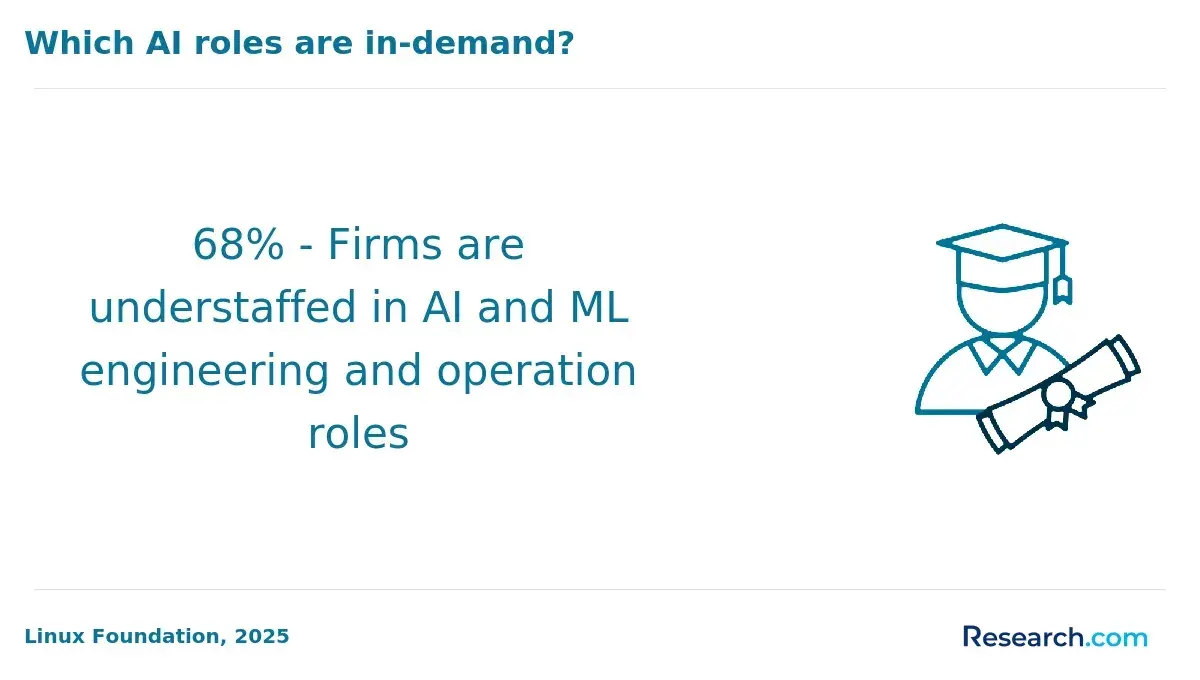
Health-system CIOs ranked AI governance the #1 priority for 2025, with 68% planning to increase governance-focused AI training budgets, reflecting the strong need for knowledgeable policy staff. These professionals design governance structures aligned with health system goals and evolving regulatory landscapes, supporting safe and effective AI adoption.
For those pursuing careers in this area, obtaining an AI degree can provide foundational expertise and open opportunities in healthcare AI governance. Ultimately, integrating specialized training helps healthcare organizations implement technological advances sustainably and responsibly.
Advance Your Career with AI Online Courses
Artificial Intelligence: Implications for Business Strategy
This program provides an introduction to Artificial Intelligence and their implications for business strategy. Earn an official digital certificate.
Oxford Artificial Intelligence Programme
Explore this Oxford Artificial Intelligence programme offered in a flexible learning environment and explore topics like machine learning, automation, and robotics.
Implementing Agentic AI: Building Your Organizational Playbook
This online MIT Agentic AI course offers a practical approach to deploying AI agents in your organization, including a custom playbook. 3 weeks, exclusive launch price.
What are the best AI governance courses for healthcare AI policy professionals today?
Leading AI governance courses for healthcare policy teams specialize in regulatory frameworks, ethical oversight, and practical risk management tailored to health technologies. Programs from top institutions like Georgetown University and Stanford University emphasize compliance with HIPAA, FDA guidelines, and global standards such as the EU's AI Act. These top healthcare AI governance training programs incorporate real-world case studies involving clinical decision support tools and AI-driven diagnostics, equipping policy teams to navigate evolving legal environments while fostering innovation.
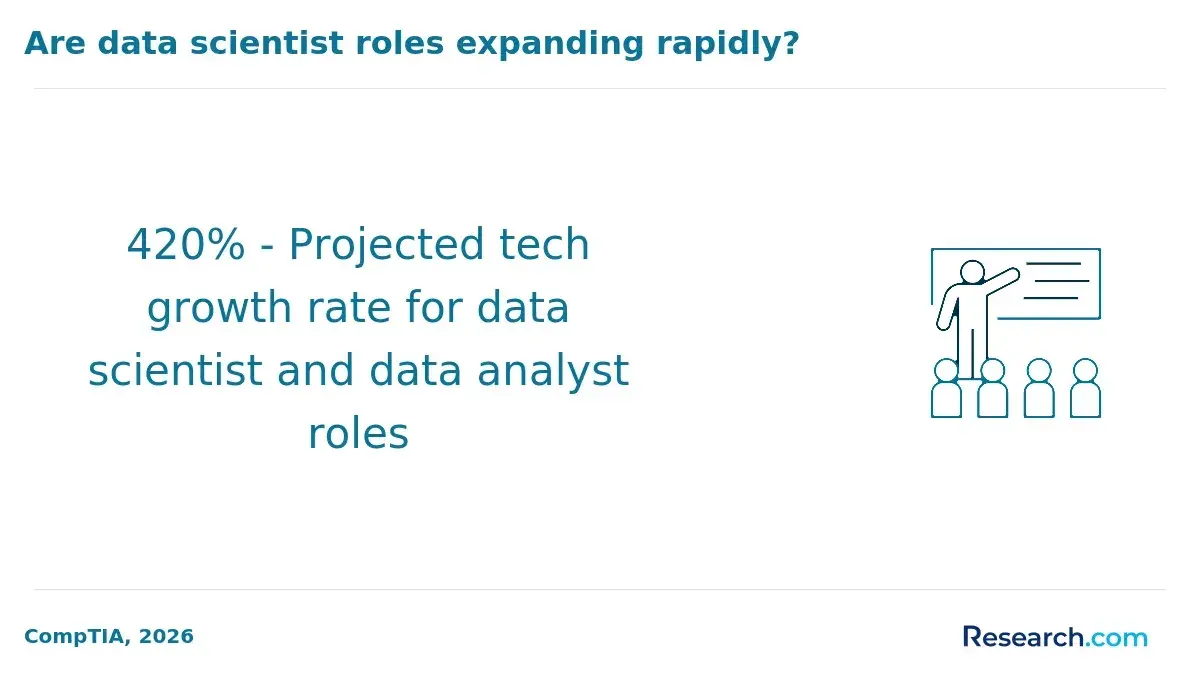
Key competencies include bias detection in AI algorithms, data privacy, and transparency standards critical to healthcare applications. Online platforms such as Coursera and edX offer specialized modules in healthcare AI ethics and governance, often developed alongside industry regulators. Healthcare AI governance roles are projected to grow by 32% annually through 2030, making upskilling in this area essential.
Courses offering hands-on experience with compliance checklists, AI audit procedures, and cross-sector policy harmonization prepare professionals to lead multidisciplinary teams. Programs usually combine expertise from law, bioethics, and data science and include practical workshops on stakeholder engagement and operationalizing governance frameworks. For those seeking affordability in advanced education, exploring options like the cheapest online master's in artificial intelligence can be a strategic step in career advancement.
How do I choose the right AI governance course for a healthcare-focused policy team?
Choosing the best ai governance course for healthcare policy teams means focusing on healthcare-specific risks like patient data privacy, algorithmic bias, and clinical decision support validation. Look for courses that include case studies on HIPAA compliance and FDA guidelines, as these elements directly support U.S. healthcare policy work.
Key criteria for selecting healthcare-focused ai governance training include balancing theoretical frameworks with practical applications. Programs teaching governance frameworks, risk assessment tools, and policy enforcement strategies are particularly valuable. Healthcare policy teams benefit more from learning governance policy development rather than technical AI programming alone.
Ethics and stakeholder management training are essential components. Understanding patients, providers, and regulators helps anticipate bias and fairness challenges. Courses that embed ethics prepare teams to navigate these complex issues effectively.
Only about 35% of hospitals report having formal AI governance frameworks, despite widespread AI deployment, making credible and evidence-based training vital. Prioritize courses developed or endorsed by recognized healthcare or policy institutions to bridge this gap.
Match the course format and duration to your team's availability-whether intensive bootcamps or flexible asynchronous modules.
For professionals seeking advanced study options, exploring the cheapest online PhD in cyber security may complement an AI governance focus by strengthening your overall cybersecurity expertise.
What degrees and academic pathways prepare you for AI governance roles in healthcare?
Degrees in healthcare AI policy and governance often blend expertise in healthcare, policy, and technology. Common academic pathways for healthcare AI governance careers include graduate programs in health informatics, public health focusing on health policy, biomedical engineering, and specialized master's degrees in AI ethics or governance. For example, a Master of Public Health (MPH) with coursework in digital health policy can prepare students to develop and enforce AI governance frameworks in clinical environments.
Programs combining computer science or data science with healthcare ethics are particularly valuable. Credentials like a Master's in Health Informatics or a Graduate Certificate in AI and healthcare sharpen both technological understanding and regulatory knowledge. Additional fields such as law and bioethics also contribute crucial perspectives, especially for compliance and risk management roles. Juris Doctor (JD) degrees concentrating on health law or certifications in bioethics equip professionals to interpret and apply AI regulations effectively in healthcare institutions.
Healthcare organizations increasingly seek candidates who unite technical skills with regulatory and ethical expertise. Hospitals with mature AI governance programs report 24% fewer AI-related compliance incidents and save an average of $2.5 million annually by avoiding penalties and remediation costs, underscoring the value of interdisciplinary knowledge. Practical experience through internships or collaborative projects with healthcare providers or technology developers is essential to translate theoretical knowledge into risk mitigation and compliance strategies.
For those exploring interdisciplinary healthcare and technology education, consider checking reputable resources like cybersecurity programs online for veterans that may complement AI governance skills.
How do online AI governance programs for healthcare compare with campus-based options?
Online AI governance programs in healthcare offer flexibility and accessibility, making them ideal for working professionals and students spread across different locations. These programs enable learners to maintain job commitments while acquiring skills in AI policy, risk management, and regulatory compliance. In contrast, campus-based options provide more direct faculty interaction, collaborative projects, and networking opportunities that support leadership development.
Campus programs often include hands-on experiences such as simulated governance scenarios, ethics labs, and access to interdisciplinary research centers, which can deepen understanding of complex regulatory environments. Online courses focus effectively on theoretical frameworks and policy analysis, especially when they feature live sessions, case studies specific to healthcare AI, and updated federal guidance.
Demand for expertise in AI governance is rising, with related job listings increasing from 41% to 73% according to LinkedIn Talent Insights. Both delivery modes emphasize practical skills like risk assessment, compliance strategies, and governance frameworks, which employers value.
Prospective students should assess curriculum rigor, faculty expertise, alumni outcomes, and mentorship availability. Online options typically reduce relocation costs and offer diverse cohorts, while campus programs provide immersive learning and local networking. Regardless of format, successful candidates combine knowledge from credible programs with real-world applications in healthcare AI policy teams.
What core topics and skills do healthcare AI governance courses typically cover?
Healthcare AI governance courses provide essential knowledge to professionals managing the ethical, legal, and technical challenges of AI in clinical environments. These programs cover healthcare-specific regulations such as HIPAA compliance and FDA guidelines for AI medical devices, emphasizing ethical issues like bias mitigation, fairness, transparency, and accountability in AI systems affecting patient care.
Technical literacy is crucial, enabling governance teams to understand AI model designs, data provenance, and validation techniques. Students evaluate AI performance metrics to ensure deployed models meet safety and effectiveness standards. Risk management training helps identify and reduce potential harms from AI errors or unintended clinical consequences.
Data governance training includes secure data handling, patient consent management, and privacy protections aligned with evolving laws. Practical case studies illustrate how to manage algorithmic decisions in diagnostic tools and patient monitoring systems.
The surge in demand for healthcare AI governance expertise is evident in a 140% increase in related courses and certificates from 2022 to 2024, according to a review in npj Digital Medicine. This trend reflects growing interest among healthcare organizations to responsibly integrate AI.
What accreditation and professional standards should healthcare AI governance programs meet?
Healthcare AI governance programs must meet rigorous accreditation standards to ensure industry recognition and reliability. Leading programs often hold accreditation from bodies such as the Accreditation Council for Continuing Medical Education (ACCME), the Commission on Accreditation of Healthcare Management Education (CAHME), or regional agencies recognized by the U.S. Department of Education. These accreditations confirm that the curriculum aligns with established healthcare education benchmarks and supports continuous improvement.
Professional certifications endorsed by organizations like the American Health Information Management Association (AHIMA) or the Health Information Management Systems Society (HIMSS) enhance program credibility, particularly when covering compliance, data privacy, and healthcare AI regulatory frameworks. Courses typically integrate authoritative frameworks such as the NIST AI Risk Management Framework and FDA guidance on AI-based medical devices to prepare graduates for regulatory and ethical challenges.
Essential course content addresses real-world governance issues including bias mitigation, patient data protection, and explainability of AI models in clinical environments. Comprehensive academic pathways blend policy, ethics, clinical informatics, data science, and healthcare regulations such as HIPAA and the 21st Century Cures Act.
Cost is a significant factor: specialized online AI governance certificate programs generally range from $800 to $2,500, compared to $30,000-$60,000 for related master's degrees in health informatics or digital health policy. This makes quality training affordable and accessible. Prospective students should seek programs that offer continuing education credits or pathways to recognized certifications to support career growth in healthcare AI governance.
What are the admission requirements, tuition costs, and typical program lengths?
Admission to AI governance programs in healthcare policy generally requires a bachelor's degree in health sciences, public policy, computer science, or related fields. Many programs value professional experience in healthcare, data analytics, or regulatory roles. Advanced certificates or master's degrees often expect a minimum GPA of 3.0 and letters of recommendation. For working professionals, part-time or online programs may accept proof of relevant employment instead of traditional prerequisites.
Tuition costs vary significantly by institution and format. Certificate courses typically range from $3,000 to $8,000. Master's degrees focusing on AI governance and healthcare policy usually cost between $20,000 and $50,000. Public universities sometimes offer in-state tuition discounts or scholarships for underserved professionals, while online programs might have similar or slightly lower fees but can include additional charges for specialized software.
Program lengths differ widely:
- Certificate courses often last 6 weeks and are designed for working professionals.
- Master's programs usually require 30 to 45 credit hours over 1-2 years, covering ethics, governance frameworks, and healthcare regulations, with practical case studies.
- Part-time study or capstone projects can extend duration beyond 2 years.
Over 60% of low- and middle-income countries identified "insufficient AI ethics and governance expertise" as a major barrier to adopting AI for health, highlighting the importance of accessible educational pathways. For those aiming to enhance their skills in this evolving field, the AI governance in healthcare policy field offers multiple entry points catering to diverse professional backgrounds and schedules.
What jobs can AI governance training in healthcare lead to, and what are typical salaries?
Training in AI governance within healthcare prepares professionals for key roles like AI compliance officer, clinical AI safety manager, healthcare data policy analyst, and AI ethics consultant. These roles focus on enforcing regulatory standards, managing risks, and ensuring ethical AI use in medical settings. For instance, AI compliance officers develop and enforce policies on AI integration, while clinical AI safety managers monitor deployments to avoid harm.
Typical U.S. salaries for these roles vary by experience:
- AI compliance officers earn $90,000 to $130,000 annually.
- Clinical AI safety managers make between $100,000 and $140,000.
- Healthcare data policy analysts receive $80,000 to $120,000.
- AI ethics consultants' pay ranges from $95,000 to $150,000 based on specialization.
A 2024 study published in npj Digital Medicine highlights that organizations offering AI governance training to clinical leaders have seen a 30-40% drop in AI-related errors and adverse events over two years. This drives strong demand for experts skilled in bias mitigation, patient privacy, regulatory compliance, and safe AI integration into workflows.
Those with AI governance expertise often work in hospital systems, health tech firms, regulatory bodies, and consulting agencies. Their interdisciplinary skills in policy interpretation and risk assessment are critical to the responsible adoption of AI in healthcare environments.
How strong is the job outlook for healthcare AI governance and compliance specialists?
The demand for healthcare AI governance and compliance specialists is rising rapidly as more organizations formalize AI oversight. By 2026, about 75% of large healthcare providers will have multidisciplinary AI governance committees, highlighting the need for experts who understand regulatory, ethical, and technical aspects of AI in this sector.
These governance teams bring together clinical, legal, IT, and ethics professionals. Career opportunities include roles such as AI compliance officer, risk analyst, ethics advisor, and policy strategist.
Key factors fueling job growth are regulatory scrutiny, evolving transparency standards, data protection laws, and patient safety requirements. Employers look for candidates able to develop compliance frameworks, monitor AI system performance, and ensure adherence to federal and state laws.
Practical experience collaborating across disciplines is highly valued. Formal education or training in AI policy, healthcare law, or bioethics can provide a significant advantage. Familiarity with HIPAA, FDA guidelines on AI-driven devices, and emerging equity-focused policies further boosts employability.
Specialists who master these areas will find stable and impactful career paths as healthcare institutions expand their responsible use of AI technologies.
Other Things You Should Know About Artificial Intelligence
In 2027, leading courses addressing ethical challenges in healthcare AI policy include Stanford's "AI Ethics and Society" and MIT's "Principles of AI Governance." These courses offer insights into balancing innovation with ethical considerations in healthcare, focusing on this year's rapid AI advancements.
AI governance directly influences patient safety by establishing standards and protocols that ensure AI systems used in healthcare are reliable and accurate. Proper oversight helps detect and mitigate risks such as system errors or unintended consequences, thereby protecting patients from potential harm caused by faulty AI models.
The U.S. regulatory landscape for healthcare AI is evolving but includes frameworks from the Food and Drug Administration (FDA), which oversees AI-based medical devices, and guidelines from the Health Insurance Portability and Accountability Act (HIPAA) that protect patient data privacy. These regulations promote safe innovation while maintaining compliance with legal and ethical standards.
Yes, AI governance frameworks are designed to be flexible and adaptive to keep pace with technological advancements. Continuous monitoring, periodic reviews, and updating policies enable governance bodies to address new risks and leverage emerging opportunities without compromising safety or ethics.
References
- Artificial Intelligence in Health Care - URAC https://www.urac.org/accreditation-cert/healthcareai/
- New Jobs & Roles Emerging Due to AI in 2026 | Mercor https://www.mercor.com/resources/experts/new-artificial-intelligence-job-opportunities/
- Key Elements of an AI Governance Program in Healthcare https://www.sheppard.com/insights/blogs/key-elements-of-an-ai-governance-program-in-healthcare
- Salary and Jobs Report 2025-26: Privacy, AI Governance and Digital Responsibility | IAPP https://iapp.org/resources/article/salary-survey-summary
- Health Care Artificial Intelligence Code of Conduct - NAM https://nam.edu/our-work/programs/leadership-consortium/health-care-artificial-intelligence-code-of-conduct/
- Healthcare AI Governance Certification | ALIGNMT AI https://www.alignmt.ai/services/healthcare-ai-governance-certification
- AIGP training: AI GOVERNANCE PROFESSIONAL https://www.heliossalinger.com.au/training/iapp-certifications/aigp/
- Artificial Intelligence and its Governance in Healthcare https://learn.achs.org.au/pages/artificial-intelligence-and-its-governance-in-healthcare
- From Soft Law to Hard Choices: Healthcare AI Governance Across the USA and EU - IRPJ = Intergovernmental Research and Policy Journal https://irpj.euclid.int/articles/from-soft-law-to-hard-choices-healthcare-ai-governance-across-the-usa-and-eu/
- Complex by Design: Navigating AI Compliance in Healthcare, Life Sciences, and Employment with Confidence - ResEcon https://resecon.com/complex-by-design-navigating-ai-compliance-in-healthcare-life-sciences-and-employment-with-confidence/