2027 Best AI Courses for CRE Research Teams

Co-Founder and Chief Data Scientist
Commercial real estate research teams increasingly face overwhelming data volumes and complex market variables. Traditional analysis methods often fall short in extracting actionable insights efficiently, delaying decision-making and impacting investment success. As AI integrates deeper into CRE workflows, understanding how to leverage these technologies becomes critical.
Yet, professionals transitioning from unrelated fields encounter challenges identifying the right education paths that balance technical rigor with sector relevance. This article highlights top AI courses tailored for CRE research teams, focusing on accessible, accredited programs designed to equip professionals with practical skills for applying AI tools and enhancing data-driven strategies.
Key Things You Should Know
- Leading AI courses for CRE research teams in 2026 emphasize practical skills in data analytics, predictive modeling, and automation to enhance property valuation and market forecasting accuracy.
- Over 65% of CRE professionals report improved decision-making capabilities after completing specialized AI courses, highlighting the growing demand for AI literacy in commercial real estate.
- Top programs integrate the latest 2025 AI tools and platforms, ensuring learners stay current with advancements like natural language processing and machine learning applied to CRE datasets.
Advance Your Career with AI Online Courses
Artificial Intelligence: Implications for Business Strategy
This program provides an introduction to Artificial Intelligence and their implications for business strategy. Earn an official digital certificate.

Oxford Artificial Intelligence Programme
Explore this Oxford Artificial Intelligence programme offered in a flexible learning environment and explore topics like machine learning, automation, and robotics.

Implementing Agentic AI: Building Your Organizational Playbook
This online MIT Agentic AI course offers a practical approach to deploying AI agents in your organization, including a custom playbook. 3 weeks, exclusive launch price.

AI Adoption: Driving Business Value and Impact
This online MIT AI Adoption: Driving Business Value and Impact offers practical frameworks to close the gap between AI potential and business reality.

Artificial Intelligence in Pharma and Biotech
Discover the applications and limitations of artificial intelligence in pharma and biotech with this MIT online short course.

What do AI courses for CRE research teams cover and who are they best for?
AI courses for commercial real estate research professionals focus on leveraging data-driven techniques to enhance real estate decision-making, property management, and strategic planning. They cover machine learning basics, predictive analytics, natural language processing, and data visualization specifically tailored for corporate real estate (CRE) challenges.
Key topics include automating lease administration, forecasting occupancy, optimizing space use, and integrating AI into workplace strategy workflows.
The curriculum and benefits of AI training for CRE research teams prepare real estate analysts, portfolio managers, and operational staff to analyze complex datasets and implement AI-driven solutions.
Training often involves using AI algorithms to assess tenant behavior patterns or applying geospatial data for site selection. This practical expertise helps teams improve efficiency, cut operational costs, and boost asset performance.
According to JLL's 2024 "Future of AI in Corporate Real Estate" report, 90.1% of large occupiers plan to adopt AI in core CRE functions within five years, underscoring the urgent need for AI proficiency in real estate research.
The best courses also emphasize ethical issues and data privacy, essential when managing sensitive CRE information. These programs cater to diverse experience levels, from beginners to advanced practitioners.
For those exploring artificial intelligence career paths, understanding these targeted AI courses for CRE research teams offers valuable insight into emerging opportunities within the field.
Advance Your Career with AI Online Courses
Artificial Intelligence: Implications for Business Strategy
This program provides an introduction to Artificial Intelligence and their implications for business strategy. Earn an official digital certificate.
Oxford Artificial Intelligence Programme
Explore this Oxford Artificial Intelligence programme offered in a flexible learning environment and explore topics like machine learning, automation, and robotics.
Implementing Agentic AI: Building Your Organizational Playbook
This online MIT Agentic AI course offers a practical approach to deploying AI agents in your organization, including a custom playbook. 3 weeks, exclusive launch price.
How do you choose between online and on-campus AI programs for CRE research?
Choosing between online and on-campus AI programs for CRE research teams involves considering your learning style, schedule, and access to resources. Online courses offer flexibility and convenience, ideal for professionals balancing full-time work or family commitments.
They reduce commuting costs and allow you to study at your own pace. In contrast, on-campus programs provide direct access to faculty, peer collaboration, and hands-on labs, fostering deeper engagement with applied analytics and data literacy-key skills in commercial real estate research.
Factors to weigh include:
- Learning environment: Structured face-to-face interaction suits some better, while others thrive with disciplined self-study online.
- Networking opportunities: On-campus learning often fosters stronger mentorship and in-person connections, critical in niche fields like CRE AI training options for commercial real estate researchers.
- Cost and time: Online programs usually lower expenses and time commitments.
- Program focus: On-campus curricula may emphasize real estate-specific AI applications, whereas online courses often highlight broader AI principles.
LinkedIn Learning's Workplace Learning Report highlights that 84% of L&D leaders prioritize AI and automation skill development. Ensuring applied analytics and data literacy are core in course syllabi is essential.
For foundational skills with flexible timing, online options work well; for immersive learning and specialized mentorship, on-campus programs are preferred.
Many students explore online mechanical engineering degrees as related avenues to broaden their technical expertise in AI-driven industries.
Which types of AI programs best fit CRE researchers: certificates, bootcamps, or degrees?
Certificates, bootcamps, and degrees each play unique roles in developing AI skills for CRE researchers. Certificates provide targeted, flexible learning tailored for professionals who want to quickly acquire specific capabilities like machine learning models or natural language processing.
They are designed for individuals balancing full-time work since completion often takes less than a year, making certificates a practical option for focused growth in AI certification programs for CRE research professionals.
Bootcamps offer immersive, hands-on training with project-based learning that accelerates practical skills. Ideal for those seeking rapid applied competence, these programs usually last three to six months and emphasize coding and data analysis tools relevant to real estate research. This makes bootcamps a popular choice when comparing AI bootcamps, certificates, and degrees for real estate research.
Degrees such as bachelor's or master's in computer science or data science provide comprehensive theoretical foundations along with advanced problem-solving skills.
For CRE researchers pursuing deep expertise, leadership roles, or long-term career growth, degrees remain valuable but require significant time and financial investment. For example, many consider the best online cybersecurity degree programs of 2025 for guidance on affordable degree options that might parallel their interests in AI-related fields.
According to Coursera's Impact Report, 70% of learners completing entry-level AI and data courses apply their skills within six months, while 33% experience career benefits like promotions.
This data reinforces how certificates and bootcamps efficiently build relevant skills for CRE research professionals with limited time, while degrees support advanced research or management ambitions.
Choosing the right educational path depends on career goals, available time, and desired depth of knowledge. Combining certificates for focused learning with bootcamps for practical application often maximizes job readiness among CRE researchers pursuing AI expertise.
What admission requirements and prerequisites do AI programs for CRE professionals typically have?
AI courses designed for commercial real estate (CRE) research teams often require applicants to meet specific admission criteria and prerequisites. Most programs expect a bachelor's degree in related fields such as business, finance, economics, computer science, or engineering.
Candidates with relevant work experience in real estate, data analysis, or IT may receive preference. Strong quantitative skills and familiarity with programming languages like Python or SQL are usually mandatory or highly recommended.
Prerequisites for AI programs tailored to CRE professionals commonly include foundational knowledge in data analytics, machine learning basics, or database management.
For instance, understanding lease documentation and market metrics is essential for applying AI tools effectively in lease and market-data analysis. This background enables professionals to leverage AI in contract abstraction and other technical tasks.
Programs vary in flexibility; some include introductory modules for beginners, while others target experienced professionals. Certifications in real estate finance or completing coding bootcamps can compensate for weaker academic histories.
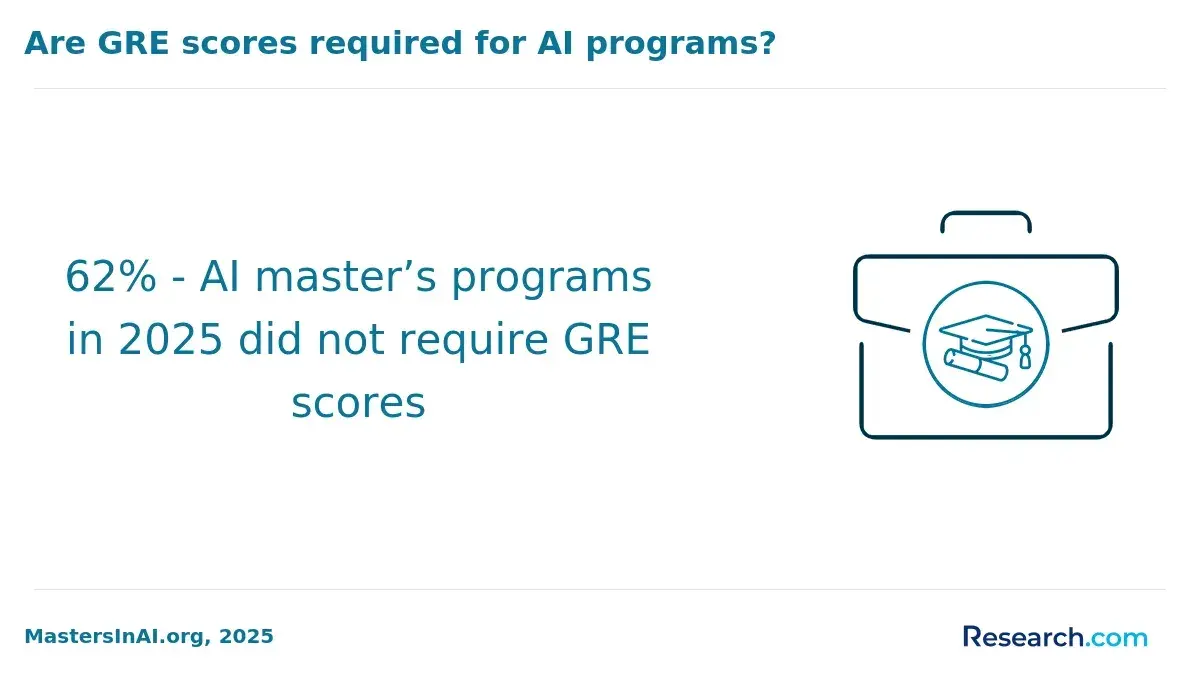
Admissions may also involve GRE scores, interviews, or project portfolios demonstrating AI and CRE expertise. Many prospective students enhance their skill set by exploring related fields through cyber security online courses that complement technical learning.
A 2024 McKinsey survey highlights that AI-powered analytics reduce manual review time by 30-40% in contract and lease abstraction. This demonstrates why meeting these prerequisites is crucial to maximizing the value AI programs can add within CRE workflows and for employers.
How can you verify accreditation and program quality for AI education in real estate analytics?
To verify accreditation and program quality for AI education in real estate analytics, start by confirming the institution's accreditation with agencies recognized by the U.S. Department of Education or the Council for Higher Education Accreditation (CHEA). Regional accreditation ensures that academic standards are met.
Additionally, check if the AI courses have specialized endorsements related to technology, data science, or real estate. Programs affiliated with the Certified Commercial Investment Member (CCIM) Institute or industry leaders provide added credibility.
Faculty qualifications matter-seek instructors with professional experience in real estate analytics, data science, or AI integration specific to commercial real estate (CRE).
Evaluate whether the curriculum includes current topics such as machine learning models, predictive analytics, automation tools, and real-world applications. Practical training through case studies, software labs, or projects enhances learning outcomes.
Alumni success and program reviews offer insight into the program's effectiveness; employment statistics and testimonials showing improved workflow and efficiency are key indicators.
Zapier's 2025 State of Automation report finds that professionals using AI and automation save 5.5 hours weekly, with 42% managing more projects without additional staff, highlighting the value of automation in CRE teams.
Lastly, verify if the program provides certifications recognized by CRE organizations or AI technology providers, as these credentials support career growth and specialization in the field.
What core AI skills and courses matter most for commercial real estate research roles?
Core skills in AI for commercial real estate (CRE) research emphasize data analysis, natural language processing (NLP), and machine learning model development. Proficiency in data analysis enables researchers to interpret large datasets such as market trends, lease details, and tenant feedback efficiently.
NLP helps extract meaningful insights from unstructured text like survey responses and property descriptions, while machine learning supports predictive analytics on vacancy rates, rent pricing, and risk assessment.
Relevant coursework often includes supervised and unsupervised learning, text mining, and AI-driven survey analysis. For instance, AI-powered tenant feedback tools accelerate sentiment analysis, with research showing a 20-25% faster turnaround compared to manual methods, as highlighted in the 2024 Green Street "PropTech and Tenant Sentiment" briefing.
Additional important skills include programming in Python and R for model building and data visualization to communicate findings clearly. Knowledge of cloud computing platforms is increasingly essential since many AI applications rely on scalable cloud infrastructure.
Combining real estate domain expertise with AI techniques strengthens career readiness. Key areas include portfolio optimization, market forecasting, and tenant risk scoring. A solid understanding of data governance and ethical AI use ensures compliance and trust in automated decisions.
Employers seek CRE researchers who blend technical AI knowledge with industry-specific insights. Taking tailored AI courses focused on commercial real estate enhances job performance and prepares professionals for this evolving sector.
How long do AI programs for CRE researchers take, and what do they cost?
AI programs for commercial real estate (CRE) researchers typically range from 8 weeks to 6 months, varying by course depth and format. Short bootcamps and certificate courses last 8 to 12 weeks, focusing on foundational skills like data analysis, model building, and introductory machine learning tailored to CRE.
More extensive part-time master's or professional certificate programs extend to 4-6 months, covering advanced techniques such as natural language processing, predictive analytics, and AI-driven decision workflows specifically for CRE datasets.
Pricing reflects this range, with entry-level bootcamps costing between $1,000 and $3,000, suitable for professionals seeking quick upskilling.
Mid-tier certificates range from $3,000 to $7,500 and often offer broader content with greater access to industry tools and real datasets. Advanced master's or specialized professional courses may exceed $10,000, especially at universities or through prominent tech vendors.
Investing in programs emphasizing data engineering is particularly valuable. According to PwC's 2024 Global AI Business Survey, organizations with strong data engineering capabilities are 3.5 times more likely to realize significant cost savings from AI than those with fragmented infrastructures.
What careers can AI-skilled CRE researchers pursue, and what salaries can they expect?
Careers in commercial real estate (CRE) that leverage AI skills include portfolio analytics, forecasting, scenario modeling, and market intelligence. Positions such as CRE data analysts, investment analysts, strategy consultants, and predictive modelers specifically utilize AI-driven tools to improve asset performance, spot market trends, and lower investment risks.
For instance, strategy consultants use AI to simulate economic or regulatory scenarios affecting property values, supporting firms in making well-informed decisions.
Salary ranges in the U.S. vary by role and experience: entry-level AI CRE analysts typically earn $70,000 to $90,000 annually; mid-level roles like real estate data scientists earn $100,000 to $130,000; senior roles such as AI strategy managers or principal researchers can surpass $150,000. Bonuses linked to improved investment returns often raise total compensation significantly.
Deloitte's 2024 Commercial Real Estate Outlook reports that CRE firms applying AI for portfolio analytics and predictive modeling are 2.1 times more likely to achieve above-average returns than those not using these technologies.
Demand is strong for professionals proficient in machine learning, data visualization, and scenario planning, especially within CRE investment firms, real estate technology companies, and consulting agencies focused on property and urban development strategy.
How strong is employer demand for AI skills in commercial real estate research and analytics?
Employer demand for AI skills within commercial real estate (CRE) research and analytics is rising rapidly. A KPMG survey highlights that 68% of real estate executives see a lack of AI literacy among leadership as a major barrier to expanding AI initiatives. This signals strong opportunities for professionals skilled in AI tools designed for real estate data analysis and forecasting.
Despite this demand, only 29% of CRE firms offer formal AI training programs for managers, exposing a gap between workforce preparedness and employer expectations.
Companies prioritize candidates with experience using AI-driven analytics platforms and a robust understanding of CRE fundamentals. Key skills include machine learning for lease performance analysis and natural language processing to extract insights from market reports.
Employers also value knowledge of change management to help leadership implement AI technologies effectively. Prospective applicants should develop expertise in:
- Data automation
- Predictive modeling
- AI strategy tailored to real estate
Those with formal training position themselves well for roles spanning research, analytics, and leadership, bridging technical AI skills with real estate business needs. Developing these competencies can help professionals influence how AI transforms CRE operations and address critical skill shortages in the industry.
Which AI tools, certifications, and portfolios best demonstrate readiness for CRE research roles?
Mastery of artificial intelligence tools tailored for commercial real estate (CRE) data analysis is crucial for candidates pursuing CRE research roles.
Key technologies include Python libraries like Pandas and Scikit-learn, AI-powered geospatial platforms such as Esri ArcGIS, and integrated systems combining real estate datasets with machine learning models. These skills demonstrate the ability to extract meaningful insights from complex data.
Relevant certifications reinforce expertise by focusing on data science and machine learning fundamentals. Notable examples include the IBM AI Engineering Professional Certificate and Google's Professional Machine Learning Engineer certification, both emphasizing predictive modeling and data visualization.
CRE-specific credentials from organizations like the Urban Land Institute or targeted industry bootcamps provide additional validation of domain knowledge combined with AI fluency.
Portfolios are essential to showcase practical application, featuring projects like market forecasting, investment risk modeling, or automated property valuation.
Candidates add credibility by documenting use of AI algorithms for trend analysis, time series forecasting, or natural language processing applied to leasing or transaction data, highlighting accuracy improvements or efficiency gains.
According to IBM's 2024 Global AI Adoption Index, companies with formal upskilling programs are 39% more likely to expand pilot AI projects, underscoring the importance of structured learning. Emphasizing practical AI use, recognized certifications, and well-curated portfolios aligns with employer expectations in CRE research careers.
Other Things You Should Know About Artificial Intelligence
Some top AI courses for commercial real estate research teams in 2027 include “AI for Real Estate” by MIT Professional Education, “Machine Learning for Real Estate Professionals” offered by Stanford University, and Coursera’s “AI Applications in Real Estate” led by industry experts. These programs are tailored to enhance analytical and predictive capabilities in CRE.
Artificial intelligence enhances market forecasting by analyzing vast datasets faster and more accurately than traditional methods. Machine learning models can identify trends and correlations that humans might miss, improving predictions for property values, vacancy rates, and demand fluctuations. This allows CRE research teams to make more informed investment and development decisions.
AI tools may face limitations such as reliance on high-quality, comprehensive data, which is not always available in commercial real estate. Models can also struggle with sudden market changes or rare events that haven't been represented in historical data. Additionally, AI outputs require expert interpretation to avoid misapplication and overreliance on automated results.
Artificial intelligence is designed to augment, not replace, human expertise in commercial real estate research. While AI provides valuable data processing and pattern recognition capabilities, human judgment remains crucial for interpreting outputs, understanding context, and making strategic decisions. The best outcomes come from combining AI insights with professional experience.
References
- How Will AI Impact Commercial Real Estate? | Cushman & Wakefield https://www.cushmanwakefield.com/en/insights/ai-impact-on-commercial-real-estate
- The future of AI in CRE https://www.jll.com/en-us/insights/the-future-of-ai-in-cre
- University Degree vs AI Bootcamp: Which is Best Career Path? https://agilefever.com/university-degree-vs-ai-bootcamp-which-is-best/
- Online vs Campus Artificial Intelligence Degree Programs: Complete Comparison https://hakia.com/compare/artificial-intelligence-online-vs-campus/
- Top 25 Online Master’s In AI Programs for 2026 - Programs.com https://programs.com/programs/online-masters-in-ai/
- Ultimate Guide: How to Choose the Right AI Training Course to Boost Your Career - ONLC https://www.onlc.com/blog/how-to-choose-ai-training-courses/
- Gen AI’s Impact on U.S. Employment and Office Space | CBRE Investment Management https://www.cbreim.com/insights/articles/gen-ai-impact-on-us-employment-and-office-space
- What Does an AI Researcher Do? Role, Skills & Salary Explained | South https://www.hireinsouth.com/post/what-does-an-ai-researcher-do-role-skills-salary-explained
- The best AI training for employees - Correlation One https://www.correlation-one.com/generative-ai-training-for-employees