2027 Best AI Courses for Energy Industry Professionals

Co-Founder and Chief Data Scientist
Energy professionals often face challenges integrating artificial intelligence into traditional systems without formal training, limiting innovation and operational efficiency. This gap hinders the adoption of advanced analytics and predictive maintenance in critical infrastructure. Identifying courses that balance technical depth with industry relevance is essential for career pivots from unrelated fields.
Many available programs fail to offer flexibility or accreditation recognized by employers in energy sectors. This article explores top-tier artificial intelligence courses tailored for energy professionals, highlighting flexible, accredited options designed to equip learners with practical skills to lead digital transformation within the industry.
Key Things You Should Know
- Energy sector demand for AI skills grew by 40% from 2024 to 2025, driven by digital transformation and automation in energy management and predictive maintenance.
- Top AI courses for energy professionals emphasize machine learning, data analytics, and renewable energy applications, aligning education with industry needs.
- Certificates from accredited programs enhance career prospects, with 65% of surveyed energy professionals reporting salary increases post-completion.
Advance Your Career with AI Online Courses
Artificial Intelligence: Implications for Business Strategy
This program provides an introduction to Artificial Intelligence and their implications for business strategy. Earn an official digital certificate.

Oxford Artificial Intelligence Programme
Explore this Oxford Artificial Intelligence programme offered in a flexible learning environment and explore topics like machine learning, automation, and robotics.

Implementing Agentic AI: Building Your Organizational Playbook
This online MIT Agentic AI course offers a practical approach to deploying AI agents in your organization, including a custom playbook. 3 weeks, exclusive launch price.

AI Adoption: Driving Business Value and Impact
This online MIT AI Adoption: Driving Business Value and Impact offers practical frameworks to close the gap between AI potential and business reality.

Artificial Intelligence in Pharma and Biotech
Discover the applications and limitations of artificial intelligence in pharma and biotech with this MIT online short course.

What makes an AI course specifically valuable for energy industry professionals?
AI courses tailored for energy professionals emphasize domain-specific skills essential for industry optimization. These programs focus on predictive maintenance, energy consumption optimization, grid management, and renewable energy forecasting. Energy experts learn to apply AI algorithms alongside understanding physical systems, which enhances operational efficiency and minimizes downtime.
Data common in the energy sector, such as time-series sensor data, geospatial data, and market prices, form the basis for practical training. Modeling these datasets with techniques like neural networks or reinforcement learning equips professionals with valuable tools. For example, predicting equipment failures using historical sensor data can significantly reduce maintenance costs, demonstrating the real-world impact of industry-specific skills for energy professionals in AI.
Courses also address regulatory requirements and sustainability objectives, covering compliance, data privacy, and ethical AI use. Such integration ensures responsible AI adoption aligned with environmental targets and industry standards.
Hands-on training formats featuring projects, case studies, and current industry software prepare learners for immediate application. Providers updating their curriculum with the latest technologies and market trends stand out in delivering relevant skills. According to McKinsey, generative AI could add $2.6 trillion to $4.4 trillion annually across sectors, highlighting the demand for specialized AI knowledge in energy.
For those interested in expanding their credentials quickly, an accelerated computer science degree can be an excellent pathway to gain foundational and advanced skills that enhance career prospects in this evolving field.
Advance Your Career with AI Online Courses
Artificial Intelligence: Implications for Business Strategy
This program provides an introduction to Artificial Intelligence and their implications for business strategy. Earn an official digital certificate.
Oxford Artificial Intelligence Programme
Explore this Oxford Artificial Intelligence programme offered in a flexible learning environment and explore topics like machine learning, automation, and robotics.
Implementing Agentic AI: Building Your Organizational Playbook
This online MIT Agentic AI course offers a practical approach to deploying AI agents in your organization, including a custom playbook. 3 weeks, exclusive launch price.
Which types of AI courses best fit different energy sector career goals?
Energy sector career goals shape the choice of AI courses most relevant for professionals. Operational roles aiming to boost efficiency and reduce downtime benefit from training in predictive maintenance and machine learning algorithms. According to Deloitte, AI-driven predictive maintenance can cut maintenance costs by 10%-40% and reduce downtime by up to 50%.
Such courses focus on sensor data analysis, anomaly detection, and real-time monitoring, enabling proactive maintenance strategies.
Professionals interested in energy trading, risk management, or market analysis should explore advanced courses in data analytics, natural language processing, and reinforcement learning. These skills help automate decision-making, optimize trading strategies, and analyze market trends.
Those in research and development or innovation gain from AI curricula covering deep learning, neural networks, and optimization, preparing them to create AI solutions for renewable energy and smart grids.
Project managers and leaders require AI strategy and ethics courses to navigate AI's organizational impact, regulatory issues, and deployment challenges in the energy field. Courses that combine AI with energy systems modeling support specialists transitioning into hybrid career paths. Career-focused artificial intelligence training for energy professionals enhances progression across technical and leadership roles.
For individuals seeking education options, exploring the cheapest online master's mechanical engineering programs can provide affordable pathways to advance skills relevant in energy and AI.
How do online AI programs for energy compare to campus-based options?
Online AI training programs versus campus courses for energy professionals offer distinct advantages tailored to working schedules and learning preferences. Online programs provide asynchronous lectures and modular coursework, allowing professionals engaged in shift work or field duties to upskill without interrupting their job responsibilities.
These programs increasingly include virtual simulations and case studies specific to the energy sector, helping students develop practical skills like grid optimization and demand forecasting.
The benefits of online Artificial Intelligence education in the energy sector also include shorter completion times and flexible pacing, which are ideal for mid-career professionals seeking rapid skill acquisition. This approach supports real-time application in managing grid flexibility and integrating renewables, aligned with global electricity demand growth projections.
However, campus-based courses offer in-depth technical immersion with hands-on lab experiences and closer faculty mentorship, which some learners require to master complex AI algorithms.
Campus programs often require full-time enrollment and relocation, limiting access for many energy professionals. Online certifications and degrees often bridge this gap by accommodating varied schedules and geographic constraints. For those considering broader digital skills, exploring fields like a game design and development degree may complement AI expertise and expand career opportunities in technology-driven industries.
What AI skills and topics should an energy-focused curriculum cover?
An energy-focused artificial intelligence curriculum emphasizes core skills in data analytics, machine learning models, and domain-specific AI applications tailored for the energy industry. Training students to develop and deploy predictive algorithms for renewables forecasting is a priority, as this is crucial for grid management.
The International Energy Agency projects renewable electricity generation exceeding 17,000 TWh by 2025, intensifying the demand for AI-powered forecasting to balance variable wind and solar output effectively.
Proficiency in time-series analysis and deep learning is vital for modeling fluctuating energy supply and demand. Courses should cover supervised and unsupervised learning methods to detect patterns in consumption data and optimize energy distribution, reflecting essential ai skills for energy sector professionals. Integrating AI with Internet of Things (IoT) sensors and smart grid technologies enables real-time monitoring and automated decision-making crucial for modern energy systems.
Reinforcement learning techniques support adaptive control systems that respond to changing environmental conditions and market signals. Practical experience with Python, R, and AI frameworks like TensorFlow or PyTorch is necessary to implement these models. Additionally, knowledge of cloud computing platforms is key to managing the large-scale datasets common in energy applications.
Courses must also address AI ethics, data security, and regulatory frameworks to ensure compliance and consider the socioeconomic impacts of AI deployment in energy markets. For those interested in further enhancing their technical skills, exploring the best cybersecurity courses can provide valuable complementary expertise.
- Machine learning fundamentals and predictive analytics
- Renewables forecasting with time-series and deep learning techniques
- IoT integration and smart grid AI applications
- Reinforcement learning for adaptive energy management
- Programming in Python and use of AI development frameworks
- Cloud computing for large-scale energy data processing
- AI ethics, security, and regulatory frameworks in energy
How can you verify accreditation and program quality for AI energy courses?
Accreditation by recognized bodies such as the Accreditation Board for Engineering and Technology (ABET) or regional U.S. accreditors like Middle States or WASC is essential for verifying the quality of AI energy courses. These accreditations confirm that programs meet rigorous academic and industry standards. For instance, an ABET-accredited machine learning course in energy analytics typically covers verified content in modeling, data science, and relevant applications.
Faculty expertise significantly impacts the program's value. Instructors with published research or industry experience in energy markets or trading analytics bring practical insights. BloombergNEF highlights that global investment in the energy transition reached $1.8 trillion, raising demand for AI skills in this field. Hence, courses taught by professionals active in energy transitions or market analysis tend to provide more applicable knowledge.
Program partnerships also serve as quality indicators. Collaborations with utilities, energy consultancies, or trading firms offer real-world perspectives and ensure curriculum relevance.
Student outcomes are critical; assess graduation rates, job placement, and alumni feedback to gauge effectiveness. Check whether the course includes hands-on projects or industry-aligned certifications using tools like Python or TensorFlow. These practical experiences improve employability and reflect program accountability.
What are the typical admission requirements for AI programs serving energy professionals?
Admission to AI programs designed for energy professionals usually requires strong quantitative and technical skills. Applicants should hold at least a bachelor's degree in fields like engineering, computer science, data science, mathematics, or physics. Experience in the energy sector, including oil, gas, or renewable energy, often provides an advantage.
Many programs expect proficiency in programming languages such as Python or R, alongside knowledge of statistics or machine learning fundamentals.
Some graduate-level AI courses request GRE scores, though this requirement is becoming less common. Relevant work experience in data analytics or process optimization within energy companies can notably enhance applications. This practical experience aligns with findings from DNV that highlight improved operational efficiency in oil and gas analytics.
Typical admission materials include a statement of purpose explaining career goals in AI for energy and letters of recommendation from professionals or academics familiar with the applicant's analytical or sector expertise. Prior coursework in AI-related subjects such as neural networks, data mining, or automation may be required.
Applicants lacking a technology background might complete prerequisites or certifications before admission. Flexible formats like evening or online classes accommodate working professionals balancing jobs and education.
How long do AI courses for energy professionals take and what do they cost?
AI education for energy sector professionals ranges from 4 to 12 weeks for targeted certificate programs, while more comprehensive options like graduate-level courses or bootcamps last 3 to 6 months. Professionals interested in electric grid optimization or EV charging management can find short-term courses lasting 1 to 3 months that focus on practical skills such as data analysis and machine learning deployment.
Costs vary significantly depending on program scope and institution. Entry-level or online certificate courses generally cost between $300 and $1,200. More advanced or university-affiliated programs with credits or recognized credentials often range from $2,000 to over $7,000. For example, modular offerings emphasizing AI-enabled energy distribution and smart grid case studies typically fall between $1,500 and $3,500.
The rising need for AI expertise in energy is driven by surging electric car sales, which exceeded 17 million, stressing professionals' skills for charging infrastructure and grid integration.
Prospective students should assess time and budget priorities carefully:
- Short courses deliver rapid upskilling with immediate practical applications.
- Longer options provide deeper knowledge and broader AI toolsets suited for strategic or research roles.
- Free or low-cost MOOCs exist but may not offer the industry-specific focus needed for energy applications.
Choosing courses that align with evolving energy challenges and AI integration best positions professionals in this dynamic field.
What careers can AI training open in utilities, oil and gas, and renewables?
AI training offers diverse career opportunities across utilities, oil and gas, and renewable energy sectors. Data scientists leverage AI for predictive maintenance, anticipating equipment failures to minimize downtime. In energy trading, AI specialists analyze market fluctuations in real time to optimize pricing strategies. Automation engineers develop intelligent control systems for smart grids and renewable plants, boosting operational efficiency.
Cybersecurity roles are increasingly vital. AI-skilled analysts detect anomalies in network behavior to protect infrastructure from cyberattacks. IBM's 2024 Cost of a Data Breach Report highlights that the global average breach cost reached $4.88 million, underscoring the critical role of AI in security analytics within energy systems.
Renewable energy professionals design AI algorithms to improve solar and wind forecasting, increasing grid stability. Environmental analysts utilize AI to monitor emissions and ensure regulatory compliance. In oil and gas, AI supports reservoir simulation for optimized extraction and aids risk assessors in predicting safety and environmental impacts.
Other paths include AI consultants who help companies adopt intelligent technologies and project managers overseeing AI deployments. Proficiency in machine learning and neural networks is crucial to transform data into actionable insights.
Focused AI education equips professionals to tackle sector-specific challenges such as lowering operational costs, strengthening cybersecurity, and promoting sustainable energy, enhancing their value in a rapidly evolving energy landscape.
What salary ranges and advancement opportunities follow AI upskilling in energy?
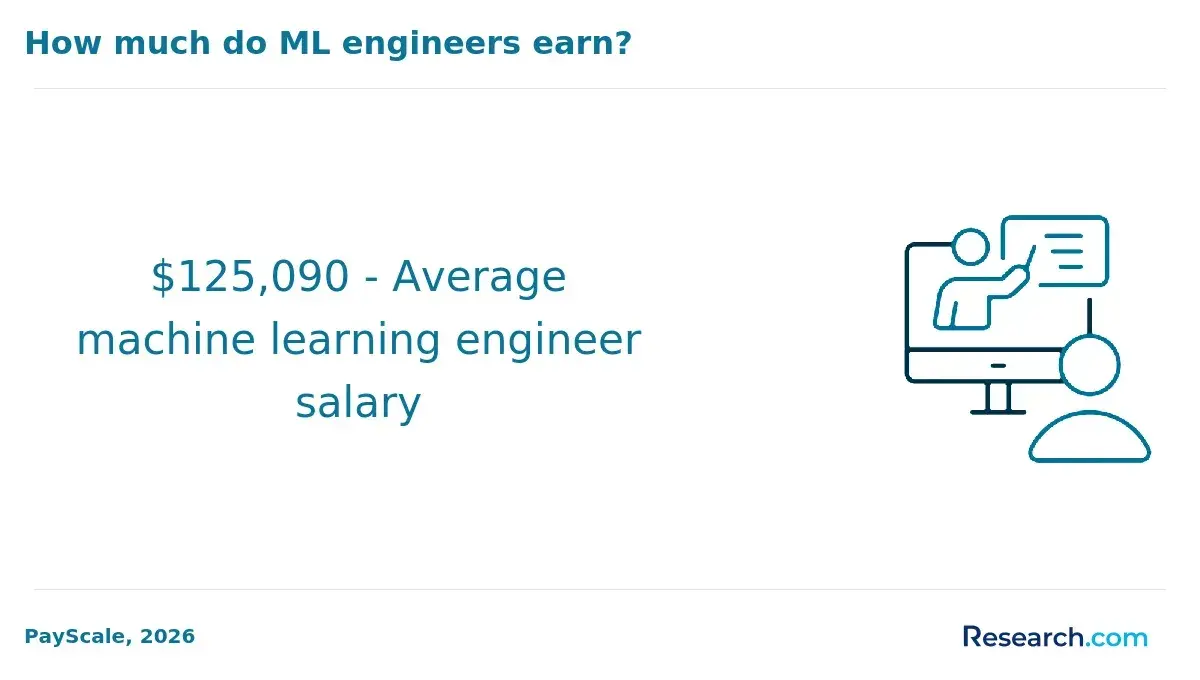
Energy professionals upskilling in artificial intelligence often see significant salary growth and enhanced career paths. Entry-level AI specialists in the energy sector typically earn between $80,000 and $100,000, while mid-career roles range from $110,000 to $150,000 annually depending on expertise and responsibilities. Senior AI engineers and data scientists focusing on energy applications can command salaries above $180,000, especially within companies investing in AI-driven optimization and predictive maintenance.
Career advancement frequently leads to positions in AI strategy, project leadership, or specialized roles applying machine learning to improve energy efficiency and forecasting. Moving into AI-focused roles enhances one's influence by directly contributing to cost savings and innovation.
Certification is crucial for proving skills to employers, but program prices vary widely. VKTR lists AI-for-energy certification fees from €286 to $2,950, reflecting differences in course depth and industry connections. Affordable programs suit newcomers, while costlier options often provide advanced technical training and networking benefits.
Choosing courses aligned with market demands-such as predictive analytics, smart grid technology, or renewable energy forecasting-is vital. Employers prioritize hands-on experience and certifications demonstrating real operational improvements.
- Entry-level AI roles: $80,000-$100,000
- Mid-career salaries: $110,000-$150,000
- Senior AI professionals: $180,000+
- Certification costs: €286 to $2,950
Are there industry-recognized AI or energy analytics certifications worth pursuing?
Industry-recognized certifications in Artificial Intelligence and energy analytics offer valuable proof of expertise for professionals in the energy sector amid rapid digital transformation. Prestigious programs from institutions such as Stanford and MIT provide specialized training in machine learning, predictive analytics, and smart grid technologies that directly apply to optimizing energy systems.
For example, Stanford Online's AI-for-grid course equips energy professionals with skills to improve power grid efficiency using advanced AI tools. These offerings highlight a growing trend toward targeted AI education tailored for energy applications.
When selecting certifications, professionals should consider their specific roles. Data scientists may focus on advanced machine learning courses, while engineers might prioritize credentials in grid optimization or energy management systems. Complementary certifications in data science and software engineering can also enhance technical capabilities and marketability.
Benefits of earning such certifications include increased career mobility, higher earning potential, and validation of skills in a competitive job market. Choosing programs with strong industry partnerships and practical projects further ensures relevance and employer recognition.
While quantitative data on completion rates and direct impacts remain limited, these niche credentials signal a strategic shift in professional development priorities within the energy sector.
Other Things You Should Know About Artificial Intelligence
In 2027, top AI courses for energy professionals include MIT's Online AI for Energy Professionals, Stanford's AI in Energy Systems, and Coursera's AI for Energy Management. These programs offer a blend of artificial intelligence application in energy management and data analysis, helping professionals enhance efficiency and innovation in the industry.
AI plays a critical role in predictive maintenance by processing sensor data to identify early signs of equipment failure. This reduces downtime and repair costs by enabling timely interventions. In the energy sector, AI-driven predictive maintenance extends the lifespan of critical infrastructure like turbines, pipelines, and electrical grids.
Yes, artificial intelligence assists in minimizing environmental impact by optimizing energy production and consumption to lower emissions. It supports renewable energy integration by forecasting weather conditions and managing energy storage. AI also aids in monitoring environmental compliance and identifying pollution sources.
AI skills are increasingly demanded across all energy sectors, including utilities, oil and gas, and renewable energy. Each sector uses AI differently, for example, smart grid management in utilities, exploration and drilling optimization in oil and gas, and renewable resource forecasting. However, the common need is for professionals who can apply AI to solve complex energy challenges.
References
- Best AI Certifications to Boost Your Career in 2026 – Dataquest https://www.dataquest.io/blog/best-ai-certifications/
- Artificial Intelligence for Energy Professionals Online Training Course https://energytraining.ae/course/artificial-intelligence-for-energy-professionals
- Renewable Energy and AI* https://www.ube.ac.uk/postgraduate/renewable-energy-and-ai/
- What Are the Power Requirements for AI Data Centers? https://www.hanwhadatacenters.com/blog/what-are-the-power-requirements-for-ai-data-centers/
- Free online AI course for energy professionals launched by NL AIC and Top Sector Energy - AI-hub Noord https://www.aihub-noord.nl/human-capital-en-2/free-online-ai-course-for-energy-professionals-launched-by-nl-aic-and-top-sector-energy/
- How much energy will AI really consume? The good, the bad and the unknown https://www.nature.com/articles/d41586-025-00616-z
- Introduction to AI for the Energy Industry https://www.nexttraining.net/course/introduction-to-ai-for-the-energy-industry/17966
- AI and Data Analytic Skills for Renewable Energy Systems https://www.eurotraining.com/bro/ret320-1.php
- AI+ Quality Assurance | AI CERTs | Lumify Work https://www.lumifywork.com/en-nz/courses/ai-quality-assurance/
- Data science & AI for energy engineers https://mastersplus.innoenergy.com/about-us/data-science-ai-for-energy-engineers/