2027 Best AI Accountability and Transparency Courses Online

Co-Founder and Chief Data Scientist
Companies face significant risks when deploying AI systems without clear accountability and transparency frameworks. Ethical lapses and regulatory breaches can damage reputations and invite legal consequences.
Many professionals struggle to find relevant education that bridges technical skills and responsible AI governance. This creates a barrier for those seeking to pivot their careers into the AI industry while ensuring ethical deployment.
This article examines top courses that emphasize accountability and transparency in AI, guiding readers toward accredited, flexible options that enhance expertise in responsible AI development and oversight.
Key Things You Should Know
- Courses emphasize ethical frameworks and transparency protocols, reflecting a 45% rise in demand for accountable AI skills reported in 2025 industry surveys.
- Top programs integrate real-world case studies and legal compliance standards, preparing students for evolving regulatory landscapes in the U.S. and globally.
- Flexible online formats and certification options address diverse learner needs, with 60% of professionals prioritizing upskilling in AI accountability by mid-2025.
Advance Your Career with AI Online Courses
Artificial Intelligence: Implications for Business Strategy
This program provides an introduction to Artificial Intelligence and their implications for business strategy. Earn an official digital certificate.

Oxford Artificial Intelligence Programme
Explore this Oxford Artificial Intelligence programme offered in a flexible learning environment and explore topics like machine learning, automation, and robotics.

Implementing Agentic AI: Building Your Organizational Playbook
This online MIT Agentic AI course offers a practical approach to deploying AI agents in your organization, including a custom playbook. 3 weeks, exclusive launch price.

AI Adoption: Driving Business Value and Impact
This online MIT AI Adoption: Driving Business Value and Impact offers practical frameworks to close the gap between AI potential and business reality.

Artificial Intelligence in Pharma and Biotech
Discover the applications and limitations of artificial intelligence in pharma and biotech with this MIT online short course.

What is AI accountability and transparency, and why are these skills in high demand?
AI accountability and transparency require the ability to interpret, explain, and govern AI systems' decisions. Accountability focuses on determining responsibility for AI outcomes, particularly when biases or errors arise.
Transparency makes AI processes understandable and clear to users, fostering trust and ethical deployment. The importance of ethical AI practices for professionals grows as businesses face tighter scrutiny from regulators and society.
IBM's Global AI Adoption Index reports that 61% of enterprise AI users now identify "explainability and transparency" as a major barrier to scaling AI, up significantly from 44% in previous years.
This trend reflects a rising need for experts skilled in communicating AI outputs and ensuring fair practices. Examples include clarifying credit scoring methods for regulators or auditing hiring algorithms for bias.
Key skills in AI accountability and transparency encompass:
- Understanding AI ethics and legal standards
- Techniques for explainable AI (XAI) such as SHAP and LIME
- Bias detection and data auditing
- Communicating AI results to non-technical stakeholders
- Creating governance policies for AI use
Those pursuing these competencies through AI accountability and transparency in online courses United States can enhance career prospects in compliance, risk management, and AI product roles.
For professionals considering educational paths, an applied artificial intelligence degree offers practical training to meet these market demands as AI becomes more integral to sectors like healthcare and finance.
Advance Your Career with AI Online Courses
Artificial Intelligence: Implications for Business Strategy
This program provides an introduction to Artificial Intelligence and their implications for business strategy. Earn an official digital certificate.
Oxford Artificial Intelligence Programme
Explore this Oxford Artificial Intelligence programme offered in a flexible learning environment and explore topics like machine learning, automation, and robotics.
Implementing Agentic AI: Building Your Organizational Playbook
This online MIT Agentic AI course offers a practical approach to deploying AI agents in your organization, including a custom playbook. 3 weeks, exclusive launch price.
What types of online AI accountability and transparency courses are available, from short courses to degrees?
Online courses in AI accountability and transparency range from brief workshops to fully accredited degree programs, catering to diverse professional goals. Short courses typically last a few weeks and focus on essential topics such as ethical frameworks, bias mitigation, and regulatory compliance.
These are well suited for professionals seeking targeted expertise without long-term commitment. Examples include certification programs in ethics for AI practitioners and specialized modules on explainability techniques.
Comprehensive certificate programs spanning several months offer practical skills for designing transparent AI systems and conducting fairness audits. They combine theoretical learning with real-world case studies addressing challenges like algorithmic bias and data privacy.
These programs support mid-career professionals looking to deepen expertise and enhance workplace compliance. The variety of types of AI accountability and transparency online courses allows individuals to select options fitting their development needs.
Graduate degrees in AI ethics, technology policy, or responsible AI provide interdisciplinary training, including legal considerations, philosophy of technology, and advanced technical methods to promote accountability. These degrees prepare students for leadership roles in a field forecasted by the World Economic Forum's Future of Jobs Report 2025 to grow by 32% from 2024 to 2029.
Prospective students should assess programs based on their career focus, such as regulatory policy or system design, and value practical experience through projects or internships. Flexibility in delivery, from asynchronous online formats to live workshops, makes these degrees and short courses in AI accountability and transparency accessible.
For those exploring affordable options, consider the cheapest engineering degree online as a potential pathway to build foundational skills in AI-related fields.
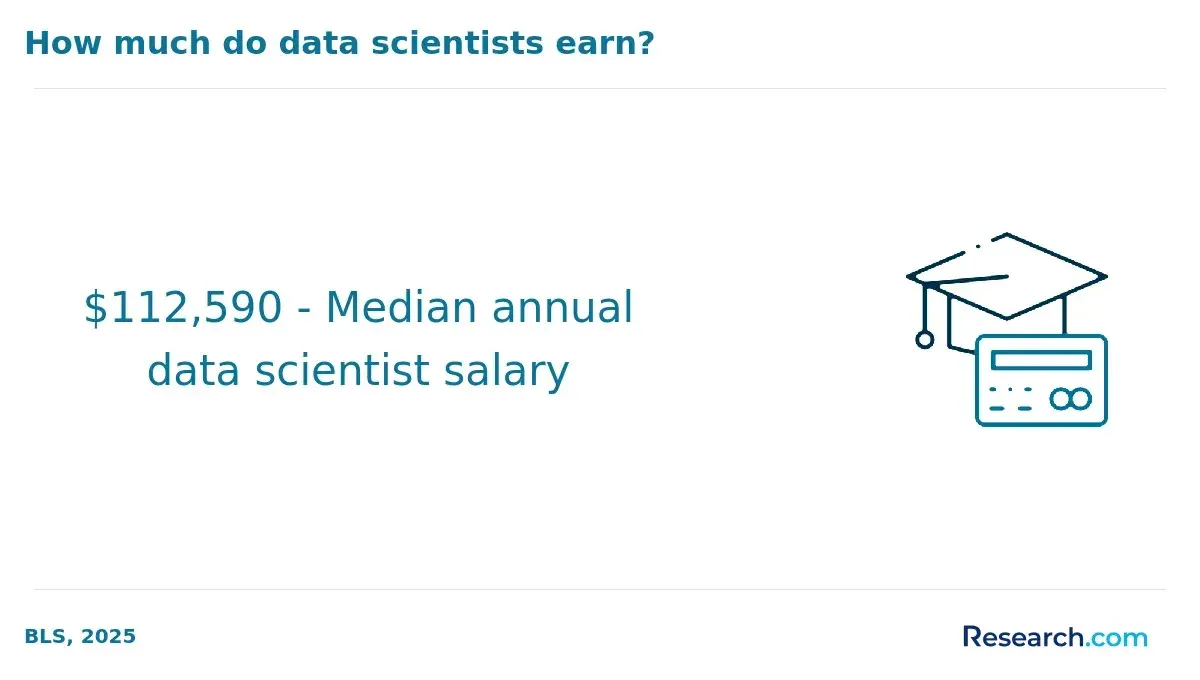
How can you tell if an online AI accountability course or program is properly accredited?
To verify legitimate accreditation for AI accountability courses, check for approval by recognized U.S. educational authorities such as regional accrediting agencies endorsed by the Department of Education or the Council for Higher Education Accreditation (CHEA).
Industry-specific certifications from organizations like the IEEE or AI Ethics boards further confirm credibility. Programs should clearly display their accreditation status and provide links or documents that verify their claims. Be cautious of courses that fail to name the accrediting body.
Recognizing certified online programs in AI accountability and transparency also involves reviewing instructor qualifications, ensuring they have expertise in AI ethics, governance, or transparency. The syllabus should cover essential topics like governance, risk management, and transparency controls, addressing known industry gaps.
For instance, a Deloitte survey showed 73% of organizations deploying generative AI have governance controls, yet only 28% offer staff training, underscoring the need for relevant education in this area.
Prospective students should prioritize programs offering recognized certificates or continuing education credits valued by employers. Reading reviews from alumni or professionals in AI governance can provide insights into course quality and practical relevance.
Those seeking advanced education may explore options such as masters in data science online to strengthen their expertise in AI accountability fields.
What do you learn in an AI accountability and transparency curriculum, and which core topics matter most?
AI accountability course core topics for practical learning include detecting and mitigating algorithmic bias, where students analyze how data or modeling choices can create unfair outcomes for different demographic groups.
Transparency and ethics in artificial intelligence education are emphasized through teaching explainable AI techniques such as interpretable model structures and post-hoc explanation tools, which clarify AI decision-making for developers and stakeholders.
Ethical frameworks are central, covering principles like fairness, justice, and human rights applied to AI. Students also explore regulatory standards and compliance mechanisms including GDPR and the Algorithmic Accountability Act, which shape governance practices. Risk assessment and impact analysis help learners identify potential harms related to privacy, security, and societal effects.
Practical training focuses on auditing AI systems with techniques for transparency reporting and documentation to ensure ongoing responsibility. Courses often encourage stakeholder engagement and participatory design to incorporate diverse viewpoints into AI development. This hands-on approach supports real-world accountability and ethical implementation.
Interest in these subjects continues to grow sharply. Coursera's 2024 impact report highlights that enrollments in "AI ethics and responsible AI" courses rose by 572% from 2020 to 2024, underscoring their increasing relevance for professionals.
For those considering related fields, exploring online cybersecurity degree programs for veterans can offer complementary skills valuable in AI oversight and security domains.
How do online AI accountability and transparency programs compare with campus-based options for flexibility and rigor?
Online AI accountability and transparency programs provide greater flexibility than campus-based options. Learners can study asynchronously, making it easier to juggle full-time jobs or personal commitments. This accessibility attracts professionals from diverse fields like law, public policy, and humanities, allowing non-technical learners to engage deeply with complex AI ethics topics.
For instance, edX reports that over 40% of learners in its "AI ethics and governance" MicroMasters come from non-technical backgrounds, demonstrating how online formats broaden participation.
Campus programs often require fixed schedules and in-person attendance, which can limit access for working professionals or those living far from the campus. However, they offer stronger direct interaction with faculty and peers, enabling immediate feedback and academic rigor, valued by students mastering advanced accountability frameworks in ai.
Rigor is not exclusive to campus programs; top online courses also include substantial assessments, case studies, and project work. Learners must pass timed exams, participate in moderated discussions, and apply practical problem-solving skills. Evaluating curriculum and accreditation is crucial when choosing a program.
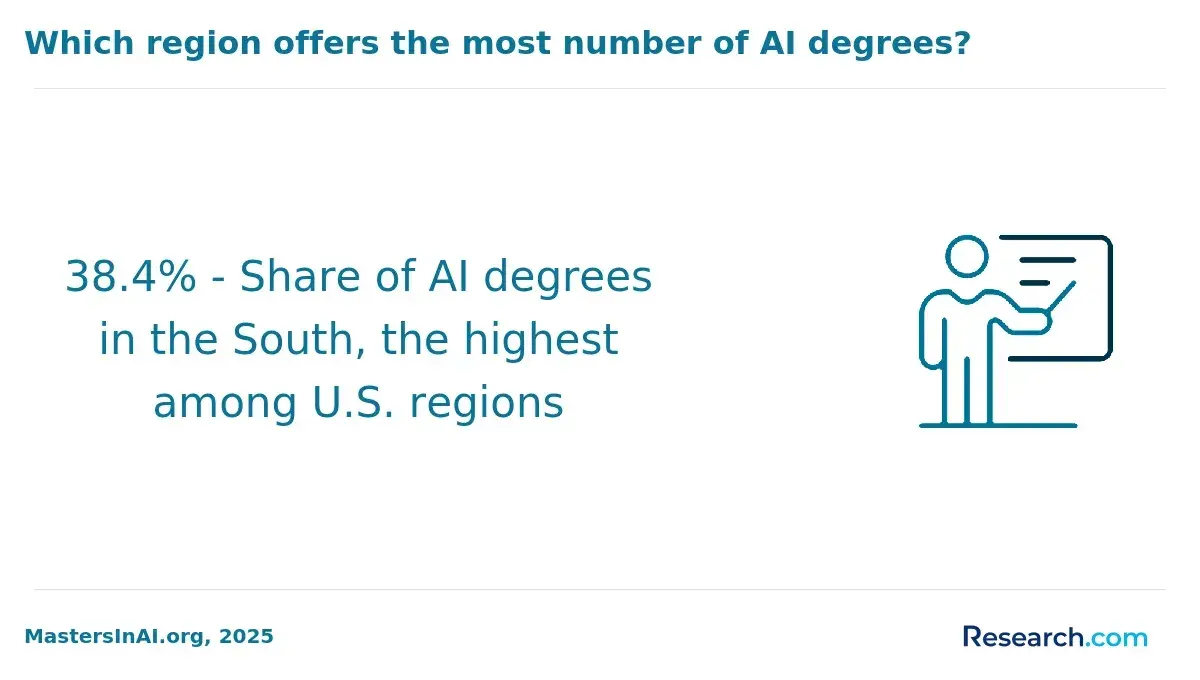
What are the typical admissions requirements for AI accountability and transparency certificates, bootcamps, and degrees?
Admission requirements for AI accountability and transparency programs vary by level and provider but typically include a mix of educational background, technical skills, and experience. Many certificate courses and bootcamps require a bachelor's degree or equivalent experience in fields like computer science, data science, law, or ethics.
Familiarity with AI concepts and programming languages such as Python is often recommended or required. Some programs expect knowledge of data governance, compliance, or policy frameworks to handle risk management topics effectively.
Graduate and master's programs usually require a completed undergraduate degree, with transcripts to show academic proficiency. While GRE scores are less common, some competitive programs may still ask for them.
Letters of recommendation and statements of purpose help assess applicants' motivation and commitment to AI ethics and governance. Professional experience in AI, analytics, or compliance enhances applications, especially for advanced degrees or certificates targeting mid-career learners.
Programs for professionals sometimes offer prerequisite courses for those without strong technical backgrounds, reflecting the rising demand for cross-disciplinary skills. According to O'Reilly's 2024 tech trends report, 54% of organizations using AI plan to boost spending on governance, risk, and compliance training, highlighting growing industry needs.
Applicants should review prerequisites carefully. These could include foundational AI or ethics courses, proficiency tests, or prior machine learning coursework to prepare for complex transparency challenges in real-world AI deployment.
How long do AI accountability and transparency programs take to complete, and what do they cost?
AI accountability and transparency programs vary in length and depth, typically ranging from 6 weeks to 6 months. Shorter courses offered on platforms like LinkedIn Learning or Coursera require 15 to 40 hours, ideal for busy professionals studying part-time.
More in-depth university or institute-based programs often span 3 to 6 months and demand 100 to 200 hours of commitment, covering regulatory frameworks, ethical decision-making, and technical transparency methods in AI systems.
Costs also vary widely depending on program type and provider. Online micro-certificates or professional development courses usually cost between $200 and $1,000.
For instance, LinkedIn Learning certificates labeled "AI governance" or "AI ethics" often fall under $400 individually or via subscriptions, offering affordable, flexible options for quick upskilling. University-affiliated courses with academic credit typically charge $1,500 to $5,000, reflecting their extended duration and credential prestige.
The LinkedIn Workplace Learning Report showed a 310% growth in completions of "AI governance" or "AI ethics" certificates, highlighting rising demand for accessible, flexible learning options in these areas.
When selecting a program, consider your available time, budget, and whether certification or academic credit is necessary. Programs that blend theory with practical case studies provide valuable skills for applying transparency principles in real-world AI projects.
What careers can AI accountability and transparency training lead to, and what do these roles involve?
AI accountability and transparency training prepares professionals to ensure ethical and responsible use of artificial intelligence technologies. Key roles include AI ethics specialists, responsible AI officers, compliance analysts, and policy advisors. These experts create guidelines to prevent bias, maintain fairness, and promote transparency in AI systems used by organizations.
AI ethics specialists focus on designing and auditing algorithms to identify risks such as discrimination or privacy issues before deployment. Responsible AI officers ensure that business units comply with ethical standards while aligning projects with legal and societal expectations.
Compliance analysts track AI solutions for regulatory adherence and prepare necessary documentation. Policy advisors develop legislation and corporate policies that guide ethical AI development.
These roles require a blend of skills such as technical auditing, legal knowledge, stakeholder communication, and risk assessment. For example, an AI ethics specialist may analyze training data to uncover hidden biases.
Usually, responsible AI officers collaborate with data scientists and product managers to implement transparency features like explainability in AI models.
According to Glassdoor salary data for 2025, "AI ethics" and "responsible AI" roles in the U.S. have a median base salary of around $155,000, about 28% higher than general data scientist positions, highlighting strong return on investment for specialized training.
Training in AI accountability suits those interested in consulting roles focused on AI governance or positions within regulatory bodies addressing data protection. As AI integration deepens, demand grows for experts who can navigate ethical dilemmas and regulatory landscapes, promoting trustworthy systems.
What salary ranges and job outlook can AI governance and transparency professionals expect in the U.S.?
AI governance and transparency roles in the U.S. offer competitive salaries, reflecting the high demand for expertise in ethical AI management. Entry-level positions, such as AI governance analysts or compliance specialists, typically earn between $70,000 and $90,000 annually.
Mid-career professionals like AI ethics managers or risk officers usually receive salaries from $100,000 to $140,000. Senior roles, including AI governance directors or chief AI officers, can exceed $180,000, especially within large tech firms or finance sectors.
The job outlook is strong due to increasing regulatory scrutiny and the emphasis on responsible AI adoption.
A survey of CIOs and chief data officers revealed that 67% regard formal training or certification in AI risk, ethics, or governance as a "differentiating factor" in hiring, with 21% listing it as a formal requirement. This highlights how credentialed knowledge directly impacts employability and career growth.
Emerging roles blend AI technical skills with governance, including AI audit, compliance, and policy implementation. Candidates with legal expertise combined with AI risk management often achieve higher compensation. Professionals skilled in communicating AI transparency issues to non-technical stakeholders are increasingly valued.
To strengthen career prospects, pursue certifications focused on AI ethics, risk assessment, and regulatory frameworks. This is especially important in sectors like healthcare, finance, government, and technology, where transparent AI utilization is critical.
Staying informed about evolving federal and state AI laws sharpens one's competitive edge in this niche.
How do professional certifications and emerging AI governance standards influence your education and career choices?
Certifications in AI governance provide verifiable proof of expertise in areas like accountability, ethics, and transparency, making candidates more competitive for roles requiring governance compliance. Those focused on AI risk assessment or ethical design frameworks help professionals meet employer expectations and regulatory mandates.
AI governance standards are shaping education by prioritizing core skills such as bias mitigation, data privacy, and algorithmic transparency. Employers increasingly value familiarity with frameworks including the EU's AI Act and the U.S. Executive Order on AI, which drives training programs to align with these evolving policies.
UNESCO reported that over 50 countries have integrated AI ethics, accountability, or transparency modules into higher education or professional training, up from under 10 just a few years prior, reflecting rapid institutional adoption of AI governance education.
Recommendations for students and professionals include:
- Prioritizing certifications recognized by leading industry bodies or regulatory agencies
- Selecting programs with updated curricula covering current AI governance regulations
- Complementing technical skills with courses on ethical and legal compliance
- Using certifications to leverage higher salaries or specialized roles in AI auditing, policy, or compliance
Developing governance knowledge alongside technical skills sharpens career paths by aligning capabilities with regulatory landscapes and employer demands in AI-related fields.
Other Things You Should Know About Artificial Intelligence
Numerous online courses in 2027 focus on AI accountability and transparency, including offerings from platforms like Coursera, edX, and Udemy. Notable courses include the "AI Ethics and Governance" series by the University of Edinburgh and the "Transparency in AI Systems" course by MIT, providing learners with up-to-date knowledge and skills in this critical area.
Artificial intelligence significantly affects data privacy regulations by increasing the volume and types of personal data collected and processed. AI systems must comply with laws like GDPR and CCPA, which mandate clear consent and data protection measures. Ensuring AI models do not misuse or expose sensitive information is a critical part of regulatory compliance.
Explainability is crucial for artificial intelligence accountability as it enables users and stakeholders to understand how AI systems reach their conclusions. Transparent models help identify errors, biases, or unfair decisions, making AI outputs more trustworthy. Explainable AI supports compliance with ethical standards and legal requirements in many industries.
Currently, artificial intelligence systems cannot be held legally responsible since they lack legal personhood. Responsibility usually falls on developers, deployers, or organizations using AI technology. Legal frameworks are evolving to address liability and accountability for AI-driven outcomes, but direct legal responsibility for AI itself remains limited.
References
- AI Literacy Programs in Europe – Supporting Article 4 of the EU AI Act https://artificialintelligenceact.eu/ai-literacy-programs/
- Guidance on the Responsible Use of Artificial Intelligence (AI) in Accredited Continuing Education (CE) - ACCME https://accme.org/resource/guidance-on-ai/
- AI Governance: The New Profession You Should Know https://governance.aicareer.pro/blog/the-new-profession-of-ai-governance
- AI Policy Clinic https://www.caidp.org/global-academic-network/ai-policy-clinic/
- Accreditation and AI: Ensuring Quality in an Era of Smart Learning https://www.qahe.org/article/accreditation-and-ai-ensuring-quality-in-an-era-of-smart-learning/
- A Governance Framework for Algorithmic Accountability and Transparency - AI Now Institute https://ainowinstitute.org/publications/a-governance-framework-for-algorithmic-accountability-and-transparency
- AI in Education: Ethics, Transparency and Responsibility | TTMS https://ttms.com/ai-in-education-ethics-transparency-and-teacher-responsibility/
- Accountability in AI | CodeSignal Learn https://codesignal.com/learn/courses/accountability-transparency-and-governance/lessons/accountability-in-ai