2027 Best AI Courses for Email Marketing Teams Managing AI Adoption

Co-Founder and Chief Data Scientist
Email marketing teams face growing pressure to integrate AI-driven tools efficiently while maintaining campaign effectiveness. Many struggle with applying complex technologies without disrupting workflows or alienating their audience. This knowledge gap often leads to missed opportunities or ineffective content personalization. Navigating AI adoption requires targeted education that bridges marketing expertise with technical proficiency.
This article evaluates top AI courses designed to equip email marketing professionals with practical skills for managing and leveraging AI innovations. It guides readers in choosing flexible, accredited programs that foster successful AI integration and enhance marketing outcomes.
Key Things You Should Know
- AI courses for email marketing teams in 2026 emphasize practical skills in AI-driven personalization, boosting engagement with up to 45% higher open rates according to recent 2025 studies.
- Training increasingly covers AI adoption management, helping teams integrate tools while addressing ethical use, reducing workflow disruptions by over 30%.
- Top programs blend data analytics, automation techniques, and strategic communication, aligning with 2024 industry demand highlighting a 25% rise in AI-skilled marketing roles.
Advance Your Career with AI Online Courses
Artificial Intelligence: Implications for Business Strategy
This program provides an introduction to Artificial Intelligence and their implications for business strategy. Earn an official digital certificate.

Oxford Artificial Intelligence Programme
Explore this Oxford Artificial Intelligence programme offered in a flexible learning environment and explore topics like machine learning, automation, and robotics.

Implementing Agentic AI: Building Your Organizational Playbook
This online MIT Agentic AI course offers a practical approach to deploying AI agents in your organization, including a custom playbook. 3 weeks, exclusive launch price.

AI Adoption: Driving Business Value and Impact
This online MIT AI Adoption: Driving Business Value and Impact offers practical frameworks to close the gap between AI potential and business reality.

Artificial Intelligence in Pharma and Biotech
Discover the applications and limitations of artificial intelligence in pharma and biotech with this MIT online short course.

What are the best AI courses for email marketing teams?
Top training programs for email marketing teams adopting AI emphasize practical skills in data analysis, content generation, and automation integration. Leading platforms such as Coursera, Udemy, and LinkedIn Learning offer targeted modules on AI-driven marketing strategies and tools to meet the growing demand for expertise.
Effective courses cover:
- AI fundamentals tailored specifically to marketing contexts
- Tools for natural language generation and customer personalization engines
- Data analytics for segmentation and performance optimization
- Integration of AI with popular email platforms like Mailchimp and Salesforce
Among the best AI courses for email marketing professionals is "AI for Marketing" on Coursera, which combines theory with hands-on AI-powered customer profiling assignments. Udemy's "Email Marketing Automation with AI" equips learners with practical skills to implement AI in campaign workflows and A/B testing. LinkedIn Learning focuses on adopting AI tools to boost engagement and conversion rates.
A 2025 Litmus report revealed that while 87% of email marketing leaders plan to expand AI use, only 29% say their teams currently have adequate skills. Closing this skill gap reduces reliance on external consultants and accelerates internal AI adoption.
For team leaders, choosing courses that include certificates and practical projects is crucial for measurable outcomes. Supplementing online education with vendor-specific training from platforms like HubSpot or Salesforce further strengthens implementation expertise. Given the rapid evolution of AI tools, continuous learning remains essential. Prospective learners may also explore a 1 year computer science degree online for comprehensive foundation knowledge.
Advance Your Career with AI Online Courses
Artificial Intelligence: Implications for Business Strategy
This program provides an introduction to Artificial Intelligence and their implications for business strategy. Earn an official digital certificate.
Oxford Artificial Intelligence Programme
Explore this Oxford Artificial Intelligence programme offered in a flexible learning environment and explore topics like machine learning, automation, and robotics.
Implementing Agentic AI: Building Your Organizational Playbook
This online MIT Agentic AI course offers a practical approach to deploying AI agents in your organization, including a custom playbook. 3 weeks, exclusive launch price.
Which AI skills help email marketing teams adopt AI?
Email marketing teams integrating AI need strong skills in data analysis, natural language processing (NLP), and machine learning fundamentals. Proficiency in data analysis helps marketers interpret customer behavior and segment audiences effectively, leveraging AI models to predict engagement. A solid grasp of NLP enables crafting personalized messages that resonate with recipients, contributing to a 41% increase in email open rates reported by Salesforce's 2025 State of Marketing for AI-driven personalization users.
Machine learning knowledge allows teams to optimize algorithms behind email campaigns by training models, identifying bias, and adjusting parameters. This skillset supports a 38% boost in click-through rates compared to campaigns not using AI. Developing AI email marketing skills for effective adoption also requires fluency with automation tools and platforms, ensuring seamless integration with customer relationship management (CRM) systems and streamlined workflows.
Professional training courses for email marketing AI integration emphasize not only technical proficiency but also ethical considerations and compliance with data privacy laws like GDPR and CAN-SPAM. Soft skills such as critical thinking and problem-solving help marketers evaluate AI-generated insights and tailor outputs to maintain brand voice and meet customer expectations.
Continuous learning and experimentation, including A/B testing, further enhance campaign effectiveness. Prospective students interested in advancing their expertise may consider pursuing the cheapest online civil engineering degree as a gateway to understanding technical principles that underpin AI technologies.
How do online AI courses compare with campus options?
Online AI courses offer greater flexibility and accessibility compared to campus training, which benefits email marketing teams managing AI adoption. These courses allow learners to build skills alongside their work schedules, unlike campus programs that require fixed attendance times.
Online platforms also update curricula regularly to keep pace with rapid advancements, focusing on practical applications like send-time optimization models shown to increase open rates by up to 23%, according to Twilio SendGrid's 2025 Email Benchmark & Engagement Report. Campus courses may fall behind due to slower updates.
Cost differences also matter when you compare benefits of online and campus AI classes in email marketing. Online courses generally have lower tuition and no relocation or commuting costs, allowing teams to train more members and explore specialized modules such as machine learning for customer segmentation and natural language processing for content personalization.
Campus programs often emphasize broader theoretical foundations, benefiting those pursuing deep technical mastery or research careers but may be less immediately applicable to marketing professionals.
Quality varies widely among online options. Reputable platforms linked to recognized universities or industry leaders offer certificates that boost resumes. Campus degrees usually hold more weight in traditional hiring but delay quick skill application.
Email marketing teams seeking rapid AI adoption often find targeted online courses with real-world projects most effective. For those interested in advanced academic paths, exploring AI PhD programs can be valuable.
Meeting diverse learner needs is easier online via interactive labs, peer forums, and modular formats. Campus programs tend to be more theoretical and less customizable. Teams with budget constraints, time conflicts, or a focus on immediate ROI should prioritize curated online courses designed specifically for marketing professionals.
What should an AI email marketing curriculum include?
An AI email marketing curriculum should emphasize AI integration strategies for email marketing teams, enabling students to leverage AI-enabled email service providers effectively. Key features like predictive segmentation, personalized content generation, and automated campaign optimization are essential for modern campaigns.
According to Encharge's 2026 review, companies that adopt AI platforms reduce time spent on setup and segmentation by an average of 32%, highlighting the efficiency gains achievable with proper training.
Email marketing courses focused on AI adoption best practices often include hands-on training with natural language processing for crafting dynamic subject lines and body content tailored to recipient behavior. Students also explore machine learning model fundamentals to interpret AI recommendations and refine campaign parameters accordingly.
Data privacy and compliance instruction is vital, covering regulations such as CAN-SPAM and GDPR to ensure marketers understand how AI manages user data ethically and securely. Troubleshooting and bias mitigation techniques address challenges like oversampling or undersegmentation, while case studies from industries including B2B, retail, and nonprofit provide practical context.
Additional components cover AI-driven A/B testing, performance analytics, and integrating AI with CRM and social media marketing tools. Continuous evaluation prepares students for evolving technology landscapes and sustained campaign impact. Prospective students might explore advanced studies through an online PhD data science to deepen expertise in this transformative field.
What admissions requirements do AI courses usually ask for?
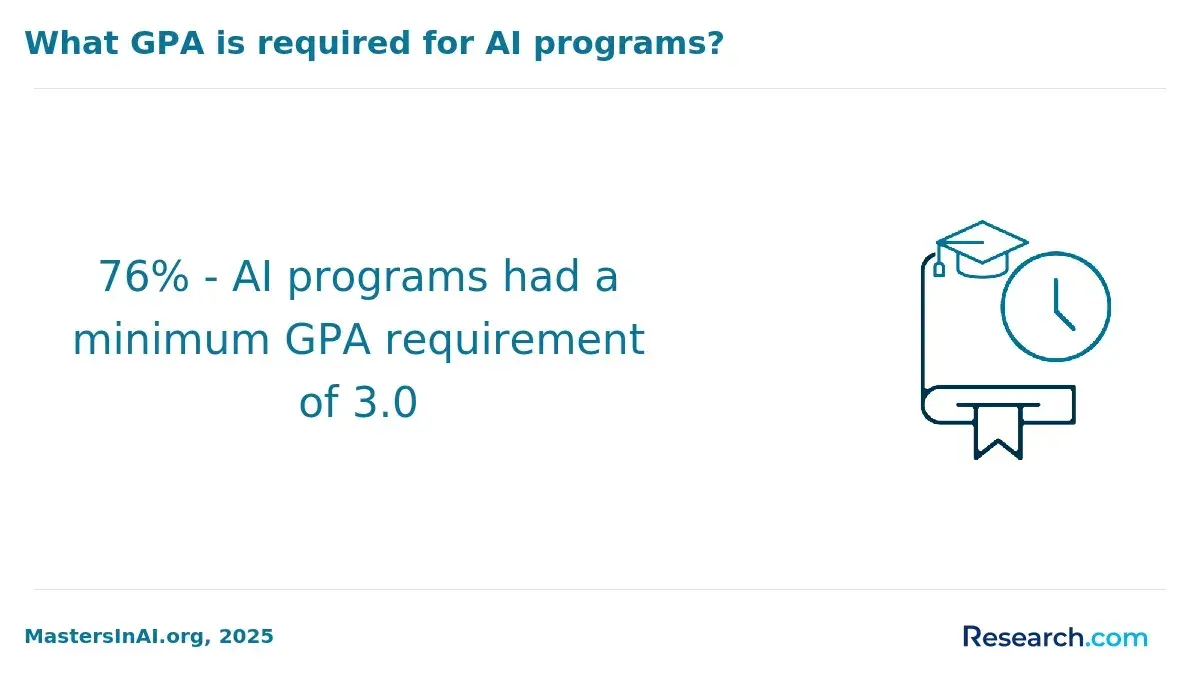
AI courses often require a blend of educational background, technical abilities, and professional experience. Most programs expect applicants to hold at least a bachelor's degree in fields like computer science, marketing, business, or data analytics.
Advanced courses may also recommend familiarity with programming languages such as Python or R and a basic understanding of machine learning concepts. For instance, courses focused on AI strategy and change management might prioritize experience in marketing technology or project management rather than coding skills.
Admissions typically ask for a personal statement outlining candidates' goals for AI implementation in their teams, alongside relevant experience in email marketing or digital campaigns. Some programs request letters of recommendation to confirm applicants' capacity to apply AI effectively in marketing environments.
Many AI training providers offer flexible options without formal prerequisites, especially for marketing professionals seeking practical skill development. However, foundational courses might require completing preliminary assessments to ensure all students share essential baseline knowledge.
According to Gartner's Marketing Technology Survey, 53% of marketing organizations identify lack of AI skills and training as a key barrier to AI adoption, with only 18% having formal upskilling programs. This highlights the need to choose courses with clear admission criteria that reflect participants' technical readiness and professional goals.
Applicants should evaluate programs that align with their current skills and AI challenges in email marketing, while preparing portfolios or case studies to enhance admission prospects in selective courses.
How long do AI courses for marketers usually take?
AI courses for marketers vary widely in duration, typically spanning from a few hours to several weeks based on the depth of training. Short introductory courses usually take 3 to 10 hours, ideal for quick overviews or onboarding executives. More in-depth programs focusing on email copywriting, design, and automation commonly run 20 to 40 hours across multiple sessions, combining theory with practical application.
Courses that emphasize hands-on experience with generative AI tools for email marketing often last two to four weeks part-time, enabling teams to apply learning while managing live campaigns. For example, training on AI-driven email drafting usually totals about 30 hours, split into focused modules covering prompts, template personalization, and automation workflows.
The 2024 HubSpot State of Marketing report reveals that teams using generative AI to draft emails release campaigns 3.5 times faster than those relying solely on manual methods. This efficiency is a key factor when selecting course lengths that deliver immediate value.
Beginners benefit from concise courses under 10 hours for foundational skills, while intermediate and advanced marketers gain from longer, practical curricula stretched over weeks. Options include flexible self-paced programs or structured instructor-led workshops.
When choosing a course, prioritize those offering substantial hands-on practice with AI email tools and post-completion support, crucial for keeping pace with the fast-evolving AI marketing landscape.
How much do AI courses for email marketing teams cost?
AI courses tailored for email marketing teams vary widely in cost depending on content depth, course length, and certification level. Entry-level online offerings generally range from $50 to $300 and focus on foundational AI concepts and email automation skills. These are ideal for marketing professionals seeking practical integration techniques without advanced technical training.
More advanced programs, often priced between $500 and $2,000, cover AI-driven analytics, continuous email testing (A/B and multivariate), and campaign optimization. These courses frequently include hands-on projects or access to proprietary AI marketing platforms. According to Salesforce's 2025 AI in Marketing Insights, marketers leveraging AI-powered email testing see a 28% increase in conversion rates compared to manual methods, demonstrating strong ROI for these skills.
Certification programs offered by recognized institutions can exceed $2,000 but provide comprehensive curricula and credentials beneficial for career growth. These programs may also offer flexible payment plans and corporate discounts, valuable for teams managing adoption budgets.
Free or low-cost options are available on platforms like Coursera and Udemy but might lack email marketing specificity or depth.
Key considerations when selecting courses include:
- Relevance to ongoing testing and optimization initiatives.
- Opportunities for practical experience with AI tools.
- Recognition of certification for professional credibility.
- Scalability to accommodate teams with varied skill levels.
Which certifications matter for AI email marketing professionals?
Certifications for AI email marketing professionals emphasize practical AI skills, data privacy compliance, and ethical data use. Leading credentials come from established providers such as Google, Microsoft, and IBM, focusing on automation, predictive analytics, and customer segmentation. These skills are crucial for driving successful email marketing campaigns.
Data privacy certifications are equally vital, as email marketing depends heavily on consumer information. The Cisco 2024 Data Privacy Benchmark Study reveals organizations that prioritize responsible data practices see a 22% higher return on privacy investments. Notable certifications include CIPP (Certified Information Privacy Professional) from the International Association of Privacy Professionals and specialized courses on ethical AI usage.
Training in AI governance and transparency helps marketers align campaigns with evolving regulations and build customer trust. Programs from the Partnership on AI and AI ethics certifications from leading universities offer frameworks to reduce bias and prevent misuse in automated campaigns.
Effective certifications blend AI technical expertise with regulatory knowledge, reducing legal risks while enhancing personalization accuracy. Examples include courses that combine natural language processing for content creation with GDPR and CCPA compliance training.
Investing in certifications tailored to both AI technology and compliance equips email marketing teams to overcome complex adoption challenges and optimize campaign performance and consumer confidence.
What jobs use AI skills in email marketing?
Jobs involving AI skills in email marketing span various roles that leverage technology to boost campaign success and enhance customer engagement. Email marketing managers use AI to optimize send times and personalize email content dynamically.
Data analysts specializing in email marketing rely on AI-generated insights to segment audiences more accurately and predict campaign results. Content creators utilize AI tools to craft subject lines and body copy tailored to different audience groups, improving open and click-through rates.
Campaign strategists integrate predictive analytics powered by AI for lead scoring and churn prediction, while marketing automation experts program platforms to send emails triggered by real-time user behaviors, increasing conversion rates. Customer relationship managers proficient in AI analyze automated feedback and sentiment data from email responses to improve customer experience.
Professionals often face challenges such as balancing AI-driven personalization with privacy regulations, managing extensive data, or integrating AI tools with existing customer relationship management systems. Training that focuses on machine learning fundamentals, data analytics, natural language processing, and automation tailored to email marketing helps teams overcome these obstacles.
According to McKinsey's Global AI Survey, organizations investing in structured AI training for marketing teams are nearly twice as likely to see significant revenue growth, underscoring the value of mastering these skills. Prospective students seeking roles in this area should prioritize courses that develop these core competencies.
How do you choose a reputable AI training provider?
Choosing a reputable AI training provider involves assessing several essential factors to ensure valuable learning outcomes. Start by verifying the provider's credentials and affiliations with recognized industry bodies or academic institutions. Providers linked with established universities or certified by professional organizations typically maintain high standards and offer current content.
Review the course curriculum carefully. Effective programs highlight practical applications in email marketing, such as predictive analytics, segmentation, and automation. They should strike a balance between theory and hands-on projects or case studies that demonstrate real-world AI use in marketing workflows.
Seek proof of effectiveness. Deloitte's 2024 Marketing AI Maturity study shows firms with formal AI education see an 18-21% boost in marketing ROI, especially through email channels. Providers sharing such data or testimonials indicate measurable value. It's also important that instructors have combined expertise in marketing and AI.
Consider the support and flexibility offered. Leading programs provide ongoing access to resources, mentorship, or peer communities, helping learners adapt as AI tools evolve. Confirm clear pricing, refund policies, and options for online, hybrid, or in-person formats that suit your needs.
Evaluate the technical infrastructure and platform usability because a clunky interface can disrupt learning. Comparing reviews and ratings from current or past participants specifically in email marketing can reveal strengths and weaknesses of the training options.
Other Things You Should Know About Artificial Intelligence
In 2027, top courses for email marketing teams looking to manage AI adoption and enhance customer segmentation include Stanford's "AI in Marketing" and Coursera's "AI for Everyone." These courses focus on leveraging AI technologies to create more precise customer segments, enhancing targeting and personalization in email marketing.
AI excels at analyzing data and automating repetitive tasks, but it does not fully replace human creativity in email marketing. While AI can generate subject lines or segment audiences effectively, human strategic thinking and emotional intelligence remain essential for crafting compelling and innovative campaigns. Collaboration between AI tools and marketers yields the best results.
Integrating AI into existing email marketing systems often involves data compatibility issues, the need for staff training, and initial implementation costs. Additionally, ensuring AI models are accurate and unbiased requires ongoing monitoring. Companies must plan carefully to align AI tools with current workflows without disrupting campaign performance.
AI improves customer segmentation by analyzing vast datasets to identify patterns and behaviors that traditional methods might miss. This leads to more precise audience targeting based on purchase history, engagement levels, and preferences. As a result, email campaigns can be tailored to individual customer needs, increasing open rates and conversion.
References
- Best AI email marketing tools | Customer.io https://customer.io/learn/message-composing/best-ai-email-marketing-tools
- What to Look for in an AI Training Course | Build Real-World AI Skills https://www.pryor.com/blog-categories/professional-development/what-to-look-for-in-an-ai-training-course.html
- (25) Top AI Marketing Jobs | Murray Resources https://murrayresources.com/25-top-ai-marketing-jobs/
- AI in Email Marketing: How to Boost Your Campaigns with AI | PXP https://www.pxp.io/blog/ai-in-email-marketing
- 15 Marketing Certifications to Build Must-Have 2025 Skills https://www.cmswire.com/digital-marketing/10-marketing-certifications-that-can-help-you-earn-a-better-salary/
- How to leverage AI in marketing: Strategies and best practices https://www.demandbase.com/blog/how-to-leverage-ai-in-marketing-strategies-and-best-practices/
- AI in Email Marketing: A Complete Guide (2024) https://www.salesforce.com/eu/marketing/email/ai/
- What are the requirements for completing the Introduction to AI and Building AI courses? https://www.elementsofai.com/ie/faq/what-are-the-requirements-for-completing-the-introduction-to-ai-and-building-ai-courses
- AI Email Marketing: How to Use, Benefits & Key Metrics https://insiderone.com/ai-email-marketing/
- AI Workshops for Marketing: Practical AI Training for Marketing Teams https://eyalmarcus.com/en/artificial-intelligence-in-marketing/