2027 Best AI Courses for Industrial Automation Leaders

Co-Founder and Chief Data Scientist
Industrial automation leaders often face rapidly evolving challenges as AI technologies reshape manufacturing and operational workflows. Without updated expertise, they risk falling behind in adopting efficient, scalable solutions. Bridging the gap between traditional automation and advanced AI requires targeted education that fits varied schedules and professional backgrounds. This article reviews the best AI courses designed to equip leaders with the skills to integrate intelligent systems effectively. It highlights programs that combine flexibility, accreditation, and industry relevance, helping professionals transition confidently into roles driving innovation within industrial environments.
Key Things You Should Know
- Top AI courses for industrial automation leaders in 2026 focus on integrating machine learning with control systems, addressing a 35% industry growth in AI adoption since 2024.
- Hands-on training in predictive maintenance and robotics programming is prioritized, with 68% of graduates reporting improved operational efficiency within six months.
- Most programs offer flexible online formats, catering to working professionals, reflecting a 42% increase in enrollment driven by evolving industry skill demands.
Advance Your Career with AI Online Courses
Artificial Intelligence: Implications for Business Strategy
This program provides an introduction to Artificial Intelligence and their implications for business strategy. Earn an official digital certificate.

Oxford Artificial Intelligence Programme
Explore this Oxford Artificial Intelligence programme offered in a flexible learning environment and explore topics like machine learning, automation, and robotics.

Implementing Agentic AI: Building Your Organizational Playbook
This online MIT Agentic AI course offers a practical approach to deploying AI agents in your organization, including a custom playbook. 3 weeks, exclusive launch price.

AI Adoption: Driving Business Value and Impact
This online MIT AI Adoption: Driving Business Value and Impact offers practical frameworks to close the gap between AI potential and business reality.

Artificial Intelligence in Pharma and Biotech
Discover the applications and limitations of artificial intelligence in pharma and biotech with this MIT online short course.

What are the best AI courses for industrial automation leaders?
The best ai courses for industrial automation executives emphasize practical AI integration in manufacturing. Look for programs focusing on machine learning for predictive maintenance, robotics process automation, and real-time data analytics. Institutions like MIT, Stanford, and Carnegie Mellon offer hands-on projects that enhance equipment uptime and production efficiency.
Key curricular components include:
- Fundamentals of AI and machine learning tailored to industrial settings
- Data management and sensor data processing for automation
- Implementing AI in control and cyber-physical systems
- Case studies on AI-driven throughput optimization and downtime reduction
Top online ai training for industrial automation leaders can be found on platforms such as Coursera and edX, often in partnership with industry leaders. Carnegie Mellon's AI for Manufacturing program and MIT's MicroMasters in Machine Learning & AI provide deep dives into predictive analytics and robotics integration, creating flexible options for working professionals.
McKinsey's 2025 Global Industrial AI Survey reports manufacturers using AI in automation workflows see a median 15-20% increase in throughput and 10-15% reduction in unplanned downtime within two years. Programs highlighting these outcomes through practical AI tools prepare leaders for immediate application.
Prospective students should evaluate courses offering real-world simulation, collaboration with AI engineers, and ongoing updates reflecting the latest industrial AI advances. Many professionals pursuing a data scientist degree find these targeted programs enhance their ability to tackle sensor variability, edge deployment, and cross-functional leadership challenges in automation transformation.
Advance Your Career with AI Online Courses
Artificial Intelligence: Implications for Business Strategy
This program provides an introduction to Artificial Intelligence and their implications for business strategy. Earn an official digital certificate.
Oxford Artificial Intelligence Programme
Explore this Oxford Artificial Intelligence programme offered in a flexible learning environment and explore topics like machine learning, automation, and robotics.
Implementing Agentic AI: Building Your Organizational Playbook
This online MIT Agentic AI course offers a practical approach to deploying AI agents in your organization, including a custom playbook. 3 weeks, exclusive launch price.
Which AI skills matter most in industrial automation?
Data analytics and machine learning are critical for industrial automation leaders focused on ai-driven predictive maintenance techniques for industrial systems. These skills enable precise analysis of extensive sensor data from programmable logic controllers (PLCs) and industrial internet of things (IIoT) devices, supporting predictive maintenance that minimizes downtime and saves millions annually. Deloitte's study reveals that 63% of industrial firms now prioritize AI and data analytics skills for mid-level automation leaders, nearly doubling since 2021.
Leaders also apply computer vision and image recognition for real-time quality control and defect detection on fast-moving lines. Reinforcement learning expertise enhances process automation by facilitating adaptive decision-making without continuous human intervention.
Mastering essential machine learning skills for industrial automation leaders includes knowledge of natural language processing to improve human-machine interfaces and easier diagnostics. Integrating AI seamlessly with existing automation hardware and software is vital for efficient deployment.
Emerging competencies like explainable AI and ethical AI practices increase transparency and regulatory compliance. Successful leaders combine technical expertise with systems engineering and project management to implement innovative AI solutions.
Many professionals seeking to build these skills explore an AI degree online to gain foundational and applied knowledge in this evolving field.
Do accredited AI programs offer online or campus options?
Accredited AI programs with online and campus options offer industrial automation leaders flexible pathways suited to diverse professional needs. Online courses provide asynchronous lectures, virtual labs, and live discussions, ideal for working professionals who must balance job demands with continuing education. Campus-based programs emphasize hands-on access to equipment, direct faculty interaction, and in-person networking opportunities. Some institutions also use hybrid models that blend virtual coursework with on-site residencies or workshops, which is especially beneficial for complex industrial applications.
Institutions like MIT Sloan adapt their industrial AI executive programs to fully online cohorts, maintaining rigorous accreditation and industry relevance. This flexibility allows operational leaders to engage deeply without long absences from work, supporting immediate application of new skills. The Strategic AI for Plant & Ops Leaders report from MIT Sloan's learner outcomes highlights that 71% of graduates initiated AI-enabled operational projects within a year, with 28% managing budgets over $1 million, underscoring the impact of these flexible delivery methods.
When deciding between formats, industrial leaders should consider employer support, time commitment, collaboration needs, and hands-on experience. Virtual simulations and project-based learning increasingly replicate essential experiential elements from campus settings without sacrificing rigor or outcomes.
For those exploring related fields, affordable options can be found in game design degrees, which also offer flexible, accredited technologies education pathways for career advancement.
What coursework is included in industrial AI training?
Industrial AI training coursework equips learners with practical skills in data-driven automation and advanced machine learning techniques tailored for manufacturing environments. Core subjects include programming languages like Python and R, data preprocessing, and analysis of sensor and operational data typical in factories. Programs often integrate modules on predictive maintenance, where machine learning models forecast equipment failures to reduce downtime, key to industrial ai applications for automation systems.
Training also covers computer vision, enabling automated quality inspection and object recognition on production lines. Robotics integration and control systems are emphasized for deploying AI-driven robots in industry. Additionally, coursework includes fundamentals of the industrial Internet of Things (IIoT), focusing on real-time data acquisition and edge computing, aimed at industrial automation leaders.
Advanced topics incorporate deep learning frameworks such as TensorFlow and PyTorch, emphasizing neural networks for complex pattern recognition. Ethical considerations and cybersecurity for AI systems prepare professionals to manage risks and regulatory compliance. This comprehensive curriculum supports solving challenges including optimizing supply chains, enhancing human-machine collaboration, and automating repetitive tasks without workflow disruption.
According to the Coursera Global Skills Report, completing AI and machine-learning certificates correlates with a 23% median salary increase within 12 months in OECD countries. Prospective students interested in career growth may explore paths such as those detailed for an Ai trainer, highlighting the value of mastering these skills.
What admission requirements do AI courses usually have?
Admission requirements for artificial intelligence courses in industrial automation typically demand a bachelor's degree in engineering, computer science, or a related STEM field. Some executive or professional development programs may waive degree requirements if applicants have significant industry experience and strong programming skills.
Applicants should be familiar with programming languages like Python or R, and possess knowledge of linear algebra, calculus, statistics, and basic machine learning principles. Advanced courses might require prior AI or industrial automation certifications.
University-led online programs often evaluate candidates through essays, resumes showcasing relevant projects, and sometimes recommendation letters. These help assess motivation and readiness for applying artificial intelligence in industrial settings.
Professionals without formal degrees can access flexible pathways by combining hands-on experience with targeted bootcamps or preparatory courses. Entry exams are rare but may be used to customize course difficulty.
Industry-focused AI training prioritizes quick returns on investment. According to the edX enterprise impact brief, over half of manufacturing firms sponsoring such programs recover tuition costs within a year through productivity gains. Admission criteria aim to select those who can efficiently implement artificial intelligence solutions.
Prospective students should carefully review each program's requirements and enhance skills as needed to match course expectations, ensuring success in rigorous technical training and advancing careers in industrial AI deployment.
How long do AI courses for automation leaders take?
AI courses for automation leaders vary widely in length and focus, ranging from brief intensives of one to two weeks to comprehensive programs lasting up to six months. Introductory courses on AI fundamentals typically require 20-40 hours spread over several weeks, while specialized programs, such as those on robotics or computer vision, often extend from three to six months. These longer courses usually incorporate hands-on projects, essential for tackling real-world industrial challenges.
Professionals implementing AI-based quality inspection systems tend to favor niche courses emphasizing practical computer vision skills and defect detection. A 2024 Capgemini Research Institute study found that discrete manufacturing plants using AI-driven computer vision reduced defect rates by 30% and inspection times by 25%. This underscores the value of targeted learning to gain relevant competencies, often justifying extended course durations.
Part-time or modular formats spread over months help working professionals balance job responsibilities with skill development. Accelerated options can complete core content within 8 weeks by focusing exclusively on industry applications. Executive education courses, aimed at leaders, typically last days to a month and prioritize strategic knowledge over technical details.
Choosing the ideal course depends on your current AI background, technical goals, and time availability. Longer, immersive programs develop deep technical mastery necessary for creating and managing AI solutions, while shorter options are suited for gaining awareness and overseeing AI initiatives without coding.
How much do AI courses for industrial automation cost?
ai courses for industrial automation present a broad price range based on factors such as content depth, delivery style, and provider reputation. Entry-level, self-paced options from online platforms typically cost between $100 and $500, ideal for professionals seeking foundational skills or certifications without strict timing. More advanced courses offered by universities or specialized institutions generally range from $2,000 to $8,000, covering topics like machine learning integration, robotics, and industrial IoT.
High-end corporate training packages and bootcamps designed for automation leaders often exceed $10,000. These programs provide tailored instruction, hands-on projects, and direct access to industry experts, addressing complex problems such as predictive maintenance and smart manufacturing deployment.
Aligning financial investment with career goals is crucial. Professionals aiming to improve operational efficiency may benefit from low-code/no-code ai automation courses, which Gartner's 2025 Hyperautomation Forecast identifies as a major driver of cost savings, predicting a 25% average operational cost reduction by 2027 for adopters.
Additional expenses can include software licenses, necessary hardware, certification fees, or access to advanced learning modules. Cost-effective strategies include employer sponsorships, scholarships, modular coursework, and supplementing paid courses with free introductory resources.
Evaluating course value involves assessing curriculum relevance, instructor expertise, alumni success, and alignment with emerging industry standards. High-quality education strongly correlates with leadership roles requiring practical ai application and strategic automation skills.
Which certifications help industrial automation leaders use AI?
Certifications in ai and machine learning significantly enhance career prospects for industrial automation professionals. According to LinkedIn's 2024 Global AI Talent Report, individuals with these certifications are 2.1 times more likely to secure higher-paying roles within 18 months compared to those without.
Key certifications include:
- Certified Artificial Intelligence Practitioner (CAIP) - covers practical ai applications such as predictive maintenance and process optimization.
- Microsoft Certified: Azure AI Engineer - focuses on deploying ai models and integrating cognitive services in industrial settings.
- Certified Machine Learning Specialist (CMLS) - emphasizes algorithm selection and deployment for industrial use cases.
- Google Professional Machine Learning Engineer - offers expertise in building scalable machine-learning pipelines relevant to automation.
Choosing the right certification depends on your role and career goals. Operational managers benefit from programs with hands-on labs and case studies, while technical architects gain from certifications focusing on cloud deployment and custom model development.
Investing in certifications from trusted providers like Microsoft and Google boosts your credibility and strategic value, facilitating effective ai integration and faster career advancement.
What jobs can industrial automation leaders get with AI training?
Industrial automation professionals with AI training are positioned to fill key roles that boost manufacturing efficiency and innovation. Important positions include AI integration manager, who deploys AI systems to optimize production lines; predictive maintenance specialist, leveraging AI to prevent equipment failures; and process automation engineer, designing intelligent workflows for improved throughput and quality. Additional roles include data analyst focused on operational metrics and robotics coordinator overseeing AI-powered robotics in complex settings.
Success in these positions requires expertise in interpreting AI algorithms, adapting solutions to specific plant requirements, and aligning technologies with strategic business goals. Experts mastering these skills influence decisions, enhance safety, and lower costs.
According to BCG's 2024 report on AI in industrial operations, companies that align AI training with a clear operations roadmap are 3.5× more likely to achieve significant financial impact compared to those using ad-hoc learning approaches. This highlights the importance of education integrating AI tools with enterprise objectives.
Prospective candidates should pursue courses offering hands-on experience with machine learning models, digital twins, and real-time analytics platforms. Tailoring AI solutions to challenges like supply chain variability and energy management can improve employability in roles such as AI systems architect or digital transformation lead.
AI training can also open doors to consulting careers advising manufacturers and leadership roles overseeing AI-driven innovation strategies, covering operational, technical, and managerial functions for broad career flexibility.
What salary and job outlook do AI-trained automation leaders have?
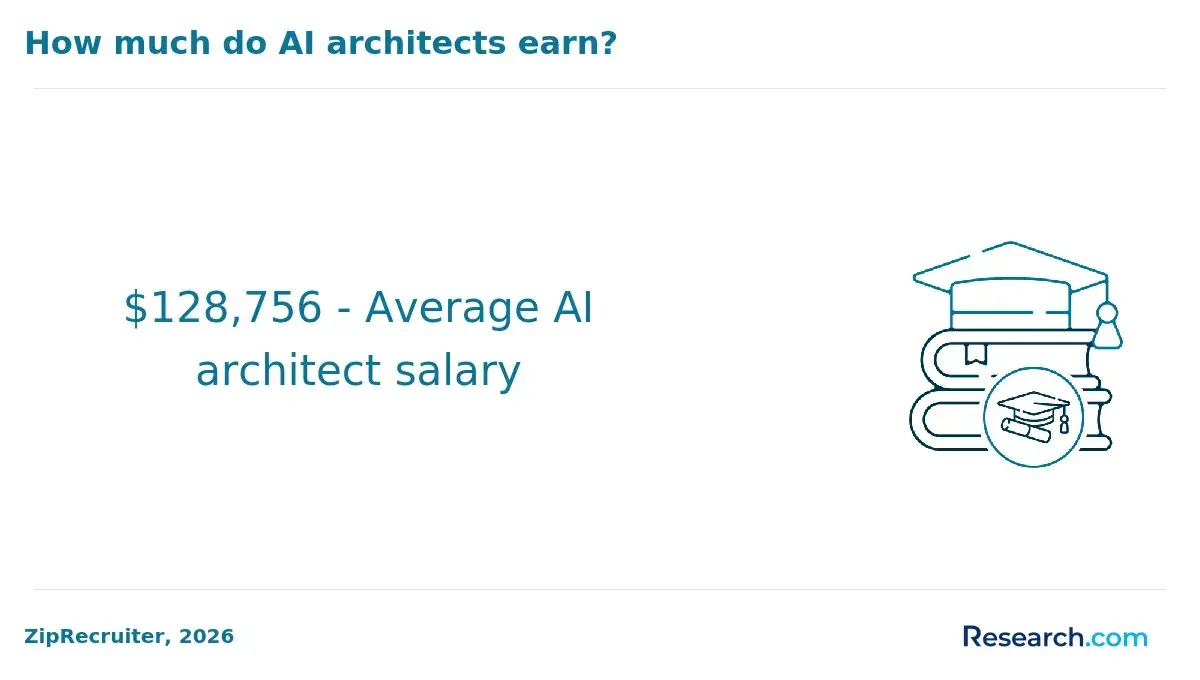
Automation leaders skilled in artificial intelligence within industrial sectors command competitive salaries and strong job prospects. According to the U.S. Bureau of Labor Statistics, automation engineers with AI expertise earn between $85,000 and $130,000 annually, with senior or managerial positions in major manufacturing centers exceeding $150,000. These figures highlight the growing need for AI-driven optimization in production, quality control, and supply chain innovation.
The World Economic Forum's Future of Jobs Report 2025 forecasts a 42% growth in manufacturing roles requiring AI and big data skills by 2028, while routine production jobs are predicted to decline by 21%. This shift prioritizes candidates with advanced technological competencies.
Key skills include machine learning, data analytics, and AI-integrated robotics, especially applied to predictive maintenance and quality assurance. Gaining certifications in AI for manufacturing and proficiency in programming languages like Python or R can enhance employment opportunities. Practical experience with industrial automation systems and versatility across AI platforms are also crucial.
Job seekers should focus on building expertise in AI tools specific to industrial environments to increase their marketability. This knowledge offers a reliable pathway to high-paying roles and long-term career stability in industrial automation.
Other Things You Should Know About Artificial Intelligence
In 2027, leading courses for industrial automation leaders focusing on AI include "AI for Industrial Automation" by MIT, "Machine Learning in Manufacturing" by Stanford, and "Principles of AI-Driven Industrial Processes" at Harvard. These programs offer cutting-edge insights and practical applications to enhance industry expertise.
Industrial automation leaders must consider data privacy, algorithmic bias, and transparency when implementing AI solutions. Ensuring that AI systems operate fairly and safely, without unintended consequences, is critical. Additionally, proper oversight is necessary to prevent job displacement without adequate workforce retraining.
Yes, AI can be adapted to various manufacturing settings, from discrete to continuous production lines. Machine learning models can be customized to handle specific sector data, ensuring flexibility. However, successful deployment requires thorough integration with existing control systems and industry-specific standards.
Key challenges include data quality issues, high initial investment costs, and a shortage of skilled personnel capable of managing AI technologies. Furthermore, integrating AI with legacy industrial equipment often requires significant customization. Overcoming these obstacles is essential for achieving the full benefits of AI-driven automation.
References
- Top Healthcare, IT, and Business Jobs Safest from AI & Robot Automation https://ccitraining.edu/blog/jobs-safe-from-ai-automation/
- AI Training to Grow Your Career | Google https://grow.google/ai
- Best Online AI Automation Courses (2025 Guide) https://aifwd.com/education/best-ai-automation-courses-online/
- A3 Vault - Introduction to Industrial AI for Automation | Automate.org https://www.automate.org/vault/ai-software-smart-automation/introduction-to-industrial-ai-for-automation
- AI Career Advice for OpenAI, Anthropic & DeepMind | Sundeep Teki https://www.sundeepteki.org/advice/the-ai-automation-engineer-a-comprehensive-technical-and-career-guide
- AI Applications in Manufacturing and Industrial Automation Training Course - Oxford Training Centre https://oxfordcentre.uk/course/ai-applications-in-manufacturing-and-industrial-automation-training-course/
- Best Online AI Courses and Certifications in 2025 https://www.upskillist.com/blog/online-ai-courses-certifications/
- AI Automation Bootcamp Online Part-Time | TripleTen https://tripleten.com/ai-automation/
- 10 AI Skills You Need in Today’s Job Market https://www.salesforce.com/ap/artificial-intelligence/ai-skills/
- Industrial AI Course In Smart Manufacturing | NSTC https://nanoschool.in/course/ai-in-manufacturing-and-industry-4-0-course/