2027 Best AI Courses for Nonprofit Program Managers

Co-Founder and Chief Data Scientist
Nonprofit program managers often face the challenge of integrating rapidly evolving technologies to enhance operational efficiency and impact measurement. Yet, many lack formal training in artificial intelligence, limiting their ability to leverage data-driven insights and automation tools. This gap can hinder strategic planning and donor engagement, affecting the organization's growth and sustainability.
Adapting to AI requires accessible and flexible education tailored to professionals balancing demanding roles without a technical background. This article reviews the best AI courses designed for nonprofit program managers, focusing on accredited, flexible options that enable practical skill acquisition and career advancement in the nonprofit sector.
Key Things You Should Know
- Top AI courses for nonprofit managers focus on practical data analysis, ethical AI use, and automation to enhance fundraising and program outcomes, aligned with 2025 nonprofit tech trends.
- By 2026, 68% of nonprofits using AI report improved donor engagement through personalized communication tools taught in leading courses.
- Leading courses emphasize low-code platforms and AI strategy, essential skills as 55% of nonprofits plan AI adoption within two years to optimize impact.
Advance Your Career with AI Online Courses
Artificial Intelligence: Implications for Business Strategy
This program provides an introduction to Artificial Intelligence and their implications for business strategy. Earn an official digital certificate.

Oxford Artificial Intelligence Programme
Explore this Oxford Artificial Intelligence programme offered in a flexible learning environment and explore topics like machine learning, automation, and robotics.

Implementing Agentic AI: Building Your Organizational Playbook
This online MIT Agentic AI course offers a practical approach to deploying AI agents in your organization, including a custom playbook. 3 weeks, exclusive launch price.

AI Adoption: Driving Business Value and Impact
This online MIT AI Adoption: Driving Business Value and Impact offers practical frameworks to close the gap between AI potential and business reality.

Artificial Intelligence in Pharma and Biotech
Discover the applications and limitations of artificial intelligence in pharma and biotech with this MIT online short course.

What are the best AI courses for nonprofit program managers and who are they right for?
The best AI courses for nonprofit program managers focus on practical skills and sector-specific applications. Programs like the "AI for Social Good" series cater to nonprofit leaders aiming to apply AI tools in fundraising, program evaluation, and community engagement. Institutes such as Stanford's Center on Philanthropy and platforms like the Data Science for Social Good Fellowship offer frameworks emphasizing AI ethics and decision-making tailored to mission-driven organizations.
Nonprofit managers with limited technical backgrounds often benefit most from introductory to intermediate programs that highlight AI literacy over deep coding skills. For example, "AI Fundamentals for Nonprofits" blends theory with case studies to help managers identify suitable AI tools and create effective training plans. Those with a focus on data analysis may prefer courses providing hands-on training in natural language processing or predictive analytics, which support outcome measurement and donor engagement strategies.
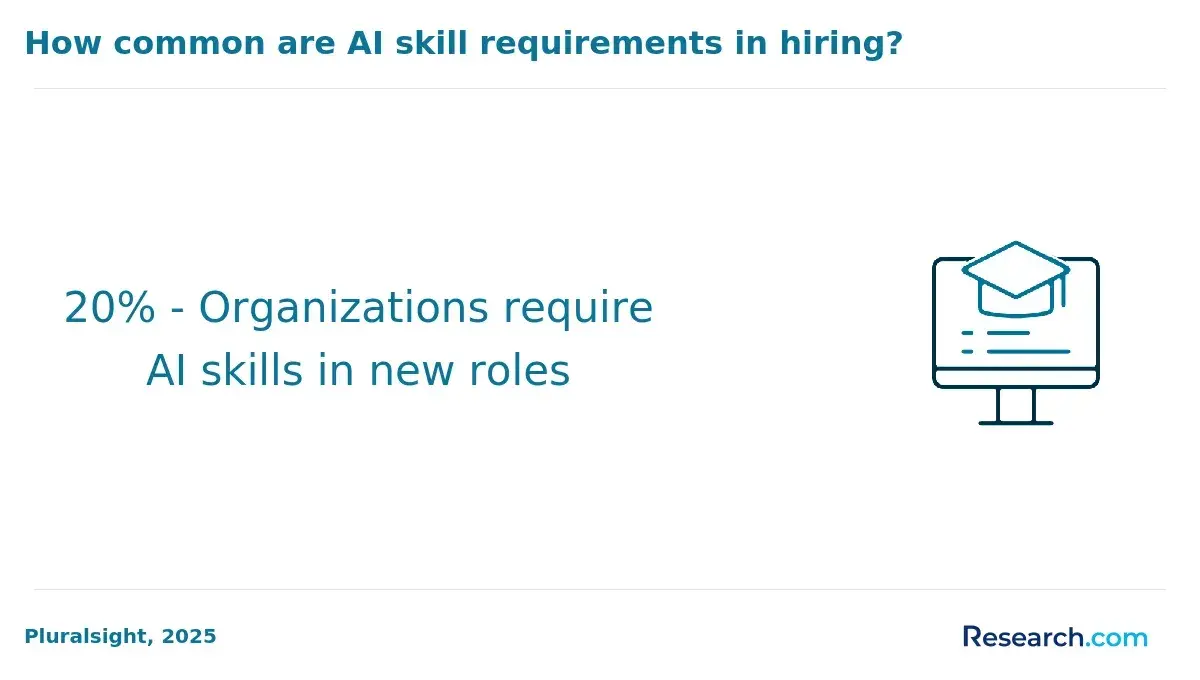
A significant need exists for AI training programs suited for nonprofit leaders, as shown by the NTEN survey revealing 77% of nonprofits use AI tools but only 23% have formal training plans. This gap underscores the importance of courses that include staff training modules and strategic implementation guidance. Modular online offerings from Coursera and edX offer adaptability, while university-led certificate programs provide structured, in-person training options targeting nonprofit technology management.
Depending on goals-whether to build a basic understanding, implement AI ethically, or enhance specific program outcomes-managers can select from diverse courses. For those exploring career possibilities, information on artificial intelligence degree jobs may prove valuable in aligning educational investments with professional aims.
Advance Your Career with AI Online Courses
Artificial Intelligence: Implications for Business Strategy
This program provides an introduction to Artificial Intelligence and their implications for business strategy. Earn an official digital certificate.
Oxford Artificial Intelligence Programme
Explore this Oxford Artificial Intelligence programme offered in a flexible learning environment and explore topics like machine learning, automation, and robotics.
Implementing Agentic AI: Building Your Organizational Playbook
This online MIT Agentic AI course offers a practical approach to deploying AI agents in your organization, including a custom playbook. 3 weeks, exclusive launch price.
How can nonprofit program managers use AI to improve programs, grants, and impact measurement?
Nonprofit program managers using artificial intelligence to enhance grant management gain significant efficiency by automating routine tasks such as proposal screening, budget analysis, and compliance checks. AI-powered natural language processing tools rapidly analyze large volumes of grant applications, ranking them based on alignment with organizational goals and impact potential. This automation enables staff to focus more on strategic planning and increasing grant competitiveness.
Artificial intelligence tools for improving program impact measurement in nonprofits also streamline the synthesis of qualitative and quantitative data. Techniques like sentiment analysis of beneficiary feedback and automated survey evaluation accelerate reporting and improve accuracy. Managers can utilize real-time dashboards driven by AI to continuously track key performance indicators, allowing timely interventions and better resource allocation.
Using AI-driven data analytics, program managers can identify patterns in beneficiary needs and outcomes to tailor services more effectively. Predictive modeling forecasts community challenges, promoting proactive adjustments. However, successful implementation involves selecting user-friendly AI platforms that integrate with existing systems and training staff in data interpretation while prioritizing transparency and ethical AI use to maintain stakeholder trust.
For those interested in leveraging AI skills or advancing their careers, pursuing specialized education can be beneficial. Consider exploring mechanical engineering degrees online, which often include AI-focused coursework applicable in various sectors, including nonprofit program management.
What types of AI learning pathways exist for nonprofit leaders: short courses, certificates, or degrees?
Nonprofit leaders interested in building AI expertise can select from several learning pathways including short courses, certificate programs, and degree options. Short courses provide practical, focused skills with minimal time commitment. For instance, Microsoft's "Introduction to AI Skills for Nonprofits" course attracted over 70,000 nonprofit staff enrollments globally, reflecting high demand for concise training that meets immediate organizational needs. These AI courses for nonprofit leaders with certificates and short programs offer flexibility and quick applicability.
Certificate programs offer a more comprehensive curriculum over several months, combining foundational AI concepts with nonprofit-specific applications. They often feature project work or case studies, making them ideal for managers who seek formal recognition without the extensive time or cost of a degree. Universities, professional organizations, and online platforms commonly provide these certificates.
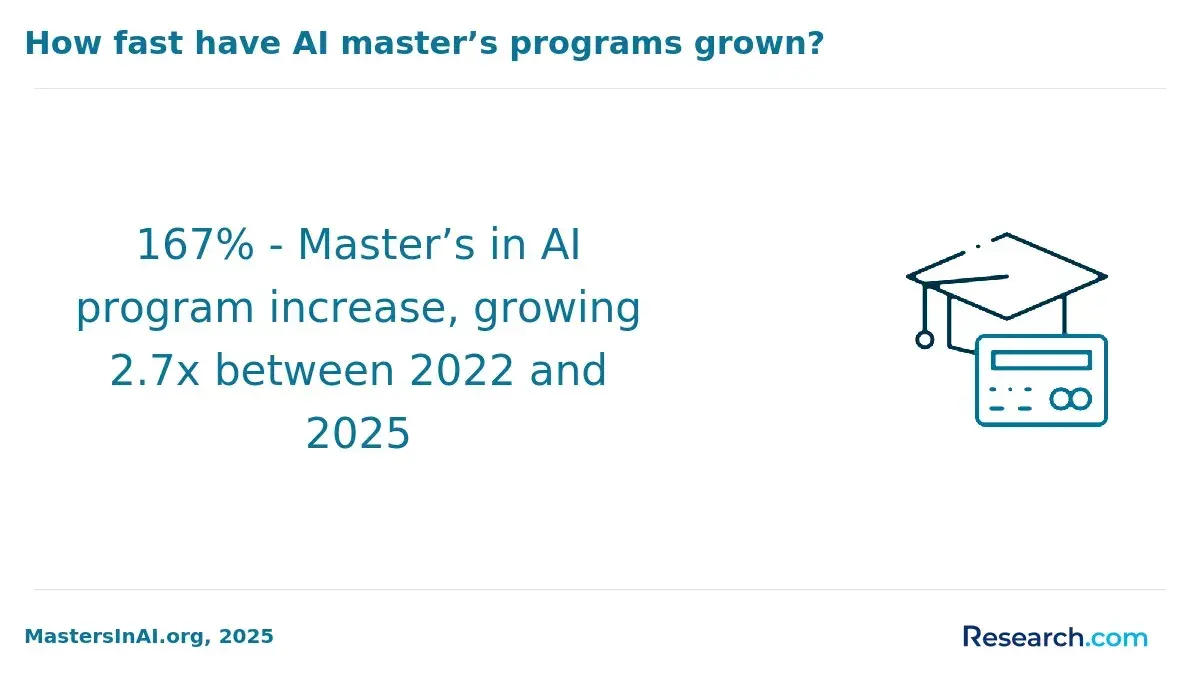
Degree programs, such as bachelor's or master's degrees in data science, AI, or related fields, deliver in-depth technical knowledge and research experience. These programs require a greater commitment of time, typically one to two years or longer. Degree programs in AI for nonprofit program management suit leaders aiming for specialized AI roles or strategic influence within their organizations. More advanced options, including AI PhD programs, also support those pursuing expert-level careers.
Choosing the right pathway depends on factors like time availability, budget, skill depth, and career goals. Short courses and certificates prioritize flexibility and immediate relevance, while degrees prepare leaders for advanced strategic roles in AI integration.
Which AI courses for nonprofit professionals are offered fully online, hybrid, or on campus?
AI courses for nonprofit professionals are offered in fully online, hybrid, and on-campus formats to suit different learning needs. Fully online programs, such as those from Northwestern Kellogg, feature asynchronous coursework combined with live sessions, allowing busy nonprofit leaders to enhance skills without interrupting their work. Hybrid AI training programs for nonprofit program managers mix online lectures with occasional in-person workshops or networking, balancing flexibility with hands-on learning. On-campus courses, less common but intensive, focus on executive education that encourages peer collaboration and immersion in strategic AI leadership.
Fully online certificates often concentrate on AI ethics, data analytics, and leadership specifically designed for nonprofit environments. These programs enable immediate workplace application and attract participants nationwide. Hybrid courses, meeting quarterly or semiannually, are preferred by those wanting a blend of personal interaction and digital convenience. For nonprofit managers exploring accessible and time-sensitive options, online and hybrid formats provide viable pathways, while on-campus courses appeal to those pursuing targeted networking opportunities within specialized cohorts.
Northwestern Kellogg's executive program "Leading in the Age of AI: Equipping Nonprofit Leaders for What's Next" exemplifies this tailored approach: over 60% of its cohort held director-level or higher nonprofit roles with budgets above $10 million. For professionals interested in advancing careers related to AI, especially those considering roles such as AI trainers, these educational options are increasingly relevant.
AI courses for nonprofit professionals available online and on campus continue to expand, reflecting demand for leadership adept in integrating AI into mission-driven work.
What core AI skills and topics should nonprofit-focused courses cover in their curriculum?
Nonprofit professionals need AI courses that equip them with essential skills aligned to their sector's operational and strategic priorities. Key areas include data literacy and management to help program managers collect, clean, and analyze datasets ethically and effectively. This foundation supports impact measurement and resource allocation. Courses should also cover machine learning fundamentals, focusing on supervised and unsupervised methods to forecast outcomes like donor behavior and service demand.
Ethical AI considerations such as bias mitigation and algorithmic fairness are crucial. Program managers must ensure AI tools reflect nonprofit values and serve diverse communities without discrimination. Practical training in AI-powered automation, including chatbots for constituent engagement and AI grant writing support, improves efficiency while maintaining personal connections.
Protecting sensitive stakeholder information requires understanding data privacy and security frameworks. Additionally, natural language processing can enhance communication campaigns and sentiment analysis, offering valuable insights into community needs.
LinkedIn's 2024 "AI for Nonprofits" initiative reported its curated free AI course collection reached more than 100,000 nonprofit professionals worldwide in six months, highlighting strong demand. Effective courses combine theory with hands-on tools and case studies reflecting real challenges, such as designing AI-driven fundraising strategies, optimizing volunteer coordination, and using predictive analytics to evaluate program impact and drive data-based decisions.
How can I evaluate the credibility and accreditation of AI programs serving nonprofit managers?
Verifying institutional accreditation is essential when evaluating AI programs aimed at nonprofit managers. Ensure the program is offered by a college or university accredited by a recognized U.S. regional or national agency, such as the Council for Higher Education Accreditation (CHEA) or the U.S. Department of Education. This guarantees academic standards and acceptance of credits or qualifications.
Examine the curriculum closely for relevance and depth. Look for courses focused on AI applications in nonprofit sectors, including donor engagement, fundraising analytics, and program evaluation. Programs offering practical case studies and hands-on projects typically provide stronger value and credibility.
Faculty expertise matters significantly. Prioritize programs led by instructors with backgrounds in AI and nonprofit management or those with published research in these areas. Collaborations with industry experts or nonprofit organizations also enhance the learning experience.
Endorsements or partnerships with reputable nonprofit associations or technology companies can indicate robust industry connections and practical applicability.
Consider learner outcomes such as testimonials, graduate success rates, or measurable improvements in nonprofit performance. According to a Salesforce.org Nonprofit Trends report, nonprofits using AI-assisted tools experienced a 31% average increase in donor response rates compared to those without AI integration, highlighting the tangible benefits of quality AI education.
Finally, avoid programs lacking transparent pricing, detailed syllabi, or clear accreditation, as these factors often indicate lower institutional legitimacy.
What are the typical admission requirements for AI certificates and degrees for working professionals?
Admission requirements for AI certificates and degrees tailored to working professionals focus on accessibility and relevance. Most programs ask for a bachelor's degree from an accredited institution, with diverse fields accepted, including business, social sciences, or technology. Some waive this if candidates demonstrate significant experience in data analysis, programming, or nonprofit management.
Applicants typically submit transcripts, a resume highlighting relevant work experience, and a statement of purpose emphasizing how AI skills will advance nonprofit impact. While some advanced programs may request GRE scores, many have dropped this to broaden access. Proficiency in programming languages like Python or R is often recommended, proven through coursework or assessment.
Admissions committees look for evidence of quantitative reasoning and problem-solving tailored to social impact. Letters of recommendation may be needed, focusing on leadership or analytical abilities in nonprofit contexts. Flexible formats such as part-time, online, or evening classes accommodate full-time professionals.
Programs for working professionals stress practical application, supported by research such as the 2024 Bridgespan Group analysis showing data-mature nonprofits using AI-supported analytics were 2.5 times more likely to report outcomes data disaggregated by key equity variables, enhancing impact measurement.
How long do AI programs for nonprofit managers take, and what do they typically cost?
AI programs for nonprofit managers vary widely in duration and depth, from brief workshops of a few hours to comprehensive courses lasting up to six months. Introductory courses typically span 4 to 6 weeks with weekly sessions of 2 to 3 hours, ideal for professionals aiming to gain foundational skills efficiently. More advanced certificate programs require 40 to 80 hours of study over several months, covering AI integration, ethical considerations, and practical applications tailored for nonprofit environments.
Costs reflect this range: basic online courses are often free or priced between $100 and $500, while mid-level certifications usually range from $1,000 to $3,000. Extensive academic or institute-led programs may exceed $5,000, offering deeper content and expert guidance. Many programs provide sliding scales or discounts for nonprofit organizations to improve accessibility.
Practical training in AI workflow automation can greatly enhance efficiency. According to NetHope's 2024 AI skills pilot, nonprofits using AI tools for routine administrative tasks saw a 32% reduction in time spent on activities like drafting emails, creating meeting notes, and generating reports. Such efficiency gains allow managers to focus more on program delivery and mission impact.
Balancing the time investment with immediate applicability of skills is crucial. Short courses boost productivity quickly, while longer ones support strategic AI adoption. Hands-on exercises and case studies addressing nonprofit challenges improve learning outcomes and often justify higher program costs.
What career outcomes, roles, and salary ranges can AI-skilled nonprofit program managers expect?
Nonprofit program managers with AI skills are increasingly taking on roles that blend traditional oversight with advanced data analytics, ethical AI governance, and technology strategy. Common positions include AI program director, data ethics officer, and technology strategy manager, all focusing on improving program outcomes while managing AI-related risks. These roles require expertise in AI tools and a commitment to transparency and fairness.
Salaries reflect this specialized skill set. Entry-level AI program coordinators earn between $55,000 and $75,000 annually, while mid-level roles like AI project managers or data ethics specialists range from $80,000 to $110,000. Senior directors responsible for AI integration and compliance often receive compensation exceeding $120,000, especially at larger nonprofits or foundations.
According to NTEN's 2024 research, only 19% of nonprofits using AI have formal ethical AI policies, despite 68% expressing concerns about bias, privacy, or reputational risks. This highlights a strong demand for managers skilled in AI governance and ethical frameworks who can lead responsible AI adoption and build stakeholder trust.
Success in this field often requires expertise in bias mitigation, data privacy, and AI policy design. Nonprofit program managers should pursue courses emphasizing ethical AI, compliance standards, and practical implementation to advance their careers and contribute to equitable AI use.
Are there relevant AI certifications, badges, or professional standards for nonprofit leaders to pursue?
Relevant AI certifications and professional standards are valuable assets for nonprofit program managers aiming to enhance their skills and advance their careers. These credentials affirm practical knowledge of AI tools and applications in nonprofit management, data analysis, and program evaluation. Leading education platforms such as Coursera, edX, and LinkedIn Learning offer targeted AI certification programs designed to help professionals implement AI ethically and effectively within their organizations.
Popular certifications include AI fundamentals, machine learning basics, and AI ethics. These programs equip nonprofit leaders with critical insights to optimize resources, engage donors, and measure impact. Examples like IBM's AI Engineering Professional Certificate and Google's AI courses emphasize responsible AI use and real-world applications-essential for addressing nonprofit challenges.
The 2024 Coursera Global Skills Report notes that learners completing at least two AI-related courses within 12 months increase their chances of entering AI-relevant roles by 34%. This underscores how nonprofit managers can leverage AI certifications to secure leadership positions involving data-driven decision-making and technology integration.
Professional standards from AI ethics organizations and nonprofit technology coalitions complement technical credentials by focusing on transparency, equity, and accountability. Pursuing these prepares leaders to tackle the ethical issues nonprofits face when adopting AI.
Other Things You Should Know About Artificial Intelligence
In 2027, top AI courses for nonprofit program managers include "AI for Social Good" by Stanford University, "Artificial Intelligence for Leadership" from Coursera, and "AI Essentials for Nonprofit Leaders" offered by TechSoup. These courses focus on practical implementation, ethical considerations, and skills development tailored to nonprofit sector challenges.
Artificial intelligence often requires large volumes of data to function effectively, which raises concerns about data privacy and security. Nonprofit organizations must ensure compliance with regulations such as GDPR or HIPAA when handling personal or sensitive information. Proper data anonymization and secure storage are critical to prevent unauthorized access and protect beneficiary privacy.
Yes, nonprofit managers can build foundational AI skills without prior technical expertise by focusing on conceptual understanding and practical applications. Many courses are designed with non-technical professionals in mind, emphasizing how to interpret AI outputs, manage AI-driven projects, and collaborate effectively with technical teams. This approach empowers managers to use AI insights responsibly without deep coding knowledge.
Common challenges include limited budgets, lack of technical expertise, and difficulties in data quality or availability. Nonprofits may also struggle with aligning AI tools to their specific mission-driven goals and maintaining transparency with stakeholders. Addressing these challenges often requires strategic planning, training, and partnerships with external AI experts.
References
- 11 Best AI Certifications in 2025 to Deepen Your Technical Knowledge | DigitalOcean https://www.digitalocean.com/resources/articles/ai-certifications
- The Beginner’s Guide to AI for Nonprofits | Daxko https://www.daxko.com/insights/the-beginners-guide-to-ai-for-nonprofits
- Applied AI certificate for social good — PoliSync https://www.polisync.org/ai-certificate
- Nonprofit Career Guide: Jobs, Skills & Career Paths https://momentivesoftware.com/blog/nonprofit-career-guide/
- How Nonprofits Are Leveraging AI for Social Impact in 2025 https://www.sigmaforces.com/post/nonprofits-ai-social-impact-2025
- AI For Nonprofits Resource Hub | NTEN https://www.nten.org/learn/resource-hubs/artificial-intelligence/
- AI Implementation Guide for Nonprofit Leaders & Staff https://www.weiweico.com/insights/ai-implementation-guide-for-nonprofit-leaders-staff
- Unlocking AI for Nonprofits: Enroll in Our AI Skills Course for Nonprofits | NetHope https://nethope.org/programs/unlocking-ai-for-nonprofits-enroll-in-our-new-ai-skills-course-for-nonprofits/
- Courses in AI Tools for Nonprofit Professionals Certification in A Coruña, Spain https://ia.university/academic-programs/ai-course-nonprofit-professionals-certification-coruna-coruna/
- Certifications https://www.blackbaud.com/ai/certifications