2027 Best AI Strategy Courses for Healthcare Implementation Teams

Co-Founder and Chief Data Scientist
Healthcare implementation teams often face difficulties integrating artificial intelligence tools effectively amid tight budgets and evolving regulations. Without strategic training, teams risk costly errors, poor adoption rates, and missed opportunities for improving patient outcomes. Many professionals with unrelated backgrounds struggle to find flexible, accredited programs that equip them with practical AI strategy skills tailored to healthcare settings. This article examines top AI strategy courses designed to bridge this gap, focusing on accessible learning paths that prepare healthcare teams to deploy AI solutions confidently and ethically, ultimately enhancing organizational performance and patient care quality.
Key Things You Should Know
- Healthcare teams increasingly rely on AI strategy courses to integrate predictive analytics, with 68% of organizations reporting improved patient outcomes by 2025.
- Courses emphasize ethical AI deployment and data security, critical as the U.S. healthcare sector faces a 35% rise in digital health data breaches between 2023 and 2025.
- Interdisciplinary training in AI strategy accelerates healthcare innovation, addressing workforce gaps amid a projected 20% shortage of skilled professionals in health informatics by 2026.
Advance Your Career with AI Online Courses
Artificial Intelligence: Implications for Business Strategy
This program provides an introduction to Artificial Intelligence and their implications for business strategy. Earn an official digital certificate.

Oxford Artificial Intelligence Programme
Explore this Oxford Artificial Intelligence programme offered in a flexible learning environment and explore topics like machine learning, automation, and robotics.

Implementing Agentic AI: Building Your Organizational Playbook
This online MIT Agentic AI course offers a practical approach to deploying AI agents in your organization, including a custom playbook. 3 weeks, exclusive launch price.

AI Adoption: Driving Business Value and Impact
This online MIT AI Adoption: Driving Business Value and Impact offers practical frameworks to close the gap between AI potential and business reality.

Artificial Intelligence in Pharma and Biotech
Discover the applications and limitations of artificial intelligence in pharma and biotech with this MIT online short course.

What is an AI strategy course for healthcare implementation teams and who should enroll?
An AI strategy course tailored for healthcare implementation teams equips professionals with essential skills to integrate artificial intelligence technologies effectively within healthcare settings. These courses cover AI fundamentals, healthcare data analytics, regulatory compliance, risk management, and change management in clinical environments. Participants gain insight into translating AI capabilities into actionable strategies that enhance patient outcomes and operational efficiency, addressing common challenges such as integrating AI with electronic health records and ensuring data privacy.
Healthcare implementation teams include project managers, clinical informaticists, data analysts, IT specialists, and healthcare administrators. These individuals benefit from healthcare implementation teams' AI training to develop a clear understanding of AI's potential and limitations, which is critical to overseeing successful AI initiatives. For instance, clinical informaticists improve their grasp of AI algorithms for diagnostic support, while project managers learn to align AI projects with organizational goals and compliance standards.
By 2030, the global AI in healthcare market is projected to reach about $188 billion, up from $4.8 billion in 2019, reflecting a compound annual growth rate near 37%. This rapid expansion underscores the urgent need for implementation-ready AI strategy skills, vital not only for early adopters but also for leaders preparing for wide-scale transformation.
These courses serve professionals ranging from seasoned experts to recent graduates entering the healthcare technology field. Those looking to advance quickly might consider a 1 year computer science degree online to complement their AI knowledge and boost career prospects.
Advance Your Career with AI Online Courses
Artificial Intelligence: Implications for Business Strategy
This program provides an introduction to Artificial Intelligence and their implications for business strategy. Earn an official digital certificate.
Oxford Artificial Intelligence Programme
Explore this Oxford Artificial Intelligence programme offered in a flexible learning environment and explore topics like machine learning, automation, and robotics.
Implementing Agentic AI: Building Your Organizational Playbook
This online MIT Agentic AI course offers a practical approach to deploying AI agents in your organization, including a custom playbook. 3 weeks, exclusive launch price.
How can AI strategy training improve outcomes for healthcare implementation and clinical operations teams?
AI strategy training equips healthcare implementation teams with essential skills to enhance patient outcomes and operational efficiency. By mastering AI's capabilities and limitations, these teams can integrate predictive analytics, automate routine tasks, and customize clinical workflows, reducing errors and patient wait times while optimizing resource use. Improving clinical operations with AI strategy courses empowers healthcare leaders to turn complex data into actionable insights, such as identifying patients at risk for readmission through AI-driven models that support targeted early interventions.
Such training strengthens collaboration between IT specialists and clinical staff, ensuring AI tools address actual clinical needs rather than theoretical applications. It also prepares teams to tackle ethical and regulatory challenges inherent in healthcare AI, emphasizing evaluation of AI biases and safeguarding patient privacy to maintain trust and compliance. Without proper guidance, AI adoption risks failure or potential harm from misapplied technology.
The demand for AI-savvy leadership is evident. U.S. healthcare roles requiring AI or machine learning skills have surged by approximately 323% between 2022 and 2024, highlighting the growing value employers place on these competencies in clinical operations. Prospective students and professionals interested in healthcare AI might explore pathways by considering the cheapest engineering colleges offering relevant AI strategy training programs.
Overall, AI strategy training for healthcare implementation teams provides practical tools to improve clinical decision-making, streamline workflows, and drive responsible AI adoption, ultimately advancing patient care and organizational success.
What types of AI strategy courses exist for healthcare professionals, and which format fits which career stage?
AI strategy courses for healthcare professionals are designed to meet the needs of different career stages with tailored content and formats. Early-career healthcare workers, such as clinical staff and junior analysts, benefit from foundational programs that cover core AI concepts, ethical considerations, and basic data management. These are often delivered as self-paced online courses or brief workshops, which foster essential AI literacy without demanding extensive time commitments.
Mid-career professionals, including healthcare managers and project leads, require more applied and role-specific training. Executive certificate programs focusing on healthcare AI integration, workflow optimization, and data-driven decision-making are well-suited. These courses commonly combine live virtual sessions with practical case studies, allowing teams, such as healthcare implementation teams, to apply AI strategy principles directly to their operational challenges.
Senior leaders and healthcare executives pursue advanced AI strategy courses that emphasize organizational transformation and innovation management. These cohort-based executive programs span several weeks and provide mentorship and peer collaboration, supporting large-scale AI adoption and strategic decision-making. According to the CarringtonCrisp lifelong learning survey, healthcare leaders who complete short executive AI programs report salary increases of 20-25% within 12 months, underscoring the significant career and financial benefits.
When choosing courses, healthcare professionals should consider their career goals and time availability. Foundational online formats suit skill-building, blended certificates aid leadership roles, and immersive executive sessions empower strategic impact and networking. For those exploring advanced education options, the cheapest online PhD in cyber security offers a pathway into tech-focused domains, complementing AI expertise.
How do online AI strategy programs for healthcare compare with campus or hybrid options?
Online AI strategy courses versus campus healthcare programs reveal distinct advantages tailored to healthcare professionals. Online programs offer unmatched flexibility and updated digital content, enabling busy healthcare teams to learn at their own pace. These courses often use interactive platforms to simulate real-world AI implementation scenarios, though they may lack the immediate mentoring found in campus settings.
Campus healthcare programs provide immersive, face-to-face experiences that foster networking and hands-on collaboration, crucial for those seeking direct peer and faculty interaction. Hybrid AI strategy training for healthcare teams blends online convenience with in-person engagement, balancing flexibility with interpersonal connection but requiring more coordination.
Healthcare organizations must consider operational needs when choosing delivery methods. Rural hospitals often prefer fully online formats due to geographic limitations, while large urban providers might leverage campus programs to enhance interdisciplinary teamwork. The 2024 HIMSS AI in Healthcare Survey found that hospitals with formal AI governance and training are 2.5 times more likely to scale AI projects system-wide, highlighting the value of structured education regardless of format.
- Online programs excel in accessibility and flexible pacing for working professionals.
- Campus options enhance networking and offer face-to-face, hands-on collaboration.
- Hybrid courses balance flexibility with interpersonal engagement but require schedule coordination.
- All formats benefit healthcare teams aiming to establish formal AI governance and training to increase project scalability.
Professionals interested in related fields might also explore cybersecurity courses to expand their expertise in healthcare technology integration.
What should you look for in accreditation and institutional quality for AI strategy healthcare programs?
Accreditation by recognized bodies such as the Commission on Accreditation of Healthcare Management Education (CAHME) or regional accreditors like The Higher Learning Commission is essential for healthcare AI strategy programs. This certification ensures rigorous curriculum standards, qualified faculty, and relevance to evolving healthcare challenges. Programs connected with research hospitals or universities conducting active AI research provide valuable opportunities for real-world case studies and collaborative projects.
A strong curriculum should cover governance, ethics, and data protection comprehensively. A 2024 OECD survey revealed that 61% of health systems delayed or cancelled AI projects due to unresolved ethical or data concerns. This highlights the importance of learning compliance frameworks like HIPAA, GDPR, and emerging AI-specific regulations in healthcare.
Institutional quality is also demonstrated through faculty expertise spanning computer science, healthcare management, and policy, along with partnerships bridging academia, industry, and government. These interdisciplinary connections prepare students for the complex challenges of deploying AI in healthcare environments.
Look for programs with practical elements such as simulations, capstone projects, or internships that immerse students in AI implementation teams. These experiences foster understanding of operational hurdles and stakeholder collaboration, which are crucial for successful AI integration.
What core topics and skills are covered in leading AI strategy courses for healthcare implementation teams?
AI strategy courses designed for healthcare implementation teams cover key areas to ensure the successful integration of AI solutions into clinical environments. These programs focus on fundamentals like machine learning and natural language processing, specifically applied to healthcare's complex data. Participants gain skills to assess clinical workflows, ensuring AI tools complement rather than disrupt existing practices.
Courses also emphasize risk management and regulatory compliance, addressing FDA regulations and HIPAA privacy standards essential for legal and ethical deployment. Training in data governance and quality control helps teams handle diverse healthcare datasets with accuracy and reliability.
Change management and stakeholder engagement are critical topics, equipping professionals to secure buy-in from clinicians and administrators through effective communication and user training. Curriculum often includes pilot testing strategies to gather feedback and refine AI applications.
Project management techniques, including timeline planning, resource allocation, and fostering interdisciplinary collaboration, prepare teams to manage complex, multi-stage AI implementations sustainably.
With nearly 70% of AI tools in U.S. hospitals failing to reach routine use due to workflow misalignment and poor planning (Journal of the American Medical Informatics Association, 2024), these courses focus on implementation science to overcome healthcare-specific barriers and improve adoption and patient outcomes.
What are typical admission requirements and prerequisites for AI strategy programs focused on healthcare?
Admission requirements for AI strategy programs in healthcare typically combine knowledge of healthcare and technical or managerial skills. Applicants usually need a bachelor's degree in fields such as health sciences, computer science, business, or engineering. Some programs also require prior healthcare experience, including nursing, clinical informatics, or hospital administration, ensuring candidates understand clinical environments and the practical application of AI technologies.
Prerequisites often include programming and data analysis skills, with familiarity in Python or R and machine learning concepts commonly expected. Proficiency in healthcare data standards like HL7 or FHIR is frequently required. Candidates lacking technical backgrounds may need to complete bridge courses before starting the main curriculum.
Experience in interdisciplinary teamwork is highly valued because successful AI implementation in healthcare depends on collaboration among clinicians, IT professionals, and administrators. Leadership or project management experience within healthcare settings is often requested.
Applicants must also demonstrate readiness to tackle challenges such as data privacy, ethical AI use, and integration with existing clinical workflows. Personal statements describing understanding of these issues and professional goals are usually part of the application.
The impact of AI on reducing clinician workload is significant. A Mayo Clinic Proceedings study showed a 69% reduction in documentation time and a 27% drop in clinician burnout after AI adoption, highlighting the importance of well-trained teams.
How long do AI strategy courses for healthcare teams take, and what do they cost?
AI strategy courses for healthcare teams usually last from 4 to 12 weeks, varying by depth and delivery style. Short, intensive workshops may focus on specialized skills like data integration or ethical challenges, while longer certificate programs combine theory with practical projects tailored to clinical settings.
Costs differ widely based on provider, duration, and specialization. Entry-level workshops often range between $500 and $1,500, whereas comprehensive programs can cost $2,000 to $5,000. Some providers offer tiered pricing, group discounts, or bundles covering AI implementation and healthcare analytics.
For instance, a 10-week applied AI strategy course for clinical leaders might include weekly live sessions and asynchronous modules at about $3,200. Shorter courses targeting compliance and data governance tend to be priced under $1,000. Teams should balance course timelines with project goals to minimize delays in AI-driven initiatives.
Studies show adopting AI-enabled early-warning systems can reduce in-hospital mortality by 20-30% in targeted conditions across multiple large health systems, underscoring the value of prompt AI strategy deployment.
Allocating time to apply course insights in real-world practice is essential and can extend project timelines. Courses featuring case studies and implementation frameworks enhance return on investment by aligning training with institutional priorities and team roles.
What roles, career paths, and salary ranges can AI strategy training open in healthcare?
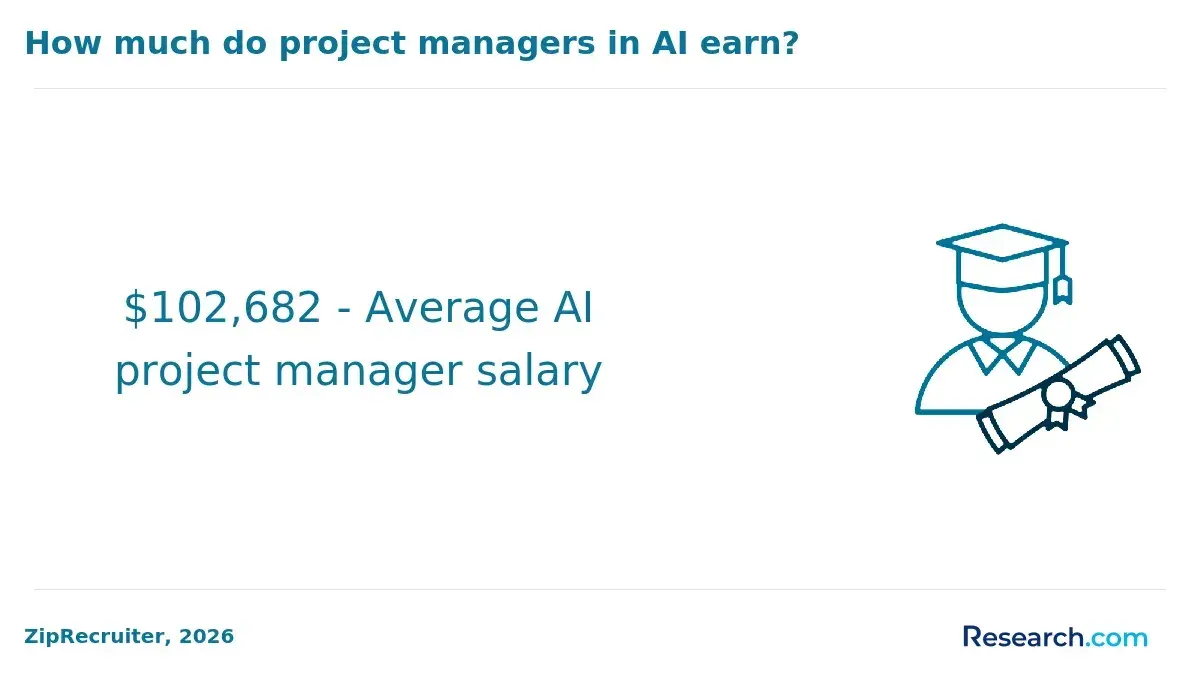
AI strategy training prepares healthcare professionals for diverse roles such as AI project managers, healthcare data analysts, clinical informaticists, and AI implementation specialists. Career advancement often leads to positions like chief AI officer, healthcare analytics director, or innovation lead within hospital and provider organizations. These positions require skills in integrating AI tools into clinical workflows, managing cross-functional teams, and aligning AI initiatives with organizational objectives.
Salary ranges vary by role, experience, and location. Entry-level AI analysts in healthcare typically earn between $75,000 and $95,000 annually. Mid-level strategy managers can expect $110,000 to $140,000, while senior leaders such as chief AI officers often command salaries above $180,000. Specialized roles in population health AI or predictive analytics may also offer bonuses linked to project performance.
Healthcare organizations are investing heavily in AI strategy, expanding job opportunities. The 2024 CHIME Digital Health Most Wired survey highlights a 46% year-over-year increase in AI-related budgets among U.S. health systems, with many planning continued increases through 2026. This growth supports roles focused on budgeting, vendor management, compliance, and ethical AI implementation across operational and strategic areas.
Essential training areas include AI governance, data privacy, clinical decision support, and change management. Effective communication skills are critical to bridge technical teams and clinical staff, ensuring AI adoption results in improved patient outcomes and organizational efficiency.
Are there certifications or professional standards that validate AI strategy skills in healthcare settings?
Certifications and professional standards for AI strategy skills in healthcare are evolving to address the specialized needs of this field. These credentials confirm proficiency in integrating AI with clinical workflows, ensuring compliance with healthcare regulations, and upholding ethical standards. Key certifications include:
- Certified Health Data Analyst (CHDA), emphasizing data governance and analytics critical for AI strategy.
- Certified Artificial Intelligence in Healthcare Specialist, offered by select bodies, focusing on AI implementation, risk management, and healthcare-specific regulations.
- Project Management Professional (PMP) with an AI project emphasis, highlighting leadership and stakeholder communication across healthcare AI initiatives.
Many universities and professional organizations now offer targeted certificate programs in AI strategy for healthcare, often in partnership with industry leaders. These programs focus on aligning AI tools with patient care goals, managing data privacy, and navigating FDA regulations effectively.
The World Economic Forum's Future of Jobs 2024 report projects that 60% of new healthcare roles by 2028 will require skills related to AI, big data, and digital health. This highlights the growing need for validated AI strategy expertise as a workforce priority. Without formal certifications, professionals may struggle to demonstrate competency, especially in roles requiring regulatory compliance or multidisciplinary coordination.
Employers increasingly prioritize candidates who can document their expertise to reduce adoption risks. Combining certifications with hands-on healthcare experience strengthens career prospects, making these credentials a strategic investment in the AI healthcare field.
Other Things You Should Know About Artificial Intelligence
The top AI strategy courses in 2027 focus on essential skills for healthcare implementation teams, including "AI in Healthcare: Strategy and Implementation" by Coursera, "Health AI Strategy Program" by edX, and "AI for Healthcare Leaders" by Udacity. These courses cover critical aspects like data governance, ethical considerations, and best practices for AI adoption.
AI enhances decision-making by analyzing large datasets to identify patterns and provide evidence-based recommendations. It supports clinical decisions, resource allocation, and operational efficiency. However, final decisions still require human oversight to interpret AI outputs within the context of patient care and ethical considerations.
Data governance ensures that data used in AI projects is accurate, secure, and compliant with regulations like HIPAA. Strong governance frameworks help maintain patient confidentiality while enabling data sharing necessary for algorithm training. Proper data stewardship is critical to building trust and preventing misuse of sensitive health information.
Yes, healthcare professionals without deep technical expertise can contribute by focusing on clinical relevance, workflow integration, and change management. Their understanding of patient care priorities helps align AI tools with organizational goals. Collaboration between technical experts and healthcare staff is essential for successful AI adoption.
References
- AI in Clinical Operations: Guide to Tools & Use Cases | IntuitionLabs https://intuitionlabs.ai/articles/ai-clinical-operations-guide-use-cases-tools
- Certificate in AI for Healthcare | Canadian Healthcare Education Network https://www.chenetwork.ca/certificate-ai-for-healthcare
- Appendix I — Career Pathways in Public Health AI – The Public Health AI Handbook https://publichealthaihandbook.com/appendices/career-guide.html
- AI in Healthcare Masterclass | Momentum https://www.themomentum.ai/masterclass
- Health Care Artificial Intelligence Code of Conduct - NAM https://nam.edu/our-work/programs/leadership-consortium/health-care-artificial-intelligence-code-of-conduct/
- The best AI training courses for doctors and healthcare professionals (2026) https://lecercle.ai/en/blog/meilleures-formations-ia-medecins/
- AI Training for Healthcare Professionals 2026 https://www.vinsys.com/blog/ai-training-for-healthcare-professionals
- Using AI in HEOR https://heorinstitute.com/course/using-ai-in-heor/
- AI Careers: Roles, Salaries, and Certifications to Get You Hired - ONLC https://www.onlc.com/blog/ai-careers-roles-salaries-certifications/
- Preparing Healthcare Leaders For The AI Revolution https://nursingcecentral.com/lessons/preparing-healthcare-leaders-for-the-ai-revolution/