2027 Best AI Courses for Environmental Consulting Firms

Co-Founder and Chief Data Scientist
Environmental consulting firms face increasing pressure to integrate advanced technologies for accurate data analysis and sustainable solutions. However, many professionals lack the specialized skills in artificial intelligence required to meet client demands and regulatory standards. Navigating complex AI concepts while juggling existing workloads can hinder the adoption of these transformative tools. This article evaluates top AI courses designed to equip environmental consultants with practical expertise and flexibility. It aims to guide prospective students and professionals through accredited, adaptable programs that facilitate a seamless career pivot into AI-driven environmental consulting roles.
Key Things You Should Know
- AI courses for environmental consulting firms in 2026 emphasize machine learning for climate modeling, improving decision-making with 67% of firms adopting AI-driven insights by 2025.
- Hands-on training in geospatial analysis and remote sensing is essential, with 58% of courses including real-world datasets to enhance predictive environmental impact assessments.
- Interdisciplinary curricula combining AI with environmental science and policy equip professionals to meet regulatory demands and advance sustainable solutions effectively.
Advance Your Career with AI Online Courses
Artificial Intelligence: Implications for Business Strategy
This program provides an introduction to Artificial Intelligence and their implications for business strategy. Earn an official digital certificate.

Oxford Artificial Intelligence Programme
Explore this Oxford Artificial Intelligence programme offered in a flexible learning environment and explore topics like machine learning, automation, and robotics.

Implementing Agentic AI: Building Your Organizational Playbook
This online MIT Agentic AI course offers a practical approach to deploying AI agents in your organization, including a custom playbook. 3 weeks, exclusive launch price.

AI Adoption: Driving Business Value and Impact
This online MIT AI Adoption: Driving Business Value and Impact offers practical frameworks to close the gap between AI potential and business reality.

Artificial Intelligence in Pharma and Biotech
Discover the applications and limitations of artificial intelligence in pharma and biotech with this MIT online short course.

What are the best AI courses for environmental consulting professionals seeking practical, industry-focused skills?
The best AI courses for environmental consulting professionals emphasize practical industry-focused AI training for environmental consultants by integrating data analysis, remote sensing, and predictive modeling. Programs such as Stanford's "AI for Earth" and MIT's "Data Science and AI for Environmental Applications" deliver strong foundations in machine learning tailored to ecological datasets, focusing on real-world challenges like environmental impact assessments and resource management.
Geospatial analytics is a critical skill for environmental consulting, supporting work in land use, pollution tracking, and biodiversity monitoring. Many courses include specialized modules on AI-driven environmental monitoring tools and climate modeling, which significantly enhance relevant competencies for client projects and regulatory compliance.
Hands-on use of platforms like Google Earth Engine and open-source frameworks such as TensorFlow applied to environmental data fosters actionable insights. Project-based learning often involves collaboration with industry partners and exposure to authentic environmental datasets, bolstering both technical expertise and sector relevance.
The International Monetary Fund projects AI will impact about 40% of jobs worldwide, increasing to 60% in advanced economies. This heightens the urgency for environmental consultants to upskill in AI to stay competitive.
Flexible online programs address needs of working professionals, covering topics like AI ethics in environmental decision-making and sustainable development analytics. Certifications from accredited institutions validate skills for career advancement.
For those exploring career options, an AI career path offers promising opportunities in environmental consulting and beyond.
Advance Your Career with AI Online Courses
Artificial Intelligence: Implications for Business Strategy
This program provides an introduction to Artificial Intelligence and their implications for business strategy. Earn an official digital certificate.
Oxford Artificial Intelligence Programme
Explore this Oxford Artificial Intelligence programme offered in a flexible learning environment and explore topics like machine learning, automation, and robotics.
Implementing Agentic AI: Building Your Organizational Playbook
This online MIT Agentic AI course offers a practical approach to deploying AI agents in your organization, including a custom playbook. 3 weeks, exclusive launch price.
How can AI courses help environmental consultants improve impact assessments, modeling, and sustainability reporting?
AI courses help environmental consultants enhance impact assessments by teaching machine learning models for sustainability reporting that analyze complex environmental data sets more efficiently. Consultants learn to identify critical variables influencing ecosystems and predict changes with greater accuracy. AI-driven environmental impact assessment tools can simulate pollution spread or habitat transformations faster than traditional methods, saving time and resources.
These courses include developing dynamic simulations that incorporate real-time data inputs, allowing consultants to adjust parameters and predict outcomes under different scenarios. Training often involves neural networks and geographic information systems integrated with AI, which improves spatial and temporal environmental analysis-essential for regulatory compliance and risk management.
In sustainability reporting, AI education emphasizes automating data extraction, reducing human error, and synthesizing large volumes of information into clear narratives. Large language models excel at scanning extensive datasets to identify trends, enabling consultants to produce data-backed reports that satisfy stakeholder and regulatory demands.
Practical applications of these skills include:
- Automating environmental impact statement reviews more efficiently.
- Using predictive analytics to support better project approval decisions.
- Extracting actionable insights from unstructured data.
- Improving transparency with AI-powered visualization tools for sustainability metrics.
The growing availability of affordable programs makes gaining these skills accessible; many students explore options like the cheapest online master's in artificial intelligence to advance their careers in this field.
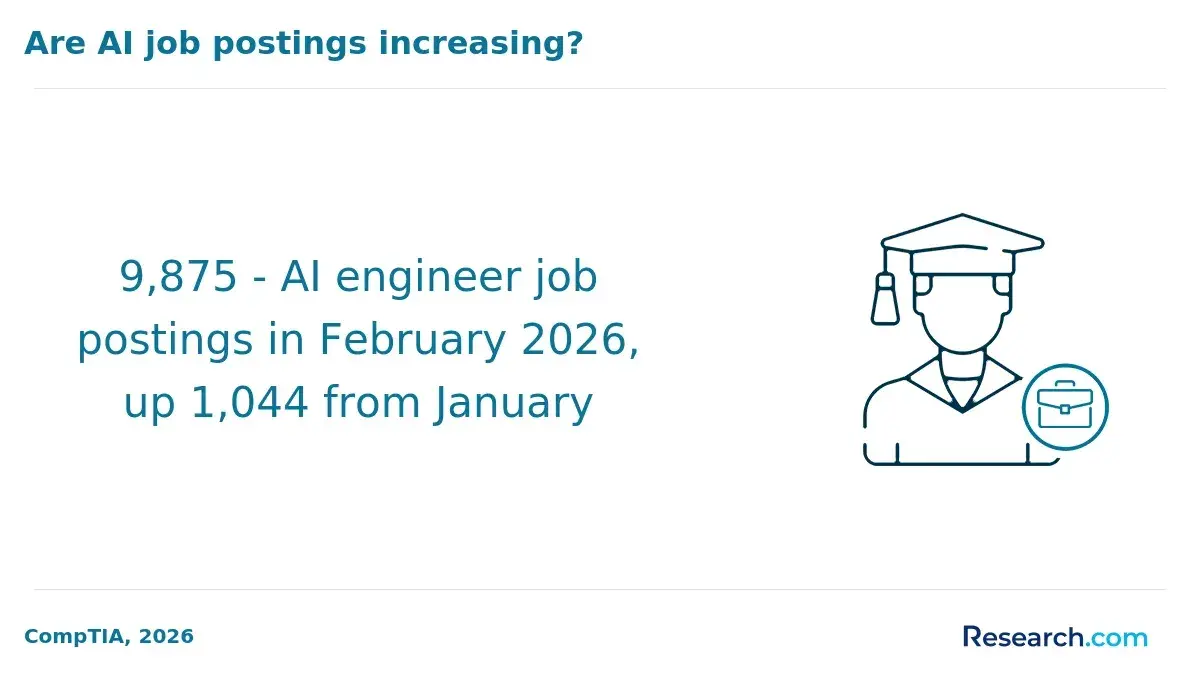
What types of AI programs are available for environmental consulting, from certificates to graduate degrees?
Programs offering AI certificate programs for environmental consulting vary from short-term certificates to advanced graduate degrees, accommodating diverse career aspirations and timelines. Certificate programs, lasting weeks to months, prioritize practical skills such as machine learning for environmental data, natural language processing for regulatory texts, and compliance automation.
These are tailored for professionals aiming to adopt AI tools that simplify regulatory language and aid documentation, an approach gaining traction among early adopters.
Associate and bachelor's degrees in environmental informatics or data science blend foundational AI courses with environmental studies, preparing students for roles that utilize AI in areas like field data collection and risk evaluation.
Graduate degrees emphasize more complex competencies; master's programs focused on AI for environmental management or sustainability analytics develop skills in predictive analytics, advanced modeling, and system optimization. Prospective students interested in advanced learning might explore data science masters online as a flexible option.
Doctoral programs support in-depth research at the nexus of AI, environmental science, and policy, fostering innovations in AI frameworks to tackle ecological challenges or enhance regulatory compliance. Research topics may include automating executive summaries and data narratives from environmental reports, streamlining consulting workflows.
Those seeking graduate degrees in AI for environmental professionals should carefully assess curricula for hands-on AI training, programming languages like Python, and relevant environmental law courses.
Which AI skills and topics matter most for work in environmental consulting firms?
Environmental consulting firms increasingly depend on AI-driven environmental data analysis techniques, including data analytics, machine learning, remote sensing, and natural language processing (NLP). Experts skilled in data analytics interpret extensive datasets from environmental sensors, geographic information systems (GIS), and climate models, supporting accurate decision-making.
Machine learning applications in environmental consulting involve supervised and unsupervised learning methods to predict environmental trends, assess risks, and detect pollution sources.
Remote sensing expertise is crucial for analyzing satellite and drone imagery to track land use, deforestation, and water quality changes. Meanwhile, NLP helps parse and summarize complex environmental reports and regulatory documents, enabling consultants to extract vital insights efficiently.
Understanding AI ethics and explainable AI is key to ensuring transparency in environmental impact assessments. Firms increasingly deploy automated AI tools for Environmental, Social, and Governance (ESG) analysis. According to Manifest Climate's 2025 review, these specialized AI tools for sustainability evaluation highlight the growing significance of domain-specific AI knowledge.
Proficiency in programming languages like Python or R, together with AI frameworks such as TensorFlow or PyTorch, is essential for creating tailored AI solutions. Familiarity with cloud computing enhances the management of resource-intensive projects. Predictive analytics further aids modeling scenarios like carbon footprint reduction and regulatory compliance.
Professionals exploring these fields can also consider the best online electrical engineering degree programs for veterans, which often cover relevant skills applicable to AI-driven environmental work.
How do online AI courses for environmental consultants compare with campus and hybrid options?
Online AI courses for environmental consulting firms offer flexibility not typically found in campus or hybrid formats, allowing professionals to balance work and study without relocating or adhering to fixed schedules. These programs often include the latest modules on AI applications such as remote sensing, pollution detection, and ecological modeling, aligning with advancements detailed in Artificial Intelligence in environmental monitoring.
However, campus-based courses provide more hands-on experience via labs and field equipment, which is crucial for mastering sensor-based data collection.
Hybrid courses combine online theory with in-person labs, delivering a balance between flexibility and direct mentorship. This approach benefits those seeking some on-site interaction while maintaining adaptable study hours. Campus and hybrid formats also enhance networking opportunities through face-to-face engagement with faculty and peers, which can be valuable for collaboration in consulting and research projects.
Cost and accessibility vary across these options. Online courses usually lower expenses related to travel and housing, making them an efficient choice for working environmental consultants. In contrast, campus and hybrid options might require higher financial and time commitments but offer comprehensive, rigorous training necessary for specialized AI tasks.
Prospective students should consider their learning preferences and career objectives carefully. If mastering data analysis and AI algorithm development is a priority, accredited online programs provide curricula tailored to industry trends. Meanwhile, campus or hybrid courses expose learners to multi-sensor platforms emphasized in current environmental AI research.
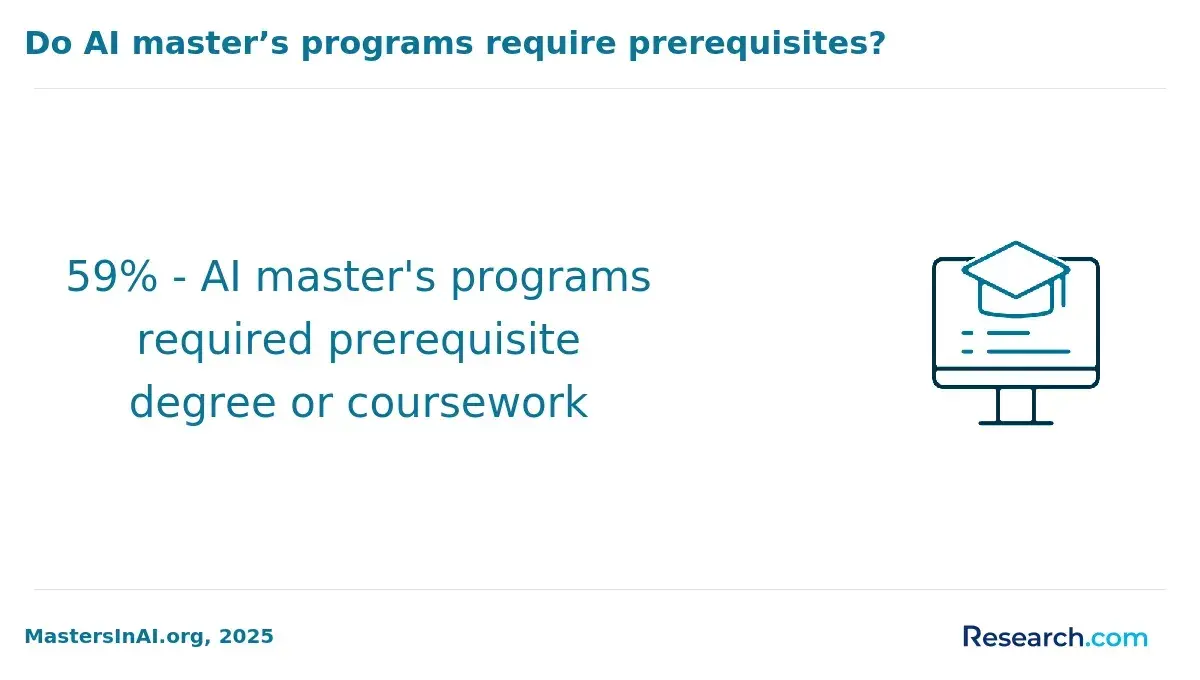
What accreditation and quality standards should AI programs for environmental consulting meet?
AI programs designed for environmental consulting must comply with strict accreditation and quality standards to maintain industry credibility. Accreditation from entities such as the Accreditation Board for Engineering and Technology (ABET) or regional bodies like the Middle States Commission on Higher Education ensures curricula meet rigorous educational benchmarks and continuous improvement requirements.
Quality curricula cover essential areas including environmental data analytics, machine learning applications in natural resource management, and regulatory compliance. Effective programs incorporate real-world case studies-such as predictive climate modeling and automated pollution monitoring-and hands-on projects involving industry datasets to develop practical skills.
Ethical AI use is a crucial focus, emphasizing transparency in algorithms and mitigating biases, aligned with guidelines from the Environmental Protection Agency (EPA) and ISO 14000 environmental standards. Workforce upskilling remains vital, as shown by Deloitte's AI Academy, which supports environmental professionals in advancing their AI competencies amid evolving technologies.
- ABET and Middle States accreditation for quality assurance
- Integration of real-world AI applications and data projects
- Focus on ethical AI aligned with EPA and ISO standards
- Continuing education resources like Deloitte's AI Academy
- Access to certifications, partnerships, and mentorship
Prospective students should look for programs offering verified certifications, strong industry partnerships, and mentorship opportunities, which significantly aid career transitions into environmental consulting roles requiring AI expertise.
How long do AI courses for environmental consultants take, and what do they typically cost?
AI courses designed for environmental consultants typically last between 4 and 12 weeks, depending on the depth and format of the program. Shorter, intensive bootcamps often take about one month and focus on hands-on training with AI tools for analyzing and reporting environmental data.
Longer options, such as university certificates and professional development programs, usually span 8 to 12 weeks and cover machine learning, data science, and predictive modeling tailored to environmental challenges.
Costs vary widely by provider and credential type. Short online courses and bootcamps tend to range from $500 to $2,000, making them a cost-effective way for professionals to upskill. More comprehensive certificates or part-time graduate-level offerings may cost between $2,000 and $7,000. Some specialized courses are available through corporate subscriptions or professional memberships, which can affect pricing.
Practical application is central in these programs. Many courses use case studies related to environmental consulting, including AI-driven risk assessment and sustainability modeling. LightBox highlights growing use of AI to create project updates with actionable items and executive summaries, reflecting faster client-facing workflows. Consultants should prioritize courses emphasizing real-world AI applications to improve reporting and client communication.
When choosing a course, consider not only time and budget but also coverage of AI techniques for communication and client deliverables, which boost workflow efficiency.
What are the typical admission requirements for AI certificates and degrees relevant to environmental consulting?
Admission requirements for AI certificates and degrees related to environmental consulting typically include a bachelor's degree in a related field like environmental science, computer science, engineering, or data science. Some certificate programs may accept applicants with strong professional experience or quantitative skills even without a formal degree.
Graduate AI programs often require transcripts that prove proficiency in calculus, linear algebra, statistics, and programming languages such as Python or R.
Many programs request standardized test scores like the GRE, though some have waived this requirement, particularly for certificate courses. Letters of recommendation, statements of purpose, and relevant work experience can strengthen applications, especially for professionals transitioning from environmental roles into AI-focused fields.
Programs designed for working professionals often prioritize practical experience over traditional academic criteria.
Specialized training, such as the online AI courses offered by ECO Academy, caters specifically to environmental professionals, reflecting the increasing demand for tailored education. However, prospective students should carefully assess program relevance and quality.
Applicants should verify prerequisites in programming and data analysis, as these skills are foundational for AI coursework. For those without technical backgrounds, bridge courses in coding or statistics are often recommended or required before full admission.
Ensuring alignment between past education and program focus is crucial to meeting admission standards and succeeding in AI applications within environmental consulting.
What career paths, job titles, and employers can AI-trained environmental consultants pursue?
Environmental consulting careers increasingly require expertise in artificial intelligence to enhance data analysis, regulatory compliance, and sustainability. Professionals often hold titles such as Environmental Data Analyst, AI Environmental Consultant, Sustainability Specialist, or Environmental Systems Modeler. These roles blend AI tools with environmental data to support smarter decision-making and streamline complex workflows.
Key employers include environmental consulting firms adapting field and laboratory processes to AI innovations, government agencies like the Environmental Protection Agency (EPA) optimizing pollutant tracking, and private companies in sectors like energy, manufacturing, and climate risk modeling. Nonprofits and academic institutions also recruit AI specialists for work in biodiversity conservation and ecosystem valuation.
Valuable skills for AI-trained environmental consultants include knowledge of machine learning applications, remote sensing analytics, and automation of environmental monitoring. Proficiency in programming languages such as Python and expertise in geospatial analysis tools are essential to process large sensor datasets, detect anomalies automatically, and simulate environmental scenarios.
Gaining familiarity with AI frameworks tailored to environmental datasets improves job readiness across these roles. Aligning AI education with industry needs prepares candidates to advance in this dynamic field, combining environmental science with advanced technology.
For more about AI's impact on environmental consulting workflows, Aeroqual provides detailed insights. Visit research.com for additional resources and career data relevant to AI and environmental science.
What salary ranges and job outlook can environmental consultants expect with AI expertise?
Environmental consultants with artificial intelligence expertise in the U.S. typically earn between $70,000 and $120,000 annually, influenced by experience, education, and industry focus. Entry-level positions start around $65,000, while seasoned consultants or those leveraging advanced AI tools for environmental impact modeling or predictive analytics can exceed $130,000. Specialized skills such as machine learning algorithms for ecological risk assessment elevate demand and compensation.
The job growth outlook is positive, with the U.S. Bureau of Labor Statistics projecting a 5% increase for environmental scientists and specialists through 2032. AI knowledge enhances this niche, as companies seek consultants who optimize environmental data and ensure compliance with sustainability regulations using AI-driven solutions.
Key roles benefiting from AI include GIS data analysts applying AI to spatial data, sustainability analysts modeling carbon footprints, and project managers automating environmental monitoring. These positions often involve high-value projects, supporting higher salaries.
Professional bodies emphasize AI in their training. For example, EIANZ's Mastering AI for Environmental Practice highlights this shift, linking AI competence to better job prospects and earnings. Choosing AI courses relevant to practical environmental applications increases employability and value in this growing field.
Other Things You Should Know About Artificial Intelligence
Data quality is crucial for the accuracy and reliability of AI applications in environmental consulting. High-quality data ensures precise predictive modeling, improved decision-making, and increased efficiency in addressing environmental issues, making it a foundational element for successful AI implementation.
Continual learning through webinars, professional workshops, and AI-focused conferences helps consultants keep pace with new developments. Subscribing to relevant journals and joining industry AI forums also supports timely knowledge updates. Staying engaged with academic research can further enhance familiarity with emerging AI techniques.
Yes, ethical issues include ensuring transparency in AI-driven decisions and avoiding biases in environmental data analysis. Consultants must consider the implications of automated recommendations on communities and ecosystems. Adopting responsible AI practices improves trust and accountability in environmental outcomes.
References
- AI in Consulting: Top Use Cases You Need To Know https://smartdev.com/ai-use-cases-in-consulting/
- How Do Companies Manage the Environmental Sustainability of AI? An Interview Study About Green AI Efforts and Regulations https://arxiv.org/html/2505.07317v1
- 16 Artificial Intelligence Career Paths https://www.calmu.edu/news/artificial-intelligence-career-paths
- AI CERTs | Lumify Work https://www.lumifywork.com/en-au/courses/ai-certs-courses/
- Top 7 artificial intelligence courses 2025: Comparison of the best online programs https://xd-i.com/en/data-en/ai-courses/
- Modernizing EIA through AI in Hong Kong Webinar https://iaia.org/modernizing-eia-through-ai-in-hong-kong-webinar/
- What's the environmental cost of AI? - CO2 AI https://co2ai.com/insights/whats-the-environmental-cost-of-ai
- AI Training For Environmental Firms - Fliptype AI https://www.fliptype.com/ai-training-for-environmental-firms/
- AI Consultant Jobs in 2026: Roles, Skills, Salaries & Hiring Trends https://www.tredence.com/blog/ai-consultant-jobs
- AI and Deep Tech for Sustainable Innovation: ISO-Driven Approach | EIT Deep Tech Talent Initiative https://www.eitdeeptechtalent.eu/courses/ai-and-deep-tech-for-sustainable-innovation-iso-driven-approach/