2027 Best AI Courses for Restaurant Marketing Teams

Co-Founder and Chief Data Scientist
Marketing teams in the restaurant industry often struggle to analyze vast customer data quickly and create targeted campaigns that boost engagement and sales. Limited resources and evolving consumer preferences add to the challenge of staying competitive in a crowded market. Artificial intelligence offers powerful tools but requires specialized knowledge to implement effectively.
This article explores top AI courses designed specifically for restaurant marketing teams, emphasizing flexible, accredited programs that equip professionals with practical skills to harness AI technologies. It aims to guide readers in selecting educational paths that enhance marketing strategies and drive tangible business growth.
Key Things You Should Know
- Top AI courses for restaurant marketing in 2026 focus on data-driven decision making, enhancing customer targeting, and boosting revenue through predictive analytics, with 65% of programs updated since 2024.
- Integration of AI-powered tools such as chatbots and personalized advertising is emphasized, supported by a 50% increase in industry demand for AI-savvy marketing professionals since 2023.
- Courses often blend technical AI skills with marketing strategy, ensuring students master both automation technologies and creative campaign design relevant to the evolving food service sector.
Advance Your Career with AI Online Courses
Artificial Intelligence: Implications for Business Strategy
This program provides an introduction to Artificial Intelligence and their implications for business strategy. Earn an official digital certificate.

Oxford Artificial Intelligence Programme
Explore this Oxford Artificial Intelligence programme offered in a flexible learning environment and explore topics like machine learning, automation, and robotics.

Implementing Agentic AI: Building Your Organizational Playbook
This online MIT Agentic AI course offers a practical approach to deploying AI agents in your organization, including a custom playbook. 3 weeks, exclusive launch price.

AI Adoption: Driving Business Value and Impact
This online MIT AI Adoption: Driving Business Value and Impact offers practical frameworks to close the gap between AI potential and business reality.

Artificial Intelligence in Pharma and Biotech
Discover the applications and limitations of artificial intelligence in pharma and biotech with this MIT online short course.

What makes an AI course valuable for restaurant marketing teams specifically?
Value in AI courses tailored for restaurant marketing teams lies in practical applications that drive daily operations and customer engagement. These courses teach how to use artificial intelligence tools for targeted customer segmentation, personalized promotions, and dynamic pricing strategies. Marketing teams also learn to analyze large datasets from reservations, delivery patterns, and social reviews to optimize campaigns and boost loyalty.
Effective use of artificial intelligence tools in restaurant marketing includes hands-on projects with AI-driven content creation for social media, chatbots for managing reservations, and sentiment analysis for online feedback. Courses should also cover integrating AI with POS systems and online ordering platforms to streamline workflows without overwhelming staff.
Understanding compliance with privacy laws and ethical use of customer data is essential since restaurants handle sensitive information. Curriculum modules on these legal aspects help avoid liabilities and build consumer trust.
Nearly 73% of restaurant operators plan to increase automation and AI use for marketing, operations, and customer engagement by 2025, according to the National Restaurant Association 2024 State of the Restaurant Industry Report. This trend highlights the urgency for marketing teams to develop AI skills. Students interested in this field can explore career options through a degree in AI.
Key indicators of a valuable course include:Hands-on projects involving AI marketing tools used in restaurants.Training on predictive analytics for demand forecasting and inventory planning.Modules on creating AI-powered customer loyalty programs.Focus on automating routine communications while maintaining brand voice.
Advance Your Career with AI Online Courses
Artificial Intelligence: Implications for Business Strategy
This program provides an introduction to Artificial Intelligence and their implications for business strategy. Earn an official digital certificate.
Oxford Artificial Intelligence Programme
Explore this Oxford Artificial Intelligence programme offered in a flexible learning environment and explore topics like machine learning, automation, and robotics.
Implementing Agentic AI: Building Your Organizational Playbook
This online MIT Agentic AI course offers a practical approach to deploying AI agents in your organization, including a custom playbook. 3 weeks, exclusive launch price.
Which types of AI skills do restaurant marketers need to learn first?
Restaurant marketing teams benefit greatly by developing ai marketing skills for restaurant teams that focus on data-driven personalization and customer segmentation. Mastering these techniques allows marketers to create targeted campaigns that align with individual preferences, boosting customer engagement and loyalty. Machine learning models that analyze purchase history or dining behaviors lead to highly effective personalized promotions and improved marketing ROI.
Essential ai techniques for restaurant marketing also include proficiency in natural language processing (NLP). NLP automates customer interactions through chatbots, sentiment analysis, and social listening, which shortens response times and delivers real-time insights into customer feedback. This enhances service quality and reduces labor costs simultaneously.
Predictive analytics skills enable marketers to forecast trends, seasonal demand, and campaign effectiveness. Those who can interpret or develop predictive models optimize budget allocation and stay ahead of changes in consumer behavior, increasing revenue opportunities.
AI-powered content generation supports restaurant teams managing digital presence by quickly producing customized menu descriptions, email campaigns, and social posts, ensuring consistent brand messaging while freeing creative resources for strategic priorities.
Restaurants employing AI-driven personalization see a 10-15% revenue increase and a 20% boost in marketing ROI, underscoring the critical role of personalization algorithms and customer data analytics. Professionals interested in building these capabilities may consider pursuing an online artificial intelligence degree to gain foundational expertise.
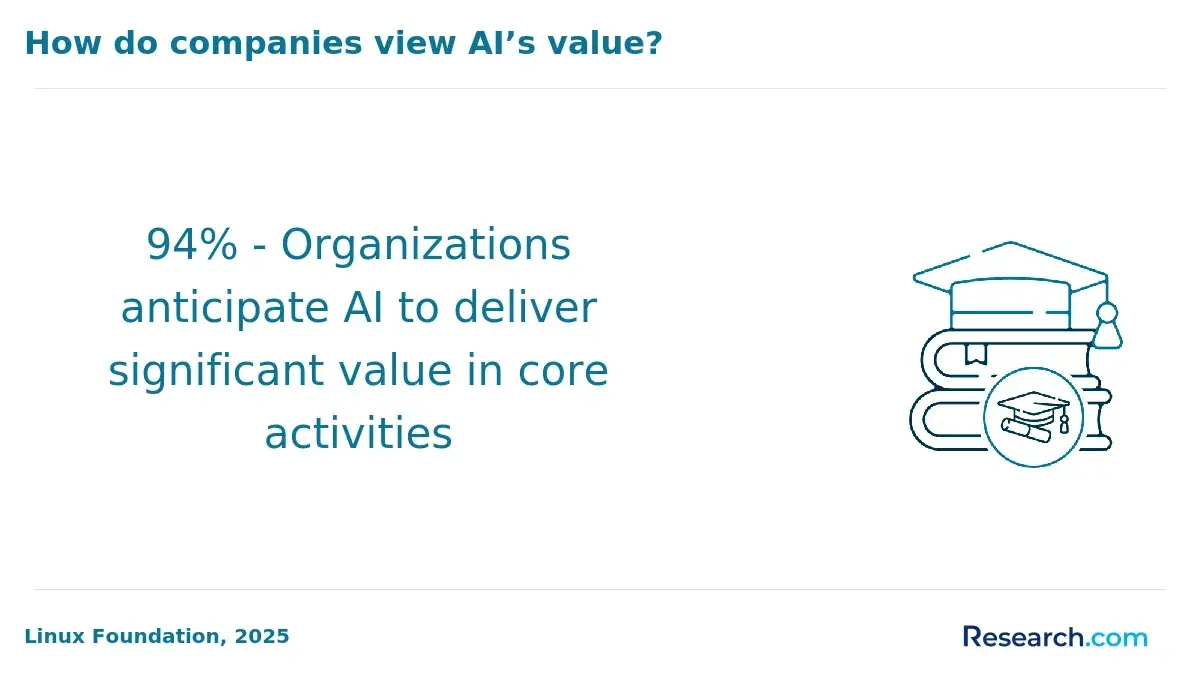
How can restaurant marketing teams evaluate the best AI courses available?
Restaurant marketing teams seeking the best ai courses should focus on practical relevance, instructor expertise, and measurable outcomes. Look for curricula covering industry-specific topics such as ai content creation for social media and promotions, which can reduce content production time by 40-60% while maintaining or improving engagement according to Deloitte's Global Marketing Trends.
When evaluating ai training programs for restaurant marketers, prioritize courses that include natural language processing, predictive analytics, and customer data integration tailored to restaurant marketing challenges. Hands-on projects or case studies involving ai-driven campaign design or automation tools offer real-world experience crucial for effective skill development.
Assess the credentials of instructors and institutions carefully. Professionals with experience in both ai and marketing, especially those familiar with hospitality or retail sectors, add valuable insights. Certification by recognized industry bodies or technology providers, such as Google or IBM, enhances program credibility.
Stay updated with courses offering current ai trends and tools since this field evolves rapidly. Reviews and participant feedback can reveal if graduates achieved tangible improvements in campaign efficiency or customer engagement. Consider formats that fit your team's learning style, from intensive bootcamps to self-paced modules, especially those facilitating collaboration or coaching.
For those exploring advanced education, options include pursuing an online PhD AI, which can deepen expertise in artificial intelligence applications. This pathway can complement practical ai courses for restaurant marketing teams aiming to drive impactful results.
What AI course options exist for restaurant marketing, from short trainings to degrees?
AI course options for restaurant marketing teams vary from brief workshops to full degree programs, tailored to different professional needs. Short certificate programs or online trainings often last from a few hours to several weeks and focus on practical applications such as AI-driven local SEO, online review management, and customer targeting. For instance, micro-credentials in AI marketing equip participants with skills to optimize Google Business Profiles, enhancing visibility and engagement. According to Gartner, restaurants using ai for managing reviews and local SEO are 33% more likely to attract new guests and see a 25% increase in online customer actions.
Mid-level programs include professional certificates and diplomas offered by universities or specialized platforms, covering AI data analysis, natural language processing for sentiment analysis, and chatbots to improve customer interaction. These enable marketing teams to implement AI-powered campaigns strategically.
For deeper knowledge, bachelor's or master's degrees with AI specializations prepare candidates for leadership roles in restaurant marketing innovation, focusing on AI algorithm development, predictive modeling, and digital strategy. Choosing the right ai training programs supports measurable marketing improvements, validated by industry data like BrightLocal's analysis.
Prospective students should evaluate their goals-whether to master AI tools for local SEO or make a strategic career shift. Some may also explore military friendly online cybersecurity degree programs as part of expanding their tech credentials.
How do online AI programs for restaurant marketing compare with on-campus offerings?
Online ai programs for restaurant marketing provide flexibility and accessibility ideal for working professionals and remote learners. They feature up-to-date content on digital marketing tools including ai-driven email, SMS, and loyalty campaigns, which produce 41% higher open rates and 13% higher click-through rates than non-personalized approaches, as reported in the Salesforce 2024 State of Marketing. These programs emphasize practical skills through interactive modules, real-world case studies, and integration with ai platforms like chatbots and predictive analytics tailored to restaurant marketing.
On-campus programs often deliver stronger theoretical foundations and opportunities for face-to-face networking with instructors and peers, enriching understanding of marketing concepts and broader business applications of ai. They also tend to offer structured schedules and personalized mentorship, although they may not keep pace as quickly with evolving ai marketing tools.
Prospective students should consider their career goals carefully:
- Online courses excel in rapid skill acquisition, updates, and certifications enhancing employability in digital-first environments.
- Campus programs suit those seeking comprehensive marketing education with research opportunities.
- Both formats address data privacy and ethical ai use challenges.
Choosing between formats depends on whether immediate hands-on skills or deeper academic research fits your professional growth best.
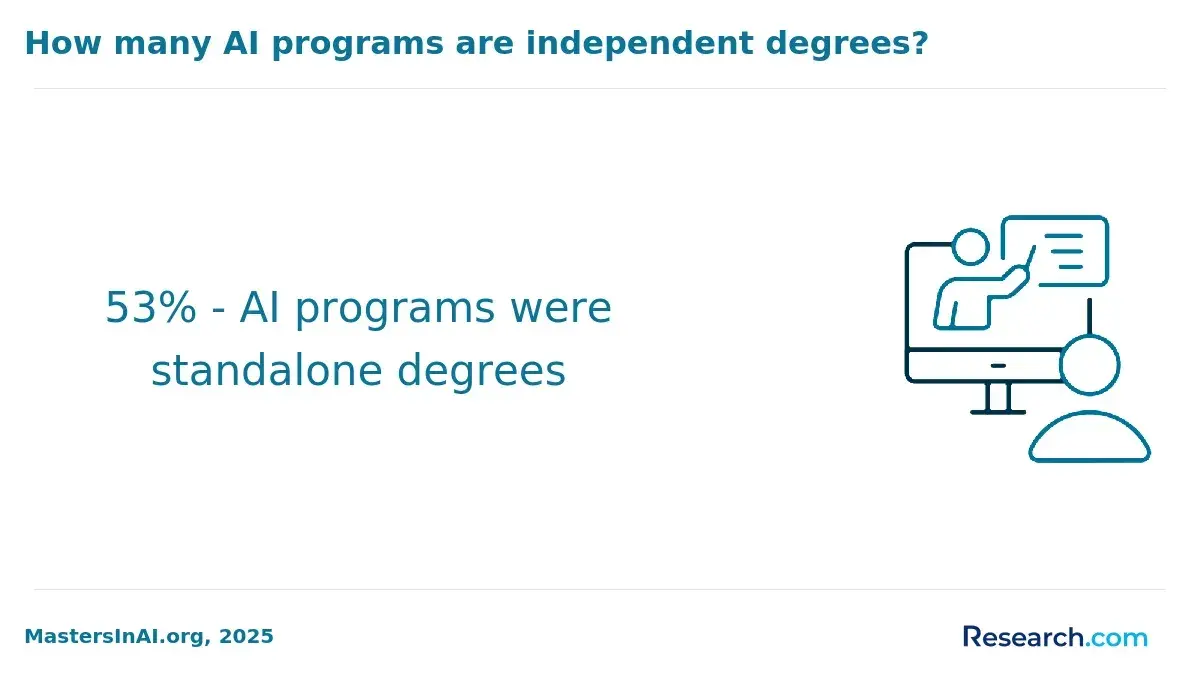
What do typical AI-for-restaurant-marketing curricula and projects cover?
Curricula focused on ai for restaurant marketing cover various practical applications to improve marketing strategies using data-driven insights. Key topics include menu engineering powered by ai, where students analyze sales and customer preferences to optimize the menu mix and maximize profit margins. Dynamic pricing algorithms adjust prices in real time based on demand, competition, and inventory-Boston Consulting Group's 2024 analysis shows these can boost profit margins by 5-10%.
Students work on projects simulating targeted marketing campaigns using machine learning to segment customers by behavior and demographics. These projects often involve developing personalized promotions, loyalty programs, and digital advertising strategies that use predictive analytics to enhance engagement and conversion rates. Courses also explore ai-driven social media sentiment analysis to monitor brand reputation and emerging trends.
Other essential skills taught include data management-collecting, cleaning, and analyzing large datasets from point-of-sale systems and online sources-to forecast demand and evaluate campaign success. Practical applications include designing chatbots for customer support and reservation management, which improve the customer experience through automation.
Ethical considerations and compliance with data privacy laws are integrated throughout the curriculum, preparing marketing teams to implement ai responsibly. Capstone projects often combine menu engineering, promotion optimization, and customer analytics to create comprehensive, ai-informed marketing strategies tailored to restaurant operations.
What background, prerequisites, and admission requirements do AI programs usually expect?
AI programs tailored for restaurant marketing candidates usually require a foundation in marketing principles paired with data literacy. Many courses emphasize proficiency in statistics, data analysis, or marketing analytics tools. Candidates without prior coding experience often need to complete modules teaching Python or R, since programming skills are essential for deploying AI-driven marketing strategies. Admission typically expects a bachelor's degree in marketing, business, data science, or related fields, but some certificate programs accept relevant work experience.
Applicants often need prior exposure to digital marketing campaigns involving customer segmentation, ad optimization, or social media management. Experience with platforms like Meta Ads, Google Ads, or TikTok marketing provides a competitive edge. For instance, Meta and Google advertisers in food and beverage using AI-optimized campaigns reported cost per acquisition decreases of 20-30%, according to Insider Intelligence / eMarketer benchmarks.
Advanced courses may require understanding of machine learning concepts or completion of AI fundamentals. Some programs also request standardized test scores or letters of recommendation. Flexible tracks designed for working professionals focus on practical skills and may waive prerequisites if relevant project experience is demonstrated.
Essential preparation includes building marketing analytics knowledge, gaining basic programming familiarity, and hands-on experience with digital advertising platforms to meet admissions and succeed in AI marketing studies.
How much do AI courses for restaurant marketing cost, and what funding is available?
AI courses tailored for restaurant marketing teams range from free introductory classes to in-depth programs priced between $300 and $1,500. Basic online courses often start free or under $100, covering foundational ai concepts, data analytics, and digital marketing strategies. More advanced courses, focusing on AI applications such as automating guest messaging, chatbots, and reputation management, typically cost between $500 and $1,500 and include practical projects and case studies.
Funding can come from multiple sources:
- Workforce development grants through community colleges and universities
- Employer tuition reimbursement via professional development budgets
- Federal programs like the Workforce Innovation and Opportunity Act (WIOA) and relevant state grants
- Scholarships from AI training providers focusing on restaurant and hospitality sectors
Some bootcamp-style courses waive fees for candidates who demonstrate financial need or professional experience relevant to the field. Investing in AI training offers operational benefits-restaurants using AI chatbots report up to a 30% reduction in front-of-house administrative workload and a 15-20% increase in guest inquiry response rates, according to the Zendesk Customer Experience Trends Report 2024.
What restaurant and hospitality marketing careers can AI training lead to?
AI training in restaurant and hospitality marketing equips professionals to merge creative strategy with data-driven insights. Key roles include AI marketing analysts who analyze consumer data using machine learning to tailor campaigns and optimize menu positioning. AI marketing strategists develop automated workflows that boost efficiency and personalization, often creating AI-powered chatbots to enhance customer service and reduce labor costs.
Other important positions involve AI content creators who generate promotional materials aligning with brand voice and customer preferences, and customer insights managers who use AI-driven sentiment analysis to improve marketing strategies. Programmatic advertising specialists utilize AI algorithms to optimize real-time ad placements and maximize ROI. Some experts take on technical roles like AI tools trainers, customizing algorithms for specific hospitality needs.
69% of marketing leaders acknowledge a lack of AI skills in their teams, while 82% plan to invest in AI training and upskilling by 2025, based on IBM's 2024 Global AI Adoption Index. Developing AI capabilities opens doors to advanced roles in digital marketing management, CRM automation, and campaign analytics tailored for the restaurant and hospitality industries.
How does AI expertise affect salary potential and job outlook in restaurant marketing?
AI expertise boosts salary potential and job prospects for restaurant marketing professionals. Specialists skilled in AI-driven marketing tools-such as customer analytics, targeted advertising, and automated creative development-earn higher wages by enhancing campaign effectiveness and driving revenue growth. PwC's AI Business Outlook for Consumer Markets reports that hospitality brands using AI in at least three marketing workflows, including analytics, targeting, and creatives, are 2.5 times more likely to achieve significantly above-average revenue growth.
Professionals familiar with machine learning models and AI software can pursue roles like AI marketing strategist, data analyst, or digital campaign manager, all offering above-average salaries. For example, restaurant chains leveraging AI-powered customer segmentation optimize promotions and personalize messaging, linking AI skills directly to measurable business results.
Demand for AI-savvy marketers continues to rise as restaurants adopt these technologies to stay competitive. Employers seek candidates who can interpret AI insights and manage AI platforms, increasing job stability and advancement opportunities. Without these skills, career growth may slow.
Developing AI proficiency through courses on data analytics, predictive modeling, and AI marketing applications provides a strong return on investment. Candidates should also gain knowledge of AI ethical considerations and platform integration to enhance employability and salary negotiation.
Other Things You Should Know About Artificial Intelligence
In 2027, top AI courses for enhancing customer personalization in restaurant marketing include "AI for the Hospitality Industry" by edX, "Advanced Data Techniques for Customer Outreach" by Coursera, and "Personalization with AI in Restaurants" by LinkedIn Learning. These courses cover AI-driven personalization strategies tailored to the unique needs of the restaurant industry.
AI enables deeper customer personalization by analyzing purchase history, preferences, and behavior patterns. This allows marketing teams to craft targeted promotions and menu recommendations that resonate with individual customers. Improved personalization can increase customer loyalty and drive repeat visits.
Yes, AI helps restaurants optimize marketing spend by identifying the most effective channels and campaigns through predictive analytics. It can allocate budgets dynamically based on real-time performance data, reducing waste and increasing return on investment. This ensures smarter spending aligned with consumer demand.
Machine learning for customer segmentation, natural language processing for social media monitoring, and AI-powered chatbots for customer engagement are highly beneficial. These technologies help automate routine tasks and provide data-driven insights that improve marketing strategies. Together, they enhance efficiency and customer experience.
References
- AI training and tools for small businesses | Grow with Google https://grow.google/ai-for-small-businesses/
- How Restaurants Are Using AI in Marketing | VistaPrint US https://www.vistaprint.com/hub/ai-usage-in-small-food-beverage-businesses
- What 8 Skills Do Marketers Need to Use AI Effectively? | Digital Marketing Institute https://digitalmarketinginstitute.com/blog/8-digital-skills-you-need-to-survive-the-rise-of-ai
- AI in Marketing https://www.cim.co.uk/learn-develop/training-development/training-courses/ai-in-marketing/
- The Best Restaurant Marketing Software for Groups in 2026 https://www.malou.io/en-us/blog/restaurant-marketing-software
- AI Courses | Practical, Fast, and Impact-Driven https://www.sectionai.com/courses
- 12 Best AI For Restaurants To Improve Operations https://www.momos.com/blog/best-ai-for-restaurants
- AI in Hospitality: Transforming Service Experience and Efficiency https://research.ehl.edu/news-listing/artificial-intelligence-in-hospitality-transforming-services-experience-and-efficiency
- How Generative AI Will Affect Jobs in Restaurants and Hospitality https://ismguide.com/how-generative-ai-will-affect-jobs-in-restaurants-hospitality/
- AI Restaurant Software Costs in 2025: True Per-Month TCO for a Single-Location Café https://hostie.ai/resources/ai-restaurant-software-costs-2025-true-monthly-tco-single-location-cafe