2027 Best AI Adoption Courses for Pharma Strategy Teams

Co-Founder and Chief Data Scientist
Pharma strategy teams face increasing pressure to integrate AI technologies efficiently to stay competitive and accelerate drug development. However, many professionals lack the targeted training to navigate AI's complex tools and applications within the pharmaceutical landscape. This skills gap can delay innovation and reduce the impact of strategic decisions.
Identifying suitable courses that offer flexibility, accreditation, and relevant pharma-focused content is crucial for teams aiming to transform their operations swiftly and effectively. This article highlights top courses designed to equip pharma strategy professionals with practical AI knowledge and skills to streamline adoption and enhance strategic outcomes.
Key Things You Should Know
- Top AI adoption courses in 2026 focus on integrating AI capabilities specifically for pharma strategy, emphasizing data analytics and regulatory compliance to enhance drug development and marketing efficiency.
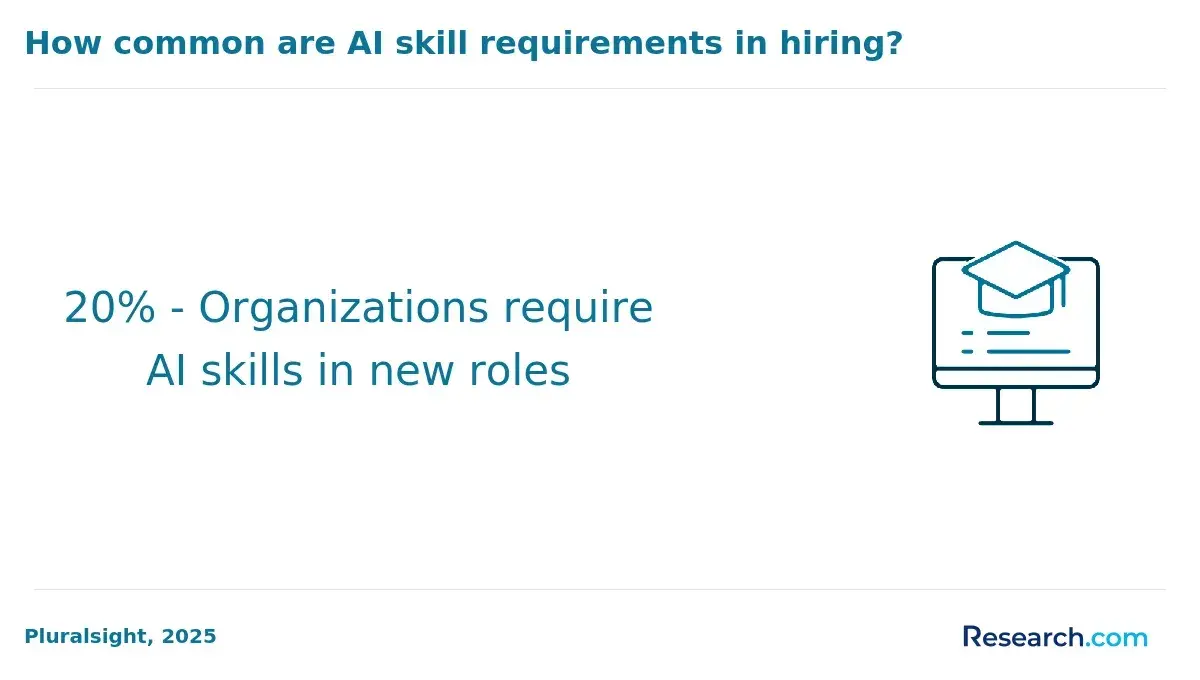
- Recent studies show over 60% of pharma firms prioritize AI skills, driving demand for courses that combine machine learning applications with industry-specific case studies.
- Leading programs offer hands-on projects using real-world pharma data, preparing strategy teams for AI-driven decision-making and competitive advantage in an evolving healthcare market.
Advance Your Career with AI Online Courses
Artificial Intelligence: Implications for Business Strategy
This program provides an introduction to Artificial Intelligence and their implications for business strategy. Earn an official digital certificate.

Oxford Artificial Intelligence Programme
Explore this Oxford Artificial Intelligence programme offered in a flexible learning environment and explore topics like machine learning, automation, and robotics.

Implementing Agentic AI: Building Your Organizational Playbook
This online MIT Agentic AI course offers a practical approach to deploying AI agents in your organization, including a custom playbook. 3 weeks, exclusive launch price.

AI Adoption: Driving Business Value and Impact
This online MIT AI Adoption: Driving Business Value and Impact offers practical frameworks to close the gap between AI potential and business reality.

Artificial Intelligence in Pharma and Biotech
Discover the applications and limitations of artificial intelligence in pharma and biotech with this MIT online short course.

What are the best AI adoption courses for pharma strategy teams and who are they for?
Top AI adoption courses for pharma strategy teams emphasize practical skills in AI-driven decision-making, data analytics, and regulatory compliance. Leading programs from institutions like MIT Sloan and Stanford offer executive education tailored to healthcare professionals. These courses blend case studies on drug development, market access, and patient outcomes with hands-on training in AI tools relevant to pharma.
A highly recommended option is the Pharmaceutical AI Strategy Certificate by industry experts, targeting mid- to senior-level pharma strategists focused on portfolio planning and competitive analysis. Pharma strategy teams gain the most value from courses that go beyond theory to cover data governance, ethical ai use, and cross-functional collaboration in R&D and commercial operations. Modules on real-world data utilization and predictive modeling help strategists forecast market trends and optimize clinical trial designs effectively.
Participants often include product managers, portfolio strategists, and business development leads requiring fluency in AI technologies to guide investment and innovation strategies. Training also highlights AI project management, change leadership, and interpretation of AI-generated insights for strategic decisions, alongside compliance and risk mitigation in a complex regulatory environment.
Pharmaceutical companies could capture $60 billion to $110 billion in annual value from AI, according to DrugBank's analysis. For professionals seeking affordable options, the cheapest data science masters in USA programs can provide foundational skills to complement AI training programs for pharmaceutical strategy professionals.
Advance Your Career with AI Online Courses
Artificial Intelligence: Implications for Business Strategy
This program provides an introduction to Artificial Intelligence and their implications for business strategy. Earn an official digital certificate.
Oxford Artificial Intelligence Programme
Explore this Oxford Artificial Intelligence programme offered in a flexible learning environment and explore topics like machine learning, automation, and robotics.
Implementing Agentic AI: Building Your Organizational Playbook
This online MIT Agentic AI course offers a practical approach to deploying AI agents in your organization, including a custom playbook. 3 weeks, exclusive launch price.
How do AI adoption courses help pharma strategy teams compete in a regulated, data-driven market?
AI adoption courses for pharma strategy teams focus on integrating artificial intelligence within tightly regulated markets, emphasizing workflow redesign rather than simply inserting AI tools into existing processes. This approach aligns with McKinsey's insight that AI delivers significant value only when ROI is defined upfront and workflows are adapted accordingly.
Participants learn to identify areas to streamline drug development, optimize clinical trials, and enhance regulatory compliance, often by mapping manual processes for seamless AI integration that reduces approval times and human error.
Regulated market AI training for pharmaceutical teams also covers key skills in data governance to meet strict privacy and quality standards. Professionals are taught to curate, annotate, and manage data in compliance with FDA and EMA regulations while generating actionable insights. Modules typically include risk management strategies to foresee and mitigate compliance challenges during AI deployment.
Practical knowledge in ROI measurement helps teams quantify AI's impact through pilot programs, KPIs, and ongoing analytics, addressing common pitfalls of AI projects that fail post-launch. Cross-functional collaboration training prepares strategy teams to lead data scientists, regulatory experts, and commercial leads to drive innovation without sacrificing compliance.
Prospective students interested in these skills can also explore affordable engineering schools that offer related technology programs, accessible via affordable engineering schools. These programs support professionals aiming to turn AI from concept to strategic asset within pharma and other complex industries.
What types of AI training formats are available for pharma teams (online, hybrid, on-site)?
Pharma strategy teams seeking AI training programs for pharma strategy teams can select from three primary formats: online, hybrid, and on-site. Online courses provide flexibility, allowing pharmaceutical professionals to learn at their own pace while balancing work duties.
These courses are well-suited for foundational knowledge covering AI basics, machine learning applications, and drug discovery case studies. Leading platforms often include interactive modules and real-world pharma datasets for hands-on experience remotely.
Hybrid AI courses for pharmaceutical professionals merge online instruction with periodic in-person sessions. This format is ideal for teams requiring direct access to instructors for complex subjects such as AI model validation and regulatory compliance within pharma. Hybrid training typically features collaborative workshops where participants apply AI tools to real business challenges, enhancing teamwork and reinforcing essential concepts tied to drug development timelines.
On-site programs deliver immersive, face-to-face training tailored to organizational goals. Large pharmaceutical firms often prefer this format to rapidly implement AI within established teams. Workshops cover AI-driven decision-making, data governance, and ethical considerations. Immediate feedback and hands-on mentoring help master AI tools proven to reduce early-stage drug discovery time by 25%, according to DrugBank.
Leaders should align training choices with team size, existing expertise, and project urgency. Combining formats-such as using initial online modules before intensive on-site workshops-can optimize both efficiency and impact. Professionals interested in further AI-related education might explore the best online data science masters programs to deepen their knowledge and skills.
What core topics and tools do AI adoption courses for pharma strategy typically cover?
AI applications in pharmaceutical strategy development require a solid foundation in core topics that bridge theory and practice. Essential subjects include foundational AI concepts, data management techniques, and advanced analytics tailored specifically for pharmaceutical R&D and commercial operations.
Key tools and methodologies for AI integration in pharma teams often focus on machine learning algorithms, predictive modeling, and natural language processing to ensure effective interpretation and deployment of AI outputs.
Regulatory and ethical aspects unique to pharma, such as compliance with FDA guidelines and patient privacy under HIPAA, are critical components of these courses. Addressing challenges in AI validation and model transparency helps participants navigate the complex landscape necessary for regulatory approval and stakeholder confidence.
Hands-on training typically covers platforms like Python for data science, TensorFlow for model development, and cloud-based AI services that facilitate scalability and integration within existing IT infrastructures. Case studies demonstrate AI-driven drug discovery, real-world evidence generation, and market segmentation strategies, highlighting practical use cases for students and professionals.
Data from Why GenAI Training Matters for Commercial Life Sciences Teams shows that over 70% of generative AI experiments don't reach production. This underlines the importance of strong adoption capabilities and practical implementation, which align AI initiatives with strategic goals and measurable KPIs to overcome organizational resistance.
For those considering further education, understanding the computer science degree cost is essential when planning a career in AI-driven pharmaceutical strategy.
How can pharma leaders evaluate the quality, accreditation, and credibility of AI adoption programs?
Pharma leaders evaluating AI adoption programs should verify institutional accreditation from recognized bodies like ABET or regional education authorities to ensure quality and compliance with academic and industry standards. Assessing instructor expertise is crucial-faculty with experience in pharma and AI implementation provide practical insights. Curricula should prioritize real-world applications over theory and align with current industry challenges.
Success metrics offer important clues about a program's value. Programs that track outcomes such as user adoption, cost savings, and revenue impact demonstrate alignment with business priorities. According to pharmaphorum, prioritizing AI use cases based on business impact, cost, and risk leads to better strategic decisions than focusing solely on training format or duration.
Additional evaluation factors include the presence of pharma industry partnerships, endorsements, or networking opportunities, which enhance credibility and relevance. Regular updates reflecting fast-paced AI advancements are essential to avoid outdated content. Feedback from graduates and their career progress further reflects program effectiveness.
Flexible delivery modes-online or hybrid-help professionals balance learning with work commitments without sacrificing rigor. Programs designed explicitly for pharma contexts that include case studies on drug development or regulatory compliance better prepare leaders to apply AI strategically and confidently.
What are the typical admission requirements and ideal backgrounds for enrolling in these courses?
Admission to AI adoption courses for pharma strategy teams typically requires a bachelor's degree in pharmacy, life sciences, computer science, data analytics, or business administration. Candidates with advanced degrees, such as a master's in biotechnology or healthcare management, often have an advantage, though relevant industry experience can sometimes substitute for formal education.
Successful applicants usually have a foundational grasp of pharmaceutical processes paired with analytical skills. Knowledge of data science principles and familiarity with clinical and regulatory workflows enhance candidates' ability to understand how AI transforms drug development, supply chains, and patient engagement strategies.
Many programs expect proficiency in programming languages like Python or R, or data visualization tools, while some provide preparatory modules for those less experienced. The ability to collaborate effectively across multidisciplinary teams is crucial, reflecting the complexity of pharma operations.
Practical experience in pharma operations, strategy consulting, or digital transformation projects positively influences admission decisions. McKinsey research highlights that AI adoption thrives when teams focus on redesigning workflows and aligning KPIs rather than deploying isolated tools. Those who have participated in process redesign initiatives are well positioned to benefit.
Applicants should be ready to articulate how their background bridges technical AI concepts with real-world pharma challenges, demonstrating their capacity as change agents integrating AI into strategic decision-making.
How long do AI adoption programs for pharma strategy usually take and what do they cost?
AI adoption programs for pharma strategy teams typically range from 3 to 12 months, tailored to the training's scope and depth. Shorter courses, around three months, emphasize foundational knowledge and practical uses of artificial intelligence in drug development and market analysis.
More extensive programs include advanced topics such as AI integration with existing systems, regulatory compliance, and real-world case studies. These longer tracks often target strategic leaders implementing AI across departments.
Costs vary significantly-from approximately $3,000 for basic online courses to $25,000 or more for intensive executive education. Higher fees apply to in-person or hybrid formats with personalized coaching and project-based learning. Some programs also offer access to proprietary AI platforms or cloud resources, increasing overall expense.
Beyond education, pharma companies must invest in secure, scalable data infrastructure. DrugBank notes that effective AI adoption requires high-performance computing, cloud storage, and advanced analytics tools to handle large datasets efficiently. Programs should address these infrastructure needs either through dedicated training or partnerships with technology providers.
Challenges include budgeting for education and technology upgrades, aligning adoption timelines with regulatory approvals, and ensuring practical skill application among staff. Prospective participants should evaluate programs for coverage of infrastructure readiness and real-world implementation strategies.
What career paths, roles, and promotions can AI-skilled pharma strategists realistically pursue?
Pharma strategists with expertise in artificial intelligence engage in varied roles spanning research, development, and commercial sectors. Key positions include AI strategy consultant, data-driven portfolio manager, and AI implementation lead, each requiring proficiency in AI tools to enhance clinical trial design, predict market trends, or incorporate real-world evidence.
These professionals often progress into leadership roles such as director of AI innovation or head of digital transformation, where they guide cross-functional teams and align AI efforts with strategic business objectives.
Career advancement frequently depends on deepening skills in both AI and pharmaceutical operations. Transitioning from analyst to product lifecycle strategist involves leveraging AI-enhanced decision frameworks, while business development managers familiar with AI can move into executive roles by securing partnerships for AI-driven drug discovery platforms.
Collaboration is critical, as pharma companies using AI prioritize flexible, horizontal talent models focused on upskilling. Strategists work closely with data scientists, clinicians, and regulatory experts-expertise that enhances leadership potential and influence on company strategy.
Practical steps for growth include mastering AI project management, understanding AI regulatory compliance, and contributing to AI-focused market access strategies. These skills distinguish candidates targeting roles like AI governance officer or chief data officer. AI proficiency thus provides tangible pathways to senior management and innovation leadership in pharma.
What salary ranges and ROI can pharma professionals expect after completing AI adoption training?
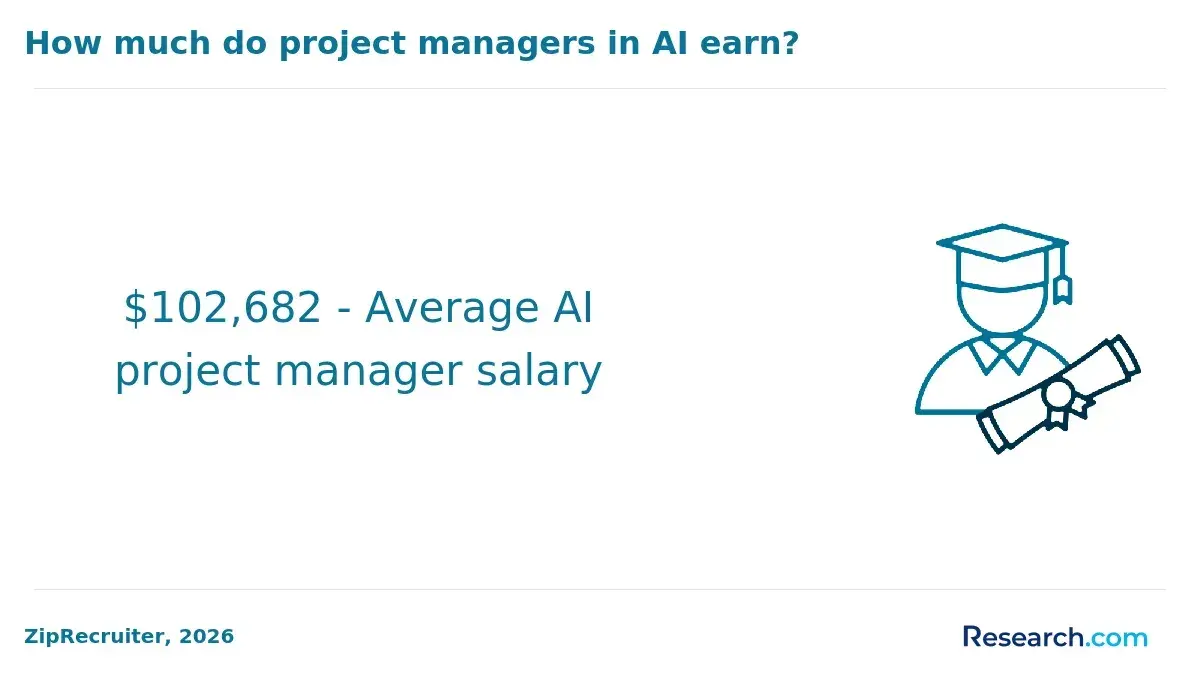
Pharma professionals completing artificial intelligence adoption training can expect substantial salary growth and a strong return on investment (ROI). Entry-level positions typically offer salaries between $80,000 and $110,000 annually, depending on experience and location.
Mid-career specialists focusing on AI-driven drug discovery and clinical data analysis earn around $120,000 to $160,000, while senior experts or managers integrating AI into pharma strategy report salaries from $170,000 up to $220,000 or higher.
ROI stems from enhanced job opportunities, accelerated career progression, and greater organizational impact. Professionals skilled in AI governance, security, and compliance frameworks-highlighted by DrugBank help reduce regulatory risks and command salary increases of 15-25% within two years post-certification.
Pharma companies employing AI-trained staff benefit from shorter trial durations, improved decision accuracy, and measurable productivity gains. Expertise in AI governance frameworks supports transparency and data integrity compliance, often leading to faster promotions and leadership roles.
Practical AI applications in pharmacovigilance and process optimization lower operational costs and minimize errors.
- Target specialized courses covering regulatory compliance and validation alongside algorithmic techniques.
- Master AI readiness governance to meet stringent data security standards.
- Leverage this expertise to secure higher salaries and career resilience.
How should pharma organizations choose between internal upskilling and external AI certification programs?
Pharma organizations must weigh internal upskilling against external AI certification programs by considering strategic goals, resource availability, and the extent of AI integration. Internal upskilling works well for companies aiming to build long-term expertise tailored to their unique processes. This method supports continuous learning focused on specific organizational challenges, though it requires significant time and investment in training infrastructure and expert staff.
External certification programs provide structured and accelerated learning paths with recognized credentials. These programs are ideal for quickly building capabilities or when internal AI expertise is limited. Certified professionals bring standardized knowledge and diverse perspectives that can help accelerate projects or validate existing skills.
Key decision factors include:
- Scalability: Internal programs allow customized training for large teams; external courses usually target individuals or small groups.
- Cost-effectiveness: Internal development involves upfront expenses; external certifications charge per person but reduce internal overhead.
- Use case alignment: Prioritizing manageable cost and risk improves AI pilot success. Internal programs embed this culture deeply; external training introduces practical deployment insights.
- Time constraints: Fast-moving initiatives benefit from external certification to quickly build critical AI skills.
For example, teams working on complex drug discovery algorithms may prioritize internal upskilling to incorporate domain-specific nuances, while regulatory or marketing teams might adopt external certification for broader AI literacy. Combining both approaches can balance internal depth and external breadth, maximizing the impact of AI strategies.
Other Things You Should Know About Artificial Intelligence
Artificial intelligence is accelerating pharmaceutical research by enabling faster drug discovery, optimizing clinical trial designs, and improving data analysis from experimental results. These technologies can identify potential drug candidates more efficiently and predict their effects, reducing the time and cost required for bringing new medicines to market.
The main challenges include managing complex data privacy regulations, aligning AI tools with existing workflows, and addressing skepticism or resistance within teams. Additionally, ensuring data quality and interpretability of AI models is essential to gain regulatory approval and operational acceptance.
The top AI adoption courses for pharma strategy teams in 2027 prioritize strategic implementation, ethical considerations, and data analysis proficiency. Leading options include programs from MIT focusing on AI integration and Stanford's course on AI-driven decision-making in healthcare. These courses offer comprehensive insights crucial for effective AI utilization in pharma strategy.
Ethics and compliance are critical due to sensitive patient data and regulatory scrutiny in pharmaceuticals. AI tools must be developed and used responsibly to ensure transparency, avoid biases, and maintain adherence to laws such as HIPAA and FDA guidelines, safeguarding both patient rights and company reputations.
References
- Training ROI in Pharma: Does Better Training Save Money? https://www.jarmatrixpharma.com/2026/01/28/training-roi-in-pharma-does-better-training-save-money/
- In-Demand Pharma Roles: AI, Manufacturing & Clinical Jobs | IntuitionLabs https://intuitionlabs.ai/articles/in-demand-pharma-roles
- AI Drug Discovery’s $110B Productivity Bet: What the Clinical Data Actually Shows https://www.drugpatentwatch.com/blog/how-ai-is-already-changing-drug-development/
- The Role of AI in Pharma for Enhancing Employee Training https://www.learningeverest.com/role-of-ai-in-pharma-for-enhancing-employee-training/
- AI Courses for Pharma Marketing – Medical Affairs – Market Access – BD&L https://www.celforpharma.com/ai-courses-pharma-marketing-medical-affairs-market-access-bdl
- Artificial Intelligence in Pharma: What 2025 Holds for Us https://www.sdggroup.com/en/insights/blog/ai-in-pharma-what-2025-holds-for-us
- Navigating the pharma jobs market in the AI era - Star People https://wearestarpeople.com/insight/navigating-the-pharma-jobs-market-in-the-ai-era/
- Admission Requirements | Undergraduate Admissions + Programs https://www.ualberta.ca/en/admissions/how-to-apply/admission-requirements/index.html
- Fundamentals of AI & ML for (Bio)Pharma: A Masterclass Introduction https://informaconnect.com/ai-fundamentals/
- Strategic use of AI in healthcare and pharma drives market advantage. Here’s how - I by IMD https://www.imd.org/ibyimd/artificial-intelligence/strategic-use-of-ai-in-healthcare-and-pharma-drives-market-advantage-heres-how/