2027 Best AI Skills Gap Analysis Courses Online

Co-Founder and Chief Data Scientist
Many professionals with undergraduate degrees in unrelated fields face challenges entering the rapidly evolving artificial intelligence industry. The gap between existing skills and the demands of AI roles can hinder career growth and limit opportunities. Without targeted training, making a successful career pivot is difficult. Identifying relevant courses that address these specific skill gaps is essential to facilitate an effective transition.
This article examines the best AI skills gap analysis courses available online, helping readers find flexible, accredited programs designed to bridge knowledge gaps and prepare them for new roles in artificial intelligence.
Key Things You Should Know
- By 2026, 72% of U.S. companies report critical gaps in artificial intelligence skills, intensifying demand for targeted online courses that address practical and theoretical competencies.
- Top artificial intelligence skills gap analysis courses focus on machine learning, data interpretation, and ethical AI deployment, reflecting industry priorities to enhance workforce readiness.
- Recent studies show that completing specialized AI skills gap courses increases job placement rates by up to 40% for graduates entering AI-related fields in 2025 and beyond.
Advance Your Career with AI Online Courses
Artificial Intelligence: Implications for Business Strategy
This program provides an introduction to Artificial Intelligence and their implications for business strategy. Earn an official digital certificate.

Oxford Artificial Intelligence Programme
Explore this Oxford Artificial Intelligence programme offered in a flexible learning environment and explore topics like machine learning, automation, and robotics.

Implementing Agentic AI: Building Your Organizational Playbook
This online MIT Agentic AI course offers a practical approach to deploying AI agents in your organization, including a custom playbook. 3 weeks, exclusive launch price.

AI Adoption: Driving Business Value and Impact
This online MIT AI Adoption: Driving Business Value and Impact offers practical frameworks to close the gap between AI potential and business reality.

Artificial Intelligence in Pharma and Biotech
Discover the applications and limitations of artificial intelligence in pharma and biotech with this MIT online short course.

What is an AI skills gap analysis course and who should consider taking one?
An AI skills gap analysis course trains individuals and organizations to identify and address disparities between current workforce capabilities and the evolving demands of AI-driven industries. These courses teach methods to assess gaps in skills such as machine learning, natural language processing, and data analytics. Participants learn to develop strategic upskilling or reskilling plans based on quantitative data and trends in workforce needs.
This training is particularly relevant for HR professionals, talent managers, organizational leaders, and career advisors who must ensure teams remain competitive amid rapid technological change. Working professionals and graduates also benefit by benchmarking their abilities against emerging job requirements and identifying focused learning paths.
For instance, a software developer might prioritize AI model deployment skills, while an HR manager conducts organizational assessments to guide training investments. These are key benefits for professionals seeking to stay current in their fields.
According to the World Economic Forum's Future of Jobs 2025 update, 44% of workers' core skills are expected to be disrupted by 2028, up from 40% in 2025. This trend underscores the growing need for AI-enabled skills gap analysis to maintain workforce relevance and economic resilience.
Ideal learners should be comfortable engaging with data analytics, workforce planning practices, and AI diagnostic tools. Courses often include case studies, software tools, and frameworks applicable across industries such as technology, finance, manufacturing, and healthcare.
Individuals interested in gaining expertise in AI-related skills and workforce planning may also consider pursuing an accelerated bachelor's degree computer science online to deepen their technical foundation and career readiness.
Advance Your Career with AI Online Courses
Artificial Intelligence: Implications for Business Strategy
This program provides an introduction to Artificial Intelligence and their implications for business strategy. Earn an official digital certificate.
Oxford Artificial Intelligence Programme
Explore this Oxford Artificial Intelligence programme offered in a flexible learning environment and explore topics like machine learning, automation, and robotics.
Implementing Agentic AI: Building Your Organizational Playbook
This online MIT Agentic AI course offers a practical approach to deploying AI agents in your organization, including a custom playbook. 3 weeks, exclusive launch price.
How do online AI skills gap analysis courses work compared with campus-based options?
Online AI skills gap analysis courses offer a flexible and scalable approach to assessing and enhancing workforce competencies compared with traditional campus-based programs. These online courses utilize AI-driven platforms that collect real-time data through assessments, work simulations, and performance tracking to identify individual or organizational skill gaps.
Whereas campus programs typically follow fixed curricula and scheduled evaluations, online courses employ adaptive learning technologies tailored to each learner's specific needs, which is a crucial advantage of online AI skills gap analysis training in North America.
The increasing adoption of AI-powered tools in skills gap analysis is supported by projections from IDC, estimating global spending to reach around $19 billion by 2026 with a 30% CAGR from 2023. Such data underscores the expanding role of AI-enabled personalized upskilling solutions. Online programs integrate these advanced tools more efficiently than campus options, facilitating ongoing skill development vital for rapidly evolving fields.
Online platforms support data-driven decisions through analytics dashboards accessible to both learners and employers. Immediate feedback, customized learning paths, and career-oriented recommendations remove geographic and scheduling limitations common in campus settings. For working professionals, this means effectively upskilling without interrupting employment.
A comparison of campus and online artificial intelligence skills gap analysis programs shows campus offerings often provide structured networking and mentorship, but they usually lack the dynamic AI customization found in online options. Hybrid models combining campus expertise with AI diagnostics are emerging to balance personal interaction with tailored learning experiences.
Students should research whether programs use sophisticated AI tools that enable continuous assessment and content adjustment, a key difference distinguishing forward-looking online courses from static campus curricula. Those seeking an engineering degree online would benefit from considering these factors carefully.
What key AI and data competencies do top skills gap analysis courses actually teach?
Top AI skills gap analysis online training courses develop critical data science and AI competencies essential for evaluating workforce capabilities and meeting organizational goals. These programs focus on data literacy, including collection, cleaning, and interpretation, enabling professionals to effectively analyze performance data.
Key skills covered include proficiency in AI-powered analytics tools that automate skill gap identification by comparing employee abilities to desired benchmarks. The curriculum often includes understanding machine learning models and natural language processing techniques to analyze large unstructured data sets such as resumes and performance reviews.
Strategic skills are also emphasized, training learners to integrate insights from these tools into workforce planning and talent management decisions. Ethical considerations and bias mitigation in AI applications ensure fair and accurate skills assessments. Hands-on experience with visualization platforms helps users identify skill gaps quickly and recommend cost-effective reskilling initiatives.
Research shows that companies utilizing AI for skills gap analysis achieve 36% higher productivity growth and 24% lower retraining costs compared to traditional methods. For those exploring related educational options, finding quality game design schools online can enhance technical acumen in digital fields connected to AI and data science.
How can AI skills gap analysis training fit into different education paths, from certificates to degrees?
AI skills gap analysis certificate programs provide targeted training for quick, practical upskilling, ideal for professionals seeking immediate, job-specific improvements. These certificates focus on real-world applications, enabling learners to promptly identify workforce deficiencies and bridge gaps without long-term commitment.
Associate and bachelor's degrees integrate artificial intelligence skills gap training for degree pathways within broader curricula, combining foundational AI knowledge, data analytics, and workforce strategy. These programs prepare students for roles requiring both technical expertise and organizational insight, facilitating the design and implementation of upskilling initiatives.
Graduate degrees and professional certifications emphasize advanced AI-driven workforce transformation, predictive analytics, and policy impact. Such training is suited for those pursuing leadership positions in education, corporate training, or government, where managing large-scale AI adoption and skill evaluation is critical.
A recent PwC survey shows 39% of workers expect major upskilling due to AI soon, yet only 22% feel their organizations conduct strong skills gap assessments, underscoring the need for relevant education aligned with career stages.
Students and professionals should evaluate their goals and timing:
- Certificates for rapid entry into skill-specific roles
- Degrees for comprehensive career and leadership growth
- Graduate studies for deeper technical and strategic expertise
Programs such as cyber security courses online often complement AI skills gap education, offering practical credentials in related fields.
What admission requirements and prior experience are needed for AI skills gap analysis courses?
Admission requirements for AI skills gap analysis courses vary widely based on the program's focus and complexity. Most programs expect candidates to have foundational knowledge in data analysis, machine learning basics, or programming. Advanced courses often require proficiency in Python, SQL, or familiarity with frameworks like TensorFlow or PyTorch, while entry-level options may only ask for basic statistics and logic understanding. This makes many courses accessible to recent graduates or professionals transitioning into AI.
Applicants without formal technical backgrounds can benefit from preparatory modules covering essential math or coding skills. Many programs recommend demonstrating analytical problem-solving ability through prior work experience or projects. Portfolios or evidence of relevant coursework are sometimes required during admission.
The variation in prerequisites typically reflects whether the course is technical, strategic, or managerial. Business analysts, for example, might focus more on operational workflows and data interpretation than coding skills. Technically focused programs, however, demand strong programming competencies upfront.
According to LinkedIn's Future of Work report, professionals who complete role-aligned upskilling in AI-related skills see a median 21% salary increase within two years, compared to 8% for those who do not upskill. Choosing courses wisely to match current skills and career goals is essential for maximizing growth.
Prospective students should carefully review prerequisites to find programs that fit their knowledge and allow skill development in areas crucial for effective AI skills gap analysis.
How long do AI skills gap analysis programs take and what do they typically cost?
AI skills gap analysis courses typically take 4 to 12 weeks to complete, varying by depth and format. Bootcamp-style programs usually last about a month and focus on practical skills for AI adoption and workforce assessment. More comprehensive certificate courses can extend up to three months, including project work and sector-specific content. Part-time or self-paced options offer flexibility for working professionals but may take longer.
Costs range broadly depending on program level and provider: entry-level online classes often start between $300 and $600, mid-tier professional certificates range from $1,000 to $3,500, and highly specialized courses that include mentoring or are linked to prestigious institutions can surpass $5,000. Some employers sponsor employee participation in these training programs as part of upskilling initiatives.
Choosing a program should align with your career goals and industry needs. For sectors like finance and ICT, where more than 60% of large firms report significant AI talent shortages according to OECD data, intensive training is advisable. Manufacturing professionals may find shorter courses adequate due to a roughly 35% talent gap. Hands-on experience and relevance to your field remain key factors.
Look for courses addressing AI strategy frameworks, data literacy, and workforce capability mapping. Effective programs emphasize interpreting AI skill metrics and developing reskilling roadmaps, essential for closing workforce gaps.
How do I evaluate accreditation and program quality for online AI skills gap analysis courses?
Accreditation is essential when choosing online artificial intelligence skills gap analysis courses. Confirm accreditation through recognized U.S. bodies such as regional accreditors like the Middle States Commission on Higher Education or specialized technology education accreditors. This verification guarantees the program meets rigorous academic standards and holds credibility with employers and certification bodies.
Carefully review the curriculum to ensure it includes current methodologies for AI skills gap analysis, such as data assessment techniques, workforce planning considering AI integration, and AI-driven decision support systems. Programs offering real-world case studies or projects highlighting challenges like workforce AI adoption costs and skill mismatches provide practical value.
For instance, Accenture's 2024 Work, Workforce and AI study highlights how organizations with AI skills gaps experience up to 22% lower revenue growth and 19% higher project overrun rates, stressing the need for actionable training.
Verify faculty expertise by examining instructors' backgrounds in AI workforce analytics or technology management, prioritizing those who have led AI transformation projects. Additionally, consider program outcomes such as graduate employment rates and partnerships with industry employers, which reflect alignment with employer needs.
Flexibility in course delivery is key for working professionals, so assess scheduling options and delivery modes. Transparent tuition fees and available financial support options also indicate institutional reliability and program quality.
What careers can AI skills gap analysis training lead to, and in which industries?
AI skills gap analysis training prepares professionals for roles such as HR data analysts, learning and development specialists, workforce planners, and talent management consultants. These careers emphasize identifying workforce capabilities, assessing training needs, and aligning employee skills with organizational goals through AI-driven insights.
Key industries adopting this training include technology, healthcare, finance, manufacturing, and retail. For instance, healthcare organizations use AI to support continuous professional development for medical staff, ensuring compliance with evolving standards. Financial institutions rely on AI skills gap analysis to reskill employees amid digital transformation, while manufacturing addresses skill shortages related to automation and Industry 4.0.
In technology, companies seek AI-savvy workforce planners to integrate machine learning insights into talent strategies. According to Gartner's 2024 HR technology survey, 48% of large enterprises use or pilot AI-driven skills inference platforms, with projections exceeding 70% by 2027. This growth drives demand for professionals skilled in AI-based skills gap analysis, opening opportunities in consulting, corporate training, and platform development.
Effective candidates combine data analysis expertise with knowledge of organizational behavior and AI capabilities. Mastery of machine learning algorithms, natural language processing, and predictive analytics is crucial. Prospective learners should pursue hands-on courses with AI platforms relevant to HR and learning and development to advance in these evolving fields.
What salary ranges and job outlook can AI skills-focused professionals expect in the U.S.?
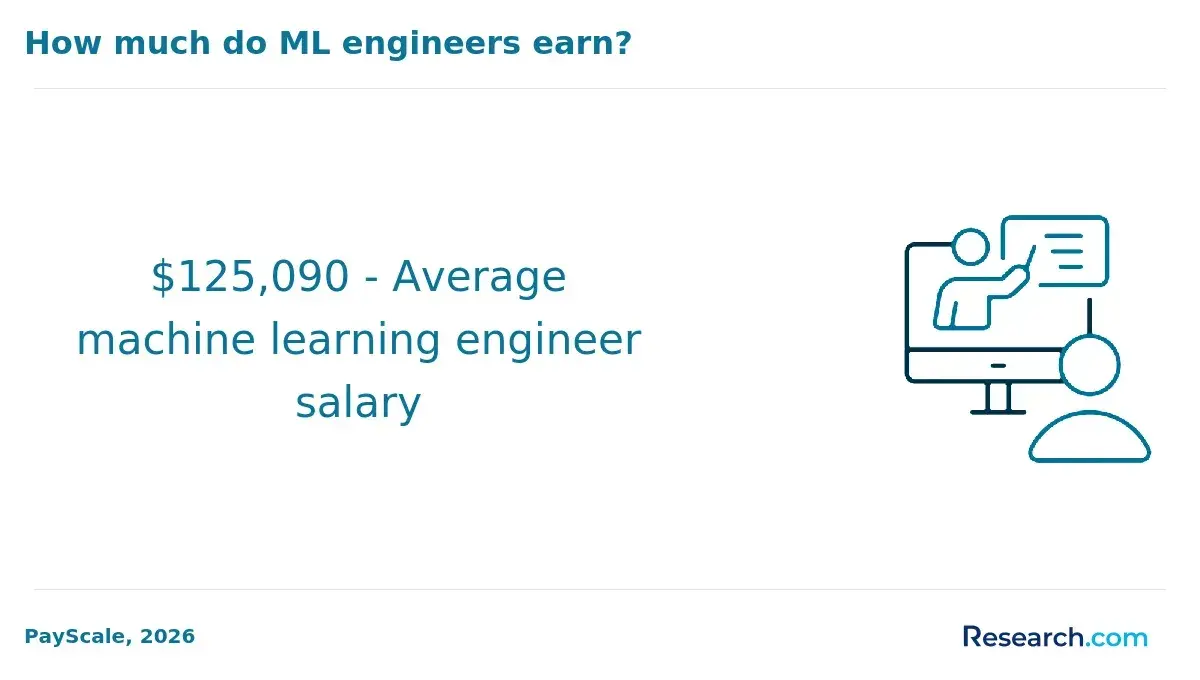
In the U.S., professionals with specialized skills in artificial intelligence can anticipate salaries ranging from $90,000 to $170,000 annually. Entry-level AI engineers typically earn between $90,000 and $110,000, while experienced roles such as machine learning scientists or AI research engineers often exceed $150,000. Senior experts in high-demand sectors like healthcare, finance, and technology can command salaries near $170,000 or more.
The job market outlook remains very strong, with the U.S. Bureau of Labor Statistics projecting growth exceeding 30% through 2030 for AI-related positions. This demand is fueled by industries expanding automation, predictive analytics, and intelligent decision-making capabilities.
Addressing skill gaps is crucial for job seekers. Coursera's 2025 Global Skills Report highlights that AI and data skills paths, which focus on learners' specific gaps improve course completion rates by 30-35% compared to non-diagnostic programs. Professionals are advised to identify deficiencies—in areas such as neural networks, natural language processing, or data engineering—and pursue targeted courses to enhance their readiness.
Aligning training with employer expectations—covering proficiency in Python, TensorFlow, cloud computing, and ethical AI—is vital. Incorporating ongoing gap analysis offers a competitive edge, supporting career progression and higher salary potential.
Are there industry-recognized certifications that complement AI skills gap analysis coursework?
Industry-recognized certifications that complement artificial intelligence skills gap analysis coursework play a crucial role in validating expertise. These credentials attest to proficiency in diagnosing, addressing, and managing AI-related skill shortages—skills highly sought after by employers. Key certifications include:
- Certified AI Practitioner (CAIP): Emphasizes applying artificial intelligence to real-world business challenges, covering skills gap assessment and technology integration.
- AI and Data Science Professional Certificates from leading providers like IBM and Microsoft: These offer specialized modules focused on AI workforce development and identifying current and future skills gaps.
- Human Capital Institute's Workforce Planning and Analytics Certification: Not AI-specific but valuable for data-driven workforce gap analysis techniques applicable to AI upskilling.
Given analyses by the World Economic Forum and PwC forecasting over 1.1 billion workers globally will require significant upskilling or career transitions due to artificial intelligence and automation by 2030, professionals with certified skills gap analysis expertise are increasingly in demand.
Choosing certifications aligned with career goals is key: those targeting strategic workforce roles should prioritize analytics and planning credentials, while practitioners focused on AI implementation should select technical reskilling certifications.
Many programs include hands-on projects and case studies related to industry-specific AI gaps, providing practical experience that employers value. Accrediting bodies and hiring managers prefer candidates with recognized certifications proving their ability to manage AI-driven workforce transformation challenges.
Other Things You Should Know About Artificial Intelligence
When selecting an AI skills gap analysis course online in 2027, consider accreditation, instructor expertise, course content, learning format, hands-on projects, community support, and post-course opportunities. These elements ensure the course will effectively meet your learning goals and facilitate practical application in your field.
Programming knowledge is essential for artificial intelligence skills gap analysis because it enables learners to implement algorithms and handle data efficiently. Languages like Python are widely used due to their extensive libraries and tools geared toward AI development. Without programming skills, understanding and applying AI concepts in real-world scenarios becomes significantly more difficult.
Projects often focus on real-world problem-solving using machine learning models, data preprocessing, and predictive analytics. These may include tasks like developing classification algorithms, building recommendation systems, or analyzing large datasets to identify skill gaps within organizations. Practical assignments are designed to solidify both theoretical understanding and technical proficiency.
Industries such as healthcare, finance, manufacturing, and information technology benefit greatly from AI skills gap analysis training. These sectors rely heavily on data-driven decision-making and automation, making AI expertise crucial for improving operational efficiency and innovation. Training helps organizations identify and address workforce skill deficiencies aligned with evolving technological demands.
References
- A 7-Step Guide for Bridging the AI Skills Gap by Virtasant https://www.virtasant.com/ai-today/a-7-step-guide-for-bridging-the-ai-skills-gap
- Best AI Certifications for 2025: Future-Proof Your Career in Tech - ONLC https://www.onlc.com/blog/best-ai-certifications-2025/
- Top AI Skills of 2025 That Will Define 2026 and Beyond https://www.lifelonglearningsg.org/resources/articles/top-ai-skills
- AI Comparison - SNEOS https://sneos.com/share/2026-04-17-ai-comparison-for-skills-gap-analysis-documentation-with-training-roadmap-recomm-1804
- AI Skills Gap: How to Identify and Close the Gap in 2026 https://www.imocha.io/blog/ai-skills-gap
- The AI Strategy Job Market in 2026: Analysis of 1,859 Postings https://axialsearch.com/insights/ai-strategy-jobs/
- How To Use A Skills Gap Analysis | University of Phoenix https://www.phoenix.edu/workforce-solutions/workforce-resources/posts/skills-development/how-to-use-a-skills-gap-analysis-in-the-workplace.html
- A new way to read the jobs market: using AI to map the AI skills gap https://www.frontier-economics.com/uk/en/news-and-insights/articles/article-i21335-a-new-way-to-read-the-jobs-market-using-ai-to-map-the-ai-skills-gap/
- How to Identify and Close Skills Gaps Using AI | Learning Pool https://learningpool.com/blog/leveraging-the-power-of-ai-to-close-skill-gaps