2027 Best AI Courses for Program Managers With Certificates

Co-Founder and Chief Data Scientist
Program managers seeking to integrate artificial intelligence into their projects often face challenges understanding technical frameworks and securing recognized credentials. This gap can stall career advancement and limit effective collaboration with AI teams. As industries increasingly prioritize AI expertise, certified knowledge becomes essential for credibility and leadership.
The complexity of AI concepts combined with busy schedules demands accessible yet comprehensive learning options. This article presents the best AI courses designed for program managers, focusing on flexible delivery and certification to enhance skills, accelerate career growth, and ensure practical application in diverse professional environments.
Key Things You Should Know
- In 2026, AI skills are essential for program managers, with 65% of tech companies prioritizing AI course certifications to validate expertise and accelerate career advancement.
- Top AI courses emphasize practical machine learning, data ethics, and project leadership, aligning curricula with industry demands and emerging AI governance frameworks post-2024.
- Most reputable programs offer verifiable certificates recognized by leading firms, boosting employability, with average salary increases of 15-25% reported for certified professionals.
Advance Your Career with AI Online Courses
Artificial Intelligence: Implications for Business Strategy
This program provides an introduction to Artificial Intelligence and their implications for business strategy. Earn an official digital certificate.

Oxford Artificial Intelligence Programme
Explore this Oxford Artificial Intelligence programme offered in a flexible learning environment and explore topics like machine learning, automation, and robotics.

Implementing Agentic AI: Building Your Organizational Playbook
This online MIT Agentic AI course offers a practical approach to deploying AI agents in your organization, including a custom playbook. 3 weeks, exclusive launch price.

AI Adoption: Driving Business Value and Impact
This online MIT AI Adoption: Driving Business Value and Impact offers practical frameworks to close the gap between AI potential and business reality.

Artificial Intelligence in Pharma and Biotech
Discover the applications and limitations of artificial intelligence in pharma and biotech with this MIT online short course.

What makes an AI course valuable specifically for current and aspiring program managers?
Value in an AI course for current and aspiring program managers comes from focused content that bridges technical understanding with practical program management skills. These courses equip managers to interpret AI capabilities without requiring deep technical expertise, enabling informed decision-making, risk assessment, and smooth integration of AI tools into workflows.
For instance, grasping machine learning fundamentals helps managers evaluate vendor solutions and anticipate challenges related to resource allocation or timelines. Certified AI training programs for aspiring program managers emphasize such vital skills.
Effective AI courses highlight real-world applications relevant to program management, including case studies on automation in scheduling, predictive analytics for project risks, and AI-enhanced stakeholder communication. Practical exercises with AI-powered project management software provide critical hands-on experience with emerging tools. Program managers must also develop expertise in managing AI-driven change management and ethics, covering topics like AI governance, bias mitigation, and compliance to lead responsible AI adoption.
Communication skills training is essential, as explaining AI impacts to non-technical stakeholders remains a frequent challenge. Given that 91% of organizations already use AI in project and program management, but only 18% of project professionals report high AI proficiency, courses that build AI literacy effectively address this widening skill gap.
For those seeking to advance in this field, exploring data science degrees can provide a strong foundation to support AI integration in program management roles. In sum, valuable AI courses combine AI literacy, application-focused insights, ethical frameworks, and change management strategies tailored for program managers facing evolving organizational demands.
Advance Your Career with AI Online Courses
Artificial Intelligence: Implications for Business Strategy
This program provides an introduction to Artificial Intelligence and their implications for business strategy. Earn an official digital certificate.
Oxford Artificial Intelligence Programme
Explore this Oxford Artificial Intelligence programme offered in a flexible learning environment and explore topics like machine learning, automation, and robotics.
Implementing Agentic AI: Building Your Organizational Playbook
This online MIT Agentic AI course offers a practical approach to deploying AI agents in your organization, including a custom playbook. 3 weeks, exclusive launch price.
Which AI certificates for program managers are most respected by U.S. employers?
Among the best AI certification programs for program managers in the US are those offered by prestigious institutions and platforms emphasizing applied AI within management. Certificates like the Artificial Intelligence for Business Leaders from MIT Sloan and the AI Product Manager Certificate from Duke University are highly regarded by employers. These certifications blend strategic insight with practical AI project implementation, making them essential for effective program management.
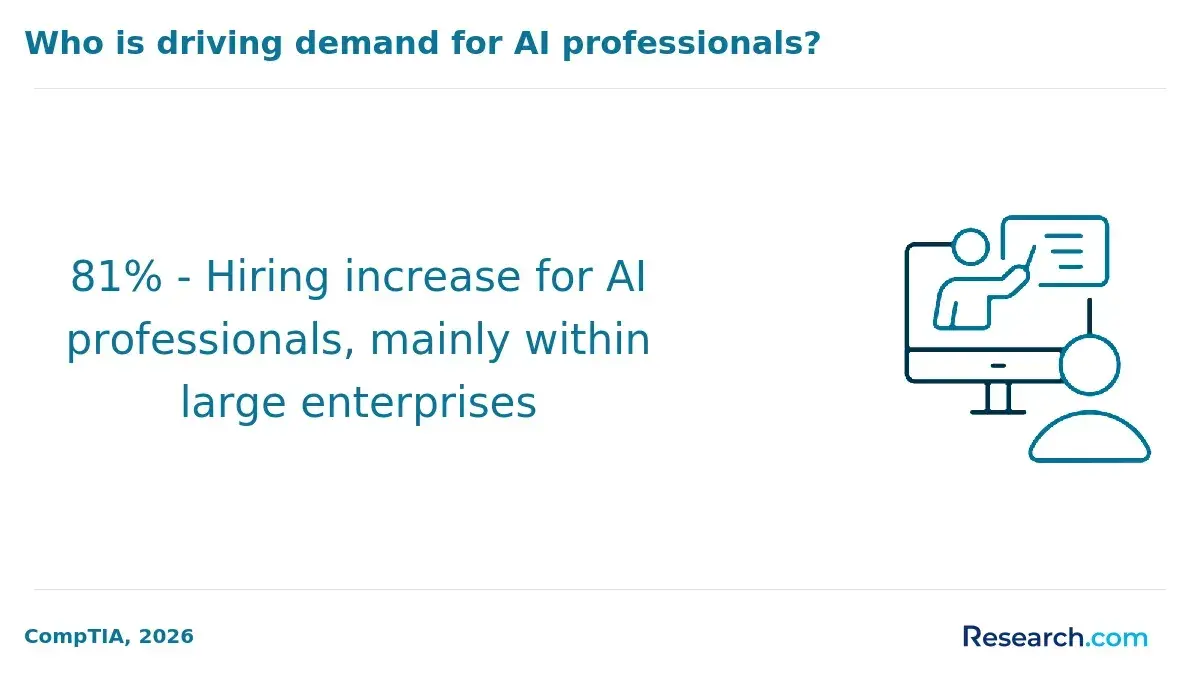
U.S. employers increasingly seek credentials that combine AI expertise with management skills. Job postings for roles requiring AI or generative AI have surged by over 300%, with program manager positions among the fastest-growing. This demand highlights the value of certificates that validate both technical knowledge and leadership capabilities in AI contexts.
Other recognized credentials include the Google Cloud AI Engineer Certification and the IBM AI Enterprise Workflow Certification, known for their technical depth and real-world relevance. The Professional Certificate in AI Project Management from universities like Carnegie Mellon covers vital areas such as risk management, data strategy, and ethics, equipping professionals to guide AI-driven initiatives confidently.
When exploring educational options, candidates might also consider related programs like a mechanical engineering online degree to broaden their technical foundation.
Choosing one of the top recognized artificial intelligence certificates for US employers can significantly enhance hiring prospects and career growth by demonstrating proven AI and managerial expertise.
How do online AI certificate programs for program managers compare with campus options?
Online AI certificate programs versus campus courses for program managers offer distinct advantages, particularly in flexibility and accessibility. These programs let professionals learn asynchronously, balancing work and study effectively. Many include practical projects and leadership-focused AI modules tailored to program management, providing immediate real-world application.
Benefits of online AI certification for program management professionals also include curriculum updates aligned with emerging AI trends, unlike many campus courses that update less frequently.
Campus options often provide immersive face-to-face mentoring, networking, and access to resources like AI labs. However, they usually require full-time attendance and geographical proximity, limiting who can enroll. Employers increasingly recognize online certifications, especially when they emphasize strategic AI integration and leadership skills essential for program management success.
Credibility-wise, many online certificates come from established universities and platforms, matching campus programs. Given that 69% of employers prioritize AI literacy by 2026, with 42% focusing on leadership roles, these credentials can be pivotal. Prospective students should assess curriculum relevance, instructor expertise, and practical AI project opportunities regardless of delivery mode.
For those considering advanced studies, options like an online PhD in artificial intelligence USA offer valuable pathways. However, online learning demands strong self-discipline and patience with networking limitations compared to traditional campus environments.
What AI skills and tools should program managers expect to learn in these courses?
Program managers enrolled in 2026 AI courses gain essential artificial intelligence tools for program managers, including data-driven decision-making, AI-enhanced workflows, and machine learning integration into management processes. They develop skills in AI algorithms, predictive analytics, natural language processing, and automation that streamline complex project coordination efficiently.
Hands-on experience with platforms like TensorFlow, Azure AI, and IBM Watson enables managers to interpret AI outputs and lead teams deploying these technologies. Additionally, familiarity with data visualization tools such as Power BI and Tableau helps communicate insights effectively to stakeholders, enhancing project transparency.
Key competencies also include AI ethics, risk management, and change leadership, preparing managers for responsible AI deployment and addressing ethical challenges. Agile project management improved by AI-driven scheduling and resource allocation further optimizes delivery timelines and budgets, demonstrating the AI skills program managers need to succeed in modern environments.
Understanding AI model lifecycle management-covering data quality assessment and performance monitoring-equips managers to maintain AI reliability throughout projects. Cloud-based AI services are also emphasized to reflect industry trends toward scalable, on-demand computing resources.
According to the Coursera Global Skills Report 2024, professionals with AI certifications enjoy an average 21% salary increase and are 43% more likely to secure roles with higher responsibilities within a year. For those looking to expand their credentials and knowledge, exploring a computer science degree online can be a valuable step to deepen AI expertise and advance careers.
How can program managers vet accreditation and institutional quality for AI certificates?
Program managers assessing AI certificate programs should first verify the issuing body's accreditation status. Accredited programs are typically recognized by legitimate regional or national authorities, ensuring robust standards in curriculum, faculty qualifications, and student support. For instance, certificates from institutions accredited by the Higher Learning Commission or AACSB demonstrate credible institutional quality.
It is essential to check if the course provider discloses its accreditation and the accrediting agency.
Key evaluation criteria include course content relevance, instructor expertise, and alignment with industry needs. Consulting advisory boards or faculty profiles can confirm instructors' academic and practical AI experience. Transparency in curriculum and clear, measurable learning outcomes also indicate program rigor.
Enterprise relevance remains crucial; 78% of large U.S. enterprises launched internal AI training programs, and 36% require at least one external AI certificate for leadership roles (IBM Global AI Adoption Index 2024). Program managers should verify if certificates are listed in recognized industry databases or professional AI forums.
Additional validation sources include third-party reviews, employer testimonials, and alumni success stories, which highlight practical applicability. When formal accreditation is absent, partnerships with established technology firms or research institutions can serve as quality indicators. Also, confirm the certificate's delivery mode, assessment rigor, and continuing education opportunities to support ongoing professional development.
What are typical admission requirements for AI courses and certificates for program managers?
Admission criteria for AI courses and certificates targeting program managers often emphasize professional experience alongside foundational technical skills and educational background. Applicants generally hold a bachelor's degree in fields such as business, engineering, or computer science. Nevertheless, some certificate programs designed for mid-career professionals may waive strict degree requirements if relevant project or program management experience is demonstrated.
Applicants usually need a basic grasp of programming languages like Python, familiarity with data analytics, or prior exposure to machine learning concepts. Many programs provide preparatory modules to help managers with limited technical skills meet entry requirements. Submitting a resume that highlights management experience and a statement of purpose detailing AI upskilling goals is commonly required.
Certificate programs, especially short ones under six months, tend to have less rigorous demands than full degrees. These more flexible formats, favored by a majority of mid-career professionals, reduce time away from work and often offer online or hybrid learning options. International candidates may need to show proof of English proficiency through tests like TOEFL or IELTS and possibly submit financial documents for visa purposes.
Higher-tier programs might also request letters of recommendation or conduct interviews to assess commitment and candidate fit. Overall, these admission guidelines help balance accessibility with ensuring appropriate preparation for advancing in the AI field.
How long do AI certificate programs for program managers take, and what do they cost?
AI certificate programs for program managers vary notably in length and format, typically lasting from 3 to 12 months. Accelerated courses, designed for quick upskilling, often take 3 to 6 months, featuring condensed curricula. Longer programs usually offer part-time or flexible online formats, allowing deeper exploration of AI concepts integrated with management skills.
Costs differ widely, with a median total expense near $1,500 according to a 2024 TechTarget analysis, covering tuition and fees but excluding opportunity costs. Entry-level or vendor-specific certificates may cost less than $1,000, while comprehensive executive programs can exceed $3,000.
Key factors for program managers evaluating AI certificates include:
- Aligning program length with current job commitments and learning goals.
- Balancing cost with career impact; median payback is 8 to 11 months via salary increase or greater responsibility.
- Considering employer subsidies or tuition reimbursement opportunities.
Programs that combine AI technical fundamentals with leadership training frequently offer the best return on investment. For instance, a six-month course focusing on AI strategy and project management may cost about $1,200 and support promotion within a year. Longer, pricier executive programs expand skill sets but demand significant time.
What career paths and job titles can AI-trained program managers pursue?
Program managers skilled in artificial intelligence have diverse career options that blend strategic leadership with technical expertise. Common roles include AI program manager, AI project manager, and AI portfolio manager, all tasked with steering AI initiatives to meet business objectives. Other positions like AI transformation manager and AI risk manager focus on leading organizational change and managing risks emerging from AI deployment.
As organizations integrate AI more deeply, program managers often advance into roles such as AI governance lead, tasked with creating ethical AI policies, or AI product manager, overseeing the development and launch of AI-driven products. Senior roles like AI strategy consultant provide guidance to executives on scaling AI investments, while AI operations managers optimize AI tools across various teams.
These roles require robust program management capabilities paired with a solid understanding of AI systems. Notably, 54% of Project Management Offices reported piloting or scaling AI tools for planning, risk assessment, or reporting by late 2024, up from 23% in 2022 (Gartner, "Program and Portfolio Management Technology Trends 2024"). This surge highlights growing demand for managers adept in AI complexity and data-driven strategies.
Success in AI program management also depends on skills in AI ethics, data governance, and cross-functional leadership to address challenges such as data bias and model explainability. Continuous learning remains vital for staying current with evolving AI technologies and practices.
What salary ranges and ROI can program managers expect after earning an AI certificate?
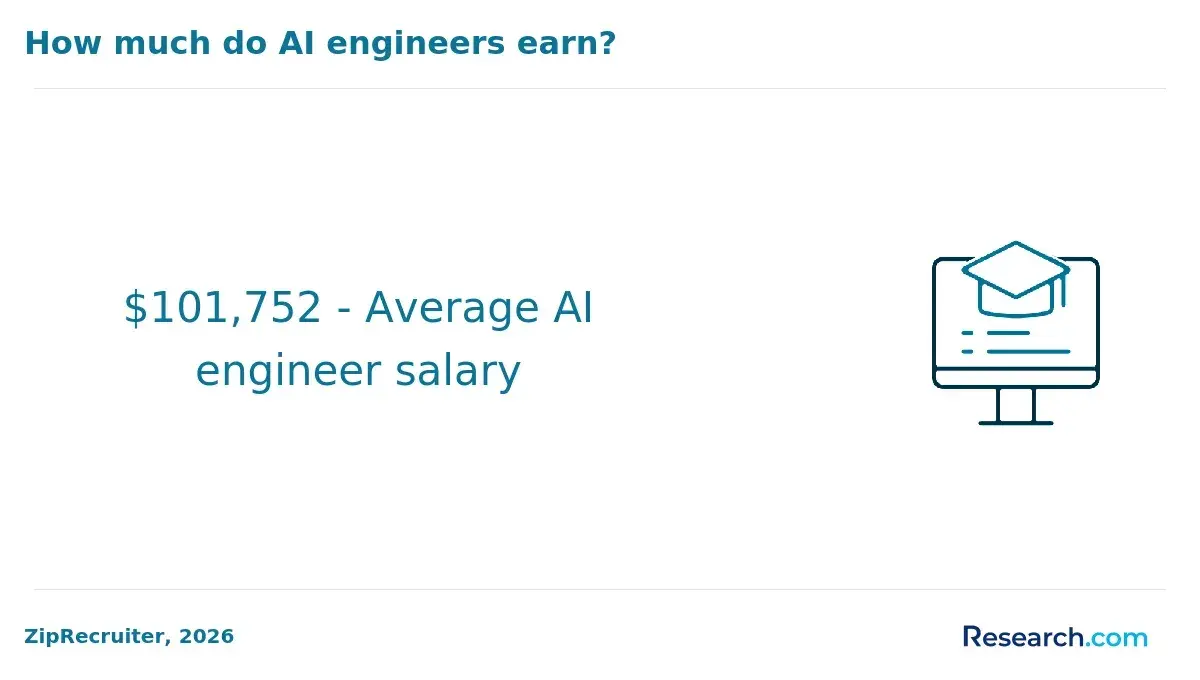
Program managers holding an AI certificate typically earn between $95,000 and $145,000 annually, depending on their experience, industry, and location. Entry-level certified professionals may start near $90,000, while those with five or more years of program management experience combined with AI training often command salaries above $140,000. This certification offers a significant return on investment by enabling professionals to improve project outcomes and organizational efficiency.
The PMI Thought Leadership Report, "The Impact of AI Upskilling on Project Outcomes," highlights that organizations investing in structured AI training for project and program leaders complete 33% more projects on time and within budget. These results translate directly into cost savings and enhanced career growth for certified program managers.
- Improved project delivery predictability minimizes costly delays and resource overruns.
- Growing demand for AI-skilled program managers increases job security and promotion opportunities.
- Industries such as technology, finance, and healthcare offer premium salaries for AI-certified program managers.
- Certification supports roles managing AI-specific projects, often providing 10-20% salary premiums.
For those weighing the cost and time investment of AI courses, the salary enhancements and project success improvements typically yield measurable returns within 12 to 18 months. This makes earning an AI certificate a strategic career advancement tool for U.S. program managers seeking to boost both earnings and long-term stability.
How should program managers choose the best AI course for their level and industry?
Program managers should assess their current expertise and industry demands when selecting an AI course. Those new to the field benefit from foundational courses covering core AI concepts, machine learning basics, and data literacy. Experienced managers may prefer advanced courses that emphasize AI integration into project workflows, ethical considerations, and managing automation-driven change.
Different industries require tailored course content. For instance, healthcare program managers might focus on AI applications in medical data analysis and regulatory compliance, while finance professionals should look for courses emphasizing predictive analytics and fraud detection. Choosing a course aligned with industry-specific use cases ensures skills that are immediately applicable.
Certification credibility is crucial; program managers should prioritize recognized certificates that demonstrate measurable competency and are respected by industry peers. Hands-on projects and case studies offered by providers enhance real-world readiness. Flexible formats-such as online, part-time, or modular courses-help accommodate busy schedules.
According to the World Economic Forum, AI and automation will transform or augment 44% of core tasks in project and program management by 2030, making continuous AI upskilling a vital survival skill. Courses with updated content reflecting emerging AI trends help future-proof careers.
Program managers should carefully evaluate their skill levels, industry requirements, certification value, and course relevance to current and emerging AI technologies.
Other Things You Should Know About Artificial Intelligence
Artificial intelligence significantly impacts industries such as healthcare, finance, manufacturing, and retail. In healthcare, AI is used for diagnostics and personalized treatment plans. Finance benefits from AI in fraud detection and algorithmic trading. Manufacturing uses AI for automation and predictive maintenance, while retail leverages AI for customer personalization and inventory management.
Yes, program managers without a deep technical background can succeed by focusing on project management skills, stakeholder communication, and understanding AI concepts at a strategic level. It is important to collaborate closely with technical teams and leverage AI certificate courses designed to build foundational AI literacy tailored for non-technical professionals.
Common challenges include data quality issues, lack of clear objectives, and difficulty integrating AI systems with existing processes. Additionally, ethical considerations and managing change among stakeholders can create obstacles. Successful implementations require strong leadership, clear communication, and continuous monitoring of AI performance.
The best AI courses in 2027 for program managers include "AI for Business Strategy" by MIT Sloan, Stanford's "AI for Program Management," and Coursera's "AI in Business" from Wharton. These courses provide valuable certification and insights into integrating AI projects efficiently.
References
- Top 7 artificial intelligence courses 2025: Comparison of the best online programs https://xd-i.com/en/data-en/ai-courses/
- Best AI Certifications to Boost Your Career in 2026 – Dataquest https://www.dataquest.io/blog/best-ai-certifications/
- Certification of AI systems https://verifywise.ai/lexicon/certification-of-ai-systems
- University Degree vs AI Bootcamp: Which is Best Career Path? https://agilefever.com/university-degree-vs-ai-bootcamp-which-is-best/
- Expected Salary After IIT KGP AI Certification https://online.iitkgp.ac.in/blog/salary-after-iit-kgp-ai-certification
- Professional AI Training: How to Choose the Right Program https://www.strategicaileader.com/professional-ai-training-how-to-choose-the-right-program/
- AI-Driven Project Manager (AIPM) https://apmg-international.com/product/ai-driven-project-manager-aipm
- 16 Artificial Intelligence Career Paths https://www.calmu.edu/news/artificial-intelligence-career-paths
- The Growing Importance of Certified AI Managers https://www.issi-inc.com/the-growing-importance-of-certified-ai-managers
- Best AI Certifications for Non-Technical Managers - IABAC https://iabac.org/blog/best-ai-certifications-for-managers-without-coding-skills