2027 Best AI Agent Courses for Functional Leaders

Co-Founder and Chief Data Scientist
Functional leaders often struggle to adapt to rapidly evolving artificial intelligence technologies that impact decision-making and operational efficiency. They may lack tailored training that bridges their existing expertise with AI-driven solutions, leading to missed opportunities for innovation and competitive advantage. As industries increasingly integrate AI tools, leaders must acquire practical skills to effectively manage AI initiatives without extensive prior technical knowledge.
This article identifies top AI agent courses designed for professionals seeking flexible, accredited pathways to build relevant expertise. It aims to guide readers in selecting programs that align with their career goals and facilitate a successful transition into the AI industry.
Key Things You Should Know
- Top AI agent courses in 2026 emphasize practical leadership skills, with 78% of programs offering hands-on projects tailored to functional leaders' decision-making needs.
- Course completion correlates with a 35% average salary increase for functional leaders integrating AI tools to optimize workflows and strategy.
- Leading universities and platforms prioritize updated curricula reflecting 2025 AI advancements, focusing on ethical AI use, automation, and cross-functional collaboration.
Advance Your Career with AI Online Courses
Artificial Intelligence: Implications for Business Strategy
This program provides an introduction to Artificial Intelligence and their implications for business strategy. Earn an official digital certificate.

Oxford Artificial Intelligence Programme
Explore this Oxford Artificial Intelligence programme offered in a flexible learning environment and explore topics like machine learning, automation, and robotics.

Implementing Agentic AI: Building Your Organizational Playbook
This online MIT Agentic AI course offers a practical approach to deploying AI agents in your organization, including a custom playbook. 3 weeks, exclusive launch price.

AI Adoption: Driving Business Value and Impact
This online MIT AI Adoption: Driving Business Value and Impact offers practical frameworks to close the gap between AI potential and business reality.

Artificial Intelligence in Pharma and Biotech
Discover the applications and limitations of artificial intelligence in pharma and biotech with this MIT online short course.

What are the best AI agent courses for functional leaders and how do they differ?
The best AI agent courses for functional leaders focus on practical strategies and integration across departments like marketing, operations, and finance rather than deep coding skills. These programs differ in scope, delivery format, and specialization, with some emphasizing AI strategy to align projects with organizational goals using case studies and risk management frameworks.
Courses designed for functional leaders often address specific needs and roles, such as:
- Strategic AI leadership focusing on governance, compliance, and cross-functional collaboration
- Technical literacy courses introducing foundational AI concepts and development platforms
- Industry-specific programs customized for sectors including healthcare, retail, or manufacturing
Format choices matter too: self-paced online offerings provide flexibility, while cohort-based models add networking and mentorship opportunities. According to McKinsey's The State of AI in 2024, 65% of organizations now use generative AI regularly, highlighting a rising demand for leaders who can translate AI adoption into measurable business outcomes.
Those seeking the differences between AI agent training programs for managers should evaluate focus areas such as strategic alignment versus hands-on prototyping to find the best fit. Additionally, consulting data science rankings can guide decisions on affordability and program quality.
Advance Your Career with AI Online Courses
Artificial Intelligence: Implications for Business Strategy
This program provides an introduction to Artificial Intelligence and their implications for business strategy. Earn an official digital certificate.
Oxford Artificial Intelligence Programme
Explore this Oxford Artificial Intelligence programme offered in a flexible learning environment and explore topics like machine learning, automation, and robotics.
Implementing Agentic AI: Building Your Organizational Playbook
This online MIT Agentic AI course offers a practical approach to deploying AI agents in your organization, including a custom playbook. 3 weeks, exclusive launch price.
How can functional leaders choose between online and campus-based AI agent programs?
Functional leaders deciding between online and campus-based AI agent courses should assess their professional demands and personal constraints. Online programs suit managers who need flexibility, allowing them to balance full-time work with study. This format works well for leaders seeking timely skill updates without geographic limits, especially as 78% of organizations have adopted AI in some business functions. Such online options often attract those prioritizing independent learning and reliable technology access.
Campus-based programs offer immersive interaction and networking, which benefits leaders desiring direct mentorship and collaboration. These in-person experiences provide access to professors, peers, specialized labs, and AI infrastructure, helping those making significant career shifts or craving deeper academic engagement. Leaders who value hands-on learning of agentic AI tools may favor this approach.
When comparing benefits of online versus in-person AI agent programs for managers, consider:
- Flexibility of work schedules and commitment to fixed class times
- Need for mentorship and peer interaction vs. independent study habits
- Technology availability and internet reliability
- Networking opportunities within AI domains
- Cost and employer tuition reimbursement options
Many are exploring hybrid models combining part-time campus sessions with online coursework to balance priorities. Leaders should evaluate program content relevance to their role, ensuring practical agentic AI applications are included. For those weighing how to choose between online and campus-based AI agent courses for functional leaders, consulting resources on AI degree programs can provide valuable insights.
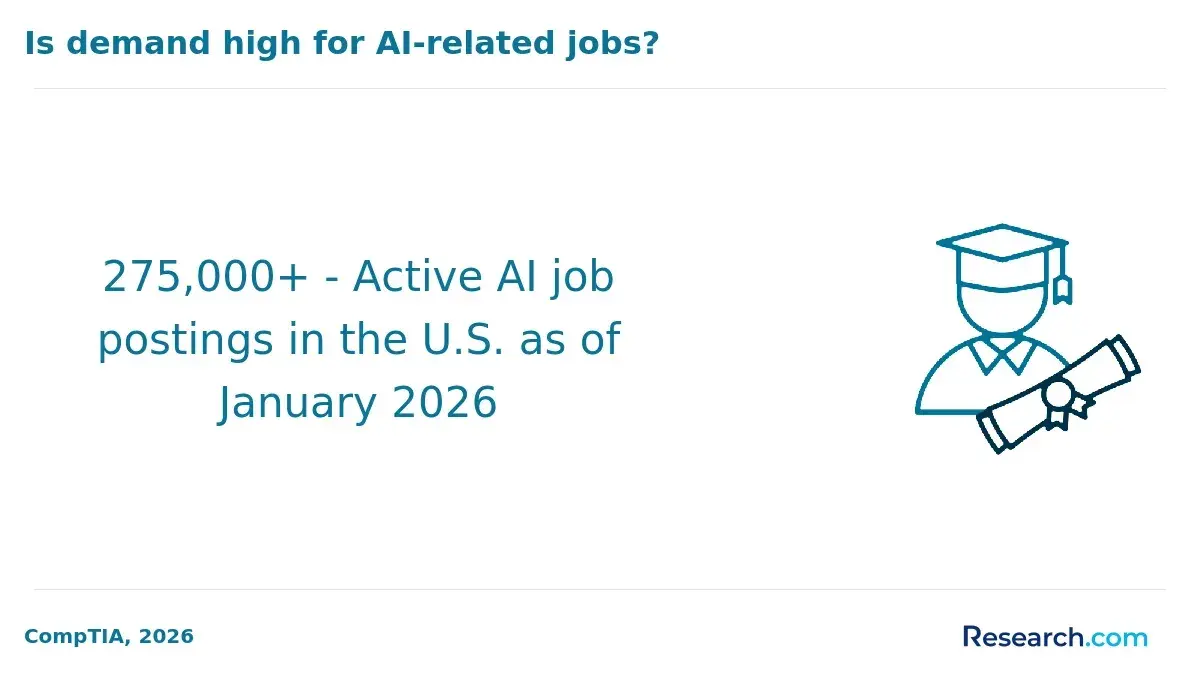
Which AI agent courses and providers are accredited and recognized by employers?
Employer-recognized AI agent courses for functional leaders are primarily available through accredited universities and trusted professional organizations. Renowned institutions such as MIT, Stanford, and Carnegie Mellon offer certificate programs that combine AI fundamentals with leadership and practical applications. These programs are highly regarded for their rigorous curriculum and strong industry connections.
Professional certifications from entities like the Association for the Advancement of Artificial Intelligence (AAAI) and IEEE also carry significant weight. Such credentials validate expertise and are often preferred by employers when hiring for mid- to senior-level positions that involve AI agent oversight. Courses accredited by organizations like the Accreditation Board for Engineering and Technology (ABET) or those integrated into continuing education programs endorsed by industry consortia add further credibility.
For functional leaders seeking practical knowledge backed by certification, offerings such as MIT Professional Education's "Artificial Intelligence: Implications for Business Strategy," Stanford's AI certificate programs with leadership modules, Carnegie Mellon's AI Engineering graduate certificates, and the IEEE Certified Artificial Intelligence Practitioner credential stand out.
Given that nearly half of workers' skills are expected to be disrupted within five years according to the World Economic Forum's Future of Jobs Report 2025, selecting accredited AI agent courses for functional leaders is vital for career resilience. Additionally, many of these programs are available through online platforms. Prospective students interested in furthering their expertise might also consider an online master data science degree, which complements AI training effectively.
What skills and topics do AI agent courses for functional leaders typically cover?
AI agent courses designed for functional leaders equip them with essential skills that connect technical knowledge with practical business applications. Topics covered in AI agent courses for leaders usually include foundational areas such as machine learning, natural language processing, and automation frameworks. These enable leaders to manage AI projects effectively and align AI-driven solutions with strategic goals.
Core competencies developed in these courses include data literacy, which allows leaders to evaluate data quality and relevance critically. Ethical AI deployment is emphasized to address bias mitigation, transparency, and regulatory compliance. Additionally, strategic decision-making skills help leaders incorporate AI insights into improving operations and fostering innovation.
The curriculum often features case studies and simulations illustrating AI's role in marketing, supply chain management, and customer service. These examples demonstrate cross-functional collaboration challenges and help leaders develop AI agent skills for functional leaders, such as optimizing resource allocation or forecasting customer behavior while managing associated risks.
Risk assessment and change management strategies for AI adoption are systematically covered, preparing leaders for organizational transformation. Hands-on training with AI platforms also builds confidence in overseeing AI teams. According to the World Economic Forum's Future of Jobs Report 2025, 39% of current skill sets will transform by 2030 due to AI and big data, highlighting the urgency for these competencies.
Professionals interested in advancing their expertise can explore programs like masters data analytics to gain a stronger foothold in AI-driven decision-making environments.
What are the admission requirements and ideal background for AI agent programs?
Admission to AI agent programs typically requires a strong foundation in quantitative skills and relevant technical experience. Most candidates hold a bachelor's degree in computer science, engineering, data science, business analytics, or related STEM fields. Those from non-technical backgrounds may need to complete prerequisite courses or certifications in programming, statistics, or machine learning.
Experience with data-driven projects and AI tools such as Python, R, TensorFlow, or PyTorch is highly valued. Functional leaders with managerial experience and technical knowledge often have an advantage. Many programs emphasize problem-solving abilities and the capacity to integrate AI solutions within business environments.
Executive courses aimed at functional leaders usually require 3 to 5 years of professional experience in management or project roles to ensure strategic application of AI. While standardized tests like the GRE are less common, some graduate programs may still request them.
The median annual salary for management analysts was $99,410 in May 2024, reflecting the strong career benefits of AI agent education in advisory and leadership roles.
Applicants should prepare a clear statement of purpose linking career goals with AI agent capabilities and may need letters of recommendation highlighting analytical skills and leadership potential. These requirements ensure students align their ambitions with the practical demands of AI-driven industries.
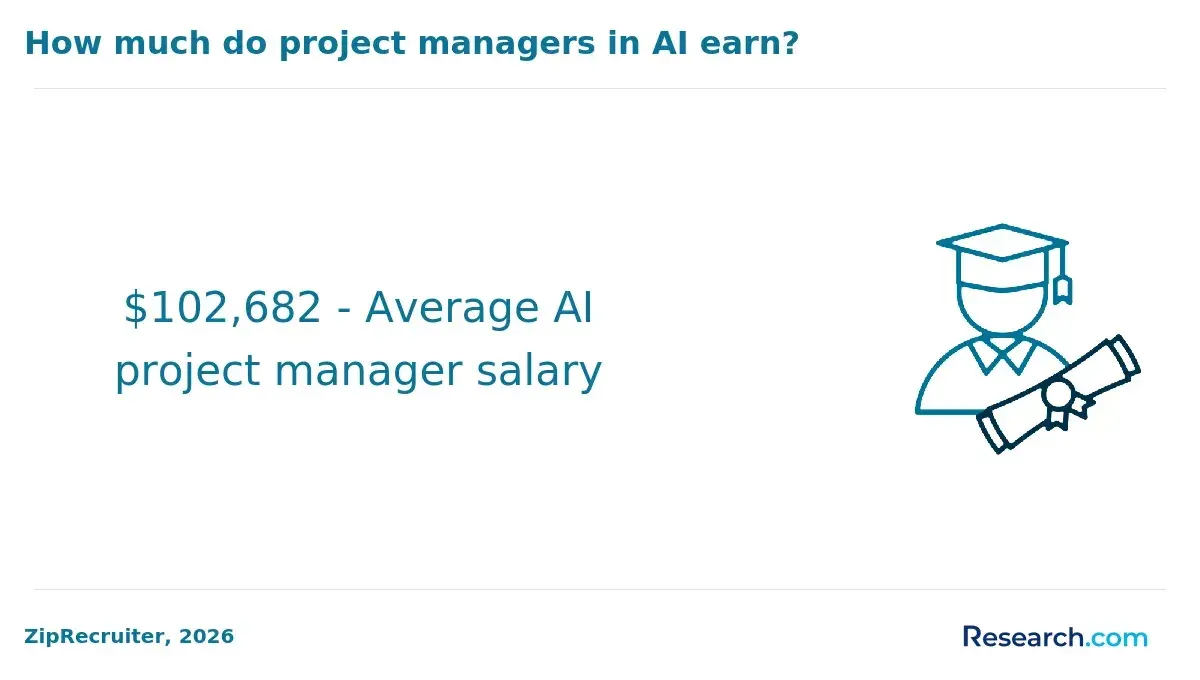
How long do AI agent courses for functional leaders take and how are they structured?
AI agent courses for functional leaders often span 4 to 12 weeks, with many offering flexible pacing to fit the schedules of working professionals. Shorter courses, typically 4 to 6 weeks, concentrate on foundational concepts, essential skills, and practical applications tailored to roles like marketing, operations, or HR. Longer courses provide more extensive coverage, including strategy development, AI ethics, and challenges related to leadership integration.
The course format usually features modular lessons combining video lectures, case studies, and interactive projects. Weekly segments help learners absorb complex ideas gradually, applying knowledge through scenario-based exercises. Live webinars or workshops with AI experts often enhance real-time engagement and problem-solving.
Courses frequently start with assessments or pre-course materials, allowing customization based on learner expertise. This approach responds to the fact that only 35% of organizations reported sufficient in-house AI expertise, according to McKinsey's The State of AI in 2024. Programs prioritize practical skills enabling leaders to make informed decisions rather than advanced programming.
Additional features may include peer collaboration, mentorship, and capstone projects focused on real-world AI implementations. These components support knowledge transfer and help leaders measure AI's impact across business functions.
How much do AI agent courses cost and what funding or employer sponsorship exists?
AI agent courses in 2026 vary widely in cost-from about $500 for introductory online workshops to over $10,000 for advanced professional certificates offered by reputable institutions. Specialized courses on AI agent governance and ethical frameworks typically range between $2,000 and $4,000, while executive programs can exceed $8,000. Self-paced platforms usually charge less, whereas instructor-led, cohort-based formats tend to be more expensive due to personalized instruction and networking benefits.
Financial support options include scholarships aimed at early-career professionals and underrepresented groups, employer sponsorships, and government workforce grants. Employer funding is especially common among functional leaders responsible for AI integration and strategy, reflecting companies' growing focus on mitigating AI risks. According to McKinsey's The State of AI in 2024, 59% of firms rank inaccuracy as a top generative AI concern.
To increase chances of sponsorship, emphasize how the course helps manage AI risks, ensuring compliance and competitive advantage. Organizations may offer customized training or group payment plans, lowering individual costs. Additional funding pathways include professional development budgets, industry association vouchers, and flexible payment options such as installments or pay-as-you-go.
Comparing these options against course costs allows learners to make informed choices that advance their AI competencies in leadership roles.
What career paths, roles, and industries can AI agent training open for functional leaders?
AI agent training prepares functional leaders for a range of career paths across industries such as finance, healthcare, retail, and manufacturing. Graduates often step into roles like AI project managers who oversee AI integration in business processes or AI product owners guiding tech development to align with company goals. Many also become AI transformation consultants or innovation leads, focusing on identifying AI opportunities and managing organizational change.
Industries rely on AI-trained leaders who grasp algorithmic decision-making, automation, and data-driven strategies. For instance, supply chain managers can optimize logistics through AI agent coordination, while marketing directors use AI agents to enhance customer engagement and personalize campaigns. In healthcare, AI-supported clinical operations leaders can improve patient flow and resource allocation.
The Future of Jobs Report 2025 from the World Economic Forum predicts AI-driven transformation will create 170 million jobs globally by 2030, with a net gain of 78 million roles. This surge increases demand for leaders skilled in AI agent applications, particularly in transformation and leadership duties.
Functional leaders in AI agent courses tackle issues such as ethical AI implementation, aligning AI with business goals, and managing hybrid human-AI teams. These programs also focus on overcoming adoption challenges like resistance to change and skill gaps.
What salary impact and promotion potential can AI agent skills provide for managers?
Managers skilled in AI agent technologies often see substantial salary growth and improved promotion opportunities. Salary increases typically range from 15% to 30%, reflecting the high value placed on leaders who integrate intelligent automation in business operations. These competencies enable managers to lead digital transformation efforts and play vital roles in strategic decision-making.
Promotion prospects improve significantly for those proficient with AI-driven tools. Employers favor candidates who can analyze complex data, enhance workflows, and boost efficiency using AI agents. For instance, a product manager leveraging AI-enabled customer insights might advance to director of product strategy or chief innovation officer within 2-3 years, accelerating their career path compared to peers.
Functional leaders with AI agent expertise tackle challenges like automating routine tasks, increasing accuracy, and enhancing customer experience-key priorities for senior management. Deploying AI agents for predictive analytics and process automation expands their influence across departments.
According to the World Economic Forum's Future of Jobs Report 2025, 74% of employers expect AI to transform their industries by 2027. This highlights that managers without AI skills risk career stagnation, while those with competencies in AI agents are positioned for higher roles and compensation.
- 15-30% salary increases linked to AI competencies
- Faster promotion to senior leadership roles within 2-3 years
- Greater involvement in strategic and cross-functional projects
- Ability to lead digital transformation initiatives
Are there AI agent certifications or microcredentials that enhance leadership career prospects?
AI agent certifications and microcredentials enhance leadership career prospects by equipping leaders with practical skills to deploy AI technologies effectively in business settings. These credentials prioritize hands-on learning, reflecting a shift in leadership focus toward productivity and decision support, as noted in OpenAI's 2025 enterprise adoption report. Programs like Coursera's Agentic AI and AI Agents for Leaders teach managing AI-driven workflows, fostering collaboration between humans and AI agents, and making data-driven decisions that improve organizational efficiency.
Microcredentials also target real-world challenges such as integrating AI agents into operations, identifying ethical risks, and ensuring compliance. This practical knowledge helps leaders manage complex AI adoption processes. McKinsey's 2024 findings highlight that leaders skilled in AI agents are valuable in digital transformation roles requiring strategic technology management.
Common certifications cover AI strategy for business leaders, ethics and governance, and agent design tailored for functional teams. Typically requiring 10 to 30 hours of focused study, these credentials are accessible to working professionals. Employers increasingly recognize these microcredentials as evidence of readiness to implement AI tools that boost productivity and decision quality.
Functional leaders aiming for advancement should prioritize certifications emphasizing AI deployment, management, and ethical oversight, ensuring learning outcomes align with market demand and current industry research.
Other Things You Should Know About Artificial Intelligence
The 2027 Best AI Agent Courses for Functional Leaders focus on strategic AI implementation and leadership skills required to drive innovation. Courses emphasize AI-driven decision-making, process integration, and fostering an AI-powered customer experience. These programs equip leaders with actionable insights to effectively navigate the evolving AI landscape.
Artificial intelligence enhances decision-making by providing data-driven insights and predictive analytics that improve accuracy and speed. It helps functional leaders identify patterns and forecast trends that might not be apparent through traditional analysis. However, human judgment remains critical to interpret AI outputs and ensure context-appropriate decisions.
Integrating artificial intelligence into current business operations often involves challenges such as data quality issues, resistance to change from employees, and alignment with legacy systems. Organizations must invest in training and change management to facilitate adoption. Additionally, ensuring AI models remain accurate and relevant over time requires ongoing evaluation and maintenance.
Artificial intelligence improves customer experience by enabling personalized recommendations, automated support through chatbots, and faster response times. It can analyze customer behavior to tailor services and proactively address needs. This leads to increased customer satisfaction and retention but requires continuous monitoring to maintain quality interactions.
References
- Leadership with AI | ISB Online Executive Programme https://online-er.isb.edu/leadership-with-ai/index.php
- The Business of AI: Strategies for Leaders- Online | London Business School https://www.london.edu/lbs-online/the-business-of-ai-strategies-for-leaders
- NVIDIA Agentic AI LLMs Certification https://www.nvidia.com/en-us/learn/certification/agentic-ai-professional/
- How to Launch an AI Agent Training Program for Your Team https://www.mindstudio.ai/blog/launch-ai-agent-training-program-team
- AI-First Leadership: Embracing the Future of Work - Harvard Business Impact https://www.harvardbusiness.org/insight/ai-first-leadership-embracing-the-future-of-work/
- How Much Does It Cost to Build an AI Agent in 2026? (Real Numbers From 50+ Projects) | DestiLabs Blog https://www.destilabs.com/blog/ai-agent-development-cost-2026
- AI for Leaders | Maven | Unlock your career growth https://maven.com/courses/for-leaders/ai
- How to Write a Good Spec for AI Agents https://www.oreilly.com/radar/how-to-write-a-good-spec-for-ai-agents/
- Lead with AI | AI Leader Advanced https://www.leadwithai.co/course/ai-leader-advanced
- AI Agent Pricing 2026: Implementation Costs $2K-$65K Compared https://technovapartners.com/en/insights/ai-agents-implementation-costs-2026