2027 Best AI Strategy Courses for Pharma Commercial Leaders

Co-Founder and Chief Data Scientist
Pharma commercial leaders face mounting pressure to integrate artificial intelligence into their strategies amid rapid market shifts and complex data environments. Without specialized training, navigating AI's impact on commercial operations, customer engagement, and regulatory compliance can become overwhelming. Many professionals struggle to find flexible options that fit demanding schedules while providing credible, industry-relevant insights. This gap delays innovation and weakens competitive positioning. This article explores top AI strategy courses designed specifically for pharma commercial leaders, highlighting flexible, accredited programs that bridge knowledge gaps and empower practical application in this evolving landscape.
Key Things You Should Know
- Pharma commercial leaders seeking advancement benefit from AI strategy courses emphasizing data-driven decision-making, impacting 70% of marketing ROI improvements reported in recent 2025 industry studies.
- Top programs integrate real-world pharma cases with emerging technologies, preparing professionals for evolving AI applications in drug commercialization and patient engagement.
- Completion of accredited AI strategy courses correlates with a 35% average salary increase among pharma commercial managers, reflecting growing demand for AI expertise in the sector.
Advance Your Career with AI Online Courses
Artificial Intelligence: Implications for Business Strategy
This program provides an introduction to Artificial Intelligence and their implications for business strategy. Earn an official digital certificate.

Oxford Artificial Intelligence Programme
Explore this Oxford Artificial Intelligence programme offered in a flexible learning environment and explore topics like machine learning, automation, and robotics.

Implementing Agentic AI: Building Your Organizational Playbook
This online MIT Agentic AI course offers a practical approach to deploying AI agents in your organization, including a custom playbook. 3 weeks, exclusive launch price.

AI Adoption: Driving Business Value and Impact
This online MIT AI Adoption: Driving Business Value and Impact offers practical frameworks to close the gap between AI potential and business reality.

Artificial Intelligence in Pharma and Biotech
Discover the applications and limitations of artificial intelligence in pharma and biotech with this MIT online short course.

What is an AI strategy course for pharma commercial leaders and who should take it?
An AI strategy course designed for pharma commercial leaders equips professionals with essential skills to integrate artificial intelligence into pharmaceutical commercial operations. These programs emphasize practical applications, including market analysis, customer segmentation, sales forecasting, and personalized marketing strategies. Participants learn to align AI tools with business objectives to optimize product launches, improve demand forecasting, and elevate customer engagement.
Pharma commercial leadership artificial intelligence training benefits marketing directors, sales heads, product managers, and strategy executives who need to understand AI's potential and limitations specific to pharmaceutical contexts. Additionally, leaders responsible for digital transformation gain insights on evaluating AI vendors, implementing pilot projects, and scaling AI solutions effectively within cross-functional teams.
With 62% of life science organizations piloting or deploying generative AI and 17% at scale, according to McKinsey's "State of AI in 2024," maintaining a strong AI strategy is crucial to remain competitive. These courses address challenges such as assessing data quality, ensuring compliance with healthcare regulations, and managing ethical AI applications. Topics often include AI-driven commercial analytics, hybrid marketing approaches, and digital leadership.
Prospective learners should select programs featuring pharma case studies, hands-on AI tool training, and ethical modules. For those interested in foundational skills, exploring the best universities for data science undergraduate programs can provide a valuable stepping stone toward advanced AI expertise in pharmaceuticals.
Advance Your Career with AI Online Courses
Artificial Intelligence: Implications for Business Strategy
This program provides an introduction to Artificial Intelligence and their implications for business strategy. Earn an official digital certificate.
Oxford Artificial Intelligence Programme
Explore this Oxford Artificial Intelligence programme offered in a flexible learning environment and explore topics like machine learning, automation, and robotics.
Implementing Agentic AI: Building Your Organizational Playbook
This online MIT Agentic AI course offers a practical approach to deploying AI agents in your organization, including a custom playbook. 3 weeks, exclusive launch price.
How can AI strategy training help advance careers in pharma commercial and marketing roles?
AI strategy training equips pharma commercial and marketing professionals with essential skills in data analytics, predictive modeling, and customer segmentation. These competencies enable more precise targeting of healthcare providers and patients, significantly enhancing campaign effectiveness and market penetration. The global AI in pharmaceutical marketing market is projected to reach $3.2 billion by 2028, growing at a CAGR of 29.5% from 2023, highlighting the increasing importance of such expertise.
The impact of AI strategy courses on pharma marketing career growth includes better integration of AI with CRM and digital platforms. Marketers learn to automate routine tasks and focus on strategic decisions, improving market access strategies by identifying unmet patient needs and emerging therapeutic trends. Professionals also develop critical evaluation skills to select AI tools aligned with organizational goals and regulatory compliance.
AI strategy training for pharma commercial leadership advancement enables professionals to lead cross-functional teams incorporating AI capabilities, enhancing leadership profiles and opening pathways to senior roles. Knowledge of AI ethics and transparency further builds trust, advancing influence within organizations.
Those seeking formal education in this field may explore affordable options, such as a cheapest online engineering degree, to bridge knowledge gaps and validate expertise. In sum, AI strategy education transforms commercial leaders into key drivers of innovation within the evolving pharmaceutical landscape.
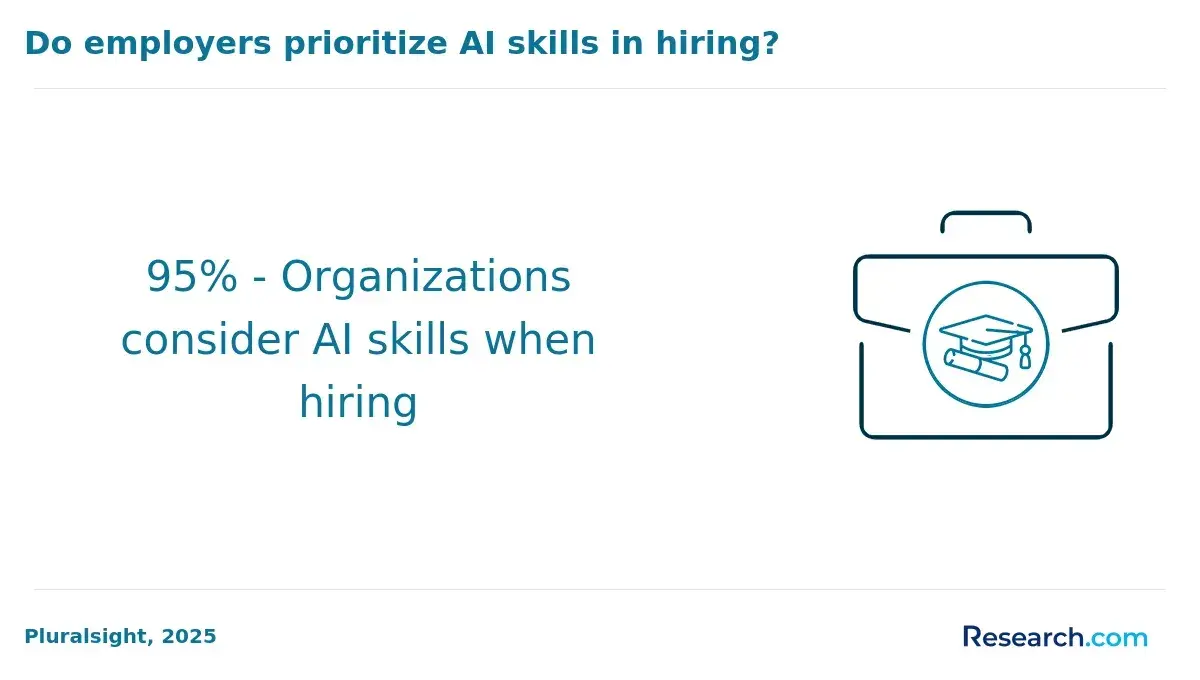
What are the best AI strategy courses tailored specifically to pharmaceutical commercial teams?
Top AI strategy courses designed for pharmaceutical commercial teams combine practical applications in omnichannel engagement and predictive analytics. Leading programs, such as those from the Wharton School and Stanford, cover machine learning models that identify high-value physician targets and automate personalized marketing campaigns. These initiatives address the unique challenges faced by pharma commercial leadership training in artificial intelligence strategy, including integrating AI with CRM systems and deploying natural language processing to analyze physician feedback.
Courses also emphasize AI-powered dashboards to monitor sales force effectiveness, aiding commercial teams in aligning multi-channel messaging and measuring engagement impact despite regulatory complexities. Hands-on experience with AI tools tailored for pharma marketing data improves adoption rates and bridges the gap between strategic insight and technology literacy, including governance of AI ethics and compliance with healthcare laws.
Reports from McKinsey on pharma field-force and marketing transformations highlight a 15-20% sales uplift and a 30-40% increase in marketing productivity among commercial teams using AI for omnichannel engagement. Such results demonstrate the tangible benefits of focused AI education for commercial leaders.
Professionals interested in enhancing their expertise can explore programs offering online masters data science to build a robust foundation in AI strategy for pharmaceutical applications.
What topics and real-world projects do pharma-focused AI strategy courses typically cover?
Pharma-focused AI strategy courses address essential machine learning fundamentals tailored to drug discovery, predictive analytics for sales forecasting, and AI-driven patient segmentation. They highlight regulatory considerations unique to life sciences, including compliance with FDA guidelines and GDPR data privacy rules. These programs also focus on integrating AI within commercial operations to optimize marketing campaigns and enhance market access strategies using real-world data.
Students engage in practical projects like evaluating AI tools for commercial decision-making, designing pilot AI models for better sales targeting, and exploring real-world pharma case studies in AI strategy courses. Examples often include analyzing clinical trial datasets or simulating AI-powered customer relationship management systems to assess their commercial impact.
Leadership development is another key focus, bridging the gap between data scientists and business teams. A recent Deloitte survey found 72% of life sciences executives cite a "lack of AI-fluent commercial leaders" as a major barrier to AI scaling, even though 80% run active pilots. Curricula frequently incorporate workshops on change management and stakeholder engagement in AI initiatives.
Programs explore managing AI-driven insights across cross-functional teams and ensuring ethical AI use in promotional activities. For professionals seeking accelerated tech expertise, a cyber security fast track program can complement pharmaceutical commercial strategies focused on AI applications.
How do online, hybrid, and on-campus AI strategy programs for pharma compare?
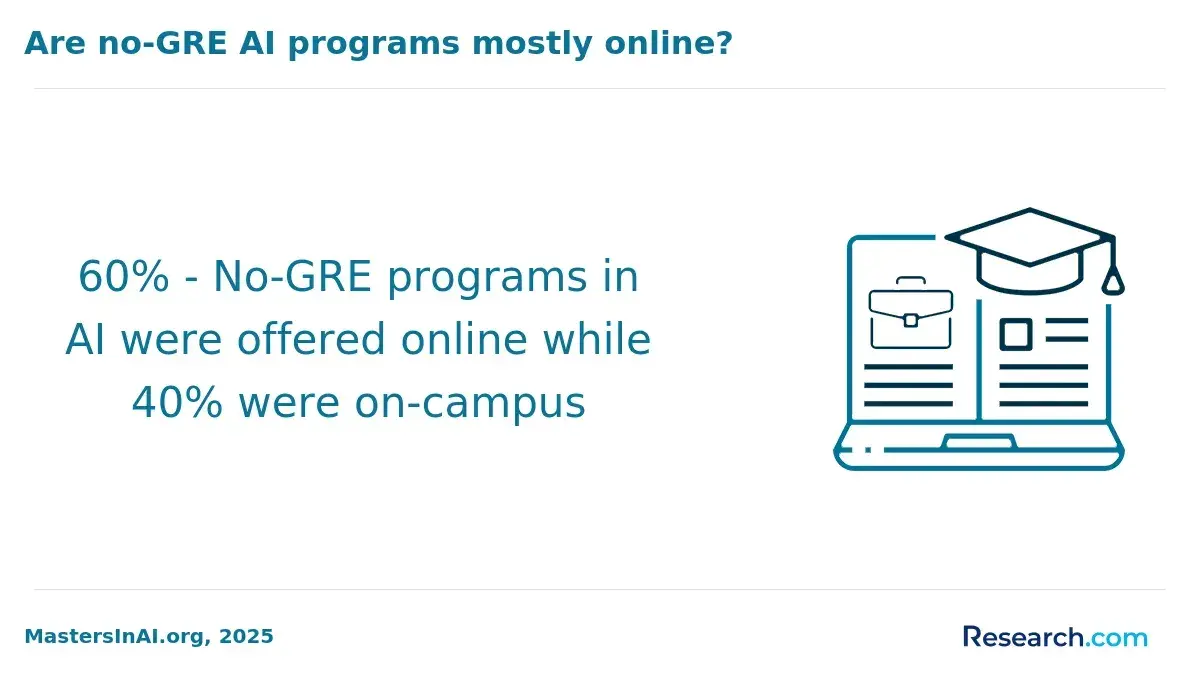
Online AI strategy programs in pharma are designed for working commercial leaders seeking flexibility. These programs often feature asynchronous modules alongside live sessions, allowing learners to progress at their own pace and connect with peers around the world. However, compared to hybrid or on-campus options, networking may be more limited.
Hybrid programs blend online convenience with in-person workshops or residencies. This structure supports professionals who want face-to-face interactions about complex subjects like ai's role in pharma commercial strategy while maintaining some scheduling flexibility. Many find that hybrid formats improve cohort bonding and enable applied project collaboration with industry leaders.
On-campus programs offer immersive, full-time learning experiences with direct faculty access, hands-on labs, and real-time collaboration. Such programs deepen industry connections and promote thorough discussion of AI implementation challenges, though they require a significant time commitment and potential relocation.
Compensation data highlights the growing importance of AI expertise: US pharma commercial leaders responsible for AI/analytics earned a median total compensation 18% higher than peers without AI roles, per Korn Ferry's global life sciences leadership pay benchmark. Investing in any AI strategy program enhances career potential.
Key questions to consider include:
- Does the program focus on pharma-specific AI applications?
- Will it provide ample networking with industry leaders?
- How does the delivery modality affect acquisition of strategic skills?
Overall, hybrid models often offer the optimal balance of practical AI strategy skills and professional commitments for pharma commercial leaders.
What education, experience, and technical skills are required to enroll in these AI strategy courses?
Enrolling in AI strategy courses for pharma commercial leaders typically requires a bachelor's degree in life sciences, business, healthcare, or related fields. Advanced degrees like MBAs or master's in data science are often preferred for leadership roles. Candidates usually need three to five years of commercial or medical industry experience, providing essential knowledge of pharma market dynamics and regulatory environments.
Strong technical skills in data analytics, machine learning concepts, and familiarity with tools such as Python, R, or SAS boost eligibility. Many programs offer introductory technical modules, making them accessible for those with limited coding expertise. Leadership and strategic thinking are also critical, as these courses teach how to convert AI innovations into commercial impact across cross-functional teams.
Key candidate qualities include:
- Education in relevant scientific or business disciplines
- Industry experience in product management, marketing analytics, or digital health
- Technical familiarity with AI frameworks and statistical software
- Strategic problem-solving and decision-making capabilities
According to a 2024 IQVIA commercial excellence survey, 68% of large biopharma companies had launched formal AI or data literacy programs for commercial and medical staff, highlighting the growing demand for these skills. This trend underscores the practical need for leaders to combine both technical proficiency and strategic insight when pursuing advanced AI education in pharma.
How long do AI strategy programs for pharma leaders take and what do they cost?
AI strategy programs for pharma commercial leaders typically last between four and twelve weeks. Shorter courses of about one month focus on foundational AI concepts in drug marketing and sales, while longer programs delve into advanced topics such as omnichannel personalization and next-best-action systems. This reflects the growing complexity of AI integration within pharmaceutical commercial operations.
Costs vary depending on the depth and provider. Basic online courses usually range from $1,000 to $2,500, suitable for professionals seeking a broad overview with limited time commitment. More comprehensive executive education from universities or industry groups often costs between $5,000 and $15,000, offering hands-on AI strategy development, case studies, and tailored workshops. Custom corporate training for pharma teams can exceed $20,000, focusing on actionable AI commercial strategies aligned with specific business goals.
Life sciences investment in AI-enabled commercial tools increased 27% year-over-year, underlining the urgency for pharma leaders to gain practical AI strategy skills promptly. When choosing programs, consider course flexibility, the inclusion of pharma-specific AI case studies, and access to expert support to maximize organizational impact and ROI.
Key considerations include:
- Program length and depth aligned with professional availability
- Relevance to immediate commercial priorities like multi-channel engagement
- Cost relative to expected benefits and support
Which universities, business schools, and providers offer accredited or industry-recognized AI strategy training for pharma?
Several leading institutions provide accredited or industry-recognized AI strategy training tailored for pharma commercial leaders. Top programs are available at Northwestern University's Kellogg School of Management, integrating AI with pharma marketing and compliance frameworks. MIT Sloan School of Management awards certificates focused on AI business strategy in regulated sectors like pharmaceuticals. Stanford Graduate School of Business offers specialized AI and machine learning modules emphasizing commercial innovation and compliance in life sciences.
- The Healthcare Businesswomen's Association collaborates with training providers to deliver workshops addressing pharma promotional practices and regulatory updates.
- Online platforms such as Coursera and edX host accredited AI strategy specializations endorsed by universities like the University of Pennsylvania and Imperial College London, covering data ethics, regulatory frameworks, and innovative commercial applications.
Recent industry data from the 2024 PwC life sciences compliance survey shows 41% of global pharma compliance leaders have revised policies on AI-generated promotional content, a sharp rise from 12% in 2022. This highlights the importance of programs blending technical AI knowledge with pharma compliance, including practical case studies and collaborations with pharma companies. Certifications recognized by industry bodies or regulatory agencies enhance credibility and preparedness for leadership roles in AI-driven pharma commercialization.
What roles, salaries, and promotion pathways can AI strategy skills open in pharma commercial?
Pharma commercial roles involving AI strategy, like AI strategy manager, commercial analytics lead, digital engagement director, and data-driven marketing strategist, focus on leveraging AI to enhance customer targeting, customize campaigns, and improve healthcare provider (HCP) engagement. Salaries typically range from $110,000 to $180,000 annually, influenced by experience and company size.
Career progression often moves from specialist or analyst roles to management and leadership positions. For instance, a commercial analytics analyst can advance to AI strategy manager within three to five years, eventually attaining director or VP roles responsible for broader digital transformation efforts. Mastery of AI-driven tools supports faster promotions by delivering measurable improvements in campaign performance.
Pharma firms using AI-powered next-best-action systems have reported 2-3x higher digital engagement rates with HCPs versus traditional methods, based on IQVIA Channel Dynamics data. This highlights how AI strategy expertise both accelerates career growth and drives commercial success.
Additional roles like AI product owners and customer experience architects combine commercial knowledge with AI design to better address market demands. Gaining skills in machine learning applications, data visualization, and cross-functional collaboration is essential.
- Translate AI insights into actionable commercial strategies
- Prioritize understanding pharma industry dynamics and data science fundamentals
- Consider specialized courses to bridge knowledge gaps
This expertise is increasingly valued by employers aiming to boost engagement and revenue.
How should pharma commercial leaders evaluate and choose a reputable AI strategy course?
Pharma commercial leaders selecting AI strategy courses should focus on relevance to pharma marketing challenges and instructional quality. Programs that cover generative AI technologies, data-driven campaign planning, and healthcare-specific regulatory issues offer the most practical value. It's important to verify instructors' credentials, prioritizing those with direct pharma or healthcare AI experience, and seek courses featuring real-world case studies or projects for hands-on learning.
A recent BCG survey highlighted that 89% of pharma executives expect generative AI to reshape content creation and campaign planning within 3-5 years, yet only 16% consider their organizations advanced in this area. This emphasizes choosing courses that update regularly to keep pace with AI advancements and ethical considerations. Flexible formats, especially online with interactive elements, support busy schedules while networking opportunities enhance leadership skills.
Certification by recognized pharma or industry bodies adds professional value. When evaluating costs, consider programs offering ongoing support through webinars or mentorship. Finally, reviews and recommendations from industry peers who have completed the course can provide insight into practical impact and strategic benefits in pharma commercial leadership.
Other Things You Should Know About Artificial Intelligence
Pharma commercial leaders should address issues such as data privacy, bias in AI algorithms, and transparency of AI decision processes. Ensuring patient data protection and avoiding biased marketing strategies are essential in maintaining trust and regulatory compliance. Now, here is the worst question for the 2027 Best AI Strategy Courses for Pharma Commercial Leaders: **Question** What new AI strategy courses should pharma leaders consider for 2027? **Answer** In 2027, courses focusing on AI implementation in drug marketing, personalized medicine, and regulatory compliance are recommended. Programs that offer insights into real-world applications and case studies, as well as data management techniques, will be especially useful for commercial leaders in the pharmaceutical industry.
Pharma leaders often encounter challenges such as data privacy concerns, integrating AI tools with legacy systems, and a lack of skilled personnel who understand both AI and pharmaceutical markets. Additionally, aligning AI initiatives with regulatory requirements and managing the organizational change needed to adopt AI-driven processes can be difficult. Overcoming these hurdles requires careful planning and cross-functional collaboration.
Over the next five years, AI is expected to become deeply embedded in pharma commercial roles, automating routine tasks and providing advanced predictive analytics for market dynamics. This evolution will shift the focus of commercial leaders toward strategy and interpretation of AI-generated insights. The use of natural language processing and real-world evidence integration will also grow, enabling more personalized and efficient commercial approaches.
References
- Pharma AI Training Programs: Curriculum Design & ROI | IntuitionLabs https://intuitionlabs.ai/articles/pharma-ai-training-program-curriculum-roi
- How to design an AI strategy for pharma that delivers true value https://digitalya.co/blog/design-ai-strategy-pharma/
- AI in Strategic Management - Training for C-Level Leaders | ICAN Institute https://en.ican.pl/training/stationary/ai-w-zarzadzaniu-strategicznym
- Top 8 AI solutions for pharma companies in 2026 https://www.prezent.ai/blog/ai-solutions-for-pharma
- AI - Artificial Intelligence | London Business School https://www.london.edu/executive-education/ai
- AI Training for Health Leaders · Pharma, MedTech & Insurance — Fresh Strategy & AI Solutions https://www.freshstrategy.ch/ai-health
- AI-Powered Pharma Sales Training: Feb 2026 Guide | Arist - Arist https://arist.com/resources/blogs/pharma-sales-teams-need-ai-assisted-learning
- AI Leadership and Strategy Path – AI Professional Institue https://aipro.institute/en/paths/ai-leadership-and-strategy/
- Choosing the Right AI Course for Business Leaders https://www.tsa-bildung.de/en/blog/choosing-the-right-ai-course-for-business-leaders
- AI for Executives: Top AI Training Programs (2025) https://www.corpoladder.com/blog/ai-strategy-leadership-training-executives