2027 Best AI Courses for In-House Counsel

Co-Founder and Chief Data Scientist
In-house counsel face growing pressure to understand artificial intelligence applications within legal frameworks while managing compliance and ethical risks. Many legal professionals lack targeted AI education tailored to their unique needs, impeding their ability to leverage AI tools effectively.
The challenge lies in finding flexible, accredited courses designed for legal experts transitioning into technology-driven roles without prior technical backgrounds. This article explores premier AI courses that combine practical legal insights with technical foundations. It aims to guide in-house counsel toward educational paths that enhance their competence, ensuring they remain valuable assets in rapidly evolving corporate environments.
Key Things You Should Know
- AI courses for in-house counsel in 2026 emphasize practical legal technology skills, with 72% of programs focusing on contract automation and regulatory compliance tools.
- Most offerings combine foundational AI knowledge with sector-specific applications, enabling counsel to manage evolving risks and ethical considerations effectively.
- Employers increasingly support AI training, with 65% of legal departments planning to invest in upskilling their teams by 2027 to maintain competitive advantage.
Advance Your Career with AI Online Courses
Artificial Intelligence: Implications for Business Strategy
This program provides an introduction to Artificial Intelligence and their implications for business strategy. Earn an official digital certificate.

Oxford Artificial Intelligence Programme
Explore this Oxford Artificial Intelligence programme offered in a flexible learning environment and explore topics like machine learning, automation, and robotics.

Implementing Agentic AI: Building Your Organizational Playbook
This online MIT Agentic AI course offers a practical approach to deploying AI agents in your organization, including a custom playbook. 3 weeks, exclusive launch price.

AI Adoption: Driving Business Value and Impact
This online MIT AI Adoption: Driving Business Value and Impact offers practical frameworks to close the gap between AI potential and business reality.

Artificial Intelligence in Pharma and Biotech
Discover the applications and limitations of artificial intelligence in pharma and biotech with this MIT online short course.

What are the best AI courses and certificates tailored specifically for in-house counsel?
Top AI courses and certificates for in-house legal counsel are designed to address practical uses of artificial intelligence in legal workflows, compliance, and risk management. These programs focus on the unique challenges faced by corporate lawyers, enabling them to utilize AI tools for contract analysis, due diligence, and regulatory monitoring effectively.
Certified artificial intelligence programs for corporate lawyers such as "AI for Legal Professionals" by Georgetown University Law Center and "Artificial Intelligence in Legal Practice" from the University of California, Irvine School of Law offer targeted instruction on AI-driven contract review systems, document automation, and ethical AI deployment within corporate legal settings.
Other options, including certificates from the LegalTech Institute and the Corporate Counsel Institute, emphasize hands-on skills with generative AI tools tailored to in-house needs. These programs often cover critical topics like data privacy, AI governance, and strategies to mitigate operational risks associated with emerging AI technologies.
A 2025 Thomson Reuters Institute survey found that while 82% of corporate law departments anticipate Generative AI will dramatically transform legal service delivery within three years, just 27% rate their teams' AI proficiency as strong. This gap underlines the growing importance of well-crafted AI education for in-house counsel to enhance performance.
For professionals exploring educational options, reviewing data science undergraduate rankings can provide valuable insights into programs that complement AI skills, broadening legal AI application expertise.
Advance Your Career with AI Online Courses
Artificial Intelligence: Implications for Business Strategy
This program provides an introduction to Artificial Intelligence and their implications for business strategy. Earn an official digital certificate.
Oxford Artificial Intelligence Programme
Explore this Oxford Artificial Intelligence programme offered in a flexible learning environment and explore topics like machine learning, automation, and robotics.
Implementing Agentic AI: Building Your Organizational Playbook
This online MIT Agentic AI course offers a practical approach to deploying AI agents in your organization, including a custom playbook. 3 weeks, exclusive launch price.
How can AI training help in-house counsel manage legal risk, compliance, and governance?
AI training equips in-house counsel with essential skills that improve legal risk management for in-house counsel by enhancing their ability to manage compliance, governance, and legal risks effectively. Lawyers trained in AI understand data literacy and prompt engineering, enabling them to interpret AI outputs accurately and reduce errors that could lead to regulatory breaches or contract mismanagement.
The 2024 ACC/Edgestream report highlights that 71% of chief legal officers identify the lack of these skills as a significant barrier to safely expanding AI use within legal teams. Effective compliance and governance through ai training for corporate legal teams include using automated compliance monitoring systems that detect policy deviations in real time, lowering risks tied to delayed responses.
AI literacy also helps legal professionals identify bias in algorithms, preventing governance failures from unfair or unclear decision-making processes. Lawyers familiar with AI can better design data governance frameworks that comply with privacy laws like GDPR and CCPA, reducing non-compliance penalties while strengthening corporate governance standards.
Practical applications for counsel include:
- Using AI contract review tools to identify risky clauses and outdated terms
- Designing prompt templates for accurate risk evaluations from AI-powered analytics
- Collaborating with IT and compliance teams to integrate AI solutions within existing controls
In-house counsel with AI training also build confidence advising boards and senior management on technology risks, facilitating informed, ethical decisions about AI deployment. Professionals interested in gaining such skills may explore online AI degree programs to advance their knowledge and career opportunities.
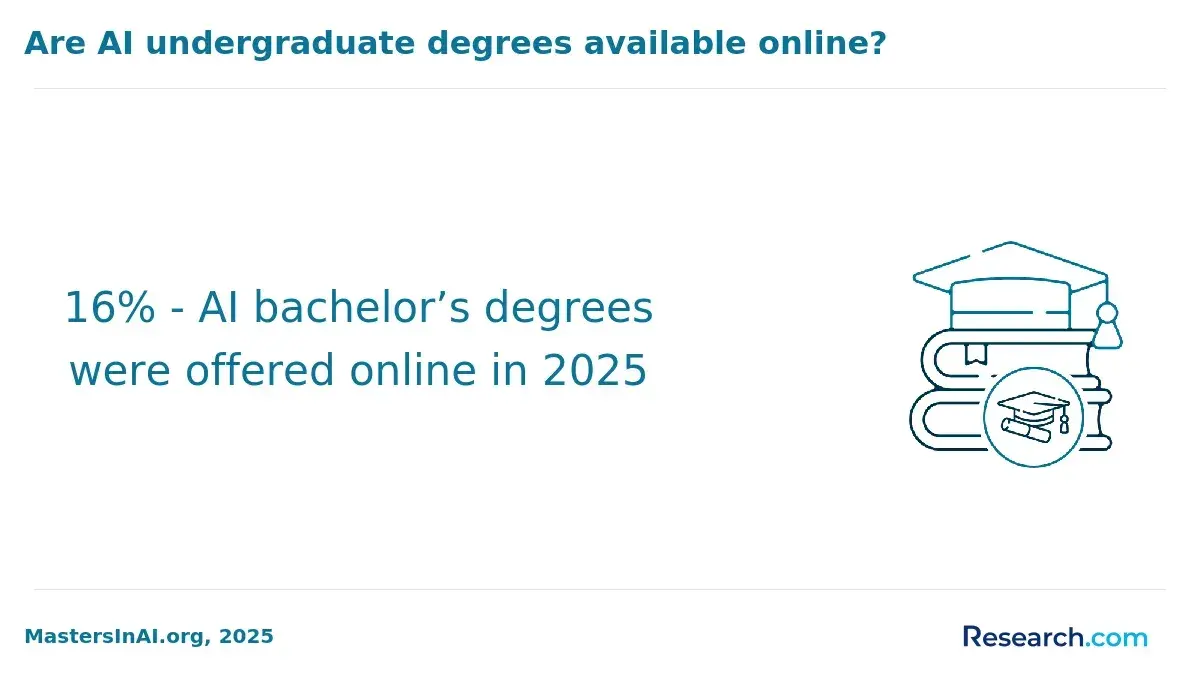
What types of AI programs are available for lawyers (short courses, certificates, degrees)?
Lawyers seeking to enhance their expertise can choose from short courses, certificate programs, and degree programs focused on AI. Short AI courses tailored for lawyers usually last from a few hours to several days and emphasize practical skills like using AI-driven contract review tools, legal research automation, and compliance analysis. These courses can lead to significant efficiency gains.
For example, GC AI's 2025 internal study found a 32% reduction in contract review time among participants. Certificate programs provide more comprehensive knowledge over weeks or months and are designed for working professionals aiming to build specialized skills without committing to full degrees.
These programs often cover machine learning basics, AI ethics in law, and deployment of AI in regulatory settings, including hands-on projects to improve real-world application. Many in-house legal teams trained through certificates report a 78% increase in issue-spotting accuracy.
Degree programs, such as master's degrees in AI and law or interdisciplinary legal technology degrees, offer in-depth education for those aspiring to lead AI initiatives or become consultants. These degrees combine technical AI training with legal policies and strategic applications, preparing graduates for leadership roles in AI-driven legal innovation.
Some students may also explore related fields through programs like a game development degree, which shares interdisciplinary perspectives. Selecting the right program depends on your career goals and time availability. Short courses suit immediate practical needs, certificates balance depth and flexibility, and degrees provide the most rigorous foundation for leadership in AI applications within law.
How do online AI courses for in-house counsel compare with on-campus or hybrid options?
Online AI courses for in-house counsel offer unmatched flexibility, allowing legal professionals to learn at their own pace while managing demanding workloads and deadlines. This benefit is vital given findings from the Stanford Law and Thomson Reuters' survey, which highlight general counsel as often unprepared to lead enterprise AI strategy, despite being the primary AI risk owners.
Hybrid AI training options for legal professionals provide valuable structured environments where in-person interaction with professors and peers fosters deeper discussion and networking. Weekend seminars or intensive hybrid sessions combine real-time engagement with online study, which suits lawyers looking for periodic face-to-face collaboration and nuanced exploration of complex AI policies.
Online platforms excel by using multimedia resources, scenario-based learning, and real-time content updates that keep pace with rapidly evolving AI regulations. This agility addresses a critical knowledge gap identified by senior legal leaders, while also reducing costs and eliminating commute times for busy teams intent on upskilling swiftly without disrupting operations.
Prospective students should evaluate their learning preferences, time availability, and networking needs. Online courses provide comprehensive, current content ideal for immediate application, whereas on-campus or hybrid programs better serve those prioritizing in-depth engagement. For those interested in advancing their expertise, options such as an online data science PhD can also complement AI legal education paths.
What AI topics and skills should in-house counsel expect to learn in these courses?
In-house counsel gain essential skills in applying artificial intelligence across various legal functions, including contract analysis, due diligence, and regulatory compliance automation. These abilities streamline document review and risk identification, helping legal professionals manage large volumes of information efficiently. Coursework often covers machine learning fundamentals, highlighting model limitations, ethical concerns, and bias-knowledge critical for advising on AI governance and risk management.
Legal experts also develop practical skills using AI for predictive analytics in litigation, assisting in case outcome forecasting and strategy optimization. Key topics include data privacy and cybersecurity laws such as GDPR and CCPA, with an emphasis on AI's role in maintaining data protection obligations.
Many programs train counsel in AI-driven compliance monitoring systems tailored to regulated industries like finance and healthcare. They also explore AI-enhanced contract lifecycle management tools, enabling effective negotiation, management, and auditing of contracts.
According to Coursera's 2025 Impact Report, enrollments in AI-and-law-related courses by legal and compliance professionals increased 46% year-over-year, with in-house counsel contributing to over half this growth. This trend reflects a rising need to interpret AI outputs, assess risks from algorithmic decisions, and implement compliance frameworks integrating emerging artificial intelligence technologies.
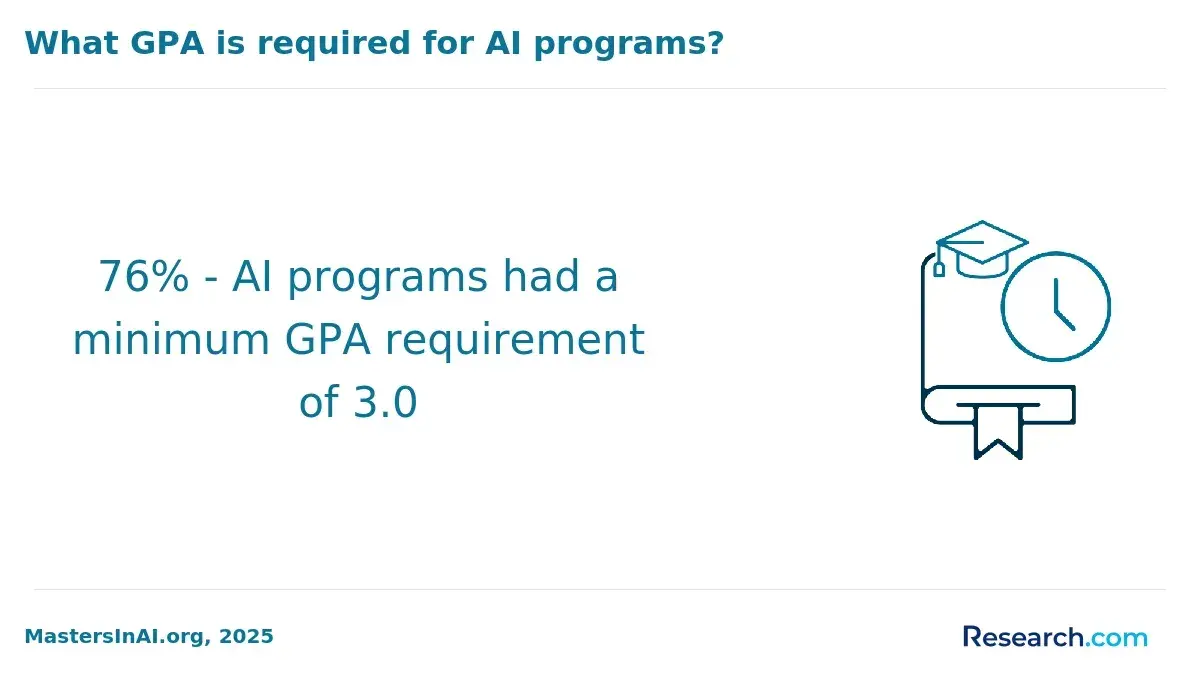
How should in-house counsel evaluate accreditation and program quality for AI education?
In-house counsel should verify accreditation from reputable legal or educational organizations like the American Bar Association (ABA) or state bar CLE authorities before enrolling in AI education programs. Accreditation confirms that the curriculum meets high standards and that credits count toward mandatory continuing legal education requirements, ensuring practical and professional relevance.
Quality programs feature comprehensive curricula covering both technical and ethical, regulatory, and competence issues relevant to legal practice. Courses integrating AI ethics and compliance with real-world case studies provide valuable application beyond theory. Instructor expertise is essential-look for faculty with experience in AI law or technology transactions, including practicing attorneys or academics publishing peer-reviewed research.
Evaluating course outcomes and learner feedback helps identify programs that offer CLE credits alongside skill development. According to Lawline's 2024 CLE Consumption Report, AI-related ethics and competence programs experienced a 213% increase in viewing hours among in-house counsel, reflecting rising demand for quality, relevant content.
Course format and accessibility also matter. Self-paced online modules offer flexibility for busy professionals, while live sessions provide opportunities for real-time interaction with experts. Together, accreditation and program quality help legal counsel earn meaningful credentials and develop actionable knowledge to address AI-driven legal challenges.
What are typical admission requirements for AI programs designed for working attorneys?
Admission to AI programs for practicing attorneys typically requires a juris doctor (JD) degree or equivalent legal credentials, ensuring a solid foundation in current law practice. Many programs prefer candidates with experience in corporate law, compliance, or regulatory roles, reflecting the increasing focus on AI governance and regulation. Generally, candidates should have three to five years of practical legal experience to demonstrate a clear understanding of AI-related legal challenges.
Technical prerequisites differ among programs. While advanced coding skills are rarely mandatory, familiarity with basic programming or data analytics can be beneficial, particularly for specialized tracks. Executive education offerings might waive technical requirements if their emphasis lies on policy, ethics, or compliance rather than software development.
Applicants are advised to submit strong statements of purpose that highlight their interest in the legal implications of AI. The World Economic Forum's 2025 Global Risks Report notes 68% of corporate leaders foresee AI-related regulation as a top legal risk by 2027, but only 21% believe their boards are well-prepared for governance issues.
This data underlines the value of demonstrating commitment to bridging legal and technical expertise. Letters of recommendation focusing on analytical ability and adaptability are often required. Cohort-based programs may also include interviews or assessments to evaluate communication skills and readiness for interdisciplinary engagement.
How long do AI programs for in-house counsel take, and what do they cost?
AI programs for in-house counsel vary from a few hours to several months. Intensive boot camps or certificate courses typically last 20 to 40 hours over one to four weeks, allowing professionals to balance training with work. More comprehensive options may extend three to six months, covering AI's role in legal risk assessment, contract analysis, and litigation support.
Costs depend on program scope and provider: short workshops or webinars range from $300 to $1,000, while advanced certificate programs targeting legal professionals usually cost $1,500 to $5,000. Some courses emphasize courtroom AI applications, such as evaluating AI-generated evidence-important as 41% of judges have encountered AI materials, though only 19% have formal training in managing them, according to a National Center for State Courts survey.
Choosing the right program involves assessing length, cost, and current skills. Short, targeted courses help understand operational risks, while longer programs focus on AI ethics, regulatory compliance, and AI-enhanced case strategies. Employers may cover or reimburse expenses as AI becomes integral to corporate legal functions.
Affordable, accredited courses often include:
- Live instruction
- Hands-on AI tool practice
- Case studies in litigation or contract management
Prospective students should verify if programs provide ongoing support or updates aligned with evolving AI regulations to remain current in this fast-changing field.
What career outcomes and salary impacts can AI training have for in-house counsel?
AI training significantly enhances the effectiveness and career prospects of in-house counsel. Deloitte's 2025 "AI in Legal Operations" study reveals that legal departments implementing structured AI training achieved an 18% reduction in outside counsel expenses and a 23% rise in internal matter throughput within a year. These improvements underline measurable benefits that increase the value of in-house lawyers within organizations.
Lawyers proficient in AI tools can handle more complex caseloads swiftly, often leading to promotions and increased compensation. Such skills reduce dependency on external law firms, aiding cost control and strengthening the lawyer's negotiating position. For instance, expertise in contract analytics enables faster reviews, saving legal budgets and improving turnaround times.
Salary increases vary by industry and firm size but typically range from 10-25% for counsel with AI knowledge, especially when combined with cybersecurity or data privacy expertise. Career growth also extends to specialized roles like legal operations manager or chief legal technology officer, which offer substantial advancement and salary premiums.
Key benefits of AI training for in-house counsel include:
- Greater efficiency in handling cases and data-driven tasks
- Reduced legal department costs through less outside counsel spending
- Enhanced career progression opportunities and higher salaries
AI education equips legal professionals to boost operational metrics and strengthen their organizational impact, making it an essential investment for career advancement.
Are there relevant AI, privacy, or tech law certifications that benefit in-house counsel?
Certifications in AI, privacy, and tech law provide targeted skills essential for in-house counsel navigating the complex legal environment shaped by emerging technologies and data privacy laws. According to the ACC Legal Operations benchmarking study, legal teams with lawyers trained in role-specific technology, including AI, are 2.1 times more likely to be rated "highly effective" by their business clients.
Key certifications include the Certified Information Privacy Professional (CIPP) credentials from the International Association of Privacy Professionals (IAPP), which focus on crucial privacy laws for compliance and risk management. For AI-related legal expertise, programs like the Artificial Intelligence and Law Certificate from prestigious institutions such as Stanford or Harvard address AI technology, ethics, and regulations.
In-house counsel working with contract automation, AI ethics, or data governance should emphasize certifications covering applied AI policy and regulatory compliance. Certifications like the Certified Information Systems Security Professional (CISSP) are valuable where AI intersects with data security. Tech law certificates on cybersecurity or blockchain also prepare counsel for evolving challenges.
Short professional development courses on topics such as algorithmic accountability, AI bias, or federal AI regulations help maintain practical skills. Aligning certifications with business needs-whether managing AI procurement risks, privacy compliance, or intellectual property-ensures direct application to legal workflows and strategic advising.
Other Things You Should Know About Artificial Intelligence
Some top AI courses for in-house counsel in 2027 include "AI and the Law," hosted by Stanford University, focusing on legal frameworks, and the MIT "AI Strategies for Legal Professionals" course, which offers practical insights and applications tailored for legal environments.
Artificial intelligence is designed to augment rather than replace lawyers, including in-house counsel. AI tools streamline routine tasks such as document review, contract analysis, and legal research, but critical thinking, negotiation, and ethical judgment remain uniquely human skills. AI's role is to increase efficiency, not to substitute professional legal advice.
AI systems require access to large volumes of data, raising concerns about maintaining confidentiality and securing sensitive information. In-house counsel need to assess how AI platforms handle data encryption, access control, and compliance with data protection laws. Ensuring AI does not expose client or corporate data to unauthorized use is vital for risk management.
In-house counsel should stay informed about evolving regulatory frameworks, advances in AI explainability and transparency, and new ethical guidelines. Emerging laws addressing AI accountability and bias, as well as updates in industry standards, can directly influence legal risk and compliance strategies. Continuous education in these areas is important for effective counsel in an AI-driven environment.
References
- Building Your Company’s AI Governance Framework to Reduce Risk - Bloomberg Law https://pro.bloomberglaw.com/insights/artificial-intelligence/building-your-companys-ai-governance-framework-to-reduce-risk/
- AI for Legal - masterclass for in-house lawyers https://www.counselwell.ca/ai-for-legal
- Legora https://legora.com/
- Will AI Replace In-House Lawyers? The Definitive Answer (And Why You're Asking the Wrong Question) https://www.wordsmith.ai/articles/will-ai-replace-in-house-lawyers-the-definitive-answer-(and-why-you-re-asking-the-wrong-question)
- The Legal AI Fundamentals Certification | Free Video Course https://www.clio.com/resources/ai-for-lawyers/legal-ai-fundamentals-certification/
- ACC AI Center of Excellence for In-house Counsel https://www.acc.com/resource-library/ai
- The Five Foundations of Artificial Intelligence for In-House Counsel, Part 1 - Ward and Smith, P.A. https://www.wardandsmith.com/article/the-five-foundations-of-artificial-intelligence-for-in-house-counsel-part-1
- Quality Assurance with AI and Automation: The Prospects for Educational Assessment https://www.ieac.org.uk/40-Quality-Assurance-with-AI-and-Automation-The-Prospects-for-Educational-Assessment-blog.php
- The 10 Best AI Training Courses and Platforms for Lawyers https://legal-tech.blog/the-10-best-ai-training-courses-for-lawyers
- AI Governance in Health Care: What In-House Counsel and Compliance Teams Need to Know Now https://www.bakerdonelson.com/ai-governance-in-health-care-what-in-house-counsel-and-compliance-teams-need-to-know-now