2027 Best Agentic AI Courses for AI Champions at Work

Co-Founder and Chief Data Scientist
Professionals aiming to enter the rapidly evolving field of agentic AI often face limited options for flexible, accredited courses suited to those without prior experience in technology. Many find traditional programs too rigid or theoretical, hindering their ability to apply knowledge directly to workplace challenges. This gap leaves aspiring AI champions uncertain about where to start or how to pivot efficiently into their new careers.
The article examines the best available agentic AI courses designed for working individuals with unrelated undergraduate backgrounds, highlighting options that balance practical skills, accreditation, and flexibility to support successful career transitions.
Key Things You Should Know
- Agentic AI courses in 2026 emphasize practical skills for autonomous decision-making systems, reflecting a 40% surge in industry demand for AI professionals with agentic capabilities since 2024.
- Top programs integrate ethics and human-AI collaboration, addressing concerns about AI autonomy while enhancing workplace productivity and innovation in multidisciplinary teams.
- Certification in agentic AI boosts employability by 35%, with many courses offering hands-on projects aligned to current U.S. AI legislation and corporate governance standards.
Advance Your Career with AI Online Courses
Artificial Intelligence: Implications for Business Strategy
This program provides an introduction to Artificial Intelligence and their implications for business strategy. Earn an official digital certificate.

Oxford Artificial Intelligence Programme
Explore this Oxford Artificial Intelligence programme offered in a flexible learning environment and explore topics like machine learning, automation, and robotics.

Implementing Agentic AI: Building Your Organizational Playbook
This online MIT Agentic AI course offers a practical approach to deploying AI agents in your organization, including a custom playbook. 3 weeks, exclusive launch price.

AI Adoption: Driving Business Value and Impact
This online MIT AI Adoption: Driving Business Value and Impact offers practical frameworks to close the gap between AI potential and business reality.

Artificial Intelligence in Pharma and Biotech
Discover the applications and limitations of artificial intelligence in pharma and biotech with this MIT online short course.

What is an agentic AI course for workplace "AI champions," and who should take one?
Agentic AI training programs for workplace champions equip professionals with advanced skills to actively manage, deploy, and optimize AI tools rather than passively use them. These best agentic AI courses designed for AI professionals emphasize problem-solving with generative AI, prompt engineering, workflow automation, and frameworks for accountability to ensure responsible AI adoption. They empower employees to make informed decisions on AI integration, ethical considerations, and organizational performance monitoring.
Such programs suit mid-career professionals, team leads, and managers across various departments like technology, HR, marketing, and operations who drive digital transformation initiatives. For instance, a marketing manager trained in agentic AI can create customized AI-generated campaigns while addressing data privacy concerns, and IT specialists can align AI deployment with security policies effectively.
Demand for agentic AI capabilities is increasing rapidly. The Microsoft Work Trend Index reports that generative AI use among knowledge workers climbed to 75% globally, underscoring the need for internal experts who grasp AI's technical and strategic impacts. Agentic AI courses provide case studies, hands-on labs, and risk assessment frameworks, enabling learners to transition from reactive AI users to proactive AI leaders fostering transparency, compliance, and user trust.
For professionals considering a foundational technical background, an accelerated bachelor's degree computer science offers a strong base to build specialized skills in AI and related fields.
Advance Your Career with AI Online Courses
Artificial Intelligence: Implications for Business Strategy
This program provides an introduction to Artificial Intelligence and their implications for business strategy. Earn an official digital certificate.
Oxford Artificial Intelligence Programme
Explore this Oxford Artificial Intelligence programme offered in a flexible learning environment and explore topics like machine learning, automation, and robotics.
Implementing Agentic AI: Building Your Organizational Playbook
This online MIT Agentic AI course offers a practical approach to deploying AI agents in your organization, including a custom playbook. 3 weeks, exclusive launch price.
How do agentic AI courses differ from general AI or prompt engineering programs?
Agentic AI course advantages over general AI training stem from their focus on creating autonomous systems that perform complex tasks independently without constant human input. Unlike general AI courses that emphasize foundational algorithms and data processing, agentic AI programs train students to develop agents capable of setting goals, making strategic decisions, and self-correcting in dynamic environments.
The differences between agentic AI and prompt engineering programs are significant. While prompt engineering mainly teaches how to design inputs to optimize large language model responses, agentic AI education integrates frameworks such as reinforcement learning and multi-agent systems. This enables learners to build software agents that proactively manage workflows and interact with users or other agents, mastering multi-step planning and real-time adaptation.
Agentic AI is projected to account for over 15% of enterprise AI spending by 2030, up from under 2% in 2023, highlighting the rising demand for skills beyond basic AI knowledge. These courses equip students with practical training in system design, simulations, and interdisciplinary approaches, preparing them to lead in fields like finance, healthcare, and robotics.
Prospective students looking to pursue AI education should also explore options among the cheapest engineering colleges that offer relevant programs, combining affordability with strong technical foundations.
What types of agentic AI programs are available for working professionals in the U.S.?
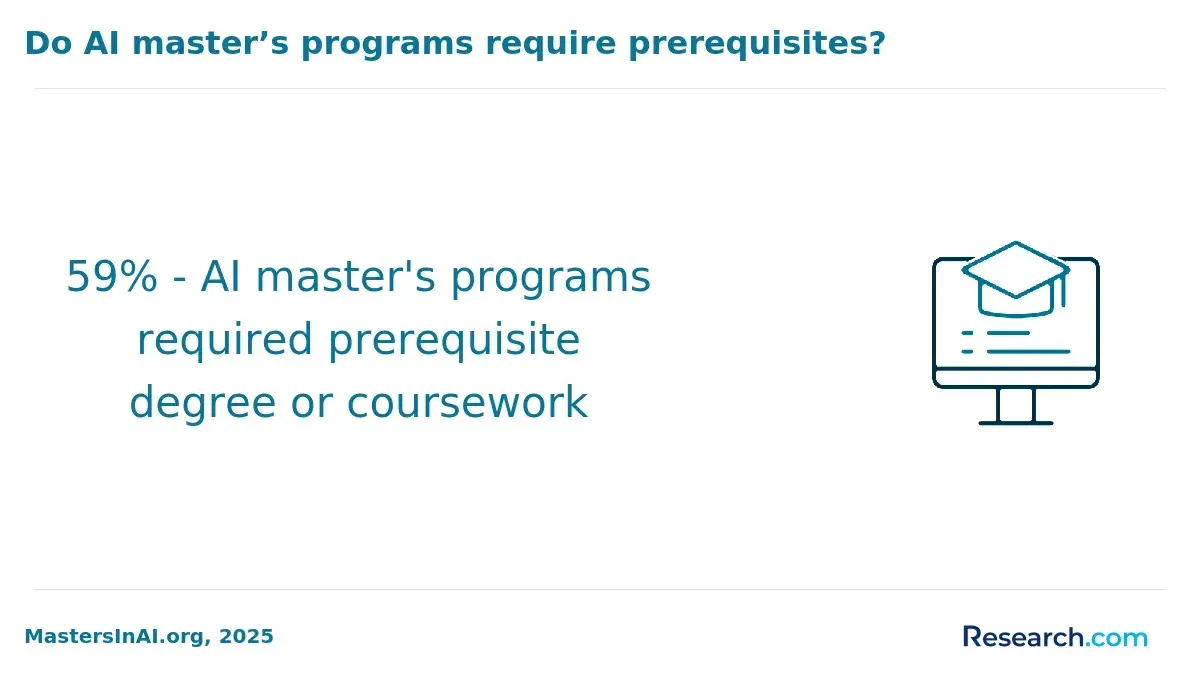
Agentic AI courses for working professionals in the U.S. offer diverse programs focused on autonomous systems, machine learning, and decision-making frameworks. These include certificate courses, bootcamps, and specialized master's degree tracks that help learners develop skills to build, deploy, and manage autonomous agents effectively.
Advanced agentic AI certification programs in America often emphasize hands-on training with frameworks such as reinforcement learning and multi-agent systems, appealing to professionals aiming to quickly enhance their skills or shift into roles like AI product managers or automation engineers. Bootcamps provide intensive, project-based learning covering simulation environments and real-time control, suitable for those seeking rapid transition within months.
Universities have expanded master's degree options with concentrations in autonomous agents, covering ethics, agent architectures, and human-agent collaboration. These comprehensive programs suit professionals aiming for deep theoretical and technical knowledge to lead research or development teams.
The World Economic Forum Future of Jobs Report 2024 highlights AI and ML specialists, including those working with autonomous agents, as among the fastest-growing professions with a projected 40% growth between 2023 and 2027, creating approximately 1 million new jobs. This underscores the value of targeted training in this field.
Professionals should consider their background, time availability, and industry needs when choosing a program. For those seeking advanced degrees, options like an online PhD AI can provide comprehensive expertise. Practical experience and internships remain key differentiators for career growth.
How can I evaluate the quality and accreditation of agentic AI courses and certificates?
To evaluate agentic AI course accreditation and quality standards, verify institutional recognition and curriculum relevance. Look for endorsements from reputable education bodies like regional accrediting agencies approved by the U.S. Department of Education or specialized AI consortia such as the Partnership on AI. Partnerships with established universities or industry leaders often indicate rigorous standards and current content.
Assess whether certified agentic AI training programs recognition criteria include coverage of essential competencies like autonomous decision-making algorithms, ethical AI frameworks, human-AI collaboration, and practical applications. Quality courses provide detailed syllabi with clear learning outcomes that align with job market demands or certification benchmarks from organizations like IEEE or the Association for Computing Machinery (ACM).
Faculty expertise and course delivery methods are also critical. Instructors with strong research backgrounds or industry experience enhance credibility, especially if courses involve project-based assessments or hands-on labs, emphasizing skills over theory.
Check the industry recognition of certificates-some credentials gain weight among recruiters or are incorporated within professional development frameworks. Alumni successes and employer testimonials can shed light on tangible career impacts.
Independent reviews and third-party ratings often reflect course effectiveness and return on investment. Studies such as the McKinsey State of AI Report highlight that organizations investing in AI upskilling have significantly better revenue outcomes. For those interested in other certifications, consider also exploring cyber security online courses as part of a broader tech skill development strategy.
What skills and topics are typically covered in leading agentic AI curricula?
Agentic AI curricula focus on essential skills for mastering AI-driven autonomous systems that support decision-making and automate tasks. Key technical competencies include machine learning fundamentals, natural language processing, reinforcement learning, and multi-agent coordination, enabling collaboration among AI systems in complex environments.
Practical training emphasizes human-AI interaction design to align agents with user intent and ethical standards, incorporating explainability and transparency to build systems whose decisions are auditable. Risk management and AI governance prepare professionals to handle compliance and mitigate unintended consequences.
Students typically gain programming proficiency in Python and experience with AI frameworks like TensorFlow or PyTorch. Real-world applications include intelligent virtual assistants, autonomous analytics, and process automation across healthcare diagnostics, finance decision support, and supply chain optimization.
Workforce productivity benefits are significant: a Microsoft Work Trend Index 2024 report highlights a 29% productivity boost among knowledge workers using AI agents, with 88% reporting simpler complex task completion. This underscores the importance of combining AI technical skills with effective integration into human workflows.
Ethical AI use, bias mitigation, and privacy form an integral part of curricula, preparing learners to design systems that ensure fairness and responsibly handle user data in professional environments.
How do online, hybrid, and on-campus agentic AI courses compare for busy professionals?
Agentic AI programs come in three main formats-online, hybrid, and on-campus-each tailored to different professional needs and learning styles. Online courses offer unmatched flexibility, allowing learners to study asynchronously from anywhere, which suits busy professionals managing work and family. However, the lack of immediate interaction can limit networking and in-depth problem-solving.
Hybrid courses balance flexibility with direct engagement by combining virtual lessons with occasional in-person sessions. This format supports collaborative projects and real-time feedback, fitting professionals who prefer some structure without the commitment of full-time campus attendance.
On-campus courses provide immersive learning with instant access to faculty, peers, and hands-on resources, ideal for those seeking deep technical expertise. Yet, these programs often require a significant time investment and can disrupt employment.
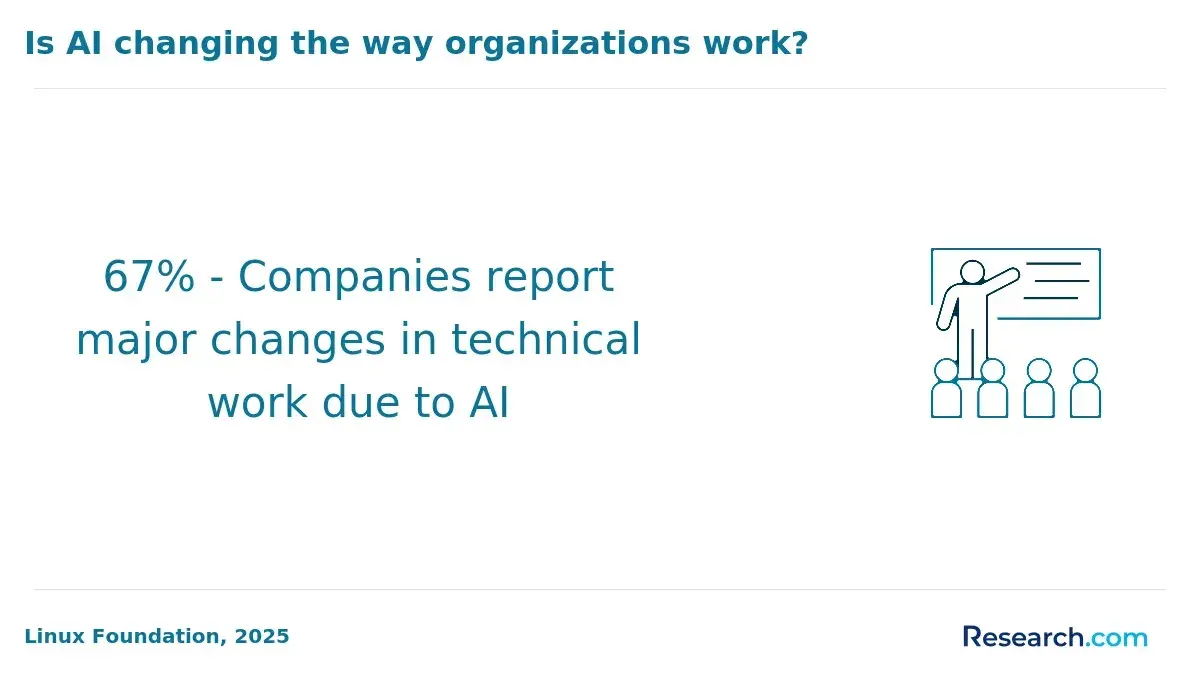
The LinkedIn Future of Work Report 2024 reveals that 78% of workers using generative AI had no formal AI training, highlighting the critical need for accessible and structured education. Choosing the right course involves considering flexibility, interaction, learning style, budget, and employer support. For example, marketing managers with variable schedules may favor online modules, while engineers seeking peer interaction might opt for hybrid or on-campus options.
What are the usual admission requirements and time commitments for agentic AI training?
Agentic AI training programs generally require applicants to have a foundational background in computer science, mathematics, or related fields. Many expect prior experience with programming languages like Python, basic knowledge of data structures and algorithms, and familiarity with machine learning concepts. Advanced courses often require a bachelor's degree in STEM or relevant professional experience, while some offer preparatory modules to accommodate beginners, extending total program duration.
Time commitments differ based on format and depth. Intensive bootcamps typically demand 10 to 20 hours weekly for 8 to 12 weeks, focusing on rapid skill acquisition. University-level certificates or part-time programs usually take 3 to 6 months with a commitment of 6 to 10 hours per week, blending theory, projects, and agentic AI frameworks. Self-paced courses recommend 40 to 80 hours to effectively cover core materials.
Prospective students should consider their workload and learning style. Working professionals might favor asynchronous study to balance jobs, while full-time learners may benefit from structured schedules.
In the competitive AI talent landscape, 72% of companies adopting AI report insufficient employees with AI and machine learning skills, citing this shortage as the primary obstacle to scaling, per the McKinsey State of AI Report 2024. Applicants should carefully review prerequisites to ensure readiness for agentic AI concepts and tools.
How much do agentic AI courses cost, and what employer or tuition funding options exist?
Agentic AI courses typically cost between $500 for basic online certificates and over $5,000 for comprehensive multi-month programs from leading institutions. Many employers support tuition funding, especially for upskilling teams in AI governance and risk management. Employees should check if tuition reimbursement plans are available, which often require approval and relevance to their job roles involving AI implementation.
Sliding scale fees may apply depending on income or employment status. Partnerships with nonprofits or academic organizations sometimes offer discounted rates. Additionally, professional associations in technology and AI often provide scholarships or grants specifically for agentic AI training. Subscription models and employer-sponsored cohort training are also popular, reducing upfront costs while promoting collaborative learning.
Only 21% of organizations using generative AI have fully implemented governance policies, despite 55% expressing concerns about accuracy, privacy, and regulatory risks, according to the IBM Global AI Adoption Index 2024. This highlights the urgent need for agentic AI education to address workplace challenges responsibly.
Common funding questions include:
- Does my employer allocate a budget for emerging technology education?
- Are there scholarships focused on AI upskilling I can apply for?
- Do flexible, modular courses fit my schedule and budget?
- What credential outcomes justify the cost?
Addressing these queries can improve access and promote responsible AI adoption aligned with evolving standards and risk controls.
What careers, job titles, and internal "AI champion" roles can these courses support?
Agentic ai courses target various roles that enhance organizational ai capabilities, including data scientists, machine learning engineers, ai product managers, and business analysts specializing in ai. These professionals need a mix of deep technical expertise and strategic insight to implement ai solutions effectively.
Internal ai champions play a vital role in companies by leading ai initiatives and aligning them with business goals. Typical champions include ai project leads, innovation managers, and digital transformation specialists. These courses prepare them to manage task automation, ethical ai deployment, and employee training on emerging ai systems.
Other key roles benefiting from agentic ai education include IT managers overseeing ai infrastructure, compliance officers enforcing data governance, marketers using ai analytics tools, and human resources professionals enhancing recruitment and training.
87% of organizations prefer upskilling current employees over new hires to address ai skill shortages, according to Deloitte Global Human Capital Trends 2024. This approach fosters faster ai adoption and embeds ai into company culture while reducing recruitment costs.
Prospective students should focus on how these courses develop technical skills combined with leadership and ethical frameworks, essential for navigating the evolving ai job market and sustaining competitive advantage.
How can I choose the best agentic AI course to future-proof my role at work?
To remain competitive in the evolving workforce, prioritize agentic AI courses that emphasize hands-on work with autonomous AI systems and their practical applications relevant to your field. By 2028, Gartner Emerging Tech Impact Radar 2024 predicts that 75% of enterprise software vendors will integrate such capabilities, making skills in monitoring, integrating, and optimizing agentic AI essential.
Look for programs featuring real-world projects or industry-specific case studies, especially in sectors like finance, healthcare, or marketing, to directly apply newly acquired competencies. Core curriculum elements should cover AI autonomy, human-AI collaboration models, regulatory and ethical considerations, and AI lifecycle management. Additionally, familiarity with emerging AI frameworks and APIs common in enterprise settings is a significant advantage.
Instructor expertise and industry connections matter greatly to ensure up-to-date and credible content aligned with market needs. Choose flexible formats such as blended learning with online sessions and live workshops to balance progress with your workload while gaining networking opportunities.
Certifications recognized by professional organizations or leading technology vendors add vital credibility. Evaluating alumni success and employer endorsements can further validate program quality.
- Hands-on agentic AI systems experience
- Real-world projects and case studies
- Comprehensive curriculum including ethics and AI frameworks
- Flexible blended learning formats
- Recognized credentials and strong instructor expertise
Other Things You Should Know About Artificial Intelligence
In 2027, top courses like "Mastering Agentic AI for Workplace Productivity" and "AI Integration Strategies for Business Efficiency" focus on boosting productivity. These courses teach AI tool utilization and integration into workflows to optimize task automation and decision-making processes.
Ethical considerations include ensuring fairness, transparency, and accountability in AI systems to prevent bias and discrimination. AI champions must also be mindful of data privacy regulations and the potential societal impacts of AI decisions. Responsible deployment involves continuous monitoring and updating models to align with ethical standards.
Agentic AI systems are designed to perform autonomous tasks, but complete independence from human oversight is rare and often discouraged. Human intervention remains critical for managing unexpected situations, ensuring ethical compliance, and maintaining control over AI decision-making processes. Most practical AI applications combine agentic capabilities with human supervision.
Common challenges include data quality issues, legacy system incompatibilities, and resistance to change among employees. Additionally, the complexity of AI models may require specialized expertise that organizations need to develop or hire. Successful integration demands clear strategy, effective change management, and ongoing training for AI champions at work.
References
- Agentic AI Foundation Training Course https://www.simpliaxis.com/agentic-ai-foundation-training-course
- SCTP Agentic AI Specialist https://bellstech.sg/course/sctp-agentic-ai-specialist/
- Prompt Engineering for Agentic AI - MachineLearningMastery.com https://machinelearningmastery.com/prompt-engineering-for-agentic-ai/
- Agentic AI BootCamp: Capstone and 10+ Hands-On Live Projects https://agilefever.com/bootcamps/agentic-ai-bootcamp/
- Agentic AI Frameworks: Best Tools for AI Agents 2026 https://amquesteducation.com/blog/agentic-ai-frameworks/
- AI Champion vs AI Lead: Which Role Does Your Organization Need https://voltagecontrol.com/articles/ai-champion-vs-ai-lead-which-role-does-your-organization-need/
- Production AI Agents Course: Learn Agent Engineering https://academy.towardsai.net/courses/agent-engineering
- Agentic AI | Saylani Mass IT Training https://www.saylanimit.com/courses/agentic-ai
- Agentic AI for Business Leaders https://www.learneur.com/artificialintelligence/agentic-ai-for-business-leaders/
- Agentic AI vs. Generative AI: Key Differences Explained https://agilemania.com/agentic-ai-vs-generative-ai