2027 Best AI Courses for Educators

Co-Founder and Chief Data Scientist
Todays educators face the challenge of integrating emerging technologies into their curriculum without clear guidance or adequate training. Many lack the foundational skills needed to confidently teach or utilize artificial intelligence tools, limiting their ability to prepare students for a digital future. This gap hinders effective adoption and innovation in educational settings.
This article examines the best AI courses designed specifically for educators seeking flexible, accredited paths to build relevant expertise. It highlights programs that equip teaching professionals with practical skills to confidently implement artificial intelligence concepts and tools in diverse learning environments.
Key Things You Should Know
- AI courses for educators in 2026 emphasize practical classroom integration, with over 60% of programs offering hands-on training to enhance teaching effectiveness.
- Data from 2024 indicates a 45% surge in enrollment for AI education courses among U.S. teachers seeking to upskill in adaptive learning technologies.
- Top programs focus on ethical AI use and data privacy, critical for educators navigating new digital tools and student data management in diverse learning environments.
Advance Your Career with AI Online Courses
Artificial Intelligence: Implications for Business Strategy
This program provides an introduction to Artificial Intelligence and their implications for business strategy. Earn an official digital certificate.

Oxford Artificial Intelligence Programme
Explore this Oxford Artificial Intelligence programme offered in a flexible learning environment and explore topics like machine learning, automation, and robotics.

Implementing Agentic AI: Building Your Organizational Playbook
This online MIT Agentic AI course offers a practical approach to deploying AI agents in your organization, including a custom playbook. 3 weeks, exclusive launch price.

AI Adoption: Driving Business Value and Impact
This online MIT AI Adoption: Driving Business Value and Impact offers practical frameworks to close the gap between AI potential and business reality.

Artificial Intelligence in Pharma and Biotech
Discover the applications and limitations of artificial intelligence in pharma and biotech with this MIT online short course.

What are the best AI courses for educators?
The best ai courses designed for educators emphasize practical skills to incorporate artificial intelligence tools into teaching, curriculum development, and student assessment. Renowned programs such as Stanford University's "AI for Educators" and MIT's "AI in Education" deliver comprehensive knowledge of AI fundamentals combined with classroom-focused hands-on examples. These courses explore vital topics like adaptive learning, automated grading, and ethical AI use.
Popular platforms such as Coursera and edX offer flexible options suited for educators' schedules. For example, Microsoft's "AI in Education" course on edX includes modules that help teachers identify ai applications that boost student engagement and improve learning outcomes. Project-based learning and case studies provide valuable, practical experience.
A 2024 UNESCO global survey revealed a gap where 54% of educators feel underprepared to use AI tools, even though 84% recognize AI's transformative potential in education. Top-rated artificial intelligence training for teachers addresses this by combining technical AI literacy with effective strategies for adapting teaching methodologies.
Key features to consider include:
Choosing courses affiliated with respected institutions and real-world applications prepares educators to confidently and responsibly implement AI in classrooms. For those exploring educational advancement, reviewing data science programs can also provide valuable insights into related fields and career pathways.
Advance Your Career with AI Online Courses
Artificial Intelligence: Implications for Business Strategy
This program provides an introduction to Artificial Intelligence and their implications for business strategy. Earn an official digital certificate.
Oxford Artificial Intelligence Programme
Explore this Oxford Artificial Intelligence programme offered in a flexible learning environment and explore topics like machine learning, automation, and robotics.
Implementing Agentic AI: Building Your Organizational Playbook
This online MIT Agentic AI course offers a practical approach to deploying AI agents in your organization, including a custom playbook. 3 weeks, exclusive launch price.
Do AI educator courses require accreditation or certification?
AI educator courses in the United States do not always require formal accreditation or certification, yet these credentials can greatly boost a teacher's credibility and career opportunities. Many accredited courses for AI teaching professionals come from universities, professional development organizations, or recognized consortia, offering verified credentials that support institutional promotions, tenure, or grant approvals. Certification from respected bodies confirms an educator's foundational AI knowledge and up-to-date pedagogical methods.
Conversely, some short, often under three-hour institutional orientations provide practical skills without formal certification. According to the EDUCAUSE "AI in Higher Education" quick-poll, faculty who completed such brief AI training were 2.3 times more likely to consistently integrate generative AI in classrooms than those without any training.
For educators deciding on AI educator certification requirements in the United States, consider these points:
- If you want hands-on skills for immediate classroom application, short, free, or in-house training might suffice.
- If you aim for formal recognition or advanced institutional roles, pursuing accredited courses with certification is advisable.
- Check local mandates, as some states or districts require specific certifications for AI or digital literacy instruction.
Beyond accreditation, educators should align their training with career goals and institutional expectations. Those interested in further professional development may explore options such as an engineering degree online that includes AI-focused coursework.
Which AI course format works best for teachers: online or campus?
The choice between online and campus AI courses for teachers hinges on individual professional needs and learning styles. Online courses provide flexibility, enabling educators to learn at their own pace while managing classroom duties. This option benefits those looking for gradual integration of AI tools and access to resources from various institutions. In contrast, campus ai training programs for educators offer face-to-face interaction with instructors and peers, fostering immediate feedback through hands-on activities and collaboration. This suits teachers who prefer structured environments and in-person networking.
Practical, structured generative-AI prompting training delivered online has shown significant time-saving benefits. A Google for Education study involving 17 countries found that educators who completed such training saved about 4.5 hours weekly on lesson planning and assessments. This demonstrates that effective online courses focused on real-world AI applications can improve efficiency.
Teacher engagement with AI varies: those casually using AI may find brief, prompt-driven online workshops enough, while beginners often benefit more from comprehensive, instructor-led campus programs covering foundational theory and technical guidance. For educators seeking the best online ai courses for teachers, options differ based on desired depth and learning mode.
For those considering further education, exploring the cheapest masters in data science can complement AI training and expand career opportunities.
What topics are covered in AI courses for educators?
AI courses for educators cover essential topics that provide both practical skills and a deep understanding necessary for responsible use. Core subjects include fundamental AI concepts such as machine learning, natural language processing, and data analysis techniques. These enable teachers to grasp how AI systems work and clearly explain AI processes to students, supporting effective curriculum integration.
Many programs address the ethical implications inherent in AI application, highlighting concerns like bias, fairness, and privacy. This is crucial because, according to the 2024 MIT RAISE "AI & Education" survey, although 71% of teachers experiment with generative AI tools, only 27% receive formal training on AI ethics or bias. Incorporating teacher training for artificial intelligence integration ensures educators are equipped with frameworks for responsible AI use beyond technical skills.
Training often includes hands-on practice with AI-driven platforms that support personalized learning and automate assessment, enhancing classroom applications. Advanced courses explore AI's influence on educational policy, equity, and leadership, equipping educators to advocate for inclusive AI strategies while managing challenges like misinformation and digital literacy development among students.
The expanding role of AI in educational settings encourages professionals to pursue additional qualifications. For example, many turn to analytics masters programs to deepen their understanding of ai applications in education curriculum and leverage data-driven insights effectively.
What admission requirements do AI educator programs usually have?
Admission requirements for AI educator programs vary by institution and level but share common standards. Undergraduate programs typically require a high school diploma and strong math and science skills. Graduate programs usually ask for a bachelor's degree in education, computer science, STEM, or related fields. Many programs prefer candidates with prior teaching experience or education certifications to ensure they understand effective pedagogical methods.
Standardized tests like the GRE may be requested, though some institutions waive this. Applicants often must submit a statement of purpose detailing their goals for integrating artificial intelligence into education, along with letters of recommendation that attest to their academic and teaching abilities. Some courses expect proficiency in programming or basic AI concepts, proven through previous coursework or preparatory training.
Programs concentrating on subject-specific AI education carefully assess applicants' backgrounds. For example, those focused on AI in STEM prioritize applicants with strong credentials in math and science. This aligns with findings from a RAND Corporation study showing 62% of math and science teachers actively use AI tools, compared to 38% in ELA and social studies, pointing to a need for specialized training.
Typical admission criteria include:
How long do AI courses for educators take to complete?
AI courses for educators vary significantly in length, typically from a few hours to several weeks depending on the course format and depth. Short workshops or micro-credentials can often be completed within 4 to 12 hours, making them ideal for busy professionals seeking quick skill development. More extensive programs, such as certification tracks or multi-module courses, generally extend from 3 to 8 weeks and require 15 to 30 hours of study.
Many platforms offer specialized training tailored to educators. For instance, Microsoft's "AI for Educators" Learn pathway takes roughly 10 to 20 hours to complete. This course has proven effectiveness, with Microsoft's "AI in Education" impact report showing that educators finishing the pathway are 1.8 times more likely to have students regularly engage with AI for inquiry-based projects.
Choosing the right course depends on your goals and available time. Shorter courses suit quick knowledge uptake and immediate classroom use, while longer options provide a deeper theoretical foundation and strategies for curriculum design involving AI. If you plan to frequently run AI-driven student projects, courses with hands-on activities totaling 15+ hours are recommended.
Certification candidates should consider the time needed for assessments and projects. Modular courses frequently allow pauses and resumptions, supporting professional growth without conflict with career demands.
How much do AI educator courses cost?
AI educator courses vary widely in cost depending on the program's depth and format. Short workshops or certificate courses from educational platforms typically cost between $100 and $500. More comprehensive university-level certificates or micro-credentials, including multiple modules and formal recognition, generally range from $1,000 to $3,000. Degree programs or specialized professional development tracks at accredited institutions can exceed $5,000 due to their extensive curriculum and credential value.
Many providers use tiered pricing to address diverse needs. For example, some micro-credential courses offer discounted rates for faculty or provide financial aid options. Free introductory AI courses are also available but usually lack accreditation or personalized instruction, which can limit professional advancement opportunities.
Prospective learners should factor in indirect costs such as necessary software, hardware, and time commitment. Selecting micro-credentials aligned with current educational standards may justify these expenses by improving job readiness and teaching effectiveness.
- Short certificate courses: $100-$500
- University-level micro-credentials: $1,000-$3,000
- Degree and professional development programs: $5,000+
According to EDUCAUSE's 2024 Horizon Action Plan, 41% of surveyed institutions plan to offer or already offer AI-in-education micro-credentials by 2026. This trend reflects a growing emphasis on formalizing AI educator training within higher education.
What jobs can educators pursue after AI training?
Educators with ai training can pursue roles that reshape education and administration by integrating cutting-edge technologies. Career paths include curriculum designers focused on ai literacy, instructional coaches helping educators adopt ai tools, and district-level technology coordinators managing ai initiatives. These roles demand both theoretical understanding and practical skills applicable in classroom and policy settings.
Instructional designers create engaging courses on machine learning fundamentals and ethical ai use, enhancing student learning and teacher readiness. Instructional coaches support their peers by addressing challenges such as adapting lesson plans and ensuring data privacy compliance in ai applications.
District leadership positions emphasizing ai expertise are expanding rapidly. A survey by the Consortium for School Networking (CoSN) showed districts with leaders trained in ai were three times more likely to have sanctioned ai policies and implementation strategies, illustrating the growing impact of ai knowledge on educational policy.
Additional opportunities exist as educational data analysts who leverage ai-generated insights to improve outcomes, or as edtech specialists aligning ai solutions with instructional objectives. Educators with ai training may also serve as consultants or trainers, assisting schools in broadening digital learning initiatives.
Success in these fields requires a mix of teaching experience, technical proficiency, and ethical awareness regarding ai use. Pursuing certification programs in ai education or related technology strengthens qualifications, opening doors to leadership and innovation within the evolving educational landscape.
What salaries do AI education careers offer?
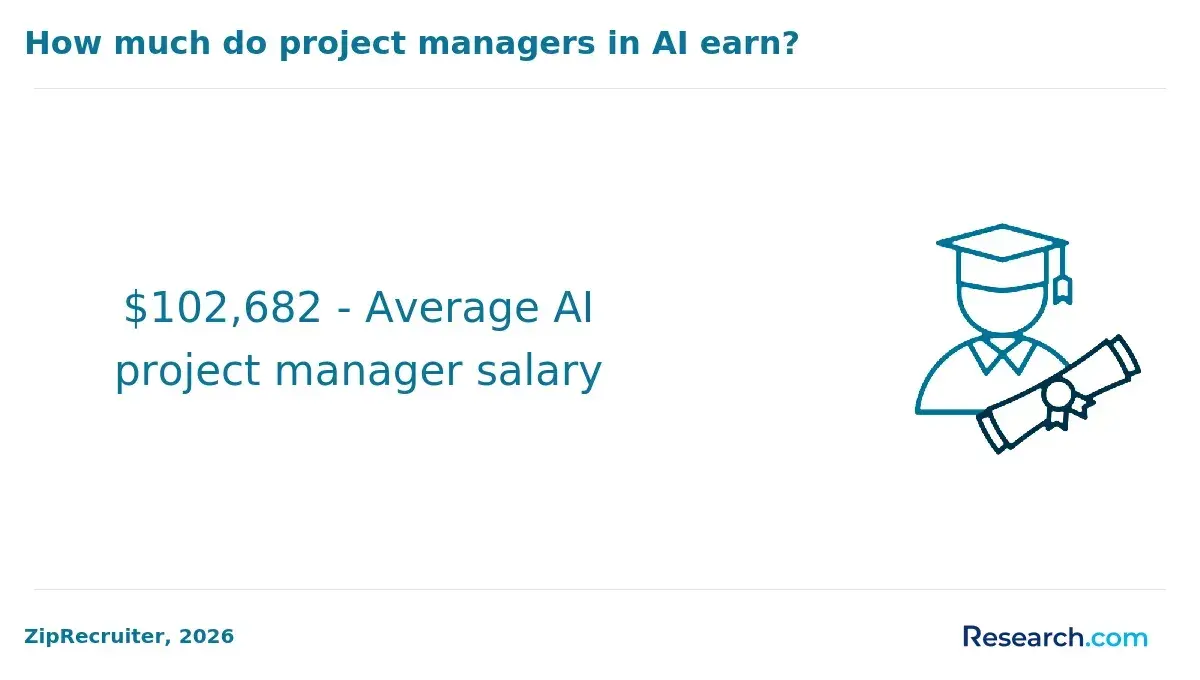
Careers in artificial intelligence education offer competitive salaries driven by increasing demand for skilled professionals. Entry-level roles, such as AI instructional designers or technology integration specialists in education, generally start between $55,000 and $70,000 annually. More advanced positions, including AI curriculum developers, educational data scientists, or AI professional development specialists, earn between $80,000 and $120,000. Leadership roles and university-level AI educators often exceed $130,000, influenced by experience and location.
Salary variations depend on factors like employer type, region, and specific roles. Well-funded school districts and higher education institutions typically offer higher salaries, while nonprofit or community programs might provide modest pay but valuable experience. Freelance AI trainers or consultants designing cohort-based professional learning programs can command project fees from $1,000 to $5,000 per engagement.
Professional development in cohort-based AI learning with ongoing coaching has shown significant student achievement gains, according to research from the 2024 Brookings Institution. Educators skilled in delivering or designing such models are more in demand, positively affecting salary potential. Earning credentials in both AI content and instructional coaching enhances employability and can push salaries higher.
Staying current with evolving trends in AI education and demonstrating effectiveness in cohort-based delivery is essential for maximizing career and salary opportunities in this growing field.
How do you choose a reputable AI course for educators?
Selecting a reputable artificial intelligence course for educators involves evaluating several key factors centered on quality, relevance, and practical outcomes. Start by verifying the credentials of the course provider. Established universities and recognized education technology organizations typically offer content aligned with current AI advancements and pedagogical needs. Prioritize courses taught by instructors experienced in applying artificial intelligence within educational settings.
The curriculum should balance foundational AI concepts with strategies for classroom integration, such as personalized learning and automated assessment tools. Updated content that aligns with projections like the World Economic Forum's 2025 "Future of Jobs" report-which forecasts a 36% increase in roles requiring advanced AI literacy by 2028-is essential.
Consider program format and learner support, looking for interactive features like hands-on projects, peer collaboration, and instructor feedback. Flexibility and accessibility are critical for educators managing teaching duties alongside professional development.
Review accreditation and student outcomes to ensure the course provides recognized certification that adds value to your professional profile. Match course objectives to your career goals-whether focusing on AI ethics in curriculum design or developing technical fluency.
Weigh cost relative to value to ensure investment in skills aligns with evolving market demands. Such courses empower educators to confidently incorporate artificial intelligence tools to enhance teaching and learning experiences.
Other Things You Should Know About Artificial Intelligence
Educators can integrate artificial intelligence tools by using AI-powered tutoring systems, personalized learning platforms, and automated grading software. These tools help tailor instruction to individual student needs, enhance engagement, and reduce administrative workload while providing data-driven insights for better teaching strategies.
Key challenges include staying updated with rapidly evolving AI technologies, addressing a wide range of student backgrounds, and providing sufficient practical experience. Additionally, educators must navigate limited resources and ensure ethical guidelines are part of the curriculum to foster responsible AI understanding.
Yes, many artificial intelligence education programs are designed specifically for educators without technical expertise. These courses focus on foundational AI concepts and practical classroom applications rather than deep programming skills, making AI learning accessible to teachers from diverse disciplines.
References
- AI for Educators Course with Certification from Google https://www.upeducators.com/advanced-ai-course-for-educators/
- Certified AI Educator https://teachersindia.in/certified-ai-educator/
- How Much Does AI Cost in Education? A Complete Pricing Guide https://www.edusageai.com/blogs/how-much-does-ai-cost-in-education-a-complete-pricing-guide
- How long will the course take? https://www.elementsofai.com/faq/how-many-hours-will-the-course-take
- AI in education: practical training and resources to support you - Chartered College of Teaching https://chartered.college/news-blogs/ai-in-education-practical-training-and-resources-to-support-you/
- AI in schools and colleges: what you need to know https://educationhub.blog.gov.uk/2025/06/artificial-intelligence-in-schools-everything-you-need-to-know/
- Generative AI for Educators - Grow with Google https://grow.google/ai-for-educators/
- Explore online courses and certificate programs in AI | edX https://www.edx.org/learn/artificial-intelligence
- Rand https://www.rand.org
- How Much Does it Cost to Learn AI? https://blog.nobledesktop.com/learn/ai/ai-cost-to-learn