2027 Best AI Adoption Courses for Lending Operations Teams

Co-Founder and Chief Data Scientist
Lending operations teams face increasing pressure to integrate artificial intelligence tools for enhanced risk assessment and efficiency. However, many professionals lack targeted training to effectively adopt these technologies within compliance frameworks. This skills gap can lead to missed opportunities and costly errors in loan processing and fraud detection. Addressing this challenge requires specialized educational courses that balance technical proficiency with industry-specific applications.
This article explores top artificial intelligence adoption courses designed to equip lending teams with practical skills and knowledge, enabling a seamless transition to AI-driven workflows and improved operational outcomes.
Key Things You Should Know
- AI adoption courses for lending teams focus on integrating machine learning to improve credit risk assessment, boosting underwriting efficiency by up to 40% according to 2025 industry reports.
- Lending operations professionals increasingly require skills in AI-driven data analytics and automation to meet regulatory compliance and minimize fraud, emphasizing continuous education.
- Top courses combine hands-on training with real-world case studies, reflecting a 35% surge in enrollment from 2024 to 2025 due to growing demand for AI proficiency in finance.
Advance Your Career with AI Online Courses
Artificial Intelligence: Implications for Business Strategy
This program provides an introduction to Artificial Intelligence and their implications for business strategy. Earn an official digital certificate.

Oxford Artificial Intelligence Programme
Explore this Oxford Artificial Intelligence programme offered in a flexible learning environment and explore topics like machine learning, automation, and robotics.

Implementing Agentic AI: Building Your Organizational Playbook
This online MIT Agentic AI course offers a practical approach to deploying AI agents in your organization, including a custom playbook. 3 weeks, exclusive launch price.

AI Adoption: Driving Business Value and Impact
This online MIT AI Adoption: Driving Business Value and Impact offers practical frameworks to close the gap between AI potential and business reality.

Artificial Intelligence in Pharma and Biotech
Discover the applications and limitations of artificial intelligence in pharma and biotech with this MIT online short course.

What is an AI adoption course for lending operations teams and who should take it?
An AI adoption course for lending operations teams equips professionals with skills to integrate artificial intelligence technologies into credit risk assessment, loan pricing, fraud detection, and operational workflows. These programs provide practical training on machine learning models, natural language processing, and automation software tailored to loan processing staff. Participants learn to interpret AI outputs, manage data quality, and ensure regulatory compliance while optimizing decision-making.
These courses offer significant benefits of AI courses for loan processing staff, including improved efficiency and accuracy. Key users include loan officers, credit analysts, risk managers, and operations specialists, as well as lending executives and IT professionals involved in AI implementation. For instance, a credit analyst might deploy machine learning to identify borrower risk patterns beyond traditional credit scoring, while operations managers may automate document processing to speed approvals.
According to McKinsey, banks recognized as "AI leaders" achieve on average a 41% higher profit margin than their peers, largely due to AI's impact on risk management and pricing strategies. This highlights the competitive edge AI proficiency brings to lending teams. Prospective students should seek courses with hands-on AI modeling, case studies, and regulatory content specific to financial services that address challenges like biased algorithms and data security.
Choosing AI adoption training for lending operations teams aligned with current technology and regulatory standards prepares individuals to meet growing demand in financial institutions and enhance career growth. Those interested can also explore an online computer science degree to deepen their technical expertise.
Advance Your Career with AI Online Courses
Artificial Intelligence: Implications for Business Strategy
This program provides an introduction to Artificial Intelligence and their implications for business strategy. Earn an official digital certificate.
Oxford Artificial Intelligence Programme
Explore this Oxford Artificial Intelligence programme offered in a flexible learning environment and explore topics like machine learning, automation, and robotics.
Implementing Agentic AI: Building Your Organizational Playbook
This online MIT Agentic AI course offers a practical approach to deploying AI agents in your organization, including a custom playbook. 3 weeks, exclusive launch price.
How can AI adoption courses improve efficiency and risk management in lending operations?
AI adoption courses for lending teams directly boost efficiency by training staff to automate routine tasks such as data entry, credit scoring, and fraud detection. This not only speeds up processing but also reduces human error. Employees skilled in AI-driven credit risk models can analyze large borrower datasets faster, improving accuracy and decision-making. These courses often include practical uses like applying natural language processing to evaluate borrower communications or interpreting AI-generated risk reports for portfolio management.
Improving lending operations with AI training also strengthens risk management. Lending professionals learn to interpret predictive analytics, enabling proactive measures against defaults or compliance risks. Mastering AI-powered fraud detection enhances the ability to spot suspicious activity and protect assets. Additionally, AI education fosters collaboration between lending staff and technologists, integrating insights smoothly within existing risk frameworks.
The World Economic Forum projects that by 2025, 50% of all employees will need reskilling, with AI and big data among the most sought-after skills in financial sectors. Without AI literacy, adapting to evolving challenges in lending can be difficult.
Course benefits include:
- Using AI platforms to streamline loan workflows
- Applying natural language processing for borrower analysis
- Interpreting predictive risk models
- Collaborating with data scientists and technologists
Prospective students interested in expanding their technical skills alongside specialized areas like financial technology might explore affordable options in engineering degrees that incorporate AI training.
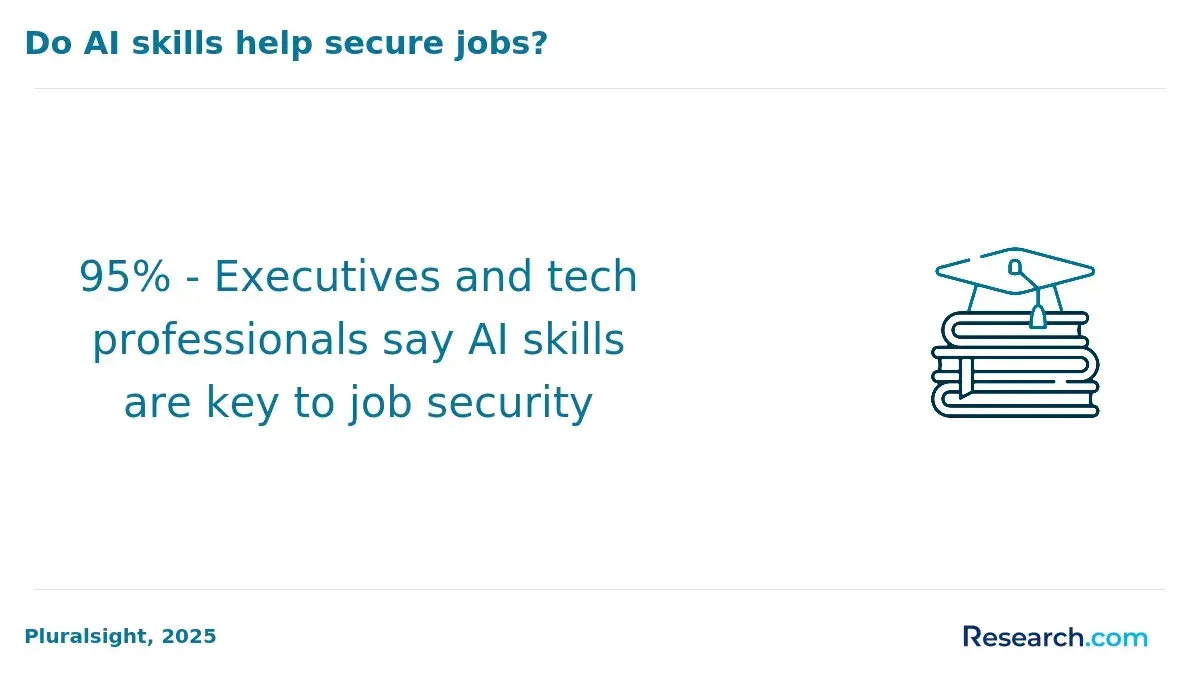
What types of AI skills and tools do lending operations professionals learn in these courses?
Lending operations professionals enrolled in AI adoption courses develop critical skills in data-driven decision-making, automation, and risk management. Key areas include machine learning algorithms, natural language processing, and predictive analytics tailored to credit risk evaluation. Training often covers building and interpreting credit scoring models using alternative data sources to improve borrower assessments and portfolio optimization.
Hands-on experience with tools like Python, R, TensorFlow, and cloud AI platforms enables professionals to design automated decision systems that reduce bias and processing times. Practical modules typically focus on fraud detection models, customer segmentation, and AI-driven lending process automation tools such as adaptive credit line management.
Compliance frameworks are integrated into curricula to address explainability and regulatory requirements, ensuring transparency and fairness in lending decisions. Emphasis on bias mitigation and model validation helps maintain accuracy and trust over time.
Applying AI-powered risk assessment techniques for lending teams can significantly reduce credit losses by 25-35% compared to traditional methods, underscoring improved default forecasting and operational efficiency. Additionally, students learn to deploy chatbots, robotic process automation, and AI-powered customer service tools to streamline borrower interactions.
For those seeking to deepen their expertise, pursuing a data science degree online complements these AI skills with broader analytical knowledge beneficial for advancing careers in lending and finance.
What admission requirements and professional background are needed for AI adoption programs?
Admission requirements for AI adoption programs targeting lending operations teams often emphasize foundational knowledge and relevant professional experience. Most programs expect candidates to hold at least a bachelor's degree in finance, business administration, computer science, data analytics, or related fields. Some advanced courses or certifications may also require prerequisite coursework in statistics, programming languages like Python or R, and machine learning basics. This helps ensure applicants are prepared for technical challenges.
Professional backgrounds required for AI adoption programs in lending operations typically include 2-5 years of experience in loan processing, credit risk analysis, underwriting, or financial operations. Such experience provides a practical understanding of lending workflows, facilitating the integration of AI tools. While entry-level participants can be admitted, they often must complete preparatory modules to address skill gaps. Specific programs might also assess analytical skills and basic coding through project portfolios or diagnostic tests measuring algorithmic aptitude.
Cross-disciplinary knowledge combining domain expertise with technical proficiency is crucial given AI's transformative impact on banking. It enables professionals to manage operational shifts effectively. McKinsey estimates that AI and automation can reduce 40% of manual work and yield 20-30% cost savings in loan origination and servicing. For those interested in advancing their education, exploring the best masters in data analytics programs can provide valuable skills for these evolving roles.
How do online AI adoption courses compare with campus or corporate training options?
Online AI adoption courses offer unmatched flexibility and focus, allowing lending operations teams to quickly access updated, regulation-focused content without geographic limits. While campus programs deliver deeper theoretical knowledge and interdisciplinary breadth, they often lag in addressing the fast-changing landscape of AI governance and compliance. Corporate training tends to be practical and role-specific within an organization but may narrowly concentrate on internal tools, limiting exposure to a wider range of AI applications and finance-sector best practices.
Amid growing regulatory scrutiny, lending teams require precise curriculum content emphasizing policy development, risk management frameworks, and ethical AI use. According to an Accenture survey, 77% of financial services executives report increasing investments in AI governance, risk, and compliance capabilities, underscoring the need for specialized training often available through expert-designed online courses.
Key factors when choosing between learning formats include:
- Scheduling flexibility and time availability
- Depth versus breadth of AI topics covered
- Cost efficiency and access to industry experts
- Alignment with current compliance and regulatory demands
- Certification value and career advancement opportunities
Many professionals benefit most from hybrid approaches that blend online courses for regulatory and ethical training, corporate programs for applied organizational skills, and campus studies for foundational theory.
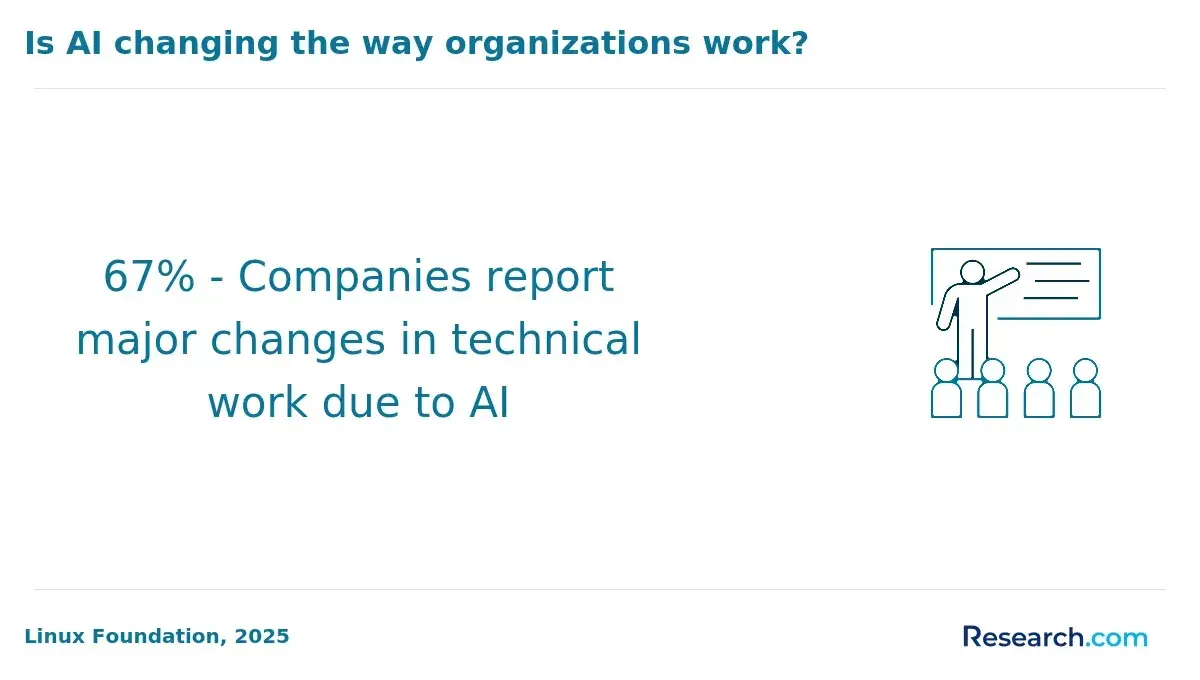
What core topics and real-world projects are included in AI adoption curricula for lenders?
AI adoption curricula for lending operations teams center on critical skills like data analytics, machine learning models for credit scoring, risk assessment algorithms, and compliance automation. These courses highlight practical uses of natural language processing, including customer service chatbots and fraud detection systems. A strong focus on model interpretability and regulatory compliance equips learners to manage challenges in the highly regulated lending industry.
Real-world projects often involve building predictive models for loan default probability by leveraging datasets that capture borrower profiles and economic trends. Participants create AI-powered workflows to automate loan approvals, boosting operational efficiency. Another typical project focuses on developing personalized offer engines that analyze customer transactions to improve cross-selling strategies.
Hands-on exercises include integrating AI outputs with existing loan management platforms for smooth adoption. Case studies explore issues such as bias mitigation in credit decisioning tools and enhancing customer engagement with personalized communication approaches. Testing scenarios for stress measurement under regulations such as the Dodd-Frank Act are also emphasized.
According to BCG, banks using advanced analytics and AI to tailor offers and interactions see 10-15% revenue uplift and 20-30% higher customer satisfaction scores compared to peers. This demonstrates how technical skills combined with strategic deployment create significant value in lending.
How long do AI adoption courses for lending operations take and what do they cost?
AI adoption courses for lending operations vary from 4 to 12 weeks, tailored to different training depths. Shorter 4 to 6-week programs focus on foundational concepts such as automated underwriting and fraud detection. More extensive 8 to 12-week courses cover advanced topics like machine learning integration, regulatory compliance, and data ethics, often including hands-on projects and real-world case studies to enhance operational skills.
Pricing depends on the provider and course scope. Entry-level options start around $500, aimed at individual professionals or small teams. Mid-tier programs range from $1,500 to $4,000 and offer more detailed instruction with personalized support. Executive or enterprise-level training can exceed $7,000 per participant, often featuring tailored consulting and deployment guidance.
Investing in these programs yields strong returns; the World Economic Forum notes companies achieve a 124% return on investment through reskilling, factoring in productivity gains and reduced hiring costs. Lending teams completing AI training typically reduce loan processing times by 20-40% and enhance risk assessment accuracy, making the upfront expense worthwhile with measurable improvements.
When selecting courses, teams should assess their current AI familiarity, budgets, and project deadlines. Flexible online formats suit working professionals, while in-person workshops provide immersive experiences ideal for enterprise adoption. Aligning course format with organizational needs ensures effective skills development.
Which accreditation, certificates, or industry endorsements matter for AI programs in lending?
Accreditation, certificates, and industry endorsements play a vital role in AI adoption programs tailored for lending operations teams by validating the necessary skills and knowledge. Lending professionals should prioritize certifications that focus on practical AI applications within financial services over generic tech credentials.
Leading accreditations come from respected bodies such as the Global Association of Risk Professionals (GARP) and the Data Science Council of America (DASCA). Credentials like Certified Artificial Intelligence Practitioner (CAIP) or finance-specific AI certificates from these organizations indicate mastery of relevant AI concepts, risk models, and compliance standards.
Endorsements from banking regulators or partnerships with recognized AI technology firms also enhance credibility. Programs backed by entities like the Federal Reserve or major AI platform providers involved in credit scoring algorithms demonstrate adherence to industry best practices.
Addressing the AI skills gap in leadership is critical. IBM's Global AI Adoption Index reports that 42% of banking and financial firms identify lack of AI expertise as a top barrier to scaling AI. Accredited programs and certified officers help close this gap by ensuring teams grasp AI's regulatory, ethical, and technical demands in lending.
Prospective students should seek certifications offering hands-on projects in natural language processing for loan documentation, AI-driven risk assessment, and fraud detection. Programs with continuous updates on evolving AI standards and regulations help maintain relevance in this dynamic field.
What career paths, job titles, and promotion opportunities can follow AI adoption training?
Training in artificial intelligence within lending operations creates specialized career paths focused on data-driven decision-making and automation. Common roles include AI analyst, machine learning specialist, automation strategist, and data engineer. As professionals advance, they may become AI project managers or chief data officers, combining technical expertise with leadership in AI integration and compliance.
Promotion often follows mastery of AI tools, with opportunities to lead enterprise-wide AI adoption and change management. Research from Deloitte shows that lenders with formal AI learning programs are 2.3 times more likely to successfully scale AI compared to those without such training, highlighting the importance of structured education.
Beyond technical roles, AI-trained lending professionals can influence risk management, credit modeling, and customer experience innovation. For instance, credit analysts proficient in AI-driven models may help develop or validate AI-based credit scoring algorithms. Operations managers with AI expertise can lead automation efforts to improve loan processing efficiency and accuracy.
Continuous AI education aligned with evolving regulatory and ethical standards enhances career growth. Gaining practical experience and certifications in AI and data science strengthens qualifications for senior roles overseeing AI governance and strategy within lending institutions.
What salary ranges and job outlook can lending professionals expect after adopting AI skills?
Lending professionals with AI skills can expect notable salary boosts and an improving job market. Entry-level lending analysts knowledgeable in AI typically earn between $70,000 and $90,000 annually. Mid-career experts specializing in credit risk assessment or loan underwriting often command salaries from $95,000 to $130,000. Senior specialists and AI strategy leads may surpass $150,000, thanks to their expertise in machine learning models, workflow automation, and enhancing decision accuracy.
Integrating AI directly supports evolving lending responsibilities such as predictive credit scoring, fraud detection, and portfolio optimization. This skillset reduces operational costs and strengthens risk management. PwC projects AI could add up to $1.2 trillion in value to the global banking sector by 2030, primarily through improved credit analysis and boosted productivity.
Job demand for AI-capable lending officers is expected to grow annually by over 15%, outpacing traditional roles due to automation. Companies seek professionals who can manage algorithmic credit models and ensure compliance with AI-driven regulations.
To stay competitive, lending professionals should focus on:
- Data analytics platforms
- AI-based loan evaluation software
- Regulatory frameworks governing AI use
This blend of finance and technology expertise aligns with current hiring trends and opens pathways to higher income and career resilience.
Other Things You Should Know About Artificial Intelligence
Common challenges include integrating AI systems with existing legacy platforms, ensuring data quality and security, and navigating regulatory compliance. There is also the need to address staff resistance due to fear of job displacement and the requirement for ongoing training to keep pace with evolving AI technologies.
Artificial intelligence enhances decision-making by analyzing large datasets quickly to identify patterns not easily seen by humans. This leads to more accurate credit risk assessments, faster loan approvals, and personalized lending offers, improving both efficiency and customer experience.
Ethical considerations include avoiding bias in AI algorithms that could unfairly discriminate against certain borrower groups. Transparency, privacy, and accountability must also be maintained to ensure lending decisions comply with fair lending laws and protect consumer rights.
In 2027, it's crucial to consider the course's relevance to industry trends, its focus on practical use-cases, instructor expertise, and flexibility to accommodate different learning styles when choosing an AI adoption course for lending operations teams.
References
- The Impact of AI on Corporate Training https://cpc.tsu.edu/blog/2025/02/03/the-impact-of-ai-on-corporate-training/
- AI Adoption Plan: Professional and Business Services https://www.gov.uk/government/publications/ai-champions-ai-adoption-plans/ai-adoption-plan-professional-and-business-services
- AI Training Courses | Artificial Intelligence Training for Business | Finance Training Academy https://financetrainingacademy.com/ai-training-courses/
- AI in Financial Services | Professional Certification from Upstart https://www.upstart.com/ai-certification
- Best AI Courses for Finance & Business Professionals (2026) https://www.wallstreetprep.com/knowledge/best-ai-courses-for-finance-business-professionals/
- AI Training for Finance Professionals: The Complete Guide https://www.learnsignal.com/blog/ai-training-finance-professionals-complete-guide/
- AI for Finance Training in Malaysia https://www.nobleprog.com.my/ai-for-finance-training
- AI Adoption Programme: How to Accelerate Enterprise AI Transformation | Talan - Site groupe https://www.talan.com/global/en/ai-adoption-program-enterprise
- AI-Powered Finance: The Key to Inclusion and Innovation - Institute for Capital Market Research Malaysia (ICMR) https://www.icmr.my/ai-powered-finance-the-key-to-inclusion-and-innovation/
- AI CERTs Accreditation - Vital Learning Edge https://vitallearningedge.com/aicerts-accreditation/