2027 Best AI Courses for Small Business Owners

Co-Founder and Chief Data Scientist
Small business owners often struggle to integrate artificial intelligence effectively due to limited technical backgrounds and tight schedules. Without clear guidance, selecting the right courses to build practical skills can become overwhelming. This gap hinders their ability to leverage AI for improving operations, marketing, or customer engagement. The challenge lies in finding flexible, credible programs that accommodate non-technical learners while delivering actionable knowledge to enhance business outcomes. This article examines the best available AI courses tailored for small business owners, focusing on accessibility, accreditation, and real-world application to help bridge this expertise gap efficiently.
Key Things You Should Know
- Small business owners increasingly adopt artificial intelligence courses to enhance operational efficiency, with 67% reporting improved decision-making within six months of training, according to 2025 industry surveys.
- Top-rated 2026 AI courses focus on accessible tools, automation, and data analytics, providing practical skills aligned with evolving market demands and budget constraints.
- Completion rates of AI courses for entrepreneurs rose by 22% in 2025, reflecting growing recognition of AI's role in competitive advantage and innovation for small businesses.
Advance Your Career with AI Online Courses
Artificial Intelligence: Implications for Business Strategy
This program provides an introduction to Artificial Intelligence and their implications for business strategy. Earn an official digital certificate.

Oxford Artificial Intelligence Programme
Explore this Oxford Artificial Intelligence programme offered in a flexible learning environment and explore topics like machine learning, automation, and robotics.

Implementing Agentic AI: Building Your Organizational Playbook
This online MIT Agentic AI course offers a practical approach to deploying AI agents in your organization, including a custom playbook. 3 weeks, exclusive launch price.

AI Adoption: Driving Business Value and Impact
This online MIT AI Adoption: Driving Business Value and Impact offers practical frameworks to close the gap between AI potential and business reality.

Artificial Intelligence in Pharma and Biotech
Discover the applications and limitations of artificial intelligence in pharma and biotech with this MIT online short course.

What makes an AI course valuable specifically for small business owners?
AI applications tailored for small business growth focus on practical artificial intelligence skills for entrepreneurs that improve everyday operations and profitability. Courses designed for small business owners emphasize hands-on knowledge in automating tasks, enhancing customer engagement, optimizing inventory, and applying data-driven marketing strategies. Instead of theory or advanced research models, effective training centers on AI tools that integrate seamlessly within existing workflows.
These courses address common challenges like limited resources and time constraints. For example, natural language processing modules help implement chatbots that reduce customer service costs, while machine learning lessons improve sales forecasting and cash flow management. Understanding data privacy and ethical AI use is also crucial, given the sensitive customer data small businesses handle without dedicated compliance staff.
McKinsey's 2025 Global AI Survey shows small and midsize firms adopting AI at scale see a median 10-20% increase in EBIT, with 23% attributing over 20% of earnings to AI, underscoring the financial impact of effective AI use. Ideal programs offer:
- Hands-on projects simulating real business scenarios
- Guidance on selecting scalable AI tools
- Insights into cost-benefit analysis of AI investments
- Strategies for integrating AI without disrupting operations
Aspiring learners interested in expanding their knowledge can also explore a computer science degree accelerated path to deepen their technical foundation and expand career opportunities.
Advance Your Career with AI Online Courses
Artificial Intelligence: Implications for Business Strategy
This program provides an introduction to Artificial Intelligence and their implications for business strategy. Earn an official digital certificate.
Oxford Artificial Intelligence Programme
Explore this Oxford Artificial Intelligence programme offered in a flexible learning environment and explore topics like machine learning, automation, and robotics.
Implementing Agentic AI: Building Your Organizational Playbook
This online MIT Agentic AI course offers a practical approach to deploying AI agents in your organization, including a custom playbook. 3 weeks, exclusive launch price.
Which types of AI skills do small business owners need to learn first?
Small business owners benefit greatly by mastering essential artificial intelligence skills for entrepreneurs that enhance decision-making, efficiency, and customer engagement. Key competencies include data literacy, basic machine learning principles, and automation tools. Data literacy helps interpret business metrics and customer data accurately, enabling smarter decisions. Grasping machine learning essentials allows owners to recognize opportunities for AI to optimize tasks like inventory forecasting or personalized marketing.
Automation skills focus on deploying AI-powered workflow technologies such as chatbots for customer service or automated email campaigns. These reduce repetitive tasks, freeing leaders to concentrate on strategy and growth. Understanding natural language processing fundamentals also boosts effective use of AI-driven communication platforms. A strong emphasis on AI ethics and data privacy awareness safeguards customer trust and ensures compliance, reducing risks tied to bias and security.
Practical learning matters; a Coursera-Ipsos survey reports 77% of business learners prioritize hands-on, project-based AI courses. Thus, applying knowledge through projects such as building predictive models or chatbots enriches skill development.
To cultivate AI skills, small business owners should learn a phased approach that involves:
- Data analysis and interpretation
- Basic machine learning principles
- Automation and AI-powered business tool deployment
- Natural language processing fundamentals
- AI ethics and data privacy awareness
For U.S. professionals seeking education pathways related to AI and engineering, exploring the cheapest online computer engineering degree can be an affordable step toward building these vital competencies.
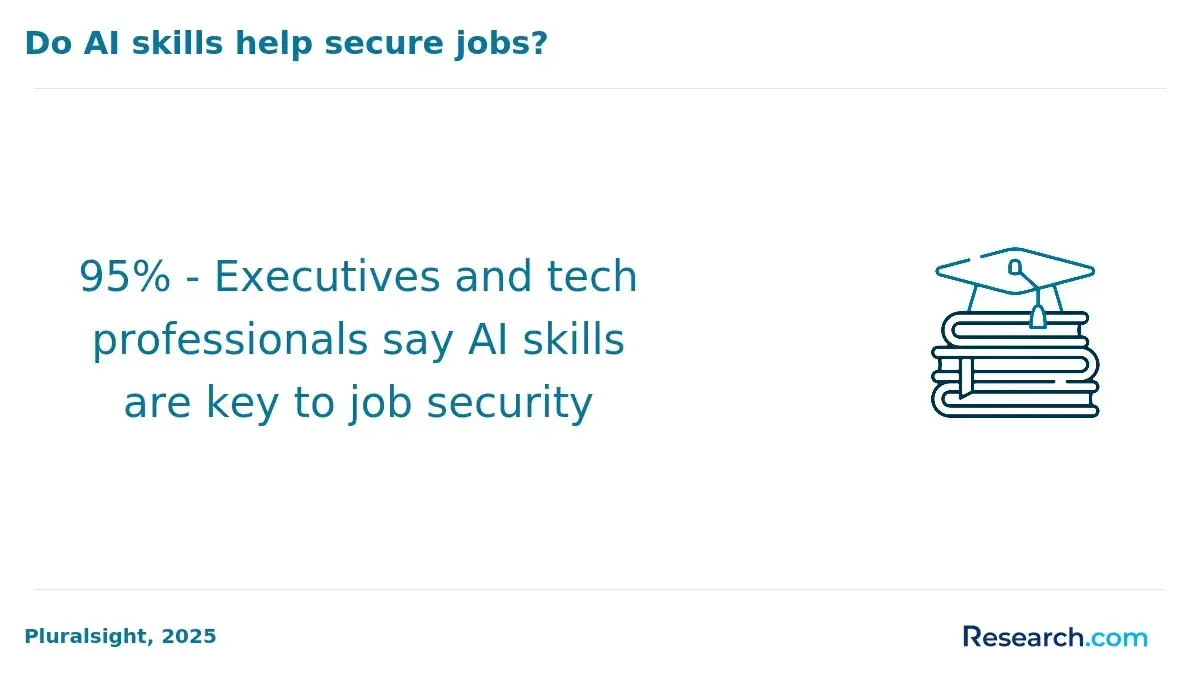
How do online AI courses compare with in-person options for small business owners?
Online AI courses offer small business owners flexible and affordable education that suits varied schedules, allowing learning at their own pace without disrupting daily operations. This accessibility is a key advantage over in-person training, which often involves higher costs and less scheduling flexibility. Although in-person courses provide immediate face-to-face interaction for networking and real-time feedback, online courses are often more cost-effective and practical for busy entrepreneurs.
The benefits of online artificial intelligence learning for small business owners also include access to specialized content. Many platforms offer targeted modules on marketing automation, inventory management, or customer analytics-topics directly applicable to small businesses. Such customization is less common in in-person settings, which generally cover broader concepts.
Cost is crucial: Intuit QuickBooks' 2025 survey found that 48% of U.S. small business owners who use AI first gained skills through free online courses or tutorials. This highlights the financial advantage of online resources over typically tuition-based in-person classes. However, online learning challenges include limited immediate interaction and possible distractions, so supplementing with peer discussions or local workshops is beneficial.
Deciding between online AI courses versus in-person training for small business owners depends on budget, time, and learning style preferences. Many find that combining both approaches maximizes practical knowledge and networking opportunities. For those interested in advanced education, consider exploring a PhD in AI online to deepen expertise and career prospects.
What are the main types of AI programs and credentials available in the U.S.?
In the U.S., AI certification programs generally fall into three main types: executive and strategy-focused courses, technical certifications, and academic degree programs. Executive courses from institutions like Harvard, MIT, and Oxford are designed for business leaders aiming to apply AI in organizational strategy. For instance, 84% of participants in MIT Sloan's "Artificial Intelligence: Implications for Business Strategy" course launched AI projects within a year, showing clear business impact.
Technical certifications from providers such as Microsoft, Google, and IBM emphasize practical skills in machine learning, data analysis, and AI deployment. Examples include certifications like TensorFlow Developer or Azure AI Engineer, typically completed in months by professionals who create or manage AI systems. These credentials are among the top AI credentials for U.S. small business owners seeking to develop operational expertise.
Academic programs range from bachelor's to PhD degrees in fields like computer science with AI specializations or data science, offering deep theoretical and practical knowledge. Increasingly, flexible online formats support working professionals. Many students pursuing an accelerated cyber security degree online find these options convenient for balancing work and study.
Choosing the right credential depends on individual goals: executive programs enhance strategic leadership, technical certificates build hands-on AI skills, and degrees provide robust domain expertise. Aligning your choice with your needs and budget is critical when selecting the main types of AI certification programs in the U.S.
How can I evaluate whether an AI course or certificate is reputable and accredited?
Verifying the accreditation and institutional backing of an artificial intelligence course or certificate is essential. Accredited programs undergo thorough evaluation by recognized educational bodies, such as regional accreditors or industry-specific organizations. Certificates from reputable universities, professional associations, or established training providers hold far more credibility than those from unknown or unverified sources.
It is important to ensure the curriculum aligns with practical industry needs, especially for small businesses. According to the Small Business & Entrepreneurship Council's 2025 survey, 76% of small businesses using AI rely mainly on no-code tools and SaaS platforms. Prioritize courses that emphasize these real-world applications instead of solely coding-focused programs centered on custom AI model development.
Assess instructor credentials for proven expertise and updated knowledge reflecting current ai trends. Programs including case studies or projects involving automation of customer service or data analysis via no-code platforms often provide more relevant skills.
Transparent student feedback and third-party reviews can reveal a course's actual effectiveness. Confirm if certificates demonstrate measurable achievements, such as project completions, skills assessments, or recognized industry examinations.
Lastly, consider how the certificate aligns with your professional goals. Certificates linked to recognized industry certifications or continuing education units (CEUs) may enhance credibility and career advancement opportunities.
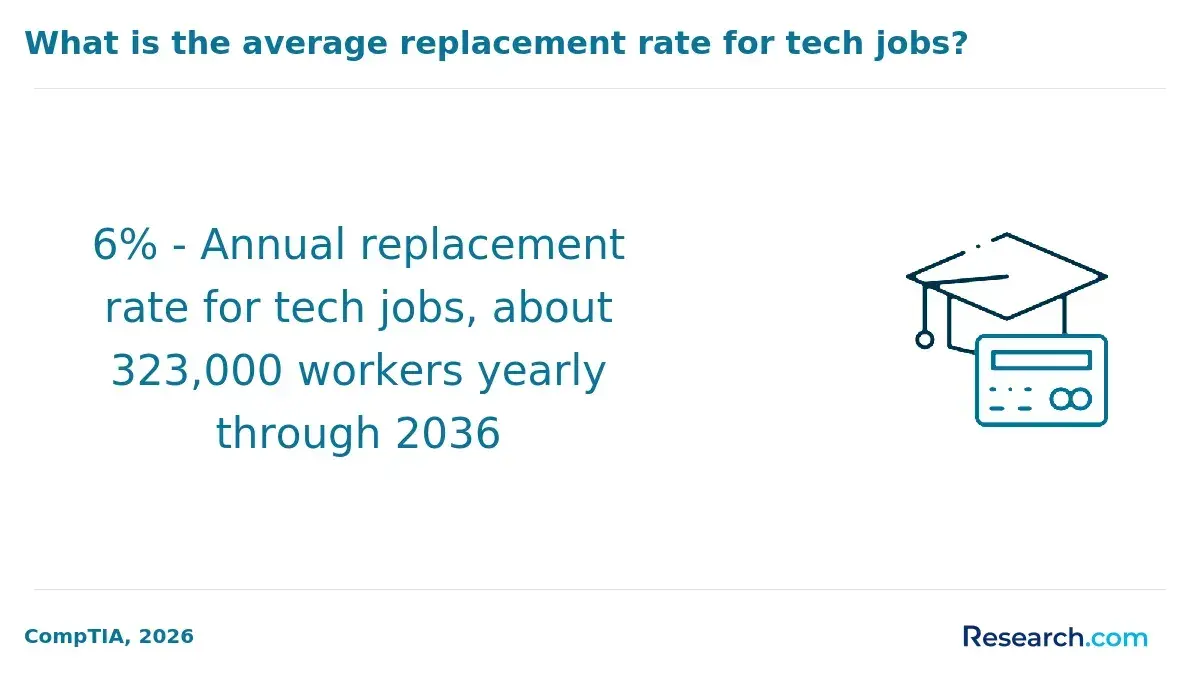
What topics and tools are typically covered in AI courses for small businesses?
AI courses for small business owners cover practical topics designed to improve efficiency and customer engagement. They introduce foundational concepts like machine learning, natural language processing, and data analytics, then focus on applying AI-driven automation to streamline everyday tasks such as inventory management, scheduling, and financial forecasting.
Marketing applications take center stage, featuring tools like AI-powered chatbots, predictive analytics for customer behavior, and personalized content creation. For instance, many courses show how platforms leverage AI to double content output without increasing staff, as noted in HubSpot's 2025 State of Marketing report, where 64% of small and midsize businesses saw this growth.
Hands-on experience with AI-enhanced CRM platforms such as HubSpot and Salesforce Einstein is common. Business owners learn to use AI for targeted advertising, lead scoring, and sentiment analysis to make smarter decisions.
These courses also cover challenges like data privacy compliance, bias in AI models, and selecting affordable solutions tailored to small budgets. Practical lessons help identify processes most likely to benefit from AI, evaluate return on investment, and smoothly integrate AI tools into existing workflows.
This approach equips small business owners to implement AI confidently, boosting productivity and customer satisfaction while managing risks and costs effectively.
What are typical admission requirements, time commitments, and costs for AI programs?
Admission requirements for AI programs targeting small business owners vary by course level and provider. Many beginner courses require only a high school diploma or equivalent. Advanced certificates or degree programs often expect prior knowledge in programming, statistics, or business fundamentals. Practical experience in business operations or finance can be beneficial, but is not always required. Several platforms offer self-paced modules without formal admissions, which suit entrepreneurs managing busy schedules.
Time commitments differ significantly:
- Short courses or bootcamps usually require 10 to 20 hours over a few weeks, flexible enough for business owners with daily responsibilities.
- Certificate or diploma programs often span 3 to 6 months part-time, with 5 to 10 hours per week.
- Full-time degree programs in AI or data science typically take 1 to 2 years, designed for those seeking deep expertise or career changes.
Costs range widely, from free beginner courses to professional certificates priced between $500 and $2,000. University-affiliated programs and intensive bootcamps can exceed $5,000, reflecting their credential value. Investing in AI education offers tangible benefits: a notable 2024 Intuit survey revealed that small businesses using AI-enhanced bookkeeping and cash-flow tools were 40% less likely to encounter cash-flow problems.
How can AI training improve small business operations, marketing, and decision-making?
AI training enhances small business operations by automating repetitive tasks, helping owners save valuable time. Automation platforms like Zapier and Make enable building workflows that minimize manual effort, boosting productivity. According to Zapier's 2024 Automation Benchmark Report, small businesses using AI-powered automation saved a median of 3.7 hours weekly per employee on routine tasks, allowing staff to focus on customer engagement and strategic planning.
In marketing, AI allows small businesses to run data-driven campaigns through tools that support customer segmentation, personalized content, and social media scheduling. AI-powered email platforms tailor messages based on user behavior, increasing engagement efficiently.
AI education also empowers business owners to analyze complex data with skills in predictive analytics and business intelligence. This capability helps forecast demand, optimize inventory, and make smarter decisions rooted in real-time insights rather than intuition.
Practical AI training addresses challenges such as limited budgets and staff shortages by teaching scalable, cost-effective solutions. Hands-on experience builds confidence, enabling daily AI use and consistent operational improvement. Small businesses leveraging these tools can better compete with larger firms while achieving measurable ROI.
What AI-related career paths and roles can small business owners or staff pursue?
Small business owners and employees can pursue numerous AI-related careers that boost efficiency and enhance customer engagement. Roles such as AI integration specialists focus on implementing and customizing AI-driven tools within CRM or other industry software. According to Salesforce's 2024 SMB Trends Report, 73% of high-growth small businesses employ industry-specific AI features, compared to only 39% of low-growth ones, underscoring the value of this expertise.
Data analysts with AI skills interpret customer data, sales trends, and operational metrics, aiding data-driven decision-making. AI customer experience managers improve interactions using chatbots and predictive analytics, especially in retail and hospitality. Meanwhile, AI-driven marketing strategists use machine learning to optimize advertising campaigns and personalize outreach.
Industry-specific courses allow professionals to apply AI in areas like retail inventory forecasting, hospitality automation, or professional service scheduling. For instance, AI logistics coordinators streamline supply chains with machine learning, while AI compliance officers ensure ethical and regulatory adherence in sensitive industries.
Successful AI roles require technical proficiency in data analysis platforms, software configuration, and an understanding of sector-specific challenges. Those with technical backgrounds might advance into AI project management or development. Continuous industry-focused learning helps maintain competitive, measurable AI skills that deliver significant business value.
How should I choose the best AI course based on my industry, budget, and goals?
Selecting the best AI course hinges on matching it to your industry, budget, and business goals. For example, retail professionals should explore courses focusing on customer behavior analytics and inventory automation, while service providers may prioritize AI for client management and operational efficiency. Identifying your sector's core challenges helps pinpoint relevant skills.
Budget plays a major role in course choice. Self-paced online programs usually cost less than instructor-led ones but require discipline. Course prices typically range from $500 to $3,000, with executive options costing more. According to a 2025 GMAC survey, 68% of small and midsize U.S. business leaders reported positive ROI within a year of completing AI training, with a median revenue increase of 8% from applying learned techniques.
Clarifying your objectives is crucial. Are you aiming to deploy AI-powered marketing tools, automate logistics, or build predictive analytics? Some courses emphasize coding and machine learning theory, while others focus on practical applications without heavy technical depth. Beginners seeking hands-on experience should avoid overly theoretical programs.
Consider if certification, post-course support, or access to AI tools matter. Healthcare entrepreneurs might need courses integrating regulatory compliance and AI use, whereas manufacturers could benefit from production optimization modules. Prioritize programs featuring industry-specific case studies and expert guidance to enhance real-world outcomes.
Other Things You Should Know About Artificial Intelligence
In 2027, the best value AI courses for small business owners include Coursera's "AI for Everyone by Andrew Ng," edX's "AI: Implications for Business Strategy," and LinkedIn Learning's "AI Foundations: Machine Learning." These courses offer a comprehensive understanding of AI applications in small businesses, ensuring high return on investment.
Protecting data involves using secure AI platforms and following best practices in cybersecurity, such as encryption and access controls. Small businesses should also comply with data protection regulations like GDPR and CCPA to safeguard customer information. Regular audits and risk assessments can help identify vulnerabilities in AI systems.
Artificial intelligence can automate repetitive tasks, freeing employees to focus on more strategic and creative work. However, this shift may require reskilling or upskilling of staff to work effectively alongside AI technologies. Small business owners should prepare for changes in job roles and provide appropriate training.
Yes, there are numerous online communities, industry groups, and government programs designed to help small businesses implement and understand artificial intelligence. These resources often provide educational materials, case studies, and access to experts. Joining such networks can facilitate knowledge sharing and practical guidance for AI adoption.
References
- Generative AI For Small Business Part 1: How AI is Transforming Small Businesses https://blog.iil.com/how-ai-is-transforming-small-businesses/
- How much does it cost to train frontier AI models? https://epoch.ai/publications/how-much-does-it-cost-to-train-frontier-ai-models
- What are the Pros and Cons of Virtual vs In-Person AI Training? - Bizzuka https://www.bizzuka.com/pros-and-cons-of-virtual-vs-in-person-ai-training/
- AI training and tools for small businesses | Grow with Google https://grow.google/ai-for-small-businesses/
- AI for Small Business Course https://bhcourses.com/ai-hub/ai-for-small-business-uk
- Is an Artificial Intelligence Certification Valuable For My Career? https://www.utsa.edu/pace/news/artificial-intelligence-certification-valuable-for-my-career.html
- Best AI Courses & Certificates Online 2025 https://everworker.ai/blog/best-ai-courses-certificates-online-2025
- AI Tools for Small Businesses - 6 Week Short Course https://thecodersguild.org.uk/short-course/ai-tools-for-small-businesses/
- AI Literacy For Startups and Small Businesses: Applications + Tips https://www.salesforce.com/blog/small-business/ai-literacy-for-startups/
- AI Courses for Beginners: Your Business Training Guide | GoSkills https://www.goskills.com/ai/resources/beginner-ai-courses