2027 Best AI Agent Courses for Senior Managers

Co-Founder and Chief Data Scientist
Senior managers often face challenges integrating artificial intelligence into their organizations without a technical background. Lack of specialized knowledge can hinder strategic decision-making and limit their ability to lead AI-driven initiatives effectively. This gap slows digital transformation and reduces competitive advantage in fast-evolving markets.
Finding flexible, accredited learning paths tailored for non-technical professionals becomes essential to bridge this knowledge divide. This article explores the best AI agent courses designed specifically for senior managers, highlighting options that balance rigorous education with practical application, enabling leaders to confidently navigate and implement artificial intelligence strategies in their organizations.
Key Things You Should Know
- Courses in 2026 emphasize practical AI agent deployment, with 72% of programs offering hands-on projects paired with leadership case studies to prepare senior managers effectively.
- Curricula increasingly integrate ethics and governance, reflecting 65% of institutions' focus on responsible AI use tailored for executive decision-making roles.
- Average program length ranges from 8 to 16 weeks, accommodating busy professionals seeking to upskill without interrupting their management responsibilities.
Advance Your Career with AI Online Courses
Artificial Intelligence: Implications for Business Strategy
This program provides an introduction to Artificial Intelligence and their implications for business strategy. Earn an official digital certificate.

Oxford Artificial Intelligence Programme
Explore this Oxford Artificial Intelligence programme offered in a flexible learning environment and explore topics like machine learning, automation, and robotics.

Implementing Agentic AI: Building Your Organizational Playbook
This online MIT Agentic AI course offers a practical approach to deploying AI agents in your organization, including a custom playbook. 3 weeks, exclusive launch price.

AI Adoption: Driving Business Value and Impact
This online MIT AI Adoption: Driving Business Value and Impact offers practical frameworks to close the gap between AI potential and business reality.

Artificial Intelligence in Pharma and Biotech
Discover the applications and limitations of artificial intelligence in pharma and biotech with this MIT online short course.

What is an AI agent course for senior managers and who should enroll?
An AI agent course for senior management professionals equips business leaders with the strategic insights and managerial skills needed to effectively implement AI-driven automation and decision-making systems. These executive training in artificial intelligence agent applications focus on real-world leadership challenges such as project management, technology integration, ethical considerations, and change management.
Senior managers learn to evaluate AI agent capabilities, align them with organizational goals, and make informed decisions about AI adoption and resource allocation. Such courses are vital for executives leading digital transformation, innovation, or operational improvements across industries like finance, healthcare, manufacturing, and retail.
For instance, a healthcare senior manager might oversee the deployment of virtual assistants to enhance patient scheduling and care coordination. Professionals who pursue these programs include chief technology officers, product managers, operations directors, and business unit leaders aiming to maintain a competitive edge in a tech-driven market.
According to PwC's 2025 Global AI Jobs Outlook, professionals spearheading AI-agent-enabled transformations can receive compensation premiums up to 56% higher than peers not working with AI at scale. This demonstrates clear career benefits of mastering AI agent expertise in leadership roles.
Courses range from short executive workshops to comprehensive certificate programs, often featuring case studies, simulations, and strategy development tailored to management needs. For those exploring career options, the AI career path offers diverse opportunities linked to managing AI implementations effectively at senior levels.
Advance Your Career with AI Online Courses
Artificial Intelligence: Implications for Business Strategy
This program provides an introduction to Artificial Intelligence and their implications for business strategy. Earn an official digital certificate.
Oxford Artificial Intelligence Programme
Explore this Oxford Artificial Intelligence programme offered in a flexible learning environment and explore topics like machine learning, automation, and robotics.
Implementing Agentic AI: Building Your Organizational Playbook
This online MIT Agentic AI course offers a practical approach to deploying AI agents in your organization, including a custom playbook. 3 weeks, exclusive launch price.
How can AI agent training help senior managers lead digital transformation?
AI agent training gives senior managers the skills needed to lead AI-driven digital transformation training for executives, enabling data-driven decisions and operational improvements. With expertise in autonomous AI agents, leaders can optimize processes, automate routine tasks, and focus on strategic priorities. This knowledge also supports senior managers in overseeing AI integration across departments, aligning initiatives with business goals while managing associated risks.
According to McKinsey's 2024 Generative AI survey, companies that fully embed generative AI and agentic workflows see EBIT growth of 3-5 percentage points. The top performers generate value equal to 5-15% of total EBITDA, highlighting how AI agent leadership skills for senior managers translate into measurable financial gains.
Training programs enhance essential capabilities such as:
- Evaluating AI vendors and technologies to select scalable tools with high ROI.
- Leading cross-functional teams that include AI specialists to foster innovation.
- Translating complex AI outputs into actionable business strategies.
- Addressing ethical and governance challenges to ensure compliance and trust.
For instance, senior managers proficient in AI agents can identify automation opportunities in areas like supply chain management and customer service, accelerating transformation initiatives. Proficiency in AI tools also aids scenario planning and risk mitigation based on predictive analytics. Those interested in expanding their expertise may explore options for a cheapest online mechanical engineering degree to complement AI leadership skills.
What are the best types of AI agent courses for executives and senior leaders?
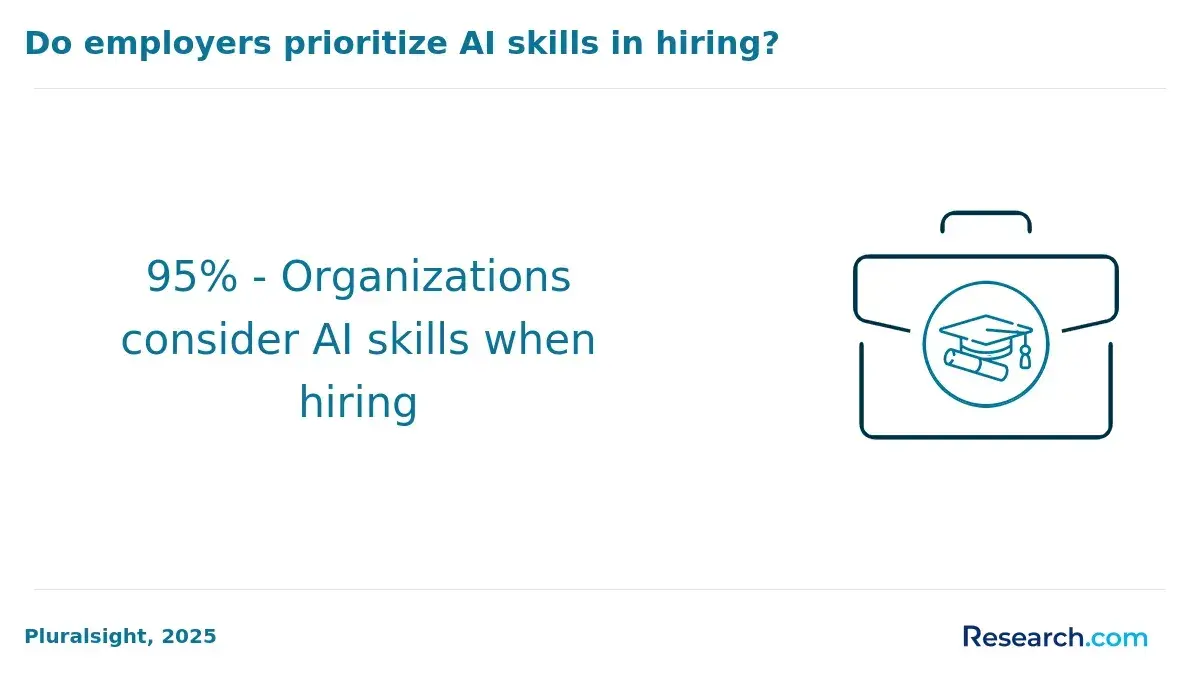
The best AI agent training programs for senior managers emphasize mastering technology alongside strategic governance. According to Deloitte's Global Human Capital Trends report, 71% of C-suite executives support AI training focused on governance, risk, and accountability. These courses provide essential frameworks to help executives oversee AI adoption responsibly and align it with organizational goals.
Executive AI agent leadership courses typically cover key areas such as:
- Governance models for ethical AI use and regulatory compliance
- Risk management addressing operational and security threats
- Accountability structures defining roles and auditability
- Business impact analysis linking AI capabilities to measurable outcomes
- Case studies on bias reduction, data privacy, and transparency
Formats range from modular executive education programs and workshops that combine AI tool proficiency with risk assessment, to leadership seminars delivered by practitioners from top consulting firms or regulatory agencies. These diverse formats are designed to meet the needs of senior leaders integrating AI into existing risk frameworks or developing robust accountability policies.
Courses often offer practical tools, such as dashboards for continuous monitoring of AI systems. For those interested, exploring video game programs can also provide complementary skills in AI and interactive technologies, enhancing leadership in this dynamic field.
What should senior managers look for in a high-quality AI agent curriculum?
Senior managers looking for AI agent training programs for senior management should focus on curricula that combine technical skills with leadership application. Such programs need to cover agent design, workflow automation, and integration with business processes. They must also offer practical frameworks for decision-making enhanced by AI agents, empowering managers to lead AI-driven projects confidently.
Key skills in AI agent courses for executives include:
- Comprehensive understanding of AI models and their limitations for effective risk assessment.
- Hands-on experience with agentic workflow tools that optimize collaboration between AI and human teams.
- Strategies addressing ethical governance and compliance in AI deployment within corporate environments.
With a surge in demand for AI agent expertise-highlighted by LinkedIn's 2025 Workplace Learning Report, noting a 410% increase in director-level roles requiring these skills-managers must prioritize programs featuring current industry applications. Courses that include case studies from finance, healthcare, and supply chain sectors illustrate AI agents' practical impact and prepare leaders for various challenges.
Leadership development elements like risk assessment tools, change management techniques, and communication strategies tailored to AI initiatives help bridge technical and strategic knowledge. Verified certifications with project-based assessments or simulations provide measurable outcomes to validate competence.
Prospective students seeking robust AI education can explore cybersecurity courses online that sometimes integrate relevant AI agent concepts, offering additional credentials to enhance career prospects.
How do online, hybrid, and on-campus AI agent programs compare for managers?
Online AI agent programs offer senior managers exceptional flexibility, allowing them to balance complex schedules while applying concepts through asynchronous materials and live sessions. These courses typically include hands-on, project-based modules that accelerate practical skill development. A 2025 AI Agents Academy survey found that more than 80% of C-level managers implementing AI agents did so within 60 days of completing such training.
Hybrid programs blend online learning with periodic in-person workshops, providing a balance of convenience and intensive collaboration. This setup is ideal for managers who value face-to-face troubleshooting and networking while retaining remote study flexibility. In-person sessions promote mentorship and are often essential for mastering complex AI agent strategies that involve cross-functional teams.
On-campus courses create immersive learning environments that facilitate direct faculty interaction and peer discussions. These programs focus on deeper theoretical knowledge combined with hands-on labs, making them suitable for managers aiming to lead AI-driven innovation strategically. However, time and travel commitments may be challenging for busy senior leaders.
When choosing a program, factors to consider include schedule flexibility, depth of interaction, and learning objectives. Online options excel at fast, practical deployment; hybrid models offer collaboration with convenience; and on-campus courses prioritize comprehensive mastery. Aligning course format with leadership style and organizational needs maximizes return on investment.
How can I verify accreditation and institutional quality for AI agent programs?
Check accreditation through recognized U.S. bodies like the Higher Learning Commission (HLC) or the Middle States Commission on Higher Education (MSCHE) to ensure AI agent programs meet established academic and ethical standards. Confirming accreditation via the U.S. Department of Education's or Council for Higher Education Accreditation's databases adds reliability.
Focus on AI-specific credentials by exploring partnerships with respected organizations such as IEEE or the Association for the Advancement of Artificial Intelligence (AAAI). Programs endorsed by these groups typically offer rigorous curricula aligned with industry needs.
Evaluate faculty expertise and research involvement. Faculty publishing in peer-reviewed AI journals or actively developing AI agents typically indicate strong program quality. Look for offerings that include real-world executive training, especially addressing challenges similar to those in IBM's AI Governance Survey, where 76% of large enterprises reported near-miss AI incidents but firms with formal executive AI training saw 40% fewer compliance breaches.
Consider graduate outcomes such as employment rates, leadership roles in AI governance, and verified alumni success. Investigate curricula that cover ethical AI, compliance, and governance frameworks, which are critical given current incident rates. Contact program administrators to request data on ongoing quality assessments and outcomes tracking. Transparency in reporting reflects a solid institutional commitment to delivering effective AI agent education.
What are the typical admission requirements and time commitment for AI agent courses?
Admission requirements for AI agent courses aimed at senior managers often prioritize professional experience over formal academics. Practitioner-led programs generally ask for 3-5 years of management experience, ideally within tech-driven sectors or strategic roles. Some courses may expect basic knowledge of data analytics or coding, but advanced technical skills are seldom mandatory.
University-based programs tend to require formal undergraduate degrees, transcripts, standardized test scores, and professional recommendations, reflecting a more academic emphasis. The time commitment depends heavily on the program's format. Courses typically span 8 to 20 weeks, with an expected weekly workload of 5 to 10 hours.
Intensive bootcamps compress learning into 1-2 weeks of full-time study, while part-time executive courses provide monthly schedules to suit senior managers' availability. According to Emeritus' 2024 findings, practitioner-led online AI business programs boast a 78% completion rate, substantially higher than the 38% rate seen in traditional university MOOCs designed for broader audiences.
This indicates that realistic time demands and focused admission criteria foster stronger engagement among executives. Prospective students should evaluate if a program's admission standards and time requirements match their background and availability. Practitioner-led routes often offer flexibility and practical relevance, whereas university programs require greater academic preparation and a deeper time investment.
How much do executive-level AI agent courses cost and what funding options exist?
Executive-level artificial intelligence agent courses generally cost between $5,000 and $25,000, varying by program length, institution reputation, and format. Short, intensive courses lasting one to two weeks typically range from $7,000 to $15,000, while comprehensive multi-month executive certificates can exceed $20,000. These prices reflect specialized curricula, expert faculty access, and networking opportunities designed for senior leaders.
Funding options can reduce these expenses substantially. Employers often provide tuition reimbursement or allocate professional development budgets for leadership training in emerging technologies like artificial intelligence. Corporate sponsorships, partnerships with providers, and targeted scholarships-especially for underrepresented groups and experienced executives-may offer partial or full financial support.
Veterans and public sector employees might qualify for additional grants or subsidies aimed at skill enhancement. Compared to general executive education, artificial intelligence agent programs deliver a higher median return on investment (ROI). According to the Executive Education Benchmarking Study 2024 (FT-GSE), these digital AI courses generate a median 6.2× self-reported ROI within 12 months, compared to 3.1× for leadership programs without an AI focus. This highlights the strategic value of AI expertise in senior roles.
Prospective students should evaluate total costs against expected outcomes such as skill applicability, professional networks, and career advancement. Negotiating employer support early or using flexible payment plans can further ease financial barriers. Thorough research into funding sources and ROI metrics enables informed decisions aligned with long-term career objectives.
What leadership roles and career paths can AI agent skills open for senior managers?
Senior managers proficient in AI agent skills unlock diverse leadership roles such as AI strategy executives, digital transformation leaders, and innovation officers. These positions require overseeing AI integration across business functions and aligning technology with strategic objectives. Career advancement may include roles like Chief AI Officer or Head of AI Enablement, focusing on enterprise-wide AI adoption and monitoring performance.
Additional career paths include AI program directors who coordinate cross-functional projects and vendor collaborations, and AI ethics and compliance leads responsible for responsible AI deployment. Mastery of AI agent capabilities enables leaders to drive data-informed decisions and automation efforts, enhancing organizational agility.
A 2025 BCG survey highlights that companies engaging in external executive AI programs are 2.4× more likely to succeed in comprehensive AI deployment than those relying solely on internal training. This demonstrates the value of external AI education in boosting leadership effectiveness and career progression.
Advanced AI skills prepare managers to tackle challenges such as legacy system integration, workforce reskilling, and ethical governance, while boosting credibility at the board level for investment decisions. Key leadership roles enabled by mastering AI agents include:
- AI transformation officer guiding company-wide AI adoption strategies
- Product managers overseeing AI-enabled solutions development
- Operations leads driving AI-powered efficiency improvements
- Risk and compliance managers managing AI-related regulatory challenges
These career pathways combine technical expertise with strategic leadership, positioning senior managers as essential drivers of future-ready enterprises focused on AI.
What salaries, ROI, and job outlook can senior managers expect after AI agent training?
Senior managers trained in AI agent technologies can expect notable salary increases, with median gains ranging from 15% to 25%. This often raises annual earnings from around $130,000 to over $160,000. Such growth reflects employers' increasing valuation of leaders skilled in integrating AI-driven decision-making and automation.
ROI from AI agent training tends to occur swiftly as managers apply new expertise to streamline operations, cut costs, and innovate products or services. Data from Coursera's 2025 Global Skills Report highlights a 280% year-over-year surge in enrollments for AI and agentic-AI management courses, showing strong market demand. Organizations prioritize candidates adept at using AI agents to enhance strategic positioning and competitiveness.
The job outlook remains strong for senior managers with AI expertise. The Bureau of Labor Statistics projects a 12% growth in technology-related management roles through 2030, outpacing average occupational growth. Employers seek those who blend managerial experience with technical fluency to lead AI-driven transformations.
Focus areas for maximizing benefits from AI agent training include AI ethics, agent design, and integrating AI in business workflows. Mastery of these topics supports effective leadership and measurable organizational improvements.
Other Things You Should Know About Artificial Intelligence
Senior managers need a combination of technical understanding and strategic vision to succeed with artificial intelligence. This includes familiarity with AI concepts, data literacy, and the ability to integrate AI solutions into business operations. Strong communication and change management skills are also essential to lead teams through AI-driven transformation.
Artificial intelligence enhances decision-making by providing data-driven insights and predictive analytics. It helps senior managers identify trends, optimize resources, and reduce risks. However, managers must balance AI recommendations with human judgment to ensure ethical and practical outcomes.
Common challenges include data quality issues, resistance to change among staff, and integrating AI with existing systems. Additionally, managers must address ethical concerns such as bias and transparency in AI algorithms. Effective planning and continuous learning are key to overcoming these obstacles.
The best AI agent courses for senior managers in 2027 focus on strategic AI implementation, ethical considerations, and leadership in AI projects. Top courses include those offered by MIT Sloan, the Stanford Graduate School of Business, and Harvard Business School, all geared towards equipping senior managers with strategic insight and leadership skills.
References
- What Is an AI Engineer? Job Market & Salary Guide (2025) | IntuitionLabs https://intuitionlabs.ai/articles/ai-engineer-job-market-2025
- Preparing your workforce for AI agents: A change management guide https://www.cio.com/article/4082282/preparing-your-workforce-for-ai-agents-a-change-management-guide.html
- Artificial Intelligence (AI) for Leaders and Managers Training Course https://glomacs.com/training-course/artificial-intelligence-ai-for-leaders-and-managers
- AI Agent Platform Certification for Business Leaders: Complete Guide https://everworker.ai/blog/ai-agent-platform-certification-for-business-leaders
- Group https://www.datacamp.com/courses/introduction-to-ai-agents
- AI Agents: A Primer for Executives | Ushur https://ushur.ai/blog/ai-agents-primer-for-executives
- Hybrid AI Agents: Benefits, Challenges & Enterprise Use https://www.sparkouttech.com/hybrid-ai-agent/
- Gen AI Agents: Transform Your Organization | Google Skills https://www.skills.google/paths/3980/course_templates/1267
- AI Agent Development Cost in 2026 [+Team Calculator] https://softteco.com/blog/ai-agent-development-cost
- Applied Agentic AI for Organizational Transformation | MIT Professional Education https://online.professionalprogramsmit.com/agentic-ai-organizational-transformation