2027 Best Agentic AI Courses for CFOs

Co-Founder and Chief Data Scientist
Financial leaders face mounting pressure to integrate agentic AI into strategic decision-making without formal technical training. Many CFOs struggle to identify programs that balance technical depth with business application, especially when coming from unrelated fields. The challenge lies in finding flexible, accredited courses that provide actionable skills without overwhelming prior expertise. This uncertainty can delay crucial digital transformation initiatives and hinder competitive advantage.
This article evaluates top agentic AI courses tailored for CFOs, focusing on accessibility, practical relevance, and accreditation to guide professionals seeking a career pivot while maintaining their leadership edge.
Key Things You Should Know
- Agentic AI courses for CFOs in 2026 emphasize practical applications in financial forecasting, risk management, and decision automation, reflecting a 35% growth in demand for AI-savvy finance professionals since 2024.
- Programs increasingly integrate real-world case studies and predictive analytics tools, with over 70% of courses offering hands-on projects to enhance CFOs' strategic capabilities using agentic AI.
- Top courses prioritize ethical AI use and regulatory compliance, helping CFOs navigate AI-related financial governance challenges amid evolving U.S. federal guidelines effective from 2025.
Advance Your Career with AI Online Courses
Artificial Intelligence: Implications for Business Strategy
This program provides an introduction to Artificial Intelligence and their implications for business strategy. Earn an official digital certificate.

Oxford Artificial Intelligence Programme
Explore this Oxford Artificial Intelligence programme offered in a flexible learning environment and explore topics like machine learning, automation, and robotics.

Implementing Agentic AI: Building Your Organizational Playbook
This online MIT Agentic AI course offers a practical approach to deploying AI agents in your organization, including a custom playbook. 3 weeks, exclusive launch price.

AI Adoption: Driving Business Value and Impact
This online MIT AI Adoption: Driving Business Value and Impact offers practical frameworks to close the gap between AI potential and business reality.

Artificial Intelligence in Pharma and Biotech
Discover the applications and limitations of artificial intelligence in pharma and biotech with this MIT online short course.

What are the best agentic AI courses for CFOs?
Top agentic AI training courses for CFOs focus on integrating autonomous finance technologies with strategic financial leadership. Leading programs, such as those at MIT Sloan School of Management and Wharton, emphasize finance-specific AI applications tailored for executive roles. These courses offer hands-on training with real AI platforms and case studies, enabling CFOs to implement agentic AI tools that reduce manual workload and improve accuracy.
CFO professionals seeking top agentic AI certification programs should prioritize curricula covering:
- AI strategy development aligned with corporate financial goals
- Data-driven decision frameworks using autonomous analytics
- Ethical and regulatory considerations in finance AI
- AI-driven process automation for finance operations
- Integration of agentic AI with existing ERP and financial systems
According to Deloitte's 2025 Global CFO Signals survey, 72% of CFOs plan to increase investment in AI and autonomous finance technologies within the next year, highlighting the urgency of advanced AI education. CFOs who enroll gain vital skills to enhance cash flow management, identify financial risks early, and align teams around AI-enhanced workflows.
Short, modular courses on platforms like Coursera and edX offer certifications combining finance, AI ethics, and technical tools, providing busy professionals a comprehensive skill set. Those interested in accelerating their education might also consider a 2-year computer science degree online to deepen technical expertise and stand out in this evolving field.
Advance Your Career with AI Online Courses
Artificial Intelligence: Implications for Business Strategy
This program provides an introduction to Artificial Intelligence and their implications for business strategy. Earn an official digital certificate.
Oxford Artificial Intelligence Programme
Explore this Oxford Artificial Intelligence programme offered in a flexible learning environment and explore topics like machine learning, automation, and robotics.
Implementing Agentic AI: Building Your Organizational Playbook
This online MIT Agentic AI course offers a practical approach to deploying AI agents in your organization, including a custom playbook. 3 weeks, exclusive launch price.
What does agentic AI mean for finance leaders?
Agentic AI applications for finance leaders enable CFOs to implement autonomous systems that independently handle repetitive tasks such as accounts reconciliation, cash flow forecasting, and compliance monitoring. These AI tools allow finance leaders to shift their focus toward strategic decision-making, risk management, and identifying growth opportunities.
By continuously analyzing data, agentic AI provides real-time insights that help CFOs optimize finance strategies. For instance, AI agents can autonomously detect cost-saving measures or new investment opportunities, reducing reliance on manual analysis. This capability enhances the impact of agentic AI on CFO decision making by enabling faster and more accurate outcomes under tight deadlines.
The 2025 McKinsey study reveals that adopting autonomous and generative AI can cut finance function costs by 30-40% and boost staff productivity by up to 50% among early adopters. These findings highlight the significant operational benefits agentic AI delivers, including streamlined processes and improved accuracy. Finance leaders need to understand integration methods and potential implementation challenges.
To truly harness these benefits, finance professionals should evaluate agentic AI solutions focused on compliance automation, fraud detection, and scenario modeling. Training is crucial to align AI capabilities with business goals and governance standards. Many professionals enhance their skills through degrees in AI online, enabling them to select, deploy, and oversee AI initiatives that transform finance into a highly efficient, strategic function.
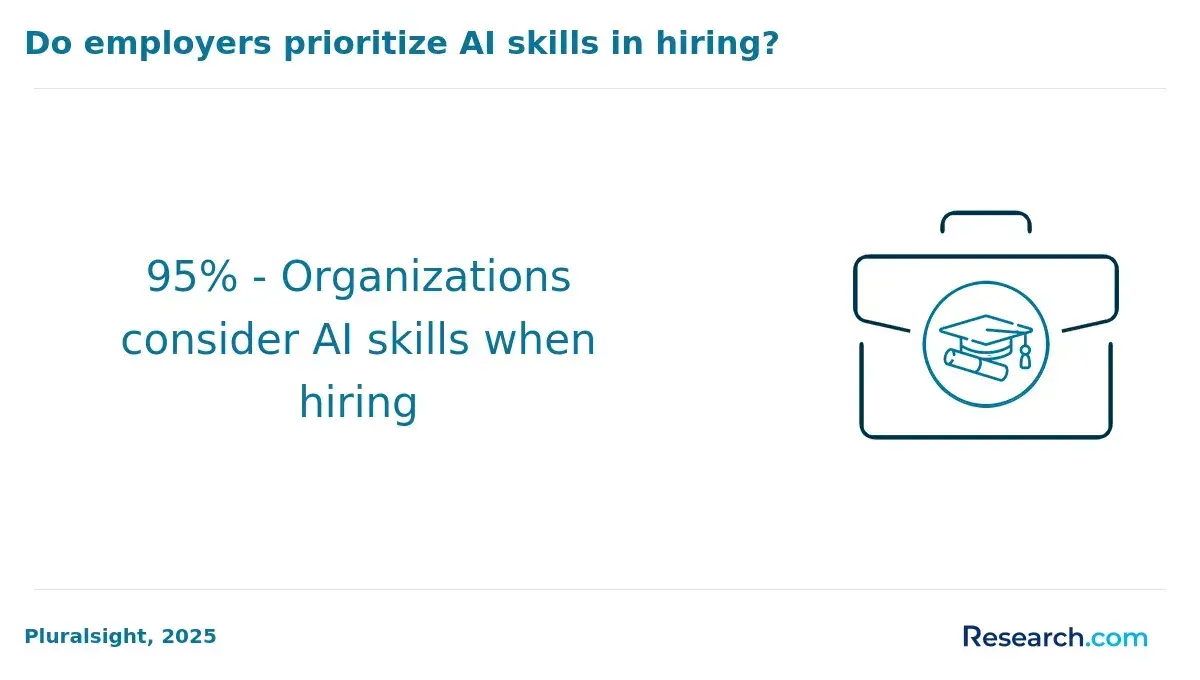
Which skills do CFOs need for agentic AI?
CFOs developing expertise in agentic artificial intelligence financial management skills must master several core areas. Proficiency in AI risk assessment and controls is vital, as PwC's 2025 AI Business Outlook reveals that while 76% of financial leaders prioritize AI governance, only 31% have mature governance models. This gap underscores the need for CFOs to design and monitor effective AI governance policies that address risks associated with autonomous decision-making systems.
Data literacy and technical knowledge of AI enable CFOs to interpret outputs accurately and manage AI-driven financial workflows. Understanding machine learning, data integrity, and model validation ensures reliability and transparency of AI tools. Regulatory compliance is another essential CFO competency for agentic AI, requiring familiarity with evolving laws on AI ethics, data privacy, and transparency to protect organizations and stakeholders.
Strategic integration skills allow CFOs to align agentic AI initiatives with business objectives, optimize operations, and evaluate ROI using predictive analytics and automation. Communication and collaboration across finance, technology, and compliance teams are crucial for translating complex AI risks into actionable insights for leadership.
Successful CFOs address challenges like mitigating AI-driven financial risks and ensuring auditability of AI systems. Professionals interested in deepening their expertise may consider pursuing an online masters in data science to strengthen these competencies.
Are online agentic AI courses better than campus programs?
Online agentic AI courses versus campus programs offer distinct advantages, especially for CFOs focusing on finance planning and analysis. Online courses provide the flexibility essential for busy professionals through asynchronous learning, without sacrificing quality. These programs often feature interactive case studies, scenario modeling, and industry-standard AI tools tailored to FP&A.
Unlike campus programs that stress theoretical foundations and may limit exposure to real-time financial data, online agentic AI training for CFOs frequently partners with technology providers to integrate the latest industry applications. For instance, courses concentrating on forecasting and scenario planning leverage newer AI models linked by Gartner's 2025 research to a 20-30% boost in forecast accuracy and a 50% cut in forecast cycle times.
Additional benefits include access to mentorship or forums with AI experts and finance professionals, which enhance practical skills. Campus programs often require physical attendance and fixed schedules, potentially delaying exposure to cutting-edge developments and reducing immediate feedback. Cost-wise, online options usually have lower tuition and avoid relocation or commuting expenses.
That said, campus programs can offer immersive networking and structured environments valuable to some learners. CFOs aiming to maximize ROI should look for online agentic AI courses emphasizing finance-specific AI techniques, project-based learning, and credentials recognized by employers. For those seeking faster career advancement, a fast track cyber security degree might also complement their skill set.
What topics are covered in CFO-focused agentic AI courses?
CFO-focused agentic AI courses equip financial leaders with skills to enhance cash flow forecasting and working-capital management through AI-driven automation. These courses emphasize optimizing liquidity and mitigating financial risks by leveraging autonomous agents. Participants learn to design treasury automation workflows that align with corporate strategy, streamlining payments, collections, and reconciliations.
Risk assessment training highlights agentic AI's role in fraud detection, compliance monitoring, and scenario planning. CFOs gain expertise in integrating financial data from diverse sources with real-time analytics, enabling improved tactical decisions and strategic planning. This foundational knowledge also addresses AI governance and ethics to ensure responsible AI deployment within finance operations.
Practical applications often include case studies on reducing days sales outstanding (DSO) and improving cash conversion cycles. According to Accenture's 2024 Autonomous Finance Report, adopting AI-driven cash and working-capital optimization can enhance free cash flow by 5-10% and reduce DSO by 3-7 days in large enterprises.
Advanced topics cover automation design and agent orchestration, showing how to build AI systems that coordinate efforts across finance, accounting, and IT. Further learning may involve AI-powered budgeting, forecasting under uncertainty, and predictive financial modeling. These capabilities prepare CFOs to lead digital transformation initiatives with measurable financial impact, reflecting the growing importance of intelligent automation in financial leadership.
What prerequisites do CFOs need for these courses?
CFOs enrolling in agentic AI courses benefit from a solid foundation in finance, accounting, and data analytics to maximize the value of the curriculum. Familiarity with financial reporting standards and compliance frameworks is critical, as many courses focus on integrating AI tools for audit, controls, and risk management. Practical experience with enterprise resource planning (ERP) systems and financial software also enhances understanding of AI-driven automation tailored to finance.
Increasingly, basic data science knowledge-including statistics and probability-is essential. CFOs need to interpret data trends, assess algorithmic results, and evaluate machine learning model effectiveness. For instance, understanding AI-augmented continuous controls monitoring can boost anomaly detection rates by 25-40% and cut manual testing by about 30%, according to KPMG's 2024 report, requires insights into both financial controls and AI techniques.
While technical skills such as Python or R programming help, they are not always mandatory. Many courses offer beginner-friendly support or access to technical experts. CFOs should be ready to engage with data visualization platforms, SQL queries, or AI dashboards to turn data into actionable strategies.
Leadership and change management expertise supports the effective implementation of agentic AI within organizations. Participants are often expected to grasp governance, ethical considerations, and regulatory frameworks related to AI in finance, requiring a multidisciplinary approach that spans technology, business, and law.
How long do agentic AI courses for CFOs take?
Agentic AI courses tailored for CFOs vary widely in length to meet different professional needs. Intensive programs typically last from 4 to 12 weeks, offering a balance between practical skills and strategic AI applications in finance. Shorter workshops, spanning 1 to 2 weeks, focus on foundational AI concepts and their direct impact on financial decision-making. For busy CFOs, modular or part-time courses can extend from 3 to 6 months, enabling ongoing learning alongside work duties.
Choosing the right duration depends on learning goals and available time. Rapid courses help address immediate business challenges, while longer programs support deeper mastery of AI-driven forecasting, governance, and ethical considerations. Some curricula integrate advanced data analytics and leadership training in AI transformation, stretching over several months.
According to Ernst & Young's 2025 CFO Agenda survey, 64% of CFOs say their teams lack sufficient AI and data literacy, and 58% plan substantial upskilling within two years. This highlights the urgency for CFOs to carefully select programs aligning with current gaps and strategic needs.
To maintain proficiency as AI evolves, ongoing microlearning and refresher sessions are beneficial. CFOs can enhance decision-making by combining foundational workshops with extended courses tailored to long-term leadership roles in agentic AI.
How much do agentic AI courses for CFOs cost?
Agentic AI courses for CFOs can cost between $500 and over $5,000 depending on the provider, course depth, and delivery method. Entry-level courses from online platforms or community colleges typically range from $500 to $1,200, offering foundational knowledge suitable for CFOs with limited time. More advanced programs, including executive education and certifications from universities, often range from $2,000 to $5,000 and may feature personalized coaching and live case study sessions designed for finance leaders.
Subscription-based platforms providing ongoing access to a variety of AI and automation courses relevant to financial roles usually charge monthly fees between $50 and $150. These options benefit CFOs seeking continuous learning and up-to-date skills.
Employers often subsidize or cover these educational costs, recognizing AI fluency as essential to strategic finance. When budgeting independently, CFOs should evaluate course content rigor, access duration, and post-course support since higher prices don't always correlate with better relevance. Verifying providers' expertise in finance-specific AI applications is critical.
A 2025 LinkedIn Learning analysis highlighted a 110% year-over-year growth in enrollments for AI and automation finance courses, indicating a rising demand that could improve pricing and course variety.
Key cost considerations include:
Which certifications matter for CFOs studying agentic AI?
Certifications focused on practical uses of agentic AI in finance are vital for CFOs aiming to enhance decision-making and operational efficiency. Leading programs cover AI strategy, machine learning basics, and finance-specific AI applications. For instance, certifications like the Certified AI Finance Professional (CAIFP) and specialized AI tracks from top business schools concentrate on deploying autonomous AI agents to boost financial forecasting, risk management, and reporting automation.
These certifications emphasize measurable impacts such as cost savings and revenue growth, aligning with Houseblend's 2026 "AI Agents in Finance: A CFO Guide", which notes CFOs dedicate around 25% of AI budgets to agentic AI and expect a 20% combined increase in revenue and savings. Training often includes ROI evaluation, KPIs, and budget optimization, delivering immediate practical benefits.
Advanced courses provide hands-on experience with AI marketplaces, data ethics, and regulatory compliance, helping CFOs oversee scalable and compliant AI deployment. They also address collaboration challenges between AI agents and finance teams, covering explainable AI and autonomous risk assessment to foster trust and transparency.
Ideal certifications present up-to-date case studies on agentic AI's impact in finance and frameworks for ongoing performance monitoring after implementation. This equips CFOs with actionable insights to navigate evolving strategic and operational demands effectively.
How do CFOs choose a credible agentic AI course?
CFOs seeking agentic AI courses should focus on programs that comprehensively cover AI-driven financial automation, strategic decision-making, and ethical AI governance. Courses endorsed by recognized financial or AI institutions offer quality assurance, while instructors with expertise in both finance and agentic AI provide reliable guidance.
Practical experience is vital. Valuable courses include case studies, simulations, or projects demonstrating how agentic AI is predicted to automate up to 80% of traditional transactional finance tasks by 2030, according to a World Economic Forum and Accenture study. This highlights the importance of mastering AI tools to transition from routine processing to strategic value creation.
Flexibility benefits CFOs managing full-time responsibilities. Modular, on-demand formats allow learners to progress at their own pace without disrupting work. Additionally, strong curricula integrate risk management, compliance, and the application of AI insights into financial strategies.
- Cost transparency and post-course support-such as access to AI software or expert consultations-improve the investment value.
- Reviews and success stories from finance professionals provide real-world evidence of a program's effectiveness.
Overall, credible courses blend authoritative content, hands-on learning, expert instruction, and flexible delivery aligned with the evolving role of the CFO in an AI-driven future.
Other Things You Should Know About Artificial Intelligence
Artificial intelligence is transforming CFOs' roles by automating routine financial tasks, improving forecasting accuracy, and enabling data-driven decision-making. This allows CFOs to focus more on strategic planning and risk management. AI tools also help CFOs analyze large datasets quickly, uncovering insights that enhance operational efficiency and financial performance.
CFOs must consider transparency, fairness, and data privacy when adopting AI in finance. Ensuring that AI algorithms do not reinforce biases and comply with regulatory standards is critical. Ethical AI use also involves securing sensitive financial data and maintaining accountability throughout AI-driven processes.
In 2027, top agentic AI courses for CFOs include programs at Wharton, MIT Sloan, and the London Business School. These courses focus on integrating AI tools with traditional financial analysis methods, enhancing decision-making, and strategic planning capabilities.
CFOs often encounter challenges such as data quality issues, resistance to change among staff, and integration difficulties with legacy systems. Additionally, a lack of AI expertise within finance teams can slow adoption. Addressing these challenges requires targeted training and a clear AI implementation strategy aligned with organizational goals.
References
- AI Agents in Finance 2026: A CFO Guide to Reality vs Hype https://www.houseblend.io/articles/ai-agents-finance-cfo-guide-2026
- How CFOs Can Achieve 2x Efficiency with Agentic AI in 2025 - The Future of Business Process Automation https://ardem.com/bpo/cfos-achieve-2x-efficiency-with-agentic-ai-in-2025/
- Role of the Chief Financial Officer in implementing agentic AI https://www.pwc.com.au/digitalpulse/chief-financial-officer-implementing-agentic-ai.html
- NVIDIA Agentic AI LLMs Certification https://www.nvidia.com/en-us/learn/certification/agentic-ai-professional/
- Agentic AI in Finance and Accounting: ROI Perspectives - CFO Leadership https://cfoleadership.com/sessions/multi-ai-agent-collaboration-for-fa/
- Agentic AI Course Certification https://www.cromacampus.com/courses/agentic-ai-course/
- AI for Finance Course | Generative and Agentic AI in Finance https://amquesteducation.com/courses/ai-for-finance/
- Agentic AI in Finance https://www.pluralsight.com/courses/agentic-ai-finance
- AI Certifications for Controllers and CFOs https://controllerscouncil.org/ai-certifications/
- What Qualifications Do I Need to Be a CFO? - GrowCFO https://www.growcfo.net/2025/07/02/what-qualifications-do-i-need-to-be-a-cfo/