2027 Best AI Governance Courses for Banking Operations Teams

Co-Founder and Chief Data Scientist
Banking operations teams face increasing risks as unchecked artificial intelligence systems introduce errors and ethical challenges into decision-making processes. Without proper governance, these risks can lead to compliance failures and operational disruptions, threatening an institution's stability. As financial institutions accelerate AI adoption, teams must understand regulatory requirements and best practices to manage AI responsibly.
This article highlights top courses designed to equip banking professionals with the knowledge to govern AI effectively, helping them navigate evolving regulations while maintaining operational integrity and stakeholder trust.
Key Things You Should Know
- AI governance courses in 2026 emphasize compliance with evolving U.S. regulations, addressing risks like bias, data privacy, and ethical AI use within banking operations.
- Programs integrate practical skills on deploying transparent AI systems, with over 70% including case studies relevant to fraud detection, credit risk, and customer service automation.
- Enrollment in AI governance courses for banking professionals grew by 45% from 2024 to 2025, reflecting rising demand for expertise in managing AI-driven financial technologies.
Advance Your Career with AI Online Courses
Artificial Intelligence: Implications for Business Strategy
This program provides an introduction to Artificial Intelligence and their implications for business strategy. Earn an official digital certificate.

Oxford Artificial Intelligence Programme
Explore this Oxford Artificial Intelligence programme offered in a flexible learning environment and explore topics like machine learning, automation, and robotics.

Implementing Agentic AI: Building Your Organizational Playbook
This online MIT Agentic AI course offers a practical approach to deploying AI agents in your organization, including a custom playbook. 3 weeks, exclusive launch price.

AI Adoption: Driving Business Value and Impact
This online MIT AI Adoption: Driving Business Value and Impact offers practical frameworks to close the gap between AI potential and business reality.

Artificial Intelligence in Pharma and Biotech
Discover the applications and limitations of artificial intelligence in pharma and biotech with this MIT online short course.

What are AI governance courses for banking operations teams?
AI governance training programs for banking teams equip professionals with essential skills to manage the risks linked to deploying AI in financial services. These courses emphasize frameworks, policies, ethical considerations, and risk management specific to banking operations. Students learn to navigate challenges like biased algorithms, data quality issues, and decision-making opacity, supporting operational resilience and regulatory compliance.
Banking operations artificial intelligence compliance courses typically cover model validation, audit trails, incident response, and emerging regulatory requirements. This prepares staff to implement governance strategies that uphold transparency, fairness, and accountability, while reducing legal and operational risks.
According to the Bank of England's 2024 Systemic Risk Survey, 72% of UK financial firms identify AI and machine learning as significant sources of operational risk in the near future, highlighting the urgency for specialized governance education. Without adequate training, teams may face increased fraud, compliance failures, and reputational damage.
Examples of course content include:
- Establishing AI risk frameworks and control environments
- Model validation and monitoring techniques
- Ethical AI deployment and bias mitigation strategies
- Regulatory compliance and reporting requirements
- Integration of AI governance within existing operational risk management
Such education supports risk managers, operational staff, and compliance officers in safeguarding customer interests and financial stability. Prospective learners can also explore programs offered by top US colleges for data science through resources like top US colleges for data science to advance their careers in AI governance within banking.
Advance Your Career with AI Online Courses
Artificial Intelligence: Implications for Business Strategy
This program provides an introduction to Artificial Intelligence and their implications for business strategy. Earn an official digital certificate.
Oxford Artificial Intelligence Programme
Explore this Oxford Artificial Intelligence programme offered in a flexible learning environment and explore topics like machine learning, automation, and robotics.
Implementing Agentic AI: Building Your Organizational Playbook
This online MIT Agentic AI course offers a practical approach to deploying AI agents in your organization, including a custom playbook. 3 weeks, exclusive launch price.
Which AI governance skills do banking operations teams need?
Banking operations teams require advanced AI governance compliance skills for banking operations to effectively handle evolving regulatory frameworks. A 2024 Accenture survey revealed that only 35% of banks have sufficient in-house expertise to manage emerging AI regulations. Operational staff must be adept at compliance with data privacy laws, model validation standards, and audit requirements, while mastering intense AI-specific supervision projected to rise by 2026.
Key risk management strategies with AI in banking teams include analyzing models for bias, fairness, and transparency, employing Explainable AI (XAI) techniques to clarify algorithmic decisions as regulators demand. Teams also need strong skills in risk assessment to detect vulnerabilities in fraud detection or credit scoring processes.
Data governance is critical, involving ensuring data quality, lineage, and control frameworks that support compliance and operational integrity. Managing AI lifecycle through ongoing monitoring post-deployment helps prevent model drift and maintain compliance over time.
Teams must also be proficient in incident response and remediation related to AI failures or breaches. Effective vendor management ensures third-party AI tools meet governance standards. These technical and regulatory competencies require collaboration with legal and IT departments to enforce policies and reduce operational risks.
Training programs that build these skills are increasingly valuable. For those interested, exploring online degrees in AI can enhance expertise and support responsible AI adoption in banking.
What accreditation should AI governance programs have?
Accreditation from established bodies such as the IEEE Standards Association, the International Organization for Standardization (ISO), and certifications like the Certified Artificial Intelligence Governance Professional (CAIGP) is essential for AI governance certification for banking operations. These credentials ensure course content covers key areas including data privacy, ethical AI deployment, regulatory compliance, and risk management relevant to banking teams.
Programs recognized by reputable organizations often align with regulatory frameworks such as the U.S. Federal Reserve guidelines and the EU AI Act. For instance, the Global Association of Risk Professionals (GARP) includes modules on AI risk frameworks that prepare students for the unique governance challenges in financial institutions.
According to McKinsey's global banking report, well-governed artificial intelligence can boost productivity by 20-30% and generate $200-340 billion in annual savings and revenue uplift. Accredited AI governance training programs in North America equip professionals with the governance expertise necessary to realize such benefits.
Examples of valuable accreditation include university-affiliated certifications endorsed by technology and finance regulators. Several programs collaborate with banks or fintech companies, offering case studies and practical governance frameworks focused on operational efficiency and risk reduction. Prospective students should verify that curricula are updated to reflect evolving AI risk landscapes and include assessments validated by accredited exam bodies for proficiency assurance.
Those exploring career opportunities related to AI governance may also find value in programs outside of finance fields, such as choosing an online game development degree, which can offer alternate pathways in AI application and technology fields.
Are online AI governance courses better than campus programs?
Online AI governance courses for banking professionals offer distinct advantages compared to traditional campus programs. They provide much-needed flexibility, allowing staff to balance learning with demanding work schedules without interrupting daily responsibilities. Given that job postings for model risk and AI model governance roles at financial institutions rose by about 50% between 2022 and 2024, rapid upskilling through online courses is vital to meet this growing demand.
These courses often feature practical case studies and simulations tailored to financial services, enhancing their relevance. Campus programs may provide deeper theoretical insights and networking opportunities, but their longer time commitments and higher costs can be obstacles for working professionals. Online AI governance training also allows access to updated content more quickly and offers a mix of formats, such as self-paced modules, live instructor sessions, and cohort-based learning, accommodating diverse learning styles better than the uniform approach found on campus.
For teams focusing on compliance, risk management, and model validation in banking operations, online courses emphasizing current regulatory standards and AI risk frameworks ensure timely knowledge transfer. Many providers collaborate with industry experts, facilitating engagement with real-world scenarios directly applicable to banking. Prospective learners interested in accelerating their tech education might explore an accelerated cybersecurity degree as a complementary pathway.
What topics are covered in AI governance coursework for banks?
AI governance coursework for banks covers essential topics like regulatory compliance, risk management, ethical use, and transparency in AI-driven systems. Students learn how to apply key laws such as GDPR and the U.S. Fair Credit Reporting Act to banking AI applications, ensuring automated decisions align with legal standards. Emphasis is placed on auditing algorithms to detect bias and promote fairness, addressing risks of discrimination against specific customer groups.
Risk management training explores vulnerabilities in AI models, including poor data quality and operational weaknesses. Learners study how flawed training data can skew credit scoring, potentially causing financial and reputational harm. Courses also introduce continuous monitoring and validation frameworks to manage model drift and prevent malfunctions over time.
Ethical considerations involve understanding algorithmic opacity and the critical need for explainability in customer-facing AI tools. Strategies for maintaining user trust through interpretable decisions and human oversight are highlighted. Case studies often reference regulatory failures, such as fines imposed by the UK Financial Conduct Authority (FCA) due to a lack of transparency.
The FCA's recent enforcement review revealed more than £80 million in fines and remediation costs for retail banks over two years from mismanagement of algorithmic systems. This underscores how mastering AI governance helps reduce financial risks and ensures compliance. Coursework also addresses data governance, cybersecurity standards, and incident response tailored for AI in banking environments.
What admission requirements do these courses usually have?
AI governance courses for banking operations professionals typically require a bachelor's degree in finance, computer science, data analytics, business administration, or related STEM fields. This foundation equips candidates with the analytical skills needed to navigate AI governance and risk management frameworks.
Most programs also seek applicants with two to five years of relevant work experience in areas like banking operations, fraud detection, AML compliance, or risk management. Practical experience is crucial, as studies such as IBM's AI in Financial Services report highlight how governed AI models reduce false positives by 50% and accelerate resolution times by 30% in fraud and AML cases.
Technical prerequisites often include familiarity with programming basics (Python, R), data management tools, and knowledge of regulatory standards like GDPR and banking compliance. Some courses require pre-assessment tests or a statement of purpose to evaluate candidates' objectives and experience.
Preparatory certificates or modules covering AI ethics, governance, and financial crime prevention are available at some institutions to help professionals bridge any skill gaps. Overall, admission favors those combining domain expertise, operational insight, and technical literacy to effectively apply AI governance in banking contexts.
How long do AI governance courses take, and what do they cost?
AI governance courses for banking operations teams vary widely in duration and format. Short professional certificate programs typically last 2 to 6 weeks, involving 10-15 hours of study weekly. More extensive offerings from universities or specialized institutions may continue for 3 to 6 months, integrating live workshops, case studies, and projects. Self-paced online courses provide similar timeframes but with greater flexibility to fit individual schedules.
Costs depend on provider, course length, and curriculum complexity. Fees for shorter courses generally range from $1,000 to $3,500, while comprehensive certificate or diploma programs in AI governance or model risk management can cost between $4,000 and $10,000 or more. Advanced executive courses tailored to banking applications may exceed $15,000, reflecting the specialized expertise offered.
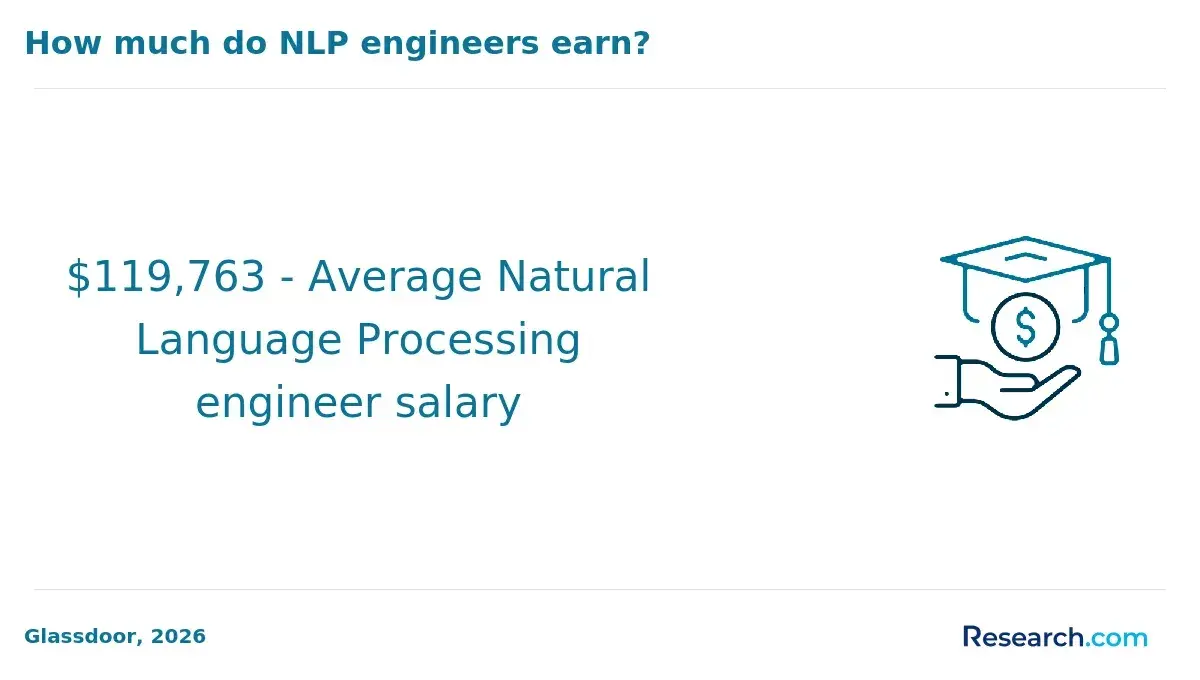
Employers often subsidize these programs due to their career value. According to US data from Glassdoor and Robert Half's 2024 compensation guides, AI governance and model risk specialists at large banks earn total compensation 20-35% higher than traditional risk managers with similar experience, highlighting a significant return on investment for both professionals and institutions.
When choosing a course, focus on curriculum emphasis-regulatory compliance, ethical AI, or risk frameworks-and consider hands-on learning components. Blended formats and recognized certifications boost credibility and help professionals stand out in a competitive job market.
What jobs can banking operations professionals get after training?
Banking operations professionals with training in AI governance are increasingly prepared for roles that combine operational expertise with oversight of AI systems. Common positions include AI risk analyst, AI compliance officer, and AI governance manager, all focused on ensuring AI applications in banking comply with regulatory standards and maintain transparency.
These professionals assess machine learning models for biases and vulnerabilities, particularly in transaction monitoring and fraud detection. Compliance officers monitor evolving regulations such as the AI Act and data privacy laws to reduce operational risks. Governance managers create and enforce frameworks that guide the ethical use of AI throughout banking processes.
- AI audit specialists who evaluate model performance and accountability
- AI data stewards responsible for the quality and integrity of training data
- AI strategy consultants guiding integration and governance policies
These roles require strong knowledge of AI concepts, regulatory environments, and banking workflows. According to Deloitte's 2024 global banking outlook, 67% of banks plan to significantly increase AI-related training budgets by 2026, targeting risk, compliance, and operations staff for upskilling in AI governance.
Expanding skills in AI governance enables professionals to move from traditional operational roles to specialized positions addressing compliance, risk mitigation, and ethical deployment-areas critical as banks integrate AI for decision-making and service delivery.
What salary can AI governance training support in banking?
AI governance training has a notable impact on salary growth within banking operations teams. Professionals completing focused AI governance and risk courses are significantly more likely to receive promotions into AI-related risk, compliance, or operations roles. A LinkedIn Learning enterprise analysis found these individuals were 1.8 times more likely to advance within 12 months compared to peers with only general AI or data science education. Salaries in these specialized positions range from $90,000 to $140,000 annually based on experience and location.
Job titles benefiting from AI governance expertise include AI risk analysts, compliance officers with AI skills, and AI operations managers. These roles demand proficiency in ethical AI deployment, regulatory compliance, and risk mitigation - competencies developed through dedicated governance training. Salary increases stem from the higher market demand for professionals who can align AI tools with compliance standards and reduce regulatory risks.
Transitioning from general IT or data science to AI governance roles often yields a 15% to 30% salary uplift. Certifications in AI risk and governance enhance negotiating power, with certified compliance officers earning median salaries near $130,000 compared to $100,000 without such credentials.
- Promotions linked to AI governance education
- Skills in ethical AI use and regulatory adherence
- Salary improvements of up to 30%
- Higher demand for AI governance certified professionals
Employers prioritize AI governance expertise to mitigate operational risks and ensure compliance, making this training a valuable investment for career advancement within financial services.
How do you choose a reputable AI governance course?
Selecting a strong AI governance course involves assessing key elements aligned with the financial sector's practical needs. Focus on courses that delve into governance frameworks, ethics, regulatory compliance, and risk management tailored to banking. Essential topics include data privacy, bias mitigation, and model transparency, all critical for financial institutions.
Evaluate who teaches the course and the institution's credibility. Programs supported by recognized financial or AI ethics bodies, or those partnered with banks or fintech firms, offer real-world relevance. For instance, collaborations with major industry players provide valuable insights into addressing contemporary challenges.
Course format matters; modular designs covering enterprise-wide frameworks or specialized topics like audit controls benefit banking professionals. Considering that only 28% of banks have fully implemented governance frameworks while over 80% remain in development, courses emphasizing actionable implementation strategies are especially valuable.
Look for regularly updated syllabi reflecting evolving AI regulations and best practices. The presence of hands-on projects, simulations, and clear learning outcomes enhances practical skills. Key questions to ask include:
- Does the course align with regulatory standards such as GDPR or SEC AI policies?
- Are certifications recognized by financial industry stakeholders?
- Is there guidance on integrating AI governance with existing risk management systems?
Choosing a course that balances theory with practical expertise will better equip professionals to bridge the governance gaps documented in major research reports, supporting their careers in AI and finance.
Other Things You Should Know About Artificial Intelligence
Common challenges include data privacy concerns, regulatory compliance, and integrating AI systems with legacy banking infrastructure. Additionally, banks must address issues with algorithmic bias and the need for transparency in AI decision-making processes. These challenges require a robust governance framework to mitigate risks effectively.
Artificial intelligence enhances risk management by enabling real-time analysis of large datasets to detect fraud, predict credit defaults, and assess market risks. AI-driven models improve accuracy and speed compared to traditional methods, allowing banks to make proactive, data-informed decisions. However, verifying model reliability and maintaining compliance remain essential.
Ethics is central to AI governance, ensuring that automated decisions are fair, transparent, and non-discriminatory. Banks must implement ethical guidelines to manage potential biases, protect customer data, and maintain trust. Ethical governance helps prevent reputational damage and aligns AI use with regulatory and societal expectations.
In 2027, notable AI governance courses for banking operations teams include Stanford's "AI Governance: Leading in Banking" and MIT's "AI Risk and Regulation." These courses focus on bridging technology with regulatory compliance, providing banking teams with the skills to manage AI responsibly.
References
- High School Classes Required for College Admission - National Association for College Admission Counseling (NACAC) https://www.nacacnet.org/high-school-classes-required-for-college-admission/
- AI Governance Mastery Series https://cgi.org.uk/qualifications-training/training-courses/ai-governance-mastery-series/
- Why Universities Need AI Governance https://www.ruffalonl.com/blog/artificial-intelligence/why-universities-need-ai-governance/
- What’s the Best Hands-on AI Training for Non-Technical Leaders (No Coding) in Financial Services? https://neurons-lab.com/articles/whats-the-best-hands-on-ai-training-for-non-technical-leaders-no-coding-in-financial-services/
- Best AI Compliance Certification Guide 2025: Compare AICP, ISO, IAPP & ISACA https://www.exin.com/article/best-ai-certification-guide-2025/
- Top MBA and PGDM College in Hyderabad, Telangana, India - IPE https://www.ipeindia.org/career-growth-after-banking-courses-in-india/
- Are the Minimum Admissions Requirements Enough to Get Into College? https://www.saraharberson.com/blog/minimum-admissions-requirements-enough-to-get-into-college
- Best AI Courses for Finance & Business Professionals (2026) https://www.wallstreetprep.com/knowledge/best-ai-courses-for-finance-business-professionals/
- ABA AI in Banking Workshop | American Bankers Association https://www.aba.com/training-events/online-training/ai-banking-workshop
- AI Governance in Banking: Top Use Cases You Should Know https://www.ovaledge.com/blog/ai-governance-banking-use-cases