2027 Best Generative AI Courses for Transformation Officers

Co-Founder and Chief Data Scientist
Transformation officers face growing pressure to lead innovation using generative AI, but often lack targeted education tailored to their strategic roles. Many come from unrelated backgrounds and find traditional technical courses too narrow or rigid, hindering effective adoption of generative AI solutions. Without practical, flexible learning options, these professionals struggle to bridge the gap between AI capabilities and organizational goals. This article highlights the best generative AI courses designed specifically for transformation officers, emphasizing accredited programs that combine strategy with practical AI knowledge. It aims to help readers select pathways that align with career pivots and real-world application challenges.
Key Things You Should Know
- Generative AI courses for transformation officers emphasize practical skills in deploying AI models, with 72% of programs updated through 2025 to include the latest industry applications.
- Data from 2024 shows that transformation officers with generative AI training report 30% higher success rates in digital strategy implementation.
- Top courses blend technical, ethical, and strategic teachings, reflecting demand for leaders who can manage AI risks alongside innovation.
Advance Your Career with AI Online Courses
Artificial Intelligence: Implications for Business Strategy
This program provides an introduction to Artificial Intelligence and their implications for business strategy. Earn an official digital certificate.

Oxford Artificial Intelligence Programme
Explore this Oxford Artificial Intelligence programme offered in a flexible learning environment and explore topics like machine learning, automation, and robotics.

Implementing Agentic AI: Building Your Organizational Playbook
This online MIT Agentic AI course offers a practical approach to deploying AI agents in your organization, including a custom playbook. 3 weeks, exclusive launch price.

AI Adoption: Driving Business Value and Impact
This online MIT AI Adoption: Driving Business Value and Impact offers practical frameworks to close the gap between AI potential and business reality.

Artificial Intelligence in Pharma and Biotech
Discover the applications and limitations of artificial intelligence in pharma and biotech with this MIT online short course.

What are the best generative AI courses for transformation officers?
Generative AI courses designed for transformation officers emphasize strategic deployment, leadership in AI-driven transformation, and solid technical grounding in generative models. These top-rated generative AI training programs for transformation leaders combine business transformation frameworks with practical experience in AI tools like GPT and DALL·E. Despite high adoption rates, only 23% of organizations have scaled AI across their enterprises, highlighting the need for specialized training in this area.
High-value programs focus on key topics such as:
- Fundamentals of generative AI architectures and their applications in business
- Change management strategies tailored for AI transformation
- Risk assessment and ethical considerations in generative AI deployment
- Integration of data strategy and AI governance frameworks
Examples range from university-led executive programs to vendor-neutral certifications emphasizing sector-specific applications in finance, healthcare, and manufacturing. Many also offer project-based learning and mentorship, helping leaders overcome barriers in scaling AI beyond pilot stages. Collaboration with AI development teams strengthens cross-functional leadership skills.
Transformation officers must seek courses that balance AI technical competency with organizational impact to close leadership and governance gaps. Staying current with rapid advances in generative AI ensures relevance through 2026 and beyond. For professionals exploring additional education options, a 2-year computer science degree online can complement AI-focused training and enhance career prospects.
Advance Your Career with AI Online Courses
Artificial Intelligence: Implications for Business Strategy
This program provides an introduction to Artificial Intelligence and their implications for business strategy. Earn an official digital certificate.
Oxford Artificial Intelligence Programme
Explore this Oxford Artificial Intelligence programme offered in a flexible learning environment and explore topics like machine learning, automation, and robotics.
Implementing Agentic AI: Building Your Organizational Playbook
This online MIT Agentic AI course offers a practical approach to deploying AI agents in your organization, including a custom playbook. 3 weeks, exclusive launch price.
What skills do transformation officers need for generative AI?
Transformation officers require a broad range of generative AI skills for transformation officers to successfully lead initiatives. A strong technical foundation is essential, including knowledge of generative AI models, natural language processing, machine learning frameworks, and data management. This expertise allows them to evaluate technology options, resolve implementation issues, and communicate complex requirements to diverse teams.
Key competencies for transformation officers in generative AI also include strategic thinking to align AI applications with organizational goals and to identify high-impact use cases. They must assess risks such as ethical challenges, data privacy, and algorithmic bias while mastering change management and stakeholder engagement to secure business unit support.
According to Deloitte's 2024 Global Human Capital Trends report, 69% of executives feel their organizations lack leaders who can integrate AI into business strategy. Practical skills like data analytics proficiency and project management ensure effective oversight of AI deployments. Industry-specific knowledge is vital for tailoring AI solutions in sectors such as finance, healthcare, and manufacturing.
Soft skills-including communication, creativity, and ethical judgment-help bridge gaps between technical and business teams, promoting responsible AI use. Continual learning and adaptability remain crucial due to the fast pace of generative AI evolution. Interested professionals can explore AI degree programs to build these competencies.
Which generative AI certifications matter for transformation officers?
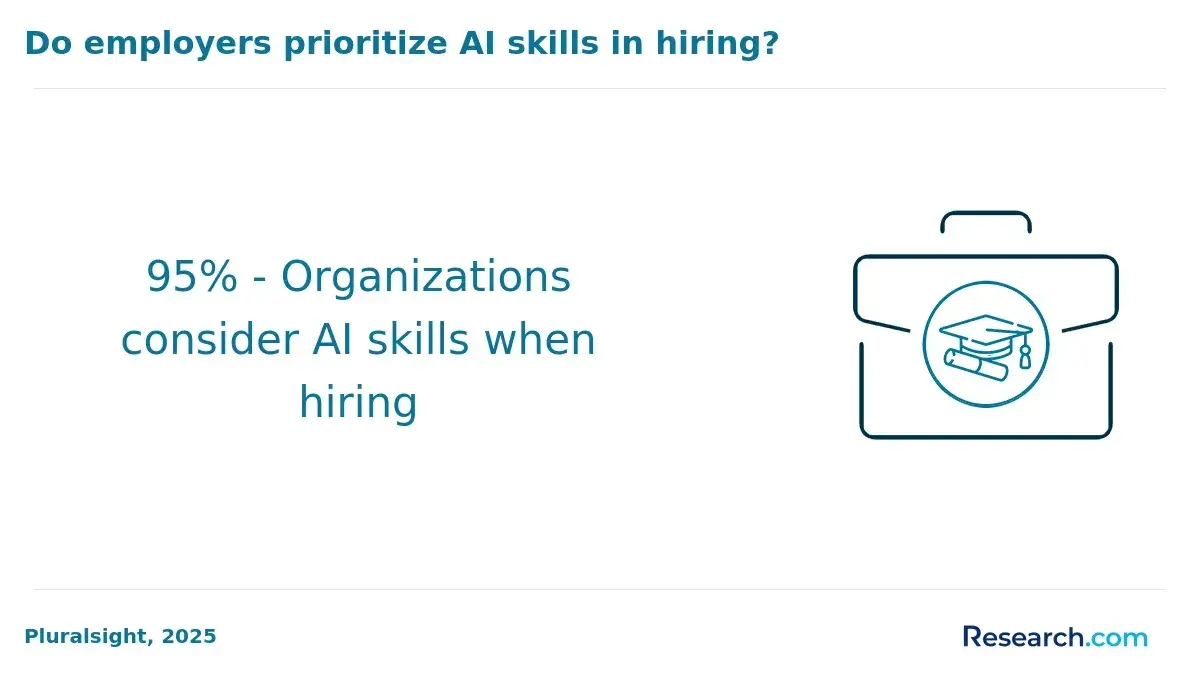
Generative AI certification programs for transformation officers focus on practical skills in AI strategy, implementation, and ethical governance within organizations. The World Economic Forum's 2025 Jobs of Tomorrow report highlights that C-suite and senior leaders with proven AI transformation experience earn salary premiums of 20-40% in industries like technology, financial services, and manufacturing. This underscores the growing importance of certifications validating both technical knowledge and business impact.
Top generative AI credentials in digital transformation management often combine AI fundamentals with executive decision-making. Renowned programs such as Stanford's AI Leadership Program and MIT's Digital Transformation offerings include key generative AI components that teach how to integrate AI tools with business processes and lead AI-driven change.
Technical AI certifications focused solely on data science or machine learning do not fully address transformation officers' needs. Instead, certifications that blend AI technology with organizational change management and ethical AI use provide greater value. They prepare leaders to oversee AI adoption, tackle regulatory issues, and manage associated risks.
Consider certifications covering:
- AI and business strategy alignment
- Ethical and responsible AI deployment
- Generative AI capabilities and applications
- Change management for AI projects
- AI governance and risk mitigation
Transformation officers should select credentials offering hands-on projects or simulations to confirm real-world AI implementation skills. These practical experiences ensure readiness to drive AI value and justify competitive compensation based on industry data. Professionals interested in advancing their expertise may also explore the cheapest online PhD in cyber security as a complementary pathway for broader digital transformation leadership roles.
How do online and campus AI programs compare?
Online and campus generative AI courses comparison between online and campus formats reveals distinct advantages tailored to transformation officers. Online programs excel in flexibility, enabling learners to balance demanding roles without disrupting work commitments. These often blend asynchronous study with live sessions, allowing quick application of concepts to practical challenges.
Conversely, campus programs offer immersive, face-to-face experiences promoting robust collaboration, debate, and networking opportunities essential for transformation officers. Access to faculty, peers, and hands-on workshops enhances practical skills in AI tools and strategies, creating deeper personal connections.
Both formats integrate case studies, executive coaching, and scenario-based learning tailored to leadership in transformation. Choosing between campus versus online generative AI programs for transformation officers depends on priorities like time availability, learning style, and networking needs.
A study by MIT Sloan Management Review and BCG found senior leaders completing structured AI training were 2.5 times more likely to achieve significant financial returns from AI initiatives, highlighting the business impact of well-designed executive programs.
For professionals exploring career advancement, especially those interested in AI training jobs, both online and campus options offer pathways to measurable ROI and practical implementation.
What should a generative AI course curriculum include?
A generative AI course curriculum should balance technical foundations with a practical strategy for transformation officers. Core subjects include machine learning, neural networks, and deep learning architectures like transformers, which power generative AI models. Hands-on experience with frameworks such as TensorFlow and PyTorch is essential for skill development and experimentation.
Training must also address implementation challenges, including data quality issues, bias mitigation, and ethical concerns. Officers learn to manage risks like misinformation and content authenticity, guiding responsible AI adoption in business contexts. Courses often include strategy modules on integrating generative AI into existing workflows, innovation management, and evaluating AI-driven ROI.
Case studies highlight sector-specific applications, such as automated marketing content creation or synthetic data use in healthcare, offering a real-world context. Legal aspects, including regulatory compliance and intellectual property rights related to AI-generated content, are also critical components.
More than half of large enterprises have increased AI upskilling budgets by over 25%, underscoring the need for leadership training in AI decision-making. Simulation exercises that replicate executive decisions under uncertainty help prepare transformation officers for real challenges.
Finally, focusing on future AI trends and ongoing research equips leaders to anticipate technological advances and maintain a competitive edge, blending technical expertise with strategic acumen for transformative outcomes.
What admissions requirements do AI courses usually ask for?
Admissions for AI courses targeting transformation officers generally require a relevant academic background, such as a bachelor's degree in business, computer science, engineering, or data analytics. Advanced certificates or programs often expect a master's degree or significant professional experience in transformation management or technology leadership. Practical experience with digital transformation or AI applications in business enhances an applicant's profile.
Applicants usually need to submit a detailed resume highlighting leadership roles in AI or data-driven projects. Letters of recommendation emphasizing technical skills and strategic thinking are common, especially for executive-level courses. Some programs also request a statement of purpose outlining how candidates plan to apply AI in organizational change and innovation.
Technical prerequisites often include foundational knowledge of data management, machine learning concepts, or basic programming. However, some programs provide preparatory modules for those less technically experienced. Online formats are typically more flexible, requiring motivation over formal qualifications.
The urgency for upskilling is supported by Accenture's report, revealing that 98% of global executives see generative AI as critical in the near future, yet only 27% of leadership teams are proficient. This gap drives enrollment of professionals who combine strategic insight with technology skills.
How long do generative AI courses take and what do they cost?
Generative AI courses vary widely in length, typically ranging from a few hours up to several weeks based on depth and format. Short workshops or bootcamps usually last between 4 and 20 hours, emphasizing foundational tools and practical skills. In contrast, comprehensive certificate programs and professional development tracks can span 4 to 12 weeks, blending theory, hands-on practice, and case studies tailored for transformation officers.
Course pricing differs significantly: introductory options or MOOCs may be free or cost under $200, ideal for quick skill-building. More intensive certification programs often charge $1,000 to $5,000, offering training in AI governance, risk management, and compliance designed for leadership roles. According to IBM's 2024 AI Governance survey, 61% of organizations lack formal AI governance training for senior leaders, while 44% report AI-related compliance or reputational challenges, underscoring critical gaps for executives.
When selecting a course, balance duration and cost with content focus. Shorter courses work well for immediate tool proficiency, whereas longer programs deliver essential governance and risk insights crucial for overseeing AI initiatives. Flexible scheduling from online platforms and universities accommodates working professionals.
Look for courses including compliance case studies or modules on emerging AI regulations to strengthen risk mitigation leadership amid increasing regulatory pressures. Transformation officers must prioritize education that closes governance skill gaps highlighted by current industry data.
What jobs can transformation officers pursue after AI training?
After completing AI training, transformation officers frequently take on strategic and operational roles where they apply generative AI to drive business improvements. Common positions include AI transformation lead, digital strategy consultant, innovation manager, and change management specialist focused on AI adoption. These roles involve guiding companies through AI-driven process enhancements, integrating new technologies, and upskilling workforces.
Leaders with AI expertise are increasingly valued for their ability to enhance project outcomes. A Boston Consulting Group study found that consultants using generative AI improved task completion speed by 25% and raised quality by 40%. These gains depend directly on clear AI knowledge from leaders who design practical AI workflows and training.
Career paths for transformation officers include:
- AI Strategy Manager: Creating AI roadmaps aligned with organizational goals.
- Business Process Architect: Redesigning workflows to embed generative AI, improving efficiency and quality.
- Data-Driven Decision-Making Officer: Converting AI insights into actionable strategies.
- Change Management Consultant: Driving AI adoption with customized training and communication.
Maximizing impact requires both technical mastery and leadership skills to lead AI-powered change. Continuous learning is essential to stay updated with evolving AI capabilities and sustain innovation across teams.
How much do transformation officers earn with AI expertise?
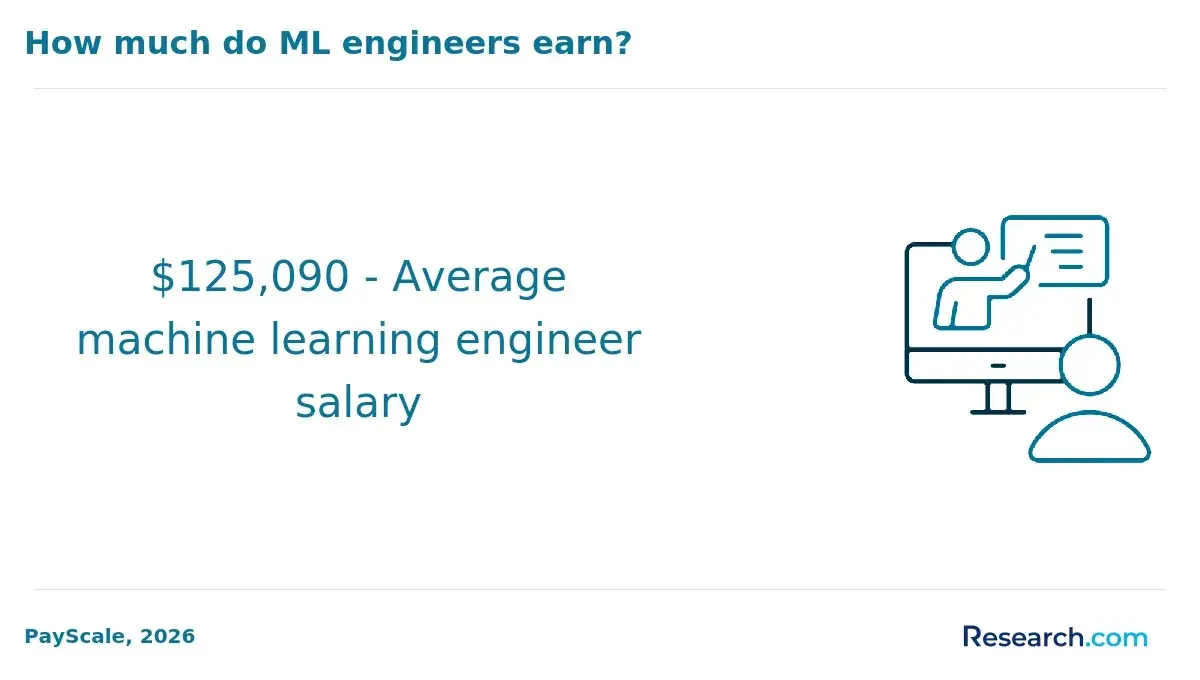
Transformation officers with AI expertise earn significantly higher salaries than their non-AI counterparts, reflecting AI's pivotal role in business transformation. Annual pay for these professionals in the United States typically ranges from $120,000 to over $200,000, depending on factors like experience, industry, and company size. Senior roles in regulated sectors such as finance and healthcare usually command salaries at the upper end of this scale.
PwC's 2024 Global Financial Services AI Study highlights that 72% of financial firms piloting generative AI identified a lack of AI-educated leadership in risk and compliance as a key barrier to scaling projects. This makes transformation officers skilled in AI and compliance especially valuable, empowering them to negotiate better compensation.
Those working in fintech or rapidly adopting AI industries often benefit from bonuses linked to successful pilot-to-production project outcomes. Meanwhile, officers in smaller companies or less regulated sectors generally earn between $100,000 and $140,000 but handle broader strategic roles.
Prospective students and professionals aiming to boost career prospects should consider hands-on experience and targeted courses in AI risk, governance, and compliance frameworks. Strengthening skills through specialized generative AI programs tailored for transformation roles can notably enhance marketability and salary potential.
How can you choose an accredited AI program?
Accredited AI programs meet rigorous academic and industry standards, ensuring quality education and professional credibility. Look for accreditation from recognized bodies such as the Accreditation Board for Engineering and Technology (ABET), the Middle States Commission on Higher Education (MSCHE), or the Western Association of Schools and Colleges (WASC). These organizations validate that programs provide current content, qualified faculty, and sufficient resources.
Specialized certifications or endorsements from AI industry leaders and professional associations also add value. Examples include recognition by the Association for the Advancement of Artificial Intelligence (AAAI) and partnerships with major AI technology providers, which demonstrate practical relevance and access to the latest developments.
Key curriculum elements include generative AI concepts, data ethics, transformation strategy, and applied case studies. Accredited programs often feature hands-on projects, capstones, or collaborations with businesses to develop real-world skills. Faculty expertise, research publications, and alumni success in AI-driven transformation roles are important factors to consider.
The World Economic Forum's Future of Jobs Report 2025 forecasts a 33% growth in AI and digital transformation leadership roles over five years, while roles lacking AI skills are expected to decline by 12%. Choose a program that aligns with this demand to enhance future employability.
Compare tuition, program length, and flexibility, including part-time, online, or hybrid options. Verify transfer credits and available support services to ensure the program fits your career goals and personal needs.
Other Things You Should Know About Artificial Intelligence
Transformation officers must understand that ethical considerations in artificial intelligence include bias mitigation, transparency, and accountability. These issues ensure AI systems are fair and do not perpetuate discrimination. Responsible AI use requires ongoing evaluation to align AI outputs with organizational values and legal regulations.
Artificial intelligence enhances decision-making by providing data-driven insights and automating routine analysis. It enables faster identification of patterns and trends that humans might overlook. However, decisions aided by AI should be reviewed critically to avoid overreliance on automated outputs without human judgment.
Transformation officers should be familiar with machine learning, natural language processing, computer vision, and robotic process automation. Each technology serves different business functions, such as predictive analytics, automated communication, visual recognition, and workflow automation. A broad understanding helps integrate AI strategically across operations.
In 2027, transformation officers should consider top courses such as "Generative AI for Business Leaders" by Coursera, "AI Strategy and Leadership" offered by MIT Sloan, and Udacity's "AI for Business Transformation." These courses emphasize practical applications and strategic integration of generative AI in businesses.
References
- Top Five U.S. High-Paying Jobs in the Digital Transformation Industry - PECB https://pecb.com/en/article/top-five-us-high-paying-jobs-in-the-digital-transformation-industry
- The AI Strategy Job Market in 2026: Analysis of 1,859 Postings https://axialsearch.com/insights/ai-strategy-jobs/
- Exploring Generative AI | Code.org AI Curriculum for Classrooms https://code.org/en-US/curriculum/exploring-generative-artificial-intelligence
- What are the requirements for completing the Introduction to AI and Building AI courses? https://www.elementsofai.com/ie/faq/what-are-the-requirements-for-completing-the-introduction-to-ai-and-building-ai-courses
- Best AI Certifications to Boost Your Career in 2026 – Dataquest https://www.dataquest.io/blog/best-ai-certifications/
- Top AI Courses After 12th to Kickstart Your Tech Career https://www.msruas.ac.in/blog/lead-the-future-of-artificial-intelligence-with-top-ai-courses-after-12th
- How Gen AI is transforming workforce skills for the future https://www.mercer.com/en-hk/insights/talent-and-transformation/skill-based-talent-management/transformation-of-skill-needs-in-the-age-of-generative-ai/
- Professional AI Training: How to Choose the Right Program https://www.strategicaileader.com/professional-ai-training-how-to-choose-the-right-program/
- What Jobs Will AI Replace? | Built In https://builtin.com/artificial-intelligence/ai-replacing-jobs-creating-jobs
- 11 AI certifications to grow your career https://www.cio.com/article/4175403/11-ai-certifications-to-grow-your-career.html