2027 Best AI Strategy Courses for Secure AI Adoption Teams

Co-Founder and Chief Data Scientist
Organizations struggle to adopt ai strategies securely amid rising cyber risks and compliance challenges. Many teams lack the specialized knowledge to integrate ai tools while safeguarding sensitive data, leading to costly errors and stalled innovation. Professionals from unrelated fields face steep learning curves and unclear pathways to gain the relevant skills demanded by employers. This gap hinders the potential benefits of ai for decision-making and operational efficiency. This article will explore top strategy courses designed to equip secure ai adoption teams with practical expertise, focusing on flexible, accredited programs tailored for graduate students and working professionals pivoting into the field.
Key Things You Should Know
- AI strategy courses in 2026 emphasize secure adoption, addressing risk management and ethical AI frameworks crucial for 85% of U.S. enterprises integrating AI technologies.
- Programs focus on interdisciplinary skills combining AI technical knowledge with leadership, compliance, and change management to prepare teams for complex AI deployments.
- Enrollment in AI strategy courses surged by 42% from 2024 to 2025, reflecting growing industry demand for professionals skilled in secure and responsible AI adoption.
Advance Your Career with AI Online Courses
Artificial Intelligence: Implications for Business Strategy
This program provides an introduction to Artificial Intelligence and their implications for business strategy. Earn an official digital certificate.

Oxford Artificial Intelligence Programme
Explore this Oxford Artificial Intelligence programme offered in a flexible learning environment and explore topics like machine learning, automation, and robotics.

Implementing Agentic AI: Building Your Organizational Playbook
This online MIT Agentic AI course offers a practical approach to deploying AI agents in your organization, including a custom playbook. 3 weeks, exclusive launch price.

AI Adoption: Driving Business Value and Impact
This online MIT AI Adoption: Driving Business Value and Impact offers practical frameworks to close the gap between AI potential and business reality.

Artificial Intelligence in Pharma and Biotech
Discover the applications and limitations of artificial intelligence in pharma and biotech with this MIT online short course.

What is an AI strategy course for secure AI adoption teams, and who should take it?
An AI strategy course for secure AI adoption teams equips professionals with essential knowledge and tools to implement artificial intelligence systems safely within organizations. This training emphasizes risk management, governance frameworks, ethical considerations, and compliance with legal standards to align AI solutions with corporate security objectives. Participants learn to balance innovation with controls that prevent data breaches, bias, and unintended outcomes.
Those who should enroll in secure AI adoption strategy training include security officers, risk managers, project managers leading AI initiatives, IT and data governance professionals, and business leaders responsible for AI-driven compliance and decision-making.
According to IBM's CEO Study, 61% of CEOs prioritize securing generative AI-covering governance and risk controls-over revenue growth, underscoring the critical need for specialized AI strategy education. Without this expertise, organizations face operational, reputational, and regulatory risks.
The curriculum usually covers AI threat modeling, governance policy development for generative AI, risk assessment tailored to AI deployments, and ethical frameworks addressing bias and transparency.
By completing the course, AI adoption teams can anticipate challenges such as evolving AI regulations, managing third-party providers, and secure data handling. For professionals looking to expand their education in related areas, exploring data science undergraduate rankings can provide valuable guidance.
Advance Your Career with AI Online Courses
Artificial Intelligence: Implications for Business Strategy
This program provides an introduction to Artificial Intelligence and their implications for business strategy. Earn an official digital certificate.
Oxford Artificial Intelligence Programme
Explore this Oxford Artificial Intelligence programme offered in a flexible learning environment and explore topics like machine learning, automation, and robotics.
Implementing Agentic AI: Building Your Organizational Playbook
This online MIT Agentic AI course offers a practical approach to deploying AI agents in your organization, including a custom playbook. 3 weeks, exclusive launch price.
How do AI strategy programs prepare teams to adopt AI securely and responsibly?
AI strategy programs deliver effective AI strategy training for secure adoption by equipping teams with knowledge of governance, risk management, and ethical frameworks. These programs emphasize designing AI systems aligned with regulatory and industry standards to reduce legal and reputational risks. Key vulnerabilities like biased data, lack of transparency, and weak security controls are identified, enabling teams to proactively implement safeguards.
Responsible AI adoption frameworks for teams include structured training in AI ethics, helping participants recognize and address discriminatory outcomes while fostering accountability throughout the AI lifecycle. Risk assessment techniques allow evaluation of AI models for misuse, cybersecurity threats, and compliance gaps. Case studies on biased algorithmic decisions in sectors such as finance and healthcare illustrate the need for ongoing monitoring and transparent reporting.
Practical skills focus on cross-functional collaboration involving data scientists, legal experts, and business leaders. Teams learn to set up governance committees and oversight mechanisms to ensure continuous assessment of AI projects. Attention is given to documentation standards and audit readiness, essential for regulatory compliance.
The World Economic Forum's Future of Jobs 2025 highlights a 40% growth in demand for AI and machine learning specialists between 2025 and 2029, driven by emerging skill clusters in AI governance and ethics. Professionals can explore pathways including a cheap online engineering degree to support innovation and responsible AI adoption in various industries.
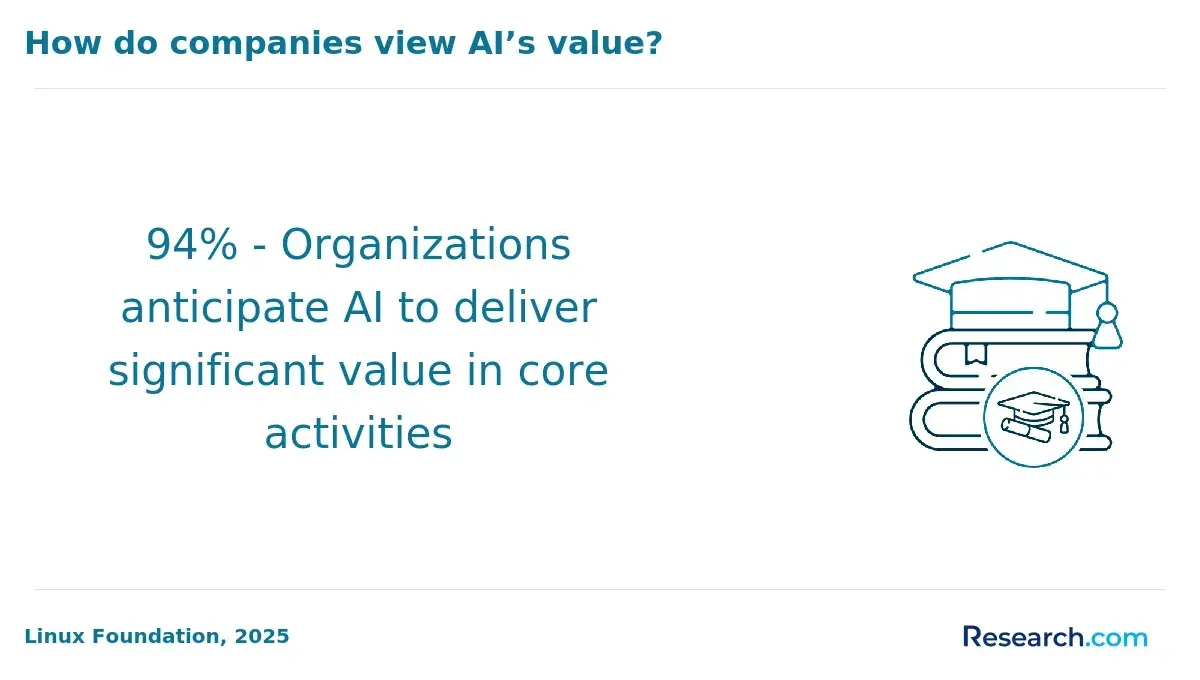
What types of AI strategy training paths exist, from short courses to graduate certificates?
AI strategy certification programs for corporate teams range from brief courses to extensive graduate certificates. Short programs focus on core concepts such as AI ethics, risk management, and implementation frameworks, providing professionals with quick upskilling opportunities for secure AI adoption. Practical workshops on AI governance and compliance help address real-world challenges in risk assessment and regulatory alignment.
Mid-length programs, often several months long, combine theoretical knowledge with applied projects. These advanced AI integration courses for enterprise adoption cover policy development, risk mitigation, and team coordination essential for IT managers and policy advisors responsible for implementing AI responsibly while reducing disruptions.
The most comprehensive option involves graduate certificates requiring year-long part-time study. Coursework includes AI security protocols, advanced compliance frameworks, and ethics leadership, preparing candidates to lead AI adoption aligned with organizational goals. Certificate holders often contribute to cost reductions in data breaches, achieving significant containment time improvements, as noted by IBM's Cost of a Data Breach report.
Choosing a program depends on one's role, desired knowledge depth, and time availability. For professionals seeking further education, options like a data science masters online offer expanded opportunities for integrating AI skills into broader data disciplines.
Which accreditation and institutional quality indicators matter for AI strategy courses in the U.S.?
Accreditation plays a vital role when choosing an AI strategy course accreditation in the U.S. Regional accreditations from recognized bodies such as the Higher Learning Commission or the Middle States Commission on Higher Education ensure that a program meets high academic standards. Institutional quality standards for AI strategy education in America also include faculty expertise in AI governance and strategy, current curricula aligned with industry needs, and partnerships with reputable organizations. For instance, business schools connected to AI research centers or AI-focused tech companies often provide practical case studies and governance frameworks essential for secure AI adoption.
Programs that integrate governance, ethics, and strategy modules foster a deeper, comprehensive understanding. In addition, certifications from professional organizations like IEEE or AI-specific governance frameworks can complement academic credentials and reflect industry validation. Practical experience, including capstone projects or simulated strategy scenarios, further prepares students to handle real-world AI adoption challenges effectively.
A McKinsey survey indicates organizations that gain the most value from AI are 2.8 times more likely to invest in formal AI training for non-technical business leaders. This underscores the importance of enrolling in accredited courses closely tied to real AI governance issues.
For professionals seeking accelerated pathways, consider exploring an accelerated cyber security degree that can complement AI governance and strategy expertise.
How do online, hybrid, and campus-based AI strategy programs compare for working professionals?
Online, hybrid, and campus-based ai strategy programs each offer unique benefits and challenges for professionals seeking secure AI adoption. Online programs provide maximum flexibility, enabling learners to balance work and study while staying updated with swiftly evolving ai trends. However, they may limit networking and hands-on experiences essential for practical AI strategy skills.
Hybrid programs blend online learning with occasional in-person sessions, ideal for those who want workshop engagement and team collaboration without sacrificing all flexibility. This format supports interactive learning crucial to effective ai deployment but requires a more structured schedule compared to fully online options.
Campus-based programs immerse students in intensive, real-time training, building stronger mentor relationships and peer networks. These offer valuable direct faculty access and practical labs yet demand on-site presence and can be less accessible due to fixed schedules and higher costs.
Enrollment in ai strategy courses geared toward leadership and executive roles surged 78% year-over-year, reflecting a rising demand for learning that aligns with business goals. Choosing a program depends on your career phase, available time for immersive learning, and how much value you place on interaction versus convenience.
What core topics and skills are covered in leading AI strategy and secure adoption curricula?
AI strategy and secure adoption programs focus on closing the skills gap highlighted by Deloitte's 2024 State of Generative AI in the Enterprise survey, which found that 71% of organizations lack sufficient expertise in AI risk, governance, and responsible use, despite 79% already deploying generative AI. These curricula teach governance frameworks that help design policies ensuring ethical, transparent, and accountable AI systems. Risk management coursework includes identifying vulnerabilities and developing mitigation strategies through threat modeling and compliance with current regulations.
Technical training covers AI model interpretability and explainability, essential for building stakeholder trust and meeting regulatory requirements. Students gain hands-on experience with secure AI development, emphasizing data privacy, adversarial resilience, and safe deployment. Auditing AI systems for bias, fairness, and ethical concerns prepares learners to lead responsible AI initiatives.
Strategy components focus on aligning AI projects with business objectives, managing organizational change, and fostering collaboration across teams. Strong communication skills for both technical and non-technical audiences are stressed to support adoption and reduce resistance. Real-world case studies and simulations, including scenarios of AI misuse or failure, help students develop critical problem-solving abilities.
- AI risk identification and governance frameworks
- Ethical AI principles and responsible use policies
- Secure AI design, development, and deployment techniques
- Bias detection and fairness auditing
- AI strategy alignment with organizational objectives
- Communication and stakeholder management
What are typical admission requirements and prerequisites for AI strategy and governance programs?
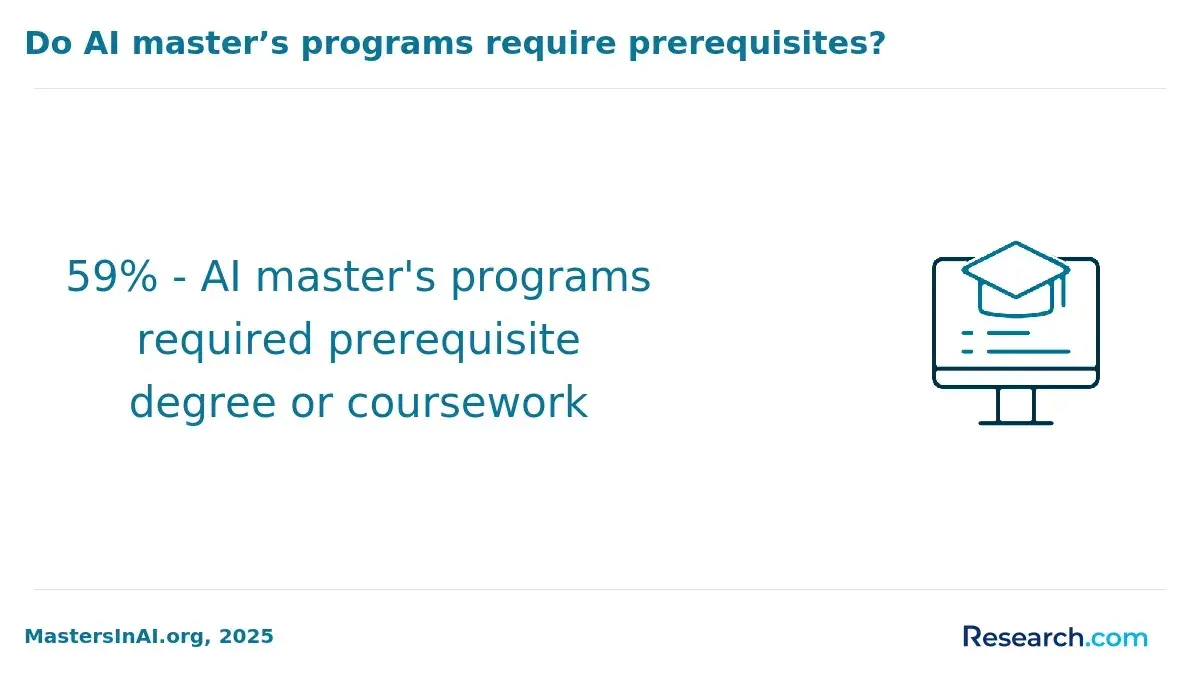
Admission to AI strategy and governance programs typically requires a bachelor's degree in fields like computer science, information technology, business administration, or related areas. Advanced programs may prefer or mandate a master's degree, especially those focusing on governance frameworks, ethical AI deployment, or regulatory compliance.
Applicants should demonstrate familiarity with AI concepts, data science, or cybersecurity. Prior coursework in programming, algorithms, or statistics is often expected to ensure foundational skills. Professional experience in IT management, AI project leadership, or risk management is highly valued and sometimes required, particularly for executive or part-time programs aimed at working professionals.
Although standardized tests such as the GRE are less frequently required, competitive or research-focused programs might request them. Candidates usually submit a statement of purpose describing their goals in AI governance and letters of recommendation verifying their analytical and leadership abilities.
With CIOs planning to increase AI governance spending from 9% to 15% of IT budgets by 2026 according to Gartner's 2024 CIO and Technology Executive Survey, practical governance skills are emphasized. Some programs include case studies on governance policies or prioritize applicants active in AI ethics or compliance initiatives.
Strong academic records, relevant technical knowledge, and documented leadership experience remain essential for successful admission into these specialized programs.
How long do AI strategy programs take, and what tuition, fees, and funding options exist?
AI strategy programs vary in length from a few weeks to a year depending on the provider and course depth. Certificate courses covering foundational strategy and governance typically last 6 to 12 weeks. More extensive professional certificates or executive programs often extend from 3 to 12 months, providing detailed instruction on AI adoption frameworks, risk management, and secure deployment. Many programs offer part-time and online options, enabling professionals to balance study with their careers by spreading out completion times.
Costs range significantly: short online courses may charge $1,000 to $3,000, while executive programs at leading business schools or specialized institutions often cost between $10,000 and $20,000 or more. Additional fees for materials, projects, or certification exams may apply. Funding opportunities frequently include employer sponsorship, scholarships, or income-share agreements, though federal or private loans are less common for shorter courses. Prospective students should check eligibility and financial aid availability directly with providers.
The 2025 Robert Half Technology Salary Guide shows that U.S. professionals specializing in AI strategy and governance earn median salaries 18-25% higher than senior digital transformation peers without AI expertise. This salary premium highlights the value of investing in comprehensive AI strategy education to advance career prospects.
What careers, job titles, and industries can AI strategy and secure adoption training lead to?
Careers involving AI strategy and secure adoption span industries like finance, healthcare, technology, manufacturing, and retail. Professionals in roles such as AI Strategy Manager, AI Adoption Specialist, AI Risk Officer, and Chief AI Officer play critical parts in aligning AI initiatives with business objectives while addressing security and compliance concerns.
Other key positions include AI Compliance Analysts and AI Ethics Consultants, who focus on regulatory and ethical standards, and AI Security Architects, dedicated to safeguarding AI systems from threats. These roles demand a blend of expertise in AI technologies, business strategy, risk management, and cybersecurity.
Training in AI strategy develops skills to lead AI governance, manage organizational change during adoption, and implement data-driven decision-making frameworks. For example, healthcare AI Strategy Managers use secure AI to enhance patient care while respecting privacy laws. In finance, AI Adoption Specialists help implement secure AI models for fraud detection and risk mitigation.
Research from Accenture's 2024 AI Maturity report reveals companies with formal AI strategy programs are 3.5 times more likely to outperform peers in revenue growth and 2.4 times more likely to experience fewer AI-related risk incidents. This highlights the business and security benefits of mastering AI strategy and secure adoption.
- AI Strategy Manager
- AI Adoption Specialist
- AI Risk Officer
- Chief AI Officer
- AI Compliance Analyst
- AI Ethics Consultant
- AI Security Architect
What salaries, job outlook, and certification options exist for AI strategy and AI governance roles?
Salaries for professionals in AI strategy and governance typically range from $95,000 to more than $180,000 annually, influenced by experience, industry, and location. Entry-level roles start near $95,000, while senior leaders and directors in AI ethics and compliance often earn above $180,000. The Bureau of Labor Statistics anticipates a 19% growth rate in related computer and information research roles through 2032, highlighting strong demand driven by regulatory pressures and the need for secure AI frameworks.
Certifications that enhance credentials include the Certified Artificial Intelligence Practitioner (CAIP), university programs in AI ethics and governance, and vendor-specific credentials like Microsoft's Responsible AI certification. These programs focus on skills in AI risk management, compliance, and ethical frameworks, which employers greatly value. Microsoft's 2024 Responsible AI practices report notes a 30% drop in AI compliance and reputational incidents within two years among organizations adopting formal responsible AI frameworks combined with cross-functional training.
For career advancement, combining technical AI expertise with governance and risk management is critical. Leadership roles benefit from an MBA emphasizing AI strategy or technology governance. Staying updated on evolving standards from ISO and NIST is essential as AI regulatory environments continue to change.
Other Things You Should Know About Artificial Intelligence
The primary risks of implementing artificial intelligence in organizations include data privacy issues, algorithmic bias, and lack of transparency. Poorly designed AI models can lead to unfair decisions or exclude certain groups. Additionally, security vulnerabilities and regulatory compliance challenges can expose companies to legal and reputational damage.
The best AI strategy course in 2027 emphasizes practical application, expert-led instruction, and up-to-date content on security measures. It offers case studies, peer collaboration, and aligns with evolving regulations, ensuring teams can efficiently adopt and secure AI technologies.
Ethical concerns in AI adoption include ensuring fairness, accountability, and transparency in algorithms. Organizations need to mitigate biases in training data and avoid decisions that negatively impact marginalized groups. Clear guidelines and governance frameworks help maintain trust and social responsibility in AI applications.
Teams can stay informed by following industry regulatory bodies, subscribing to AI policy newsletters, and participating in professional networks focused on AI governance. Engaging with compliance experts and attending relevant workshops ensures awareness of current laws and standards. Continuous education helps organizations adapt to changing legal environments effectively.
References
- Salary and Jobs Report 2025-26: Privacy, AI Governance and Digital Responsibility | IAPP https://iapp.org/resources/article/salary-survey-summary
- AI Global Governance Summer School (3rd Edition) Brussels 26-30 May 2026 https://www.globalgovernance.eu/ggi-education/aigg
- Strategic Quality Assurance in Higher Education - OAED Website https://oxfordacademy.org.uk/strategic-quality-assurance-in-higher-education/
- How to Measure AI Success in Higher Education: The Metrics That Matter | News & Insights | LearnWise https://www.learnwise.ai/news-insights/how-to-measure-ai-success-in-higher-education-the-metrics-that-matter
- Evaluating the Impact of Institutional Accreditation on Armenian Universities: An AI-Assisted Text Analysis Approach https://www.eua.eu/publications/conference-papers/evaluating-the-impact-of-institutional-accreditation-on-armenian-universities-an-ai-assisted-text-analysis-approach.html
- AI Strategy Framework: 11 Best for Enterprise 2026 https://iternal.ai/best-ai-strategy-frameworks
- Workforce Strategy: Winning with AI Adoption https://www.growthspace.com/blog/workforce-strategy-ai-adoption
- AI pricing: how much does AI cost in 2025? | Future Processing https://www.future-processing.com/blog/ai-pricing-is-ai-expensive/
- Navigating Safe AI Deployment in Enterprise Organizations https://candf.com/our-insights/articles/navigating-safe-ai-deployment-in-enterprise-organizations/
- From Strategy to Execution: A Roadmap for AI Adoption in Enterprises Driving Business Transformation and Integration - Authority AI https://authorityai.ai/a-roadmap-for-ai-adoption-in-enterprises-driving-business-transformation-and-integration/