2027 Best AI Courses for Chief Compliance Officers With Certificates

Co-Founder and Chief Data Scientist
Chief compliance officers face growing pressure to integrate emerging technologies into risk management and regulatory frameworks. Without specialized knowledge in artificial intelligence, they risk misinterpreting AI-driven data or overlooking compliance gaps tied to automated processes. This can lead to costly legal ramifications and damaged reputations. Flexible, accredited courses that provide certificates offer a practical solution by equipping professionals with essential skills while accommodating busy schedules. This article highlights the best AI courses designed specifically for chief compliance officers, outlining programs that combine relevant content, credibility, and convenience to support career advancement in this critical field.
Key Things You Should Know
- AI compliance courses in 2026 emphasize real-world regulatory frameworks, helping chief compliance officers manage evolving risks linked to AI adoption in finance, healthcare, and data privacy.
- Certificates from accredited programs increase career advancement opportunities, with 78% of employers valuing formal AI ethics and governance training for compliance roles.
- Top courses integrate practical AI tooling skills, combining technical and legal knowledge, crucial as 65% of compliance failures now relate to AI-driven decision processes.
Advance Your Career with AI Online Courses
Artificial Intelligence: Implications for Business Strategy
This program provides an introduction to Artificial Intelligence and their implications for business strategy. Earn an official digital certificate.

Oxford Artificial Intelligence Programme
Explore this Oxford Artificial Intelligence programme offered in a flexible learning environment and explore topics like machine learning, automation, and robotics.

Implementing Agentic AI: Building Your Organizational Playbook
This online MIT Agentic AI course offers a practical approach to deploying AI agents in your organization, including a custom playbook. 3 weeks, exclusive launch price.

AI Adoption: Driving Business Value and Impact
This online MIT AI Adoption: Driving Business Value and Impact offers practical frameworks to close the gap between AI potential and business reality.

Artificial Intelligence in Pharma and Biotech
Discover the applications and limitations of artificial intelligence in pharma and biotech with this MIT online short course.

What are the best AI courses for chief compliance officers with certificates?
Best AI certification courses for chief compliance officers with certificates focus on blending artificial intelligence fundamentals with compliance frameworks and risk management. These courses often emphasize AI ethics, regulatory risk assessments, and compliance strategies tailored to shifting legal requirements. Programs from organizations like the Compliance Week Academy provide valuable case studies on AI's role in anti-money laundering and data privacy enforcement.
Top ai training programs with certificates for compliance professionals also include certifications such as the Certified Artificial Intelligence Risk and Compliance Professional (CAIRCP), which align with international regulatory standards and rigorously evaluate AI-related compliance risks. Flexible online offerings from prestigious universities like Stanford and MIT integrate machine learning basics with compliance-focused modules, supporting officers who need both technical knowledge and regulatory insight.
Professional bodies such as the Association of Certified Fraud Examiners (ACFE) offer courses concentrating on AI applications in fraud detection and regulatory risk mitigation. This training is critical as regulatory risks related to AI continue to grow; a Gartner survey projects that by 2027, 64% of chief compliance officers will count AI-related regulatory risk among their top concerns, up from 21% a few years earlier.
When exploring training options, chief compliance officers should seek courses offering recognized certifications, practical problem-solving exercises, and up-to-date material on AI regulations and ethical issues. Practical expertise in AI risk modeling and compliance automation tools enhances risk management capabilities. For those seeking a broader foundation, consider an online computer science degree to deepen technical skills alongside compliance education.
Advance Your Career with AI Online Courses
Artificial Intelligence: Implications for Business Strategy
This program provides an introduction to Artificial Intelligence and their implications for business strategy. Earn an official digital certificate.
Oxford Artificial Intelligence Programme
Explore this Oxford Artificial Intelligence programme offered in a flexible learning environment and explore topics like machine learning, automation, and robotics.
Implementing Agentic AI: Building Your Organizational Playbook
This online MIT Agentic AI course offers a practical approach to deploying AI agents in your organization, including a custom playbook. 3 weeks, exclusive launch price.
Which certificates matter most for compliance leaders in AI?
Chief compliance officers (CCOs) aiming to lead ethical and legal oversight of AI systems need certificates that blend compliance knowledge with AI-specific training. Traditional compliance frameworks alone are insufficient. The most relevant certified ai compliance officer programs focus on AI governance, ethics, risk assessment, and bias mitigation. Examples include credentials like Certified AI Ethics Professional (CAIEP) and combined offerings such as Compliance Risk and AI Ethics certificates from top institutions.
Expertise in data privacy and cybersecurity remains critical as AI often intersects with personal data regulations like GDPR and CCPA. Certificates such as Certified Information Privacy Professional (CIPP) help CCOs ensure AI tools comply with these laws. Practical skills in identifying bias and conducting ethical audits of algorithms also grow increasingly important. According to a NAVEX benchmark report, 71% of compliance leaders lack sufficient in-house ability to assess AI ethics risks, underscoring a need for focused training.
Leadership and management certificates that emphasize interdisciplinary collaboration further strengthen an organization's AI governance. These courses teach how to build cross-functional teams and manage emerging technology risks effectively. CCOs looking for top AI certification courses for compliance leaders should consider programs emphasizing:
- Ethical AI frameworks and bias mitigation techniques
- Data privacy law and cybersecurity integration
- Risk management tailored to AI systems
- Leadership in technology governance
Those interested in comprehensive AI education can explore an AI online degree to complement specialized certifications and enhance career prospects in this evolving field.
How do you choose an accredited AI program for compliance careers?
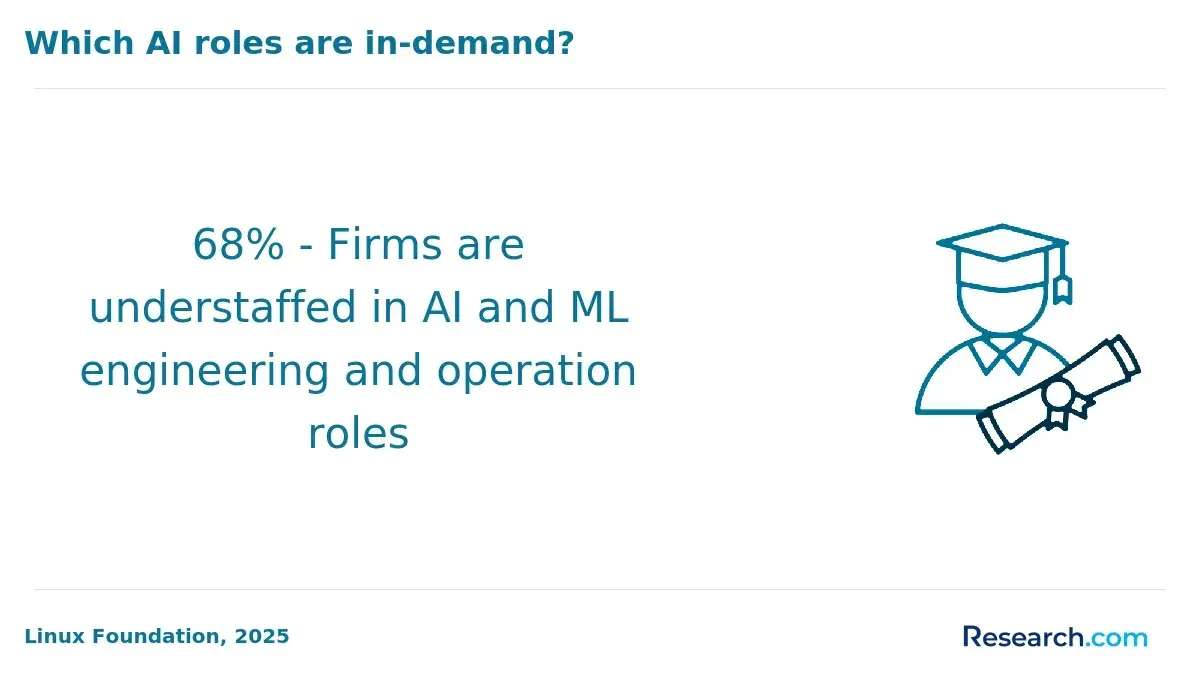
Choosing an accredited artificial intelligence compliance program begins with confirming institutional accreditation by regional or national education authorities, ensuring academic quality and employer recognition. Top criteria for selecting AI certification courses for compliance officers also include curriculum relevance, focusing on AI governance, risk management, and sector-specific frameworks like finance or healthcare. Programs integrating case studies on regulatory challenges and ethical AI use help professionals apply practical knowledge to complex compliance environments.
Instructor credentials play a crucial role; courses developed or endorsed by renowned universities or professional organizations offer added credibility. Look for programs providing verifiable certificates to enhance your professional profile. Many busy compliance leaders benefit from short, focused micro-courses, aligning with trends reported in LinkedIn Learning's Workplace Learning Report, which shows significant growth in enrollments for AI governance and risk micro-courses among senior legal and compliance professionals.
Stay updated with courses reflecting evolving laws and emerging AI risks. Access to ongoing resources or alumni networks supports continuous development. Cost considerations should balance budget and potential return on investment, emphasizing compliance-specific knowledge over generic artificial intelligence skills. For related fields, consider a game development degree online, which also requires accredited, specialized training.
Are online AI courses better than campus programs for compliance officers?
Online AI courses for compliance officers offer unmatched flexibility, allowing professionals to balance existing job duties with upskilling without relocating or taking extended leave. This flexibility suits the fast-evolving regulatory landscape, where timely education is essential. These programs often provide specialized content on AI governance tailored specifically to compliance leaders, covering topics such as AI risk management, ethical AI use, and regulatory implications.
Advantages of online AI training versus campus programs include faster curriculum updates and cost savings by eliminating expenses related to travel, housing, and materials. This lowers barriers for officers across different organizational sizes, enabling broader access to critical certifications. According to a survey, professionals with AI-related governance or risk certifications earn, on average, 11% more than peers without these credentials.
Campus-based programs still have value for those seeking hands-on experience, in-person networking, and deeper immersion in AI compliance labs or simulations. A hybrid approach, blending foundational online coursework with select in-person sessions, can optimize learning.
When choosing programs, consider the institution's reputation, instructional quality, and industry recognition. Accredited online courses often include instructor support, interactive tools, and peer collaboration opportunities absent in many traditional models. For more details on related fields, explore cyber security courses online.
What AI topics are covered in compliance-focused certificate courses?
Certificate courses focused on compliance in artificial intelligence equip chief compliance officers with essential knowledge on ethical AI implementation and risk management. These programs cover AI governance frameworks that set standards for responsible use alongside regulatory compliance requirements linked to data privacy laws such as GDPR and CCPA. A key emphasis lies on algorithmic transparency, teaching how to audit AI systems and interpret their decisions to maintain accountability.
Participants learn bias detection and mitigation techniques to prevent discriminatory AI outcomes, while gaining hands-on experience integrating AI into existing compliance workflows through automated monitoring and reporting tools. Legal aspects of emerging AI technologies like machine learning and natural language processing are also addressed, preparing officers for evolving regulatory landscapes.
Courses may include AI policy development aimed at creating organizational ethics aligned with changing laws and an understanding of cybersecurity risks introduced by AI, offering strategies to protect sensitive information. Use cases often explore challenges within financial services, healthcare, and supply chain compliance sectors.
With increasing regulatory scrutiny, there is a growing focus on global AI law harmonization and managing cross-border compliance challenges. This trend has driven a 52% rise in enrollment for AI law, governance, and compliance programs at top business schools, reflecting urgent demand for experts skilled in navigating complex AI compliance environments.
What admission requirements do AI certificate programs usually ask for?
Programs offering AI certificates for chief compliance officers generally require a bachelor's degree or higher, ideally in business, law, finance, information technology, or related fields. Professionals with substantial experience in compliance, risk management, or regulatory roles may also qualify even without a strictly technical academic background. Applicants should demonstrate knowledge of compliance frameworks, data privacy regulations, and technology systems relevant to regulated industries.
Specialized courses in sectors like finance or healthcare might ask for professional licenses or certifications such as the Certified Compliance & Ethics Professional (CCEP). Submission of a detailed resume highlighting relevant compliance roles is commonly needed to qualify for advanced curricula.
Technical prerequisites vary by program level. Introductory AI courses usually require no prior programming or AI knowledge, making them accessible to compliance officers without coding skills. Intermediate and advanced offerings may expect familiarity with data analytics, Python, or machine learning concepts, sometimes requiring preparatory assessments.
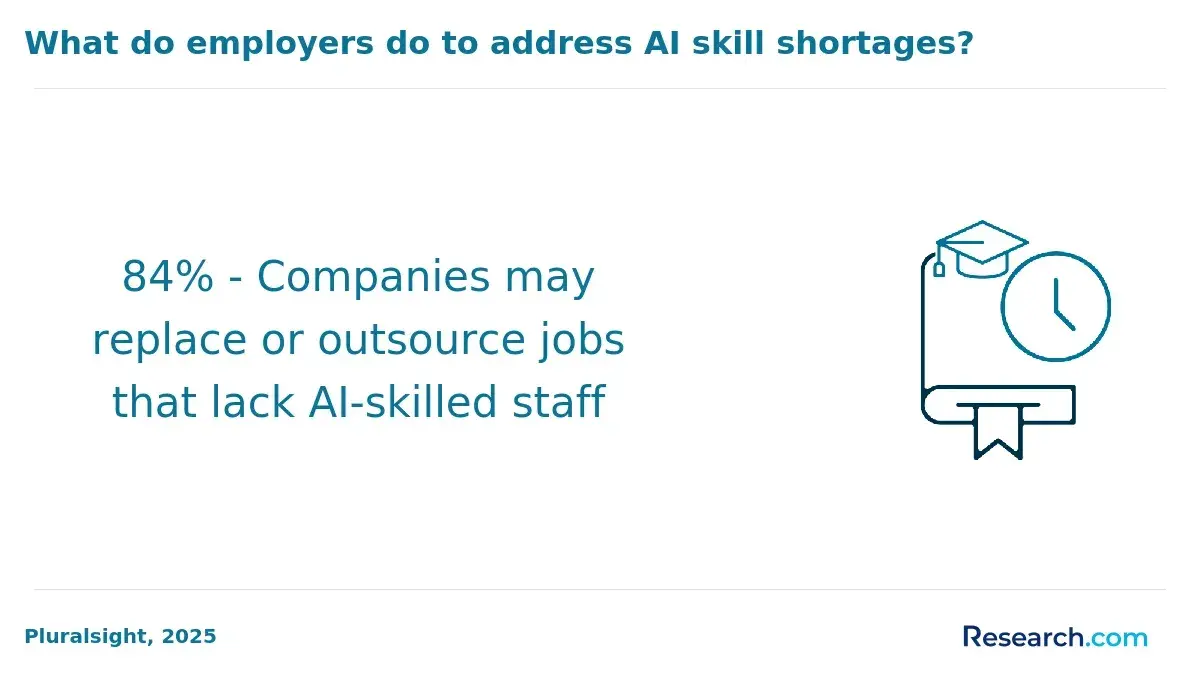
Financial and time commitments are often clarified upfront, including course duration and required software. With the projected expansion of AI risk and compliance training in financial services (79%) and healthcare organizations (73%), programs increasingly align admission requirements with evolving sector-specific regulations, according to the 2025 World Economic Forum/BCG report.
Applicants must provide formal education or equivalent experience, proof of relevant compliance expertise, and, for higher-level certificates, foundational technical skills. These elements ensure AI instruction remains practical and regulatory-compliant for chief compliance officers.
How long do AI certificate programs for compliance officers take?
AI certificate programs for compliance officers generally range from 4 weeks to 6 months, varying based on course depth and delivery format. Short programs lasting around one month focus on core topics like AI governance, ethics, and regulatory frameworks. These brief courses provide a solid foundation for professionals seeking a quick, comprehensive overview.
Longer programs, typically 3 to 6 months, emphasize hands-on labs and simulation-based training. Such experiential learning is critical for mastering AI compliance, as it allows officers to engage with real-world scenarios and make informed decisions. A NAVEX Global benchmarking study from 2024 found that organizations using simulation training in AI governance experienced 40% fewer AI-related compliance breaches than those relying on traditional policy training. This underscores the advantage of interactive, applied courses over purely theoretical ones.
Program formats influence duration: self-paced courses offer flexibility but may extend completion time, while cohort-based models require fixed weekly hours, facilitating faster progress at the cost of more immediate time investment. Some institutions integrate AI compliance modules into broader certification tracks, extending enrollment up to 6 months or longer.
For compliance officers balancing job responsibilities, modular programs with clear time commitments support steady advancement. Certificates earned are often recognized by industry bodies, boosting career prospects in compliance roles.
Expect AI certificate courses to provide essential training lasting between one and six months, with longer options delivering practical experience that effectively reduces compliance risks.
How much do AI certificate programs for compliance professionals cost?
AI certificate programs for compliance professionals range widely in price, from free courses to those costing several thousand dollars. Free options, frequently offered through platforms like Coursera, edX, and Udacity, provide strong introductions to AI governance, ethics, and compliance, ideal for individuals seeking foundational knowledge or a quick skill refresh. According to a 2024 Coursera Business Impact Report, companies with managers completing at least one AI governance or responsible-AI course experienced 23% more AI projects passing compliance on the first review, highlighting the practical value of accessible training.
Mid-tier programs generally cost between $300 and $1,500 and often include university-affiliated online courses. These include practical case studies and assessments tailored to compliance professionals, requiring 20 to 50 hours of study to balance depth, affordability, and time commitment.
Advanced executive-level certificates from prestigious institutions or AI hubs may range from $2,000 to $5,000. These focus on regulatory frameworks, risk mitigation, and integrating AI in complex compliance environments, often featuring live sessions, mentorship, and networking opportunities but demanding substantial time investment.
Choosing the right program means weighing cost against impact. Free and low-cost options offer entry points and foundational skills, while higher-priced programs provide deeper expertise and formal recognition. Employers increasingly value verified certificates demonstrating practical compliance applications and a solid commitment to AI governance standards.
What jobs can chief compliance officers pursue after AI training?
Chief compliance officers (CCOs) with training in artificial intelligence can pursue specialized roles that integrate AI to improve governance, risk management, and regulatory compliance. Such roles include AI risk managers who focus on detecting and addressing algorithmic bias and compliance gaps within AI systems. CCOs may also become AI ethics officers tasked with ensuring that AI implementations align with ethical guidelines and legal requirements. Another path is becoming data privacy officers charged with safeguarding sensitive information in AI-driven environments.
Additional career opportunities include AI governance consultants advising firms on establishing oversight frameworks and embedding compliance in machine learning workflows. In corporate settings, CCOs skilled in AI often lead audit teams assessing AI-driven decision tools against regulatory standards. They may also take leadership roles in technology risk management, handling AI-specific risk evaluations and controls. These positions require strong expertise in both compliance principles and AI technologies.
Deloitte's 2024 AI Governance Report highlights that organizations investing over $1,000 per compliance professional annually in AI risk and governance training saw a 3.2x return through lowered fines, incident costs, and rework within three years. This underscores the concrete value of upskilling CCOs in AI to reduce liability and boost operational efficiency.
As AI reshapes regulations, CCOs with AI knowledge also contribute to policy advisory roles in government and industry, helping to shape responsible AI standards. They can serve as compliance technology strategists, promoting AI-powered tools across sectors. These career tracks expand professional impact while addressing evolving challenges in compliance functions.
What salary and job outlook can AI-trained compliance officers expect?
Compliance officers trained in artificial intelligence (AI) within the U.S. can anticipate competitive salaries ranging from $95,000 to $150,000, with senior positions exceeding $180,000 depending on industry and location. Specialized roles in AI governance, particularly in financial services, often earn higher pay due to complex regulatory demands.
The job outlook for AI-savvy compliance professionals is strong. A 2025 IDC study forecasts that by 2027, 60% of large enterprises will mandate formal AI risk and governance certification for senior compliance leaders. This drives faster career progression and leadership opportunities for those with certified AI training.
Demand is highest in sectors with stringent regulations like healthcare, finance, and technology. Responsibilities increasingly involve AI audit controls, ethical governance, and risk mitigation strategies tailored to AI-driven systems.
Certification programs focusing on AI risk frameworks and governance best practices are becoming essential. Employers seek candidates capable of interpreting AI regulations and implementing effective compliance frameworks to manage emerging risks efficiently.
Key benefits of AI-focused compliance training include:
- Enhanced salary potential
- Improved job security
- Greater leadership opportunities
- Competitive advantage in regulated industries
Investing in AI governance education positions compliance professionals as critical assets in navigating the evolving regulatory landscape shaped by artificial intelligence.
Other Things You Should Know About Artificial Intelligence
In 2027, compliance officers should develop data analytics skills to interpret AI outputs, understand algorithm design to identify potential biases, and acquire knowledge of AI-driven compliance monitoring tools. Additionally, skills in ethical considerations surrounding AI deployment are essential for ensuring responsible use in compliance processes.
Artificial intelligence affects data privacy by increasing the volume and complexity of data processed for compliance monitoring. Compliance officers must ensure AI tools adhere to privacy regulations like GDPR or CCPA, implementing safeguards against unauthorized data access and misuse. Regular audits of AI systems help maintain privacy standards.
Yes, AI can analyze vast data streams to identify compliance breaches as they occur. Machine learning algorithms detect patterns and anomalies that suggest violations, enabling quicker intervention. Real-time monitoring helps reduce risks and improves regulatory adherence for organizations.
References
- ICA Specialist Certificate in AI for Compliance Professionals - Qualification https://www.int-comp.org/courses/ica-specialist-certificate-in-ai-for-compliance-professionals/
- Getting certified https://cclte.org/en/courses/getting-certified
- An AI governance certification will boost your career | The Corporate Governance Institute https://www.thecorporategovernanceinstitute.com/insights/guides/an-ai-governance-certification-will-boost-your-career/
- Chief Artificial Intelligence Officer - e-Compliance Academy https://www.e-compliance.academy/chief-artificial-intelligence-officer-2/
- AI Officer Role: DPO Evolution Guide | Whisperly https://whisperly.ai/ai-officer/
- What are the requirements for completing the Introduction to AI and Building AI courses? https://www.elementsofai.com/ie/faq/what-are-the-requirements-for-completing-the-introduction-to-ai-and-building-ai-courses
- Certificate Program in Generative AI for Professionals https://certifications.iitpatna.com/
- AI Compliance Officer: Career Path and Prerequisites (Your Step-by-Step Roadmap to a Future-Proof Role) https://skillseek.eu/answers/ai-compliance-officer-career-path-and-prerequisites
- Best AI Compliance Certification Guide 2025: Compare AICP, ISO, IAPP & ISACA https://www.exin.com/article/best-ai-certification-guide-2025/
- AI Regulation and Compliance Training in the US https://www.nobleprog.com/ai-regulation-and-compliance-training